
Successfully upselling woodworking items under $100 can not only enhance your revenue but also increase customer satisfaction by providing valuable additions to their primary purchases. Implementing effective Woodworking Upselling Strategies for Clients Under $100 can be the difference between a one-time buyer and a returning customer. Here’s how you can maximize your sales without overwhelming your clients.
Understand Client Needs
Before upselling, it’s crucial to understand what your clients need. Engage with them to discover their interests and projects they are working on. This insight allows you to suggest relevant products that genuinely enhance their woodworking experience. You might ask questions like:
- What type of projects are you planning?
- Do you have all the tools and materials required?
- Are there any challenges you’re facing with your current setup?
This approach not only builds rapport but also positions you as a helpful resource.
Bundle Related Products
Creating product bundles can entice clients to buy more while staying under budget. Consider combinations like:
- Wood Finishing Kits: Pair a wood finishing oil with applicators.
- Tool Maintenance Packages: Include sharpeners and oils for tools.
- Accessory Sets: Offer saw blades with matching safety gear.
Bundling promotes perceived value, encouraging clients to add items to their carts without feeling like it breaks the bank.
Highlight Seasonal or Trendy Items
Keeping your inventory fresh is vital. Highlight items that are currently popular, seasonal, or unique. For example, if rustic shelves are trending, feature the wood and hardware required to make them. Showcasing seasonal items, like festive decorations or summer crafts, can also pique interest and drive extra sales.
Offer Add-ons and Accessories
When clients are purchasing major items, suggest useful add-ons. For example, if they buy a wood piece, suggest varnish or stain that enhances its finish. Here are some examples:
- Tools: Propose additional clamps or specialized bits that fit their needs.
- Plans and Templates: Provide access to subscription services or templates to help them with projects.
These extras can often be offered at a reasonable price, making them a perfect upsell.
Utilize Online Platforms Effectively
Utilizing an online presence is crucial for showcasing products. Create engaging social media posts to highlight upsell opportunities. Share before-and-after photos, DIY tips, or project spotlights featuring your products. Customers often feel inspired when they see how others have successfully utilized the items you offer. Resources like Woodworkers Source can provide inspiration and tools for your customers’ projects.
Use Email Marketing
Email marketing is an effective tool for reaching your clients after their purchase. Share tailored recommendations based on their previous purchases. Use personalization strategies like:
- “You bought X; many customers also enjoyed Y.”
- “Complete your kit with Z for better results.”
This targeted approach can lead to increased sales as it feels more customized than generic messaging.
Provide Exceptional Customer Service
Great customer service creates an environment where clients feel comfortable exploring additional purchases. Train your staff to be knowledgeable about products and foster an approachable atmosphere. Encourage them to discuss related products whenever appropriate, ensuring it feels natural rather than forced. A satisfied customer is likely to consider your recommendations and return for future purchases.
Leverage Customer Feedback
Always listen to customer feedback. They can provide insights into what products make sense for upselling and improve your overall offerings. Share reviews or testimonials from clients who enjoyed their upsold products, as this social proof can positively influence other shoppers.
Pricing Strategies for Upselling
Consider your pricing carefully while suggesting upsells. Products priced under $100 not only appeal more to budget-conscious customers but also allow room for adding multiple items. A good strategy is to ensure the main product is priced competitively while still creating a margin on the upsell. Implementing effective Woodworking Upselling Strategies for Clients Under $100 can significantly benefit your business while ensuring customers find value in their purchases. By focusing on understanding their needs and providing thoughtful recommendations, you pave the way for future sales and customer loyalty. For further insights, visit Wood Magazine or explore resources at Woodworker’s Journal.
Adding Value: Low-Cost Accessories to Enhance Your Woodworking Offerings
Woodworking is an art that requires both skill and creativity. However, to truly succeed in this craft, you need to find ways to enhance your offerings without breaking the bank. One surefire way to achieve this is through low-cost accessories that add significant value to your woodworking projects. Not only can these enhancements make your products more appealing to clients, but they can also boost your sales without costing a fortune.
Explore Practical Accessories That Make a Difference
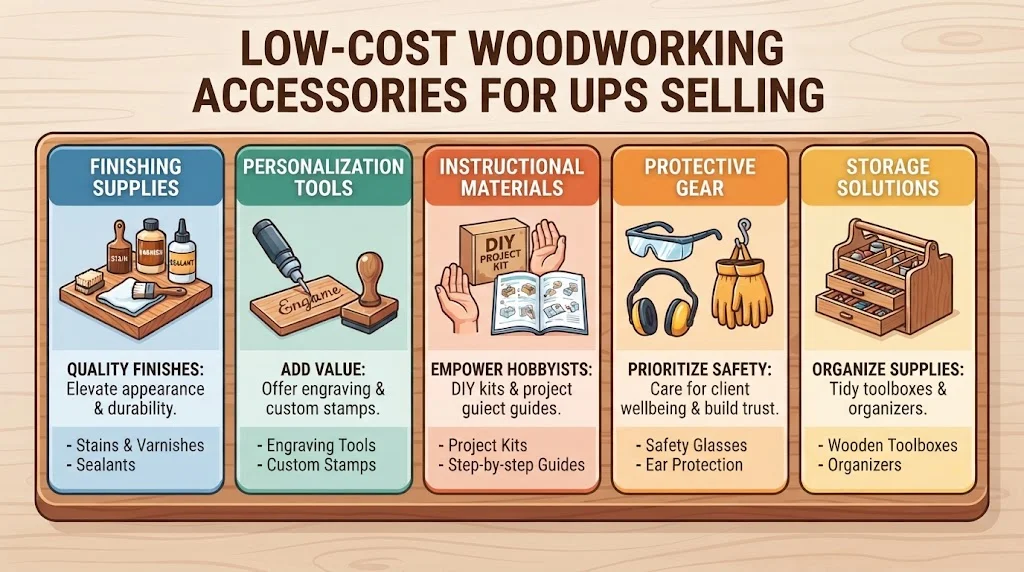
Here are some low-cost woodworking accessories that can help you upsell your offerings under $100:
- Finishing Supplies: Investing in quality finishing products like stains, varnishes, and sealants can elevate the appearance of your wooden items.
- Personalization Tools: Consider adding engraving tools or stamps. Personalization can increase the perceived value of your work significantly.
- Instructional Materials: DIY kits complete with step-by-step guides attract hobbyists looking to learn and can often lead to repeat customers.
- Protective Gear: Offering your clients safety glasses and ear protection can show you care about their wellbeing while building trust in your brand.
- Storage Solutions: Wooden toolboxes or organizers can help clients keep their woodworking supplies neat, reflecting the same care you put into your work.
Creating Bundles for Increased Value
Bundling products is an effective way to showcase value. By offering a selection of complementary accessories along with your main item, you can upsell effortlessly. For instance, if you’re selling a handcrafted table, consider including coasters, a matching tray, or a set of placemats. Such bundles can create a holistic experience for your clients at an attractive price point, improving the perceived value of your woodworking offerings.
Strategies for Upselling
Here are some practical upselling strategies you can implement:
- Highlight Benefits: Use attractive signage or online descriptions to communicate the benefits and features of each accessory. Make sure your clients understand how these additions can enhance their purchase.
- Use Social Proof: Share testimonials or showcase user-generated content where clients emphasize the value of accessories that complement their main purchase.
- Create Limited-Time Offers: Use urgency by providing discounts or special offers for accessories when clients purchase a primary product. This tactic encourages quick decision-making.
- Engage on Social Media: Use platforms like Instagram or Pinterest to display items in attractive settings, illustrating the practical uses of your accessories alongside your primary products.
Tailoring Products to Client Needs
Understanding your target market can dramatically influence your accessory offerings. Conduct surveys or engage in conversations with customers to discover what they need. If you realize that many clients are interested in beginner projects, for example, then offering an affordable project kit or an easy-to-follow plan can enhance your sales while providing value.
Focus on Quality over Quantity
While upselling aims to increase the average sale per transaction, prioritize quality in everything you offer. Clients are more likely to appreciate accessories that promise durability and craftsmanship over cheap filler items. For example, showcasing high-quality brushes for finishing can resonate with your premium woodworking offerings.
Leverage Online Resources
Many woodworking forums and websites provide insights into emerging trends and client expectations. Websites like Wood Magazine and Woodworkers Source can keep you informed about what customers are currently seeking. Utilizing these strategies can significantly enhance your woodworking business by attracting and retaining clients. By focusing on low-cost accessories that resonate with your audience, you can create a streamlined offering that elevates the overall customer experience while encouraging additional purchases.
| Accessory | Price Range | Benefits |
|---|---|---|
| Finishing Supplies | $10 – $30 | Improves aesthetics and durability |
| Personalization Tools | $15 – $50 | Adds unique identity to products |
| Storage Solutions | $20 – $80 | Enhances organization and functionality |
Remember, the goal is to provide value while keeping costs affordable. With the right approach to accessory additions, you can not only boost your woodworking sales but also create a loyal customer base that appreciates quality craftsmanship.
The Psychology of Upselling: Understanding Client Needs in Woodworking
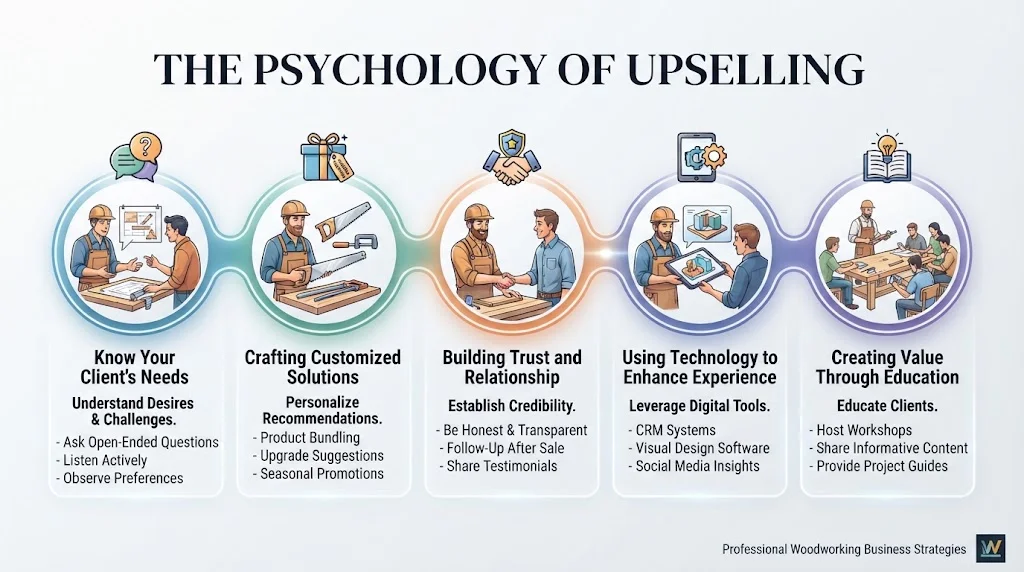
In the woodworking business, understanding the psychology of your clients can be a game-changer. As you interact with customers, recognizing their needs and preferences helps you create upselling strategies that resonate. Here are some advanced insights to elevate your approach.
Know Your Client’s Needs
At the heart of successful upselling lies a deep comprehension of your client’s desires and challenges. Most of the time, customers come to you with a specific vision, and tapping into that helps you suggest additional products or services. Consider the following strategies:
- Ask Open-Ended Questions: Engage your clients in conversations that allow them to express their desires freely. Phrases like “What function do you envision for this project?” can lead to valuable insights.
- Listen Actively: Pay attention to the details your clients share. This can reveal not just what they want, but also what they might need, allowing you to offer complementary items.
- Offer Visual Aids: Show them samples or completed projects that highlight potential upgrades, enticing them to consider options they didn’t initially think about.
Crafting Customized Solutions
Once you understand your clients’ needs, the next step is to customize your offerings. Personalization goes a long way. Consider these approaches:
- Product Bundling: Create packages that include multiple items at a slight discount. For example, if a client buys a wooden table, suggest matching chairs as part of a bundle.
- Upgrade Suggestions: If a client is purchasing a simple shelving unit, offer stronger materials or additional design elements that enhance functionality and aesthetic appeal.
- Seasonal Promotions: Utilize holidays or special events to promote related items, such as selling unfinished wood projects that are perfect for gift-giving.
Building Trust and Relationship
A key component of upselling is establishing trust with your client. Here’s how you can build those relationships:
- Be Honest: Always provide accurate information about your products. If something doesn’t fit their needs, say so. This builds credibility.
- Follow-Up: After a sale, check in with your customers. Ask them how their project is coming along and if they need anything else. This shows you care about their success.
- Client Testimonials: Share success stories from past clients to instill confidence. People are likely to buy when they see others have succeeded.
Using Technology to Enhance Experience
In today’s digital age, technology can play a significant role in understanding client psychology and enhancing the upselling experience. Incorporate these tools:
- CRM Systems: Use customer relationship management tools to track previous purchases and preferences. This helps you personalize future conversations.
- Visual Design Software: Some software tools allow customers to visualize how different products look together before making a purchase.
- Social Media Insights: Engage with clients on social platforms to get feedback and understand emerging trends. This can inform your upselling strategies.
Creating Value Through Education
Educating clients can also promote upselling opportunities. Throughout the buying process, consider these educational strategies:
- Workshops: Host workshops to teach clients about woodworking techniques, where you can subtly introduce advanced tools or materials they may want.
- Informative Content: Share blog posts or videos on your website, such as “How to Choose the Right Wood for Your Project,” which can drive traffic and encourage additional purchases.
- Guides and Resources: Provide downloadable guides on topics related to woodworking that help them make informed decisions.
Building a Strong Client Relationship: Communication Techniques for Upselling
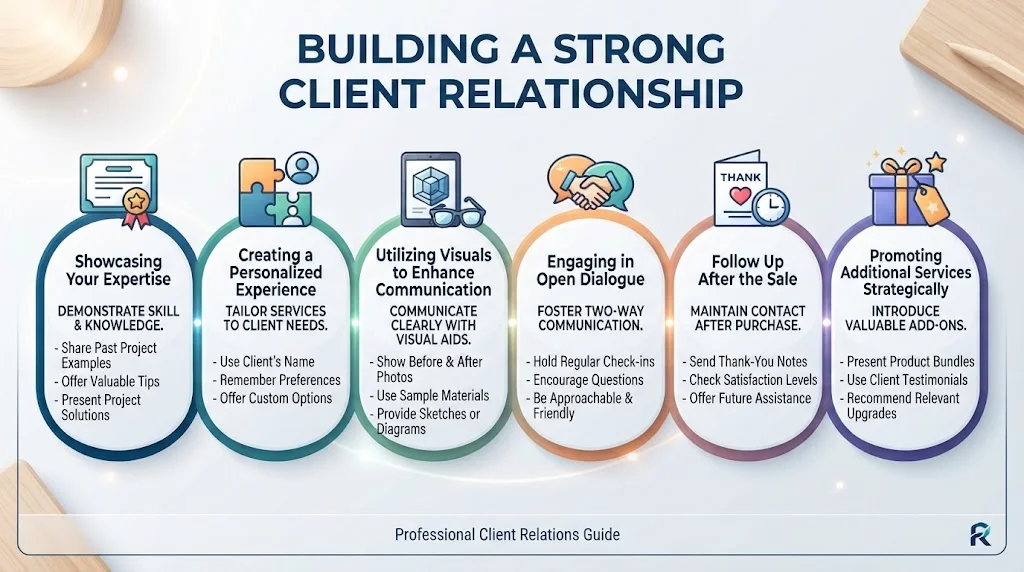
Building a strong relationship with your clients is essential, especially in the woodworking business. Effective communication is a powerful tool that can lead to successful upselling strategies. Here are some techniques to help you connect with your clients and encourage them to purchase additional products or services without feeling pressured.
Showcasing Your Expertise
As a woodworking professional, your expertise can instill confidence in your clients. When clients trust your skills, they are more likely to consider your recommendations. Here are some ways to highlight your expertise:
- Share examples of past work that relates to their projects.
- Offer tips or ideas that may enhance their current project.
- Provide information on the benefits of additional products or services.
Creating a Personalized Experience
Every client is unique and appreciates personalized service. Tailor your recommendations to fit their specific projects. Consider these steps to create a personalized experience:
- Use their name and remember previous interactions to make them feel important.
- Suggest complementary items that would enhance their woodworking project.
- Introduce limited-time offers or discounts on relevant services.
Utilizing Visuals to Enhance Communication
Visuals can be a powerful way to communicate ideas and products. To effectively use visuals:
- Show before and after photos of similar projects to demonstrate the impact of add-ons.
- Use sample materials to let clients feel the quality of additional products.
- Provide diagrams or sketches to illustrate how upselling options work.
Engaging in Open Dialogue
Encouraging an open dialogue allows clients to feel comfortable discussing their needs and concerns. Here are tips to foster communication:
- Hold regular check-ins with your clients to discuss progress and changes.
- Encourage questions and offer clear, honest answers.
- Be approachable and friendly, creating an inviting atmosphere for discussions.
Follow Up After the Sale
Once the sale is completed, don’t let the conversation end there. Following up can lead to repeat business and additional upselling opportunities. Make sure to:
- Send a thank-you note expressing appreciation for their business.
- Check in with how they are enjoying their new wooden items.
- Offer assistance with future projects, suggesting relevant products they might need.
Promoting Additional Services Strategically
When you identify a need or an enhancement for your clients’ projects, promote additional services wisely. Here are some successful strategies:
- Present bundles that offer essential items for a specific project.
- Use client testimonials to demonstrate how additional services benefited others.
- Frame the recommendations as solutions to potential problems they might face during their project.
To succeed in woodworking upselling strategies, the focus should always be on building a strong relationship through effective communication. By genuinely engaging with your clients, showcasing your expertise, and offering personalized experiences, you not only increase your sales potential but also foster long-term client loyalty.
Showcase Your Craft: Creative Presentation Ideas to Boost Sales in Woodworking
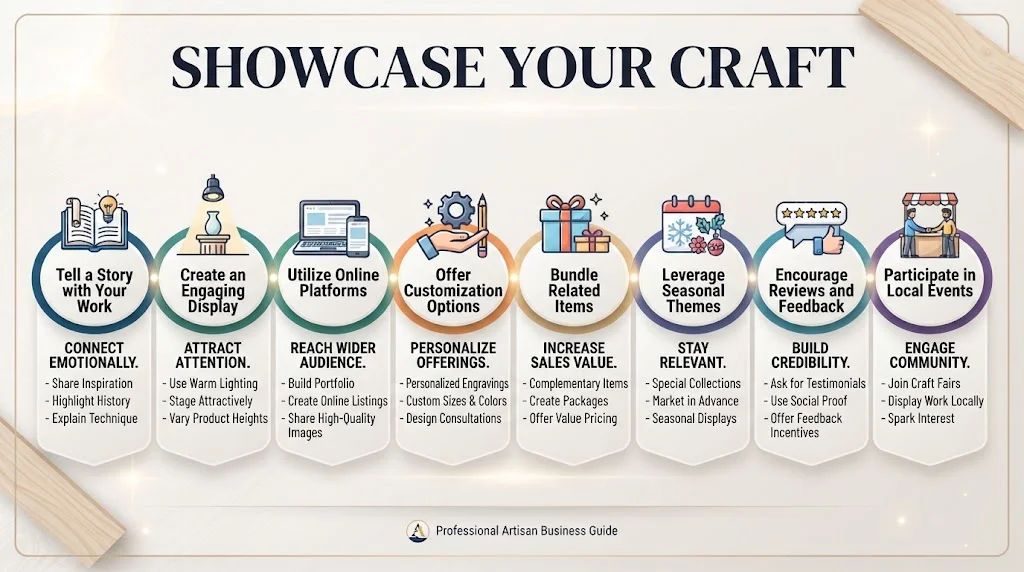
When it comes to woodworking, your craftsmanship stands out, but how you present your pieces can make all the difference in boosting sales. Creative presentation ideas not only showcase your work but also enhance the shopping experience for your customers, encouraging them to buy. Here are some innovative strategies designed specifically for woodworking artisans to elevate their sales.
Tell a Story with Your Work
Your creations have more than just practical value; they hold stories and emotions. When you display your pieces, share the inspiration behind each item. For example, if you crafted a chair from reclaimed wood, include a tag that explains its history and environmental impact. Packaging your work with a narrative can connect emotionally with potential buyers, making them more likely to purchase.
Create an Engaging Display
A well-thought-out presentation can turn heads. Consider the following display elements:
- Lighting: Use warm lights to highlight your products. A well-lit piece draws attention and creates a cozy atmosphere.
- Staging: Arrange items in a way that tells a story. Use backdrops that complement the wood’s grain and color, like fabric or nature-inspired settings.
- Height Variation: Use stands or platforms of different heights to create visual interest and help customers appreciate the craftsmanship.
Utilize Online Platforms
In our digital age, showcasing your woodworking projects online is essential. Besides social media, consider building an online portfolio that highlights your work. Websites like Etsy allow you to create listings that can reach customers far and wide. Include high-quality images and detailed descriptions, focusing on the materials and techniques you used.
Offer Customization Options
People love having items that feel unique to them. Offering customization options is an excellent strategy to upsell your woodworking pieces:
- Personalized Engravings: Add names, dates, or meaningful phrases to your pieces for an extra fee.
- Custom Sizes or Colors: Give customers the option to choose specific dimensions or finishes that suit their tastes.
- Design Consultations: Provide one-on-one meetings (virtual or in-person) to collaborate on custom designs, making the process personal.
Bundle Related Items
Bundling can increase your average sale amount. Pair complementary items to encourage customers to purchase more. Here are some examples:
- Offer a cutting board with matching knife sets.
- Pair a wooden shelf with decorative items that complement it.
- Bundle a dining table with custom placemats or coasters.
Leverage Seasonal Themes
Always be aware of upcoming holidays or seasons. Create special collections to fit themes, like Christmas decorations or summer barbecue essentials. Market these items well in advance, and think about seasonal displays. For example, during the fall, present items with warm tones and incorporate elements like pumpkins or autumn leaves in your displays.
Encourage Reviews and Feedback
Social proof can significantly impact buying decisions. Ask satisfied customers to leave reviews on your website or social media pages. You can also offer discounts on future purchases in exchange for honest feedback. Positive testimonials not only enhance your credibility but will also help potential customers feel more confident in their purchasing decisions.
Participate in Local Events
Consider participating in local craft fairs or markets. Engaging with your community provides an intimate setting to display your work and connect with potential buyers face to face. It’s also an excellent opportunity to gather feedback, answer questions, and spark interest in custom orders. For more strategies and tips, check out resources from Woodworking Network and Wood Magazine. Remember, the key to successful sales in woodworking is not just demonstrating your skills but also crafting an experience that resonates with your audience. By embracing creative presentation ideas, you can significantly boost your sales and build lasting relationships with your clients.
Conclusion
To successfully implement woodworking upselling strategies for clients under $100, it’s crucial to focus on providing genuine value and enhancing the overall experience. By offering low-cost accessories that complement your main offerings, you not only increase your revenue but also enrich the customer’s project. Think about items like finishing kits, sandpaper, or hardware that can elevate the quality of what you’re selling.
Understanding your clients’ needs is vital. The psychology behind upselling involves tapping into their desires for quality and utility, making it essential to listen closely and respond to their specific requirements. By fostering a strong relationship built on trust and open communication, you create an environment where clients feel comfortable exploring additional products without pressure.
Engaging presentation ideas can also set your woodworking business apart. Showcasing your craftsmanship through well-designed displays, informative packaging, or even video demonstrations can grab your clients’ attention and highlight the benefits of upselling. When customers see how something complements their original purchase, they’re more likely to invest in those additional items.
By weaving these strategies together, you not only boost your sales but also encourage repeat business. Happy clients will talk about their positive experiences, leading to word-of-mouth referrals and a strong reputation in the woodworking community. Reassuring your clients that every purchase is an investment in quality will ultimately grow your business and enrich your relationship with them.