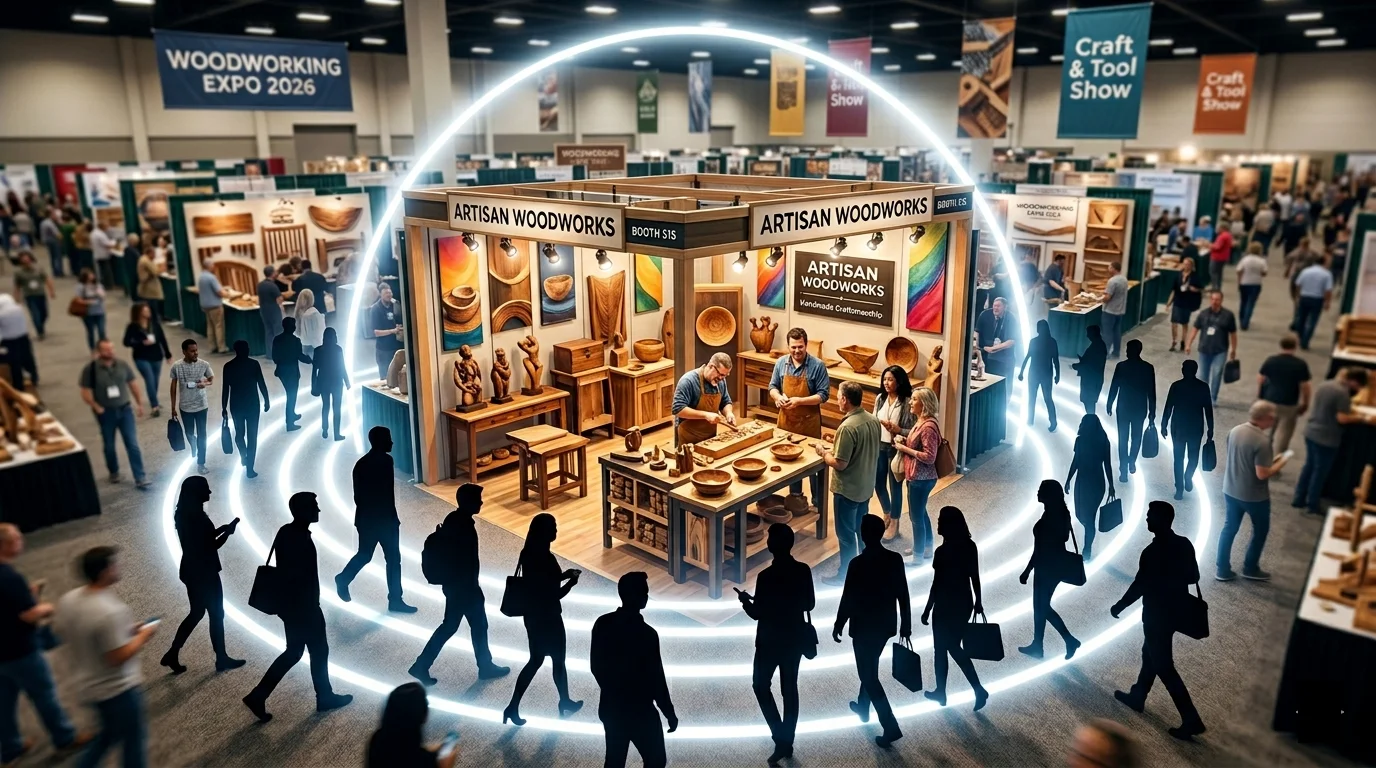
Participating in a woodworking trade show can be an exciting opportunity for artisans. It allows you to showcase your craft, network with peers, and explore new materials and tools. To make the most of your experience, consider these essential tips tailored specifically for the woodworking community.
Pre-Show Preparation
Before you attend the trade show, planning is crucial. Here are some tips to prepare effectively:
- Research the Event: Understand the specific woodworking trade show you will attend. Each show has its focus, so knowing the exhibitors and key speakers will help you plan your time wisely.
- Set Clear Goals: Decide what you want to achieve. Are you looking to gain new clients, learn about new techniques, or network with other artisans? Setting goals will help you stay focused.
- Gather Marketing Materials: Make sure to have professional business cards, brochures, and any other materials that showcase your work. This is your chance to make lasting impressions.
- Plan Your Schedule: Trade shows can be overwhelming. Check the schedule for workshops, demos, and keynote speeches that interest you and allocate your time accordingly.
At the Trade Show
Your time at the show is limited, so maximizing every moment is essential. Here are some on-site tips:
- Engage with Attendees: Don’t be shy! Introduce yourself, share your passion for woodworking, and talk about your creations. Building relationships is key.
- Attend Workshops: Workshops provide hands-on experience and introduce you to the latest techniques in woodworking. Make sure to participate actively.
- Network with Other Artisans: Build connections with fellow artisans. They can provide valuable insights and might even become your collaborators.
- Visit Exhibitors: Meet exhibitors face-to-face. Use this opportunity to inquire about new tools and materials. Knowing the latest products can enhance your work significantly.
Showcasing Your Work
If you have a booth or display, presenting your work attractively is vital. Consider these aspects:
- Create an Eye-Catching Display: Use attractive layouts and proper lighting to showcase your best pieces. The first impression matters greatly.
- Demo Your Craft: Performing live demonstrations can draw attention to your booth. Showcasing techniques not only engages attendees but also educates them about your skills.
- Provide Interactive Elements: Consider adding a hands-on activity for attendees. Let them try their hand at a simple wood project or provide samples to touch and feel.
Networking Strategies to Maximize Your Trade Show Experience
Attending a trade show can be a game-changer for artisans in the woodworking industry. To truly maximize your experience, it’s essential to network effectively. Building connections with fellow artisans, suppliers, and potential customers helps open doors for future projects and collaborations. Below are some proven strategies to enhance your networking skills during woodworking trade shows.
Your Pre-Show Preparation
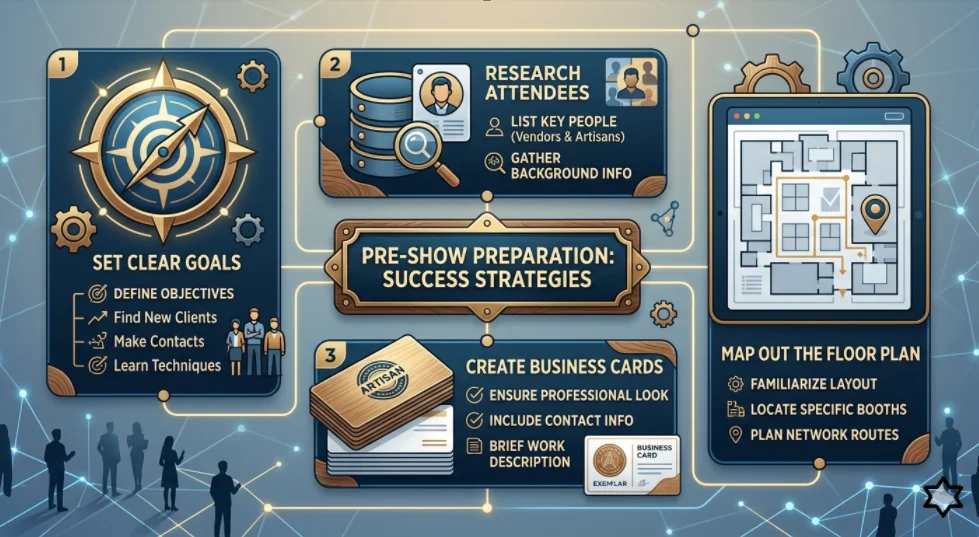
Before you even set foot on the trade show floor, take time to prepare thoroughly. This preparation can significantly enhance your networking capabilities.
- Set Clear Goals: Define what you want to achieve. Whether it’s finding new clients, making industry contacts, or learning about the latest tools and techniques, having clear objectives will guide your networking.
- Research Attendees: Look at the list of vendors and other artisans who will be present at the show. Make a list of key people you want to connect with and gather background information on them.
- Create Business Cards: Ensure you have professional business cards ready to hand out. Include your contact information and a brief description of your work.
- Map Out the Floor Plan: Familiarize yourself with the exhibition layout. Knowing where specific booths are located can save time and help you plan your networking route.
Engaging at the Show
Once you arrive at the trade show, engaging with others becomes crucial. Here are some techniques to help you stand out and build meaningful connections:
- Be Approachable: Smile and maintain open body language. This invites others to come and introduce themselves.
- Start Conversations: Initiate discussions with attendees or exhibitors you find interesting. Ask about their work and share insights from your own experiences—this can make conversations flow more naturally.
- Attend Workshops and Panels: Join sessions that resonate with your interests. These events offer excellent opportunities to meet people who share your passion.
- Utilize Social Media: Use platforms like Instagram and Facebook to share live updates about your experience at the trade show. Tag relevant participants to increase your visibility.
Maximizing Follow-Up
After the event, following up is just as important as the initial interaction. Here’s how to follow up effectively:
- Send Thank You Notes: Within a few days after the trade show, reach out to those you met. A simple thank-you note expressing your appreciation for their time can leave a lasting impression.
- Connect on Social Media: Follow up with connections through social networks, such as LinkedIn, where you can continue sharing ideas and updates.
- Share Resources: If someone mentioned a specific topic of interest, send them relevant articles or resources that could be helpful.
- Plan Future Meetings: If you formed a strong connection, suggest a coffee meeting or virtual chat to explore collaborations or projects that could benefit from your combined expertise.
Networking Tools and Resources
Utilize various tools and resources to enhance your networking capabilities:
- Networking Apps: Download trade show apps that facilitate networking by allowing you to connect with other attendees digitally.
- Email Templates: Prepare templates for follow-up emails that you can customize for different individuals.
- Data Collection Tools: Keep track of contacts using spreadsheets or dedicated CRM tools. This ensures you can easily follow up and maintain relationships.
Trade shows are not just about showcasing your work, but also about building a network that lasts. For more tips on maximizing your trade show experience, check out Woodworking Network or visit Craft Show for additional resources tailored to artisans.
Embrace the opportunities that trade shows present, and with these networking strategies, you can foster long-lasting relationships that elevate your craft and boost your woodworking business.
Creating an Eye-Catching Booth That Attracts Customers
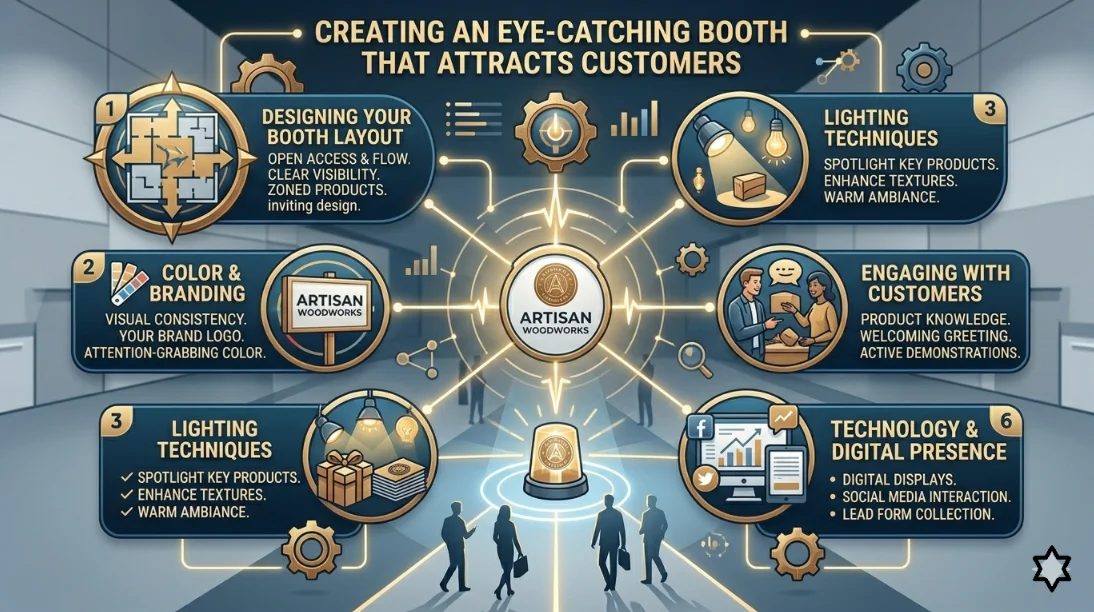
Participating in woodworking trade shows is an exciting opportunity for artisans to showcase their skills and craftsmanship. However, attracting customers to your booth requires more than just high-quality work. Here are tips to create an eye-catching booth that draws in potential buyers and enthusiasts.
Designing Your Booth Layout
Your booth layout is the first thing that potential customers will notice. Consider these key design aspects:
- Open Space: Allow for easy movement with an open layout. Avoid cluttering your space to invite visitors in.
- Engaging Displays: Use vertical space to display your work. Shelves, stands, and hooks can help showcase your pieces clearly.
- Interactive Elements: Incorporate interactive demos or workshops. Showcasing how you create your woodwork can captivate passersby and encourage them to stop.
Color and Branding
Your booth’s color palette and branding should be cohesive and reflective of your artistry. Here’s how to achieve this:
- Consistent Branding: Use your logo and brand colors throughout the booth. This promotes brand recognition and professionalism.
- Attention-Grabbing Colors: Bright colors can attract attention, but choose complementary hues that reflect the natural beauty of wood.
- Clear Signage: Use large, legible signs to display your brand name and prices. Ensure that your contact information is visible for follow-ups.
Lighting Techniques
Effective lighting can make your booth stand out. Here are some strategies to utilize lighting:
- Highlight Key Pieces: Use spotlights on unique or featured items to draw the eye.
- Warm Lighting: Opt for warm lights that enhance the natural tones of the wood, creating a welcoming atmosphere.
- Traffic Notification: Position lights to direct foot traffic towards your booth, making it easier for visitors to spot you.
Providing Takeaways
Visitors appreciate having something to remember your work. Consider these options for effective takeaways:
- Business Cards: Always have business cards on hand. Ensure they include your website and social media links.
- Brochures: Create brochures showcasing your product range. This allows customers to learn more at their own pace.
- Small Freebies: Offering small wooden keychains or samples can leave a lasting impression and entice potential buyers.
Engaging with Customers
Once you have attracted customers, your engagement strategies matter. Focus on:
- Warm Greetings: A simple smile and hello can make visitors feel welcomed.
- Product Knowledge: Be prepared to answer questions about your pieces, discussing the materials, techniques, and inspiration behind your work.
- Networking Opportunities: Make connections with other artisans and visitors. Share experiences and tips to foster a sense of community.
Technology and Digital Presence
In today’s digital age, integrating technology can significantly enhance your booth’s attractivity:
- Digital Portfolio: Set up a tablet or screen displaying your work or video content of your woodworking processes.
- Social Media Engagement: Encourage visitors to follow you on social media. Use a hashtag for the trade show and promote it in your booth.
- Email List Sign-Up: Have a sign-up sheet for visitors interested in your work. This can lead to a loyal customer base after the show.
Trade shows provide a platform for artisans to shine. By focusing on creating an enticing booth, you can ensure visitors leave with fond memories of your craftsmanship while establishing connections that could lead to future sales.
Preparing Your Products for Display: What to Consider
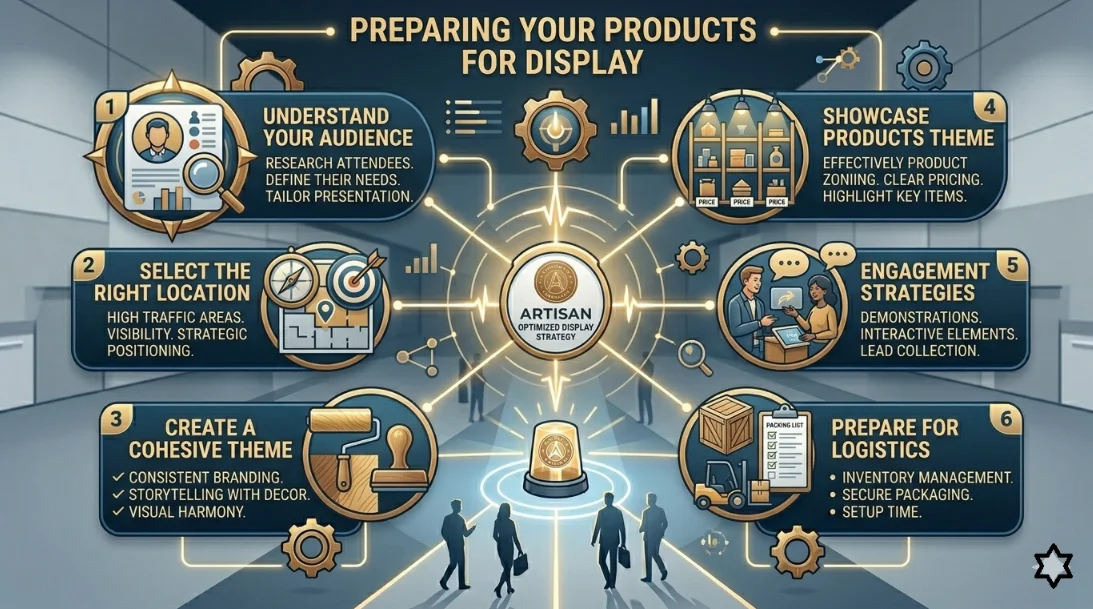
Preparing your products for display is a critical step to ensure that your hard work as an artisan shines at events like woodworking trade shows. This preparation not only attracts potential buyers but also reflects your craftsmanship and attention to detail. Here are key considerations that can help you effectively showcase your products.
Understand Your Audience
Before you begin displaying your products, take some time to understand who will be attending the trade show. Is your audience made up of hobbyists, professional woodworkers, or perhaps retailers looking for unique items? Knowing your audience will help you tailor your display to their interests.
Select the Right Location
Choosing an optimal spot at the trade show can make a significant difference. Aim for high foot-traffic areas, such as near food stalls or entrances. Being visible will help you attract more visitors. Once you arrive, don’t forget to evaluate how your area can be utilized effectively. You may want to:
- Utilize vertical space for showcasing taller items.
- Incorporate elements that invite interaction.
- Clearly define your boundaries to keep your area organized.
Create a Cohesive Theme
Your display should tell a story about your brand. Choose colors, materials, and props that convey the essence of your craftsmanship. Whether it’s rustic, modern, or elegant, ensure every element in your display aligns with your artistic vision.
Showcase Your Products Effectively
The way you present your products can influence a buyer’s decision significantly. Here are some strategies:
- Height Variation: Use different levels to create visual interest. You might consider stands or shelves with varying heights.
- Lighting: Proper lighting can enhance the details of your craftsmanship. Use spotlights to draw attention to specific items, highlighting their best features.
- Clear Pricing: Always display clear pricing. Ensure that buyers know how much your products cost without asking, eliminating any barriers to purchase.
Engagement Strategies
Interaction is key at any trade show. Here are practical ways to engage with your audience:
- Conduct live demonstrations so visitors can see the skill involved in your work.
- Offer samples for visitors to touch and feel the quality of your products.
- Have business cards readily available for networking opportunities.
Prepare for Logistics
Logistics can make or break your trade show experience. It’s essential to have everything ready beforehand. Consider the following:
| Logistic Consideration | Details |
|---|---|
| Inventory | Ensure you have enough stock of your products. It’s better to have surplus than to run out. |
| Packaging | Prepare sturdy packaging for your products to prevent damage during transportation and display. |
| Setup Time | Allow yourself ample time for setting up your display and testing equipment. Last-minute rush can lead to mistakes. |
Follow Up with Leads
Don’t forget to keep track of the contacts and leads you gather during the trade show. If someone expresses interest in your products, make sure to follow up after the event. Sending a follow-up email can be a great way to convert interested visitors into customers.
The world of woodworking trade shows can feel overwhelming but preparing your products for display doesn’t have to be. With these tips in mind, you’ll be well-equipped to stand out and shine among fellow artisans.
Follow-Up Techniques: Turning Leads into Long-Term Customers
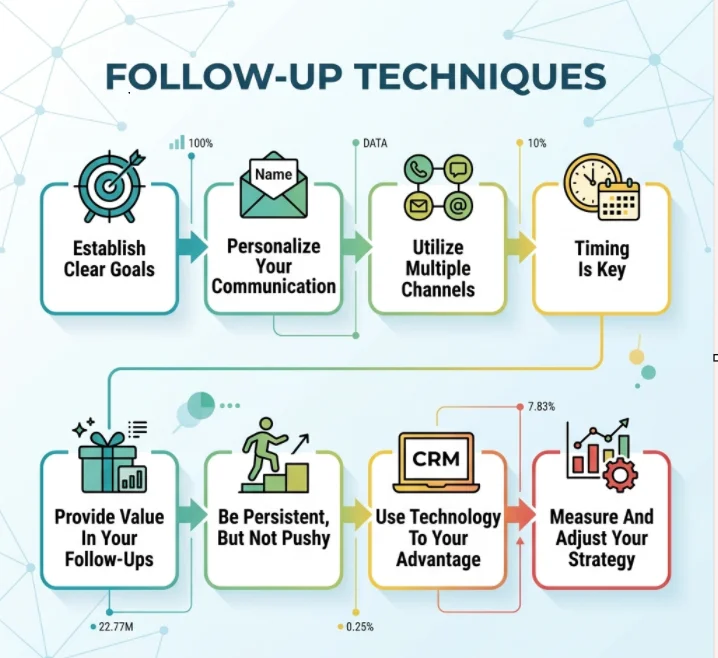
Turning leads into long-term customers is essential for any business. Effective follow-up techniques can help you nurture these relationships, ensuring they develop into trust and loyalty over time. The key lies in understanding the art of following up and crafting messages that resonate with each potential customer. Here are some valuable strategies to consider.
Establish Clear Goals
Before you initiate any follow-up process, it’s crucial to set clear, achievable goals. What do you hope to accomplish with your follow-up? This could include:
- Scheduling a meeting or demo
- Gathering feedback on their experience
- Answering any questions they might have
- Creating a sense of urgency for a limited-time offer
Establishing clear goals allows you to tailor your follow-up strategies effectively, ensuring your communication resonates with your leads.
Personalize Your Communication
Generic messages can quickly lead to disengagement. Take time to personalize your follow-up communications. Address potential customers by their names, mention specific interests they expressed during initial conversations, and refer to past interactions. Personalization fosters a connection, making customers feel valued.
Utilize Multiple Channels
People communicate in various ways, and so should you. Use a mix of channels for your follow-ups, such as:
- Phone Calls
- Social Media Direct Messages
- Text Messages
Experiment with different platforms to see which ones yield the best response rates. This approach helps you reach customers where they are most comfortable, increasing the likelihood of a response.
Timing is Key
Follow-up timing can greatly impact your success. A quick follow-up, ideally within 24 to 48 hours after the initial interaction, shows your eagerness to engage. After that, consider spacing out your follow-ups strategically. Here’s a simple timeline you might consider:
| Follow-Up # | Timing | Message Focus |
|---|---|---|
| 1 | 1-2 Days | Thank you & Recap |
| 2 | 1 Week | Additional Information |
| 3 | 2 Weeks | Offer & Incentives |
| 4 | 1 Month | Feedback & Future Opportunities |
Provide Value in Your Follow-Ups
Your follow-up shouldn’t be just about selling. Instead, focus on providing value to your prospects. Share helpful resources, such as:
- Blog posts relevant to their interests
- Webinars or informative videos
- Guides and eBooks
This approach positions you as a knowledgeable expert in your field and builds trust, which is essential in turning leads into long-term customers. Remember that your aim is to help and not to sell at every turn.
Be Persistent, but Not Pushy
It’s important to find the right balance between persistence and pushiness. Following up regularly shows your commitment to the customer, but overwhelming them can backfire. Set reminders for yourself to check in, but ensure your messages are friendly and inviting rather than aggressive.
Use Technology to Your Advantage
Leverage CRM (Customer Relationship Management) tools to streamline your follow-up process. Tools like HubSpot and Salesforce enable you to track interactions, schedule follow-ups, and store valuable customer information. Automating some parts of your process can save you time and help you stay organized.
Measure and Adjust Your Strategy
Continuously measure the effectiveness of your follow-up messages. Track response rates, engagement levels, and ultimately conversion rates. If something isn’t working, don’t hesitate to adjust your approach. Flexibility is key to finding what resonates with your audience.
Turning leads into long-term customers requires strategic follow-up methods. By personalizing your approach, using various channels, and providing consistent value, you can nurture these relationships effectively. For further guidance on improving your sales strategy, visit Sales Hacker for insights from industry experts.
Conclusion
Successfully navigating a woodworking trade show as an artisan involves careful planning and execution. By implementing the essential tips discussed, you can enhance your presence and make the most of this unique opportunity. Building a solid network is vital, allowing you to connect with potential buyers, collaborators, and fellow artisans. Focus on forming meaningful relationships, as these connections can open doors for future partnerships and promotions.
Creating an eye-catching booth is equally critical. Consider your layout, lighting, and signage to ensure your products are showcased effectively. A well-designed exhibit not only attracts attendees but also reflects your brand’s identity, making you memorable in a crowded environment. When preparing your products for display, think about presentation and accessibility. Ensure that your items are easy to examine and that viewers are drawn in by their quality and craftsmanship.
The trade show doesn’t end when attendees leave your booth. Following up with leads is essential in transforming those initial conversations into lasting customer relationships. Develop a clear plan for outreach, whether through personalized emails, phone calls, or social media engagement.
By incorporating these strategies into your approach, you pave the way for a successful trade show experience. Remember, each show is not just a chance to sell but a valuable opportunity to learn, connect, and grow as an artisan. With thoughtful preparation and genuine engagement, you can turn fleeting interactions into significant business opportunities, leaving a lasting impression on everyone you meet.