
Woodworking projects are a fantastic way to infuse your home with personality and functionality. Not only do they serve practical purposes, but they also provide an opportunity for you to showcase your creativity. Whether you are a seasoned woodworker or a beginner, there are numerous projects you can embark on to enhance your living space. Before diving into specific project ideas, consider your skills and available tools. This will help you choose projects that suit your level of expertise and keep your experience enjoyable. Let’s explore some creative Woodworking Projects for the Home that can breathe new life into your home.
Creative Woodworking Ideas
Stylish Bookshelves
Bookshelves are a perfect blend of functionality and style. They can free up floor space and become an eye-catching feature in any room. Here are a few designs you can consider:
- Floating Shelves: These simple shelves can be added to any room. They create a modern look and can be customized in size and finish.
- Ladder Bookshelf: This design resembles a ladder, leaning against the wall. It is great for small spaces and offers an innovative way to display your book collection.
- Corner Bookshelf: Utilize every inch of your home by creating a corner bookshelf that fits snugly into the corner of a room.
Wooden Planter Boxes
Add a touch of nature to your home with wooden planter boxes. These can be used both indoors and outdoors and can be customized in size and design. Here’s how to make them:
- Choose the wood type (cedar and redwood are great for outdoor boxes).
- Cut the wood into planks to create the sides, bottom, and top.
- Assemble using nails or screws, ensuring it is sturdy enough to hold soil and plants.
- Finish off with a protective varnish or paint if you desire.
If you want guidance, check out Wood Magazine for detailed tutorials.
Wooden Wall Art
Transform blank walls into stunning focal points with unique wooden wall art. This could be anything from a geometric design to a nature-inspired mural. Here’s a quick overview of how to create wall art:
- Select a theme or design that resonates with you.
- Gather wood scraps or larger panels, depending on your design.
- Cut the wood into the desired shapes and sizes.
- Assemble your design on a backing board and attach securely.
Browse more ideas on creating wooden wall art at Ana White.
Personalized Home Decor
Woodworking Projects for the Home gives you the chance to create personalized decor that reflects your style. Here are some projects you can try:
- Customized Picture Frames: Add a touch of rustic charm by crafting unique frames for your favorite photos.
- Initials or Name Signs: Create personalized wooden signs with your family name or initials.
- Wooden Coasters: Simple yet stylish coasters can be made easily and can be personalized for gifts.
Functional Furniture
Building furniture can be a rewarding challenge. Consider creating items that serve dual purposes, such as:
- Storage Ottomans: Build an ottoman that doubles as a storage unit for blankets or magazines.
- DIY Coffee Tables: Create a coffee table with built-in storage to keep your living area tidy.
- Convertible Desks: Design a desk that can be folded away when not in use.
For more advanced furniture ideas, you can refer to Rockler Woodworking and Hardware.
These Woodworking Projects for the Home can result in beautiful and practical enhancements. Whether you choose to start small with wooden decor or tackle larger projects like furniture, the satisfaction of creating something with your own hands is unmatched. So gather your tools, unleash your creativity, and start your woodworking journey!
Essential Tools Every Woodworker Should Have for Home Projects
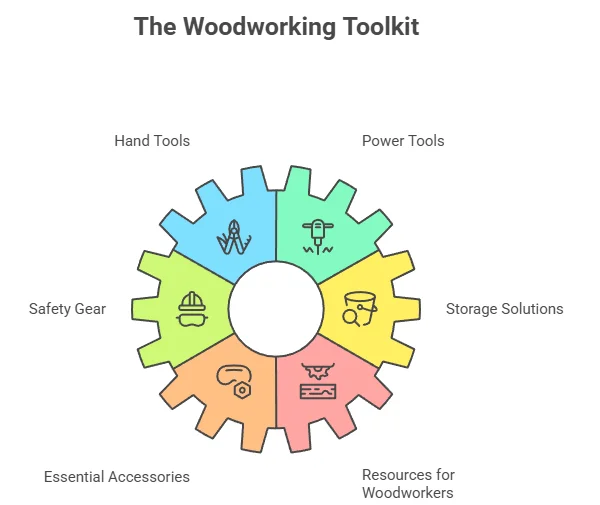
When embarking on Woodworking Projects for the Home, having the right tools can make all the difference. Whether you’re a beginner or an experienced woodworker, certain essential tools stand out for their versatility and functionality. Here’s a closer look at what you need to equip your workshop for a variety of projects.
Hand Tools
Hand tools form the backbone of any woodworking operation. They are essential for detailed work and can be easier to control than power tools. Here are some crucial hand tools every woodworker should have:
- Chisels: A good set of chisels is necessary for carving and shaping wood. Look for high-quality steel chisels for longevity.
- Saws: A handsaw and a coping saw are invaluable for cutting wood. Consider adding a Japanese pull saw for more precise cuts.
- Planes: Depending on your projects, a hand plane can be used to smooth surfaces or create specific profiles.
- Rulers and Squares: These measuring tools help ensure accuracy in your cuts and joints.
Power Tools
Power tools can greatly speed up the woodworking process. Although they come with a higher price tag, they are often worth the investment for larger projects. Here’s a selection of essential power tools for woodworking:
- Table Saw: This is a powerful tool for making straight cuts on large pieces of wood.
- Random Orbital Sander: Use this tool for sanding surfaces to a smooth finish efficiently.
- Router: A router adds decorative edges and can create grooves in wood.
- Miter Saw: Ideal for making precise crosscuts and angled cuts.
Safety Gear
Safety should always be your top priority when working with tools. Investing in appropriate safety gear will protect you while you enjoy your Woodworking Projects for the Home:
- Safety Glasses: Protect your eyes from wood chips and dust.
- Hearing Protection: Use earmuffs or earplugs to guard against noise from power tools.
- Respirator: A mask helps filter out dust and harmful particles, especially when sanding.
- Gloves: Wear cut-resistant gloves to protect your hands while handling sharp tools.
Storage Solutions
Staying organized can drastically improve your workflow. Here are some storage solutions to consider:
- Tool Chest: A sturdy tool chest helps keep your hand tools organized and accessible.
- Wall Rack: Install a wall-mounted rack for power tools and frequently used items.
- Bins and Containers: Use labeled bins to store screws, nails, and other hardware.
Essential Accessories
Don’t forget about accessories that can enhance your woodworking experience:
- Clamps: These are vital for holding pieces together while they glue or set. Consider both bar clamps and quick-grip clamps.
- Wood Glue: A good wood glue bonds well and should be part of your toolkit.
- Dust Collection System: Investing in a small dust collector can keep your workspace clean and safe.
Resources for Woodworkers
For at-home Woodworking Projects for the Home, learning never stops. Here are some resources to help you:
- Wood Magazine – Offers tips, tricks, and project ideas.
- Fine Woodworking – Features articles and videos on woodworking techniques.
- Woodworker’s Source – A great place for wood and supplies.
Equipping your workshop with these essential tools not only prepares you for various woodworking projects but also enhances your skill set. By combining hand tools, power tools, safety gear, storage solutions, and essential accessories, you create a productive work environment that can lead to beautiful finished projects.
Eco-Friendly Woodworking: Sustainable Practices for Home Projects
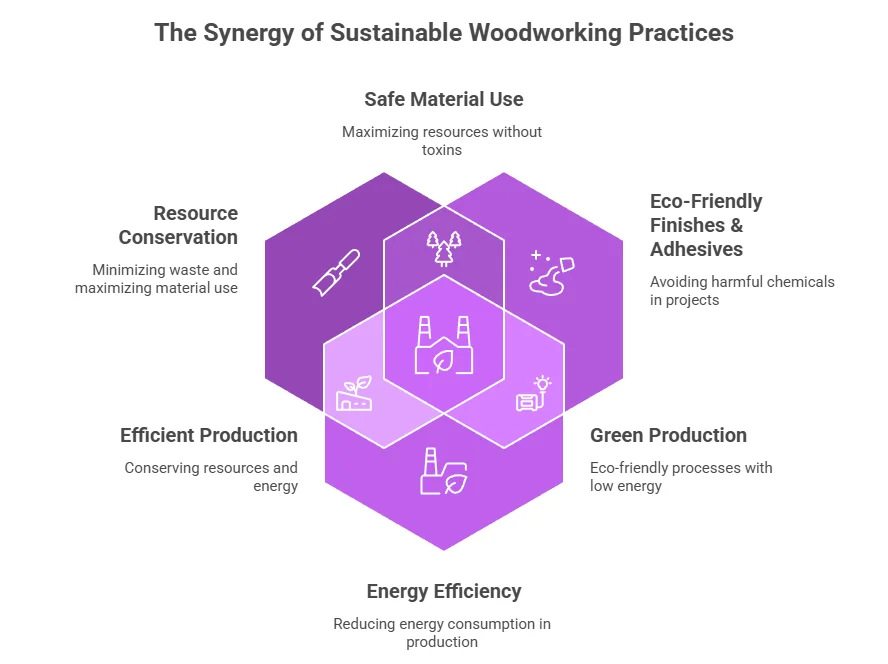
When embarking on home projects, eco-friendly woodworking becomes an excellent choice. With a focus on sustainability, you can not only create beautiful and functional pieces for your home but also contribute positively to the environment. Adopting sustainable practices in woodworking involves choosing the right materials, minimizing waste, and thinking about the long-term impact of your projects.
Choosing Sustainable Materials
The first step in eco-friendly woodworking is selecting sustainable materials. Here are a few types of materials you can consider for your Woodworking Projects for the Home:
- Reclaimed Wood: Using wood that has been previously used can give you beautiful, unique pieces while reducing the demand for new lumber. Sources include old barns, furniture, or pallets.
- Sustainable Lumber: Look for lumber certified by organizations like the Forest Stewardship Council (FSC). This ensures the wood comes from responsibly managed forests.
- Bamboo: Fast-growing and renewable, bamboo is an excellent alternative to traditional hardwoods. It can be used for everything from flooring to furniture.
- Plywood and MDF: When using engineered wood, seek products made from recovered wood fiber. They are often more sustainable than solid wood and can offer a variety of applications.
Minimizing Waste
Efficient use of materials is crucial in eco-friendly woodworking. By reducing waste, you can save money and lessen your environmental impact. Here are some strategies:
- Plan Your Projects: Before starting, create detailed plans and drawings. This helps you visualize the piece and minimizes mistakes that require extra cuts.
- Use Off-cuts Wisely: Save every leftover piece of wood. With some creativity, off-cuts can be transformed into smaller projects or functional items like coasters or picture frames.
- Practice Smart Cutting Techniques: Use precise measuring and cutting methods. Techniques like using the right saw blade can help reduce kerf, which means less wasted material.
Eco-Friendly Finishes and Adhesives
The finish you choose for your Woodworking Projects for the Home can also have an environmental impact. Some tips include:
- Water-Based Finishes: These are lower in volatile organic compounds (VOCs) and are safer for indoor air quality. They dry faster and are easier to clean up.
- Natural Oils: Finishes like linseed oil or tung oil not only enhance the wood’s beauty but are also derived from natural sources and often require fewer harmful chemicals.
- Eco-Friendly Adhesives: If your project involves glue, look for low-VOC and non-toxic options that won’t release harmful substances into your living space.
Energy Efficiency in Woodworking
Incorporate energy-efficient practices while working on your projects:
- Utilize Hand Tools: Whenever possible, use hand tools instead of power tools. Hand tools consume no electricity and can give you more control over smaller details.
- Opt for LED Lighting: If you’re working with electricity, switch to LED lights. They use less energy and have a longer lifespan compared to traditional bulbs.
- Keep Tools Well-Maintained: Regularly maintaining your tools ensures they work efficiently, saving energy and enhancing your productivity.
Engaging with the Community
One of the best ways to promote eco-friendly woodworking is to engage with your community.
- Workshops: Consider hosting or joining woodworking workshops that focus on sustainability. This promotes shared knowledge and supports local artisans.
- Online Platforms: Share your projects on platforms such as Instagram or Facebook. Connect with other woodworkers, and discuss eco-friendly practices.
- Local Resources: Look for local resources like Woodcraft for purchasing sustainable materials and supplies.
With careful planning and mindful choices, you can undertake woodworking projects that not only beautify your home but also respect the planet. By selecting sustainable materials, minimizing waste, choosing eco-friendly finishes, and engaging with your community, you can make a significant impact. Start your next project with sustainability in mind, and enjoy both the process and the beautiful results.
DIY Woodworking Projects for Beginners: Simple Ideas to Get Started
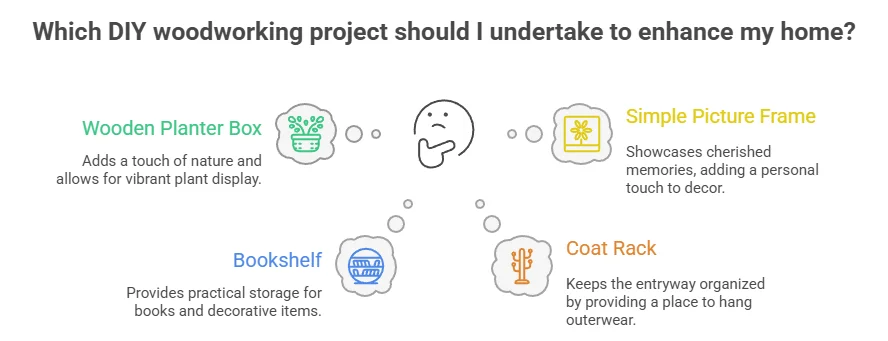
If you’re looking to dive into the world of woodworking, there are plenty of easy projects that can help you gain confidence and skills. Starting with simple DIY Woodworking Projects for the Home is a fantastic way to learn the basics while creating functional and beautiful items for your home. Below are some accessible ideas that require minimal tools and materials.
Wooden Planter Box
Creating a wooden planter box is a rewarding project that gives you the opportunity to work with wood while adding a touch of greenery to your living space. You’ll need just a few boards, wood screws, and weatherproofing finish if you’ll use them outdoors.
Materials:
- 4 wooden planks (1x6x6 feet)
- Wood screws
- Drill
- Saw
- Wood stain or outdoor finish
Steps:
- Measure and cut the planks to your desired dimensions.
- Assemble the sides by screwing the planks together.
- Attach the base planks to the bottom for stability.
- Finish with wood stain or protective coat.
This simple project not only helps you learn to work with wood but also allows you to enjoy the beauty of plants in your home.
Bookshelf
A bookshelf is a practical Woodworking Projects for the Home that is as functional as it is stylish. This project can be scaled in size depending on your available space and the books you wish to store.
Materials:
- 2 boards for the sides (2×4 inches)
- 3-5 shelves (cut to your desired length)
- Wood screws
- Wood glue
- Sandpaper
Steps:
- Cut the sideboards to the height you want.
- Mark where the shelves will go and cut notches for support.
- Assemble the bookshelf by connecting the shelves and securing them with screws.
- Sand the entire structure for a smooth finish.
The beauty of a bookshelf project lies in its versatility. You can customize sizes, colors, and designs to fit any room in your home.
Coat Rack
A coat rack is another beginner-friendly DIY project that is practical and appealing. This simple piece of furniture will help keep your entryway organized.
Materials:
- 1 wooden board (1x10x48 inches)
- Coat hooks
- Wood screws
- Drill
- Paint or finish (optional)
Steps:
- Cut the wooden board to the desired length.
- Sand the edges and surfaces for a smooth finish.
- Attach the coat hooks evenly along the board.
- Mount it on the wall at a comfortable height.
This coat rack project allows you to express your creativity while enhancing your home’s functionality.
Simple Picture Frame
A picture frame project is perfect for beginners who want to try their hand at making something personal. Frames can be of any size and style, making them customizable for your home.
Materials:
- 4 wooden pieces for the frame
- Wood glue
- Glass or acrylic sheet (optional)
- Backing material (cardboard or thin plywood)
Steps:
- Cut the wood pieces at a 45-degree angle for mitered corners.
- Glue the pieces together to form the frame.
- Allow the glue to dry before attaching the back.
- Add glass or acrylic for protection, if desired.
Customizing picture frames allows you to make art pieces that will brighten your home. For more woodworking tips and project ideas, consider visiting Wood Magazine or Popular Woodworking. These sites provide a wealth of resources for beginners looking to enhance their woodworking skills. Remember, the most important part of woodworking is enjoying the process. With each project, you’ll gain valuable experience that can lead to more complex creations in the future.
Advanced Woodworking Techniques for Home Decor and Furniture Making
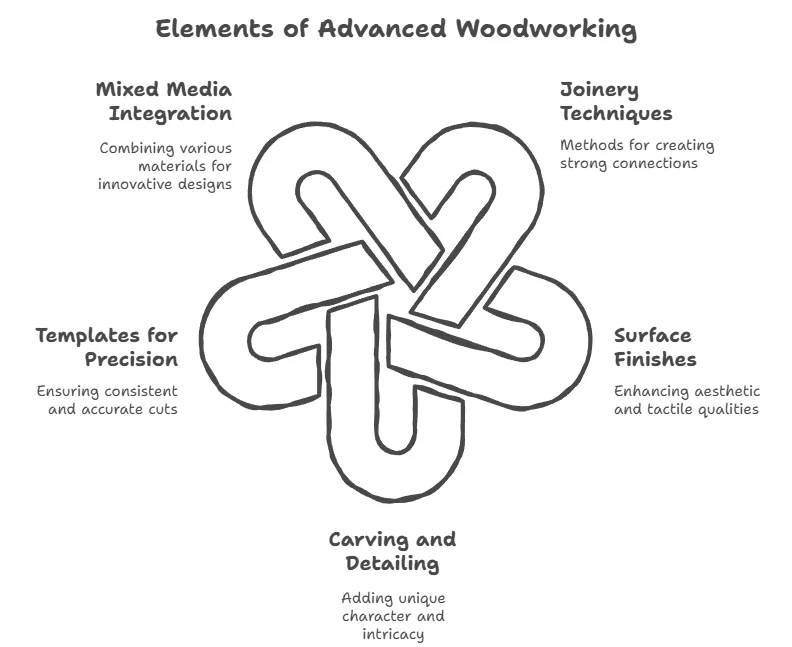
When it comes to enhancing your home decor and furniture, advanced woodworking techniques can take your skills to the next level. These techniques not only add beauty to your living space but also bring a personal touch to the items you create. If you’re passionate about woodworking and looking to improve your craftsmanship, here are some techniques for Woodworking Projects for the Home that you can dive into.
Joinery Techniques
Joinery is crucial in woodworking and involves connecting two pieces of wood. Mastering various joinery techniques can vastly improve the strength and aesthetic of your projects. Here are a few worth exploring:
- Mortise and Tenon: This powerful joint is perfect for frame constructions.
- Dovetail: Not only strong but also visually pleasing, perfect for drawer construction.
- Box Joint: This is easy to execute and creates a sturdy corner joint for boxes or frames.
Refining Surface Finishes
A smooth surface can make all the difference in the final appearance of your Woodworking Projects for the Home. Here are some advanced finishing techniques you can apply:
- Epoxy Resins: Great for filling gaps and creating a shiny finish.
- Shellac: Provides a rich color and is easy to apply.
- Oil Finishes: Enhances the natural grain and offers protection.
Each finish requires different application methods, so be sure to research them thoroughly to find what works best for your projects.
Carving and Detailing
Adding intricate carvings to your woodworking projects can elevate their appeal dramatically. Consider these techniques:
- Relief Carving: Engraving designs into the surface adds depth.
- Chip Carving: Ideal for decorative patterns and accents.
- Inlay Work: This adds a unique touch by embedding contrasting materials into your wood.
Using Templates for Precision
Templates can help improve accuracy and efficiency in your woodworking. Here’s how to effectively use them:
- Design your template on paper or use a computer-aided design (CAD) program.
- Transfer the pattern onto your wood using carbon paper.
- Cut around the template carefully using a band saw or jigsaw.
This method allows for consistent shapes and designs which is especially useful in furniture making.
Integrating Mixed Media
Different materials can elevate your Woodworking Projects for the Home. Consider these combinations:
| Wood Type | Complementary Material | Suggested Project |
|---|---|---|
| Oak | Glass | Coffee Tables |
| Pine | Metal | Bookshelves |
| Walnut | Leather | Chairs |
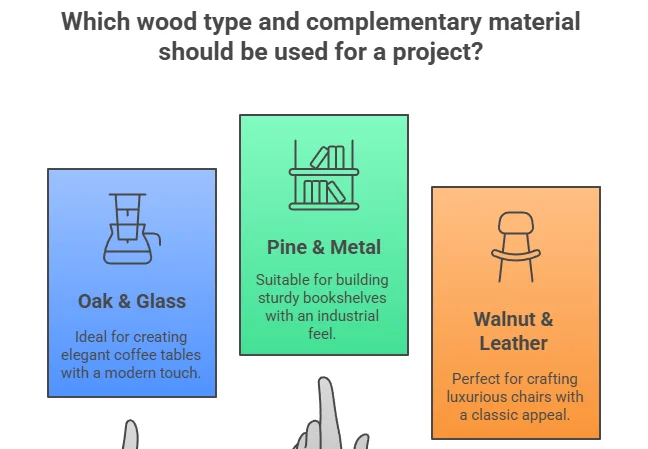
These combinations not only enhance your project but also give it a unique flair that’s sure to impress.
Smart Design Tips
Before you begin your next project, consider these essential design tips:
- Scale and Proportion: Make sure your furniture fits the space appropriately.
- Functionality: Ensure it serves the intended purpose while looking good.
- Maintenance: Choose finishes and materials that are durable and easy to care for.
Adopting these design strategies helps create functional art in your home. For more resources, check out Woodworking Network for updates on woodworking projects and techniques. Additionally, visit Popular Woodworking for tutorials and tips.
Employing advanced woodworking techniques not only enhances your skillset but also transforms your home into a showcase of your creativity. Whether you’re building furniture or decorative pieces, these tips will guide you in creating stunning projects everyone will admire.
Conclusion
As you navigate the exciting world of Woodworking Projects for the Home, remember that creativity and practicality go hand in hand. Whether you’re looking to enhance your space with unique décor or make functional furniture, there are countless projects you can take on, each offering a chance to express your personal style.
Equipping yourself with the essential tools plays a significant role in your success. A well-stocked workshop not only saves time but also empowers you to tackle a variety of tasks with confidence. From saws to drills, the right tools will make every project smoother and more enjoyable.
Adopting eco-friendly practices in your woodworking can further elevate your projects. By selecting sustainable materials and minimizing waste, you can contribute positively to the environment while crafting beautiful pieces for your home. This not only showcases your skills but also demonstrates your commitment to responsible craftsmanship.
For beginners, starting with simple DIY Woodworking Projects for the Home can build your confidence and skills. As you gain experience, you’ll find the joy in experimenting with more advanced techniques, pushing your limits, and creating stunning pieces that reflect your hard work and creativity.
No matter your level of expertise, Woodworking Projects for the Home offer a fulfilling way to improve your living space and develop a rewarding hobby. With determination and a bit of passion, you can create beautiful, custom-made items that will transform your home into a reflection of who you are. Dive in, get your hands dirty, and enjoy every moment of this incredible journey!