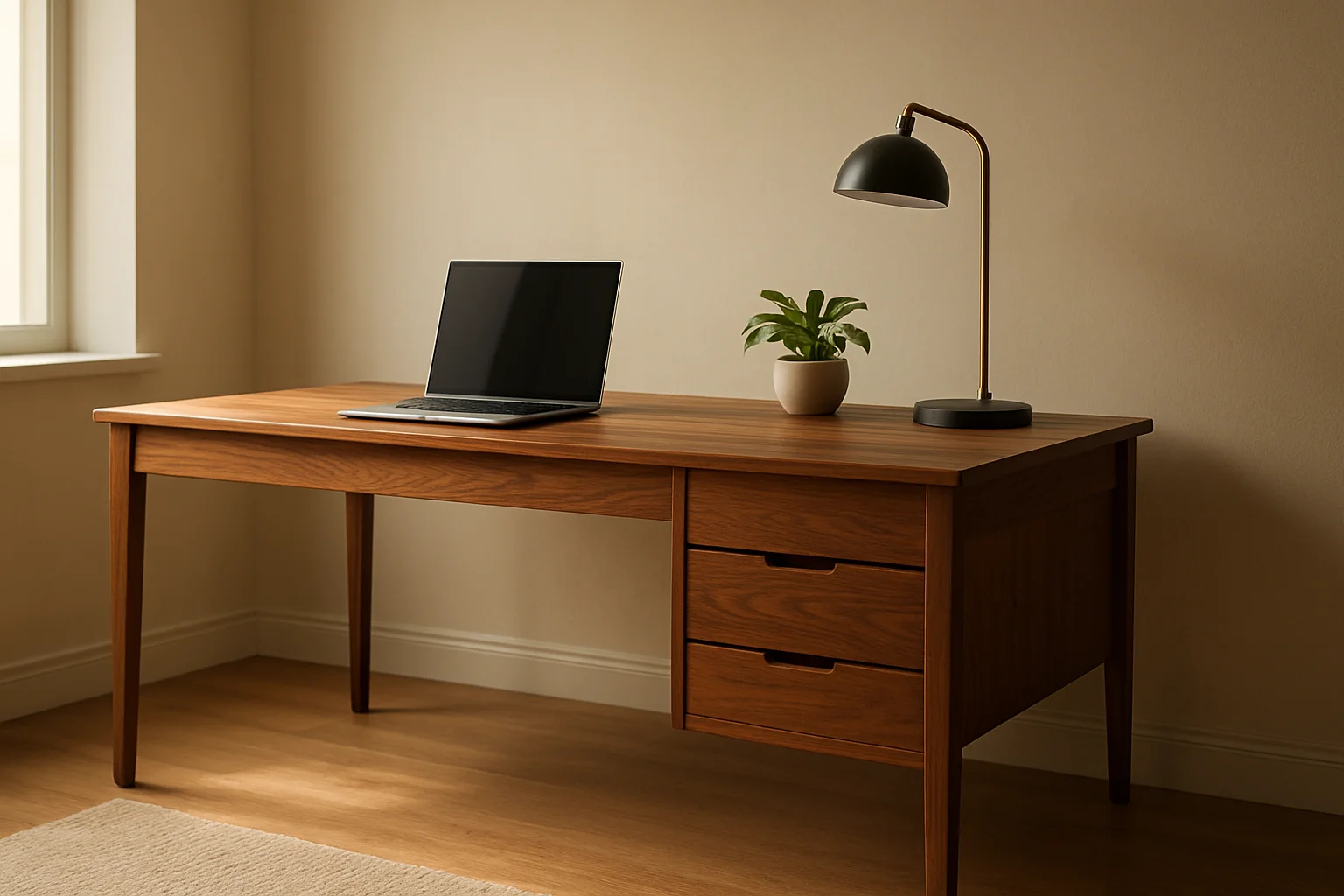
When it comes to creating a functional desk, innovative Woodworking Projects Desk can turn your visions into reality. A well-crafted desk not only enhances your workspace but also reflects your personal style. Here are some exciting ideas that you can explore, allowing for creativity while ensuring functionality.
Innovative Woodworking Projects Desk Ideas
Adjustable Height Desks
One popular Woodworking Projects Desk is the adjustable height desk. This design allows you to alternate between sitting and standing while you work, promoting better posture and overall health. You can build a simple frame with sturdy legs and a sliding mechanism to easily adjust the height. Key elements to consider:
- Materials: Use high-quality hardwood for durability, or bamboo for an eco-friendly option.
- Mechanism: Consider either a manual crank system or a motorized lift for easy adjustments.
- Design: Incorporate a clean desk surface with a polished finish, adding personal touches like built-in storage or cable management.
Wall-Mounted Desks
Wall-mounted desks are perfect for small spaces. They save floor space while providing a functional work area. These desks can fold away when not in use, keeping your area tidy. Here’s how to approach this project:
- Frame and Support: Ensure the desk is securely attached to the wall with proper brackets to support weight.
- Surface Area: Create a desktop that’s wide enough for a laptop and essential office supplies.
- Finishing Touches: Finish the desk with a matte or glossy varnish, and consider adding hooks or shelves for extra storage.
Creative Storage Solutions
Integrating storage into your desk design is crucial for a functional workspace. You can add drawers, shelves, or cabinets. Here are some ideas:
- Under-Desk Drawers: Build drawers that slide under the desktop, providing easy access to tools and materials.
- Open Shelving: Consider a design that incorporates open shelves for quick access to books and supplies.
- Hidden Compartments: Design secret compartments in your desk for storing valuables or documents.
Repurposed Materials
Using repurposed materials can add character and uniqueness to your desk. For instance, you can use reclaimed wood to create a rustic look. Here are some ideas for sourcing and utilizing recycled materials:
- Visit local salvage yards or reclaimed wood shops.
- Use old furniture pieces to create a new desk, keeping elements like drawer knobs or legs.
- Combine various types of wood for a patchwork effect that reflects your style.
Technology Integration
In today’s digital world, desks can be more than just surfaces for writing or typing. Consider incorporating technology into your desk:
- Built-in Charging Stations: Plan for hidden electrical outlets or USB ports to charge devices conveniently.
- Smart Desks: Integrate smart features like sensors that remind you to stand or take breaks.
- Integrated Lighting: Add LED lighting strips under the desk for a modern touch that helps you work efficiently at night.
Building your own desk can be a rewarding Woodworking Projects Desk that allows you to customize the design for your specific needs. With various styles and elements to consider, you can create a piece that not only looks great but also serves its purpose well.
Resources and Inspiration
For further insights into woodworking projects and tips on building your perfect desk, consider exploring these reputable resources:
- Wood Magazine – Offers a diverse range of woodworking plans and detailed instructions.
- Ana White – Features free woodworking plans for various projects, including desks.
- Popular Woodworking – Provides expert advice, tips, and techniques for woodworking enthusiasts.
Crafting a functional desk through innovative desk not only elevates your workspace but serves as a fulfilling creative outlet. Dive into these ideas, and let your imagination guide you to build a desk that you will cherish for years to come.
Choosing the Right Materials for Your Desk Project
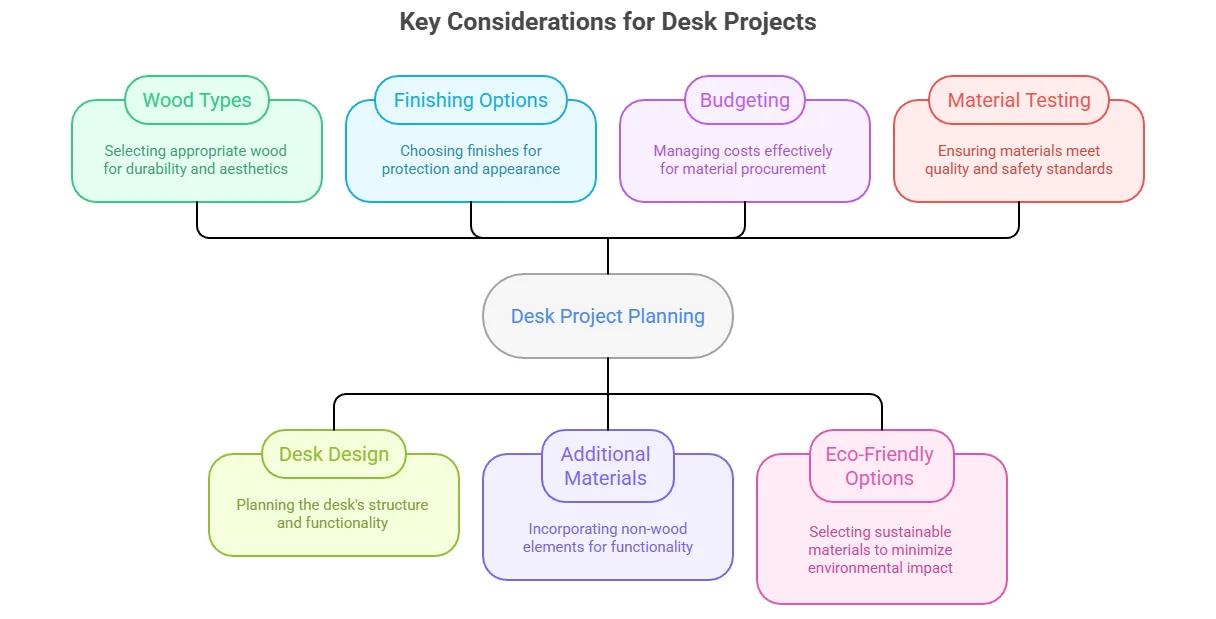
When starting a Woodworking Projects Desk, one of the critical steps is choosing the right materials. Your selections can directly impact the desk’s durability, aesthetics, and functionality. Here are some essential factors to consider when selecting materials for your desk project.
Understanding Wood Types
Wood is the primary material used in most Woodworking Projects Desk, and different types of wood offer unique benefits. Here are some popular choices:
- Softwood: Woods like pine and cedar are more affordable and easier to work with. They can be a great choice for a beginner’s desk project.
- Hardwood: Oak, maple, and cherry are more durable and provide a polished look. They can be more challenging to work with and typically require more tools.
- Plywood: This engineered wood is versatile and often comes in larger panels. It’s a cost-effective option for larger desk spaces.
Consider the Desk Design
The desk design influences your material choice. Think about how you want your Woodworking Projects Desk to look and function. Here are a few design aspects to consider:
- Style: Are you aiming for a modern, minimalistic look, or a more classic design?
- Size: Larger desks require sturdier materials to support their weight.
- Functionality: Will you be using it for a computer, writing, or a crafting area? Consider surfaces that can withstand wear and tear if you expect heavy use.
Finishing Options
Finishing your Woodworking Projects Desk not only enhances its look but also protects the wood. Some options include:
- Stain: This can add color while letting the wood grain show through. It’s perfect if you want a specific aesthetic without covering the wood.
- Varnish: This provides a robust layer of protection and is great for surfaces that will see lots of activity.
- Oil: Penetrating oils like linseed can nourish the wood and are easy to reapply, making them a good choice for a natural look.
Utilizing Additional Materials
While wood is the primary material, don’t forget about the additional elements that can enhance your Woodworking Projects Desk:
- Metal: For legs or structural supports, metal can offer additional stability and a modern feel.
- Glass: A glass top can provide a sleek look while showcasing the wood below.
- Hardware: Drawer pulls and leg brackets not only serve functional purposes but can also add to the overall design.
Budgeting for Materials
Setting a budget helps narrow down your choices. Ensure you account for:
- The cost of wood
- Finishing products
- Additional hardware or materials
Try to visit local lumberyards or specialty woodworking stores. These locations often have knowledgeable staff who can assist you with material selection and may offer tips based on your project scope. Websites like Wood Magazine and Popular Woodworking provide additional resources for selecting materials and techniques tailored for various desk projects.
Choosing Eco-Friendly Options
Consider environmental impacts when selecting materials for your Woodworking Projects Desk. Look for reclaimed wood or sustainably sourced options. These choices are better for the planet and often have unique character that can enhance your desk’s design.
Testing Your Materials
Before committing fully to your selections, consider testing a small piece of your chosen material. This can help you see how it will react to stains or finishes. It’s always a good idea to start with scraps or smaller pieces to avoid wasting materials on mistakes. With careful planning and consideration, you can select the best materials for your Woodworking Projects Desk. Your final product will be a functional and aesthetically pleasing addition to your space.
Step-by-Step Guide to Crafting a Custom Desk
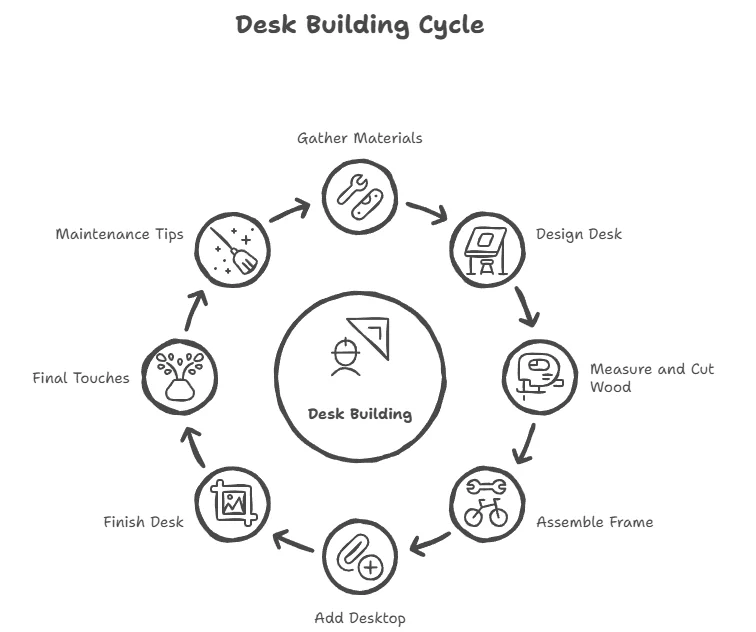
Gather Your Materials
Before diving into your Woodworking Projects Desk, it’s essential to collect all the materials you need. Here’s a list to help you get started:
- Wood (select a type based on your preference, such as oak, pine, or maple)
- Wood glue
- Nails or screws
- Sandpaper (various grits)
- Wood finish or paint
- Clamps
- Tools (saw, drill, sander, etc.)
Make sure to have a clean workspace so you can work efficiently. You can find helpful woodworking supplies at Woodcraft and Rockler.
Design Your Desk
Take a moment to design the Woodworking Projects Desk according to your needs and style preferences. Sketch your ideas on paper or use software that allows for visual planning. Consider these factors:
- Size
- Style (modern, rustic, etc.)
- Storage options (drawers, shelves)
- Functionality (workstation, gaming desk)
If you need inspiration, websites like Ana White offer numerous woodworking plans to explore.
Measure and Cut Your Wood
Once you have your design ready, it’s time to measure and cut your wood pieces. Use the following steps:
- Measure each piece according to your design.
- Mark the cuts using a pencil.
- Use a saw to make clean cuts.
Be sure to double-check your measurements to avoid mistakes! Accurate cuts are key to a good fit.
Assemble the Desk Frame
Now that your pieces are cut, it’s time to start assembling them into a desk frame. Follow these steps:
- Start with the top and legs. Use wood glue and clamps for a secure fit.
- Attach any horizontal supports for added stability.
- Make sure everything is square before the glue dries.
A frame will provide the necessary support for your Woodworking Projects Desk, allowing it to handle weight and last longer.
Add the Desktop
After assembling the frame, place your desktop onto the frame. Use screws to secure it from beneath. This will ensure a clean, seamless look on top. Don’t forget to smooth the edges using sandpaper to enhance the aesthetics and prevent any splinters.
Finish Your Desk
To protect your new Woodworking Projects Desk and give it a polished appearance, apply a wood finish. Consider these options:
- Wood stain for color
- Polyurethane for protection
- Semi-gloss or matte finish based on your style
Allow each coat to dry according to the instructions on the product before applying the next. This step ensures durability.
Final Touches and Accessories
Once the finish has dried, it’s time to add personal touches. You might include:
- Drawer handles
- Decorative elements (plants, photos)
- Organizers (cable management, stationery holders)
These accessories will not only enhance functionality but also personalize your workspace.
Maintenance Tips
To keep your Woodworking Projects Desk looking great, follow these maintenance tips:
- Clean regularly with a soft cloth.
- Reapply wood finish every couple of years to maintain quality.
- Avoid placing hot items directly on the surface.
If you ever need woodworking tips or more projects, visit Wood Magazine for helpful articles and guides. After completing your custom desk, step back and enjoy your handiwork. You now have a piece that is not only functional but also a reflection of your creativity and effort. Happy woodworking!
Essential Tools Every Woodworker Needs for Desk Projects
Starting your woodworking projects, especially when planning to build a Desk, requires knowing the essential tools that can make your work easier and more efficient. Whether you are a beginner or a seasoned woodworker, having the right tools is crucial for creating quality pieces. Here’s a rundown of the must-have tools for your desk.
Power Tools
Power tools are indispensable in woodworking. They save time and provide precise cuts, making them essential for any desk project. Here are some of the primary power tools you will need:
- Table Saw: Perfect for making straight cuts with precision. It is essential for ripping boards and creating uniform pieces.
- Miter Saw: Ideal for making crosscuts and angled cuts. This tool is useful for cutting the corners of your desk frame.
- Router: Used for shaping edges and hollowing out wood. A router can add decorative elements to your desk.
- Drill/Driver: Essential for making holes and driving screws. It’s one of the most versatile tools in your workshop.
- Sander: Ensures a smooth finish on your wood pieces. A power sander will save you time and effort compared to hand sanding.
Hand Tools
While power tools are great, hand tools still hold an important place in woodworking. They provide a level of control that is sometimes necessary for intricate work. Here’s a list of important hand tools:
- Chisels: Used for carving and cutting wood. Keep a variety of sizes for different tasks.
- Hand Saw: Useful for precise cuts, especially in tight spaces where a power saw won’t fit.
- Clamps: Essential for holding pieces together as glue dries or as you work on your projects.
- Square: For ensuring your cuts are straight and your angles are correct. A combination square is especially helpful.
- Measuring Tape: Accurate measurements are key in woodworking. Always have a reliable measuring tape handy.
Work Safety Gear
Safety should always be your top priority in woodworking. Equip yourself with the right safety gear to protect yourself while working on your desk:
- Safety Glasses: To protect your eyes from dust and flying debris.
- Ear Protection: Power tools can be loud. Protect your hearing with earplugs or earmuffs.
- Dust Mask: A must-have to avoid inhaling wood dust and keep your lungs safe.
- Gloves: Durable gloves will protect your hands from splinters and cuts while giving you grip during handling.
Finishing Tools
After constructing your desk, finishing tools help create a polished look. Here are the tools you need for applying finishes:
- Brushes: Necessary for applying paints or varnish. Different brush sizes help in reaching corners and flat surfaces.
- Rags: Useful for wiping off excess stains or finishes, giving you a clean surface before applying more coats.
- Spray Gun: This can provide a smooth finish without brush strokes. Perfect for larger desks where even coverage is key.
Whether you are a beginner looking to create your first desk or an advanced woodworker working on a custom project, having the right tools can make all the difference. If you’re interested in further expanding your woodworking knowledge, visit Wood Magazine for tips and project ideas or check out Popular Woodworking for advanced techniques and tool reviews. Remember, investing in quality tools not only enhances your woodworking experience but also the final outcome of your projects. Happy woodworking!
Troubleshooting Common Issues in Woodworking Desk Designs
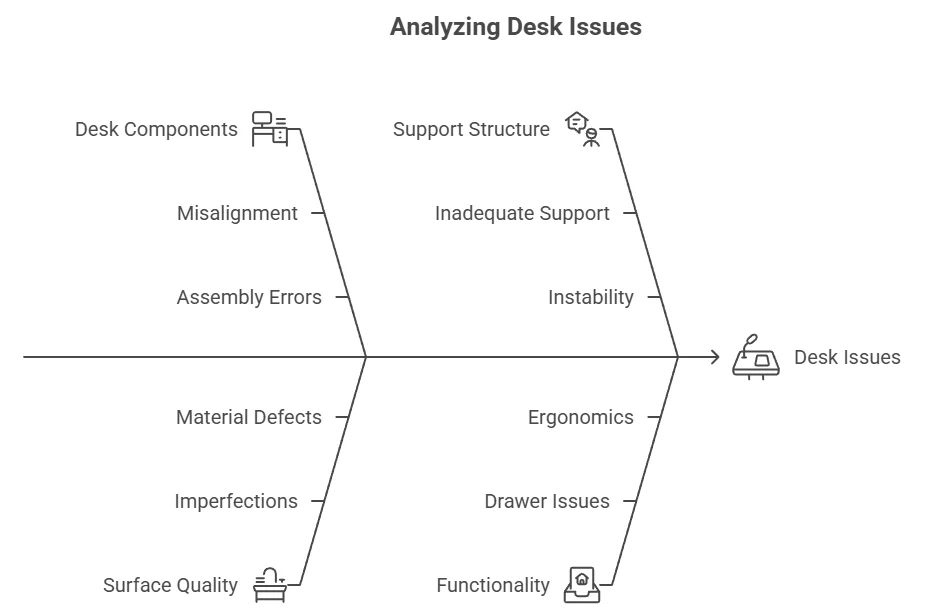
Designing a desk can be an exciting yet challenging endeavor. You may have a vision that includes style, functionality, and comfort. However, sometimes things don’t go as planned, leading to issues that require troubleshooting. Understanding common problems and their solutions can help you create the perfect desk
Misalignment of Desk Components
One frequent issue is the misalignment of components. This can happen when pieces of wood are not cut accurately or when they warp due to changes in humidity. Misalignment can affect the overall stability and aesthetics of your desk. To remedy this:
- Double-check your measurements before cutting any wood.
- Use a square to ensure corners are at right angles.
- Employ clamps when assembling to keep aspects in position while the adhesive sets.
Surface Imperfections
Surface imperfections such as scratches, dents, or uneven finishes can detract from the beauty of your desk. These problems often arise from improper handling or finishing techniques. For a polished look:
- Sand the surfaces thoroughly, starting with a coarse grit and moving to a finer grit.
- Apply your finish in thin, even coats, allowing adequate drying time between each layer.
- If a scratch occurs, try using a wood finish repair marker to conceal it.
Inadequate Support for the Desk Surface
If your desk surface sags or feels unstable, you may not have provided enough support in your design. This is crucial, especially for larger desks that hold multiple items. To enhance stability:
- Incorporate additional support beams or brackets beneath the surface.
- Ensure that the legs are robust and placed adequately to distribute weight evenly.
- Consider using thicker materials for the desktop for added rigidity.
Difficulty in Drawer Functionality
If your design includes drawers, you may encounter issues pertaining to their movement. Drawers may stick, jam, or fail to open smoothly, which can be quite frustrating. Here are a few approaches to solve this:
- Ensure accurate measurements for the drawer dimensions; they should fit comfortably within the frame.
- Use quality drawer slides that can support the weight and allow for smooth functionality.
- Apply a lubricant to the slides to improve ease of movement.
Insufficient Workspace
Another common dilemma is insufficient workspace. When designing a desk, it’s essential to consider how you’ll use it. If you find yourself cramped, try the following solutions:
- Plan your layout based on the type of work you’ll do, ensuring sufficient surface area for tools and materials.
- Incorporate drawer or shelf units to free up desktop space.
- Examine your workflow to determine how you can organize items more effectively.
Poor Ergonomics
Comfort is key in any workstation. If your desk design leads to poor posture or strain, it’s essential to reevaluate the ergonomics. You can consider:
- Adjusting the height of your desk to optimize comfort while sitting or standing.
- An adjustable chair that supports correct posture.
- Organizing items within arm’s reach to minimize unnecessary strain.
By understanding and addressing these common issues, you can enhance your desk significantly. Whether you’re customizing a desk for personal use or designing one for a client, being proactive about potential pitfalls will help you produce a quality product. For more great tips and inspiration, check resources from Wood Magazine and Popular Woodworking.