
In the woodworking business, outsourcing can be a game-changer for small shops looking to scale operations. By utilizing effective woodworking outsourcing strategies, you can save time, reduce costs, and focus on what you do best—creating beautiful pieces of furniture. Here are key strategies to consider for efficient outsourcing tailored specifically to small woodworking shops.
Identify Your Needs
Before you dive into outsourcing, it’s essential to outline what tasks you can delegate. Here’s a list of common areas for outsourcing in woodworking:
- Design Work: Hiring a designer can help you create more complex items without taking time away from production.
- Material Sourcing: Outsourcing raw materials can reduce costs and ensure high-quality supplies.
- Labor Tasks: Tasks such as sanding, finishing, or assembly may be outsourced to skilled labor.
Research Potential Partners
The next step involves finding reliable partners. Here are tips on where to begin:
- Local Craftsmen: Look for nearby woodworkers who can collaborate and share expertise.
- Online Platforms: Websites like ThomasNet can connect you with suppliers and labor sources.
- Trade Shows: Attend woodworking trade shows to meet potential outsourcing partners face-to-face.
Evaluate and Select Vendors
Choosing the right vendor is crucial. Keep these considerations in mind:
- Reputation: Check reviews and testimonials to gauge the quality of work.
- Experience: Look for vendors with a history in woodworking and specific expertise in your niche.
- Cost: Evaluate pricing structures to ensure they align with your budget without sacrificing quality.
Establish Clear Communication
Effective outsourcing relies on good communication. Make sure to:
- Set Expectations: Clearly define the scope of work, timelines, and quality standards.
- Use Technology: Implement project management tools like Trello or Asana to track progress.
- Regular Check-Ins: Schedule frequent meetings to address any challenges or updates.
Monitor Quality Control
Outsourcing can impact the quality of your products if not managed properly. Here’s how to maintain high standards:
- Quality Assurance Checks: Before accepting finished goods, inspect them for flaws and standards adherence.
- Feedback Loop: Create a system for feedback. This provides continuous improvement opportunities for your outsourcing partners.
Utilize Technologies for Efficiency
Take advantage of digital tools to enhance your outsourcing experience:
- 3D Design Software: Use software like SketchUp or AutoCAD to streamline design processes.
- CNC Machines: Consider outsourcing CNC cutting to speed up production times.
Assess Costs vs. Benefits
It’s essential to regularly review your outsourcing strategy. Use a simple table to weigh costs against benefits:
| Outsourced Task | Cost | Benefit |
|---|---|---|
| Material Sourcing | $500/month | Higher quality wood at reduced costs |
| Design Work | $300/project | New configurations and options expanded |
| Labor Tasks | $1000/month | Increased production efficiency |

By implementing these strategies, your small woodworking shop can leverage outsourcing effectively. Remember, maintaining strong relationships with your outsourcing partners is vital for success. As your business grows, reviewing and refining your outsourcing strategy will help you stay competitive in the woodworking market.
Benefits of Outsourcing for Craftsmanship and Efficiency
Outsourcing has become an invaluable practice for small woodworking shops seeking higher craftsmanship and efficiency. By leveraging external resources, shop owners can focus on core operations while ensuring that production scales effectively. Here are several distinct benefits of outsourcing that can enhance your woodworking business.
Access to Specialized Skills
One of the primary advantages of outsourcing is gaining access to specialized skills that may not exist within your current team. For instance, if your shop needs intricate carvings or unique joinery techniques, hiring artisans proficient in these areas can elevate your product quality. When you hire experts, you can:
- Improve product craftsmanship.
- Enhance the design with advanced techniques.
- Meet customer demands more effectively.
Cost Efficiency
Outsourcing can provide noticeable savings in labor and operational costs. When you employ in-house craftsmen, expenses like salaries, benefits, and training accumulate quickly. By outsourcing specific tasks, you convert fixed costs into variable costs, allowing you to pay only for the work completed. This can lead to:
- Lower overhead expenses.
- Free up capital to invest in quality materials or advanced tools.
- Enable adjustments based on project demands.
Studies show that outsourcing can save businesses up to 30% in labor costs on average, offering a compelling reason to consider it.
Increased Production Capacity
With the right outsourcing strategies, small shops can quickly increase their production capacity. Maybe you’re entering a busy season or have taken on a large project. Outsourcing can help you:
- Scale your operations without hiring additional full-time workers.
- Meet deadlines without sacrificing quality.
- Focus on large orders while securing help from external craftsmen for smaller tasks.
For further guidance on optimizing your production, check resources like Woodworking Network.
Flexibility and Scalability
Outsourcing offers excellent flexibility for small woodworking shops. As projects come and go, your workforce needs may fluctuate. Outsourcing gives you the ability to:
- Adapt to changing project demands without long-term commitments.
- Adjust the number of workers based on seasonality.
- Experiment with new techniques or products without major investments.
This flexibility can be a game-changer for small businesses attempting to navigate the complexities of woodworking production.
Focus on Core Competencies
When you outsource specific tasks, you can dedicate more time and resources to your core competencies. Whether it’s design, marketing, or customer service, concentrating on what makes your business unique can streamline operations significantly. This focus allows you to:
- Enhance customer relationships.
- Develop innovative products.
- Improve overall business strategies.
Risk Management
Outsourcing not only boosts productivity, but it also serves as a form of risk management. By distributing tasks, you decrease the chances of supply chain issues, labor shortages, or equipment malfunctions affecting your entire workflow. A few benefits include:
- Diversifying your production capabilities.
- Maintaining quality control with experienced craftsmen.
- Reducing the risk of lost income during downturns.
Embracing outsourcing strategies can positively impact your small woodworking shop’s efficiency and craftsmanship. By accessing specialized skills, reducing costs, and increasing production capacity, you set your business up for greater success. The woodworking industry offers various avenues for outsourcing; embracing these changes can lead to a sustainable and productive future. For practical tips and insights, visit Wood Magazine and explore how you can implement effective outsourcing strategies in your business.
Choosing the Right Partners: What to Look for in an Outsourcing Vendor

When you’re considering outsourcing for your woodworking shop, choosing the right vendor is crucial to your success. You need a partner who understands your business and can help you scale while maintaining quality. Here are some key factors to keep in mind when selecting an outsourcing vendor.
Experience and Expertise
First and foremost, assess the vendor’s experience in the woodworking industry. A vendor with a proven track record will have valuable insights into your specific needs and challenges. Look for:
- Years in business
- Portfolio showcasing previous work
- Reviews and testimonials from other woodworking businesses
Experienced vendors are better equipped to handle challenges and produce high-quality work. Check their websites or platforms like Woodworking Network for more information and ratings.
Quality Assurance
Quality is non-negotiable when it comes to woodworking. You must ensure that the vendor adheres to high standards. Investigate their quality control processes:
- Do they perform rigorous quality checks?
- Can they provide certifications or standards they comply with?
- What is their approach to customer feedback and continuous improvement?
Vendors should be transparent about their quality assurance measures. Look for any industry certifications that guarantee their products or services meet certain standards.
Communication Skills
Effective communication is vital to a successful partnership. The right vendor should be responsive, clear, and proactive in their communication. Consider these aspects:
- Are they easily reachable?
- Do they provide regular updates on projects?
- How do they handle issues or feedback?
Select a vendor who listens to your needs and can address concerns promptly. A strong communication line fosters better collaboration and minimizes misunderstandings.
Cost and Value
While cost should not be the only determining factor, it’s still essential to find a vendor that offers good value for your money. Evaluate pricing structures by considering:
- Are costs transparent, without hidden fees?
- Do they offer discounts for bulk orders?
- What additional services or benefits do they provide that justify their pricing?
Find a balance between quality and affordability; a cheap vendor may compromise quality, whereas the most expensive option doesn’t guarantee excellence.
Scalability
Your needs may change as your woodworking business grows. Ensure that the vendor you choose can scale with you. This means they should:
- Have the resources to handle larger orders
- Be open to adaptability based on your changing needs
- Offer flexibility in contract terms
A vendor that understands your growth ambitions can be a significant asset.
Location and Logistics
Consider the vendor’s location regarding currency exchange, shipping costs, and delivery timelines. If you’re outsourcing internationally, keep an eye on:
- Shipping costs and times
- Customs regulations and tariffs
- Timezone differences that may affect communication
Reputation
Research the vendor’s reputation. Seek out reviews on platforms like Trustpilot or industry-specific forums. Ask other woodworking businesses for recommendations. A vendor with a solid reputation is more likely to meet or exceed your expectations.
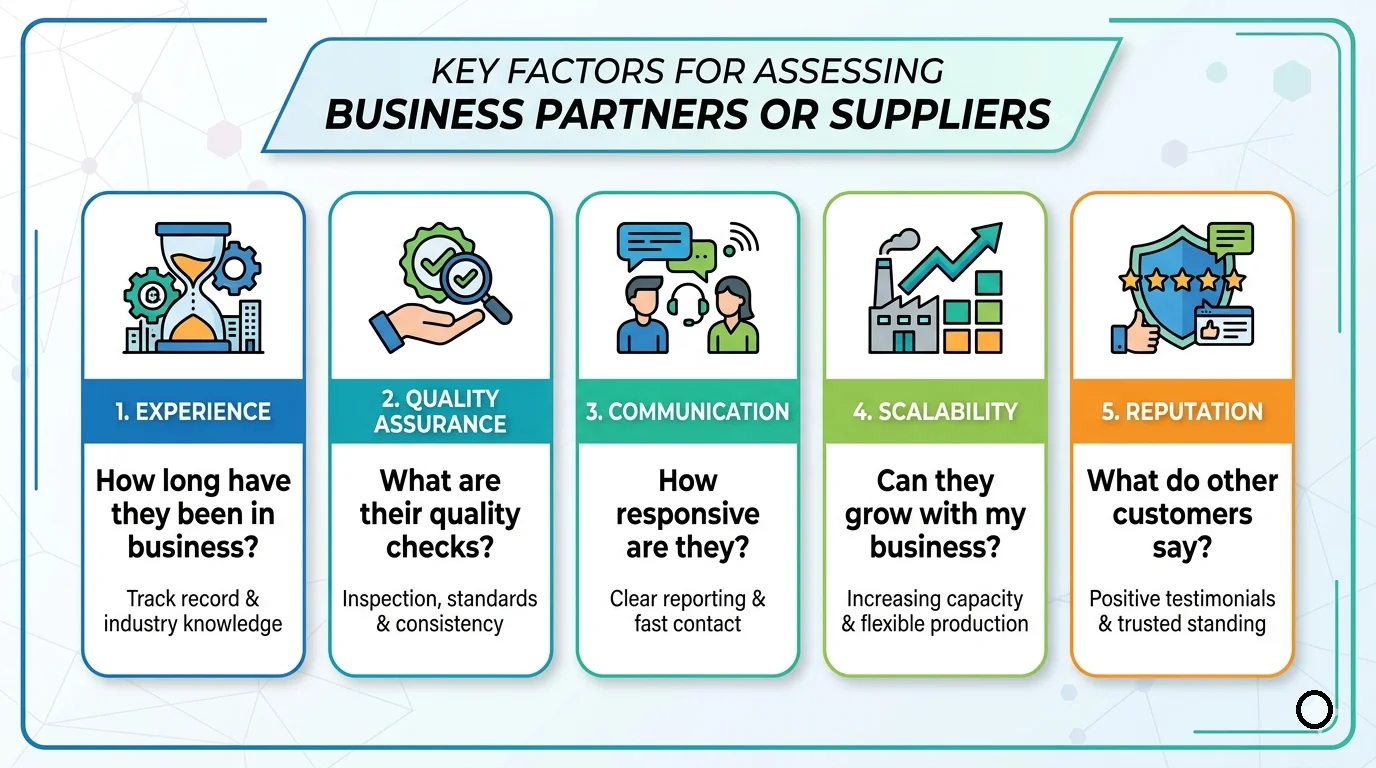
| Key Factors | Questions to Consider |
|---|---|
| Experience | How long have they been in business? |
| Quality Assurance | What are their quality checks? |
| Communication | How responsive are they? |
| Scalability | Can they grow with my business? |
| Reputation | What do other customers say? |
Taking the time to thoroughly evaluate potential vendors can save you from costly missteps in the future. For further information on outsourcing options and strategies, you can visit Wood Magazine, a helpful resource tailored for woodworking professionals. Making an informed choice can significantly enhance your small shop’s operational efficiency and product quality. Remember, the right partner can take your woodworking business to new heights.
Managing Quality Control When Outsourcing Woodworking Projects
When you decide to outsource woodworking projects, maintaining quality control becomes a crucial element to your success. Although outsourcing can boost efficiency and lower costs, it can also lead to variability in quality that might jeopardize your brand’s reputation. To effectively manage quality control, here are essential strategies you can implement to ensure that the final product meets your standards.
Choose the Right Partner
The first step in effective quality management is selecting a reputable outsourcing partner. Look for suppliers who specialize in woodworking and have a proven track record. Consider the following criteria:
- Experience: Look for vendors with years of experience in the woodworking industry.
- Portfolio: A comprehensive portfolio will give you insights into their capabilities and quality.
- Client Reviews: Previous customer feedback can provide invaluable insights into their reliability.
- Certifications: Ensure that your partner holds relevant industry certifications that demonstrate quality compliance.
Set Clear Specifications
When working with outsourcing partners, clarity is vital. Make sure to outline detailed project specifications, including dimensions, materials, finishes, and design features. The more detailed your specifications, the less room there is for misunderstandings. Here are some components to include:
- Materials: Specify the types and grades of wood to be used.
- Dimensions: Provide exact measurements and tolerances.
- Finishing: Indicate required stains, paints, or coatings.
- Assembly Guidelines: Outline how components should be assembled.
Establish Quality Assurance Processes
Implementing robust quality assurance procedures can make a significant difference in maintaining product quality. Here are several processes to consider:
- On-site Inspections: Conduct regular visits to the production facility for real-time assessment.
- Sample Testing: Prior to mass production, request samples to evaluate quality.
- Third-party Inspections: Engage independent agencies for periodic inspections to ensure compliance.
Implement Feedback Loops
Creating a system for gathering feedback is essential. This should involve open communication lines between your team and the outsourcing partner. Implement strategies like:
- Regular Check-ins: Schedule frequent meetings to discuss progress and address any issues.
- Quality Reports: Request daily or weekly quality reports to monitor ongoing operations.
- Constructive Criticism: Be willing to share both compliments and concerns to foster improvement.
Monitor Performance Continuously
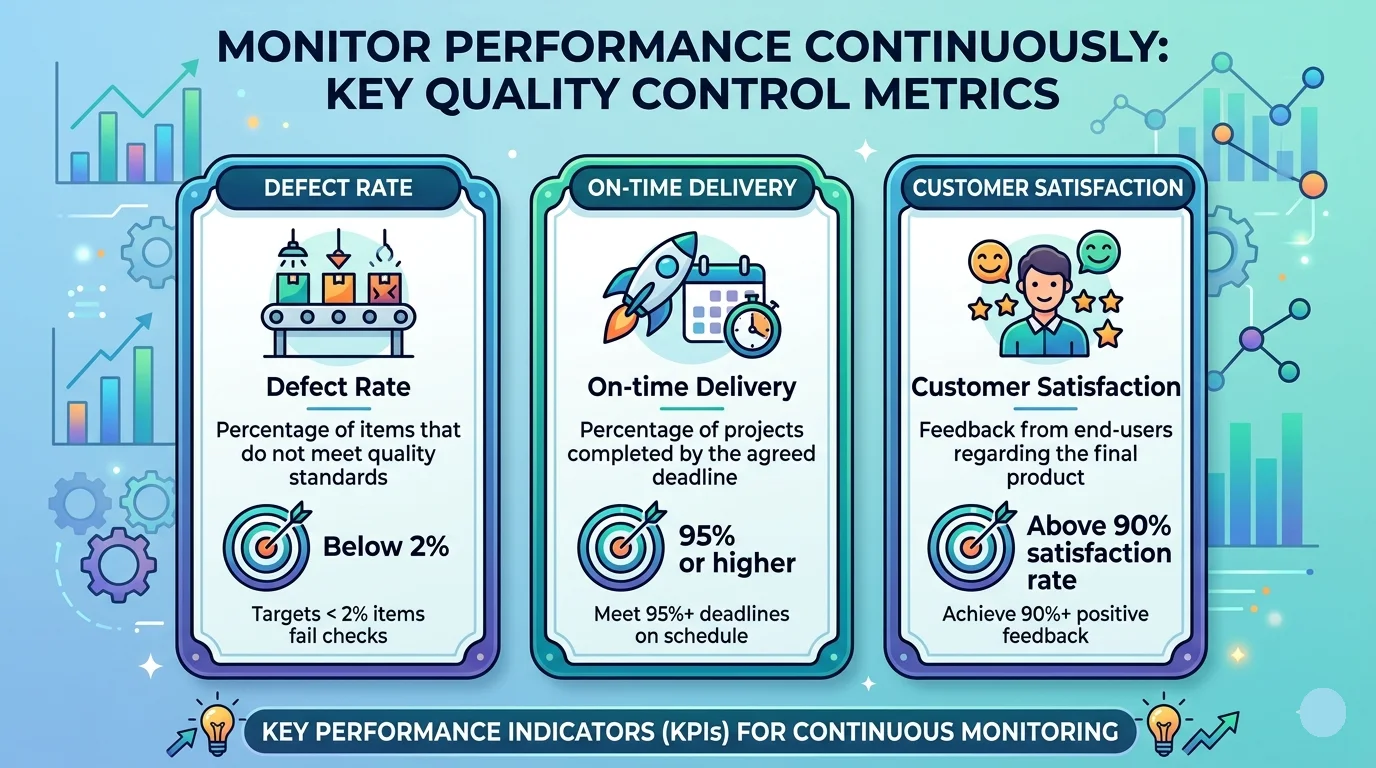
To ensure quality control, continuous monitoring of performance metrics is crucial. Use key performance indicators (KPIs) to measure success, such as:
| Performance Metric | Description | Target |
|---|---|---|
| Defect Rate | Percentage of items that do not meet quality standards | Below 2% |
| On-time Delivery | Percentage of projects completed by the agreed deadline | 95% or higher |
| Customer Satisfaction | Feedback from end-users regarding the final product | Above 90% satisfaction rate |
Maintain Strong Relationships
The foundation of successful outsourcing in woodworking lies in building strong relationships with your vendors. Trust and mutual respect can lead to higher quality outputs. Make an effort to:
- Show Appreciation: Acknowledge good work to motivate your partners.
- Be Transparent:Share challenges and successes openly.
- Negotiate Fairly: Ensure that both parties feel valued and understood.
Balancing Cost and Quality: A Guide for Small Woodworking Shops
Running a small woodworking shop can be both rewarding and challenging. One of the biggest challenges is finding the right balance between cost and quality. As a woodworker, you want to provide high-quality products to your customers while keeping your expenses manageable. Here’s a guide to help you navigate this crucial aspect of your business.
Understanding Your Costs
Before you can balance cost and quality, it’s essential to understand what costs your woodworking shop incurs. Here are some key areas to consider:
- Material Costs: The type of wood, hardware, and finishes you choose will significantly impact your cost. Consider sourcing locally to save on shipping costs.
- Labor Costs: Whether you hire employees or work solo, factor in the cost of labor. Paying for skilled labor can ensure better quality results.
- Equipment Costs: The tools and machinery used in your shop contribute to your overhead. High-quality tools can enhance the quality of your work but may require a significant initial investment.
Choosing the Right Materials
Wood selection plays a crucial role in the quality of your work. If you’re looking to save without sacrificing quality, consider these options:
- Plywood: A versatile and cost-effective substitute for solid wood that still offers good results.
- Engineered Woods: Products like MDF or particleboard can deliver excellent finishes and are often more affordable.
- Reclaimed Wood: This can give your projects unique character and may be available at lower prices than new lumber.
Investing in Skills and Training
The quality of your work is often directly tied to your skill level. Investing in training for yourself and your employees can pay off in the long run. You can look for workshops or online courses that specialize in woodworking techniques. Websites like Woodworker’s Source offer a plethora of resources that can enhance your skills.
Streamlining Production Processes
A streamlined production process can help you reduce costs while maintaining quality. Here are some strategies to consider:
- Batch Processing: Producing items in batches can save time and reduce waste.
- Inventory Management: Keep track of your materials accurately to avoid unnecessary orders and reduce surplus costs.
- Quality Checks: Implement routine checks during different stages of production to catch issues early.
Exploring Outsourcing Options
As your woodworking shop grows, consider outsourcing certain parts of your production. This can free you to focus on what you do best while still providing high-quality products:
- Tooling and Machining: Outsourcing complex machining tasks can allow you to use specialized equipment without the investment.
- Finishing Services: Hiring a company for finishing can often provide a better finish than what might be achievable in-house.
- Graphic Design: If selling custom pieces, an outsourced graphic designer can create appealing marketing materials.
Building Relationships with Suppliers
Establishing strong relationships with your suppliers can help you secure better prices and quality materials. Here’s how to approach supplier relationships:
- Negotiate Terms: Don’t hesitate to negotiate pricing or bulk discounts, especially if you’re a repeat customer.
- Quality Assurance: Collaborate with your suppliers to ensure that the materials meet your quality standards.
- Stay Updated: Suppliers often have industry insights that can help you keep your costs low.
Utilizing Technology
In today’s digital age, technology can also play a big role in balancing cost and quality. Software solutions for project management can help keep your operations efficient. Consider using platforms such as Woodpro that tailor features specifically for woodworking businesses.
Customer Feedback and Adaptation
Regularly seeking feedback from your customers will help you understand their priorities regarding quality. Use this information to adjust your practices without losing your competitive edge.
By carefully considering these elements in your woodworking shop, you can find a sustainable balance between cost and quality. This balance not only improves your business’s efficiency but also enhances customer satisfaction, ensuring long-term success in the woodworking industry.
Conclusion
Outsourcing can be a game-changer for small woodworking shops, enhancing both craftsmanship and efficiency. By implementing effective strategies, you can streamline your production while maintaining the integrity of your craft. The right outsourcing partner can significantly impact your success, so it’s essential to choose vendors who share your values and commitment to quality.
Pay attention to the specific qualities that make a partner trustworthy—experience, communication, and a strong portfolio. As you embark on this journey, establishing thorough quality control processes will help ensure that the final product meets your expectations and those of your clients. Consistent communication and feedback loops are vital to maintaining these standards.
Balancing cost and quality might seem daunting, but a thoughtful approach can lead to optimal results. Evaluate your options carefully, weighing the financial implications against the benefits of superior craftsmanship. Remember, it’s not about cutting corners; it’s about finding the best solutions that allow you to focus on your core competencies while leveraging external expertise.
With the right strategies and partners in place, outsourcing can lead your small woodworking shop to new heights. Embrace these strategies to not only grow your business but also to enhance your creative potential, ensuring that you can deliver exceptional products to your clients while enjoying the process.