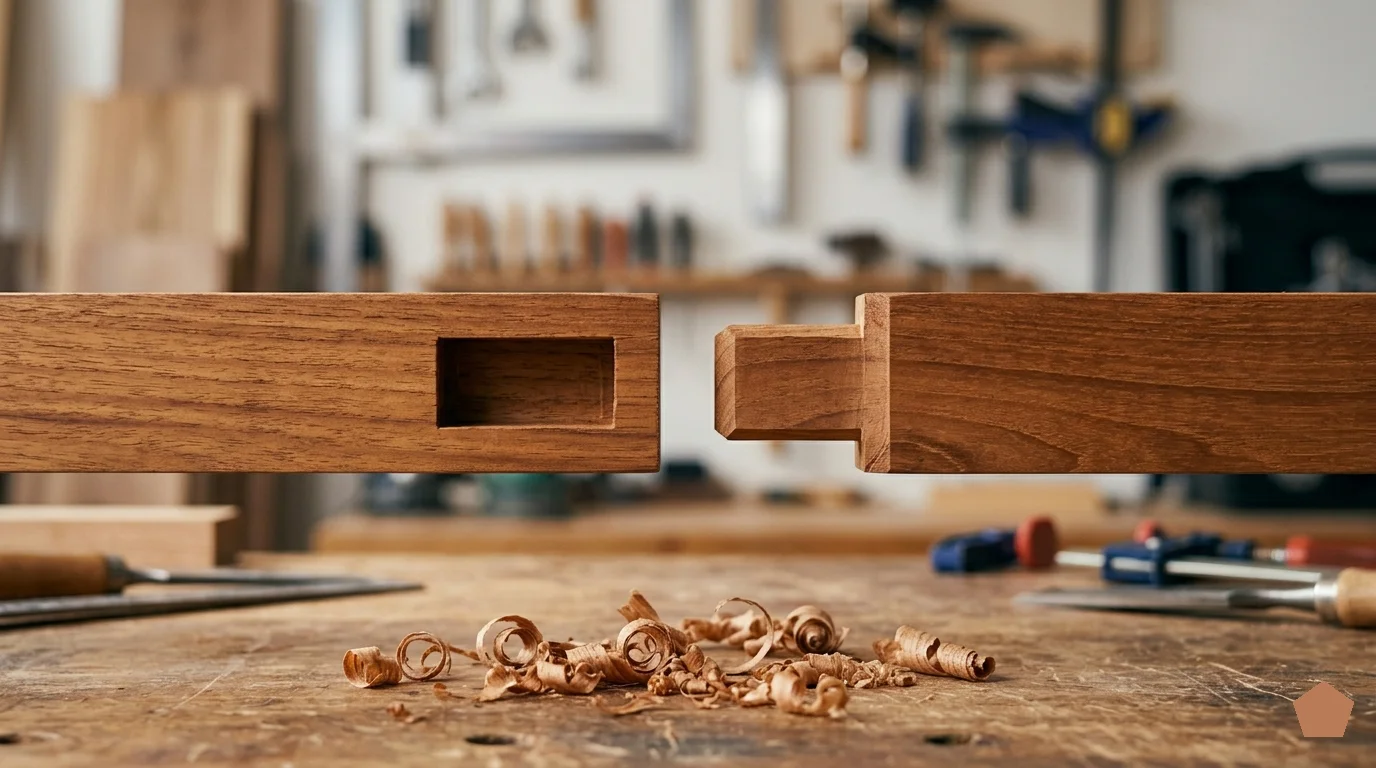
When crafting outdoor furniture, the right joinery techniques can make all the difference. Not only do these methods enhance the structural integrity of your projects, but they also add a level of beauty and detail that can elevate your furniture to a new standard. Understanding Woodworking Joinery for Outdoor Furniture is vital if you want your outdoor furniture to last over time and withstand the elements.
Types of Joinery Techniques
While there are many joinery techniques in woodworking, some specifically stand out for outdoor furniture due to their strength and durability.
1. Mortise and Tenon Joint
The mortise and tenon joint is one of the oldest and most reliable methods in woodworking. It involves cutting a square or rectangular hole (mortise) into one piece of wood and a matching projection (tenon) on another piece that fits tightly into the mortise. This joint provides a solid connection and is particularly effective for joining the legs to the table or chair seats.
2. Dado Joint
A dado joint involves cutting a groove along the grain of the wood, allowing for another piece to fit snugly inside. This joint is typically used in shelving and can be great for adding stability to outdoor furniture pieces like picnic tables. Its design helps distribute weight evenly, making it ideal for heavy-use items.
3. Biscuit Joint
Biscuit joinery uses small, oval-shaped pieces of wood (biscuits) that fit into slots cut into the edges of two boards. This method is perfect for edge-to-edge joints and enhances alignment while providing decent strength. It’s particularly useful for assembling tabletops or joining bench seats together, ensuring a smooth finish.
4. Pocket Hole Joint
Pocket holes involve drilling a hole at an angle into one piece of wood and fastening it to another with a screw. This technique is quick and effective for joining two flat surfaces, making it an excellent option for outdoor furniture assembly where speed may be essential.
The Importance of Joint Strength
When making outdoor furniture, it’s crucial to choose joinery techniques that can withstand various environmental conditions. Whether it’s rain, snow, or extreme heat, your furniture needs strong joints to prevent warping or breaking. Here are some essential factors to consider:
- Material Compatibility: Ensure that the wood types used are compatible with each other and the finishes applied.
- Weather Resistance: Use screws and adhesives that resist rust and corrosion, particularly for outdoor projects.
- Flexibility: Look for joints that allow for slight movement to accommodate changes in humidity and temperature.
Wood Selection Tips
Selecting the right wood for your outdoor furniture is just as important as the joinery technique you employ. Here are some popular options:
| Wood Type | Durability | Workability |
|---|---|---|
| Cedar | High | Easy |
| Redwood | Very High | Medium |
| Teak | High | Hard |
| Pressure-Treated Pine | Moderate | Easy |
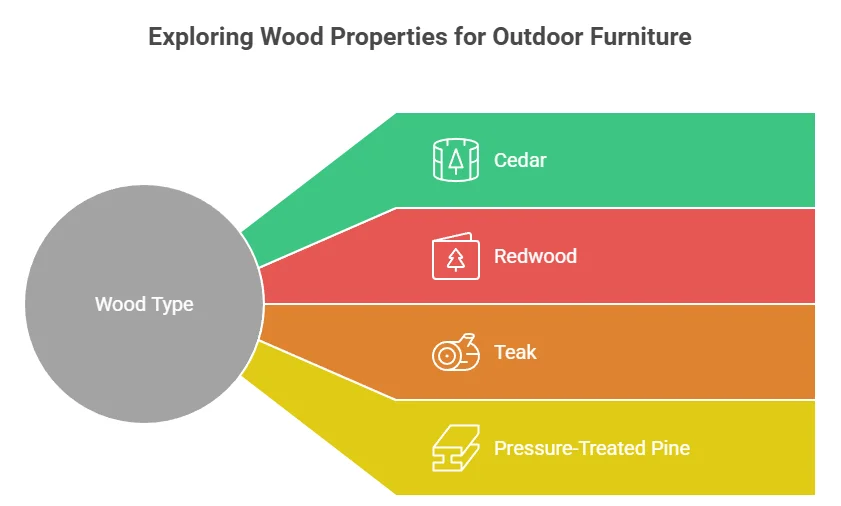
Choosing weather-resistant woods like cedar and teak can significantly increase the lifespan of your outdoor furnishings while ensuring that they maintain their aesthetics.
Choosing the Right Wood Types for Outdoor Furniture Joinery
When you decide to create outdoor furniture, the wood type you choose plays a crucial role in durability and aesthetic appeal. Not all woods are equal, especially when exposed to the elements. Here, we’ll explore the best wood options for outdoor furniture joinery, helping you make informed choices to ensure your pieces last for years to come.
Essential Characteristics of Wood for Outdoor Use
Before diving into specific wood types, it’s important to understand the characteristics you should look for:
- Durability: The wood must withstand harsh weather conditions including rain, snow, and sunlight.
- Resistance to Insects: Certain woods naturally repel pests that can damage furniture.
- Ease of Maintenance: Select woods that require minimal upkeep, ensuring they maintain their appearance over time.
Top Wood Types for Outdoor Furniture Joinery
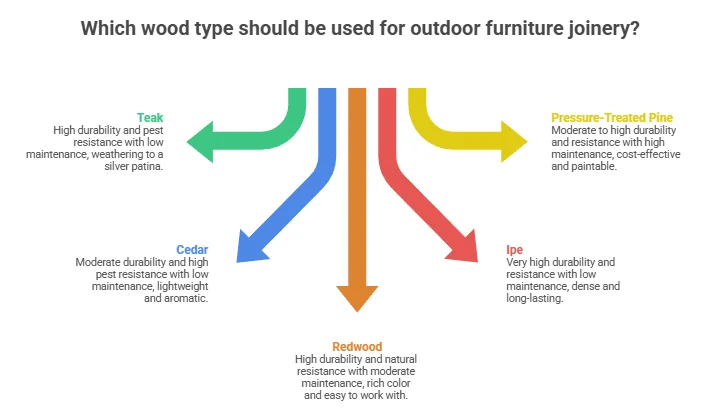
Let’s take a look at the best wood types for outdoor furniture joinery and their specific benefits:
| Wood Type | Durability | Pest Resistance | Maintenance | Notable Features |
|---|---|---|---|---|
| Teak | High | Natural oils repel insects | Low | Rich color; weathers to a silver patina |
| Cedar | Moderate | Highly resistant | Low | Lightweight; aromatic scent; resists warping |
| Redwood | High | Natural resistance | Moderate | Rich color; easy to work with |
| Ipe | Very High | Highly resistant | Low | Dense and heavy; can last over 50 years |
| Pressure-Treated Pine | Moderate to High | Moderately resistant | High | Cost-effective; can be painted or stained |
Choosing the Right Wood for Your Project
Now that you know the best wood types for outdoor furniture joinery, how do you pick the right one? Here are a few tips:
- Consider Your Climate: If you live in a wet or humid area, woods like teak and cedar may be your best bet due to their moisture resistance.
- Think About Your Style: The aesthetic of your outdoor space matters. If you’re looking for a warm, classic look, redwood may fit perfectly.
- Budget: Higher-end woods like Ipe can be cost-prohibitive, but they offer unmatched durability. Weigh your options wisely.
Joinery Techniques Using Selected Woods
The joinery techniques you use can dramatically impact the lifespan and stability of your furniture. Some effective techniques suitable for the woods discussed include:
- Mortise and Tenon: Ideal for strong structural joints. Commonly used with hardwoods like oak or teak.
- Dowel Joints: Provide good strength and are effective for pieces that need to be disassembled.
- Joinery with Screws and Glue: This is straightforward and works particularly well with pressure-treated pine.
Sources for Quality Wood Products
Finding reliable suppliers for your chosen wood type is essential. Consider visiting dedicated wood retailers like Woodworkers Source or local lumber yards that provide sustainably sourced options. Always ensure that the wood is properly treated and meets industry standards for outdoor furniture. Choosing the right wood type for outdoor furniture joinery is an important decision that will affect both the durability and the beauty of your creations. By considering the characteristics of each wood and selecting the appropriate joinery techniques, you ensure a successful project that stands the test of time.
The Benefits of Strong Joinery in Outdoor Furniture Durability
When you invest in outdoor furniture, showcasing craftsmanship and durability is paramount. This is where strong joinery plays a crucial role. Joinery involves the techniques used to connect different pieces of wood securely. In outdoor settings, the type of joinery you choose can significantly affect the longevity and strength of your furniture.
Understanding Joinery Types for Outdoor Furniture
Different methods of joinery can enhance the robustness and appeal of your outdoor furniture. Here are some common types:
- Miter Joints: These create angled cuts which hide the end grain, providing a more visually appealing look.
- Dowel Joints: Using wooden dowels, these joints offer strong alignment and stability.
- Mortise and Tenon Joints: A classic method that provides exceptional strength, ideal for heavy-duty furniture.
- Lap Joints: Overlapping pieces of wood, these joints maximize surface area for an extremely sturdy connection.
Each type of joinery has its advantages, but they all share a common goal: to enhance the structural integrity of your outdoor furniture.
Why Strong Joinery Matters
Choosing strong joinery methods ensures that your outdoor furniture can withstand various weather conditions. Whether it’s rain, snow, or extreme sunlight, the durability of the joinery helps the furniture resist warping, cracking, or breaking. Let’s break down some key benefits:
- Enhanced Durability: Strong joints hold the furniture together effectively, preventing it from falling apart over time.
- Weather Resistance: Robust joinery can endure moisture and temperature fluctuations better than weaker connections.
- Improved Aesthetic Appeal: Well-crafted joinery not only secures the pieces but also enhances the overall beauty of the furniture.
- Long-Term Savings: Investing in strong joinery can reduce the need for frequent repairs or replacements, saving your money in the long run.
Regular Maintenance and Care
Even the strongest joinery needs care to maintain durability. Regular maintenance tips include:
- Clean your furniture: Regular cleaning helps prevent dirt and grime buildup, which can cause deterioration over time.
- Sealants: Apply sealants to protect the wood from moisture and UV damage, especially for softwoods.
- Inspect joints: Regularly check the joints for signs of wear or damage to address issues early.
Tips for Maintaining Your Outdoor Furniture Joinery
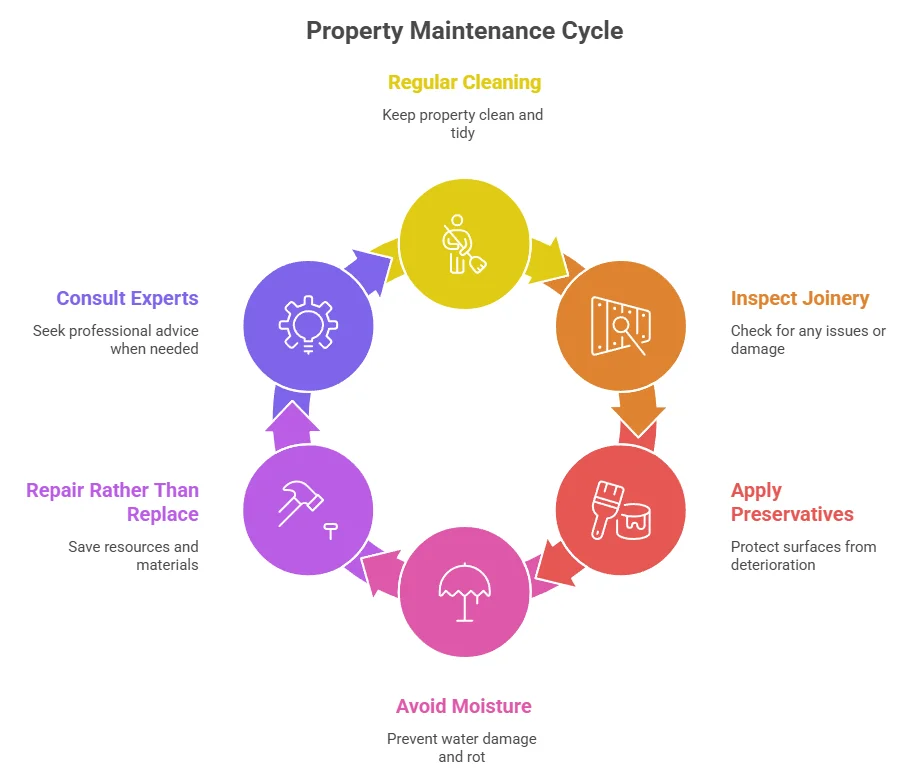
Proper maintenance is essential for ensuring the longevity of your outdoor furniture joinery. When you invest time and effort into maintaining these crucial connection points, you not only enhance the durability of your furniture but also preserve its aesthetic appeal. Here are several practical tips for keeping your outdoor furniture joinery in top condition.
Regular Cleaning
Begin by routinely cleaning your outdoor furniture. Dust, dirt, and debris can accumulate in the joinery, leading to potential damage over time. Use a soft brush or cloth to wipe down the surfaces, paying special attention to the joints and connections. Follow these steps for effective cleaning:
- Use mild soap and water: Mix a little soap with water and gently scrub the joinery to remove grime.
- Rinse thoroughly: Ensure no soap residue is left behind, as it can lead to deterioration.
- Dry completely: Wipe down with a dry cloth to prevent moisture from seeping into the joints.
Inspect Joinery Regularly
Frequent inspections help catch potential issues early. Look for signs of wear, such as loosened joints or cracks in the wood. Check these specific areas during your inspections:
- Glue joints: Ensure that any glue used in the joints is holding firm and not giving way.
- Fasteners: Check screws, bolts, and other fasteners for rust or loosening.
- Wood condition: Look for rotting or splintered wood around the joinery area.
Apply Preservatives
Applying wood preservatives can go a long way in protecting your outdoor furniture. These products enhance moisture resistance, helping to prevent rot and damage from the elements. Choose water-repellent sealants designed for outdoor use. Here’s how to apply them effectively:
- Choose the right product: Look for preservatives that specify outdoor suitability.
- Follow application guidelines: Apply the product using a brush, roller, or sprayer for even coverage.
- Reapply regularly: Depending on your climate, consider reapplying every 1-2 years.
Avoid Moisture Accumulation
Moisture is the enemy of wood joinery. To minimize this risk:
- Store furniture indoors: When not in use, store outdoor furniture in a dry, sheltered location if possible.
- Use a cover: Invest in high-quality furniture covers designed to repel moisture and protect against UV rays.
- Aim for airflow: Arrange furniture to allow air circulation to reduce humidity buildup among pieces.
Repair Rather Than Replace
If you notice any joinery issues, consider repair instead of replacement. Small issues can often be fixed with wood glue, clamps, or a few new screws. Addressing problems promptly will save you money in the long run and keep your furniture looking great.
Consult Experts When Needed
If your joinery situation feels overwhelming or requires specialized knowledge, don’t hesitate to seek advice from woodworking professionals. Experts can offer tailored guidance and solutions to protect your investment. For more information on joinery and outdoor furniture care, visit Wood Magazine or Fine Woodworking. By applying these tips to maintain your outdoor furniture joinery, you not only enhance the aesthetics of your pieces but also prolong their beauty and function.
Common Mistakes to Avoid in Outdoor furniture Joinery Projects
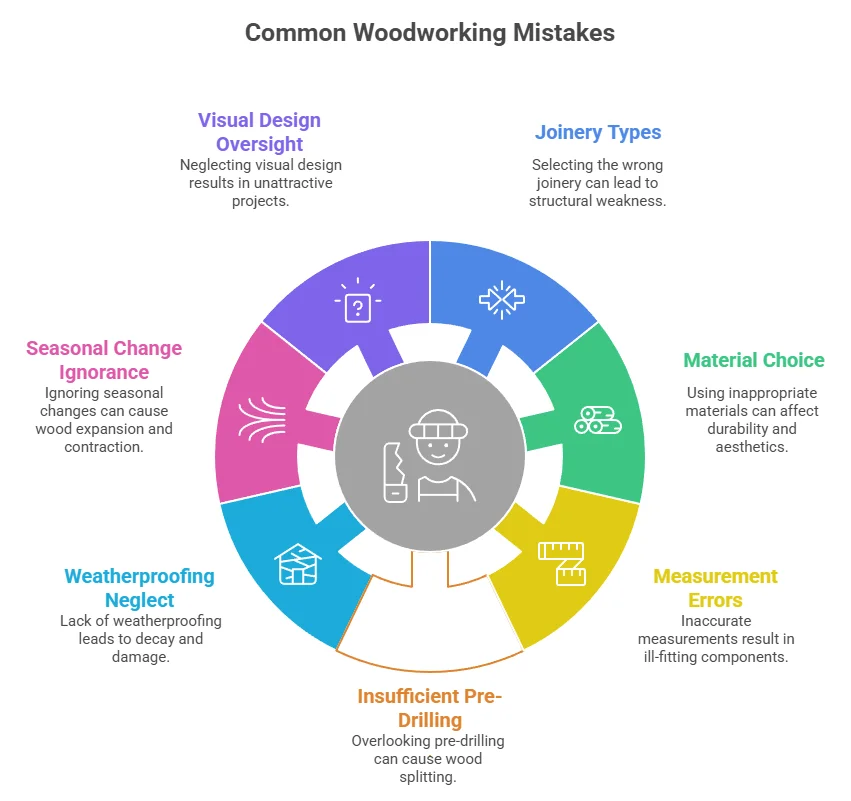
Building outdoor furniture is a rewarding project that allows you to create beautiful and functional pieces for your garden or patio. However, many DIY enthusiasts encounter common mistakes that could derail their efforts. By being aware of these pitfalls, you can ensure that your joinery projects not only look great but also stand the test of time.
Understanding Joinery Types
Before diving into your project, it’s crucial to understand the various types of woodworking joinery techniques available. Some popular choices include:
- Mortise and Tenon
- Dowel Joinery
- Lap Joints
- Pocket Hole Joinery
Choosing the right joinery method can impact the strength and durability of your outdoor furniture. For example, mortise and tenon joints are particularly strong and suitable for structural pieces.
Choosing the Wrong Materials
One of the fundamental mistakes people make is selecting inappropriate materials for outdoor projects. Not all wood is created equal, especially when it comes to outdoor furniture. You should opt for naturally weather-resistant woods like:
- Cedar
- Redwood
- Teak
Using softwoods or untreated materials can lead to rotting, warping, or cracking over time. Therefore, investing in quality materials is essential for durability.
Neglecting Proper Measurements
Accurate measurements are the backbone of any successful outdoor furniture project. Many beginners make the mistake of estimating rather than measuring. This can lead to ill-fitting joints and uneven furniture pieces.
- Always double-check your measurements before cutting.
- Use clamps to hold pieces together temporarily while you assess the fit.
- Be mindful of the design and how different dimensions affect overall stability.
Insufficient Pre-Drilling
One of the most common errors in joinery is failing to pre-drill holes for screws or fasteners. Not only can this lead to cracked wood, but it can also weaken the joint. When you’re working with hardwoods, pre-drilling is especially crucial.
- Use a drill bit that is slightly smaller than your screws to create a pilot hole.
- This will make screwing in fasteners easier and help align your joints properly.
Overlooking Weatherproofing Measures
Even the best wood can succumb to the elements without proper treatment. Failing to apply sealants or finishes can result in moisture damage, mold growth, or fading color.
- Use weather-resistant finishes designed for outdoor use, such as polyurethane or marine varnish.
- Consider annual maintenance to reapply these protective layers.
Not Accounting for Seasonal Changes
Wood is a natural material that reacts to changes in humidity and temperature. Many people forget to consider how their joints will hold up through different seasons. If not designed correctly, joints can expand or contract, leading to cracks or deformation.
- Use flexible epoxy adhesives rather than rigid glues.
- Incorporate expansion gaps in your joinery to allow for movement.
Ignoring Visual Design
While durability is crucial, aesthetics also matter. Common mistakes include mismatched wood grains or poorly aligned joints that affect the furniture’s appearance. Before committing to a design:
- Lay out your pieces to visualize how they will come together.
- Stain or sand them beforehand to ensure a cohesive look.
By being mindful of these common mistakes, you can enhance the quality and longevity of your outdoor furniture projects. For more insights into woodworking joinery and outdoor furniture, check out resources at Wood Magazine and Family Handyman. Outdoor furniture joinery should not just be about assembling pieces; it’s about creating lasting beauty and functionality. With a bit of care and attention to detail, you can craft stunning pieces that will delight for years to come.
Conclusion
Creating outdoor furniture that stands the test of time involves understanding essential woodworking joinery techniques, selecting the right wood types, and ensuring durability through strong joinery. By mastering techniques such as mortise and tenon or finger joints, you can achieve not only functionality but also beauty in your furniture. It’s crucial to choose durable woods like teak, cedar, or redwood, which naturally resist weathering—providing longevity for your projects. Strong joinery methods augment the sturdiness of your outdoor pieces, making them resilient against the elements.
Regular maintenance, such as applying protective finishes and checking for wear and tear, will significantly enhance the life of your joinery. Stay proactive in addressing any issues early on to avoid costly repairs down the line. While there are numerous benefits to incorporating top-notch joinery, it’s equally important to be aware of common pitfalls. Avoid using inadequate connectors or neglecting wood treatments, as these errors can compromise the integrity and aesthetics of your outdoor furniture.
By combining the right techniques, materials, and maintenance practices, you create not just furniture, but lasting pieces that enhance your outdoor lifestyle. Take pride in your woodworking projects, and don’t hesitate to continue learning and refining your skills. Each piece you create is an opportunity to blend functionality with craftsmanship, ensuring your outdoor space remains inviting for years to come.