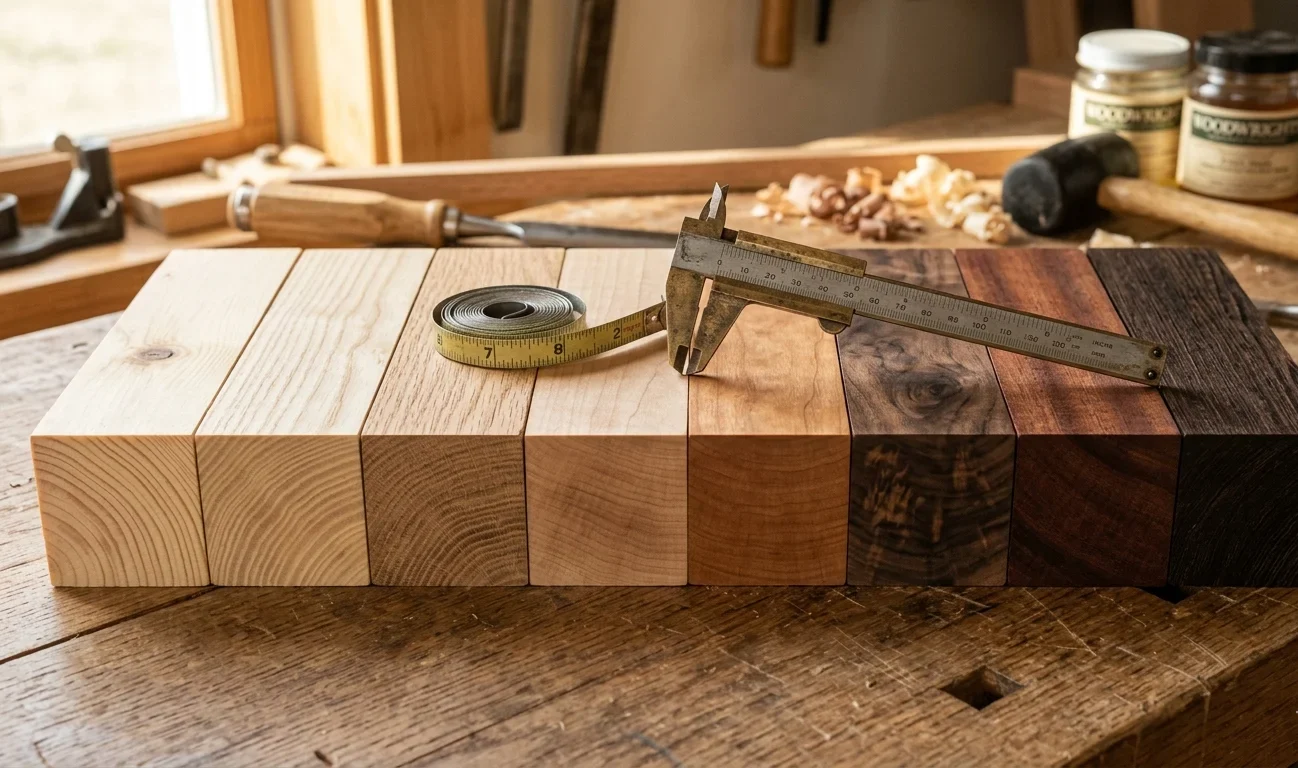
When delving into the world of custom woodworking, one of the first steps you must take is understanding the pricing structure. Custom woodworking offers unique solutions for your home, but pricing can be complex. Factors like materials, craftsmanship, and design all play a crucial role in determining the price of a custom order. Knowing what goes into these costs enables you to make informed decisions.
Materials Used
The type of material chosen significantly influences the final price of your custom woodworking project. Here are some common materials and their general price ranges:
| Material | Price Range (per board foot) |
|---|---|
| Pine | $2 – $5 |
| Oak | $4 – $10 |
| Maple | $5 – $15 |
| Cherry | $6 – $20 |
As you can see, the material selection is essential. Pine is affordable, while cherry commands a higher price due to its quality and rarity. Discuss with your woodworking supplier to identify the right materials that suit your budget and project needs.
Design Complexity
The complexity of the design greatly affects pricing as well. Simpler designs require less time and fewer skills, leading to lower costs. However, intricate designs with multiple joints and detailed finishes involve more craftsmanship and, therefore, higher costs. Here are some elements to consider:
- Number of joints – More joints mean more labor.
- Curved or straight lines – Curved patterns take longer to cut and finish.
- Finishing details – Additional coatings or stains can raise the price.
Make sure to communicate your vision clearly to the craftsman. This will help them provide you with an accurate estimate based on the complexity of your design.
Labor Costs
Labor costs form a significant portion of the total expense when ordering custom woodworking. The level of craftsmanship required often determines the hourly rate. Here are some factors impacting labor costs:
- Experience of the craftsman – More experienced woodworkers typically command higher rates.
- Location – Labor costs can vary greatly by region; urban areas often have higher rates compared to rural zones.
- Project timeline – Rushed jobs might incur additional fees due to expedited work.
By understanding labor pricing, you can better negotiate and set a realistic budget for your project.
Size and Scope of the Project
The size of your project significantly impacts the overall cost. Larger projects require more materials and time to complete. When providing dimensions, be as precise as possible to avoid extra costs later on. Consider these factors:
- Total square footage – Larger projects mean more material costs.
- Item quantity – Multiple items may lead to bulk discounts, reducing the overall price.
- Accessibility – Projects in hard-to-reach locations might incur extra labor fees.
Getting the dimensions right from the beginning helps prevent surprises in pricing later on.
Customization and Extras
Customization can enhance the beauty and function of your project but often comes with added costs. Some examples include:
- Custom finishes – Unique stains or protective coats can increase prices.
- Hardware Fixtures – Premium selections for hinges, knobs, and pulls can up the ante.
- Integrated technology – Adding smart features like lighting or power outlets can also add to the cost.
Rather than add these separately, it might be wise to discuss package deals at the onset of your project. Understanding these key factors will arm you with the knowledge needed to navigate your custom woodworking journey. Stay engaged with your craftsman and don’t hesitate to ask questions. For more in-depth guidance, consider visiting Wood Magazine or Popular Woodworking for comprehensive resources on woodworking and custom orders. By aligning your expectations with these components of pricing, you can ensure a smoother experience and a finished product that you will be proud to showcase in your home. Happy woodworking!
Materials and Their Impact on Custom Order Pricing in Woodworking
When it comes to woodworking, the materials you choose play a significant role in determining the pricing of custom orders. Understanding how different materials impact cost can help you make informed decisions and manage expectations for your projects. Here’s an in-depth look at some common materials used in woodworking and their effects on Woodworking Custom Order Pricing Guide.
Types of Wood and Their Pricing
Different types of wood come with various price points. Let’s break down some of the most commonly used woods:
- Pine: Generally considered a budget-friendly option, pine is light and easy to work with. Ideal for projects where durability is not a primary concern, it typically costs less, which can lower your overall Woodworking Custom Order Pricing Guide.
- Oak: This hardwood is popular for furniture and cabinetry. It’s durable and attractive but comes at a higher price point. Custom orders using oak will naturally carry a steep markup due to its quality and availability.
- Maple: Known for its strength and fine grain, maple can be a bit more expensive than oak. Depending on specific requirements, like stain and finish, pricing for custom orders may increase significantly.
- Cherry: Renowned for its deep color and smooth finish, cherry wood tends to be one of the most expensive options. Custom orders made from cherry will reflect that cost, often resulting in higher rates.
The choice of wood directly impacts the Woodworking Custom Order Pricing Guide in woodworking. Higher-quality woods generally lead to increased costs, not just for raw materials but also for specialized skills in working with them.
Finishes and Their Cost Implications
The finish you choose can also contribute to the final pricing of a custom order. Different finishing products have varying costs:
| Type of Finish | Estimated Cost Range | Characteristics |
|---|---|---|
| Oil Finish | $10 – $30 | Enhances natural wood grain; requires regular maintenance. |
| Polyurethane | $20 – $50 | Durable and water-resistant; available in various sheens. |
| Varnish | $15 – $40 | Provides a hard finish; often involves multiple application layers. |
| Lacquer | $25 – $60 | Quick-drying and high gloss; requires a professional to apply correctly. |
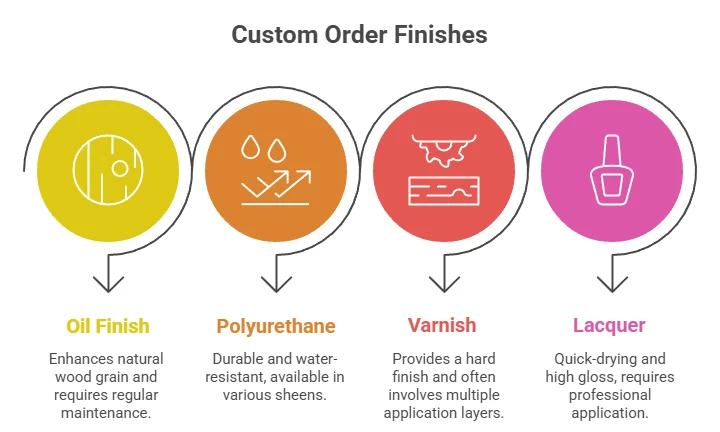
Your choice of finish can dramatically affect both the aesthetics and the Woodworking Custom Order Pricing Guide of your custom woodworking project. More complex finishes typically increase labor costs and material expenses.
Hardware and Accessories
Don’t forget about the hardware and accessories you’ll need for your woodworking project. Consider these factors:
- Hinges: Quality hinges can range from $5 to $60 each, depending on type and finish.
- Handles and Knobs: These decorative elements can add anywhere from $2 to $20 each, influencing overall cost.
- Brackets and Supports: Depending on material and strength, costs can vary widely from $1 to over $50.
Each piece of hardware you select contributes not only to the functionality but also to the Woodworking Custom Order Pricing Guide of your custom orders. The attention to detail in choosing the right accessories can elevate the final product but may also increase costs significantly.
Labor Costs
Labor costs in woodworking projects can vary based on the complexity of your design. Intricate custom pieces often require more time invested, leading to higher pricing. Artisans with specific skills may charge more, reflecting their experience and the quality of their workmanship. Ultimately, understanding material choices, finishes, and associated labor costs is vital to gauge the Woodworking Custom Order Pricing Guide of your custom order in woodworking. Planning ahead and discussing your project with experienced woodworkers can help you make smarter decisions and budget accordingly. For more in-depth information about woodworking materials and pricing, you might find resources at Wood Magazine and Woodworker’s Source useful.
The Role of Time and Labor in Custom Woodworking Projects
When embarking on a custom woodworking project, two critical factors often play a significant role in the overall success: time and labor. Understanding how these elements interact can help ensure a smooth process from concept to completion. Whether you’re a seasoned woodworker or a beginner, grasping these aspects can greatly influence project outcomes and pricing. Here’s a breakdown of how time and labor affect custom woodworking projects.
The Importance of Time in Woodworking
Time is a crucial factor in any woodworking project. The duration required to complete a task can vary widely, depending on several elements such as complexity, materials, and the skill set of the woodworker. Here are key points to consider:
- Project complexity: The more intricate the design, the longer it takes to execute. A simple table may take a few hours, while a detailed cabinet could require weeks.
- Preparation and planning: Time spent on design, measuring, and sourcing materials should not be overlooked. Adequate planning helps avoid mistakes and unnecessary revisions.
- Drying and curing times: Some finishes and adhesives require specific drying periods. Factor these into your timeline for a realistic project schedule.
- Skill level: Beginners may need additional time to familiarize themselves with tools and techniques, while experienced woodworkers work more efficiently.
Estimating Time for Custom Projects
Creating an accurate timeline is essential for project management. Consider using a simple project planner or calendar to allocate time for each task. Here’s a basic template:
| Task | Estimated Time |
|---|---|
| Design and Planning | 1-3 days |
| Material Sourcing | 1-2 days |
| Cutting and Assembly | 2-5 days |
| Finishing | 1-3 days |
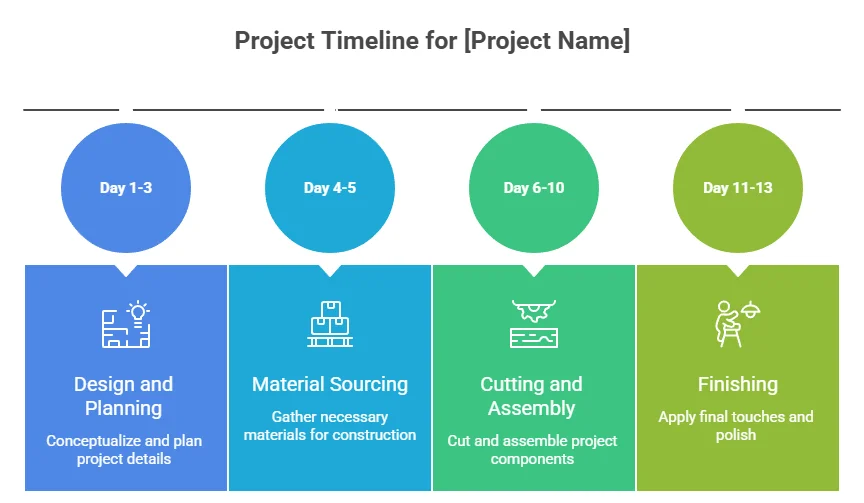
By breaking down each step, you can create a more accurate timeline and set realistic expectations.
Labor Considerations in Custom Woodworking
The labor involved in custom woodworking encompasses not only the physical work of crafting but also the skills and expertise required. Here’s how labor plays a vital role:
- Labor costs: Hiring skilled labor can be expensive, but it often results in higher quality work. Weigh the costs against your budget and desired finish quality.
- Number of workers: If a project demands swift completion, consider the number of skilled laborers you’ll need. More hands can lead to quicker results but may increase costs.
- Specialization: Different pieces of furniture or structures may require specialized skills, whether it is joinery, carving, or finishing. Employing specialists might raise your initial investment, but can enhance overall quality.
Finding Skilled Labor
When seeking skilled labor for your custom woodworking projects, it’s important to seek out reputable sources. Consider reaching out to:
- Local woodworking guilds or associations
- Online marketplaces such as LumberJocks for community recommendations
- Forums dedicated to woodworking where you can ask for advice or leads
Combining Time and Labor for Pricing
Ultimately, both time and labor must be factored into project pricing. Here’s how to combine these elements for an accurate cost:
- Calculate hourly rates: Determine a reasonable hourly rate for your labor, considering skill and local market conditions.
- Estimate total hours: Multiply the total estimated hours for the project by the hourly rate to get a labor cost estimate.
- Include materials: Don’t forget to factor in the cost of materials, finishes, tools, and any overhead costs associated with the project.
For further reading on pricing and project management in custom woodworking, check out Woodworker’s Journal. Understanding the roles of time and labor in your projects can significantly enhance your woodworking journey and lead to successful outcomes.
How to Assess the Value of Handmade Woodworking Items
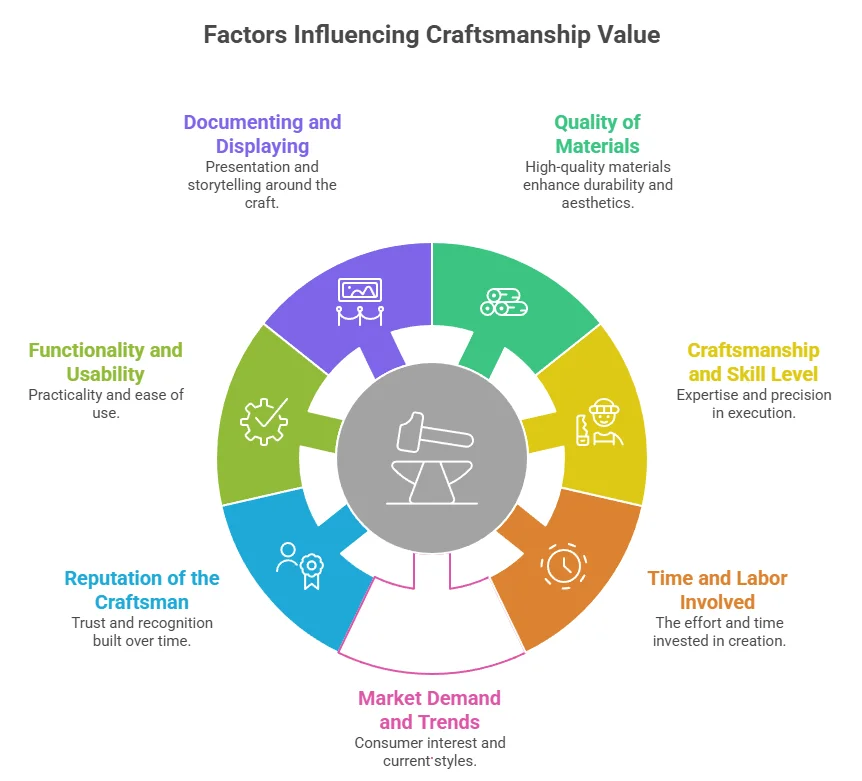
When you hold a handmade woodworking item in your hands, the value may go beyond its price tag. Assessing the intrinsic value of these unique pieces involves several factors that contribute to their worth. Understanding these elements can help you make informed purchasing decisions or set fair prices when selling your own creations.
Quality of Materials
The type of wood used in a handmade item significantly affects its value. Rare or high-quality hardwoods, such as mahogany or walnut, usually command higher prices compared to softer woods. When assessing an item, consider the following:
- Species of wood: Is it a common type or something more exotic?
- Source of wood: Was it sourced sustainably or reclaimed?
- Finish and treatment: Is it treated with high-quality oils or stains?
Craftsmanship and Skill Level
The level of craftsmanship is a major factor in determining the value of a handmade woodworking item. Look for:
- Precision in cuts and joins: Are the joints tight and well-executed?
- Attention to detail: Are there unique design features or meticulous finishing touches?
- Overall aesthetics: Does the piece have a pleasing design that enhances its function?
Time and Labor Involved
Creating handmade wooden items requires time and skill. The more time and effort expended, the more the item is likely worth. Consider the following:
- Design complexity: Is the design simple or intricate?
- Production time: How long did it take to create the item?
- Special techniques: Were specialized techniques or tools employed?
Market Demand and Trends
The popularity of certain styles or types of woodworking pieces can fluctuate. Researching market trends can provide valuable insights:
- Current fads: What styles are currently popular among consumers?
- Collectibility: Are there specific items that have shown consistent appreciation in value?
- Local demand: Is there a particular demand for handcrafted items in your area?
Reputation of the Craftsman
The artist behind the piece can also affect its value. A well-known craftsman or brand name can add to the item’s desirability:
- Craftsman’s experience: How long have they been practicing?
- Previous sales: Have they had pieces sell for high prices in the past?
- Customer reviews: Are customers satisfied with their previous purchases?
Functionality and Usability
Items that serve practical purposes often hold more value. Consider these aspects:
- Durability: How well does the piece hold up with use?
- Usability: Is it designed for easy use as intended?
- Multi-functionality: Can the piece serve more than one purpose?
Documenting and Displaying
If you’re planning to sell your woodworking items, it’s essential to document the features and craftsmanship that contribute to its value. Good photography and clear descriptions can make a significant impact:
- High-quality images: Capture the piece from multiple angles.
- Detailed descriptions: Provide information about materials, techniques, and history.
- Customer testimonials: Share feedback to build trust with potential buyers.
Understanding how to assess the value of handmade woodworking items allows you to appreciate the craft and make informed decisions as a buyer or a seller. By focusing on quality, craftsmanship, market trends, and the craftsman’s reputation, you can accurately gauge the worth of these beautiful pieces.
Tips for Communicating Your Custom Order Needs to Woodworkers
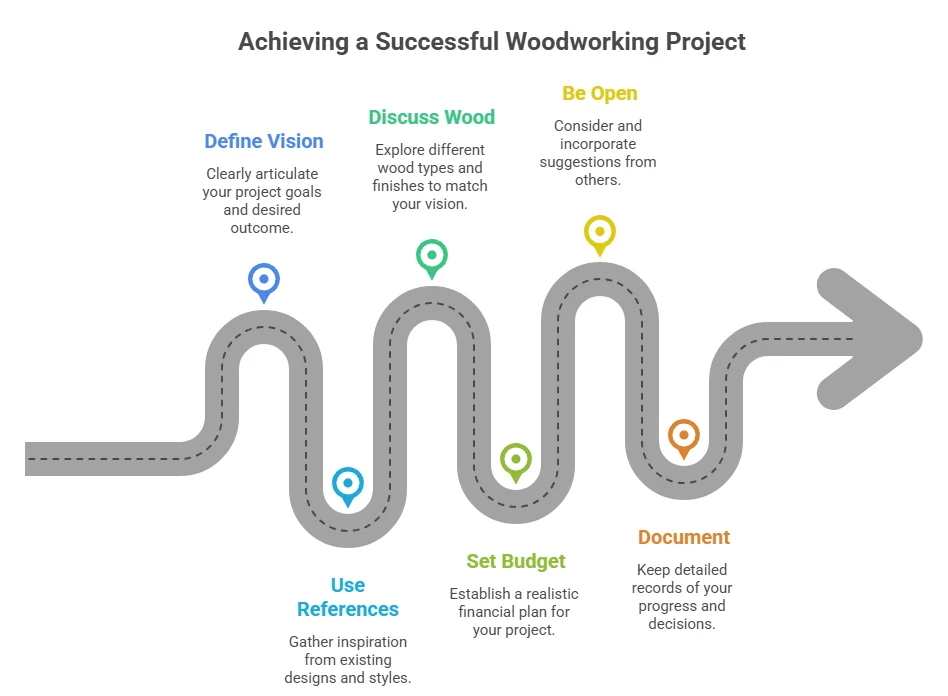
When you’re ready to delve into custom woodworking, clear communication with your woodworker is essential. Whether you need a beautifully crafted table or uniquely designed cabinetry, understanding how to express your needs can ensure your vision comes to life. Here are some tips to help you effectively communicate your custom order requirements to woodworkers.
Be Clear and Detailed About Your Vision
Start by thinking about what you really want. Consider the following points:
- Design Style: Are you looking for a modern, rustic, or traditional look?
- Size and Dimensions: Specify the size and any dimensions that are critical to your project.
- Functionality: What purpose will the piece serve? Will it need storage or other features?
Being specific helps the woodworker understand your expectations and aligns the final product with your desires.
Use Reference Images
Finding images that represent what you’re aiming for can be incredibly helpful. Here’s how to use reference images effectively:
- Gather Inspiration: Look for images online or in magazines that resemble your idea.
- Highlight Features: Point out specific elements you love about the image, such as wood grain or the type of finish.
- Use Social Media: Platforms like Pinterest are excellent for gathering and sharing ideas with your woodworker.
Visual aids can bridge gaps in communication and ensure both you and the woodworker are on the same page.
Discuss Wood Types and Finishes
Wood selection significantly affects the aesthetics and durability of your custom piece. Be prepared to discuss:
- Wood Species: Different types of wood, like oak, maple, or walnut, have distinct appearances and prices.
- Finishing Options: Decide between stained, painted, or natural finishes.
- Environmental Concerns: Ask about sustainable wood sources if this is important to you.
A knowledgeable woodworker can offer insights into the best options based on your style and budget.
Set a Realistic Budget
Understanding your budget will set the limits of what can be achieved. Consider the following:
- Base Costs: Inquire about the basic cost of materials and labor.
- Additional Features: Custom features can significantly affect the price, so discuss these upfront.
- Timeline: More complex designs may require longer lead times; ensure you communicate any deadlines or urgent needs.
Being transparent about your budget will help the woodworker suggest options that fit within your financial range.
Be Open to Suggestions
Experienced woodworkers can offer valuable advice and alternative ideas. Keep these points in mind:
- Consider Expert Input: A woodworker may suggest design changes that can enhance the final product.
- Flexibility: Be willing to adapt your vision based on practicality and materials available.
- Craftsmanship Details: Listen to the woodworker’s insights on what might work better based on their expertise.
Collaboration can lead to even better results than you initially envisioned.
Document Everything
Put everything in writing. This will help track changes and ensure that both parties agree on the project parameters. Include:
- Detailed Specifications: Write down measurements, material types, and any special features.
- Timeline: Have an agreed-upon timeline for the start and completion of the project.
- Costs: Outline expected costs and payment terms clearly.
Documentation minimizes misunderstandings and provides everyone involved clear expectations. For additional resources on custom woodworking, you may want to visit Woodworkers Source to learn more about customizing your projects. Also, check out Wood Magazine for tips on wood types and finishes. Ultimately, effective communication is key to a successful custom woodworking project. By clearly articulating your needs and collaborating with your woodworker, you can turn your ideas into tangible products that enhance your space beautifully.
Conclusion
As you navigate the Woodworking Custom Order Pricing Guide, remember that understanding key factors can make a significant difference in your project. Each unique piece is shaped by the materials chosen, which influence both durability and aesthetic appeal. By selecting high-quality woods, you may see a rise in costs, but the value it adds to your creation is often worth the investment.
Time and labor also play crucial roles in the final pricing. Skilled woodworkers pour hours into crafting each item, which adds to its worth. Recognizing the dedication behind each handmade piece can help you better appreciate the cost involved.
When considering the value of custom woodworking items, think beyond just function. Handmade pieces often carry emotional and artistic significance, resonating with you in ways mass-produced items cannot. Investing in these creations often leads you to support artisans who are passionate about their craft.
Clear communication of your custom order needs is vital for a smooth process. Be open about your vision, preferences, and budget, allowing woodworkers to help you bring your ideas to life effectively. They may have insights that further enhance your project, ensuring a satisfying collaboration.
Armed with knowledge from this guide, you can confidently approach a woodworking project tailored to your desires while embracing the craftsmanship involved. Making informed decisions leads to a custom piece you’ll cherish for years to come, blending beauty and functionality seamlessly.