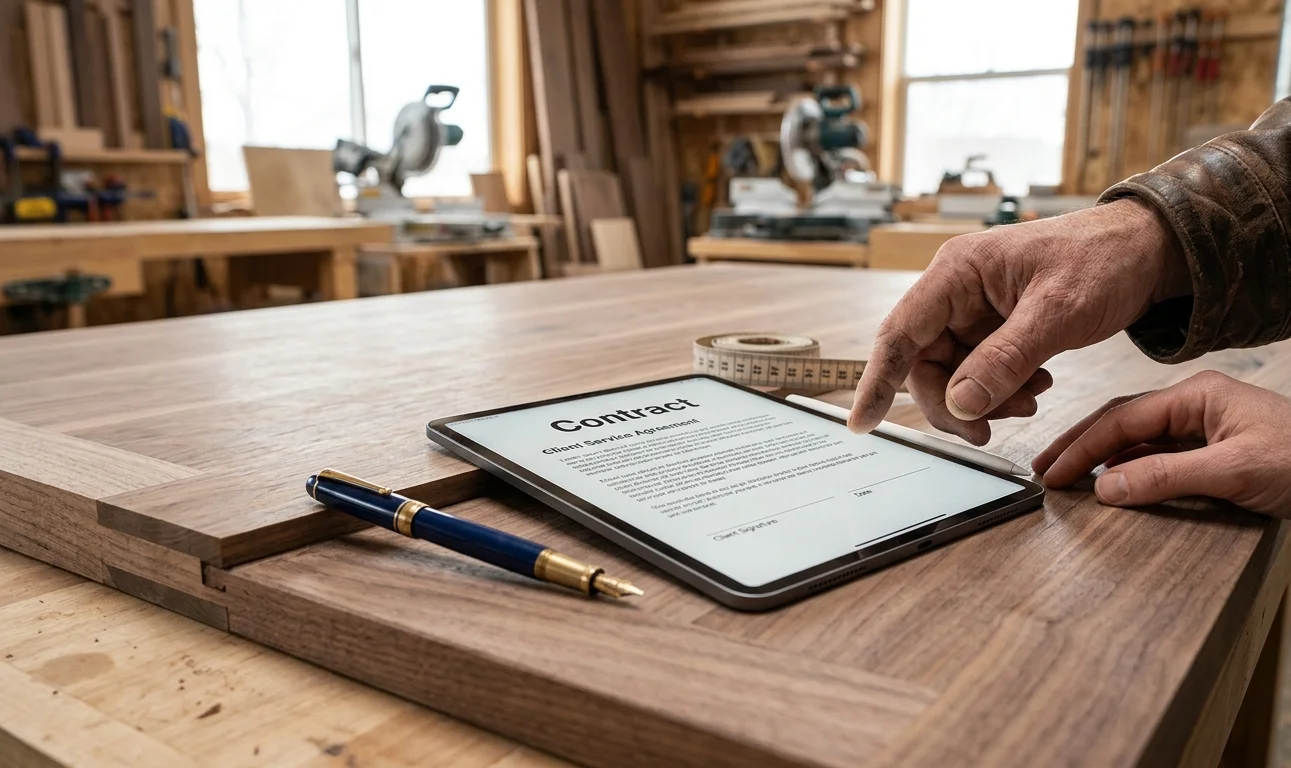
When starting a woodworking business, having a proper client contract is essential. A well-structured woodworking client contract template ensures smooth communication and establishes clear expectations between you and your clients. Below are the essential elements to include in your Woodworking Client Contract Templates Guide.
Client Information
Every contract should begin with basic client information. This includes:
- Client Name
- Contact Information (phone number and email address)
- Project Address
This information helps you easily communicate with your client and manage project details efficiently.
Project Scope
The project scope is a detailed description of what the woodworking job entails. It should include:
- Type of work: Specify if it’s custom furniture, cabinetry, or another type of woodworking.
- Materials to be used: Clearly outline the types of wood or finishes that will be included.
- Design details: Provide sketches or descriptions to illustrate what the final product will look like.
By defining the project scope, both you and the client will have a clear understanding of the work expected, minimizing misunderstandings.
Timeline
Including a timeline in the contract is crucial. Define:
- Start date
- Milestones for major phases of the project
- Completion date
A defined timeline keeps the project on track and provides expectations for both parties. Feel free to adjust the timeline based on the project’s complexity.
Payment Structure
Outline the payment plan clearly. This includes:
- Total project cost
- Payment schedule (e.g., deposit upon signing, progress payments, and final payment upon completion)
- Accepted payment methods
Using a transparent payment structure helps avoid complications later and ensures that both parties are on the same page financially.
Changes and Revisions
No project is immune to changes. It’s important to include a clause outlining how changes and revisions will be handled. Consider the following:
- Process for requesting changes: All requests should be written and agreed upon.
- Impact on costs and timeline: Specify how changes can affect the project’s budget and completion date.
This element gives you and your clients a clear process to follow, maintaining professionalism and clarity.
Liability and Insurance
Another key component of your woodworking client contract template is liability and insurance guidelines. This should cover:
- Your liability in case of accidents or damage during the project
- Any necessary insurance you carry for your business
- An acknowledgment that the client understands the risks associated with woodworking
Having this information in the contract protects you legally and sets expectations for the client.
Signatures
Make sure that the contract requires both parties to sign. A signature section should be included for:
- Client’s signature
- Your signature as the contractor
- Date of signing
Signatures formalize the agreement and make it legally binding. Creating a comprehensive woodworking client contract template not only protects you but also helps in building a strong trust with your clients. Crafting a clear and concise contract is a sign of professionalism, making clients more likely to refer you to others. For further insights and sample contracts tailored to woodworking projects, visit Woodworking Network and Contractor Magazine. These resources provide valuable information to help you design effective contracts that suit your woodworking business needs.
How to Personalize Your Woodworking Contracts for Different Projects
When you embark on a woodworking project, whether it’s a custom furniture piece or a home renovation, having a strong and personalized contract is essential. A well-crafted woodworking client contract outlines both parties’ rights, obligations, and expectations. Each project may have unique requirements, making it important to tailor your contracts accordingly. Here’s how to personalize your woodworking contracts for different projects to ensure clarity and protect your interests.
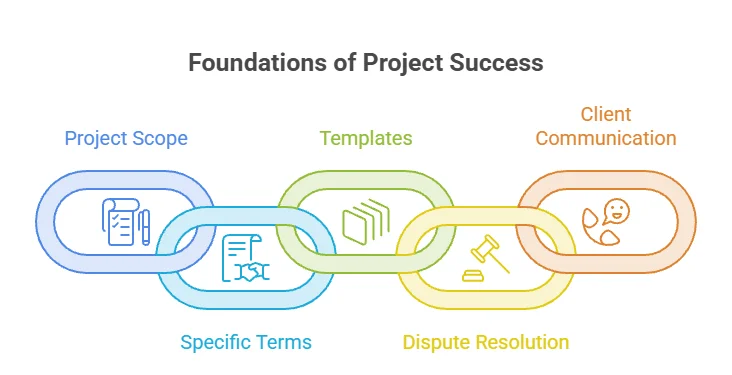
Understand the Project Scope
Before drafting your contract, take the time to understand the specific needs of each client and project. Consider the following:
- Design specifications: What are the client’s expectations regarding the design and functionality of the piece?
- Materials: What types of wood or materials will you be using? Discuss any preferences or restrictions with your client.
- Timeline: Agree on a realistic schedule for project milestones and completion.
- Budget: Establish a clear budget that includes all expenses, from materials to labor.
By understanding the project scope from the outset, you can create a contract that reflects these details, reducing the likelihood of misunderstandings later.
Incorporate Specific Terms
Your woodworking contract should incorporate specific terms that relate directly to the project at hand. This may include:
- Payment terms: Be clear about the payment schedule—whether it’s a deposit before starting, progress payments, or full payment upon completion.
- Changes and revisions: Outline how additional requests or design changes will be handled during the project. Make sure to detail whether those changes will incur extra costs.
- Warranties and guarantees: Provide information on any warranties for the workmanship or materials used.
- Intellectual property rights: If your design is unique, clarify the ownership of the design and whether the client has rights to it after the project is completed.
Including these specific terms helps in setting clear expectations and protects both parties.
Utilize Templates for Efficiency
Using Woodworking Client Contract Templates Guide can speed up the process of contract creation. Numerous resources provide customizable templates. Consider visiting Woodworkers Source for reliable templates. Here’s how you can utilize templates:
- Select a template: Choose a template that closely aligns with the type of project you’re working on.
- Customize the sections: Modify sections related to project details, scope, timeline, and payment terms.
- Ensure clarity: Make sure all the legal jargon is understandable, translating it if necessary into clear terms for your client.
Include a Dispute Resolution Clause
A woodworking project can sometimes lead to disputes. Including a dispute resolution clause in your contract can save you time and money down the road. This clause might specify:
- Mediation: Outlining that both parties will attempt mediation before moving to any legal proceedings.
- Jurisdiction: Stating which state or county’s laws will govern any legal disputes.
By addressing these elements upfront, you help mitigate tension in case a problem arises during or after the project.
Communicate with Your Clients
Effective communication with your clients throughout the project can help ensure that everyone remains on the same page. Regular updates and check-ins can clarify progress, resolve misunderstandings, and bolster client satisfaction.
Remember, a personalized woodworking client contract not only protects you but also enhances your professional relationship with your clients. It reflects your commitment to quality and transparency in your woodworking business.
The Importance of Legal Terms in Woodworking Client Agreements
When it comes to woodworking, having a solid client agreement is crucial. This ensures that both you and your clients have a clear understanding of the project’s scope, expectations, and any legal obligations involved. Legal terms in woodworking client agreements protect everyone involved and minimize the risk of misunderstandings or disputes.
Specific legal terms should be included to create robust woodworking client agreements. Here are some critical elements to consider:
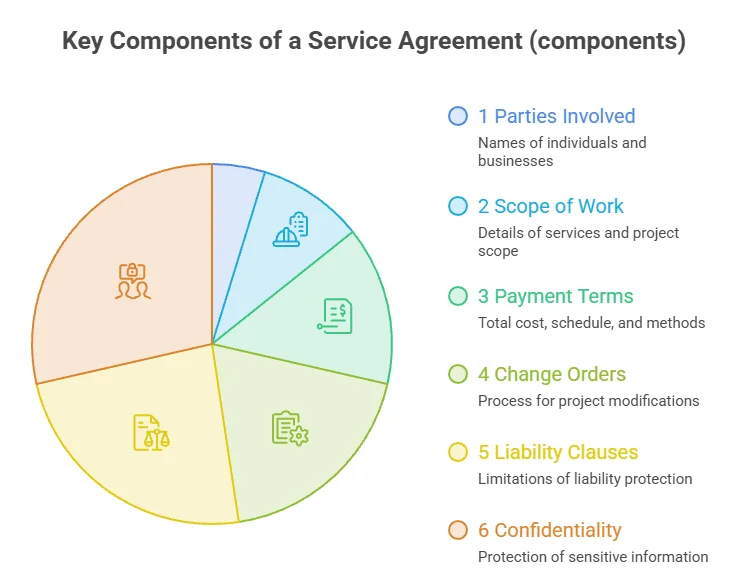
- Parties Involved: Clearly identify who is entering into the agreement. This includes your name, your business name, and the client’s name.
- Scope of Work: Define what services you will provide, including project details, materials used, and timelines. This helps manage expectations and prevents scope creep.
- Payment Terms: Detail the total cost, payment schedule, and acceptable payment methods. Specify whether a deposit is required before the work begins.
- Change Orders: Include terms that describe how changes to the project will be handled. This can outline how both you and the client can request changes and how those might affect the cost or timeline.
- Liability Clauses: Clearly state any limitations of liability to protect you from claims related to damages or injuries that might occur during the project.
- Confidentiality: If applicable, include terms that protect sensitive information that might be shared during the course of your work.
Including these terms creates a professional air and helps instill client confidence. They know they are protected, and you have clarity on what is expected.
Understanding the legal language can be daunting, but it’s vital for every woodworking professional. Here are a few tips to help you navigate the legalese and create effective client agreements:
- Consult Legal Professionals: If you’re unsure about the language, consulting with a lawyer can help ensure that your agreements are legally sound.
- Use Templates: Look for Woodworking Client Contract Templates Guide. This can save time and provide a solid foundation for your agreements.
- Keep It Simple: Use clear and concise language that is easy for clients to understand. Avoid overly complex legal jargon that may confuse them.
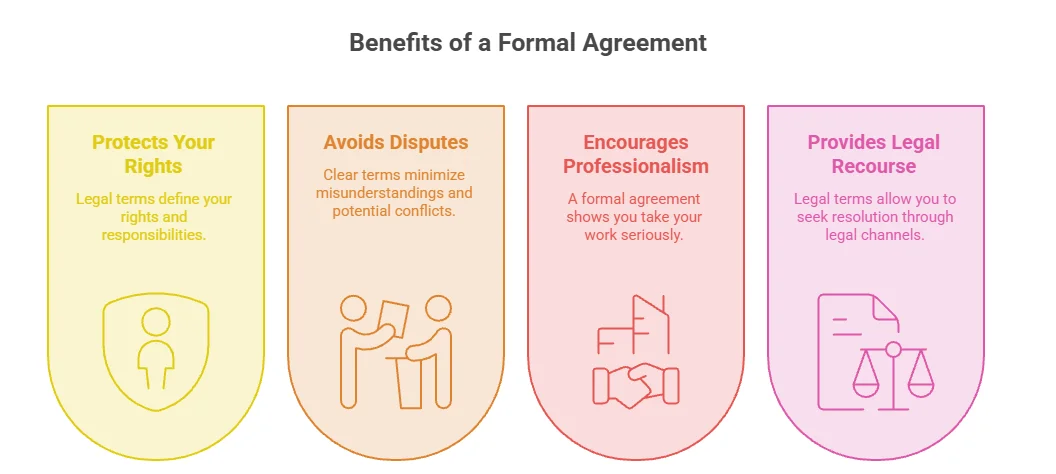
Here’s a breakdown of the benefits that come from including legal terms in your woodworking client agreements:
| Benefit | Description |
|---|---|
| Protects Your Rights | Legal terms delineate your responsibilities and rights in the agreement, establishing a clear framework for the project. |
| Avoids Disputes | By setting clear expectations through well-defined terms, you can minimize the possibility of misunderstandings that may lead to disputes. |
| Encourages Professionalism | Having a formal agreement in place demonstrates professionalism and shows clients that you take your work seriously. |
| Provides Legal Recourse | In case of a breach of contract, legal terms give you the ability to seek recourse and resolve matters through legal channels. |
Documenting everything properly creates a safety net for both you and the client. This can be especially vital in woodworking, where large investments in materials and tools are often at stake.
Many woodworking business owners overlook the importance of legal terms in their client agreements. Don’t fall into this trap! You can effectively protect yourself and create a better working relationship by taking the time to include these essential components.
For additional information on drafting effective woodworking client contracts, consider checking out Woodworkers Source for tips and resources or visit Wood Magazine for insights on woodworking best practices.
Tips for Effectively Communicating Contract Terms to Clients

Effective communication is key to successful business relationships, especially when discussing contract terms with clients. Clear and straightforward communication can help prevent misunderstandings and build trust. Here are some practical tips for conveying contract terms effectively:
Understand the Contract Thoroughly
Before you communicate the terms to your clients, ensure you have a thorough understanding of the contract. Knowing the ins and outs of the agreement allows you to answer any questions and address concerns readily. Take time to familiarize yourself with the key elements, such as:
- Scope of work
- Payment terms
- Deadlines and milestones
- Termination clauses
Use Simple Language
Contracts can often be filled with legal jargon that may confuse clients. Use simple, everyday language when explaining key terms. Instead of saying “liability”, you might say “responsibility.” Clarity matters, so make your explanations straightforward and accessible.
Break Down Complex Terms
Some contract terms can be quite complex. Avoid overwhelming your clients by breaking these down into digestible pieces. Use analogies or real-life examples that relate to your client’s experiences. For instance, if discussing project timelines, compare it to a journey with clear start and end points.
Encourage Questions
Let your clients know that questions are welcome. Creating an open line of communication fosters trust and ensures that clients feel comfortable seeking clarification. You might say something like, “If anything is unclear, please ask. I want to make sure you understand everything.”
Summarize Key Points
After discussing the contract, summarize the key points to reinforce understanding. This could include:
- The overall scope of work
- Payment schedule
- Expected completion date
This repetition helps solidify the information in your client’s mind and allows them to process it more easily.
Utilize Visual Aids
Sometimes, showing is better than telling. Use visual aids such as tables, charts, or diagrams to illustrate contract terms. This will not only improve comprehension but make the discussion more engaging. For instance, a simple table outlining payment milestones against project phases can provide clarity.
| Milestone | Payment Due |
|---|---|
| Initial Design Approval | 30% |
| Mid-Project Review | 40% |
| Final Delivery | 30% |
Follow Up in Writing
After discussing the contract, send a follow-up email outlining the main points covered. This email acts as a reference for the client and can help reinforce what was discussed. Be sure to include direct links to the contract and relevant documents for easy access. You can also direct them to resources that can enhance their understanding. For more detailed information, consider checking out Rocket Lawyer for contract templates and guidelines.
Practice Active Listening
During your meeting, practice active listening. Ensure that you are not only hearing the words but also recognizing the client’s tone and body language. Acknowledge their concerns and clarify any misunderstandings promptly. This inclusion helps in building rapport and demonstrates that you value their input.
Provide Real-Life Scenarios
Sharing real-life examples of how contract terms have played out in previous projects can help clients visualize the implications. Use stories that relate to your industry and show the benefits of sticking to the agreed terms. This not only makes the discussion engaging but also reinforces the value of the contract.
Keep It Interactive
Maintain an interactive conversation rather than a monologue. Ask your clients for their opinions and thoughts on the terms. This dialogue can lead to valuable feedback and adjustments that make both parties more comfortable. Questions like “How do you feel about this payment schedule?” can open the floor for deeper discussion.
Effectively communicating contract terms to clients involves a combination of clarity, simplicity, and engagement. By following these tips, you can ensure your clients feel informed and confident moving forward. Understanding each other is the first step toward a successful partnership.
Common Mistakes to Avoid When Drafting Your Contract
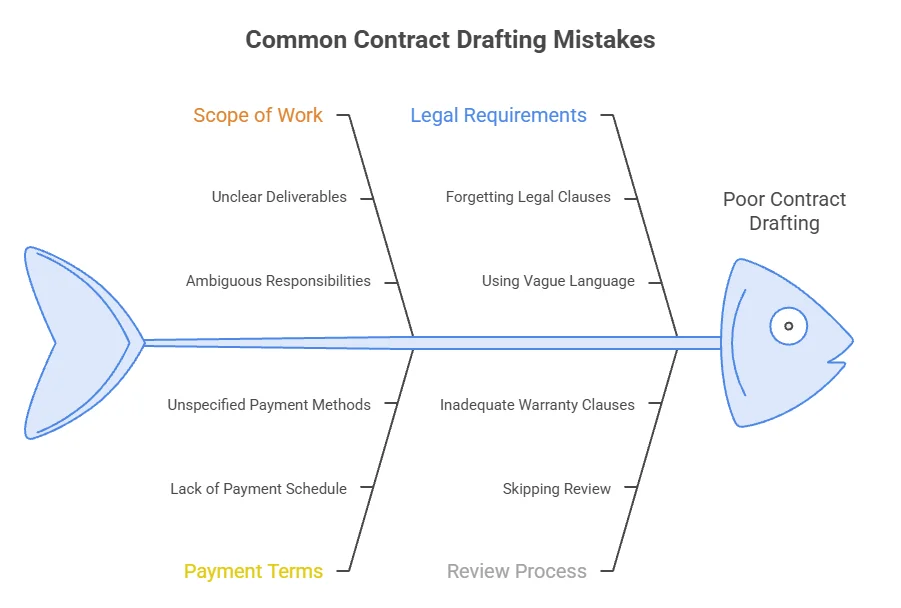
Drafting a contract
Drafting a contract, especially in the woodworking business, is a vital step to ensure a smooth working relationship with your clients. Unfortunately, many artisans make common mistakes that can lead to misunderstandings or legal troubles. Being aware of these pitfalls can save you time, money, and frustration in the long run.
Failing to define the scope of work clearly
One of the most significant mistakes is failing to define the scope of work clearly. Ambiguities can lead to differing expectations, causing disagreements later on. Always outline every detail of the project, including measurements, materials, and timelines, so that your client understands what to expect. When both parties have a clear understanding, it sets the stage for satisfaction on both sides.
Neglecting to include payment terms
Another common error is neglecting to include payment terms. Specify how much the client will pay, when payment is due, and how payment will be made (cash, check, or other methods). Clear payment terms help prevent confusion and ensure you get paid on time. Setting up a schedule for deposits, interim payments, and the final installment can also be beneficial. For example, you can request a 20% upfront deposit, a 30% payment halfway through, and the remaining 50% upon completion.
Include clauses
Your contract should also include clauses related to changes and modifications. Projects often evolve, and clients might want to add something new. By stipulating how changes must be communicated and agreed upon, you protect yourself from scope creep. Make it clear whether changes will incur additional costs and how those costs will be calculated.
Inadequate warranty or liability clauses
Inadequate warranty or liability clauses can also be significant oversights. Ensure you talk about how long your work is warranted after completion and what that warranty covers. Providing clear guidelines on liability protects you in case of accidents or issues stemming from your work. Without these clauses, you may expose yourself to potential lawsuits that could have been easily avoided.
Forgetfulness around legal requirements
Moreover, forgetfulness around legal requirements, such as permits or zoning laws, can lead to complications. Before signing any contract, ensure all necessary permissions are in place. This can include local building codes or homeowner association regulations. Failing to comply can result in legal penalties, which you definitely want to avoid.
Using vague language
Using vague language is another trap many fall into. Words like “as soon as possible” or “reasonable timeframe” can lead to interpretation issues. Instead, be specific. Provide actual dates for project milestones and completion. The clearer you are, the better chance you have of avoiding disputes later.
Skipping the review process
Skipping the review process can be detrimental to your project. Always take the time to review the contract with your client. This not only allows you to clarify any misunderstandings but also builds trust between you and your client. Consider sending a draft well in advance of the contract signing. This gives both parties enough time to review and ask questions.
Contracts can seem daunting, but being mindful of these common mistakes while drafting your woodworking client contract can make the process seamless. A well-drafted contract is invaluable, serving to protect your interests while ensuring client satisfaction. By addressing these issues in your documents, you not only enhance your professionalism but also lay the groundwork for successful projects.
For further reading and resources on woodworking contracts, you may find the following websites useful:
By following these guidelines, you protect yourself and foster a positive relationship with your clients. So, invest time in creating a well-structured contract, and you will reap the benefits in your woodworking endeavors.
Conclusion
Crafting a well-structured woodworking client contract is crucial for both your business’s success and your relationship with clients. By incorporating the essential elements discussed, such as detailed descriptions of services, payment terms, and project timelines, you set clear expectations for everyone involved. Avoiding common mistakes, like vague language or missing details, can save you from misunderstandings and disputes down the line. Tailoring your contracts to fit specific projects not only enhances professionalism but also helps clients feel valued and understood.
Legal terms, while sometimes daunting, serve as vital protections for both parties. Understanding these terms allows you to confidently explain them to your clients, ensuring they grasp the importance of each clause. This transparency fosters trust and promotes smoother interactions throughout the project.
Moreover, effective communication is key in bringing your contract to life. Be proactive in discussing contract terms, addressing any concerns clients might have, and ensuring they feel comfortable with the agreement. Engaging with your clients in a respectful and straightforward manner can make all the difference in your working relationship.
By following these guidelines, you will enhance your woodworking business’s reliability and reputation. As you refine your contract templates, remember that a solid agreement not only protects your interests but also provides your clients with peace of mind, leading to successful collaborations and repeat business.