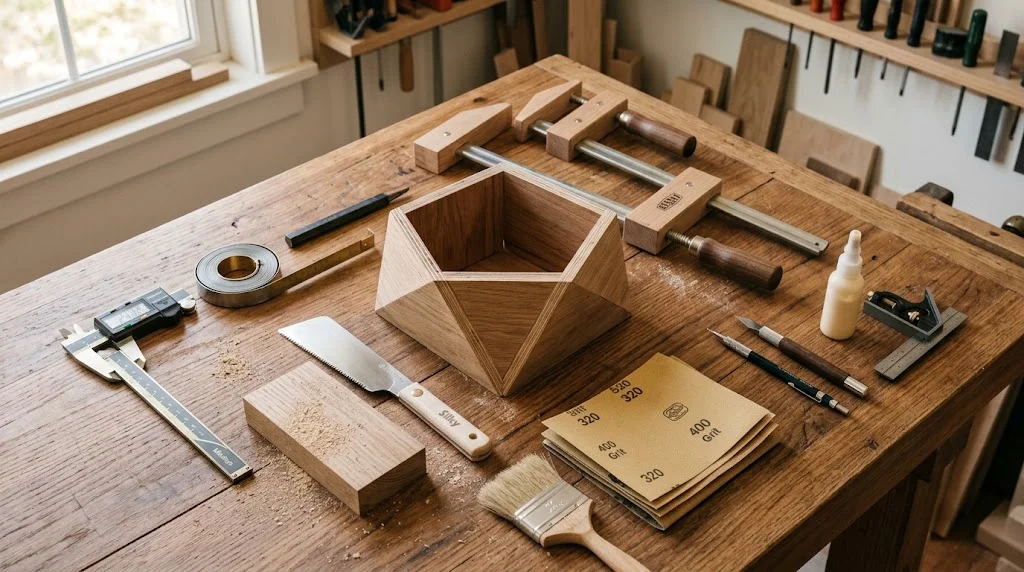
Starting a Woodworking Business Ideas from Home Using Plywood offers a versatile and profitable venture. Plywood is a durable and flexible material, making it ideal for various creative projects. If you’re looking for innovative Woodworking Business Ideas from Home Using Plywood, here are some unique products you can create and sell from the comfort of your home.
1. Customized Furniture
One of the most popular woodworking ideas is creating customized furniture. You can design unique pieces such as:
- Coffee tables
- Bookshelves
- Dining tables
- Desks
By using plywood, you can craft furniture that is not only stylish but also lightweight. Plus, offering custom designs allows you to cater to specific customer preferences. Websites like Wood Magazine can provide inspiration for designs.
2. Home Décor Items
Plywood can be transformed into stunning home décor items. From wall art to decorative shelves, the possibilities are endless. Consider crafting:
- Framed artwork
- Photo displays
- Wall-mounted organizers
- Unique wooden planters
These items can be sold on platforms such as Etsy or at local craft fairs. Utilizing social media to showcase your work will attract more customers.
3. Custom Pet Furniture
The pet industry is booming, and creating custom pet furniture is a great niche. You can build:
- Pet beds
- Feeding stations
- Outdoor pet houses
Using plywood ensures the products are both durable and easy to clean. Catering to pet owners with personalized options will help you stand out. You can channel your ideas by visiting sites like Pet Harbor.
4. Educational Toys
Another rewarding business idea is creating educational toys using plywood. You can make:
- Building blocks
- Puzzles
- Shape sorters
These wooden toys are eco-friendly and safe for children. Parents appreciate that plywood is a non-toxic material. Market your toys at local children’s boutiques, or online via platforms like Amazon Handmade.
5. Kitchen Utensils and Gadgets
Making kitchen utensils like cutting boards, coasters, and serving trays can be highly profitable. Here are some ideas:
- Cusom engraved cutting boards
- Artisan serving trays
- Unique coasters
Wooden kitchen gadgets can be appealing for those who prefer natural products over plastic. Ensure to promote them on social media sites like Instagram, where visuals can help in gaining traction.
6. Children’s Furniture
Building furniture specifically designed for children can tap into a great market. You can create:
- Kids’ tables and chairs
- Playhouses
- Storage solutions
By creating sturdy and safe designs, you’ll appeal to parents looking for durable options. Local schools or playgrounds may also be interested in your creations.
7. Garden Projects
With the rise of home gardening, creating plywood products for the garden is a smart move. Some options include:
- Planters
- Birdhouses
- Garden benches
Using plywood allows for creative and customizable garden solutions. Promote your garden projects through local gardening groups or online communities dedicated to gardening. When pricing your items, ensure you consider materials, time, and market demand. Creating an online shop can help you reach a broader audience. Tools like Shopify can make setting up your online store a breeze.
Starting a Woodworking Business Ideas from Home Using Plywood can be both fun and profitable. The diversity of projects you can create opens numerous avenues for creativity and commerce. Make it a goal to experiment, perfect your craft, and build a brand that resonates with your customers.
Essential Tools for Starting a Home-Based Plywood Business
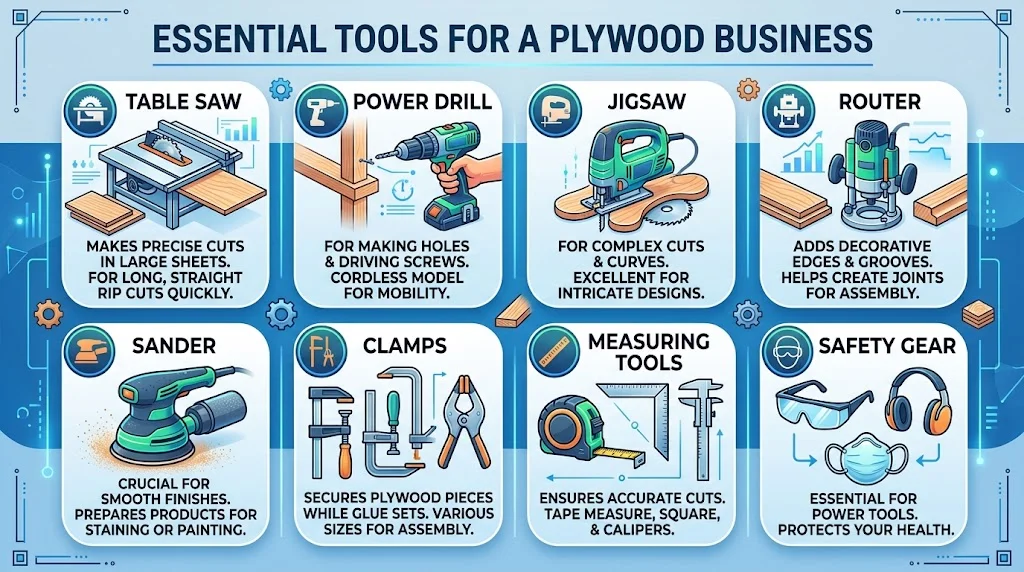
Starting a home-based plywood business can be an exciting venture. If you are passionate about woodworking and want to turn that passion into profit, having the right tools is essential. With the wide array of plywood products you can create, investing in specific tools will help you operate efficiently from your home workshop.
Essential Tools for a Plywood Business
To launch a successful home-based plywood business, you will need specific tools to cut, shape, and finish your projects. Here are the must-have tools to consider:
- Table Saw: A table saw is crucial for making precise cuts in large sheets of plywood. It’s tailored for long, straight cuts and helps in making rip cuts quickly.
- Power Drill: A good power drill is needed for making holes and driving screws into your plywood projects. Consider getting a cordless model for easier mobility around your workspace.
- Jigsaw: This versatile tool allows you to make complex cuts and curves that a table saw cannot manage. It is excellent for creating intricate designs in your plywood pieces.
- Router: A router is perfect for adding decorative edges or grooves to your projects. This tool can also help with creating joints, which is vital for assembling different pieces together.
- Sander: Sanding is a crucial step in finishing your projects. An electric sander can save time and give your plywood products a smooth surface, making them ready for staining or painting.
- Clamps: Investing in a good set of clamps will help you hold your plywood pieces together securely while the glue sets or during assembly. They come in various sizes, so make sure to get a range that will suit your needs.
- Measuring Tools: Accurate measurements are critical. Equip yourself with a tape measure, square, and calipers to ensure you are cutting your plywood accurately.
- Safety Gear: Don’t forget safety equipment! Safety glasses, ear protection, and a dust mask are essential when working with power tools and wood to protect your health.
Additional Equipment for Your Workshop
Beyond the basic tools, consider adding some supplementary equipment to improve your productivity and the quality of your work:
- Workbench: Having a sturdy workbench is essential for any woodworking shop. It provides a stable surface to work on while allowing for better organization of your tools and materials.
- Dust Collection System: Keeping your workspace clean is vital. A dust collection system or shop vac will help control the sawdust generated while cutting and sanding plywood.
- Finish Sprayer: If you plan to paint or stain your products, a finish sprayer can help save time and provide a smooth, even finish that brushes might not achieve.
Choosing the Right Plywood
Choosing high-quality plywood is essential for your business’s success. Here are some factors to consider when selecting plywood:
| Type | Best For | Notes |
|---|---|---|
| Hardwood Plywood | Furniture, Cabinets | Durable and attractive finishes |
| Softwood Plywood | Basic Projects, Indoor Use | Inexpensive and easy to work with |
| Marine Plywood | Outdoor Projects, Moisture-Prone Areas | Water-resistant and highly durable |
Each type of plywood offers unique advantages, depending on the projects you’re planning to undertake.
Setting Up Your Home Workshop
Once you have your tools, it’s important to set up your workshop in a way that maximizes efficiency and safety. Organize your tools and materials so that you can easily access what you need while working. Good lighting is also vital to ensure you can see your workspace clearly.
Starting a home-based plywood business using these essential tools will not only elevate your projects but also enhance your skills. Whether you’re creating furniture, décor items, or custom pieces, the right equipment will lay a solid foundation for your venture. For more resources on woodworking and plywood projects, you can visit Wood Magazine or Woodworker’s Source for tips, materials, and inspiration.
Getting the right tools and materials is the first step toward success in your home-based plywood business. As you grow more experienced, you can invest in more advanced tools and expand your offerings. Happy woodworking!
Marketing Strategies for Your Home Woodworking Venture
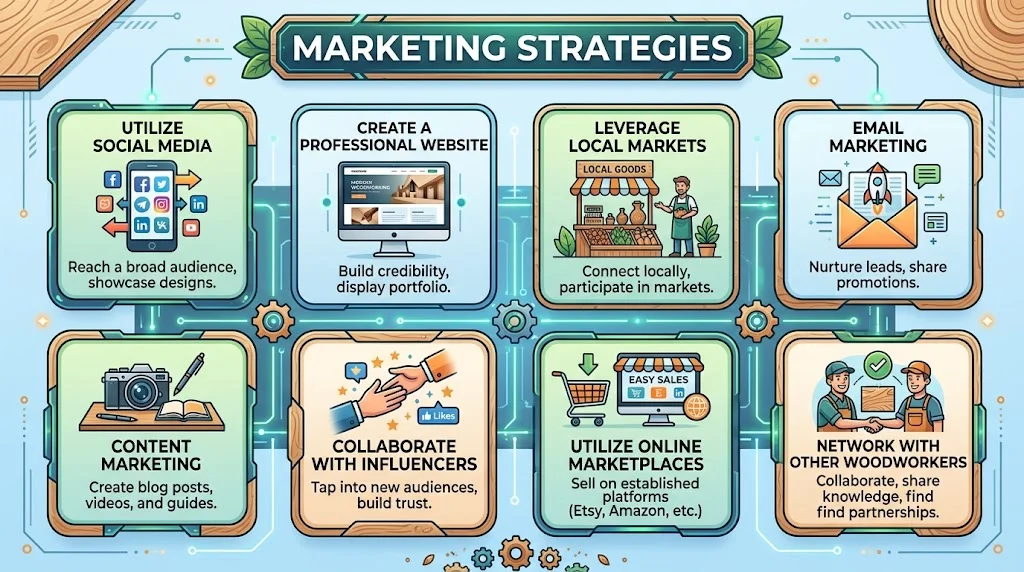
Starting a woodworking venture from home can be an exciting and profitable journey. However, the real challenge lies in effectively marketing your products to reach potential customers. Here are some creative marketing strategies you can implement to ensure your woodworking business thrives.
Utilize Social Media
Social media platforms are powerful marketing tools for any home-based business. By showcasing your woodworking projects on platforms like Instagram and Facebook, you can reach a wide audience. Here are some tips to maximize your social media presence:
- Post high-quality images of your work regularly.
- Share behind-the-scenes videos of your woodworking process.
- Engage with your followers through polls and questions.
- Use relevant hashtags to reach a targeted audience, such as #woodworking, #handmadefurniture, or #plywoodprojects.
Create a Professional Website
A professional-looking website adds credibility to your woodworking business. It serves as a digital storefront where customers can view your products, read your story, and make purchases. Ensure your website includes:
- A clean and easy-to-navigate design.
- High-quality images of your products.
- Detailed descriptions and prices.
- A blog section that features woodworking tips and project ideas, which can attract visitors through SEO.
For help building your website, consider resources like Wix or Squarespace.
Leverage Local Markets
Engaging with your local community is a fantastic way to market your woodworking business. Consider these local marketing strategies:
- Sell your products at local craft fairs or farmers’ markets.
- Partner with local shops to showcase your wooden items.
- Participate in community events to promote your brand and interact with potential customers.
Email Marketing
Email marketing can be an effective way to maintain communication with your customers. Here’s how to get started:
- Build a list of subscribers interested in your products.
- Send out regular newsletters featuring new projects, sales, or woodworking tips.
- Include exclusive offers or discounts to encourage purchases.
For email marketing solutions, consider platforms like Mailchimp or Constant Contact.
Content Marketing
Creating valuable content can establish you as an expert in woodworking while driving traffic to your site. Consider the following content ideas:
- Write blog posts with tips for home woodworking projects, maintenance tips, or trends in woodworking.
- Create video tutorials for your woodworking techniques, demonstrating your skills and engaging viewers.
- Start a woodworking podcast to discuss various topics related to the art and business of woodworking.
Collaborate with Influencers
Working with social media influencers who share interests in woodworking can expand your audience. Choose influencers whose followings align with your target market:
- Offer them a piece of your work to review or demonstrate.
- Explore partnership opportunities for giveaways, where they showcase your products to their followers.
Utilize Online Marketplaces
Expand your reach by listing your woodworking products on online marketplaces. Well-known platforms include:
- Etsy: Great for handmade and vintage items.
- Amazon Handmade: Perfect for artisans.
- eBay: Ideal for broader audiences.
Network with Other Woodworkers
Connecting with fellow woodworkers can provide valuable insights while building your reputation. Engage in forums, local clubs, or online communities. Using these strategies will help you reach more customers and build your home woodworking business successfully. With a blend of creativity and consistency, you’ll create a solid marketing foundation that boosts your brand and sales.
Best-Selling Plywood Projects You Can Make and Sell
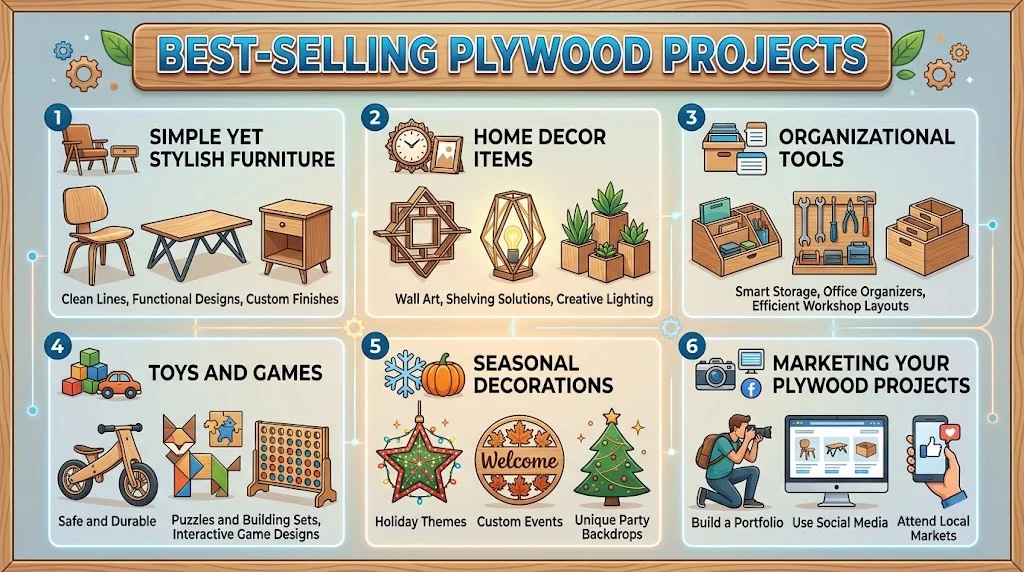
Turning plywood into profitable projects is a fantastic way to start your woodworking business from home. Plywood is versatile, affordable, and easy to work with, making it a popular choice among both novice and seasoned woodworkers. Below are some best-selling plywood projects that you can create and sell.
Simple Yet Stylish Furniture
Plywood is an excellent material for crafting stylish furniture. You can create unique pieces that not only look good but are also practical. Consider making:
- Coffee Tables: A sleek plywood coffee table can be designed in various shapes and sizes to fit any living room.
- Bookshelves: Sturdy and functional, plywood bookshelves can be customized with different finishes.
- Benches: Outdoor plywood benches can be designed for gardens or patios, adding charm to outdoor spaces.
Home Decor Items
Plywood is also perfect for creating decorative items. Here are some ideas:
- Wall Art: Create intricate wall art using different layers of plywood. This can range from abstract designs to nature-themed pieces.
- Picture Frames: Custom-made plywood picture frames can attract buyers looking for a unique way to showcase their memories.
- Coasters: Simple yet effective, plywood coasters can be engraved or painted to match various themes.
Organizational Tools
Households and offices always need organizational tools. You can design:
- Storage Boxes: Plywood storage boxes can be sold in various sizes, making them perfect for decluttering.
- Desk Organizers: Create stylish desk organizers to help users keep their workspaces tidy.
- Jewelry Boxes: Personalized plywood jewelry boxes can be a hit among gift shoppers.
Toys and Games
Children’s toys and games made from plywood are both safe and durable. Here are some projects you can undertake:
- Puzzle Games: Design wooden puzzles that can appeal to various age groups. Educational puzzles have a significant market.
- Building Blocks: Create sets of plywood building blocks. These can be painted or left natural for an eco-friendly option.
- Board Games: Make classic board games like chess or checkers from plywood. Customized editions can draw collectors’ interest.
Seasonal Decorations
Plywood decorations for various holidays can boost your sales throughout the year. Consider making:
- Halloween Props: Create spooky decorations such as ghosts or pumpkins.
- Christmas Ornaments: Unique plywood ornaments can be attractive for festive shoppers.
- Spring Themes: Design flower and bunny shapes for Easter and spring celebrations.
Marketing Your Plywood Projects
Once you create your plywood projects, effective marketing is essential for success. Utilize platforms like:
- Etsy – A great space to showcase handmade items.
- Amazon Handmade – Reach a broader audience by listing your products.
- Facebook Marketplace – Promote locally by listing your items on social media.
Don’t forget to take high-quality photos of your products and write compelling descriptions to attract buyers.
Getting Started
To kick off your woodworking business, gather essential tools and materials, including a good saw, sanders, and finishing supplies. Build a workspace that is comfortable and organized. Start small, testing the market with a few items before expanding your product line. Engage with your potential customers directly through social media, surveys, and community events to find out what they are interested in purchasing.
By focusing on these best-selling plywood projects, you can create a sustainable woodworking business from the comfort of your home. The options are endless, and with creativity, you’ll discover which products resonate most with your customers.
Tips for Managing a Successful Woodworking Business from Home
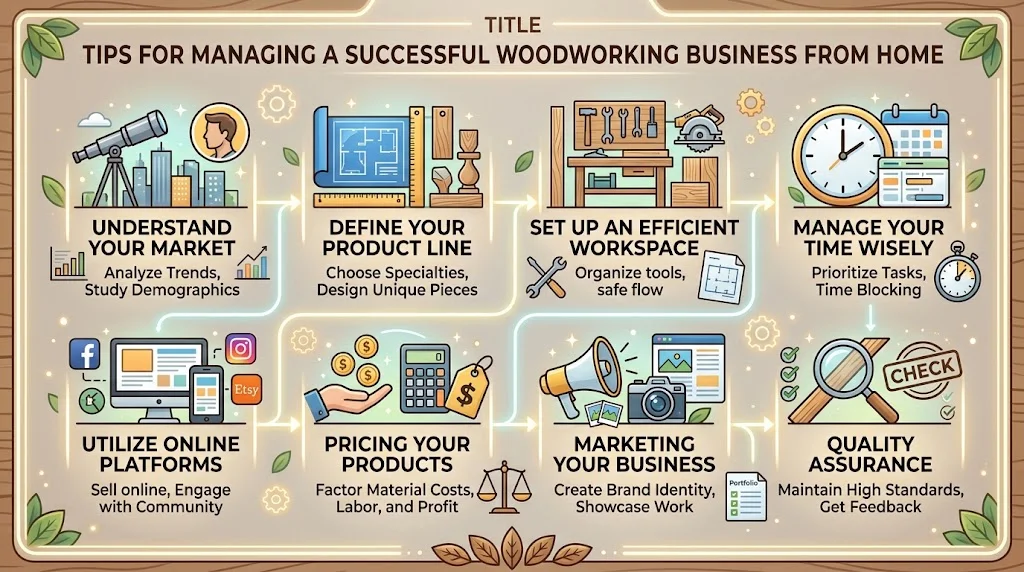
Starting a woodworking business from home allows you to turn your passion into profit. To be successful, there are several key strategies to keep in mind. Below, you will find valuable tips to manage your woodworking venture effectively.
Understand Your Market
Before you begin crafting, take the time to research and understand your target audience. Who are they? What products do they prefer? Conduct surveys, check forums, and engage with potential customers on social media platforms to gather insight. This will help you shape your product offerings more effectively.
Define Your Product Line
Select a niche within woodworking that you are passionate about and that aligns with market demand. Some ideas include:
- Custom furniture pieces, such as tables and chairs
- Home décor items, like shelves and wall art
- Functional items, such as cutting boards and utensils
- Playsets and toys for children
Your chosen products should match your skill level and availability of materials, particularly plywood, which is versatile and budget-friendly.
Set Up an Efficient Workspace
Creating an organized workspace is vital for productivity. Here are some tips to consider:
- Utilize a garage, basement, or dedicated room for your woodworking activities.
- Invest in proper lighting to enhance visibility.
- Organize tools and materials using shelving and cabinets.
- Keep safety equipment, such as goggles and gloves, within reach.
Manage Your Time Wisely
Balancing work and life can be challenging when running a business from home. Here’s how to manage your time effectively:
- Create a daily schedule that includes set working hours.
- Prioritize tasks based on urgency and importance.
- Set aside specific times for marketing, production, and customer service.
Utilize Online Platforms
In today’s digital age, having an online presence is essential for attracting customers. Consider these options:
- Set up a professional website to showcase your unique woodworking creations. Use platforms like Shopify or WooCommerce.
- Leverage social media channels like Instagram and Pinterest to visually display your work and engage with your audience.
- Consider selling on online marketplaces such as Etsy or Amazon Handmade.
Pricing Your Products
Finding the right pricing strategy can be tricky. Take these steps to ensure you set an appropriate price:
- Calculate the cost of materials and labor for each piece.
- Research competitors’ prices for similar products.
- Consider your target profit margin to ensure sustainability.
Marketing Your Business
A successful marketing strategy is crucial. Here are some effective tactics:
- Start a blog on your website to share helpful woodworking tips and connect with your audience.
- Use email marketing to inform customers about new products, promotions, and workshops.
- Engage with customers and fellow woodworkers in online forums to build relationships and network.
Quality Assurance
Every piece you create should reflect craftsmanship and attention to detail. To achieve this, keep these points in mind:
- Invest time in perfecting your woodworking skills through online tutorials and workshops.
- Use high-quality plywood and materials to ensure durability.
- Gather feedback from customers and continuously improve your product quality.
Running a woodworking business from home can be a fulfilling endeavor. By following these tips, you’ll set yourself up for success while creating beautiful and functional items. For more information about woodworking and business management, you can visit Wood Magazine or Woodworker’s Journal.
Conclusion
Starting a Woodworking Business Ideas from Home Using Plywood opens up a world of creativity and potential for profit. By exploring creative woodworking ideas, you not only tap into a popular market but also turn your passion into a source of income. Essential tools, from saws to sanders, are key to ensuring that your projects are crafted efficiently and with precision. Investing in the right equipment will set a strong foundation for your new venture.
As you start your business, effective marketing strategies will be crucial. Utilizing social media, local fairs, and online platforms can help you reach a wider audience. Showcasing your best-selling plywood projects, such as custom furniture or decorative items, will attract potential customers and drive sales. Remember, high-quality craftsmanship coupled with a unique product can help you stand out in a competitive market.
Managing your woodworking business from home requires organization and dedication. Establishing a routine, maintaining a safe workspace, and managing finances responsibly will contribute to your success. Regularly reviewing customer feedback can help you improve and adapt your offerings to meet market demands.
With creativity, the right tools, effective marketing, and sound management practices, your home-based plywood woodworking business can thrive. Embrace the journey, stay committed, and watch your skills transform not only into beautiful creations but also into a rewarding business venture.