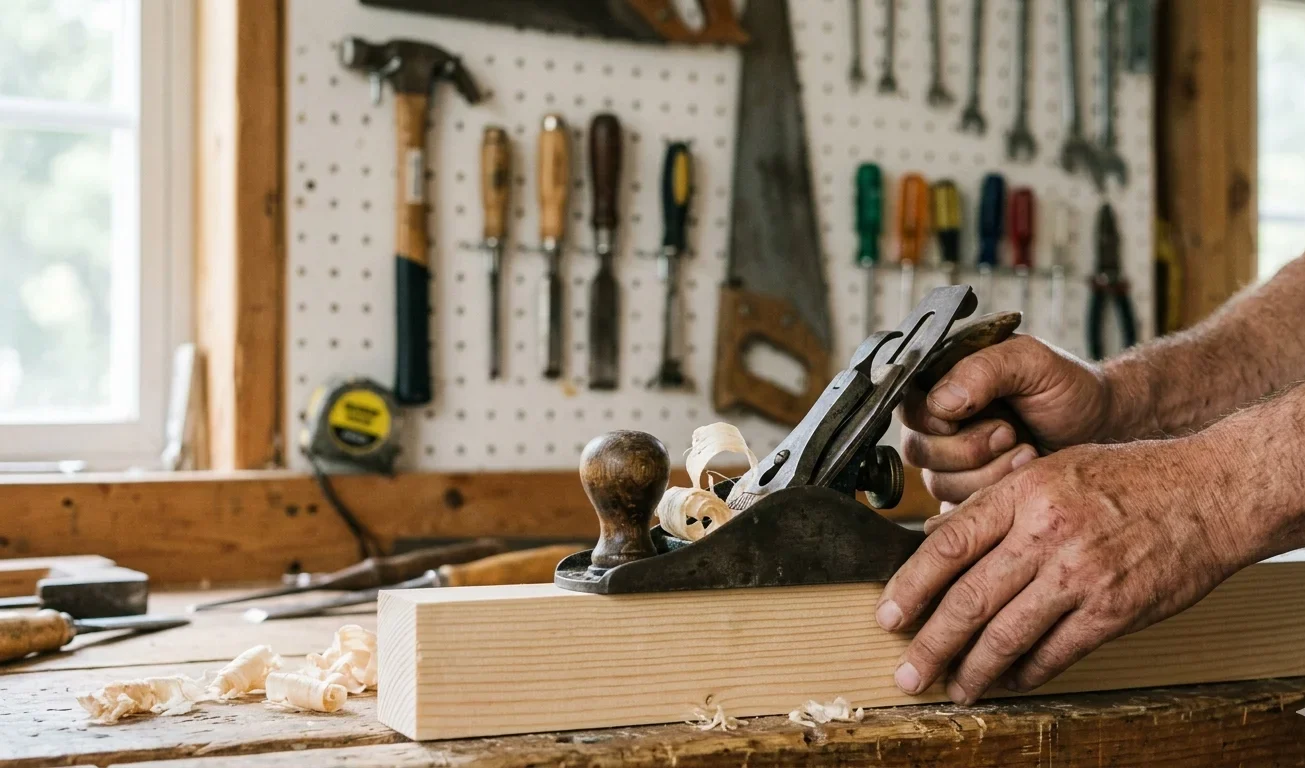
Woodworking is a rewarding and creative hobby, but it can also get costly if you’re not careful. If you’re looking to build your Woodworking Budget Tool List, it’s essential to include the right tools that won’t break the bank while still allowing you to create beautiful and functional projects. Here’s a well-rounded list of essential items you should consider, ensuring you get the most out of your investment.
Measuring Tools
Accurate measurements are fundamental in woodworking. To achieve precision, start with these tools:
- Tape Measure: A durable tape measure is necessary. Look for one that extends at least 25 feet.
- Square: A framing square is beneficial for ensuring your cuts are straight and accurate.
- Caliper: This tool helps measure things like thickness with high accuracy.
Cutting Tools
Cutting is an essential aspect of woodworking. To keep your tool list effective yet budget-friendly, include:
- Handsaw: A good quality handsaw can handle basic cutting needs without requiring power.
- Circular Saw: If your budget allows, this tool can make quick and accurate cuts.
- Jigsaw: Perfect for making intricate cuts and curves.
Power Tools
Although power tools can be more expensive, there are a few essential options that can elevate your woodworking projects:
- Drill/Driver: A cordless drill is a must-have for quick drilling and driving screws.
- Random Orbital Sander: For a smooth finish, an orbital sander is a valuable tool in your arsenal.
Joinery Tools
Joining pieces together is vital in woodworking. Consider including:
- Wood Glue: A strong wood adhesive is often all you need for perfect joins.
- Clamps: Invest in a set of clamps to hold your joints tightly while the glue dries.
Finishing Tools
Once your project is assembled, finishing touches are key. This budget list should include:
- Paintbrushes and Rollers: Ideal for applying paints and finishes smoothly.
- Sandpaper: Different grits help you achieve the desired finish on your projects.
Storage Solutions
Keeping your tools organized not only saves you time but also ensures safety. Check out these ideas:
- Toolbox: A sturdy toolbox can provide a secure and portable space for your essential tools.
- Wall-mounted Storage: Use pegboards or shelves to display and organize your equipment.
Budgeting Tips for Tool Purchases
When creating your Woodworking Budget Tool List, consider these budgeting tips:
- Prioritize Tools: Identify which tools you’ll use most and invest there first.
- Buy Used: Check online marketplaces or local classifieds for gently used tools at lower prices.
- Sales and Discounts: Keep an eye out for seasonal sales or discounts from hardware stores.
How to Prioritize Tools Based on Your Woodworking Projects
When it comes to woodworking, understanding which tools to prioritize can significantly impact the quality and efficiency of your projects. Here’s how to determine which tools you need based on your specific woodworking ambitions.
Identify Your Woodworking Projects
The first step in organizing your tools is to clearly define your woodworking projects. Are you focusing on furniture making, cabinetry, or perhaps simple crafts? Each project type requires a different set of tools. For example:
- Furniture Making: Consider hand saws, chisels, and sanders.
- Cabinetry: Focus on routers, table saws, and clamps.
- Simple Crafts: Smaller tools like craft knives and hand drills may be adequate.
Essential Tools for Every Woodworker
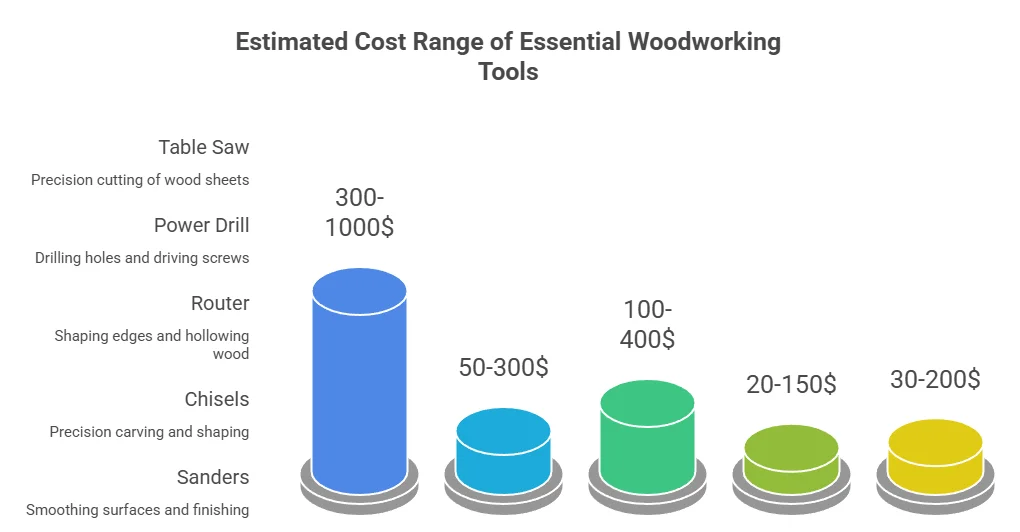
No matter what your project is, some tools remain universally important in a Woodworking Budget Tool List. Here’s a breakdown of these must-have tools:
| Tool | Purpose | Estimated Cost |
|---|---|---|
| Table Saw | Precision cutting of wood sheets | $300 – $1,000 |
| Power Drill | Drilling holes and driving screws | $50 – $300 |
| Router | Shaping edges and hollowing wood | $100 – $400 |
| Chisels | Precision carving and shaping | $20 – $150 |
| Sanders | Smoothing surfaces and finishing | $30 – $200 |
Assess Your Budget
A crucial part of your woodworking journey is evaluating your budget for tools. Investing in high-quality tools may seem daunting, but it usually pays off in the long run. Prioritize tools that you will use frequently. Consider purchasing used tools to save money while still acquiring reliable equipment. Visit trusted sites like Woodworking Network for useful resources.
Make a Tool Acquisition Plan
Once you have determined your focus projects and budget, it’s time to create an acquisition plan. You don’t need to buy everything at once. Instead, consider the following strategies:
- Start with the essential tools you need for your first few projects.
- Look for package deals or sets that offer multiple tools at a discount.
- Use a wishlist approach: add tools to a list and purchase them as your skills progress or projects demand.
Seek Expert Advice
Networking within the woodworking community can provide valuable insights on tool usage and brand recommendations. Online forums or local workshops often feature experienced woodworkers who are willing to share their best practices. Websites like Fine Woodworking are excellent resources for finding advice and tool reviews.
Maintain Your Tools
Prioritizing the care of your tools ensures they last longer and perform better. Regular maintenance includes:
- Cleaning tools after use to prevent rust and damage.
- Sharpening blades and bits regularly for optimal performance.
- Storing tools properly to avoid accidents and wear.
Creative Ways to Save Money on Woodworking Tools
If you’re diving into woodworking, you’re likely aware of the costs that can quickly add up. Woodworking tools are essential yet can be expensive. Fortunately, there are creative ways you can save money on these tools while still achieving great results. Here are some practical strategies to help you stay within budget.
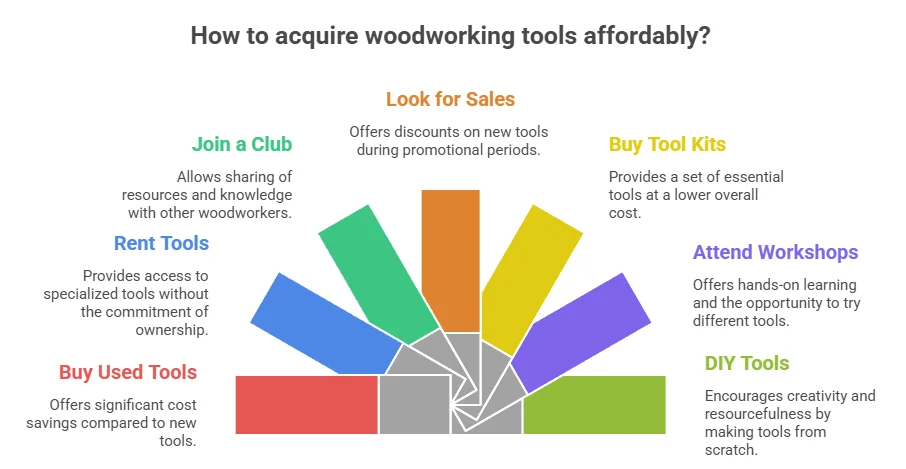
Buy Used Tools
One of the best ways to save money on woodworking tools is to purchase them used. Many hobbyists upgrade their tools and sell their older models. Sites such as Woodworkers Source often have classifieds or marketplaces where you can find quality used tools at a fraction of the price. Be sure to check local classifieds, online marketplaces like Facebook Marketplace, and garage or estate sales.
Consider Renting Tools
If there’s a specific tool you only need for one project, renting may be a wise choice. Many hardware stores offer rental services for a variety of woodworking tools, which means you can access what you need without committing to a purchase. Some popular places to rent tools include Home Depot, Lowe’s, or local equipment rental companies.
Join a Woodworking Club
Joining a woodworking club can provide you access to tools you may not own. Many clubs have shared equipment, which can alleviate the need to purchase everything. Plus, you’ll learn valuable skills from fellow members. Search for local clubs on sites like Woodworkers Guild of America.
Look for Sales and Discounts
Always be on the lookout for sales, especially during holidays. Many retailers offer significant discounts on tools during events like Black Friday or Labor Day. Sign up for newsletters from major retailers like Rockler Woodworking and Hardware, Woodcraft Supply, or Grizzly Industrial to keep tabs on upcoming sales.
Buy Tool Kits
Instead of purchasing tools individually, consider buying a kit. Often, kits contain essential tools for a specific task and can be less expensive than buying each tool separately.
| Tool Kit | Included Tools | Approximate Price |
|---|---|---|
| Basic Woodworking Kit | Saw, Router, Drill | $150 |
| Advanced Woodworking Kit | Saw, Router, Sander, Chisels | $300 |
| Starter Set | Measuring Tape, Square, Hammer | $50 |
Attend Workshops
Many local woodworking shops offer workshops that can include the use of tools you may not own. This not only saves you money but allows you to try tools before you buy. Check for upcoming events at Instructables for creative ideas and local listings.
DIY Tools and Upcycling
Sometimes, you can create your own tools or upcycle existing ones. With some creativity, you can make jigs and other accessories that enhance your woodworking without hefty expenses. Websites like Wood Magazine feature DIY projects that can inspire your own creations.
Evaluating Quality vs. Cost in Woodworking Equipment
When diving into woodworking, striking the perfect balance between quality and cost for your equipment is crucial. As a beginner or even an experienced craftsman, you may often find yourself pondering whether to invest in high-end tools or opt for more budget-friendly options. Understanding this balance can enhance your woodworking experience and ensure that you get the best out of your investments.
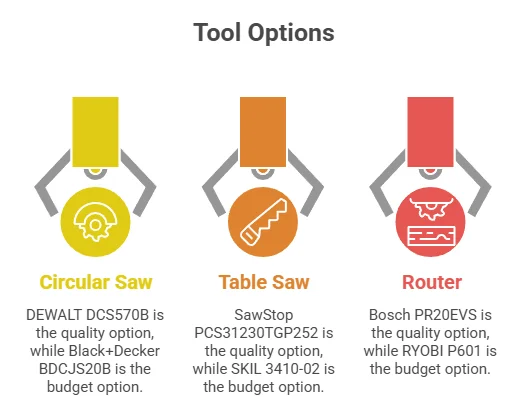
Consider creating a Woodworking Budget Tool List, which includes essential tools categorized by quality and price. Here’s an example of such a list:
| Tool | Quality Option | Budget Option |
|---|---|---|
| Circular Saw | DEWALT DCS570B | Black+Decker BDCJS20B |
| Table Saw | SawStop PCS31230TGP252 | SKIL 3410-02 |
| Router | Bosch PR20EVS | RYOBI P601 |
When evaluating tools for your list, consider the features you truly need. For example, advanced features like laser guides may enhance your precision, but do you need them for every project? Research user reviews or recommendations from reputable websites such as Wood Magazine to guide your purchases.
Embrace the ‘buy once, cry once’ mentality. This means opting for a higher quality tool that will last rather than buying multiple cheaper versions over time. Networking with other woodworking enthusiasts on platforms like Reddit’s woodworking community can provide valuable insights on quality versus cost.
The Role of Secondhand Tools in Budget-Friendly Woodworking
When diving into the world of woodworking, many enthusiasts often find themselves facing the challenge of balancing quality tools with budget constraints. One effective solution is to explore secondhand tools. By incorporating these pre-owned items into your woodworking toolkit, you not only save money but also contribute to sustainable practices.
Benefits of Using Secondhand Tools
- Cost-Effective: Buying used tools can save you a significant amount of money.
- Unique Finds: Vintage tools often possess characteristics and craftsmanship that modern tools might lack.
- Sustainability: Purchasing secondhand tools reduces waste and promotes recycling.
- Ability to Test: You can often see how they’ve been maintained and gauge their performance via sources like Woodworker’s Source.
Where to Find Secondhand Tools
Finding quality secondhand tools can be easier than you think. Popular locations include local thrift stores, yard sales, estate sales, and online marketplaces like eBay, Craigslist, or Facebook Marketplace.
Evaluating Secondhand Tools
Once you find a secondhand tool that piques your interest, it’s essential to evaluate its condition. Inspect for rust, check blades and edges, look for signs of wear, and test the tool if possible.
Common Secondhand Tools for Woodworking
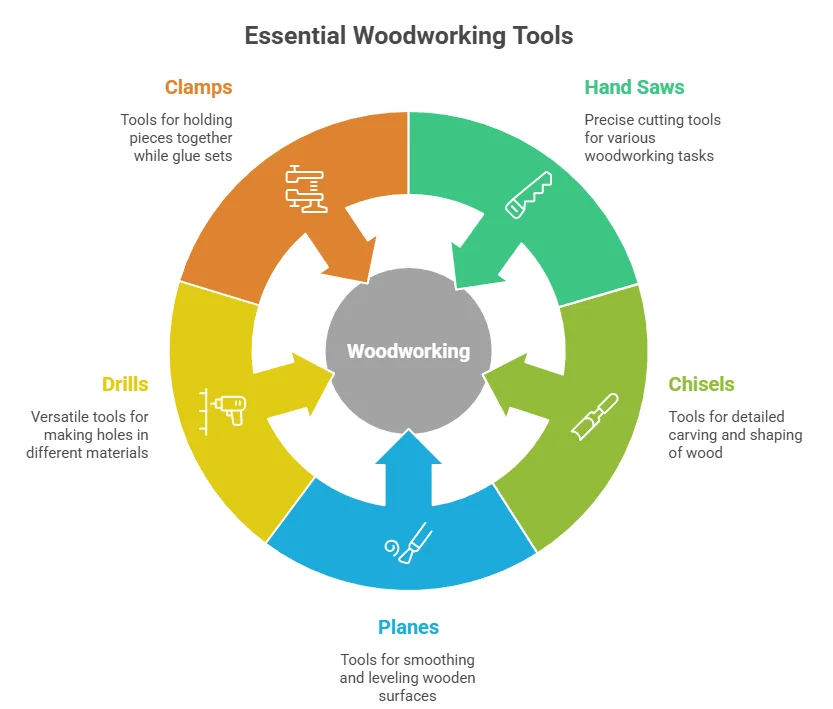
| Tool Type | Why It’s Useful |
|---|---|
| Hand Saws | Perfect for precise cuts and often less expensive than power saws. |
| Chisels | Essential for detailed carving and shaping of wood. |
| Planes | Great for smoothing and leveling surfaces, ensuring a polished finish. |
| Drills | Versatile for making holes in various materials; look for reliable brands. |
| Clamps | Indispensable for holding pieces together while glue sets. |
Tips for Maintaining Secondhand Tools
- Clean Regularly: Remove debris and apply lubricants to moving parts.
- Storage: Store tools in a dry place to prevent rust and damage.
- Sharpen Blades: Keep cutting edges sharp for optimal performance and safety.
Secondhand tools can greatly benefit your woodworking journey while staying within your budget. For more tips on woodworking and tool selection, visit Wood Magazine or check out LumberJocks for a community of woodworking enthusiasts.
Conclusion
Creating a Woodworking Budget Tool List can be both exciting and daunting, but arming yourself with knowledge will make the journey smoother. By identifying essential items that align with your specific projects, you set a strong foundation for your woodworking endeavors. Remember, it’s crucial to prioritize tools based on the tasks you wish to tackle. Focusing on what you need first allows you to invest wisely and maximize your budget’s potential.
Ultimately, focusing on a thoughtfully compiled Woodworking Budget Tool List allows you to enhance your skills while keeping spending in check. You’ll find satisfaction in both your creations and the savvy investments you make along the way. Embrace your woodworking journey, and let your passion guide you through each project, one tool at a time.