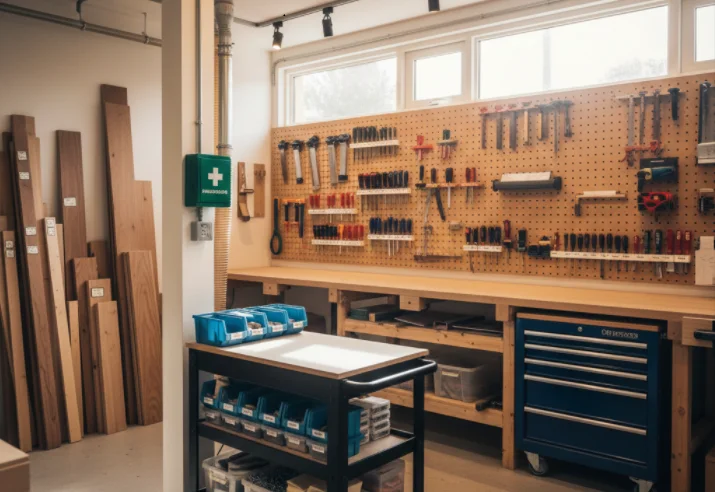
Keeping your woodshop organized can significantly enhance your crafting experience. An orderly workspace makes it easier to find tools, manage materials, and focus on your projects. Here are some effective Woodshop Organization Tips to help every crafter work smarter, not harder.
1. Plan Your Layout
Before you begin organizing, take a moment to plan out your shop’s layout. Consider the following points:
- Work Zones: Create specific areas for different activities like cutting, sanding, and assembly.
- Traffic Flow: Ensure there’s enough space to move around safely, without tripping over tools or materials.
- Tool Accessibility: Place frequently used tools within easy reach to save time.
2. Categorize Tools and Materials
Grouping items by category is essential for effective organization. Here are some common categories:
- Hand Tools: Keep wrenches, pliers, and saws together.
- Power Tools: Store drills, sanders, and saws in a designated area.
- Materials: Organize wood, hardware, and other supplies by size or type.
3. Utilize Storage Solutions
Investing in proper storage solutions can make a world of difference. Consider the following:
- Wall-Mounted Racks: Free up floor space by hanging tools on walls. Magnetic strips are perfect for holding metal tools.
- Tool Cabinets: Use cabinets with drawers to neatly store hand tools and accessories.
- Clear Bins: Store screws and small items in clear bins to easily identify contents.
4. Label Everything
Labeling helps eliminate confusion and saves time. Use a label maker or adhesive labels to mark:
- Tool storage locations.
- Bin contents for materials and hardware.
- Work zones to indicate their specific purpose.
5. Maintain a Clean Workspace
Regularly cleaning your woodshop is crucial for maintaining organization. Implement a weekly cleaning routine that includes:
- Removing dust and debris
- Returning tools to their designated spots
- Checking supplies and restocking as necessary
6. Create a Project Station
Designate a specific area for ongoing projects. This keeps everything you need in one place, reducing the chance of losing parts. Ensure this area includes:
- A flat surface for assembly
- Storage for related tools and materials
- A place for documentation, like plans or notes
7. Optimize Vertical Space
Maximize your woodshop’s vertical space by installing shelves and cabinets high up. This can free up floor space for larger equipment. Use the top shelves for items you rarely use and keep essential tools at eye level.
8. Mobile Storage Options
Consider using carts or mobile storage to increase flexibility. Mobile setups allow you to move tools and materials closer to your working area, making it easier to access them. This can be especially useful during larger projects.
9. Use Tool Organizers
For small tools and accessories, tool organizers can save time and mitigate frustration. From pegboards to toolbox inserts, these organizers help keep everything in its place. Here are some ideas:
- Small drawer organizers for screws and nails.
- Pegboards for hanging frequently used tools.
- Magnetic strips for easy access to commonly used hand tools.
10. Regularly Reassess Your Organization
Your needs may evolve over time, and your organization system should adapt accordingly. Take time every few months to reassess your setup and make necessary changes. This keeps your woodshop efficient and user-friendly.
By following these Woodshop Organization Tips, you’ll cultivate a more efficient and inspiring workspace. An organized shop not only enhances productivity but also fuels creativity. For further resources and DIY solutions, check out Wood Magazine and Woodworker’s Source.
Tools and Storage Solutions to Maximize Your Workspace
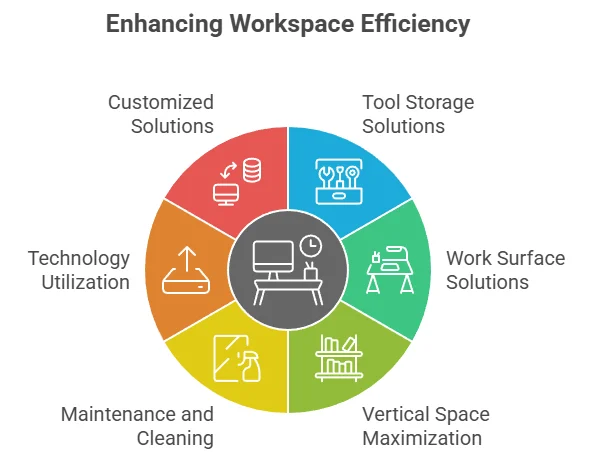
Maximizing your workspace is essential for efficiency and creativity. Effective tools and storage solutions play a crucial role in achieving an organized woodshop. By utilizing the right tools and storage methods, you can create a safe, productive environment that allows for seamless work flow.
Efficient Tool Storage Solutions
Tool organization is vital. A cluttered space can lead to accidents and lost time. Here are some effective ideas to keep your tools organized and within reach:
- Pegboards: These wall-mounted boards allow you to hang various tools, keeping them visible and accessible.
- Toolboxes: Mobile toolboxes are perfect for storing small hand tools.
- Drawer Organizers: For larger tools, consider using drawers with dividers.
- Magnetic Strips: Attach magnetic strips on a wall to hold metal tools.
Work Surface Solutions
Your work surface should not only be spacious but also organized. Consider the following:
- Rolling Workbenches: A rolling workbench provides flexibility.
- Foldable Tables: These are perfect for saving space when not in use.
- Workbench with Storage: Invest in a workbench that has built-in storage compartments.
Maximizing Vertical Space
Don’t overlook vertical space in your woodshop. Here are some strategies to utilize it effectively:
- Shelves: Install shelves high on the walls for storing larger items like lumber.
- Overhead Racks: These can hold large materials or infrequently used items.
- Drop-down Shelving: Easy access to rarely used tools without taking up much space.
Maintenance and Regular Cleaning
Organization is an ongoing process. Regular maintenance keeps everything in check. Here are a few tips:
- Daily Cleanup: Spend a few minutes at the end of each work session to tidy up.
- Weekly Inventory: Review tools and supplies at least once a week.
- Monthly Deep Clean: Allocate time to perform a thorough cleaning of your workspace.
Utilizing Technology
In today’s digital age, technology can enhance organization and productivity. Here are some tech solutions:
- Inventory Management Apps: Use apps to track your tools and materials.
- Project Management Tools: Tools like Trello or Asana can assist in planning your projects.
Building a Customized Solution
Ultimately, the best organization system is one tailored to your specific needs. Consider the following steps:
- Assess Your Space: Take a good look at your woodshop layout.
- Identify Problem Areas: Look for areas where clutter tends to collect.
- Invest in Quality Storage Solutions: High-quality units make a significant difference.
Organization in your workspace greatly improves not only efficiency but also safety. Make sure to explore various options available to tailor your woodshop to your needs. For more tips, consider visiting Wood Magazine or Popular Woodworking. By taking the time to organize your tools and materials, you set the stage for successful projects.
Best Practices for Managing Wood and Material Inventory
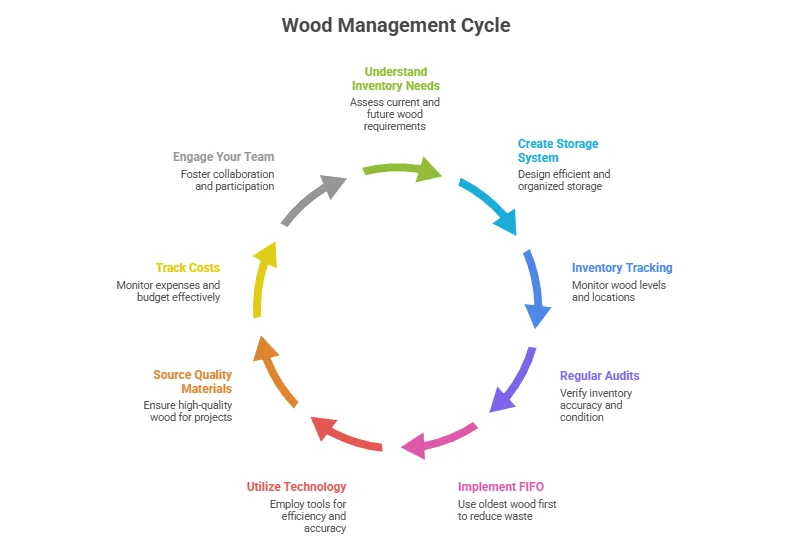
Managing your wood and material inventory is crucial for any woodshop. Having a well-organized inventory not only saves time but also minimizes waste and maximizes productivity. Here are some best practices to help you effectively manage your wood and material inventory.
Understand Your Inventory Needs
Before you start organizing, you need to assess what materials are essential for your projects. Make a list that includes:
- Types of wood (hardwood, softwood, plywood, etc.)
- Sizes and dimensions
- Colors and finishes
Create a Storage System
A well-thought-out storage system is key to keeping your inventory in order. Here are some ideas:
- Vertical Storage: Utilize wall space with vertical racks for lumber.
- Bins and Baskets: Smaller materials such as screws and nails can be stored in labeled bins.
- Climate Control: Store your wood in a climate-controlled area to prevent warping.
Inventory Tracking
Keeping track of your inventory levels is vital. Here are some methods to consider:
- Manual Journals: Record your wood usage in a dedicated notebook.
- Spreadsheets: Use software like Excel to track your inventory electronically.
- Inventory Management Software: Advanced solutions to automate tracking.
Regular Audits
Perform regular audits of your material inventory to ensure accuracy. Schedule these audits monthly or quarterly. During an audit, check the following:
- Inventory levels against your records
- Condition of the wood and materials
- Any outdated or excess materials that can be repurposed
Implement a First-In, First-Out (FIFO) System
This strategy ensures that you use older materials first. It helps reduce waste and ensures that wood doesn’t sit unused for long periods. Here’s how to implement a FIFO system:
- Place newer stock behind older stock.
- Clearly label all items with purchase dates.
- Make it a habit to check the dates before starting a project.
Utilize Technology
Technology can drastically improve the efficiency of inventory management.
- Mobile Apps: Use inventory tracking apps that allow you to scan barcodes.
- Digital Calendars: Set reminders for restocking based on your average usage rates.
Sourcing Quality Materials
Sourcing quality wood and materials saves you headaches later. Maintain relationships with trusted suppliers. Online resources like Woodworker’s Source can be informative for finding quality materials.
Track Costs
Understanding the costs associated with your inventory is just as important as tracking the materials themselves. Consider:
- Average cost per board foot for different types of wood.
- Shipping and handling charges.
- Storage costs if materials are kept off-site.
Engage Your Team
Involving your team in inventory management can bring fresh ideas and improve compliance. Communication and teamwork go a long way in ensuring your woodshop runs smoothly.
Creative Ideas for DIY Woodshop Storage Projects
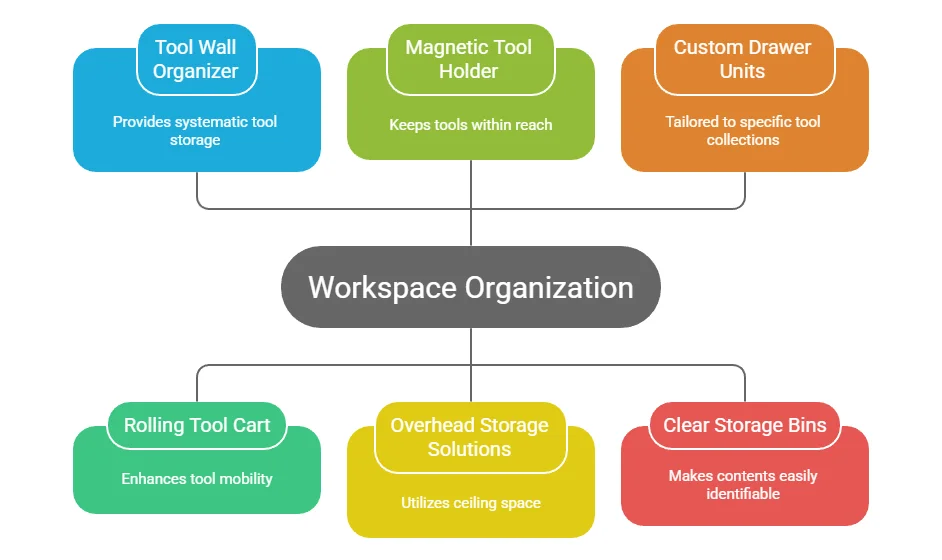
When it comes to organizing your woodshop, having plenty of storage space for tools and materials is essential. Fortunately, there are many creative DIY woodshop storage projects that can help you maximize your workspace.
Tool Wall Organizer
One of the best ways to keep your tools accessible and organized is by creating a tool wall organizer.
- Materials Needed: Plywood or MDF board, screws, hooks, and brackets.
- Steps: Choose a wall, cut plywood to size, attach to wall, and add hooks.
Rolling Tool Cart
A rolling tool cart is a versatile addition that can be moved around your workspace.
- Materials Needed: Wooden boards, wheels, screws, and a drill.
- Steps: Build a frame, add shelves, and attach wheels to the bottom.
Magnetic Tool Holder
Utilizing magnets is an excellent way to organize metal tools. A magnetic tool holder keeps tools handy and visible.
- Materials Needed: Strong magnets, a wooden plank, and adhesive.
- Steps: Attach magnets to the plank and mount the plank on the wall.
Overhead Storage Solutions
Taking advantage of vertical space can optimize your woodshop. Installing overhead storage is a clever idea.
- Materials Needed: Racks, chains, or rope, and installation hardware.
- Steps: Identify a sturdy ceiling section and install racks.
Custom Drawer Units
Building drawer units can help keep smaller items organized. Here’s how you can make your own:
- Materials Needed: Plywood, slide rails, wood glue, and a saw.
- Steps: Design layout, cut plywood, and install slide rails.
Incorporate Clear Storage Bins
Using clear storage bins can help you see what’s inside without opening them. They are perfect for organizing small parts.
- Label each bin clearly for easy identification.
- Stack bins to maximize vertical space.
- Store similar items together for efficient access.
By implementing these DIY projects, you can enhance your workspace significantly. For more insights, visit Wood Magazine or Woodworker’s Source.
Maintaining Safety and Efficiency Through Better Organization
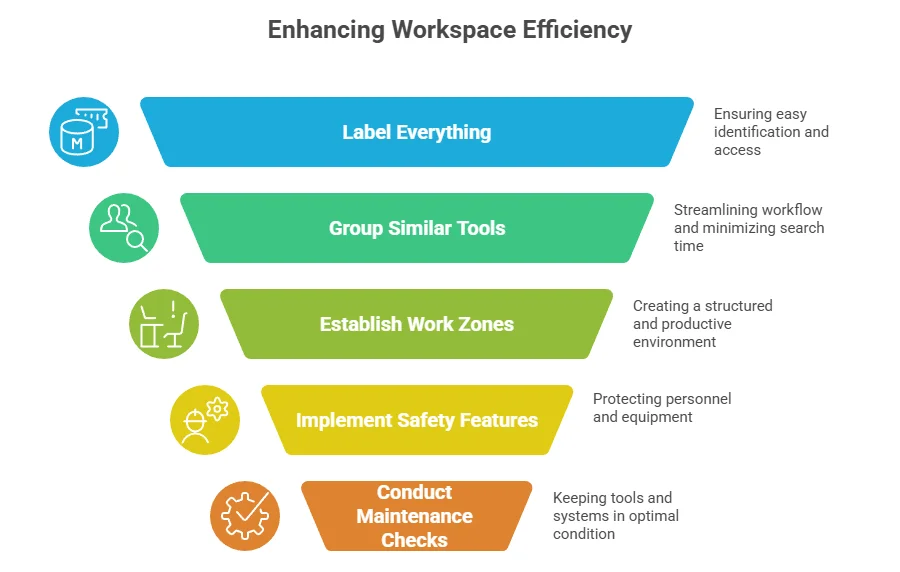
In any woodshop, maintaining safety and efficiency is paramount. An organized workspace not only protects you from accidents but also enhances productivity. Here are some essential Woodshop Organization Tips that can help you cultivate a safer environment.
Utilize Storage Solutions
Effective storage is vital for keeping your tools organized. Consider these options:
- Tool Chest: Allows for compact storage of hand tools.
- Shelving Units: Store larger equipment off the floor to minimize clutter.
- Drawer Organizers: Use for small items like screws and sandpaper.
Label Everything
Labeling your tools, bins, and shelves can dramatically increase efficiency. When everything has a designated spot, anyone can navigate your workspace with ease.
Group Similar Tools Together
Organize your workspace by grouping similar tools together. For instance:
- Cutting Tools: Saws, chisels, and knives
- Sanding Tools: Sanders, sandpaper, and sanding blocks
- Assembly Tools: Clamps, screwdrivers, and pliers
Dedicated Work Zones
Establish dedicated work zones within your shop. Create areas for tasks such as cutting, sanding, and assembly. This setup minimizes cross-contamination of materials.
Implement Safety Features
Safety should never be compromised. Here are some organizational methods that enhance safety:
- Clear Walkways: Ensure pathways are always clear of debris.
- Emergency Equipment: Store fire extinguishers in easily accessible locations.
- Proper Ventilation: Organize your workspace so dust collection systems are accessible.
Regular Maintenance Checks
Schedule regular maintenance checks of your tools and organization systems. Here’s a simple checklist:
| Item | Frequency |
|---|---|
| Inspect tools for damage | Monthly |
| Clean dust collection systems | Every 3 months |
| Reorganize toolbox | Bi-annually |
Seek Resources and Inspiration
For further insights, consider visiting Wood Magazine or Woodworker’s Journal. By implementing these Woodshop Organization Tips, you can create a safer and more efficient working environment.
Conclusion
Achieving an organized woodshop is essential for any crafter looking to maximize their productivity and creativity. By implementing effective Woodshop Organization Tips, you can transform your workspace into a haven of efficiency. Start by investing in the right tools and storage solutions that fit your specific needs.
Additionally, managing your wood and material inventory is crucial. Regularly checking and documenting your supplies helps minimize waste and saves money. Exploring creative DIY storage projects can also bring a personal touch to your woodshop. Remember, safety and efficiency go hand in hand. By taking the time to declutter and properly arrange your tools, you pave the way for more focused woodworking experiences. With these Woodshop Organization Tips and strategies, you can cultivate an organized woodshop that reflects your style and enhances your craft.