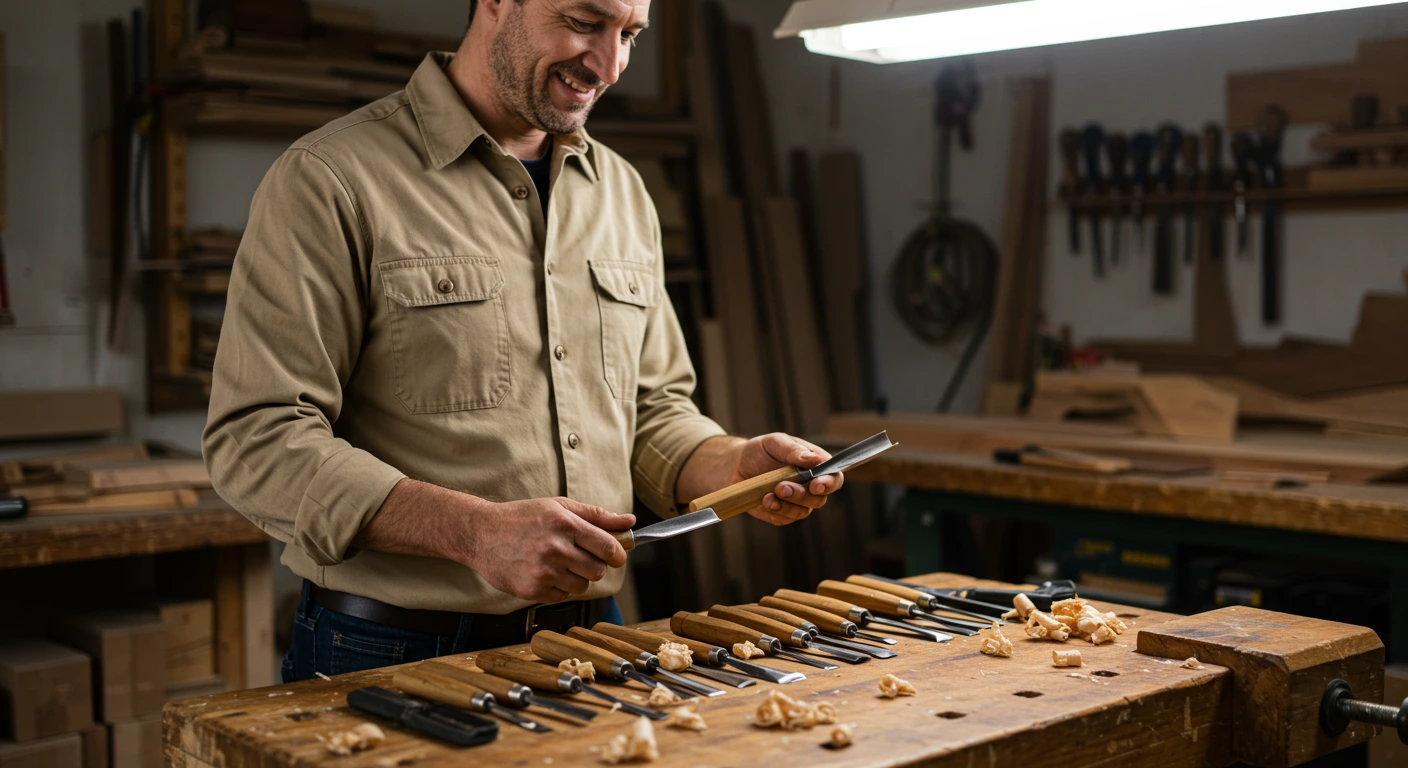
Every woodworker, whether a beginner or a seasoned expert, stands to benefit from having the right tools in their workshop. The collection of these tools not only enhances your skillset but also determines your efficiency and the quality of your projects. Achieving success in woodworking requires not just talent and creativity, but also the right equipment. Below is a must-have list of tools that every woodworker should prioritize.
Hand Tools
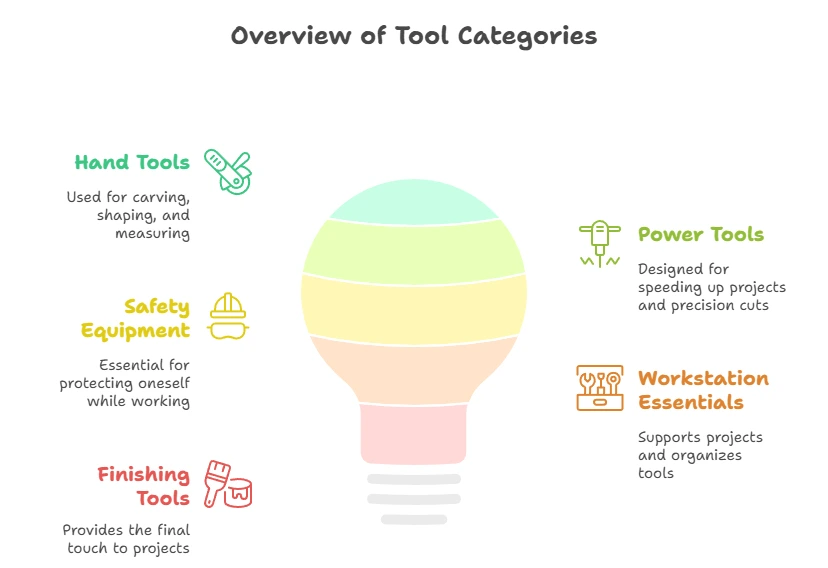
Hand tools are the backbone of any woodworking project. They offer precision and are usually more forgiving than their power counterparts, allowing for a finer touch.
- Chisels: Essential for carving and shaping wood, a good set of chisels with various sizes is vital.
- Saws: A selection of hand saws, including a coping saw for detailed cuts and a dovetail saw for joinery, is necessary.
- Clamps: To ensure pieces stay in place while you work, invest in a variety of clamps, such as bar clamps and quick-release clamps.
- Measuring Tools: A combination square, tape measure, and a marking gauge are crucial for accuracy.
Power Tools
Power tools speed up projects and allow for cuts and shapes that would be labor-intensive with hand tools alone.
- Table Saw: This is often considered the heart of a woodshop, making straight cuts fast and accurate.
- Router: Useful for hollowing out areas of wood, a router is perfect for adding decorative edges.
- Drill: A corded or cordless drill is essential for making holes and driving screws in a variety of materials.
- Bandsaw: Great for making curved cuts and resawing lumber for thinner pieces.
Safety Equipment
Your safety should never be compromised while woodworking. Essential safety equipment includes:
- Safety Glasses: Protect your eyes from wood dust and flying debris.
- Ear Protection: Many power tools generate noise that can damage your hearing, so earplugs or earmuffs are necessary.
- Dust Masks: A good dust mask can help avoid inhaling wood dust, which can be harmful over time.
Workstation Essentials
A well-organized and functional workstation enhances your woodworking experience:
- Workbench: A sturdy workbench provides a solid surface for your projects. Look for one with built-in vises for added convenience.
- Tool Storage: Quick access to your tools can save time. Consider tool chests or wall-mounted organizers.
Finishing Tools
When your project is complete, finishing tools help give your work that professional touch:
- Sanders: Both palm and random orbit sanders are great for smoothing surfaces and preparing them for finish.
- Brushes: Quality brushes for paint and varnish can significantly affect the final appearance of your project.
- Rags: Soft, lint-free rags are perfect for applying finishes.
| Tool Type | Purpose | Examples |
|---|---|---|
| Hand Tools | Carving, shaping, and measuring | Chisels, saws, clamps |
| Power Tools | Speeding up projects and precision cuts | Table saw, router, drill |
| Safety Equipment | Protecting yourself while working | Safety glasses, ear protection |
| Workstation Essentials | Supporting projects and organizing tools | Workbench, tool storage |
| Finishing Tools | Giving your project the final touch | Sanders, brushes, rags |
Investing in the right tools not only facilitates creativity but also ensures that your woodworking experience is both enjoyable and fulfilling. Whether you’re crafting a simple item or tackling a complex project, each tool listed will support your journey. For further tips and guidance on woodworking tools, explore resources at Wood Magazine or check out Popular Woodworking. Keep this list in mind as you grow your toolkit. Remember, the right tools can make all the difference in your woodworking journey, helping you create beautiful and lasting pieces.
The Importance of Choosing Quality Over Quantity in Woodworking Tools
When it comes to woodworking, the tools you choose play a crucial role in your projects. While it may be tempting to amass a collection of tools based on their popularity or low price, the importance of selecting quality over quantity cannot be overstated. High-quality tools not only improve the efficiency of your work but also enhance the quality of the final product.
One of the most significant advantages of investing in quality woodworking tools is their durability. Tools made from high-grade materials can withstand the rigors of daily use without wearing down quickly. For instance, a well-constructed hand plane will maintain its sharpness longer than its cheaper counterparts, allowing you to achieve smoother finishes with less effort. Therefore, spending a bit more initially can save you money and frustration in the long run.
The precision of your tools also significantly impacts your woodworking results. Cheap tools may not be manufactured with the same attention to detail, which can lead to inaccuracies in your cuts and measurements. Quality tools, on the other hand, are designed to work seamlessly with each other, ensuring that you achieve the desired results consistently. For example:
- Table saw: A high-end table saw provides better blade alignment and trueness, which leads to cleaner cuts and safer operation.
- Chisels: Quality chisels stay sharper longer and allow for cleaner and more precise carving.
- Drills: Premium drills tend to have better motor efficiency, providing more power and torque for difficult tasks.
Furthermore, using high-quality tools fosters a better user experience. When you work with tools that feel good in your hands and operate smoothly, your passion for woodworking grows. This satisfaction can spark creativity and encourage you to take on more complex projects. Imagine using a beautifully balanced chisel that fits your grip perfectly; you will likely feel more inspired to push your skills further.
Another essential point to consider is safety. Quality tools are built with safety features that lower the risk of accidents. They often come with better guards, ergonomic designs to reduce strain, and are made from sturdier materials that are less likely to break during use. Prioritizing safety is paramount, especially for those who are new to woodworking. Some quality brands that emphasize safety include DeWalt and Woodpeckers.
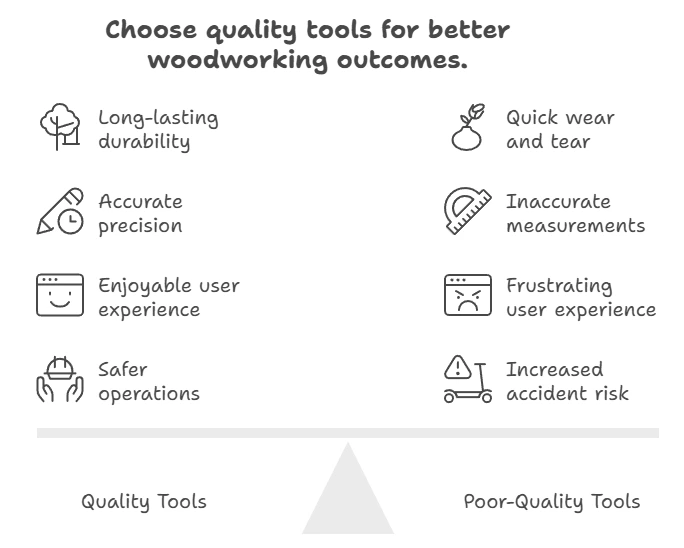
How Quality Influences Different Aspects of Woodworking Tools:
| Aspect | Quality Tools | Poor-Quality Tools |
|---|---|---|
| Durability | Long-lasting and able to withstand heavy use | Wear down quickly and need regular replacement |
| Precision | Accurate measurements and cuts every time | Inaccuracies causing flaws in projects |
| User Experience | More enjoyable and inspiring to use | Frustration and fatigue from poor handling |
| Safety | Designed for safer operations | Increased risk of accidents and injury |
It’s essential to remember that you don’t need a gigantic assortment of tools to succeed in woodworking. A few high-quality tools can often accomplish much more than a larger set of inferior ones. Focus on the essentials that will allow you to tackle most projects effectively. Tools such as a reliable circular saw, a precise miter saw, and an adjustable workbench can satisfy various needs without cluttering your workshop.
As you grow in your woodworking journey, consider gradually adding to your collection by investing in top-notch tools that complement your existing ones. Remember, quality tends to shine through in the details, so when you pick a tool, do some research and read reviews. Websites like Wood Magazine or Rockler can offer valuable insights on the best tools for your needs.
In essence, prioritizing quality woodworking tools over a vast collection of lesser ones positions you for success in your projects. Embrace the philosophy of quality over quantity, and you’ll find that your woodworking skills and achievements will flourish.
Innovative Woodworking Tools That Enhance Precision and Efficiency
For woodworkers striving for excellence, having the right tools can dramatically enhance both precision and efficiency. As the woodworking craft continues to evolve, innovative tools are setting the standard for performance. Here are some essential modern tools that can transform your woodworking experience.
Digital Calipers
Accurate measurements are vital in woodworking. Digital calipers offer precision down to 0.01 mm, making them ideal for measuring small dimensions for fine joinery. These tools are easy to read and often come with a large display, which helps avoid measurement errors. Look for options with a collapsible design for portability.
Laser Level
Traditional levels might leave room for error, but laser levels project a distributed beam across your work area. This tool makes leveling and aligning materials easy and accurate. It’s especially useful when installing cabinets or shelving, providing you with a clear visual aid to achieve perfect alignment.
Pocket Hole Jigs
Joining wood pieces can be tedious. A pocket hole jig simplifies this task by allowing you to create strong, hidden joints quickly. Most jigs come with adjustable spacing and drill bits that cater to different wood thicknesses. This tool minimizes visible fasteners, enhancing the aesthetic appeal of your woodworking projects.
Dust Collection Systems
Efficient dust collection is essential for both maintaining a clean workspace and ensuring your health. Modern dust collection systems are pre-equipped with powerful suction and versatile attachments. You can even connect them to your power tools to capture dust right at the source. This not only promotes a safer work area but also prolongs the life of your tools by preventing dust buildup.
Cordless Router
A cordless router provides excellent versatility for fine detail work such as edges and curves. This portability allows for ease of maneuverability around the workspace without worrying about tripping hazards due to cords. With various bits, you can easily create decorative edges, grooves, or profiles that elevate your woodwork.
Smart Tool Controllers
Smart technology has made its way into woodworking tools too. Smart tool controllers can adjust the speed and pressure of your equipment based on the material you are working with. This innovation enables you to maintain consistency and precision, lessening the chances of damaging your materials or tools.
Compact Router Table
If you do a lot of edge work or need to make consistent grooves, a compact router table is invaluable. Portable tables offer rigidity and stability, allowing you to use your router with much more efficiency. Many models have features like adjustable fences and miter slots, ensuring clean and even results each time.
3D Printing for Tool Parts
As the woodworking community continues to innovate, many woodworkers now use 3D printing technology to create custom tool parts or jigs. This allows for bespoke solutions that fit your specific needs without the long waits associated with ordering. From clamps to custom fixtures, 3D printing offers ultimate personalization and efficiency.
Tool Storage Solutions
Keeping your tools organized is key to enhancing your workflow. Invest in mobile tool storage units that can be easily moved around your workspace. These units often come with modular compartments and are ideal for organizing your hand tools, power tools, and accessories. Wood Magazine offers several tips on optimizing your tool storage.
These innovative woodworking tools into your shop not only saves time but also elevates the quality of your work. With advances like digital measurement and smart controllers, you can work more efficiently and accurately than ever before. Consider investing in these essentials to push your woodworking projects to new heights.
For a deeper dive into woodworking tools and their uses, explore additional resources such as Woodworkers Source Blog which provides in-depth reviews and insights.
Embrace technology in woodworking and watch your projects come to life with precision and flair!
Basic vs. Advanced Tools: What Woodworkers Need at Each Skill Level
Every woodworker, whether a beginner or a seasoned expert, needs the right tools to create beautiful projects. Understanding the difference between basic and advanced tools can help you make informed choices that suit your skill level.
Basic Tools for Beginners
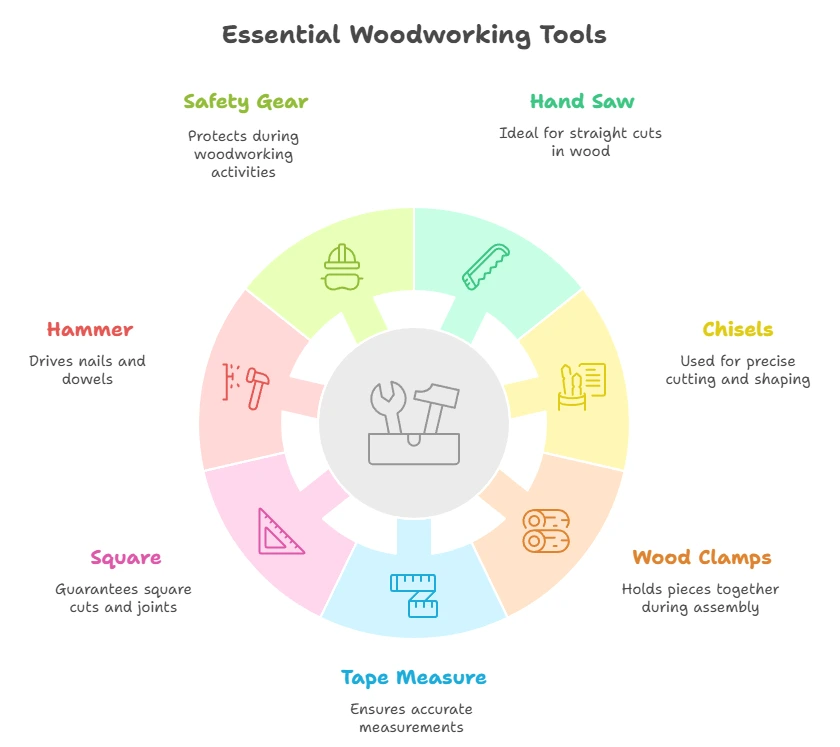
For those just starting in woodworking, having a solid set of basic tools is essential. These tools will equip you to tackle simple projects, develop your skills, and gain confidence.
- Hand Saw: A quality hand saw is a must-have for making straight cuts in wood. It’s affordable and easy to use.
- Chisels: A basic set of chisels (1/4”, 1/2”, 3/4”) will help you with precise cutting and shaping of wood.
- Wood Clamps: Clamps hold your pieces together during assembly or glue drying, ensuring accuracy. Different sizes may be needed as you progress.
- Tape Measure: Accurate measurements are crucial in woodworking, making a reliable tape measure a priority for your toolkit.
- Square: A combination square helps ensure your cuts and joints are perfectly square. It’s a vital tool for layout and measurement.
- Hammer: A reliable hammer allows you to drive nails and dowels into your projects. Choosing one that fits comfortably in your hand will make a difference.
- Safety Gear: Never skip on safety! Basic gear includes safety glasses and ear protection to keep you safe while you work.
These basic tools provide a foundation for skill development in woodworking. They enable you to start small projects such as birdhouses, simple shelves, or picture frames.
Advanced Tools for Experienced Woodworkers
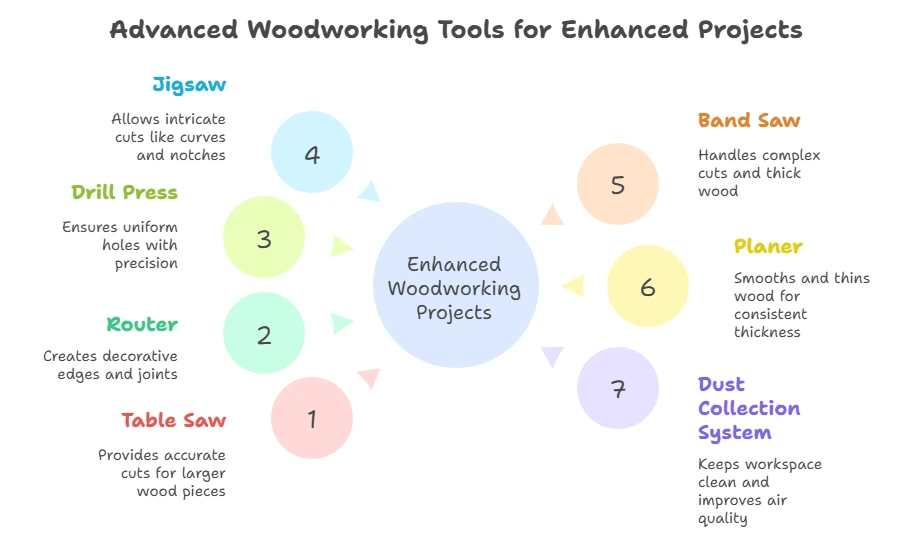
As your skills evolve, investing in advanced tools can enhance your capabilities and expand your project scope. Here’s a look at essential advanced tools that can level up your woodworking game.
- Table Saw: A table saw is one of the most crucial tools for making accurate cuts and is suitable for larger pieces of wood.
- Router: This power tool can create decorative edges, grooves, and joints, adding flair to your projects.
- Drill Press: A drill press provides uniform holes and improved precision compared to handheld drills.
- Jigsaw: A jigsaw allows you to make intricate cuts, such as curves or notches, that hand saws cannot accomplish.
- Band Saw: Essential for making complex cuts, band saws can handle thick wood and soft curves with ease.
- Planer: A planer helps smooth and thin down boards to achieve a consistent thickness throughout your wood pieces.
- Dust Collection System: Keeping your workspace clean is vital. A dust collection system or effective shop vac will improve safety and air quality.
With these advanced tools at your disposal, you can undertake complex projects like furniture building, cabinetry, or intricate carvings.
Choosing the Right Tools for Your Skill Level
When selecting tools, consider your current skill level and the type of projects you wish to pursue. Focus on quality over quantity; a few high-quality tools can often serve better than a large number of low-quality alternatives. Don’t hesitate to invest in tools as you advance in your woodworking journey. Resources like Woodworkers Source provide great insights into the essential tools for every woodworker.
Staying informed about evolving tools is crucial. Numerous online forums and communities can help you connect with experienced woodworkers who can share their insights and recommendations for your toolkit. Sites like Woodworking Talk offer extensive knowledge, tips, and discussions regarding woodworking tools and techniques.
Ultimately, woodworking is about creativity and craftsmanship. Ensure your toolbox evolves as you develop your skills, making your projects more efficient and enjoyable. Happy woodworking!
Safety Equipment and Tools Every Woodworker Should Prioritize
As a woodworker, prioritizing safety is essential to protect yourself from potential hazards in the workshop. With sharp tools, heavy machinery, and fine dust, having the right safety equipment can make a significant difference. Here’s a guide on the important safety equipment and tools you should consider having in your workspace.
Essential Safety Gear

Your first line of defense in any woodworking project is personal safety gear. Here’s a list of must-have safety equipment:
- Safety Glasses: Protect your eyes from flying debris. Choose lenses that are durable and provide a snug fit.
- Hearing Protection: Prolonged exposure to loud machinery can damage your hearing. Earplugs or noise-canceling headphones are essential.
- Dust Masks or Respirators: Prevent inhalation of wood dust and other harmful particles. Opt for a respirator with a good seal around the face.
- Gloves: Protect your hands from splinters, chemicals, and cuts. Use cut-resistant gloves for added safety while handling sharp tools.
- Steel-Toed Boots: These offer protection if heavy materials are dropped on your feet, providing both comfort and safety.
Workstation Safety Tools
Creating a safe environment at your workstation is crucial. Some tools you should incorporate include:
- Fire Extinguisher: Keep a fire extinguisher rated for wood and electrical fires within reach in case of emergencies.
- First Aid Kit: Always have a stocked first aid kit nearby to address minor injuries immediately.
- Anti-Fatigue Mats: These mats can reduce fatigue when standing for long periods, which can improve overall safety.
Power Tools Safety Precautions
When using power tools, extra caution is necessary. Here’s how to stay safe while using them:
- Table Saw Safety Guard: Always use a blade guard on your table saw to prevent accidental injuries.
- Push Sticks: Utilize push sticks or blocks to keep your fingers away from the saw blade while cutting narrow pieces.
- Router Table Fence: Make sure to have a safety fence installed to guide your work and avoid slips.
- Emergency Stop Switch: Install an emergency stop switch on your machinery for quick shutdown during unexpected situations.
Maintenance and Awareness
It is not only about the tools you have but also how you use them. Regular maintenance is vital. Here are some tips:
- Regular Inspection: Check tools for wear and tear. Replace blades and bits regularly to maintain efficiency.
- Organized Workspace: Keep your workspace tidy to avoid accidents. Store tools properly when not in use.
- Stay Educated: Attend workshops or courses on safety practices to stay updated on the best methods.
Resources for Woodworking Safety Information
For additional information on safety standards and equipment, consider visiting the following resources:
- Woodworking Network – A comprehensive source for woodworking news and safety tips.
- Wood Magazine – Offers articles and guides on woodworking tools and safety practices.
- Rockler – Features a variety of safety gear and woodworking supplies.
Focusing on safety in your woodworking practices is crucial for a productive and enjoyable experience. Equip yourself with the right protective gear and tools, maintain your workspace, and stay informed on safety practices. This not only protects you but enhances your overall crafting skills. Remember, woodworking should be both enjoyable and safe.
Conclusion
Every woodworker’s journey begins with a solid toolkit, and understanding the tools you truly need is essential for success. Selecting quality over quantity not only enhances your craftsmanship but also saves you money in the long run. Investing in durable and reliable tools ensures that each project is completed with precision and efficiency, allowing your creativity to shine through without the hindrance of faulty equipment.
As you progress in your woodworking skills, the distinction between basic and advanced tools becomes clearer. Beginners can benefit greatly from essential hand tools like a tape measure, square, and a good set of chisels, while advanced woodworkers may explore innovative options like laser cutters or CNC machines that elevate their projects to the next level. Always remember, as your skills develop, your toolkit should evolve too.
Equally important is the emphasis on safety. Prioritizing safety equipment, such as goggles, ear protection, and dust masks, is crucial. This not only protects you but ensures a productive environment where creativity can flourish without the worry of injury.
By understanding the essential woodworking tools and following the principles of quality, innovation, and safety, you can craft remarkable pieces with confidence. Embrace the tools that resonate with your style, and let them inspire you to create beautiful wooden works that will stand the test of time. Happiness in woodworking comes from not only the projects you complete but also from the experience and safety of the process itself. So gather your tools, practice your craft, and let your passion for woodworking flourish.