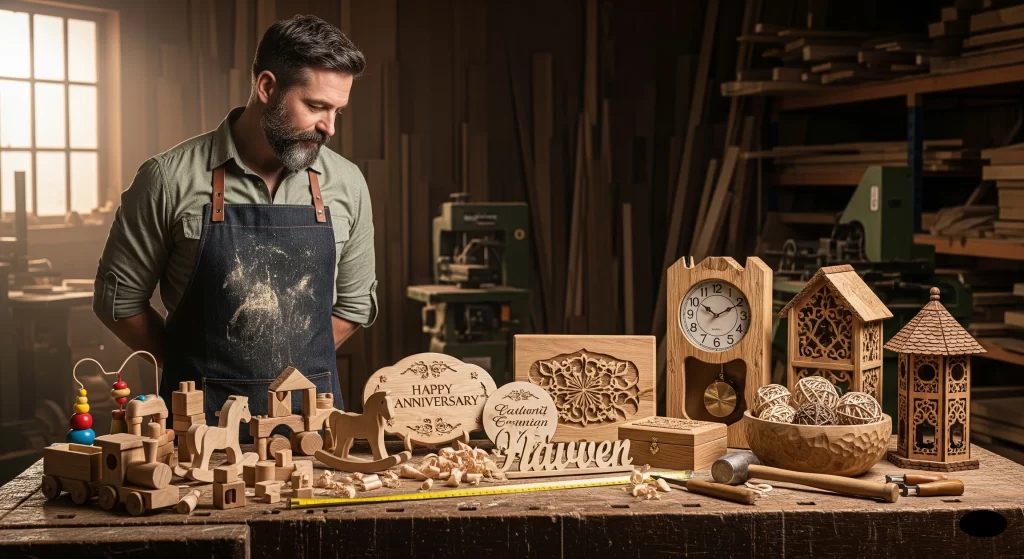
Are you passionate about woodworking and looking to turn your hobby into a profitable venture? The world of woodworking offers various paths, and finding the most profitable type can depend on your skills and market demand. Let’s explore some of the most lucrative woodworking niches to help you identify the right fit for your talents.
Custom Furniture Making
One of the most profitable avenues in woodworking is custom furniture making. People are always in search of unique pieces that reflect their personal style. Specializing in custom furniture allows you to:
- Create one-of-a-kind designs that meet customer specifications.
- Use quality materials to increase perceived value.
- Charge premium prices for personalized service.
This niche not only allows for creative expression but also has high potential for profit. Buyers are often willing to pay a higher price for items that are tailored to their specific needs.
Woodworking for Home Décor
Home décor items such as shelves, wall art, and decorative furniture can also be very profitable. Consider these aspects:
- Smaller items, like decorative shelves, can be made quickly and sold frequently.
- Trends in home décor shift often, leading to repeated sales when using popular styles.
- Online marketplaces allow you to reach a wider audience for your products.
With a blend of creativity and an eye for trends, woodworking for home décor can significantly boost your income.
Wooden Toys
Wooden toys are making a comeback in a big way. Parents are interested in eco-friendly, durable, and unique toys that stand out from mass-produced items. Key benefits of woodworking wooden toys include:
- Appeal to parents looking for safe, non-toxic play options.
- Ability to set your brand apart by offering customizable toys.
- Strong potential for market demand, focused on child safety and sustainability.
This segment not only promotes sustainability but also allows you to cater to a dedicated market of eco-conscious consumers.
Outdoor Woodworking Projects
Outdoor woodworking projects can be incredibly profitable due to their high demand in residential areas. Popular items include:
- Patio furniture
- Garden planters
- Decking and fencing solutions
People are looking to enhance their outdoor living spaces, creating opportunities for craftsmen. The durability and longevity of outdoor furniture can also lead to repeat customers for maintenance or additional projects.
Specialized Woodworking Services
If you have specialized skills, such as cabinetry or musical instrument making, you can often command a higher rate for your work. These services often include:
- Cabinet installation and design
- Custom cabinetry for kitchens and bathrooms
- Repair and restoration of antique pieces
Investing in learning specialized techniques may initially take time, but it can open doors to higher profit margins.
The Role of Online Sales
Another crucial aspect of maximizing your woodworking profits is your sales strategy. Online platforms can significantly enhance your reach. Selling through websites like Etsy or your own online store can help you tap into larger customer bases. Consider the following:
- Setting up an online portfolio to showcase your work.
- Using social media platforms for marketing and connecting with potential clients.
- Investing in SEO strategies for your website to drive organic traffic.
To get more insights into woodworking profit strategies, check out resources from Woodworkers Source or Wood Magazine.
Remember, the key to success in woodworking lies in blending passion with market needs. By aligning your skills with opportunities in these profitable woodworking niches, you’ll be better positioned to earn a sustainable income while doing what you love.
Top Business Ideas for Woodworkers in Today’s Market
Woodworking is more than just a craft; it can also be a profitable business venture. As the market for handmade and unique items continues to grow, woodworkers can tap into various niches that increase their chances of making a sustainable income. Here are some top business ideas for woodworkers in today’s market.
Custom Furniture Making
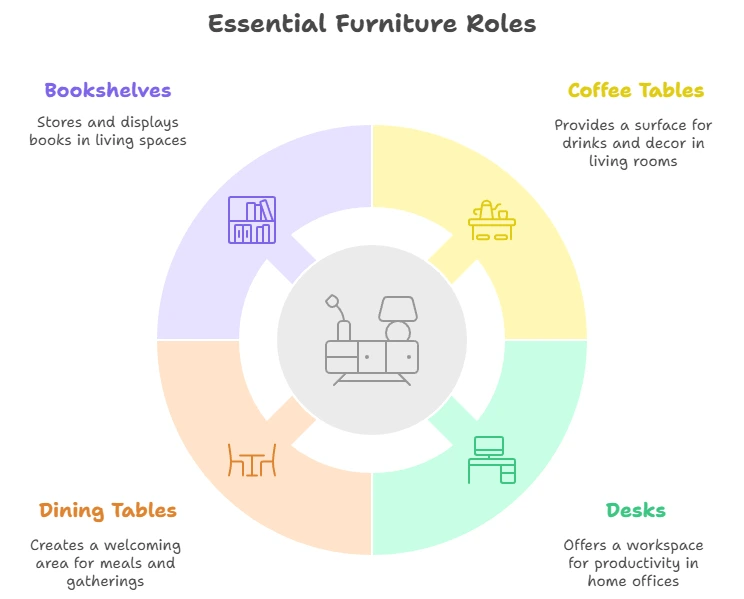
With homeowners looking for unique pieces that match their personal style, custom furniture making is a lucrative option. Clients are willing to pay a premium for tailored items such as:
- Coffee tables
- Desks
- Dining tables
- Bookshelves
To succeed, develop a strong portfolio showcasing your designs and craftsmanship. Utilize social media platforms like Instagram to attract potential clients.
Home Decor Items
Another profitable woodworking niche is creating home decor items. Products can range from simple wooden signs to elaborate wall art. Here are some ideas:
- Wooden signs with personalized messages
- Decorative coasters
- Wooden candle holders
- Picture frames
These items often sell well at craft fairs and online marketplaces like Etsy. Focus on seasonal or trending designs to keep your offerings fresh and appealing.
Outdoor Furniture and Accessories
As more people invest in their outdoor spaces, offering outdoor furniture and accessories can be especially profitable. Items to consider making include:
- Patio chairs and tables
- Garden benches
- Birdhouses
- Planters
Materials used for outdoor products should be durable and weather-resistant. Promoting these items can be done through landscaping businesses or local gardening clubs.
Woodworking Workshops
If you have a passion for teaching, consider starting woodworking workshops. This involves sharing your skills and expertise with others, while also creating an additional income stream. Workshops can cover a variety of topics, such as:
- Basic woodworking techniques
- Advanced joinery methods
- Furniture making
Hosting workshops can attract a broad audience, from beginners to experienced DIY enthusiasts. Local community centers or craft stores may offer space to conduct these classes.
Personalized Gifts
Personalized gifts always attract buyers, especially during holidays and special occasions. Items that can be customized include:
- Engraved cutting boards
- Monogrammed picture frames
- Customized wooden toys for children
By utilizing an engraving machine or by hand-carving, you can add a unique touch to your products. Websites like Personalization Mall can provide inspiration and additional market reach.
Furniture Restoration and Upcycling
With sustainability becoming a bigger trend, furniture restoration and upcycling are not only eco-friendly, but they’re also a great business opportunity. Transform old furniture into stunning new pieces by:
- Refinishing surfaces
- Reupholstering seats
- Adding modern hardware
This business idea also appeals to buyers looking for unique and history-rich items that carry stories of their own. You can list your restored pieces on local classified sites or online marketplaces.
Online Sales and Marketplaces
Last but not least, selling your products online can greatly expand your reach. Platforms like Amazon Handmade and ArtFire provide artisan-focused spaces to sell your creations. By combining high-quality photos with effective digital marketing strategies, you can enhance visibility and boost sales.
Woodworking offers a wealth of business opportunities. By focusing on your strengths and capitalizing on current market trends, you can establish a successful venture that brings your passion to the forefront. Make sure to research each niche thoroughly and develop a brand that resonates with your chosen audience.
Essential Tools for Making Profitable Woodworking Projects
If you’re diving into the world of woodworking, having the right tools can make a significant difference in both your experience and your profitability. Certain essential tools can help you create beautiful projects efficiently. Whether you’re crafting furniture, cabinetry, or decorative items, setting up a good workstation with the right equipment is key. Here’s a rundown of the essential tools that can help you start making profitable woodworking projects.
Basic Hand Tools
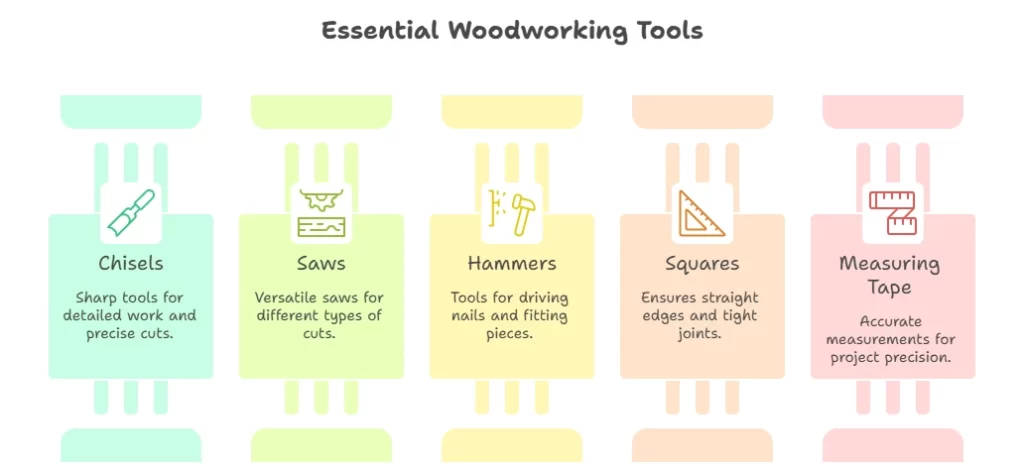
Often overlooked but crucial, basic hand tools can aid in fine woodworking. Here are some must-have items:
- Chisels: Sharp chisels are vital for detailed work and precise cuts. They can help you shape wood and make joints.
- Saws: A handsaw, coping saw, and a jigsaw are handy for different types of cuts.
- Hammers: Claw hammers or mallets are necessary for driving nails and fitting pieces together.
- Squares: A combination square ensures your edges are straight and joints are tight.
- Measuring Tape: Accurate measurements are essential for any woodworking project.
Power Tools
For those projects requiring fast and accurate results, power tools are worth the investment. Here are several essential power tools for woodworking:
- Router: A router lets you hollow out or shape wood edges, making it perfect for decorative work.
- Table Saw: This tool provides straight and repeatable cuts, essential for larger projects.
- Miter Saw: Ideal for making angled cuts, especially for framing and trim.
- Bandsaw: A versatile tool that allows for intricate curves and detailed work.
- Drill/Driver: A key tool for creating holes, this one helps you secure pieces together easily.
Finishing Tools
The finishing phase of your woodworking project plays a crucial role in its marketability. Invest in tools that enhance the final look:
- Sanders: Different types of sanders, like belt sanders and orbital sanders, help you smooth surfaces quickly.
- Paint Sprayers: Achieve a professional finish with less effort than traditional brushes or rollers.
- Finishing Brushes: High-quality brushes for applying stains and sealants can enhance your work’s aesthetic appeal.
Safety Equipment
Alongside quality tools, prioritize safety in your workshop. Here’s a list of essential safety equipment:
- Safety Glasses: Protect your eyes from debris while working.
- Dust Masks: Keep your lungs safe from fine particles and wood dust.
- Ear Protection: Use earplugs or earmuffs to protect your hearing when using loud machinery.
- Gloves: Keep your hands safe from cuts and splinters.
Organizational Tools
Keeping your workspace organized is vital for efficiency. Consider the following:
- Toolboxes: Invest in sturdy toolboxes to store smaller tools and supplies.
- Workbench: A solid, stable workbench helps you perform tasks with ease.
- Shelving: Wall-mounted shelves can help keep your workshop tidy.
Invest in Quality
While it might be tempting to buy the cheapest option, high-quality tools typically offer better performance and longer life. Plan your purchases carefully, and consider your most frequent projects to prioritize which tools you’ll need most.
Starting your woodworking journey requires investment in the right tools. Focus on acquiring essential gear that will allow you to expand your skills while also maximizing profitability. As you grow, tools will help you tackle more complex projects, opening up opportunities for earning.
For more detailed insights or to purchase tools, consider checking out Woodcraft and Rockler. They offer a variety of options that can fit both novice and expert woodworkers. Don’t forget to explore community forums or local woodworking clubs to gain invaluable knowledge and tips!
How to Market Your Woodworking Business Effectively
Marketing your woodworking business effectively is essential to stand out in a competitive market. By employing various strategies tailored to your unique offerings, you can attract more customers and increase your sales. Here are several ways to promote your woodworking skills and products successfully.
Identify Your Target Audience
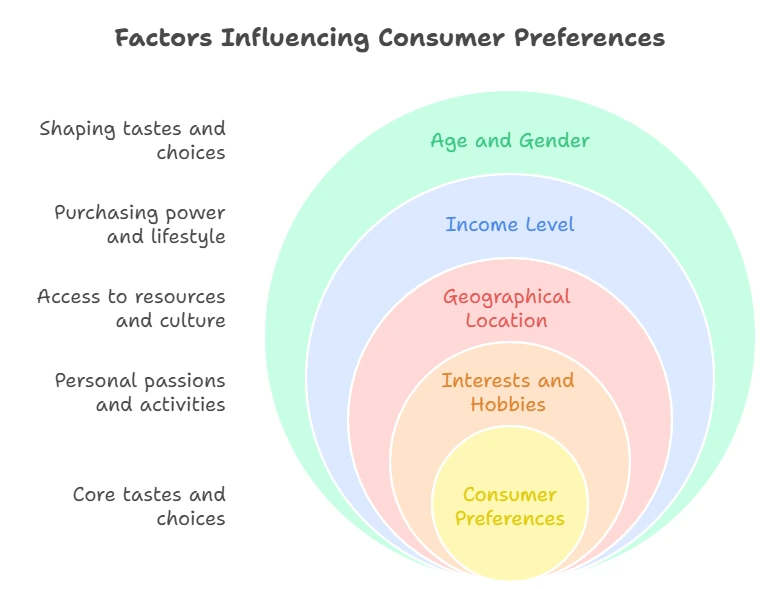
Before you can market your woodworking business, it’s crucial to understand who your customers are. Consider the following demographics:
- Age
- Gender
- Income level
- Geographical location
- Interests and hobbies
Knowing your audience helps tailor your marketing efforts effectively. For example, if you specialize in high-end furniture, you may want to target homeowners with disposable income who appreciate craftsmanship.
Establish an Online Presence
In today’s digital age, having an online presence is non-negotiable. Here are some strategies to consider:
- Create a Professional Website: This serves as your digital storefront where potential customers can view your portfolio and contact you.
- Utilize Social Media: Platforms like Instagram and Pinterest are visually driven and allow you to showcase your finished projects. Engaging with followers can foster relationships with potential buyers.
- Start a Blog: Sharing woodworking tips, project ideas, and how-to guides can position you as an expert in your field. It also improves your SEO, making it easier for people to find you online.
Leverage Local Marketing Strategies
Even if your business operates primarily online, don’t overlook local marketing:
- Participate in Craft Fairs and Markets: Showcasing your work at local events allows you to meet potential customers and get instant feedback.
- Collaborate with Local Businesses: Partnering with interior designers or real estate agents can help you reach a wider audience.
- Offer Workshops: Teaching woodworking skills can attract local enthusiasts and showcase your expertise.
Utilize SEO Tactics
Search Engine Optimization (SEO) is crucial for driving organic traffic. Consider optimizing the following:
- Keywords: Research and incorporate relevant keywords throughout your website and blog. Terms like “custom furniture” or “handcrafted woodworking” can enhance your visibility.
- Meta Descriptions: Include clear and compelling meta descriptions to improve click-through rates.
- Backlinks: Aim to get featured on reputable woodworking blogs or related websites to increase your online authority.
Focus on Customer Engagement
Building a loyal customer base is more cost-effective than acquiring new customers:
- Send Newsletters: Regular updates can keep your audience engaged with new products and special deals.
- Request Reviews: Positive testimonials boost credibility and can encourage potential customers to make a purchase.
- Encourage User-Generated Content: Asking customers to share photos of your products in their homes can amplify your reach through social media.
Consider Paid Advertising
While organic strategies are effective, paid advertising can yield quicker results. Options include:
- Google Ads: Target specific keywords to reach potential customers actively searching for woodworking services.
- Social Media Ads: Platforms like Facebook and Instagram allow you to create targeted ads based on interests and behaviors.
Utilize Analytics to Improve Strategies
Tracking your marketing efforts will help you understand what works and what doesn’t:
- Website Analytics: Monitor visitor behavior and adjust your marketing efforts accordingly.
- Social Media Insights: Keep an eye on engagement rates to see which types of posts resonate with your audience.
Implementing these marketing strategies can take your woodworking business to new heights. For further reading on effective marketing techniques, you can visit Wood Magazine and Woodworker’s Source Blog. Each platform offers valuable insights to help you enhance your woodworking business.
Understanding Pricing Strategies for Woodworking Products
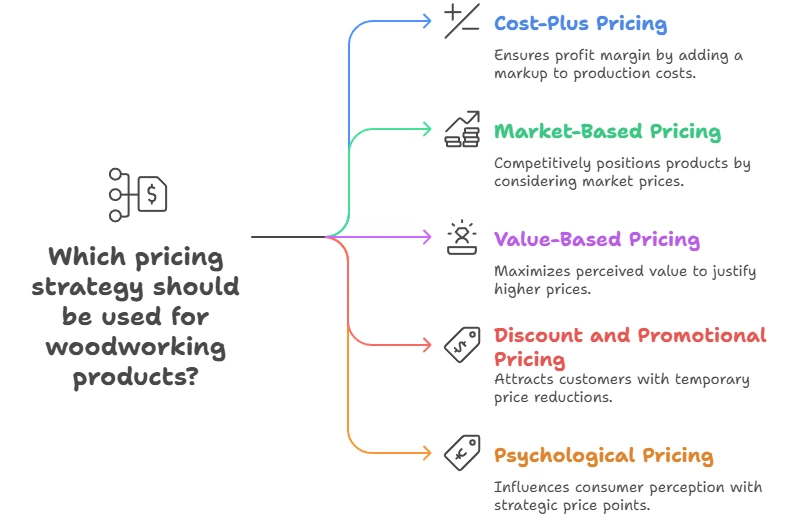
In the world of woodworking, understanding how to price your products effectively is essential for running a successful business. Many factors come into play when determining the right pricing strategy for your woodworking creations. Here are some critical components to consider to ensure your pricing aligns with market expectations and covers your business costs.
Cost-Plus Pricing
Cost-plus pricing is one of the most straightforward strategies. You calculate the total cost of materials, labor, and overhead, then add a markup percentage. This method ensures you cover all expenses while providing a profit margin.
To establish this pricing model, follow these steps:
- Calculate all material costs.
- Determine labor costs based on hours worked.
- Add any overhead, such as rent and utilities.
- apply a markup percentage to generate profit.
Market-Based Pricing
This strategy involves researching the prices of similar woodworking products in your area or online. Understanding what competitors charge can help you set a competitive price point. Consider the following:
- Identify your main competitors.
- Analyze the quality of their products.
- Look at customer reviews to understand perceived value.
- Adjust your pricing based on your unique selling proposition.
Value-Based Pricing
Value-based pricing centers around how much your customers are willing to pay for the value your product provides. To implement value-based pricing effectively, you need to communicate the unique benefits of your woodworking items clearly. Consider these strategies:
- Highlight the craftsmanship and quality materials used.
- Emphasize unique design features that set your products apart.
- Showcase testimonials that reflect customer satisfaction.
- Create a strong brand identity that resonates with your target market.
Discount and Promotional Pricing
Offering discounts or promotional pricing can help attract customers, especially during slow sales periods or seasonal events. However, be cautious with this strategy to avoid devaluing your products. Here are some approaches:
- Seasonal sales to coincide with holidays or local events.
- Promotions for first-time buyers or referrals.
- Bundle pricing for multiple products to encourage larger purchases.
Psychological Pricing
Psychological pricing takes consumer psychology into account. It involves setting prices just below a round number to make them appear less expensive. For example, pricing an item at $99.99 instead of $100 can affect purchasing decisions. Other strategies include:
- Using charm pricing, such as $19.95 instead of $20.00.
- Creating a pricing structure that clearly shows value tiers.
- Employing prestige pricing for high-end or luxury items.
List of Common Wooden Products and Average Pricing
| Product | Average Price |
|---|---|
| Coffee Table | $300 |
| Bookshelves | $150 |
| Picture Frames | $20 |
| Cutting Boards | $40 |
As you consider your pricing strategies, remember that flexibility is essential. Monitor your sales and be willing to adjust your prices based on market feedback. Conducting regular analyses and listening to customer feedback can guide you in setting and refining your pricing strategies.
It’s also helpful to keep learning from resources specific to woodworking. Websites like Wood Magazine and Popular Woodworking offer insights into trends and pricing that can aid in your business decisions.
Effective pricing strategies for woodworking products not only require understanding costs but also empathy for customers. Establishing the right balance between profitability and value will help you build a loyal customer base and a successful woodworking business.
Conclusion
Choosing the most profitable type of woodworking requires a balanced blend of your skills, market demand, and creativity. By exploring various business ideas such as custom furniture, home decor, and outdoor projects, you can identify the niche that resonates with your passion and expertise. As you delve into woodworking, investing in essential tools will set the foundation for high-quality work, enabling you to elevate your projects and expand your offerings.
Marketing your woodworking business effectively is crucial for attracting customers. Utilizing social media, online marketplaces, and local craft fairs can help you showcase your unique creations and connect with potential clients. Craft a compelling brand story that reflects your style and values, making it easier for customers to relate to your work. Meanwhile, understanding pricing strategies is key to maintaining profitability. Determine the value of your craftsmanship and consider your materials, time, and expenses when setting prices.
Remember, the woodworking journey is not just about creating beautiful pieces but also about running a sustainable business. By aligning your skills with current market trends and effectively engaging with your audience, you can ensure long-term success. Embrace experimentation and don’t hesitate to adapt your strategies as trends evolve. By continuously honing your craft and refining your business approach, you can confidently carve out your niche in the woodworking industry, leading to profitable and fulfilling outcomes.