
Woodworking can be a rewarding hobby or profession, but it is essential to consider its disadvantages as well. This craft involves working with wood to create beautiful and functional items, from furniture to art pieces. However, it comes with certain challenges that can affect anyone interested in this project-based activity. What Are the Disadvantages of Woodworking? A closer look is necessary to understand the full scope.
High Initial Costs
One major drawback of woodworking is the high initial investment required. Getting started in woodworking typically involves:
- Tools: Quality tools can be expensive. Saws, drills, and sanders are just the beginning.
- Materials: Good quality wood can cost a lot, especially hardwoods.
- Workspace: Creating a dedicated space can require additional expenses for safety and storage.
This initial financial burden can discourage many budding woodworkers from pursuing their passion.
Time-Consuming Process
Woodworking is not a quick task. The process involves multiple stages, each requiring time and patience:
- Planning: Designing a project and selecting materials can take significant time.
- Building: Constructing your piece requires precision, often involving hours of labor.
- Finishing: Sanding and applying finishes can also add to the total time spent.
For those with a busy schedule, finding the time to dedicate to this craft can be a significant hurdle.
Safety Risks
Woodworking does come with various safety risks, which can lead to serious injuries. The use of sharp tools and heavy machinery requires a high level of skill and caution. Potential hazards include:
- Cuts: Hands can easily slip, causing serious cuts and injuries.
- Falling objects: Heavy pieces of wood can cause injuries if they fall.
- Inhalation hazards: Dust created during sanding can lead to respiratory issues if proper protective gear isn’t used.
Ensuring safety practices are followed is crucial but can be an added stressor for beginners.
Physical Strain
Woodworking can also be physically demanding. Activities like lifting heavy boards, standing for long periods, and repetitive motions can lead to fatigue. Over time, this strain can result in:
- Back pain: Improper lifting techniques can lead to back injuries.
- Joint issues: Repetitive motions may result in joint strain, particularly in the fingers and wrists.
Those who engage in woodworking without considering their physical health may face long-term health issues.
Space Requirements
Another significant disadvantage is the need for space. Woodworking requires enough room to store tools, materials, and completed projects. A small area can lead to:
- Clutter: Limited space can create a disorganized workspace, which can hinder productivity.
- Inability to work on larger projects: Large items such as furniture need ample space to construct and store.
Finding a suitable space can be challenging and often limits the type of projects one can undertake.
Environmental Impact
Woodworking has an environmental footprint, particularly when it involves cutting down trees for lumber. Unsustainable practices can lead to:
- Deforestation: Excessive logging impacts ecosystems and biodiversity.
- Waste generation: Offcuts and sawdust can contribute to landfill waste if not reused or recycled.
It’s crucial for woodworkers to source materials responsibly, which can sometimes be difficult or expensive. While woodworking offers an array of benefits such as creativity, skill development, and a sense of accomplishment, it’s essential to be conscious of its disadvantages. Understanding the economic, physical, and environmental implications can help you make informed decisions about whether this craft aligns with your lifestyle and values. For more information on woodworking and best practices, you may consider visiting Wood Magazine or Woodworkers Journal.
Safety Risks in Woodworking and How to Mitigate Them
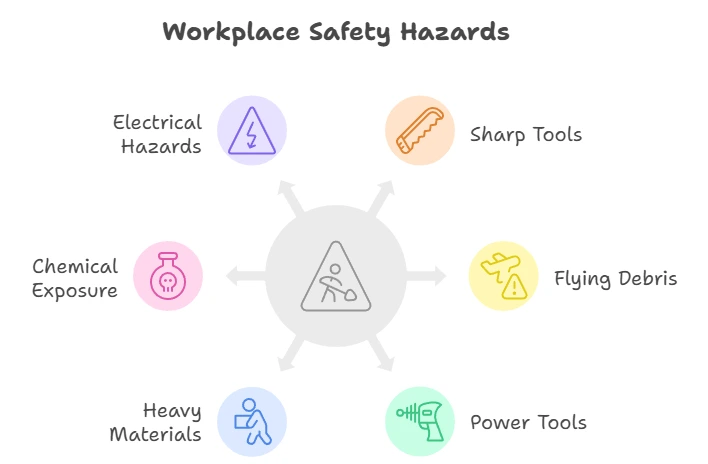
Woodworking is an art that many people love. However, it comes with its own set of safety risks. Understanding these risks and knowing how to avoid them is crucial. Here are common safety risks in woodworking and effective ways to mitigate them.
Sharp Tools
One of the biggest threats you face is the use of sharp tools. Saws, chisels, and blades can cause severe injuries if mishandled. Always keep your tools sharp, as dull tools require more force and can slip more easily. To use sharp tools safely, follow these tips:
- Always wear protective gloves.
- Use tools while keeping your body at a safe distance from the blade.
- Maintain focus. Avoid distractions to prevent accidents.
Flying Debris
Another concern in woodworking is the risk of flying debris. Dust, wood chips, and splinters can injure your eyes or skin. To protect yourself, always wear safety goggles and a dust mask. Here’s how to minimize debris:
- Set up an efficient workspace. Keep it clean and organized.
- Use dust extraction systems when possible.
- Make sure tools do not produce excessive debris during operations.
Power Tools
Power tools present unique hazards as well. When not used correctly, they can lead to serious accidents. Here are steps to use power tools safely:
- Read and understand the user manual of each tool. Check out Woodworking Tips for more safety advice.
- Ensure that tools have safety features like blade guards in place.
- Unplug tools when changing blades or making adjustments.
Heavy Materials
Another potential danger is working with heavy materials. Lifting and moving heavy woods without proper technique can lead to back injuries. Always lift with your legs, not your back. If an item is too heavy, use a cart or ask for help. Additionally, you can:
- Keep paths clear to move materials safely.
- Store heavy items at waist height to minimize lifting strain.
Chemical Exposure
Exposure to chemicals in certain finishes and adhesives can also be hazardous. Fumes from varnishes, stains, and solvents can cause respiratory issues. Here are steps to reduce exposure:
- Work in well-ventilated areas.
- Use respirators or masks designed for chemical exposure.
- Choose low-VOC (Volatile Organic Compound) products when possible.
Electrical Hazards
Electrical hazards are another risk in woodworking, especially when using power tools. Faulty wiring or improper grounding can lead to shocks. To prevent electrical accidents:
- Check cords and plugs for wear before each use.
- Always use tools with a Ground Fault Circuit Interrupter (GFCI).
- Keep liquids away from electrical equipment.
Accident Preparedness
In case of an accident, having a first aid kit handy is essential. Accidents can happen even when taking precautions. Make sure your first aid kit contains:
- Gauze and band-aids for cuts
- Antiseptic wipes to clean wounds
- Eye wash solution for eye injuries
Regular training on safety procedures can significantly reduce the risk of accidents. Consider enrolling in woodworking safety classes or workshops. Websites like Woodworker’s Source offer valuable resources for safety training. By being aware of the common risks in woodworking and implementing safety measures, you can enjoy this rewarding hobby while minimizing hazards. Keeping your workspace organized, using the right protective gear, and understanding your tools are key practices that will lead to a safer woodworking experience.
The Financial Costs Associated with Woodworking Projects
Woodworking can be a rewarding hobby or profession that allows you to create beautiful and functional items. However, before you dive into your next project, it’s essential to understand the financial implications involved. Costs can quickly add up from the very beginning, potentially impacting your overall experience.
Initial Setup Costs
The first expense you will encounter in woodworking is the initial setup. This can vary widely, but here’s a general breakdown:
- Tools: Depending on the type of woodworking you plan to pursue, your tool costs can range from a few hundred to several thousand dollars. Basic hand tools may start around $100, while a full set of power tools can easily exceed $2,000.
- Materials: The type of wood you choose influences your budget significantly. Hardwoods, such as oak or maple, can be pricier than softwoods like pine. Expect to pay anywhere from $1 to $10 per board foot.
- Workplace Setup: You may need to consider investing in a workbench, storage for tools, and safety gear. This can add several hundred dollars to your initial setup costs.
Material Costs
Once you have set up your space, the recurring costs of materials can become another financial hurdle. Depending on the design and quality of your projects, these expenses can vary significantly:
- Wood Types: Choosing premium woods will greatly increase your expenses. Commonly used hardwoods can range from $5 to $15 per board foot, while plywood and softwoods are generally more affordable.
- Finishes & Adhesives: Paints, stains, and varnishes can also add up quickly. Expect to pay $20 to $50 for quality finishing products, and an additional $10 for adhesives.
Maintenance and Repair Costs
Your tools require maintenance to stay in top shape. Here’s what you should keep in mind:
- Sharpening Tools: Regularly sharpening bits and knives requires investment in tools and equipment, sometimes costing $50 or more per tool.
- Tool Replacement: Over time, some tools may wear out, leading to unexpected replacement costs. For example, the cost of a table saw blade can range from $20 to $200, depending on quality.
Space and Utility Costs
Setup costs can also escalate based on the workspace you choose. Here are some things to think about:
- Space Requirements: If you lack sufficient space at home, renting workshop space can be another financial burden. This can cost from $100 to $500 a month, depending on location and facilities.
- Utilities: Running power tools can lead to higher electricity bills. Ensure you budget for this, especially if you work frequently on multiple projects.
Learning and Skill Development Costs
If you are new to woodworking, investing in your skill development is essential. Here are some potential costs to consider:
- Classes: Taking woodworking classes can range anywhere from $50 to over $300, depending on the instructor and depth of knowledge.
- Books and Online Resources: While many resources are available for free, some premium content can be behind paywalls. Set aside $30 to $100 for quality books and guides.
| Expense Type | Estimated Cost Range |
|---|---|
| Tools | $100 – $2000+ |
| Materials | $1 – $15 per board foot |
| Maintenance | $50+ per tool |
| Workspace | $100 – $500/month |
| Learning | $50 – $300+ |
In simpler terms, understanding these financial aspects can help you prepare for your woodworking journey. By planning and budgeting, you can enjoy the creative outlet that woodworking provides without overspending. For more comprehensive insights into woodworking costs and tips, you can visit Wood Magazine or Popular Woodworking. Ultimately, keeping a close eye on your budget can lead to a rewarding and enjoyable woodworking experience without breaking the bank.
Environmental Impact of Woodworking and Sustainability Concerns
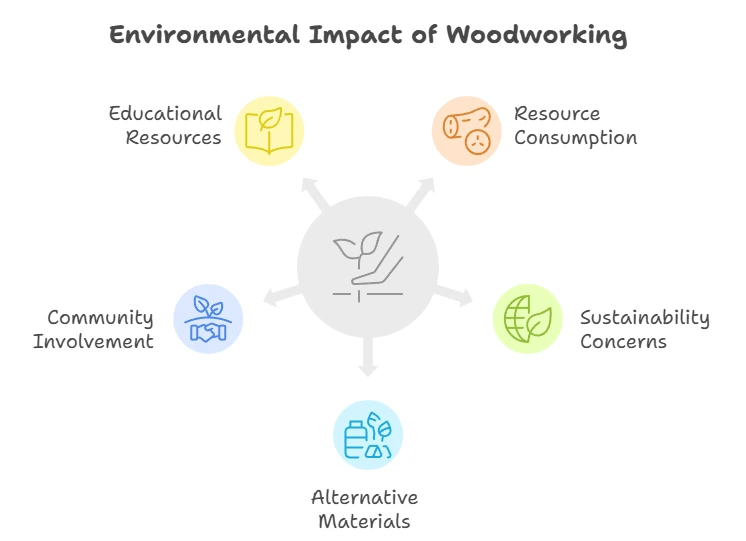
Woodworking is an engaging craft that many enjoy, but it comes with significant environmental impacts and sustainability concerns. Understanding these issues is essential for both hobbyists and professionals alike. By recognizing the challenges, you can make informed choices about your projects and materials.
Environmental Impact of Woodworking
While woodworking allows for creativity and craftsmanship, its environmental footprint is often overlooked. Here are some of the critical aspects:
- Deforestation: Logging trees for wood is a primary cause of deforestation, contributing to habitat loss and biodiversity decline. Forests are vital ecosystems that support various wildlife species.
- Carbon Emissions: Trees absorb carbon dioxide, and cutting them down releases carbon back into the atmosphere. The woodworking industry can increase greenhouse gas emissions, impacting climate change.
- Waste Generation: Woodworking produces significant waste, from sawdust to leftover pieces. Improper disposal can lead to landfill overflow and pollution.
Resource Consumption
The woodworking process requires various resources, which can affect the environment negatively:
- Water Usage: Some woodworking processes, especially in finishing and treating wood, consume substantial amounts of water. This can strain local water resources, particularly in drought-prone areas.
- Energy Use: Tools and machinery used in woodworking demand energy, often derived from fossil fuels. This contributes to further environmental concerns related to energy consumption.
Sustainability Concerns
To mitigate the environmental impacts of woodworking, it is crucial to focus on sustainable practices:
- Source Responsibly: Always opt for wood from sustainable sources. Look for certifications like FSC (Forest Stewardship Council) that ensure wood comes from responsibly managed forests.
- Reusing and Recycling: Using reclaimed wood is an excellent way to lessen your environmental footprint. This material has already served a purpose and can bring unique character to your projects.
- Eco-Friendly Finishes: Choose non-toxic, eco-friendly finishes and treatments. Many conventional products contain harmful chemicals that can be detrimental to both health and the environment.
Alternative Materials
While wood is a traditional material for many woodworking projects, several alternatives can reduce environmental impacts:
- Bamboo: A fast-growing grass, bamboo is a sustainable alternative to traditional hardwoods. It can regenerate quickly and does not require replanting.
- Recycled Materials: Consider using recycled plastics or metal in your projects. They can often be more durable and environmentally friendly than new materials.
Community Involvement
Being part of the woodworking community also means contributing to collective sustainability efforts. Join local groups focusing on green practices. These communities often have programs for planting trees or recycling wood, making a difference one piece of wood at a time.
Educational Resources
For further learning about sustainable woodworking practices, check out these valuable resources:
| Resource | Description |
|---|---|
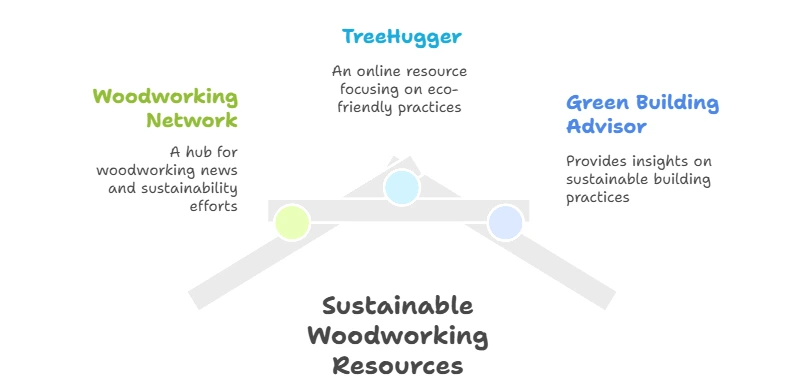
| Woodworking Network | A hub for woodworking news, including sustainability efforts within the industry. |
| TreeHugger | An online resource focusing on eco-friendly practices, including woodworking. |
| Green Building Advisor | Provides insights on sustainable building practices, including material choices. |
While woodworking offers numerous benefits, it’s essential to acknowledge and address its environmental and sustainability concerns. By following eco-friendly practices and being mindful of your material choices, you contribute positively to the planet while still enjoying the art of woodworking. The journey towards sustainability in woodworking begins with informed decisions, collective action, and a commitment to preserving our natural resources.
Time Management Challenges in Woodworking Hobbies and Professions
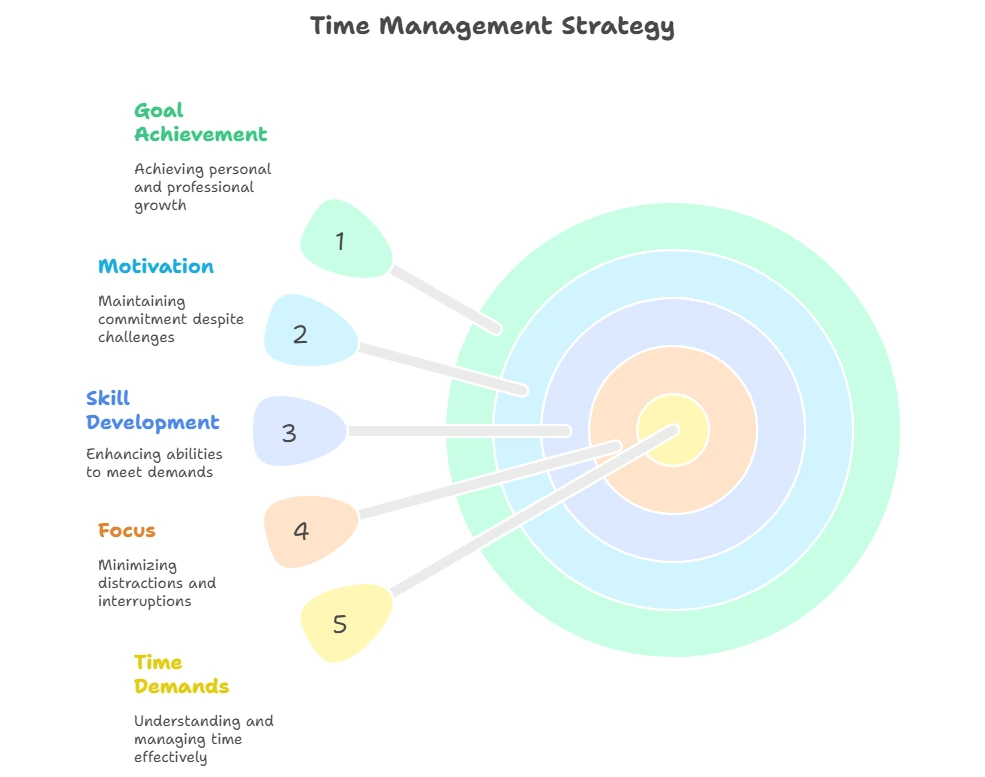
Woodworking is a beloved hobby and profession for many. It combines creativity and craftsmanship, allowing individuals to create beautiful and functional pieces. However, one significant aspect that often gets overlooked is the challenge of time management. Balancing woodworking with other responsibilities can be difficult. Here are some key points to consider when it comes to managing your time effectively in woodworking.
Understanding Time Demands
Every woodworking project requires a certain amount of time. This includes planning, gathering materials, and executing the work. Often, people underestimate how long a project will take. Here are some common time demands in woodworking:
- Planning Phase: Creating designs and blueprints can take a considerable amount of time, especially for complex projects.
- Material Acquisition: Sourcing the right materials might require trips to various suppliers, eating into your free time.
- Execution: The actual crafting process can be lengthy, depending on the skills required and the tools available.
Competing Priorities
In both hobbies and professions, woodworking often competes with other commitments. Whether you have a job, family, or other interests, finding time for woodworking can be challenging. Here’s how to address these competing priorities:
- Set a Schedule: Designate specific times during the week for woodworking, treating them like appointments.
- Communicate: Let family or roommates know about your planned woodworking sessions so they can support your goals.
- Prioritize: Assess which projects are most important to you and focus on them first.
Distractions and Interruptions
Distractions can derail your focus and waste precious woodworking time. Whether it’s phone calls, social media, or household chores, interruptions can be problematic. Here’s how to minimize distractions:
- Create a Dedicated Workspace: Having a specific area for woodworking can help limit distractions. Make it as organized and comfortable as possible.
- Turn Off Notifications: Silence your phone and limit the use of electronics to help maintain concentration.
- Set Timers: Using a timer can help you stay focused for set periods, making it easier to ignore distractions.
The Balancing Act of Skill Development
As a woodworking enthusiast, it’s crucial to continually develop your skills. However, learning new techniques often requires extra time that you may not have. Consider these strategies for integrating skill development into your woodworking routine:
- Blend Learning with Projects: Choose projects that challenge your current abilities, allowing you to learn while accomplishing tangible results.
- Online Resources: Take advantage of online tutorials and classes (such as those on Woodworker’s Source) that allow you to learn at your own pace.
- Join a Community: Engaging with local woodworking clubs or forums can lead to shared learning experiences and inspiration.
Maintaining Motivation
Time management in woodworking isn’t just about scheduling; it’s also about staying motivated. With all your responsibilities, it can be easy to lose enthusiasm. Here are ways to maintain your motivation:
- Set Realistic Goals: Establish achievable goals to maintain a sense of completion and satisfaction.
- Document Your Progress: Keep a journal or take photos of your projects to track your growth over time.
- Celebrate Small Wins: Reward yourself for completing projects or learning new techniques, no matter how small they may be.
Time management in woodworking can be a challenge, but with the right strategies, you can balance your passion with other responsibilities. By understanding the time demands, minimizing distractions, and integrating skill development with fun projects, you can make your woodworking journey both enjoyable and productive. Remember, woodworking is a labor of love that deserves patience and dedication. With thoughtful planning, you can cultivate both your craft and your time effectively. If you’re seeking more woodworking advice and resources, visit Wood Magazine for articles, tips, and community insights.
Conclusion
Woodworking, while a rewarding and creative pursuit, is not without its challenges. Understanding the disadvantages of woodworking can help you approach this craft with greater awareness and preparation. Safety risks are a prominent concern; using sharp tools and heavy materials can lead to injuries if proper precautions aren’t taken. When working on projects, investing in personal protective equipment (PPE) and learning safety protocols are essential steps toward ensuring a secure environment.
The financial aspect of woodworking can also be a deterrent. Costs can accumulate quickly through materials, tools, and equipment. If you are just starting out, it is wise to create a budget and consider starting with essential tools to avoid overspending. Additionally, you must factor in potential waste. A mistake can lead to wasted materials and increased expenses. Moreover, the environmental impact of woodworking cannot be ignored.
Sourcing wood from sustainable suppliers is vitally important to minimize your carbon footprint. By carefully selecting materials and being conscious of your consumption, you can practice woodworking in a way that is kinder to the planet. Time management can become an obstacle when fitting woodworking into your busy schedule. Balancing responsibilities and allowing adequate time for intricate projects can be challenging.
Developing a structured plan can help you gain control over these time constraints. By acknowledging these disadvantages, you can take proactive measures to navigate the complexities of woodworking. Embrace the craft while remaining mindful of the drawbacks to enhance your experience and create beautiful, lasting pieces safely and sustainably.