
Woodworking in school offers a fun and creative way for students to learn valuable skills. Each project presents an opportunity for them to express their creativity while gaining a hands-on experience. Here are some engaging and educational School Woodworking Projects that are perfect for students of various age levels. These ideas are not only enjoyable but also promote critical thinking and problem-solving skills.
1. Birdhouses
Building birdhouses is a classic woodworking project. Students can design their own birdhouses, choose different types of wood, and decorate them with paint or natural finishes. This project allows students to understand woodworking safety and basic skills, such as measuring, cutting, and assembling.
Benefits:
- Encourages creativity as students can design their own structures.
- Develops fine motor skills through cutting and assembly.
- Teaches students about local bird species and their habitats.
2. Picture Frames
Creating personalized picture frames offers students a chance to combine woodworking with art. They can select the wood type, finish, and even engrave names or designs. This project helps reinforce measuring and cutting skills while letting students showcase their artistic side.
Enhancements:
- Use leftover wood scraps to promote recycling.
- Incorporate decorative elements like beads or shells.
- Teach students about different finishing techniques to protect the wood.
3. Bird Feeders
Another fun project is constructing bird feeders. This project not only allows students to practice their woodworking skills but also connects them with nature. Students can create different designs and learn how to attract local birds. It’s an excellent way to incorporate lessons about ecology.
Learning Outcomes:
- Understanding bird feeding habits and preferences.
- Encouraging teamwork when building larger projects.
- Teaching the importance of conservation and wildlife protection.
4. Bookends
Making custom bookends can be a small yet impactful **School Woodworking Project**. Students can design unique styles that reflect their personalities or interests. This project is great for honing measuring and cutting skills, and students can even involve painting and decorating to add a personal touch.
Materials Ideas:
- Use hardwood for durability.
- Incorporate mixed media by adding elements like metal or fabric.
- Explore different shapes, from simple rectangles to fun animal designs.
5. Wooden Toys
Creating simple wooden toys like cars, animals, or puzzles can be a rewarding experience. This project encourages creativity and provides an opportunity for students to learn how to sand and finish wood properly. Plus, producing a tangible product that they can play with adds to the excitement.
Project Ideas:
- Design a pull-along toy for younger children.
- Make building blocks that can be customized in shape and size.
- Create a simple puzzle that challenges motor skills.
6. Wooden Coasters
Crafting wooden coasters is an easy and practical project for students. They can practice cutting and sanding, as well as learn about applying finishes. Personalized coasters make great gifts for friends and family.
Customization Options:
- Use wood burners to create designs.
- Incorporate resin for a modern touch.
- Experiment with different wood types for unique patterns.
Engaging in these creative School Woodworking Projects helps students build essential skills while fostering teamwork, patience, and problem-solving abilities. If you want to dive deeper into woodworking projects suitable for schools, you can visit Woodworker’s Source or check out Woodcraft for materials and tools. Through these projects, students can discover the joy of woodworking while creating lasting memories and unique handmade items.
Benefits of Woodworking Skills in Education
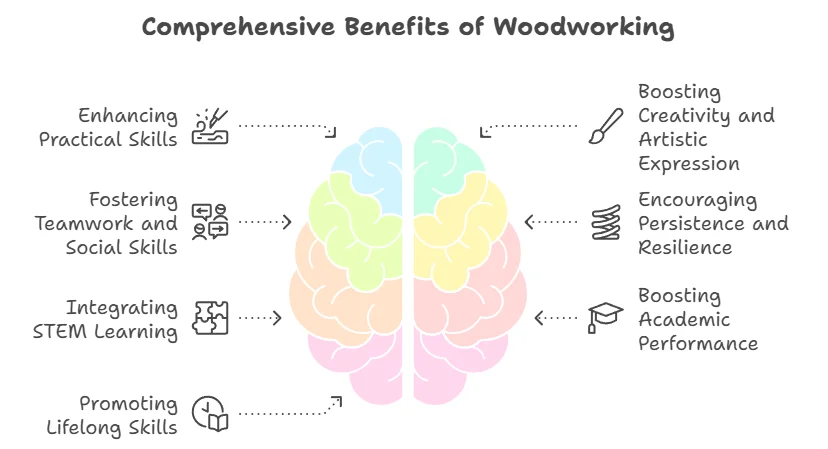
Woodworking skills into education offers various advantages that extend beyond the basic act of creating with wood. These skills foster both personal growth and academic achievement, providing students with the opportunity to engage in hands-on learning experiences. Here’s a closer look at the multifaceted benefits of School Woodworking Projects in educational settings.
Enhancing Practical Skills
Woodworking involves a myriad of practical skills that can benefit students. They learn how to use a variety of tools, which can improve their manual dexterity and motor skills. This hands-on approach allows students to:
- Understand basic engineering principles.
- Learn to measure accurately and plan effectively.
- Work collaboratively on projects.
- Develop problem-solving skills through troubleshooting.
Boosting Creativity and Artistic Expression
Woodworking enables students to express their creativity. As they design and carve their projects, they make choices that reflect their unique ideas and styles. This not only nurtures their artistic side but also enhances their ability to:
- Think critically about designs.
- Visualize concepts in three dimensions.
- Transform abstract ideas into tangible objects.
Fostering Teamwork and Social Skills
Many woodworking projects are completed in teams, which helps students develop important social skills. Working with peers encourages:
- Effective communication.
- Leadership skills as they take on different roles.
- Conflict resolution when they face disagreements about project direction.
This collaborative environment not only builds confidence but also prepares students for future workplace dynamics.
Encouraging Persistence and Resilience
Woodworking teaches students the value of persistence. Working with materials can be challenging, and students often encounter setbacks. Learning to overcome these obstacles fosters resilience. They discover that:
- Mistakes are part of the learning process.
- Patience is essential when working on detailed tasks.
- Perseverance leads to satisfaction upon project completion.
Integrating STEM Learning
Woodworking offers a seamless way to integrate STEM (science, technology, engineering, and math) principles into the curriculum. During projects, students may engage in:
- Calculating angles and lengths.
- Understanding weight distribution and balance.
- Technological tools, like CAD software for design.
This hands-on experience reinforces theoretical knowledge in a practical context, making learning more engaging.
Boosting Academic Performance
Studies show that students who engage in hands-on activities, like woodworking, often experience enhanced academic performance. Skills gained from woodworking translate to improved focus in other subjects. The end result can be a significant boost in:
- Attention spans.
- Interest in pursuing further education in technical or scientific fields.
- Overall school engagement.
Promoting Lifelong Skills
Woodworking imparts skills that students carry into adulthood. The ability to create and repair items fosters self-sufficiency, a valuable trait in today’s world. As they can:
- Build furniture or crafts.
- Engage in home improvement projects.
- Develop a sense of pride in their creations.
Educators and parents can find resources and inspiration for School Woodworking Projects through websites such as Woodworker’s Source and Wood Magazine. These websites offer a wealth of information, project ideas, and tips for educators looking to integrate woodworking into the curriculum. Embedding woodworking skills in education equips students with essential life skills that promote personal and academic growth. As educators recognize the value of these practical skills, students will continue to engage meaningfully in their learning journeys.
Safety Guidelines for School Woodworking Classes
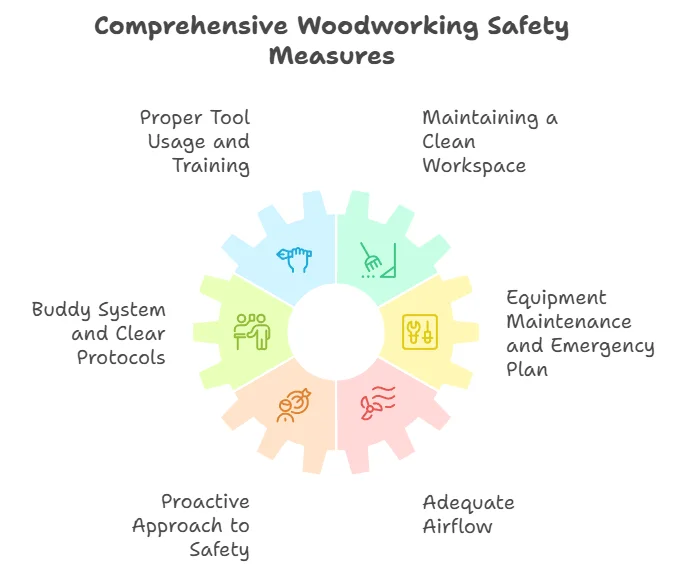
Woodworking in school is a fantastic way for students to explore their creativity, develop practical skills, and understand the importance of craftsmanship. However, with the use of tools and equipment, safety must be a top priority. Establishing and following safety guidelines ensures a secure and positive learning environment.
First and foremost, students should wear appropriate personal protective equipment (PPE). This includes safety goggles to protect the eyes from sawdust and debris, hearing protection when using loud machinery, and dust masks to avoid inhalation of wood particles. Additionally, students should wear close-fitting clothing to prevent anything from getting caught in moving parts.
Proper Tool Usage and Training
Using tools properly is essential for safety in woodworking classes. It’s important to ensure that students receive thorough training on every piece of equipment before they begin using it. This training should cover the following:
- Proper operation of each tool
- Understanding the risks associated with each tool
- Details on how to perform basic maintenance
Maintaining a Clean Workspace
Students must also be aware of how to maintain a clean workspace. A clean area reduces the risk of accidents and injuries significantly. They should be taught to:
- Keep the floor free of sawdust and scraps
- Store tools in designated locations after use
- Wipe down work surfaces regularly
The Buddy System and Clear Protocols
Another critical element in woodworking safety is the buddy system. Encouraging students to work in pairs can provide additional oversight and assistance. This practice is particularly valuable when using hazardous tools or performing complex tasks. Collaboration fosters communication, allowing students to remind each other to stay focused on safety procedures. Each woodworking class should establish clear rules and protocols for tool usage. For example:
- Never distract someone who is operating machinery.
- Always keep hands at a safe distance from cutting tools.
- Double-check that all safety guards are in place before starting any machine.
Equipment Maintenance and Emergency Plan
Furthermore, it’s vital to conduct regular safety evaluations of the equipment. Regular maintenance checks can help identify any issues that might contribute to accidents. Instructors should keep a log that tracks the performance of tools, noting any repairs needed. In addition to these guidelines, it’s helpful for students to develop an emergency plan. They need to know:
- The location of the first aid kit
- Who to inform in the case of an accident
- How to handle minor injuries
A Proactive Approach to Safety
Taking a proactive approach to safety can significantly reduce the likelihood of incidents in the woodworking shop. Schools might consider teaching students about safe handling of materials as well. For instance, heavy pieces of wood should always be lifted with a partner or using equipment designed for moving heavy loads. When working with chemicals such as wood stains or adhesives, proper ventilation is essential.
Adequate Airflow
Students should be instructed to work in areas equipped with adequate airflow to avoid inhaling harmful fumes. Always checking for Material Safety Data Sheets (MSDS) related to the chemicals being used is a good practice for understanding the potential hazards. Additionally, schools can enhance safety awareness through workshops or safety demonstrations. Inviting a safety expert or experienced woodworker to speak to students can deepen their understanding of the importance of following safety protocols.
The combination of education, training, and best safety practices creates a responsible environment for students to pursue woodworking skills confidently. By prioritizing safety, both students and instructors create a productive and enjoyable woodworking experience.
Incorporating Technology into School Woodworking Projects
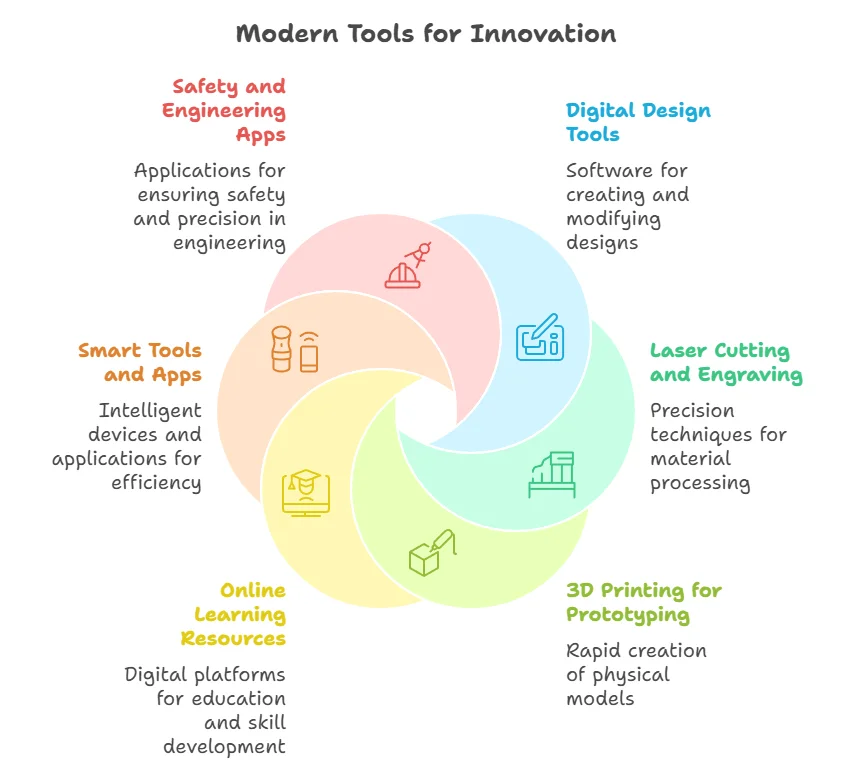
Woodworking has long been a cherished craft, allowing individuals to create stunning pieces from raw materials. Today, technology has transformed the landscape of School Woodworking Projects, making it easier for students and hobbyists alike to innovate. This integration not only enhances creativity but also improves the accuracy and efficiency of projects. Let’s explore some exciting ways to incorporate technology into your woodworking journey.
Digital Design Tools
One of the best ways to start a woodworking project is with a solid design. Digital design tools have made it simpler than ever to create detailed plans. With software like SketchUp and AutoCAD, you can visualize your project in 3D before cutting any wood. These programs allow you to:
- Sketch Designs: Draw precise dimensions and angles.
- Simulate Assembly: See how pieces fit together.
- Export Plans: Send designs to friends or share them online.
This planning reduces costly mistakes and makes your woodworking projects more enjoyable.
Laser Cutting and Engraving
Laser cutting technology has revolutionized woodworking by enabling intricate designs with incredible precision. Many schools and maker spaces have access to laser cutters, allowing students to create unique School Woodworking Projects like:
- Custom signs and plaques
- Intricate inlays for furniture
- Detailed patterns on various surfaces
Students can learn about both design and craftsmanship through this technology. To get started, check local resources like Woodworking Network for tutorials and community projects.
3D Printing for Prototyping
3D printing opens a new dimension in School Woodworking Projects. It allows you to create prototypes for parts that can then be crafted from wood. This is especially useful for:
- Testing out complex shapes
- Creating custom joints and connectors
- Producing models for display before final construction
By experimenting with 3D printing, you can save time and material. Many schools now incorporate this technology into their woodworking curriculum, providing students with hands-on experience using state-of-the-art tools.
Online Learning Resources
Technology also means utilizing online resources to improve skills and discover new techniques. Platforms like YouTube, Skillshare, and woodworking blogs are invaluable for learning. Here’s how to make the most of these resources:
- Watch Tutorials: Follow along as experts demonstrate techniques.
- Join Online Communities: Engage with other woodworkers in forums or social media groups.
- Access Plans and Patterns: Download free or purchasable plans to jump-start your projects.
Use websites such as Wood Magazine, where you can find articles, videos, and project ideas.
Smart Tools and Apps
The rise of smart technology has also reached woodworking. Many modern tools come equipped with digital features, enhancing the accuracy of cuts and measurements. For instance:
| Tool | Technology | Benefits |
|---|---|---|
| Digital Caliper | Electronic Measurement | Provides precise measurements down to 0.01 mm |
| Smart Miter Saw | Laser Guidance | Helps achieve perfect angles easily |
| Bluetooth-Enabled Router | Remote Control | Allows precision adjustments without leaving your work area |
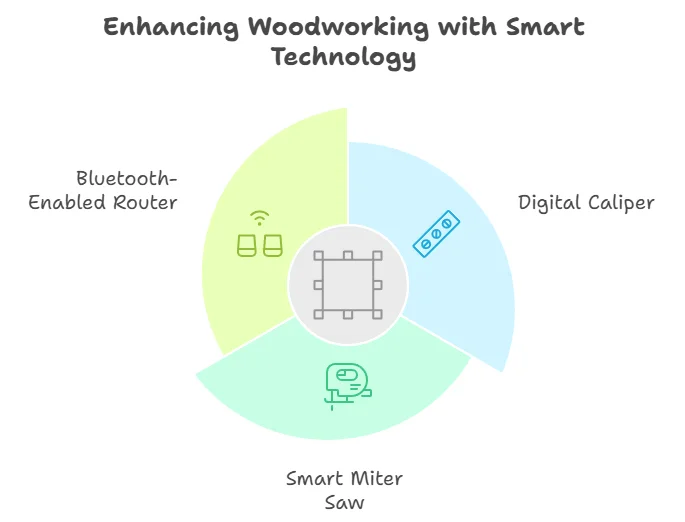
Investing in smart tools not only makes your workflow more efficient but also enhances the quality of the finished product.
Safety and Engineering Apps
Safety should always be a priority in woodworking. Thankfully, there are several apps designed to ensure you work securely while showcasing new methods. Apps can offer:
- Safety Checklists: Ensure you have the proper gear and tools for each project.
- Material Calculators: Help estimate how much wood and supplies you need.
- Tutorials on Safety Tips: Keep you informed about safe practices while using power tools.
Check out the Woodworkers Source website for additional tips on woodworking safety apps. By embracing technology in School Woodworking Projects, you can expand your skills, enhance creativity, and ensure precision in your craftsmanship. The future of woodworking is bright, offering countless opportunities for you to learn and grow. Whether you’re in a school program or pursuing personal projects, there’s always something new to discover and create.
Eco-Friendly Materials for School Woodworking Initiatives
In today’s environmentally conscious world, incorporating eco-friendly materials into School Woodworking Projects is an excellent way to foster sustainability and creativity among students. By selecting materials that are not only sustainable but also safe and durable, schools can teach the importance of environmental stewardship while engaging in hands-on learning experiences.
Sustainable Material Options
A variety of eco-friendly materials are suitable for woodworking projects in educational settings. Here’s a look at some of the best options:
- Bamboo: This fast-growing grass is renowned for its strength and durability. Bamboo is a renewable resource, making it an excellent choice for furniture and small projects.
- Recycled Wood: Using reclaimed wood from old furniture or discarded pallets reduces waste and minimizes the need for new timber. This material often possesses unique character due to its history.
- Cork: A sustainable material harvested from the bark of cork oak trees, cork is lightweight and waterproof. It works well for projects like coasters and bulletin boards.
- Forest Stewardship Council (FSC) Certified Wood: This certification ensures that the wood comes from responsibly managed forests. Using FSC-certified products helps protect ecosystems and supports sustainable forestry practices.
- Non-Toxic Adhesives and Finishes: When completing woodworking projects, opting for non-toxic glues and finishes ensures that harmful chemicals do not leach into the environment or affect the health of those handling the products.
Choosing eco-friendly materials can significantly enhance the learning experience for students. Engaging with sustainable practices not only teaches woodworking skills but also emphasizes responsibility and the lasting impact of sourcing materials thoughtfully. Here’s a table that outlines various eco-friendly materials along with their benefits:
| Material | Benefits | Best Use |
|---|---|---|
| Bamboo | Fast-growing and sustainable | Furniture, small projects |
| Recycled Wood | Reduces waste and has character | Various wooden items |
| Cork | Lightweight and waterproof | Coasters, boards |
| FSC Certified Wood | Supports responsible forestry | Furniture, structures |
| Non-Toxic Adhesives | Safe for users and environment | All woodworking projects |
Selection of Materials
Involving students in the selection of materials can also foster critical thinking and decision-making. You might encourage them to research and find eco-friendly options for their School Woodworking Projects, which will teach them valuable life skills alongside practical woodworking techniques.
Partner with Local Suppliers
Furthermore, schools can partner with local suppliers focused on sustainability. Collaborating with businesses that share a commitment to eco-friendly practices can also extend beyond the classroom, paving the way for community engagement. Local hardware stores and suppliers may offer discounts or educational workshops, benefitting both the school and local eco-friendly businesses.
For instance, organizations like Green Building Advisor provide resources and ideas on sourcing sustainable materials. You can find a wealth of information on specific types of materials and their applications in woodwork. Meanwhile, FSC offers insights into responsible forestry and certified products which schools can utilize for their woodworking projects.
Integrating Sustainable Materials
When teaching woodworking, integrating sustainability into each lesson elevates the entire learning experience. As students create their projects, they gain a deeper understanding of the impact materials have on the world. They learn to appreciate not just the end product, but the entire process, from material selection to completing the project.
Implementing Eco-friendly Practices
By implementing eco-friendly practices and materials in School Woodworking Projects, educators inspire the next generation to be mindful creators and stewards of the environment. The importance of sustainability in woodworking cannot be overstated, as it supports a brighter, more responsible future for all.
Conclusion: The Future of School Woodworking Projects
Embracing School Woodworking Projects offers students a unique opportunity to blend creativity with practical skills. By engaging in hands-on learning, students not only tap into their imaginative sides but also foster essential skills that will serve them well throughout their lives. The benefits of woodworking in education extend beyond crafting; they include enhancing problem-solving abilities, boosting self-confidence, and encouraging teamwork.
Integrating safety guidelines into these projects is crucial, ensuring that students work in a secure environment while developing their skills. This focus on safety lays the foundation for responsible practice in any workshop setting. Furthermore, incorporating technology into School Woodworking Projects can elevate the learning experience, allowing students to explore design software and modern tools.
This fusion of traditional craftsmanship and modern technology prepares them for future opportunities in a rapidly evolving job market. As schools prioritize sustainability, using eco-friendly materials in woodworking initiatives becomes a vital consideration. Teaching students about sustainable practices not only enriches their projects but also instills a sense of responsibility toward the environment.
Together, these elements create a comprehensive woodworking program that caters to various learning styles, promotes practical skills, and encourages creativity. By investing in School Woodworking Projects, educators are equipping students with valuable life skills that nurture their growth as conscientious, creative, and capable individuals. The future of woodworking education is bright, and by encouraging this artistic journey, we are helping to shape the innovators of tomorrow.