
Wear Appropriate Personal Protective Equipment (PPE)
One of the simplest ways to ensure your safety is by wearing the right personal protective equipment. This includes:
- Safety glasses: Protect your eyes from flying debris.
- Ear protection: Use earplugs or earmuffs to protect against loud machinery.
- Dust masks: Prevent inhaling sawdust and toxic fumes.
- Gloves: Wear gloves when handling rough materials, but remove them when using powered tools.
Learn and Understand Your Tools
Before starting any project, take the time to familiarize yourself with your tools. Read the manufacturer’s instructions and understand the following:
- How to use each tool safely.
- The functions of different parts of the tool.
- Common hazards associated with each tool.
Knowing your tools not only enhances efficiency but also reduces the risk of accidents. For detailed tool safety guidelines, check out Woodworker’s Source.
Maintain a Clean Work Environment
A cluttered workspace can lead to accidents. Here are some tips for keeping your area organized and safe:
- Keep walkways clear of tools and materials.
- Regularly clean up sawdust and debris from surfaces and floors.
- Store tools properly when not in use.
Establishing a routine for cleaning can significantly reduce risks. You can always consult Wood Magazine for further insights on maintaining a productive environment.
Use Proper Techniques
When operating tools, use proper techniques to keep yourself safe. Always:
- Keep your hands away from cutting edges and moving parts.
- Use clamps to hold materials securely instead of your hands.
- Cut away from your body to reduce the risk of injury.
Practice these techniques regularly until they become second nature. You can find more on using techniques safely at Fine Woodworking.
Stay Aware of Surroundings
Always be conscious of your environment. Here are some tips to help you stay aware:
- Ensure no one is in your immediate workspace, especially when using power tools.
- Be aware of your posture and movements at all times.
- Eliminate distractions like mobile phones or loud music.
Follow Electrical Safety Guidelines
Electrical tools are commonly used in woodworking. Keep the following in mind:
- Inspect tools and cords for damage before use.
- Ensure your workspace has proper ventilation, especially when using electric tools.
- Unplug tools when changing bits or blades.
Your safety can greatly depend on the condition of your equipment. For more information on electrical safety in woodworking, see Woodworker’s Journal.
Know Emergency Procedures
No one likes to think about accidents, but being prepared can make a significant difference. Be aware of:
- Location of first-aid kits.
- How to properly treat common woodworking injuries like cuts or splinters.
- Emergency numbers for your area.
When it comes to woodworking, taking the extra steps to practice safety can help you enjoy this wonderful craft even more. By arming yourself with knowledge and preparing your workspace, you’ll be able to focus on all the creativity and joy woodworking has to offer. Remember, safety doesn’t just protect you; it also enhances your productivity and creativity in your projects.
Essential Personal Protective Equipment in Woodworking
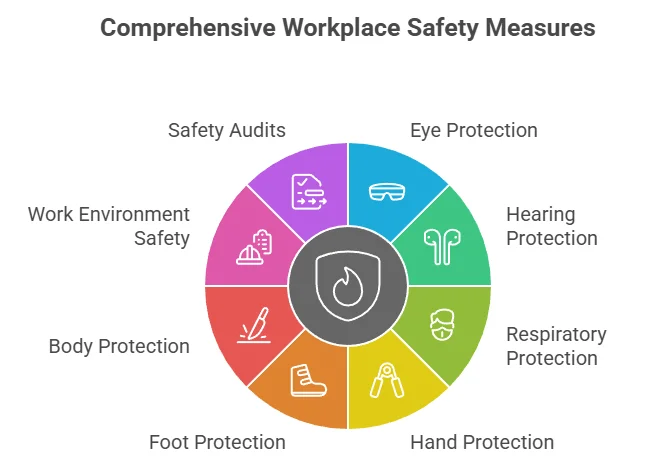
When you step into a woodworking shop, safety should be your top priority. Understanding the essential personal protective equipment (PPE) can prevent injuries and ensure a safe and enjoyable experience while creating beautiful wooden pieces. Knowing what gear to wear is crucial for any woodworker, whether you are a beginner or a seasoned pro. Here are the most vital pieces of PPE every woodworker should consider. Applying Safe Woodworking Practices begins with the right gear.
Eye Protection
Your eyes are incredibly vulnerable when working with wood. Dust, splinters, and flying debris can cause serious injuries. Therefore, it’s crucial to wear safety goggles or a face shield. These items not only keep your eyes protected but also improve visibility by minimizing dust and debris exposure. If you use power tools, consider using goggles with side shields for extra protection. Make sure to select ANSI Z87.1 rated eyewear for optimal safety.
Hearing Protection
Woodworking can generate a lot of noise, especially when you’re utilizing power tools. Prolonged exposure to high noise levels may lead to hearing loss over time. Earplugs or earmuffs should be part of your woodworking arsenal. Choose noise-cancelling earmuffs that provide a good seal to block out the sound effectively. Wireless earplugs are also available and can allow you to enjoy your favorite tunes while protecting your hearing.
Respiratory Protection
Wood dust can be harmful to your lungs, especially from certain types of wood like oak or birch. Without ample protection, you may find yourself coughing or facing more serious health issues over time. To combat this, use a dust mask or respirator rated for wood dust. Ensure it fits snugly on your face. A mask with a higher filtration rating will offer better protection. For heavy-duty tasks, consider a respirator with replaceable filters.
Hand Protection
While woodworking, your hands are constantly at risk of cuts, abrasions, or even severe injuries. Wearing appropriate gloves can help shield your hands from these hazards. Select gloves that offer both dexterity and protection. Leather gloves are suitable for general work, but make sure you choose gloves designed specifically for your tasks to avoid compromising your grip.
Foot Protection
A safe woodworking environment includes protecting your feet. Wearing closed-toe shoes with a non-slip sole is imperative. Steel-toed boots are an excellent choice to guard against dropped tools or materials. Additionally, ensure your footwear is comfortable and offers good support, as you may spend hours on your feet.
Body Protection
Provide extra protection for your body by wearing durable clothing. Avoid loose-fitting garments as they may get caught in equipment. Instead, wear fitted clothing made of heavy fabric or denim. An apron can protect you from sharp tools, while also providing pockets for essential tools. Depending on the type of woodworking you’re doing, consider wearing knee pads for tasks that involve kneeling for long periods.
Work Environment Safety
Safe Woodworking Practices are not just about what you wear. Personal protective equipment is just one part of a comprehensive safety approach. It’s also essential to maintain a clean and organized workspace. Here are some tips for enhancing your work environment:
- Keep tools in their designated spots.
- Cleans spills immediately.
- Ensure proper ventilation when working with finishes and adhesives.
Regular Safety Audits
Conducting frequent safety checks and audits of your workspace can help identify potential hazards before any accidents occur. Regularly inspect your equipment for wear and tear and always repair or replace damaged tools promptly. This habit encourages a culture of safety and responsibility.
Investing in good quality personal protective equipment (PPE) is just as critical as choosing the right tools for woodworking. It shows that you value your safety and the safety of those around you. For more information on woodworking safety and PPE, you can visit Wood Magazine or check Woodworking Network for detailed guidelines. Keeping yourself protected allows you to focus on what you love: creating beautiful wooden projects!
Common Woodworking Tools and Their Safety Features
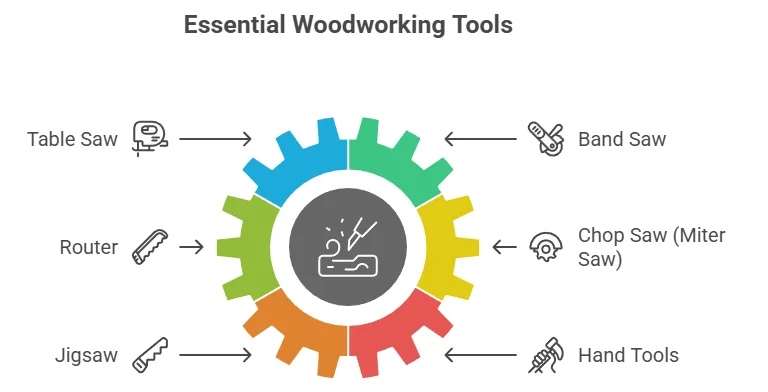
Woodworking is a rewarding craft that allows you to create beautiful and functional items from wood. However, using the right tools and understanding their safety features is essential for protecting yourself while working. Below is a look at some common woodworking tools and the safety mechanisms that come with them, ensuring that your woodworking experience is both productive and safe. These mechanisms reinforce Safe Woodworking Practices.
Table Saw
The Table Saw is one of the most versatile tools in any woodworker’s shop. This powerful tool allows for precise cuts, but it can be dangerous if not used correctly. Modern table saws often come with various safety features, such as:
- Blade Guards: These protect your fingers from coming into contact with the saw blade during operation.
- Anti-Kickback Pawls: These prevent the wood from being thrown back at you while cutting.
- Riving Knife: This helps keep the wood from pinching the blade, reducing the risk of kickback.
Band Saw
The Band Saw is ideal for making curved cuts and resawing lumber. To enhance safety while using this tool, it includes:
- Blade Tracking Adjustment: Ensures that the blade runs correctly and reduces wear and tear.
- Blade Guard: Keeps your hands clear of the blade during operation.
- Table Insert: Prevents small pieces from falling into the saw’s mechanism.
Router
A Router is commonly used to hollow out areas in wood or to create decorative edges. When using a Router, safety features are critical, such as:
- Base Plate: Offers stability and helps keep both hands on the tool.
- Soft Start Mechanism: Reduces the risk of sudden jerks that can lead to accidents.
- Electronic Speed Control: Helps adjust the speed to safely match the type of material being worked on.
Chop Saw (Miter Saw)
Chop Saws are essential for making crosscuts and angled cuts. Features that promote safe operation include:
- Blade Brake: Quickly stops the blade when released, minimizing the risk of injury.
- Laser Guide: Helps you see where the blade will cut, making it easier to align cuts.
- Work Table Extensions: Provide support for larger pieces, reducing the risk of tilting during cutting.
Jigsaw
Jigsaws excel at making intricate cuts and are generally safer than other saws. Key safety features include:
- Orbital Action: Lets you control the cutting action, helping to minimize the chance of the blade binding or breaking.
- Variable Speed Settings: Allows you to adjust the speed depending on the material, offering better control.
- Dust Blower: Keeps the cut line clear of debris, improving visibility for safer cuts.
Hand Tools
Hand Tools like chisels, hand saws, and planes also warrant attention to safety. While they may not have complex safety features, you can adopt practices to enhance safety:
- Sharp Tools: Ensure that tools are well-sharpened, which helps to prevent slipping and accidental cuts.
- Proper Grip: Use both hands to hold tools for better control.
- Protective Gear: Always wear safety goggles and gloves while using hand tools to minimize injury.
By understanding the common woodworking tools and their safety features, you can significantly reduce the risk of accidents. For further guidance and detailed information on woodworking safety, consider visiting Woodworking Toolbox and Wood Magazine’s safety section. These resources offer valuable insights that will help reinforce your commitment to Safe Woodworking Practices.
Remember, good safety practices with woodworking tools not only protect you but also enhance your overall woodworking experience. Stay informed, stay safe!
How to Create a Safe Woodworking Environment
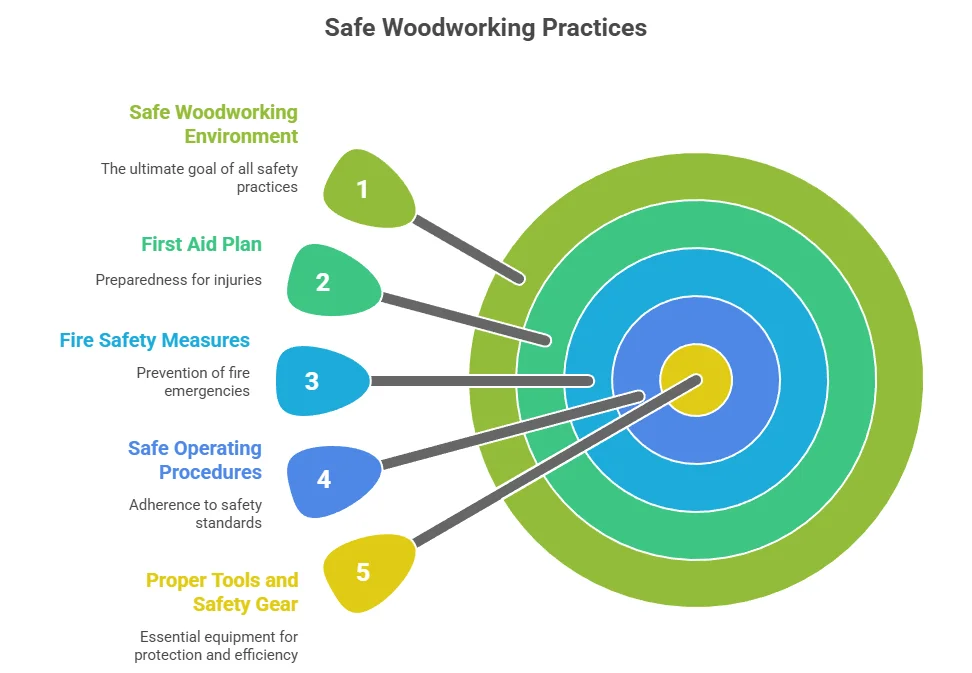
Creating a safe woodworking environment is crucial for anyone involved in this rewarding craft. Safety should always be your top priority, whether you’re a beginner or an experienced woodworker. Taking the right precautions can prevent accidents and keep your workspace efficient and enjoyable. This section is all about Safe Woodworking Practices for your shop.
Assess Your Workspace
Before diving into any woodworking projects, assess your workspace. Here are some important factors to consider:
- Ventilation: Ensure that your workshop has good air circulation. This helps to avoid inhaling harmful dust and fumes from adhesives or finishes.
- Lighting: Adequate lighting is essential. Poor lighting can lead to miscuts and accidents.
- Clutter-Free Zones: Keep your work area tidy. A cluttered workspace can cause mishaps and hinder productivity.
Wear Appropriate Safety Gear
Your personal safety gear is your first line of defense in woodworking. Make sure you suit up with the right equipment:
- Safety Glasses: Protect your eyes from flying debris by wearing safety glasses or goggles.
- Ear Protection: Use earplugs or earmuffs to protect your hearing from loud machinery.
- Dust Masks: To avoid inhaling wood dust, wear a dust mask or respirator.
- Gloves: Appropriate gloves can protect your hands, but be cautious with machinery; they can catch on moving parts.
Invest in Proper Tools
Using quality tools is essential for both efficiency and safety. Ensure that your tools are well-maintained and suited for the job:
- Check for Damage: Regularly inspect tools for any signs of wear or damage before use.
- Keep Tools Sharp: Dull tools can be dangerous as they require more force to operate, increasing the chance of slips and accidents.
- Use the Right Tool: Always select the appropriate tool for each task. Using the wrong tool can lead to mishaps.
Follow Safe Operating Procedures
Establishing and adhering to safe operating procedures is key in your woodworking environment:
- Read Instructions: Always read the manual for tools you are using. Understanding the machine ensures proper use and safety.
- Disconnect Power: Unplug tools when not in use or when changing blades and bits to avoid accidental starts.
- Stay Focused: Avoid distractions; keeping your attention on your work is vital for safety.
Practice Fire Safety
Woodworking involves various flammable materials, making fire safety a top priority:
- Keep a Fire Extinguisher: Have a fire extinguisher on hand and ensure you know how to use it.
- Store Flammable Materials Safely: Store paints, varnishes, and other explosives in a dedicated, flame-proof cabinet.
- Avoid Overheating: Don’t allow tools to overheat, which can pose a fire risk.
Establish a First Aid Plan
Despite all precautions, accidents can still happen. Having a first-aid plan in place can make all the difference:
- First Aid Kit: Keep a well-stocked first aid kit readily accessible in your workshop.
- Emergency Contacts: Post emergency contact numbers in plain view, including local medical facilities.
- Emergency Procedures: Ensure everyone using the workspace knows what to do in case of an injury.
By incorporating these Safe Woodworking Practices into your routine, you can create a safer and more productive working environment. For further information and detailed guides on woodworking safety, consider visiting Woodworker’s Journal or Wood Magazine. Always remember: simple precautions can have a massive impact on your safety and satisfaction.
First Aid Tips for Woodworking Injuries
Woodworking can be a rewarding and enjoyable hobby, but accidents can happen. Even with the best safety measures, woodworking injuries can occur. Knowing first aid tips for common woodworking injuries can help you act quickly and effectively. This guide will provide you with essential first aid tips that can make a difference when faced with a woodworking injury. These tips are a crucial part of Safe Woodworking Practices.
Common Woodworking Injuries
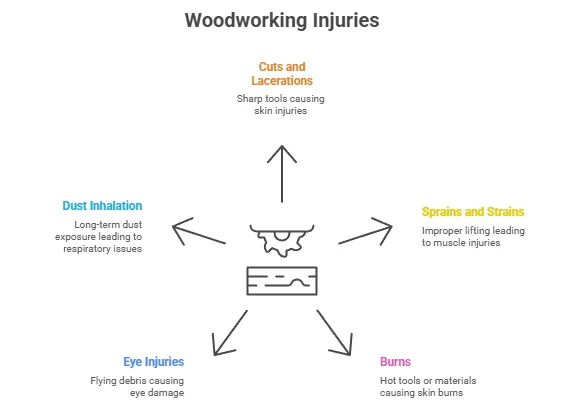
Before diving into first aid, it is crucial to understand some typical woodworking injuries. Here’s a quick overview:
- Cuts and Lacerations: Often caused by saw blades, chisels, or knives.
- Sprains and Strains: Resulting from improper lifting or awkward positions.
- Burns: Can occur from hot tools or materials.
- Eye Injuries: Caused by flying debris or dust.
- Dust Inhalation: Long-term exposure can lead to respiratory issues.
First Aid Steps for Woodworking Injuries
Cuts and Lacerations
For minor cuts and lacerations, follow these steps:
- Wash your hands thoroughly before attending to the wound.
- Clean the injury with soap and water to remove any debris.
- Apply an antibiotic ointment to prevent infection.
- Cover the cut with a sterile bandage to keep it clean.
- Monitor the injury for signs of infection like redness or swelling.
If the cut is deep or bleeding profusely, seek professional medical help immediately.
Sprains and Strains
If you experience a sprain or strain:
- Rest: Avoid using the injured area to prevent further damage.
- Ice: Apply ice packs for 15-20 minutes every hour for the first day to reduce swelling.
- Compression: Use an elastic bandage to provide support.
- Elevation: Keep the injured area elevated to decrease swelling.
If pain persists, consult a healthcare professional for a thorough evaluation.
Burns
In case of a burn, remember the following:
- Immediately cool the burn under running cool water for at least 10 minutes.
- Do not apply ice directly to the burn, as this can cause further tissue damage.
- Cover the burn with a clean, non-stick bandage.
- Avoid using home remedies like butter or ointments without professional advice.
If the burn is large, blisters develop, or you experience severe pain, seek medical attention.
Eye Injuries
Eye injuries can be serious. Here’s what to do:
- If you get sawdust or debris in your eye, do not rub it. Rinse your eye with clean water or saline solution.
- If an object is lodged in your eye, seek immediate medical assistance. Do not attempt to remove it yourself.
- If you experience persistent pain, redness, or vision problems after the injury, consult a doctor.
Dust Inhalation
Long-term exposure to dust is dangerous. If you inhale sawdust:
- Get to fresh air immediately.
- Drink plenty of water to soothe your throat.
- If you have shortness of breath or wheezing, seek medical attention.
Preventing Woodworking Injuries
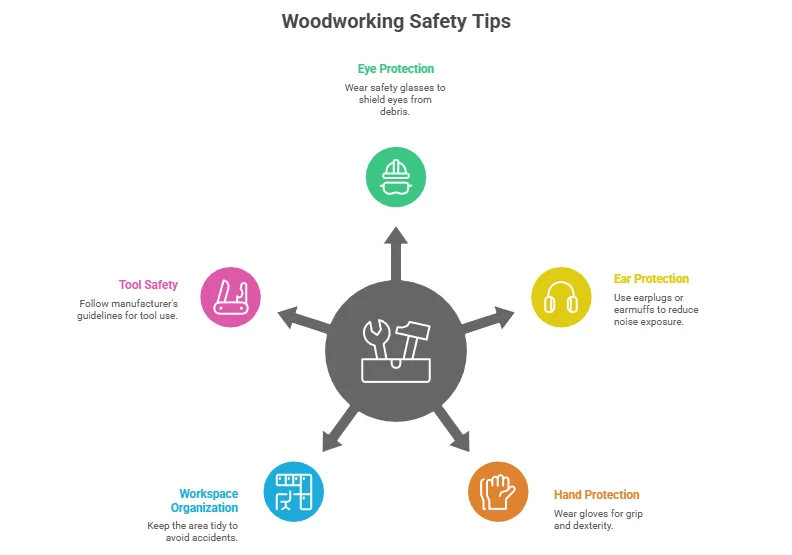
Being proactive about safety can help avoid injuries in the first place. Here are some preventive tips:
- Always wear safety glasses to protect your eyes.
- Use ear protection if you’re working with loud machinery.
- Wear gloves that provide grip but still allow for dexterity.
- Keep your workspace organized to prevent tripping hazards.
- Follow the manufacturer’s safety instructions for all tools.
For more information on woodworking safety, visit Woodworker’s Source. Preparing for the unexpected can give you the confidence to enjoy your woodworking projects safely. Remember, knowledge is the most powerful tool in your workshop!
Conclusion: Prioritizing Safe Woodworking Practices
Prioritizing safety in woodworking is crucial for both beginners and seasoned craftsmen alike. As you embark on your woodworking journey, embrace the Safe Woodworking Practices we’ve highlighted. Starting with essential personal protective equipment (PPE) ensures you safeguard your eyes, ears, and lungs from potential hazards. Remember that even small projects can lead to injuries if the right precautions are not taken.
Familiarity with common woodworking tools and their safety features is just as important. Each tool may have unique guidelines, and knowing them can prevent accidents. Always read the manuals and follow recommended usage to enhance your safety.
Creating a safe woodworking environment sets the foundation for productive and enjoyable crafting. Organize your space, ensure good lighting, and have a clean area to work in. This will not only minimize trip hazards but also help you concentrate on your projects without distractions.
Accidents can happen even with the best safety measures in place. Being prepared with first aid knowledge can make a difference in minimizing injuries and ensuring proper care. Knowing how to treat minor cuts, splinters, or other injuries can keep your woodworking experience enjoyable and help you get back to creating with confidence.
By integrating these Safe Woodworking Practices into your routine, you can enjoy the creativity and satisfaction that comes from working with wood while protecting yourself and those around you. Remember, safety is the backbone of any successful woodworking project.