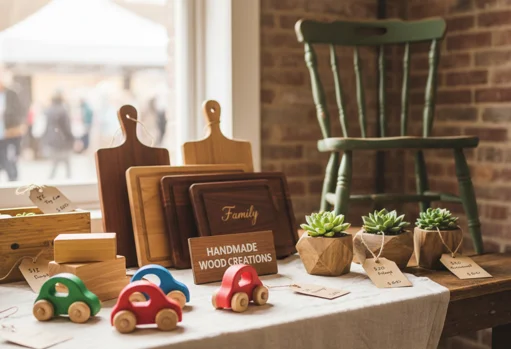
Are you looking for a way to turn your love for woodworking into a profitable venture? With a bit of creativity and the right projects, you can craft items that not only sell well but also ignite your passion for woodworking. Let’s explore profitable Money Making Woodworking Projects that are perfect for beginners.
One of the best things about woodworking is the variety of projects you can choose from. Here are a few ideas that require minimal skills but can bring in substantial profits:
Profitable Woodworking Ideas for Beginners
- Wooden Toys: Handmade wooden toys are always in demand. Simple items like toy cars, building blocks, or puzzles can be made using basic woodworking techniques. Not only are they safe for children, but the nostalgia factor can attract parents looking for quality toys. Consider selling them on Etsy or at local craft fairs.
- Birdhouses: A charming birdhouse can be an easy and lucrative project. You can experiment with unique designs and themes. Adding decorative elements can increase your product’s appeal. Birdhouses are popular among bird lovers and can be sold online or in local stores.
- Furniture Refurbishing: If you have some old furniture lying around, you can refurbish it to increase its value. Sanding, painting, or adding new hardware can transform a tired piece into something magnificent. You might sell these items locally or through platforms like Facebook Marketplace.
- Coasters and Cutting Boards: Simple, functional items such as wooden coasters or cutting boards are perfect for beginners. You can personalize these items by engraving names or designs, making them appealing for gifts. Use durable wood types like maple or cherry for greater marketability.
- Planters: With the rise of indoor gardening, handcrafted wooden planters are a trendy item. You could create various sizes and styles, from simple rectangular boxes to intricate designs. These can be marketed to plant enthusiasts or sold directly on platforms like Etsy.
Cost Analysis for Woodworking Projects
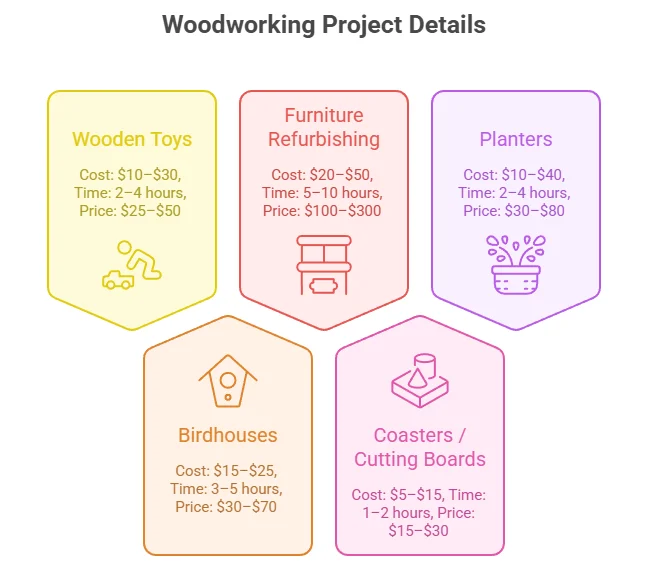
When starting with these projects, it’s essential to understand the costs involved. Consider the materials needed, tools, and your time. Here’s a simplistic table that breaks down potential costs versus selling prices for several woodworking projects:
| Project | Materials Cost | Time Investment | Potential Selling Price |
|---|---|---|---|
| Wooden Toys | $10–$30 | 2–4 hours | $25–$50 |
| Birdhouses | $15–$25 | 3–5 hours | $30–$70 |
| Furniture Refurbishing | $20–$50 | 5–10 hours | $100–$300 |
| Coasters / Cutting Boards | $5–$15 | 1–2 hours | $15–$30 |
| Planters | $10–$40 | 2–4 hours | $30–$80 |
Promoting Your Woodworking Business
Promoting your projects is just as crucial as crafting them. Utilizing social media platforms like Instagram and Pinterest can showcase your work. Regularly post pictures of your finished products, and engage with potential buyers by sharing behind-the-scenes processes. Consider joining local woodworking communities or forums that cater to enthusiasts and buyers alike.
Networking with other woodworkers or crafters can provide valuable insight and help increase your visibility in the market. Websites such as Woodworking Network can offer tips, resources, and opportunities to connect with like-minded individuals.
There are numerous profitable Money Making Woodworking Projects that can be tackled by beginners. Start with simple designs and focus on quality to attract buyers. As you gain experience and confidence, you can move on to more complex projects.
Crafting Sellable Wooden Goods: Tips and Techniques
Crafting wooden goods not only allows you to express your creativity but can also be a lucrative venture. If you’re interested in creating sellable wooden products, here are some tips and techniques to help you turn your passion into profit.
Understand Your Market
Before you start designing and crafting, research is key. Understand what types of items are in demand in your area or online. Popular wooden goods include:
- Furniture (tables, chairs, benches)
- Home Decor (shelves, wall art)
- Kitchenware (cutting boards, utensils)
- Toys (puzzles, building blocks)
Analyze trends through platforms like Etsy and local craft fairs. Knowing your customers’ preferences will guide your designs and craftsmanship.
Choose Quality Materials
Selecting the right type of wood is vital for durability and aesthetics. Popular choices include:
- Oak – strong and versatile
- Maple – hard and light-colored
- Cedar – naturally resistant to decay
- Pine – affordable and easy to work with
Invest in high-quality materials that will enhance the final product. This not only improves durability but also attracts buyers willing to pay a premium for well-made items.
Master Your Craft
Invest time in honing your woodworking skills. Here are some essential techniques to consider:
- Joinery Techniques: Learn methods such as dovetail, mortise and tenon, and lap joints to make strong, durable connections.
- Finishing Techniques: Proper sanding and finishing (with stains or varnishes) can elevate the appearance of your pieces.
- Tool Proficiency: Get comfortable with essential tools such as saws, drills, and sanders to ensure precision in your work.
Consider taking woodworking classes or engaging with local artisans for mentorship. Online platforms like Udemy offer courses that can help sharpen your skills.
Create Unique Designs
Stand out in the market by adding a personal flair to your designs. Here are some ideas:
- Incorporate personal branding like logos or unique signatures.
- Experiment with mixed materials, such as combining wood with metal or glass.
- Design multi-functional products, like furniture that serves as storage.
Your unique designs will help differentiate your items and attract customers who appreciate original craftsmanship.
Set Competitive Prices
Pricing your products correctly is crucial for ensuring profitability while remaining competitive. Consider the following:
- Calculate the cost of materials and time invested.
- Analyze competitor pricing for similar products.
- Factor in additional costs such as marketing and shipping.
Online calculators can help you find a fair price point. Understanding your costs helps ensure you are not underpricing your items.
Promote Your Creations
Effective marketing can significantly boost your sales. Consider these strategies:
- Leverage social media platforms like Instagram and Facebook to showcase your work.
- Creating a website can serve as an online portfolio. Use platforms such as Shopify to set up an online store.
- Participate in local craft fairs and markets to reach a wider audience.
Engaging with your customer base can build loyalty and encourage word-of-mouth marketing, which is invaluable in the craft industry.
Stay Committed to Sustainability
As consumers become more environmentally conscious, offering sustainable products can set you apart. Here are some ideas:
- Use reclaimed or recycled wood.
- Opt for eco-friendly finishes and adhesives.
- Educate your customers on the sustainability of your materials.
This commitment to sustainability not only attracts a growing market segment but also elevates your brand’s reputation.
By implementing these tips and techniques, you can successfully create sellable wooden goods that appeal to a wide audience. With creativity, skill, and effective marketing, you can turn your woodworking passion into a profitable venture.
Essential Tools for Successful Woodworking Ventures
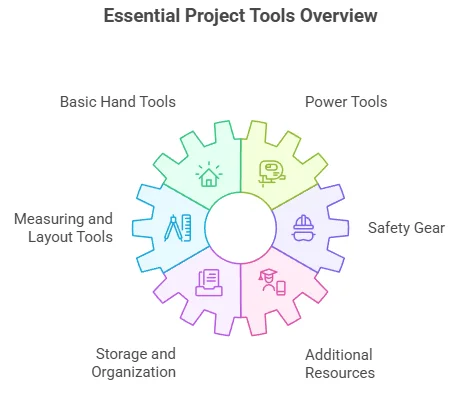
Woodworking can transform simple pieces of wood into beautiful and functional creations. Whether you are a seasoned pro or just starting out, having the right tools is essential for success in your Money Making Woodworking Projects. Below, you will find a list of tools that can help elevate your woodcrafting skills and ensure your projects turn out perfectly.
Basic Hand Tools
When beginning your woodworking journey, start with some basic hand tools. These are often more affordable and can help you understand the fundamentals of woodworking. Here are a few you should consider:
- Saws: A hand saw and a coping saw are essential for making precise cuts.
- Chisels: These are crucial for carving and creating fine details in your projects.
- Planes: A block plane can help smooth out rough edges on wood pieces.
- Hammers: A good quality claw hammer is needed for driving nails and making adjustments.
- Screwdrivers: Both flat-head and Phillips head screwdrivers will help with assembly.
Power Tools
Once you are comfortable with hand tools, investing in power tools can greatly enhance your productivity and creativity. The following power tools are highly recommended for woodworking:
- Circular Saw: Perfect for making straight cuts on large sheets of wood. Consider brands like DEWALT.
- Table Saw: A must-have for more complicated and precise cuts. Porter-Cable offers excellent options.
- Drill/Driver: A cordless drill/driver makes creating holes and driving screws a breeze.
- Router: This tool allows for decorative edges and hollowing out areas in wood.
Measuring and Layout Tools
For accuracy, using the right measuring and layout tools is crucial. Here are some vital tools to consider:
- Tape Measure: A quality tape measure is essential for measuring length and ensuring cuts are accurate.
- Square: A framing square or a speed square will help you mark perfect right angles.
- Marking Gauge: Useful for creating consistent depths for cuts.
Safety Gear
Safety should never be overlooked in woodworking. Here is the necessary safety equipment you should always wear:
- Safety Glasses: Protect your eyes from sawdust and flying debris.
- Hearing Protection: Earplugs or earmuffs help protect your hearing from loud tools.
- Dust Mask: A good mask will help you avoid inhaling wood particles.
Storage and Organization
Having a tidy workspace is important for efficiency and safety. Consider investing in:
- Tool Chest: Keeps all your tools organized and easily accessible.
- Workbench: A sturdy workbench acts as a reliable workspace for your projects.
Additional Resources
Once you have your tools ready, consider furthering your woodworking education. Here are some useful resources:
- Wood Magazine: Offers articles, plans, and project ideas.
- Popular Woodworking: Provides tips, techniques, and design ideas.
- Woodworking for Beginners: A great starting place for novices.
The right tools make all the difference in woodworking. Start with the basics, invest in some good power tools, and never forget to prioritize safety. A well-organized workspace further enhances your woodworking journey, allowing you to focus on creating beautiful woodworking projects.
Marketing Your Woodworking Creations: Strategies for Success
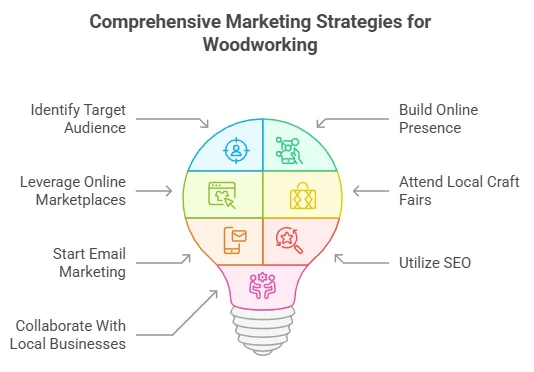
Creating beautiful woodworking pieces is just the beginning—marketing your creations is essential to turn your passion into profit. Whether you’re a seasoned carpenter or a woodworking novice, understanding how to effectively market your Money Making Woodworking Projects can make all the difference. Here are some actionable strategies that can help you successfully promote your woodworking creations.
Identify Your Target Audience
The first step in marketing your woodworking projects is to define who you want to reach. Ask yourself: Who will benefit from my products? Consider various demographics, such as:
- Age group
- Income level
- Interests and hobbies
- Location
Understanding your audience will help you tailor your marketing messages and product offerings to attract potential buyers.
Build an Online Presence
In today’s digital age, having a strong online presence is crucial. Here’s how to get started:
- Create a Website: Develop a professional website showcasing your work. Include high-quality images and detailed descriptions of your products, along with pricing and purchasing options. Platforms like Wix and Shopify can help you build a user-friendly site quickly.
- Start a Blog: Share tips, techniques, and your woodworking journey on a blog. This positions you as an expert and drives more traffic to your site. Consider using platforms like WordPress.
- Utilize Social Media: Engage with customers on platforms like Instagram, Pinterest, and Facebook. Show your projects through enticing photos and participate in woodworking communities to build a following. Use relevant hashtags to increase visibility, such as #Woodworking and #HandmadeFurniture.
Leverage Online Marketplaces
In addition to having your own website, consider selling through established online marketplaces. Websites like Etsy cater specifically to handmade goods and can connect you with potential customers. Set up a shop and optimize your listings with strong keywords to improve search visibility.
Attend Local Craft Fairs and Markets
Besides online marketing, engaging with your local community can have significant benefits. Look for craft fairs, farmers’ markets, or local exhibitions where you can showcase and sell your woodworking projects. This gives you a chance to:
- Interact directly with potential buyers
- Provide live demonstrations of your skills
- Gather feedback and build customer relationships
Prepare a business card with your contact details and website link to ensure customers can follow up with you after the event.
Start Email Marketing
Email marketing is a powerful tool for keeping your audience informed and engaged. Here’s how to make it work:
- Build an Email List: Encourage website visitors to subscribe to your newsletter for updates, promotions, and exclusive offers.
- Send Regular Updates: Share new projects, woodworking tips, and any promotions to keep your audience engaged.
- Personalize Your Emails: Using the recipient’s name and tailoring content to their interests can improve engagement rates.
Utilize Search Engine Optimization (SEO)
Optimizing your website and social media profiles for search engines can substantially increase your visibility. Here are some SEO tips:
- Use relevant keywords related to your woodworking projects in titles, meta descriptions, and content.
- Create engaging and original content regularly to keep your website active.
- Link to your social media profiles and vice versa to enhance your online presence.
Collaborate With Local Businesses
Form partnerships with local businesses that complement your woodworking creations. For instance, you might team up with:
- Home decor stores
- Interior designers
- Gift shops
These collaborations can help in cross-promoting products and expanding your customer reach.
Implementing these strategies will enhance your marketing efforts and elevate your business. Remember, success in marketing your woodworking creations requires effort, creativity, and patience. Keep experimenting and adapt your strategies based on what works best for you and your audience.
Sustainable Woodworking: How to Capitalize on Eco-Friendly Trends
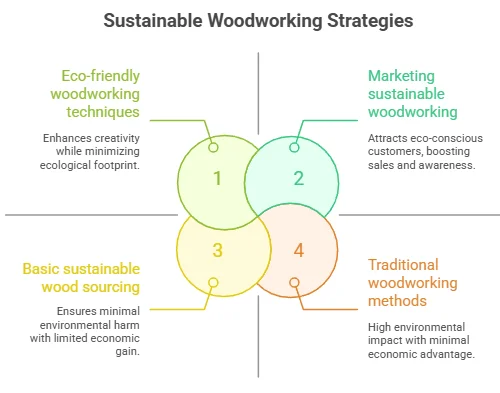
In recent years, there’s been a growing shift towards sustainability that touches every corner of our lives, including woodworking. By embracing eco-friendly practices, you can tap into a lucrative market while also taking a stand for the environment. Sustainable woodworking not only involves using responsibly sourced materials but also entails adopting techniques that minimize waste and promote the longevity of products. Here, you’ll discover how to capitalize on eco-friendly trends in woodworking.
Understanding Sustainable Wood Sources
One of the fundamental aspects of sustainable woodworking is the choice of materials. Here’s how you can make informed decisions:
- Reclaimed Wood: This is wood salvaged from old buildings, furniture, or packaging. Reclaimed wood often has unique character and is an attractive option for various projects.
- Certified Sustainable Timber: Look for wood certified by organizations like the Forest Stewardship Council (FSC). This ensures the wood is harvested responsibly and helps combat deforestation.
- Bamboo: As a rapidly renewable resource, bamboo is an excellent alternative to traditional hardwood. It grows quickly and offers impressive strength.
- Local Wood Species: Sourcing wood locally reduces transportation emissions and supports local economies. You can find unique species that add value to your projects.
Eco-Friendly Techniques and Tools
Implementing eco-friendly woodworking techniques is crucial for minimizing waste and maximizing efficiency:
- Use of Eco-Friendly Finishes: Opt for water-based or plant-based finishes instead of conventional oil-based products. These options are less harmful to you and the environment.
- Efficient Design: Plan your projects carefully to reduce off-cuts and waste. Using software for design can help you visualize and calculate material needs.
- Power Tool Efficiency: Invest in energy-efficient power tools that consume less electricity. Battery-operated tools have also become more efficient.
- Woodworking Jigs: Utilizing jigs can help make accurate cuts and joints, reducing the likelihood of mistakes and wasted materials.
Money Making Woodworking Projects (Sustainable Focus)
Capitalize on the eco-friendly trend by creating in-demand products that resonate with eco-conscious consumers:
- Furniture: Handmade furniture crafted from reclaimed or sustainable wood, such as tables and chairs, can fetch premium prices.
- Garden Planters: Custom planters made from recycled material can attract nature lovers and gardening enthusiasts.
- Home Decor: Items like picture frames, wooden signs, and shelves made from salvage wood can appeal to consumers looking for unique, eco-friendly home decor.
- Kitchen Utensils: Wooden spoons, cutting boards, and bowls are always in demand. Choose hardwoods that are sustainably sourced for their durability.
- Wooden Toys: Eco-friendly toys made from non-toxic finishes and sustainable wood are a growing market, appealing to parents seeking safe products for their children.
Marketing Your Woodworking Business
To successfully sell your sustainable woodworking projects, effective marketing is key:
- Social Media: Utilize platforms like Instagram or Pinterest to showcase your eco-friendly creations. Use relevant hashtags like #SustainableWoodworking to reach a broader audience.
- Local Markets: Participate in local craft fairs or farmers markets to connect directly with your community and promote sustainable woodworking.
- Website & SEO: Build a user-friendly website that highlights your sustainable focus. Optimize content for search engines by using keywords like “sustainable woodworking” and “eco-friendly projects.” Learn more at Woodworking Network.
- Collaborations: Team up with local businesses or artists who share similar values. Joint promotions can increase your exposure and reach.
Conclusion
Venturing into the world of woodworking can be both fulfilling and profitable if approached strategically. Starting with beginner-friendly projects allows you to hone your skills and build confidence. As you craft sellable wooden goods, remember that quality craftsmanship and attention to detail can set your products apart in the marketplace. Equip yourself with essential tools that enhance your efficiency and precision, which will significantly contribute to the success of your woodworking business.
Marketing your creations effectively is crucial. Use social media platforms, local craft fairs, and online marketplaces to showcase your work and connect with potential buyers. Engaging storytelling around your products can create a personal connection, making customers more likely to choose your goods over others.
In today’s eco-conscious market, embracing sustainable woodworking can give you a competitive edge. By sourcing environmentally friendly materials, you attract customers who prioritize sustainability, allowing you to tap into this growing segment.
Whether you’re just starting or looking to expand your woodworking enterprise, combining skillful craftsmanship, effective marketing, and a commitment to sustainability will enhance your chances of success. Embrace each project’s learning opportunity, and let your passion guide you on the journey to becoming a successful woodworking entrepreneur. With dedication and creativity, you can turn your woodworking skills into a rewarding source of income.