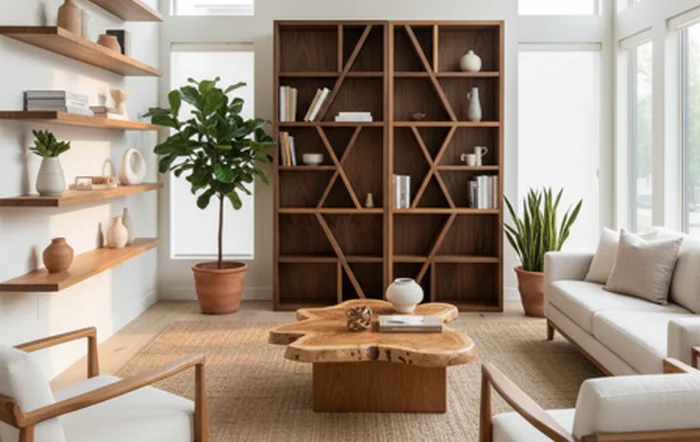
When you think of woodworking, you might imagine complex furniture or detailed cabinetry. However, Modern Woodworking Projects have evolved to cater to all skill levels, especially for beginners. The beauty of woodworking lies in its creativity and adaptability, allowing you to craft functional pieces for your home. Below are some innovative woodworking projects that even newcomers can tackle successfully.
One exciting aspect of modern woodworking is that it combines traditional techniques with contemporary designs. This mix allows beginners to embrace their creativity while developing essential skills. Here are some projects that beginners can easily undertake:
Beginner Woodworking Ideas
1. Floating Shelves
Floating shelves are an excellent starter project. They provide storage while adding style to your walls.
Materials Needed:
- Wooden boards, brackets, screws, sandpaper, and your choice of wood finish.
Steps:
- Select the wood and cut it to your desired length.
- Sand the edges to smooth out any rough spots.
- Attach brackets securely to the wall.
- Fit the shelf onto the brackets and ensure it is level.
2. Birdhouses
Building a birdhouse is a fun and practical project that helps you connect with nature. Plus, it’s a fantastic way to practice basic woodworking skills.
Materials Needed:
- Plywood or cedar wood, nails, wood glue, and paint.
Steps:
- Cut the wood into six panels: one for the base, two for the sides, one for the back, one for the front, and one for the roof.
- Assemble the panels using nails or wood glue.
- Add a perch and an entrance hole on the front.
- Paint or stain the birdhouse as per your choice.
3. Candle Holders
Candle holders are a chic and straightforward project that can enhance your home décor.
Materials Needed:
- Wood blocks, a drill, and finishing oil or paint.
Steps:
- Cut the wood into the desired shape (blocks or cylindrical).
- Drill holes in the top to fit the candle sizes.
- Finish the wood with paint or oil to protect it and give it a polished look.
4. Small Tables
A small side table or accent table is a practical project that provides ample space for storage or displays.
Materials Needed:
- Wooden boards, screws, wood glue, and legs.
Steps:
- Cut the wood to create the top surface and legs.
- Assemble the pieces using wood glue and screws.
- Finish with sandpaper before applying your choice of stain or paint.
Top Tools and Techniques for Successful Woodworking
Woodworking is a rewarding craft that allows you to create stunning pieces while honing your skills. To embark on this journey, it is essential to use the right tools and techniques. Below are some top tools and methods that will help ensure your Modern Woodworking Projects are successful and enjoyable.
Essential Hand Tools for Woodworking
Hand tools are foundational to woodworking. They give you precision and control, making them ideal for fine details. Here’s a list of must-have hand tools:
- Hand Saw: A reliable hand saw is indispensable for straight cuts and intricate work.
- Chisels: Quality chisels allow you to carve and shape wood effectively. Look for a set with different sizes.
- Planes: A smoothing plane is great for flattening surfaces and ensuring a perfectly smooth finish.
- Clamps: Strong clamps hold your pieces together securely while glue dries, ensuring accuracy in your work.
- Measuring Tools: Tools like tape measures, squares, and calipers are vital for precision measurements.
Power Tools to Elevate Your Projects
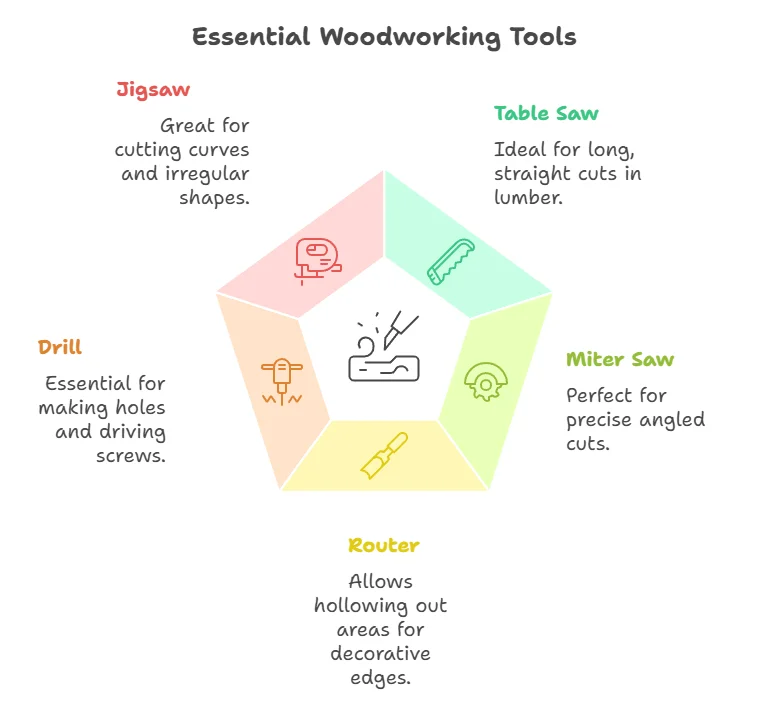
Power tools can significantly speed up your woodworking tasks and enhance the quality of your work. The following tools are popular among woodworkers:
- Table Saw: Ideal for making long, straight cuts in lumber. A table saw is a wise investment for serious woodworkers.
- Miter Saw: Perfect for precise angled cuts, useful for framing and projects that require beveled edges.
- Router: A router allows you to hollow out areas in wood, perfect for decorative edges or joining pieces together.
- Drill: An electric drill is essential for making holes or driving screws, a must-have for assembling projects.
- Jigsaw: This tool is great for cutting curves and irregular shapes, offering versatility in your designs.
Techniques to Enhance Your Woodworking Skills
Having the right tools is just the beginning; mastering techniques is equally important. Here are some techniques that every woodworker should learn:
Joinery Techniques
Learning various joinery techniques will enable you to create stronger and more aesthetically pleasing connections in your projects. Key joinery methods include:
- Butt Joints: Basic joints ideal for simple assemblies. They are quick to make but may require additional reinforcement.
- Mortise and Tenon: This traditional joint provides superior strength and is great for frame constructions.
- Dovetail Joints: Known for their interlocking shape, dovetails are often used in drawer construction for both strength and beauty.
Finishing Techniques
Finishing can transform your project from good to exceptional. Here are common finishing techniques:
- Staining: Enhances the natural grain of the wood and adds color. Always test on a scrap piece first!
- Varnishing: A protective layer that brings out the wood’s luster while offering a durable finish.
- Painting: Perfect for achieving a specific color and can also protect the wood.
Safety Measures for Woodworking
Your safety is paramount in woodworking. Here are basic safety measures to follow:
- Wear Protective Gear: Safety glasses, dust masks, and hearing protection are essential to protect yourself from hazards.
- Keep Your Workspace Clean: A clutter-free environment reduces the risk of accidents.
- Follow Tool Instructions: Understand how to operate tools properly to minimize risks.
For those eager to learn more about woodworking tools and techniques, consider visiting Wood Magazine and Popular Woodworking. These sites provide valuable insights, projects, and tips to sharpen your skills.
Sustainable Woodworking: Eco-Friendly Practices for Modern Projects
Woodworking is a timeless craft with a rich history. Today, as we become increasingly aware of our environmental impact, sustainable woodworking practices are gaining traction. This approach promotes the use of eco-friendly materials and methods, allowing you to create beautiful projects while respecting the planet. By adopting sustainable techniques, you can contribute to a healthier environment and embrace a modern lifestyle that values both aesthetics and responsibility.
Choosing Sustainable Materials
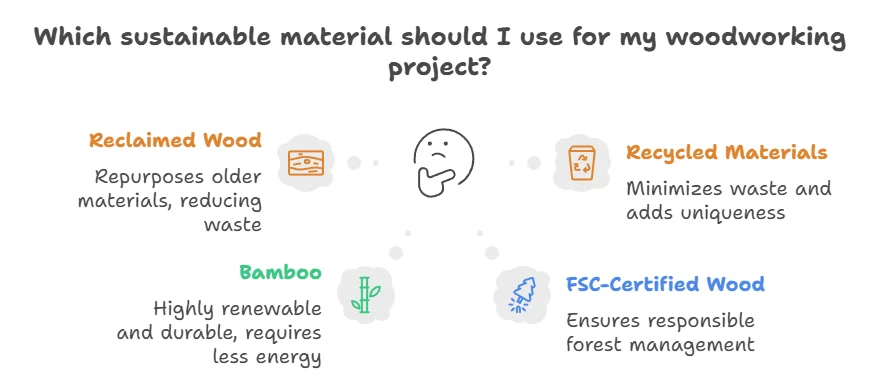
One of the first steps in creating eco-friendly Modern Woodworking Projects is selecting the right materials.
- Reclaimed Wood: Using reclaimed wood is an excellent way to repurpose older materials and reduce waste. You can find this type of wood in old factories, barns, or discarded furniture.
- Bamboo: Bamboo grows quickly and is highly renewable. It is a durable option for many woodworking projects and requires less energy to produce compared to traditional hardwoods.
- FSC-Certified Wood: Look for wood that is certified by the Forest Stewardship Council (FSC). This ensures that the wood comes from responsibly managed forests that provide environmental, social, and economic benefits.
- Recycled Materials: Incorporate recycled products like plastic or metal into your woodworking projects. This not only minimizes waste but also adds a unique touch to your creations.
Eco-Friendly Finishes and Adhesives
Finishing products can contain harmful chemicals. Opting for eco-friendly options is crucial for maintaining a sustainable woodworking practice.
- Natural Oils: Oils such as linseed or tung oil are non-toxic and offer a beautiful finish while nourishing the wood.
- Water-Based Finishes: These finishes have lower volatile organic compounds (VOCs), making them healthier for you and the environment.
- Plant-Based Adhesives: Instead of traditional glues that may contain harmful substances, explore using plant-based adhesives that are safer and more sustainable.
Energy-Efficient Practices
Modern woodworking can incorporate energy-efficient practices, reducing your overall footprint while working on projects.
- Solar Power: Consider setting up solar panels to power your workshop, ensuring your tools run on renewable energy.
- Tool Efficiency: Use high-quality tools that require less energy and maintain their performance over time. This practice not only saves energy but can reduce your costs as well.
Waste Reduction Strategies
Reducing waste is vital in sustainable woodworking. Here are some methods to implement:
- Plan Your Cuts: Efficiently plan your cuts to minimize leftover scraps. You can even use software tools to maximize material use.
- Shavings and Scraps: Don’t throw away wood shavings and scraps. They can be used for mulch, fuel, or even small projects.
- Community Sharing: Join local woodworking groups to swap materials, tools, or ideas that prioritize sustainability.
Learning Resources
To further your knowledge about sustainable woodworking, consider exploring the following resources:
- Forest Stewardship Council – FSC
- The Greenwood Workers Guild
- Wood Magazine
By embracing Modern Woodworking Projects with eco-friendly practices, you can make a positive impact on the environment. Whether you create furniture, decor, or functional pieces, each project is an opportunity to showcase both beauty and sustainability.
Engaging in these practices not only preserves our planet but can also inspire others to follow suit. Imagine a community filled with artisans united in their love for woodworking and commitment to the earth. With every cut and polish, each craftsman contributes to a more sustainable future.
The Art of Combining Functionality and Aesthetics in Woodworking
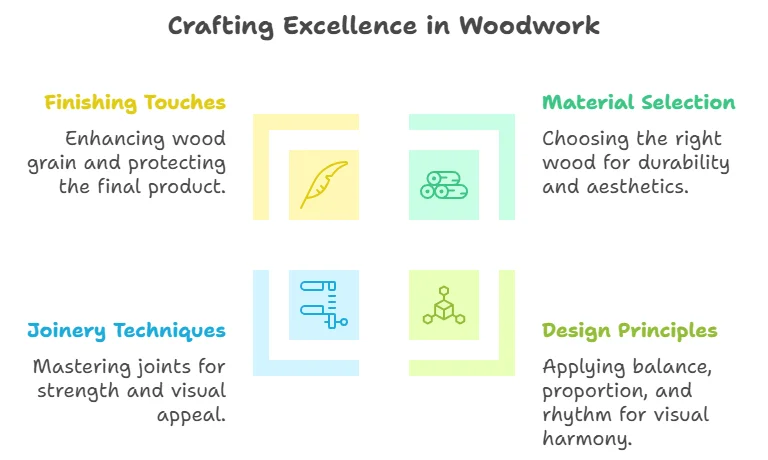
In woodworking, the fusion of functionality and aesthetics is an ongoing pursuit that elevates ordinary wooden pieces into extraordinary works of art. Whether you are designing furniture or crafting intricate decor, blending these elements will not only enhance the beauty of your projects but also guarantee their practical use in daily life. Achieving this harmony can be immensely rewarding, providing both joy and a sense of accomplishment.
When crafting your woodworking projects, you’ll need a well-thought-out approach that considers both how the piece will look and how it will serve its intended purpose. Here are some fundamental principles to keep in mind:
- Material Selection: Use quality wood that complements your design. Hardwoods like oak or walnut offer durability, while softer woods like pine may bring a cozy feel.
- Design Principles: Utilize the principles of design—balance, proportion, and rhythm. Ensure that each project has a visual harmony that is pleasing to the eye.
- Joinery Techniques: Mastering joinery not only adds strength to your projects but can create visual interest as well. Options like dovetails or mortise-and-tenon joints provide functionality and enhance aesthetics.
- Finishing Touches: Choose finishes that enhance the wood grain and protect your work. Oils, stains, and varnishes can dramatically change how a piece looks while preserving its integrity.
Start exploring woodworking by diving into projects that embody this union. Some Modern Woodworking Projects that stand out for their blend of form and function include:
- Stylish Bookshelves: Not only do they hold books, but they can also serve as stunning display units for art or plants.
- Functional Coffee Tables: Consider designs with built-in storage, balancing practicality with visual appeal.
- Clever Seating Solutions: Benches and stools that incorporate hidden compartments combine seating with storage.
- Beautiful Picture Frames: Custom frames can accentuate artwork while keeping it safe and secure.
Researching innovative ideas is crucial to improving your woodworking skills. Websites like Wood Magazine provide valuable resources and inspiration for craftsmen at all levels. Exploring selected tutorials and design ideas can help you understand how to integrate aesthetics with utility seamlessly.
Moreover, consider taking workshops or online courses. These platforms not only enhance skills but also focus on finding that functional and aesthetic balance:
- Online Courses: Websites such as Craftsy offer a broad selection of woodworking classes that emphasize design foundations.
- YouTube Channels: Channels like Woodworking for Beginners showcase hands-on demonstrations that help visualize techniques in action.
- Community Forums: Engage in forums like Woodworking Talk to share knowledge, ask questions, and get feedback from fellow enthusiasts.
Combining aesthetics and functionality extends beyond just the physical characteristics of your projects; it also involves understanding the emotional response they evoke. A well-crafted piece has the power to bring warmth and life into a space, sparking joy and conversation.
Begin your projects with intent, envisioning not just the final appearance, but also how users will interact with your creations. The purpose behind each design decision—not just how something looks but how it operates—will lead to pieces that resonate on deeper levels. Thinking about these aspects from the start will assist in producing woodworking items that fulfill both a need and an emotional connection.
Ultimately, mastering the art of combining functionality and aesthetics in woodworking takes time and practice. Experiment with different designs, materials, and techniques. The more you create, the better you will become at balancing these aspects, leading to stunning results that are both beautiful and practical. Stay connected with other woodworkers, continually learn, and let your creativity guide you as you enhance your craft.
By weaving together functionality and aesthetics, you’ll have woodworking projects that not only serve their intended purpose but also delight those who experience them.
Capturing Trends: How Modern Design Influences Woodworking Projects
In today’s world, woodworking is evolving rapidly as both a craft and a hobby. Modern design trends are heavily influencing woodworking projects, leading to innovative ideas that blend functionality with aesthetics. If you’re a woodworking enthusiast or just starting, understanding how these trends impact your projects can elevate your skills and the quality of your creations.
Understanding Modern Design Trends
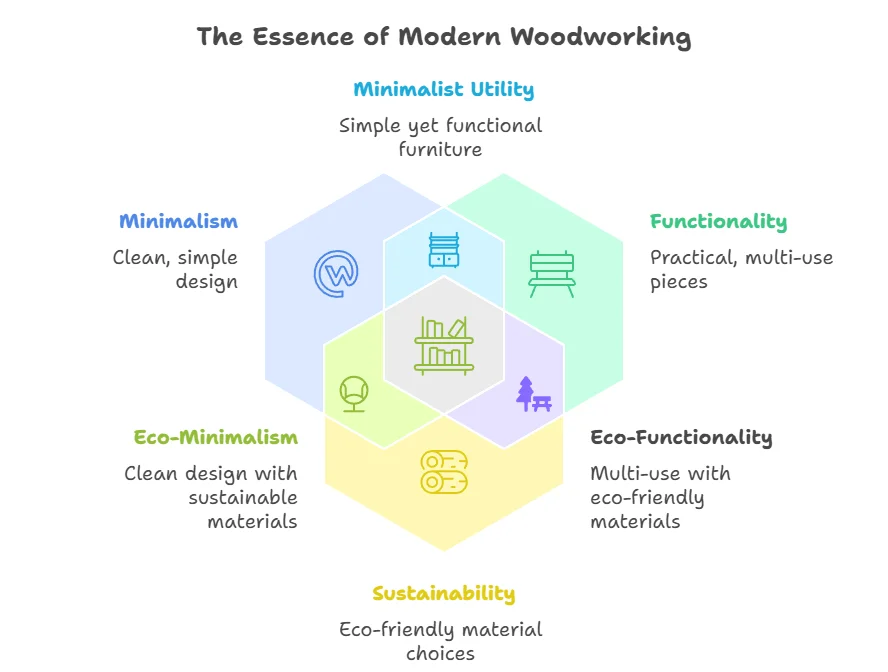
Modern design focuses on minimalism, functionality, and sustainability. These principles are taking Modern Woodworking Projects to new heights. Here’s how you can incorporate modern design into your woodworking:
- Minimalism: Less is more when it comes to modern woodworking. Clean lines and simple shapes create pieces that are both stylish and functional. Think of creating furniture with a sleek silhouette, such as a minimalist coffee table or a streamlined bookshelf.
- Functionality: Modern design emphasizes practical use. Multi-functional furniture, like a bench with storage or a desk that doubles as a dining table, reflects this trend. Consider how each piece can serve multiple purposes in your space.
- Sustainability: Eco-friendly materials are key in modern woodworking. Utilizing reclaimed wood or sustainable lumber can not only reduce waste but also add character to your projects. Many woodworkers now prioritize materials that are both beautiful and environmentally friendly.
Popular Modern Woodworking Projects
Now that you’re aware of design trends, let’s explore some popular Modern Woodworking Projects that align with these principles:
- Geometric Shelves: These shelves combine functionality and artistry. By cutting wood into geometric shapes, you create an eye-catching display while providing space for books and decor.
- Live Edge Furniture: Furniture that showcases the natural edge of the wood showcases its unique beauty. Consider crafting a live-edge dining table or coffee table to make a bold statement in your home.
- Wooden Planters: With a rising interest in indoor gardening, wooden planters are an ideal project. These can be designed to fit any space and style—adding greenery to your home while showcasing your woodworking skills.
The Role of Technology in Woodworking
Today’s woodworkers are incorporating technology into their projects more than ever. By using advanced tools and software, you can enhance your woodworking experience. Consider the following:
- CAD Software: Designers are using computer-aided design (CAD) software to create detailed plans and blueprints for their projects. This ensures accuracy and helps visualize the final product.
- Power Tools: The use of power tools can significantly speed up the woodworking process. Tools like laser cutters and routers allow for intricate designs while also ensuring precision.
- Online Communities: Engaging with online woodworking communities opens doors to new ideas and techniques. Websites like Woodworking Network offer resources, forums, and even competitions to inspire your projects.
Tips for Creating Modern Woodworking Projects
Ready to start your modern woodworking project? Here are some helpful tips:
- Plan Ahead: Always sketch your ideas and determine the dimensions before starting. This step saves time and materials.
- Select the Right Materials: Pay attention to wood choice. Hardwoods often give a more luxurious feel, while softwoods are easier to work with for beginners.
- Focus on Details: Modern designs are often about the little things—sharp angles, smooth edges, and impeccable finishes. Don’t rush this step; ensure each part of your project is polished to perfection.
Staying Inspired
Finding inspiration is essential for any woodworker. Keep an eye on modern design trends by exploring platforms like Pinterest or Instagram, where talented woodworkers share their projects. Additionally, blogs and websites, such as DIY Network, frequently showcase contemporary woodworking ideas.
By embracing modern design trends, you can elevate your Modern Woodworking Projects to new heights. Whether you’re revamping your home or simply exploring a new hobby, focusing on minimalism, functionality, and sustainability will guide you toward creating stunning pieces that reflect contemporary tastes.
To further your learning, consider visiting Wood Magazine for expert tips and tutorials that will help you master the craft of modern woodworking.
Conclusion
As we delve into the world of Modern Woodworking Projects, it’s clear that this craft has evolved significantly, offering a wealth of opportunities for both beginners and seasoned woodworkers. Whether you’re just starting or looking to expand your skill set, innovative projects await to ignite your creativity. Utilizing top tools and techniques sets the foundation for successful woodworking, ensuring safety and precision.
Moreover, embracing sustainable woodworking practices not only benefits the environment but also enhances the quality of your projects. By choosing eco-friendly materials, you contribute to a greater cause while creating beautiful pieces that tell a story. The balance of functionality and aesthetics remains at the core of modern design, allowing you to create stunning items that are both useful and pleasing to the eye.
Staying attuned to the latest trends in design helps you keep your projects fresh and relevant, making woodworking a fulfilling endeavor that can adapt to changing tastes. Engaging in modern woodworking isn’t just about crafting; it’s about self-expression and connecting with a community of creative minds. As you embark on your woodworking journey, remember that each project is an opportunity to learn and grow. So, gather your tools, unleash your creativity, and enjoy every moment spent shaping wood into something remarkable. You have the power to transform simple materials into beautiful creations that can enhance any space. Your woodworking adventure awaits!