Woodturning is a fascinating aspect of carpentry, especially for beginners eager to craft unique pieces using a lathe. Diving into Lathe Woodworking Projects can open up a world of creativity and skill-building. Here, we present a selection of innovative woodworking projects that you can start with your lathe, each designed to enhance your skills while producing beautiful items.
Essential Tools and Materials
Before embarking on any project, it’s important to gather the right tools and materials. Here’s a basic list to get you started:
- Wood lathe
- Wood blanks (choose an easy-to-work wood like pine or birch)
- Turning tools (gouges, chisels)
- Sandpaper (various grits)
- Finishing products (oil, varnish, wax)
Fun Lathe Woodworking Projects
Here are some innovative and engaging Lathe Woodworking Projects perfect for beginners:
- Wooden Pens: Crafting wooden pens is an excellent starter project. Pen-making kits are widely available and include all necessary hardware. You can experiment with different wood types and finishes to create a pen that reflects your style.
- Small Bowls: Turning a small bowl can teach you about different turning techniques. Start with a block of wood, and as you progress, challenge yourself with varying sizes and shapes. Bowls can be functional or purely decorative, depending on your design.
- Candlesticks: Creating candlesticks allows you to practice precision while creating an elegant home décor item. Choose a simple design, and once comfortable, try more complex patterns and finishes.
- Spinning Tops: Spinning tops are a fun and playful project. They allow for creativity in design and are simple enough for beginners while providing an excellent opportunity to learn about balance and symmetry.
- Wine Stoppers: Crafting custom wine stoppers is a rewarding project that offers great gifting potential. You can personalize these with interesting wood grains and finishes, making them perfect for special occasions.
Design Tips for Success
As you start your lathe woodworking journey, keep the following tips in mind:
- Start Small: Choose simple designs that can be completed easily.
- Practice Safety: Always wear protective gear, including goggles and a dust mask.
- Be Patient: Mastery takes time. Don’t rush the process.
- Learn from Mistakes: Each project is a learning opportunity. Embrace the flaws and learn from them.
Resources for Learning and Inspiration
Expand your knowledge and find more project ideas through various online resources:
Engage with the Woodworking Community
Joining online forums or local workshops can provide additional support and inspiration. Sharing your projects with other woodworking enthusiasts can offer valuable feedback and encouragement. Websites like r/woodworking on Reddit and Facebook woodworking groups are great places to connect.
Essential Tools and Techniques for Successful Lathe Woodworking
Working with a lathe opens the door to endless possibilities in woodworking. However, success in this craft doesn’t rely solely on creativity; it heavily depends on the tools and techniques you choose to employ. Here are some essential tools and techniques that can help you achieve remarkable Lathe Woodworking Projects.
Fundamental Tools for Lathe Woodworking
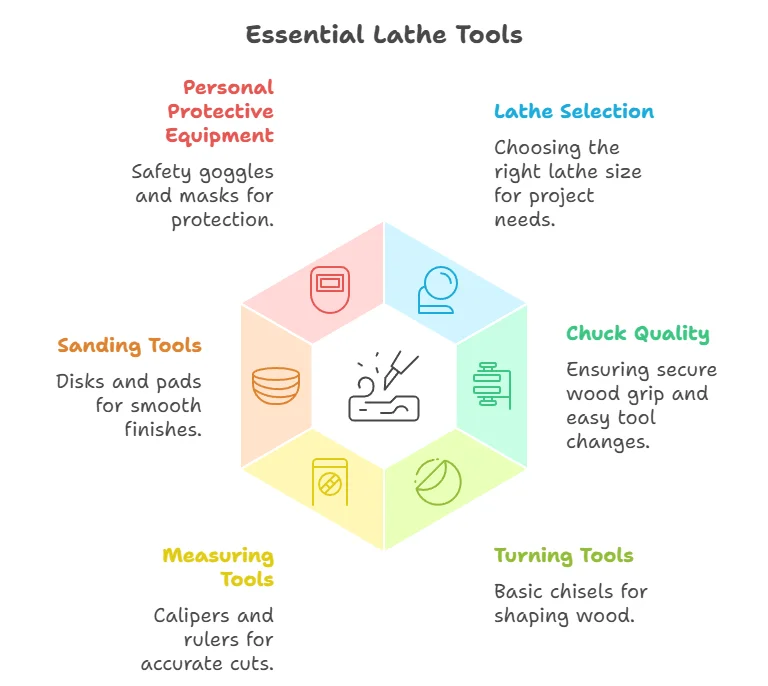
Before diving into the world of lathe woodworking, ensure you have the right tools at your disposal. Here’s a look at the must-have tools:
- Lathe: The primary tool you need. Choose one based on your project sizes, and whether you work with a mini, midi, or full-size lathe.
- Chuck: A quality chuck grips your wood securely and allows for easy changes. Look for keyless chucks for convenience.
- Turning Tools: These are basic chisels, such as bowl gouges, spindle gouges, and flat chisels, that shape your wood.
- Measuring Tools: A caliper and a ruler will help you ensure accurate cuts and measurements throughout the project.
- Sanding Tools: Sanding disks and pads are essential for finishing your projects smoothly.
- Personal Protective Equipment (PPE): Safety goggles and dust masks are vital for protecting yourself while working.
These foundational tools will set you on a path toward executing intricate and professional-looking woodworking projects.
Key Techniques for Effective Lathe Woodworking
Along with the right tools, mastering certain techniques is necessary for achieving high-quality results. Here’s a breakdown of crucial techniques:
- Proper Lathe Setup: Ensure your lathe is level and securely anchored. This contributes to stability during the turning process.
- Tool Handling: Practice holding your turning tools at angles that allow for smooth cuts. Your grip should be firm, yet relaxed.
- Speed Control: Different projects may require specific speeds. Experiment with speed settings to determine what works best for your wood type.
- Cutting Techniques: Learn the difference between push and pull cuts. Each technique has its place, influencing your finished product.
- Sanding and Finishing: Sanding should be done gradually from coarse to fine grit, ultimately adding finishes like oils or varnishes for a polished look.
By honing these techniques, you can improve the precision and quality of your Lathe Woodworking Projects.
Safety Considerations for Lathe Woodworking
Safety should always be a priority when working with lathes. Follow these safety tips to protect yourself:
- Always wear safety goggles to protect your eyes from flying debris.
- Use a dust mask to avoid inhaling wood dust.
- Keep long hair tied back and avoid loose clothing that could get caught in the machine.
- Check and maintain your tools regularly to ensure they are in good condition.
Safety measures will ensure a secure environment for you to explore and enjoy your woodworking projects.
Learning Resources and Inspiration
If you’re looking for further information on lathe woodworking techniques, check out these reliable resources:
- Wood Magazine offers articles and tips for all levels of woodworking enthusiasts.
- Woodworker’s Journal provides in-depth tutorials and project ideas.
- Lost Art Press features books and articles focusing on traditional woodworking techniques.
You can discover a wealth of knowledge and inspiration to help improve your skills and broaden your ideas for your Lathe Woodworking Projects.
Successful lathe woodworking blends the right tools, essential techniques, and a strong commitment to safety. By leveraging these elements, you’ll be well on your way to creating beautiful wood pieces that showcase your craftsmanship.
Transforming Scraps: Creative Uses for Leftover Wood in Lathe Projects

Woodturning provides an exciting way to create beautiful and functional pieces from raw timber. However, many woodworkers often overlook the fantastic potential of leftover scraps. Transforming these remnants of woodworking projects into new creations can be both rewarding and resourceful. Let’s explore some creative uses for leftover wood in Lathe Woodworking Projects.
Small Decorative Items
One of the easiest ways to utilize leftover wood is by crafting small decorative items. Here are several ideas:
- Miniature Bowls: Using small scraps, you can create charming little bowls. They make excellent gifts or decorative pieces.
- Spinning Tops: These fun toys are simple to turn and can be made from scrap pieces of various sizes.
- Candle Holders: Shaping a candle holder from wood scraps can add a rustic touch to your home décor.
Functional Furniture Accessories
Leftover wood can also be transformed into practical accessories for the home. Consider these options:
- Coasters: By turning smaller pieces of wood, you can create unique coasters for your drinks.
- Knobs or Handles: Make custom knobs for cabinets or drawers. A lathe makes it easy to add details.
- Small Stools: Combine several scraps to make a charming and functional stool, perfect for kids or as an accent piece.
Gifts and Keepsakes
Handmade gifts carry sentimental value. Here are some ideas using scraps:
- Photo Frames: Create custom-sized photo frames that highlight your favorite memories.
- Keychains: Small pieces of wood can easily be turned into beautiful keychains that showcase your craftsmanship.
- Personalized Gifts: Transform pieces into items like nameplates or engraved key holders, perfect for special occasions.
Interesting Planters
Wood scraps can also be used to create unique planters, combining functionality with artistic flair. Here are some ideas:
- Succulent Holders: Turn small pieces into planter holders for succulents. You can create arrangements in combinations of wood types.
- Hanging Planters: By combining multiple scraps, you can fashion hanging planters that draw attention and add charm to any space.
Educational Tools
If you have kids or are part of a community that loves learning, consider creating educational tools:
- Wooden Puzzles: Turn scraps into different shapes to create educational puzzles.
- Counting Blocks: Use wood scraps to create blocks with numbers or letters, perfect for educational play.
Community Projects
Think about using your skills for community good:
- Wooden Toys: Create simple wooden toys for children in need. These can often be donated to local shelters.
- Birdhouses: Use your scraps to build birdhouses, enhancing local wildlife habitats.
Transforming scraps into useful or whimsical Lathe Woodworking Projects not only enhances your skills but also significantly reduces waste. Have you ever explored the potential in your leftover wood? Start small and unleash your creativity! Not only will you have a source of pride from making something useful, but you will also contribute positively to the environment by minimizing waste.
If you’re looking for more inspiration or tutorials about woodworking projects, visit Wood Magazine and Popular Woodworking. These resources provide a wealth of ideas and techniques to enhance your woodworking craft.
Tips for Maintaining Your Lathe for Long-Lasting Performance
Maintaining your lathe is essential for ensuring it performs well over time. Whether you are a novice or an experienced woodworker, regular upkeep can enhance the durability and efficiency of your lathe. Here are some effective tips to help you maintain your lathe for long-lasting performance.
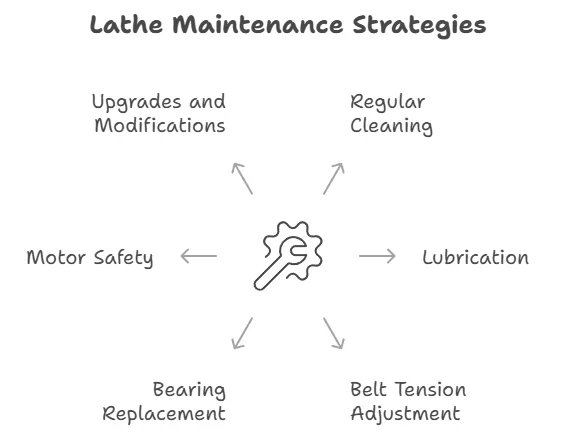
Clean Your Lathe Regularly
Keeping your lathe clean is the first step in its maintenance. Dust and debris can accumulate quickly, affecting its performance. Follow these steps for optimal cleaning:
- Daily Cleaning: Wipe down the surfaces after each use with a soft cloth to remove dust and wood shavings.
- Monthly Deep Clean: Use a brush or compressed air to clear out hard-to-reach areas. This will help prevent any buildup that could impact performance.
- Check for Rust: Inspect metal parts for signs of rust. If detected, remove rust immediately with a rust remover or sandpaper.
Lubricate Moving Parts
Lubrication is key to ensuring smooth operations. It reduces friction on moving parts and can significantly prolong the life of your lathe. Here’s how to do it effectively:
- Use the Right Lubricant: Opt for a high-quality lubricant recommended by the manufacturer. Avoid using general-purpose oils that could damage internal components.
- Regular Application: Apply lubricant to all moving parts at least once a month. Be attentive to parts like the tailstock and carriage.
- Check Lubrication Points: Familiarize yourself with your lathe’s manual to identify all lubrication points for comprehensive maintenance.
Inspect and Adjust the Belt Tension
The belt is crucial for the lathe’s operation. An improperly adjusted belt can lead to reduced performance. Here’s how you can ensure it’s in good condition:
- Check Tension: The belt should be tight enough to prevent slipping but not so tight that it strains the motor. Ideal tension allows for a slight deflection with gentle pressure.
- Inspect for Wear: Regularly examine the belt for cracks or fraying. Replace it immediately if any damage is found.
- Adjust When Necessary: Follow manufacturer guidelines to adjust belt tension as needed for best performance.
Regularly Check and Replace the Bearings
Bearings are critical components that ensure smooth rotation of the lathe. Here’s how to maintain them:
- Listen for Noises: If you hear grinding or unusual noises, it’s a sign that the bearings may need lubrication or replacement.
- Inspect Regularly: Check the condition of your bearings frequently, especially after heavy use.
- Replace if Necessary: Don’t ignore worn-out bearings. Replacing them promptly will save you from more significant issues down the line.
Keep the Motor and Electrical Components Safe
To maintain the longevity of your lathe, you must also pay attention to its electrical components.
- Inspect Wiring: Regularly check for any fraying or exposure. Replace damaged wires immediately to prevent hazards.
- Dust Control: Keep the motor clean and ensure that ventilation areas are free from dust buildup.
- Use a Surge Protector: Protect your lathe’s motor with a surge protector to prevent power surges from causing damage.
Consider Upgrades and Modifications
As you gain experience, you might find that certain upgrades can enhance your lathe’s performance. Popular modifications include:
- Upgrade the Tool Rest: A bigger tool rest can improve stability and make larger projects easier to manage.
- Change the Chuck: Investing in a high-quality chuck can provide better grip and versatility for different projects.
By following these tips, you can maintain your lathe effectively, ensuring it continues to deliver high performance over the years. Remember, the time and effort you invest in maintenance will pay off in the quality of your Lathe Woodworking Projects.
Exploring the Aesthetics of Lathe Woodworking: Design Ideas and Inspiration
Woodworking with a lathe allows you to transform simple pieces of wood into stunning works of art. The elegance of Lathe Woodworking Projects not only showcases craftsmanship but also serves as a unique expression of creativity. As you explore different design ideas, consider the variety of styles and techniques that can lead to exquisite pieces, whether you are a beginner or an experienced craftsman.
Unique Design Ideas
When thinking about Lathe Woodworking Projects, the possibilities are endless. Here are several ideas to inspire you:
- Candle Holders: Create charming candle holders using different wood types. Turners can experiment with various shapes, such as tapered designs or more intricate geometric forms.
- Wooden Bowls: Wooden bowls can range from simple to highly detailed. Consider making a salad bowl with smooth edges that enhances the natural grain of the wood.
- Vases: Turn elegant vases that can stand alone as decorative items. Experiment with height and curvature to fit different floral arrangements.
- Furniture Legs: Design custom legs for furniture pieces, such as tables or chairs. Engaging in lathe techniques can enhance the architectural features of your furniture.
- Ornaments: Create beautiful ornaments for special occasions or seasonal decor. These can be turned into personal gifts or keepsakes, showcasing intricate designs.
Choosing the Right Wood
The type of wood you select greatly influences the aesthetic outcome of your lathe projects. Hardwoods such as oak or maple are popular choices for their durability and fine grain. On the other hand, softer woods like pine can also yield attractive results while being easier to work with for less experienced woodturners.
Techniques
As you develop your lathe woodworking skills, experimenting with various techniques can enhance your projects. Here are a few techniques to consider:
- Texturing: Adding textures can give your pieces a unique and personalized touch. Use specialized tools to create patterns or designs on the surface.
- Segmented Turning: Combine different pieces of wood to create segmented designs that can be vibrant and eye-catching. This technique also helps in using leftover wood scraps creatively.
- Finishing: Applying various finishes, like oils or varnishes, will not only protect your wood but also accentuate its natural beauty. Experiment to find what works best for your project.
Seeking Inspiration
Inspiration comes from many sources. Here are a few platforms where you can discover innovative ideas for your Lathe Woodworking Projects:
- Wood Magazine: Explore tips and techniques shared by experts in woodworking.
- Woodturners Catalog: A great source for tools and examples of what’s possible with a lathe.
- Instagram Woodturning Hashtags: Check out the latest trends and connect with other woodworking enthusiasts.
Creating Custom Pieces
One of the most rewarding aspects of lathe woodworking is the ability to create custom pieces tailored to your preferences. Whether for personal use or as gifts, crafting unique items adds a personal touch. For instance, turning a personalized gift such as a pen or keychain can leave a lasting impression.
Sharing Your Work
Once you have completed your Lathe Woodworking Projects, consider sharing them with your community or online. Platforms like Pinterest and Facebook Groups dedicated to woodworking are excellent for showcasing your crafts. You can receive valuable feedback and even inspire others to delve into woodturning.
Join a Community
Joining local or online woodworking communities can significantly enhance your skills and knowledge. Engage with fellow enthusiasts to share tips, resources, and the latest trends in lathe woodworking. Workshops and meetups can also be great opportunities for hands-on learning and networking.
In the world of lathe woodworking, your imagination is the limit. By exploring design ideas, selecting appropriate materials, and mastering various techniques, you can produce captivating pieces that not only serve functional purposes but also inspire awe. Dive into this fulfilling craft and let your creativity shine!
Conclusion
Embarking on Lathe Woodworking Projects can be an exciting and fulfilling journey, especially for beginners. By exploring innovative ideas and using essential tools and techniques, you can create unique and beautiful pieces that showcase your creativity. Remember, starting with simple projects will help you gain confidence as you master your lathe skills.
Transforming leftover wood into interesting pieces not only reduces waste but also sparks your imagination. You’ll find that even small scraps can lead to stunning results when you let your creativity flow. Embracing sustainable practices by using scraps adds a meaningful aspect to your woodworking efforts.
Maintaining your lathe is crucial for longevity and safety. Regular upkeep ensures your tools perform at their best, so invest time in learning the proper maintenance techniques. This approach will save you money and time in the long run, allowing you to focus on creating rather than repairing.
Design is an important element in lathe woodworking. Allowing aesthetics to guide your projects can elevate your work from functional to beautiful. Look for inspiration in nature, architecture, or even personal experiences to guide your design choices. The more you explore, the more your unique style will develop.
Whether you are crafting your first piece or the next addition to your collection, lathe woodworking can be a rewarding hobby. With practice, patience, and creativity, you can bring your woodturning dreams to life, making cherished pieces that reflect your personal vision. So grab your tools, start exploring, and enjoy the journey into the world of Lathe Woodworking Projects!