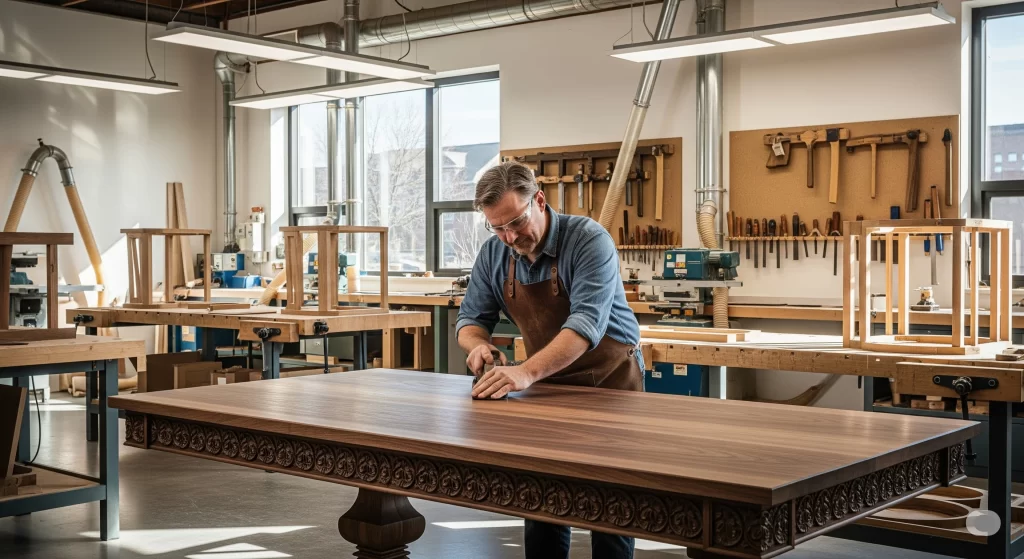
The Versatility of Woodworking
Woodworking encompasses a wide range of activities and specialties. From furniture making to cabinetry and custom woodworking, the possibilities are endless. This versatility allows woodworkers to tap into different markets. Here are some popular woodworking niches:
- Furniture making: Crafting tables, chairs, and unique pieces.
- Cabinetry: Designing custom cabinets for kitchens and storage spaces.
- Carpentry: Working on home construction and renovations.
- Wooden crafts: Creating decorative items and gifts.
- Woodturning: Producing items like bowls and pens using lathes.
Target Market and Demand
The demand for skilled woodworkers remains high, especially as consumers show a growing interest in handmade, unique pieces over mass-produced furniture. This trend is reflected in the rise of platforms such as Etsy, where artisans can sell their products directly to customers. You can find valuable insights on market trends at Etsy’s Seller Handbook.
Developing a High-Value Skillset
Investing time in learning and refining woodworking techniques is crucial. Here are some ways to enhance your skills:
- Enrolling in woodworking courses.
- Practicing consistently on personal projects to gain experience.
- Joining local woodworking clubs or online communities for feedback and support.
As your skills increase, so does your ability to command higher prices for your work.
Business Opportunities in Woodworking
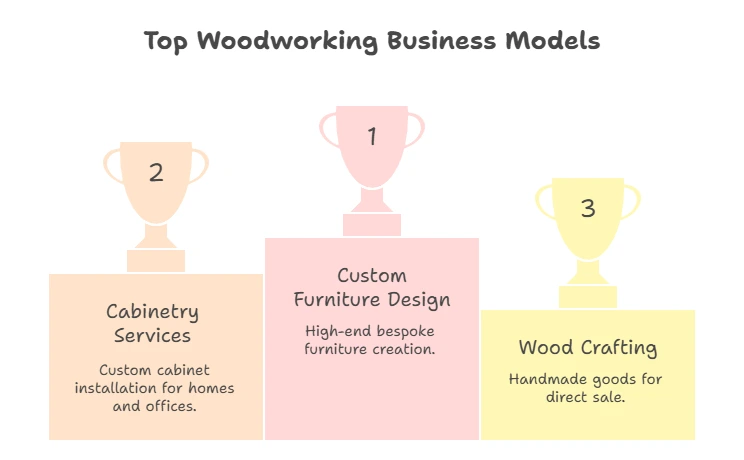
There are various business models within woodworking that can lead to significant income:
| Business Model | Description | Income Potential |
|---|---|---|
| Custom Furniture Design | Building bespoke pieces tailored to client specifications. | High – $1,000 to $10,000 per piece |
| Cabinetry Services | Installing custom cabinets in homes and offices. | Medium to High – $500 to $7,000 per project |
| Wood Crafting | Creating handmade goods for direct sale. | Varies – $20 to $2,000 depending on the item |
Your ability to successfully market your woodworking skills is essential. Setting up an online store, participating in craft fairs, or even utilizing social media platforms can help you reach a broader audience. Promoting your work through websites like Houzz can also enhance visibility among potential clients.
Cost and Investment Considerations
Starting in woodworking does require an initial investment. Wood, tools, and workspace can add up. However, starting with basic tools and gradually acquiring more advanced equipment can help manage costs effectively. It’s essential to consider:
- The cost of tools: Basic hand tools vs. advanced machinery.
- Material costs: Quality wood can be expensive, impacting your profit margin.
- Time investment: Building your skills and reputation takes time.
Being mindful of these factors can lead to more informed financial decisions as you build your woodworking career. Woodworking can indeed be a high-income skill when approached strategically. By honing your craft, identifying your target market, and effectively marketing your creations, you can create a lucrative and fulfilling career in woodworking. The combination of skill, creativity, and business savvy can lead to an impressive income, making woodworking a skill worth exploring.
The Economic Benefits of Woodworking as a Career Path
Woodworking is increasingly becoming a favorable career path for many individuals seeking economic stability and creative fulfillment. The notion of woodworking as a high-income skill has gained momentum, especially in today’s market where handcrafted items hold significant value. With the right skills and marketing strategies, woodworking can indeed pave the way for a lucrative career.
Understanding Income Potential
The income potential in woodworking varies widely based on several factors, including location, skill level, and business model. Here’s how the economic benefits can materialize:
- Custom Furniture Making: This area can be highly rewarding, with skilled artisans charging premium prices for bespoke items.
- Restoration Services: Many homeowners seek experts to restore antique furniture, often paying handsomely for high-quality work.
- DIY Workshops: If you possess teaching skills, offering workshops is a great way to earn money while sharing your passion.
- Online Sales: Platforms like Etsy allow woodworkers to sell their creations directly to consumers, expanding their market reach.
Building a Productive Skill Set
To maximize earning potential in woodworking, it’s essential to cultivate the right skill set:
- Technical Skills: Master the use of various tools and techniques, from hand tools to sophisticated machinery.
- Design Skills: Develop an eye for aesthetics and functionality to create pieces that attract buyers.
- Business Acumen: Learn how to market your products effectively and manage finances.
Attending workshops or taking online courses can greatly enhance your skills. Websites like Woodworkers Guild of America offer valuable resources for aspiring woodworkers.
Market Demand and Trends
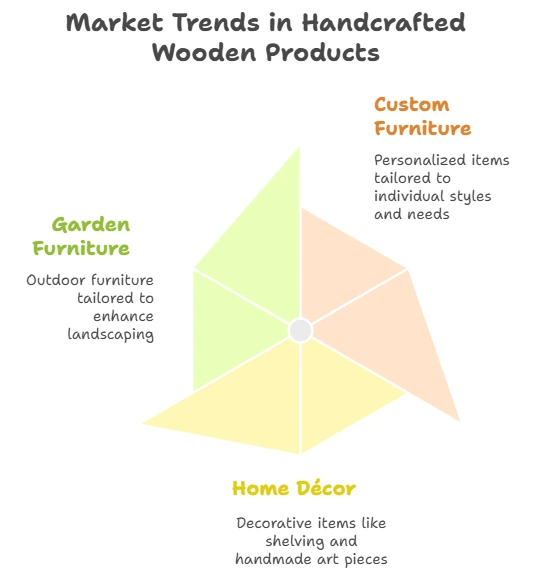
The demand for unique, handcrafted wooden products has surged in recent years. Not only are consumers looking for bespoke items, but sustainability trends favor locally sourced materials and artisanal craftsmanship. Here’s a closer look at current market trends:
| Trend | Description | Potential Earnings |
|---|---|---|
| Custom Furniture | Personalized items tailored to individual styles and needs. | $2,000 – $10,000 per piece |
| Home Décor | Decorative items like shelving and handmade art pieces. | $50 – $500 per item |
| Garden Furniture | Outdoor furniture tailored to enhance landscaping. | $500 – $5,000 per project |
Investment in Tools and Equipment
One key aspect of starting a woodworking career is the initial investment in tools. Basic woodworking tools can range from $100 to upwards of $1,000 depending on quality and brand. Here are some essential tools every woodworker should have:
- Table Saw: A versatile tool used for various cutting needs.
- Router: For shaping and adding details to edges.
- Hand Tools: Chisels, planes, and saws for finer details.
In some cases, financing options are available through equipment retailers or specialized lending institutions. Websites like Wood Magazine often provide insights into the best tools and techniques.
Networking and Community Engagement
Becoming part of the woodworking community can open doors to new opportunities. Networking with fellow woodworkers and joining local guilds can enhance your skills and market reach. Engaging in community projects or trade shows helps in building a reputation and credibility. Consider online forums and social media groups where woodworking enthusiasts share tips, advice, and even job leads. Ultimately, with dedication, creativity, and proper strategies, woodworking can certainly transform into a high-income skill. The combination of craftsmanship and business mindset is essential for tapping into the vast economic benefits this career path offers.
Essential Tools and Techniques to Maximize Your Woodworking Skills
Woodworking is a rewarding craft that combines creativity and precision. To truly make the most of your woodworking skills, it’s important to have the right tools and techniques at your disposal. Here are some essential elements that can help you enhance your woodworking projects and achieve professional results.
Essential Tools for Woodworking
Having the right tools is crucial for any woodworker. Below is a list of must-have tools that can make a significant difference in your woodworking experience:
- Table Saw: This is the heart of many workshops. It allows for precise cuts and can handle a variety of materials.
- Router: This versatile tool can hollow out areas of wood, making it excellent for decorative edges.
- Band Saw: Perfect for curving cuts, a band saw is a great addition for artistic projects.
- Drill Press: Provides accuracy when you need to drill holes at specific depths.
- Chisels: Essential for fine details, chisels allow you to carve and refine your projects.
- Clamps: Always keep various sizes on hand to hold pieces together firmly while glue dries.
- Safety Gear: Do not overlook the importance of safety glasses, gloves, and ear protection to keep yourself safe.
Techniques to Improve Your Skills
Alongside tools, having the right techniques is just as important for mastering woodworking. Here are some effective techniques that can elevate your craftsmanship:
- Measure Twice, Cut Once: This age-old advice is invaluable. Always double-check your measurements before making any cuts.
- Practice Joinery: Understanding different types of joints such as dovetails and mortise-and-tenon can drastically improve the strength and aesthetics of your projects.
- Finishing Techniques: Pay attention to sanding, staining, and varnishing. A good finish can elevate the quality of your woodworking project significantly.
- Learn Woodworking Plans: Following detailed plans can help you replicate techniques and learn new skills over time. Websites like Wood Magazine offer great resources.
- Join Woodworking Communities: Engaging with other woodworkers through forums or social media can provide valuable feedback and inspiration.
Organizing Your Workshop
An organized workshop can enhance your productivity and creativity. Here are some tips to keep your space efficient:
- Storage Solutions: Use shelving, pegboards, and labeled bins to keep tools and materials organized.
- Work Surface: Ensure you have ample workspace, which should be clean and free from clutter.
- Lighting: Bright, direct lighting is essential for detailed tasks. Consider adding task lighting over your main work surface.
Additional Resources
Getting better at woodworking often comes down to knowledge and practice. Here are a few resources to consider:
- Instructables – This site has step-by-step tutorials that are great for beginners and advanced woodworkers alike.
- Woodworkers Source – This portal provides insights on types of wood and their best uses.
- Woodworking Network – Keep up with industry news and trends to stay inspired.
Mastering woodworking necessitates both essential tools and effective techniques. With the right equipment, strategic organization, and continuous learning, you can enhance your skills and realize the full potential of your woodworking projects. Whether it’s a simple shelf or a complex piece of furniture, each project will further develop your abilities and creativity.
Crafting a Business Plan: Turning Your Woodworking Hobby into Profit
Turning your woodworking hobby into a profitable business can be an exciting and rewarding journey. With the right business plan, you can transform your passion for woodworking into a sustainable income source. Here are the key steps you’ll need to take to craft a solid business plan.
Identify Your Niche
Before you start selling your creations, it’s important to determine what sets your woodworking apart. Consider these factors:
- Type of Products: Will you focus on furniture, home decor, toys, or custom pieces?
- Target Audience: Who is your ideal customer? Families, DIY enthusiasts, or businesses?
- Market Demand: Research current trends. Are there specific styles or materials that are popular?
Conduct Market Research
To build a successful woodworking business, you need to understand your competition and the market landscape. Here are some strategies:
- Analyze local competitors and their product offerings.
- Explore online platforms such as Etsy or Pinterest to see what’s trending.
- Engage in woodworking communities on social media for insights into customer preferences.
Develop Your Unique Selling Proposition (USP)
Your USP is what makes you stand out from the competition. Focus on what you can offer that others cannot. This could be:
- Custom designs tailored to individual customer needs.
- Eco-friendly materials and sustainable practices.
- Exceptional craftsmanship that guarantees longevity and quality.
Create a Business Plan
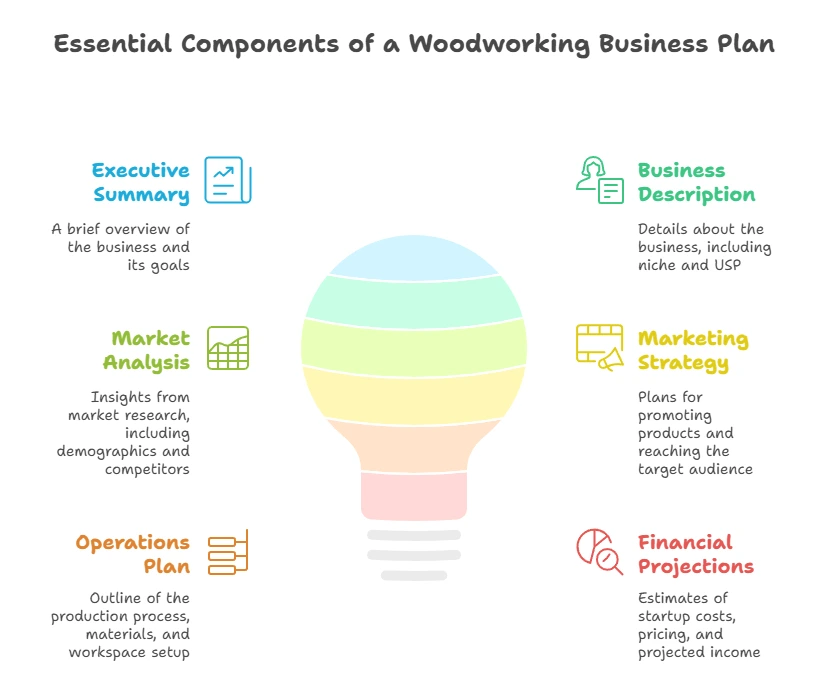
A well-structured business plan will serve as a roadmap for your woodworking venture. Here are the essential components:
| Section | Description |
|---|---|
| Executive Summary | A brief overview of your business and what you aim to achieve. |
| Business Description | Details about your woodworking business, including your niche and USP. |
| Market Analysis | Insights from your market research, including target demographics and competitors. |
| Marketing Strategy | Plans for how you’ll promote your products and reach your target audience. |
| Operations Plan | Outline of your production process, materials needed, and workspace setup. |
| Financial Projections | Estimates of startup costs, pricing strategies, and projected income. |
Establish Your Brand
Branding is essential for your woodworking business. Think about the following:
- Name and Logo: Choose a catchy name and design a simple logo that reflects your style.
- Online Presence: Create an attractive website and consider selling on platforms like Etsy or Amazon.
- Social Media: Use platforms like Instagram and Facebook to showcase your work and engage with customers.
Set Pricing Strategies
Pricing your products correctly is key to making a profit. Consider these points when determining your price:
- Calculate your costs: materials, tools, and time invested.
- Check competitor prices: ensuring your prices reflect the market.
- Consider perceived value: High-quality craftsmanship can justify a higher price.
Marketing Your Products
With your business established, it’s time to attract customers. Here are some effective marketing strategies:
- Social Media Marketing: Share photos and videos of your work, behind-the-scenes, and customer testimonials.
- Email Marketing: Build an email list to notify customers of new products and promotions.
- Participate in Local Fairs: Showcase your creations at craft fairs or farmers’ markets to reach a local audience.
Transforming your woodworking hobby into a profitable business is entirely achievable with a comprehensive business plan. By identifying your niche, conducting market research, and developing a solid marketing strategy, you can turn your passion into a successful enterprise. Embrace your creativity, engage with your audience, and enjoy the journey of woodworking entrepreneurship.
Success Stories: How Woodworkers Transformed Their Lives Through Skilled Craftsmanship

Woodworking is not just a craft; it’s a way of transforming lives. For many, skilled craftsmanship has opened doors to success and personal fulfillment. Let’s explore inspiring success stories of woodworkers who have turned their passion into a thriving career.
Connecting Passion with Profession
Many woodworkers start their journey as a hobby. They find joy in creating something tangible with their hands. This passion often lays the foundation for a successful career. For instance, take the story of Samantha, who started making wooden toys for her children. Over time, her handcrafted toys gained attention. She decided to market her work online, leading to a flourishing business. Now, Samantha shares her toys with children across the country, proving that a hobby can evolve into a profitable venture.
Building a Brand
Branding is crucial in woodworking. A strong brand sets a woodworker apart, attracting customers who appreciate quality craftsmanship. Mike is a prime example. He specializes in custom furniture. By building a unique brand around his quality, sustainable materials, he captures a niche market. His website, Custom Furniture, showcases his work beautifully, allowing potential clients to explore his offerings. As a result, his clientele grew from local to national, boosting his income significantly.
Utilizing Modern Technology
Woodworkers today leverage technology to enhance their skills and reach. Advanced tools and software have made their work more efficient. For example, Daniel invested in CNC technology, allowing him to create intricate designs with precision. This skill not only saved him time but also attracted high-end clients. His ability to mix traditional techniques with modern tools set him apart in the competitive market.
Creating Online Communities
Online communities provide invaluable support and resources for woodworkers. Platforms such as Instagram and YouTube allow craftsmen to showcase their projects and techniques. Jess, a woodworker and content creator, utilized these platforms to share her woodworking journey. Through engaging videos and tutorials, she amassed a substantial following. Eventually, Jess transitioned to full-time woodworking, further emphasizing how building an online presence can lead to financial success.
Exploring Diverse Markets
Diversifying product offerings can lead to increased income. Many woodworkers are capitalizing on trends, such as home decor or sustainable products. For example, Sarah recognized the growing demand for eco-friendly items. She shifted her focus to recycling wood and creating beautiful pieces from reclaimed materials. This not only appealed to environmentally conscious consumers but also increased her profit margins. As shown in the table below, woodworkers embracing diverse markets have witnessed a surge in their sales:
| Product Type | Average Income | Market Trend |
|---|---|---|
| Custom Furniture | $60,000 | High Demand |
| Home Decor Items | $40,000 | Growing Trend |
| Eco-Friendly Products | $70,000 | Rising Interest |
Education and Skill Development
Continuous learning is vital in woodworking. Many successful woodworkers invest in workshops and courses to sharpen their skills. Online platforms like Woodworking Masterclasses offer resources that help woodworkers learn new techniques. This ongoing education can significantly impact income, as enhanced skills lead to better quality products and satisfied clients.
Networking and Collaboration
Building connections within the woodworking community can lead to exciting opportunities. Collaborations with other artisans can result in unique projects that attract attention. For example, a partnership between a woodworker and an interior designer can showcase your craftsmanship in beautifully designed spaces. Networking through events and social media can extend your reach and enhance your income potential. Woodworking can indeed transform lives, leading to financial independence and personal satisfaction. From creating beautiful products to building a brand, the stories of successful woodworkers illustrate the endless possibilities this craft offers. With passion, dedication, and a willingness to learn, you too can embark on a fulfilling journey in woodworking. For more inspiring stories and resources, check out Woodworkers Journal to stay connected with the woodworking community.
Conclusion
Woodworking undeniably emerges as a high-income skill with the potential to offer significant economic advantages. By diving deep into this craft, you not only explore your creative side but also uncover a pathway to financial independence. The economic benefits of woodworking extend well beyond personal enjoyment; they provide a realistic career path that can lead to stable and rewarding income.
Investing in essential tools and mastering various techniques allows you to enhance your skills, setting yourself apart in a competitive market. Each project completed adds to your expertise, making you a more valuable craftsman. Additionally, crafting a solid business plan is crucial in transforming your woodworking hobby into a lucrative venture. With strategic planning, you can identify your target audience, determine pricing, and market your creations effectively.
Success stories abound of artisans who have embraced woodworking not just as a hobby, but as their primary source of income. These individuals have showcased how skilled craftsmanship can lead to fulfilling careers and financial success. Their journeys serve as inspiration, illustrating that with dedication and the right approach, you too can transform your passion for woodworking into a thriving enterprise.
Ultimately, woodworking offers you the unique opportunity to combine artistry with profit. Whether you are just starting your journey or seeking to elevate your existing skills, embracing this craft can lead to a rewarding and prosperous future. Take the first step today, and who knows where your woodworking journey might take you!