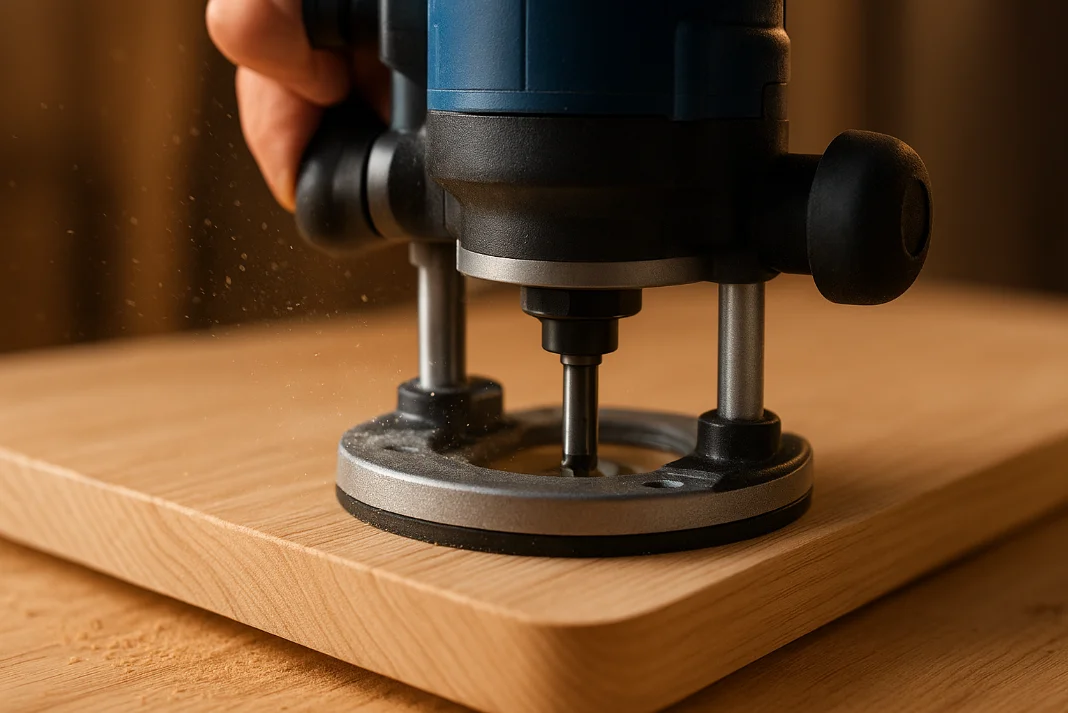
Using a wood router can transform your woodworking projects, allowing you to create professional-looking edges, grooves, and intricate designs. If you’re a beginner, the concept of How To Use a Wood Router might seem daunting, but it doesn’t have to be. Here are some practical tips to help you master this tool effectively.
Understand Your Wood Router
Before you jump into using your wood router, take the time to familiarize yourself with its components:
[Image of wood router components diagram labeled]
- Base Plate: The flat part that rests on your workpiece.
- Collet: Holds the router bit securely in place.
- Motor: Powers the router and determines its speed.
- Depth Adjustment: Lets you control how deep the bit cuts into the material.
Select the Right Router Bit
Router bits come in various shapes and sizes, each designed for specific tasks. Here are some common types of router bits:
- Straight Bits: Great for making grooves or dado cuts.
- Round-over Bits: Ideal for smoothing sharp edges.
- Chamfer Bits: Perfect for creating angled edges.
Match the bit to your project requirements. Ensure it’s compatible with your router collet size, which is commonly either 1/4″ or 1/2″. You can learn more about router bits at Wood Magazine.
Set Up Your Router
Once you have chosen your router bit, follow these steps to set up your router:
- Unplug the router for safety.
- Insert the bit into the collet, ensuring it’s secure.
- Plug the router back in, being careful to avoid any accidental startups.
Adjust the Depth of Cut
The depth of cut determines how much material the router will remove. For beginners learning How To Use a Wood Router, it’s wise to start with shallow cuts. Adjust the depth knob on your router:
- A depth of 1/16″ to 1/8″ is ideal for most edge work.
- For plunging cuts, set a depth that allows you to take multiple passes if necessary.
Practice with Scrap Wood
Before working on your real project, practice on scrap wood. This way, you can get used to controlling the router without risking material.
Secure Your Workpiece
Safety is paramount. Always secure the piece you’re working on to prevent it from moving. Use clamps or a workbench. If the piece is small, consider using a router table for added stability.
Make Your Cuts
When you’re ready to begin cutting, follow these basic cutting techniques:
- Feed Direction: Always move the router against the direction of the bit’s rotation. This provides better control and a smoother cut.
- Consistent Speed: Maintain a steady pace as you move the router across the wood.
- Multiple Passes: For deeper cuts, make several shallow passes instead of trying to cut deeply in one go.
Maintain Your Wood Router
Taking care of your wood router extends its life and keeps it functioning correctly. Here are some maintenance tips:
- Clean the router and bits after each use to remove dust and debris.
- Check the power cord for any damage before use.
- Store the router in a dry, secure location when not in use.
Refer to further maintenance tips at Woodworkers Journal.
Common Wood Router Uses
Here are some popular applications for wood routers:
- Create decorative edges on tables and cabinets.
- Cut grooves for joinery.
- Make signs with customizable lettering.
Common Mistakes to Avoid When Using a Wood Router
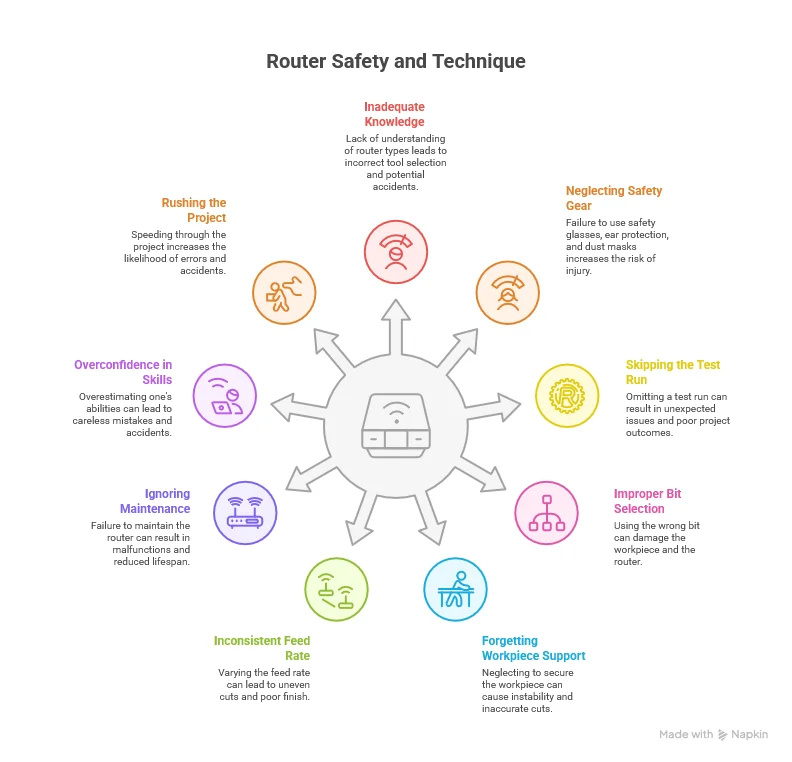
Using a wood router can be a rewarding experience, enabling you to create beautiful edges, grooves, and joints in your woodworking projects. However, many beginners and even seasoned woodworkers can make mistakes that can lead to less than desirable results. Understanding How To Use a Wood Router properly involves avoiding these common pitfalls.
Inadequate Knowledge of Router Types
Before you begin using a wood router, it’s important to choose the right type. There are primarily two types: fixed-base routers and plunge routers. Each has its specific uses. If you don’t understand which one to use, you might end up with an ineffective tool for your project. Thoroughly researching router types can help you make informed decisions.
Neglecting Safety Gear
Many users dive into woodworking without wearing proper safety gear. It’s essential to wear safety goggles to protect your eyes from flying debris and a dust mask to prevent inhaling wood dust. Additionally, ear protection is vital, as routers can be quite loud.
Skipping the Test Run
One significant mistake is diving straight into your project without testing your setup. Always make a few test cuts on scrap wood. This helps you fine-tune settings, such as depth and speed.
Improper Bit Selection
The choice of router bit is crucial for achieving a specific cut. Using the wrong bit can result in poor quality work and even damage your wood. Consider referencing a guide on router bits to enhance your knowledge.
Forgetting Workpiece Support
A wood router can be powerful but also quite heavy. Not providing adequate support to your workpiece can lead to an uneven cut or even kickback. Always ensure your wood is properly secured.
Inconsistent Feed Rate
Feeding your workpiece too fast through the router can create rough edges, while too slow can cause burning or tear-out. Maintain a consistent feed rate for a clean cut.
Ignoring Maintenance
Routine maintenance of your wood router is often overlooked. Dust and resin can build up, adversely affecting performance. Regularly cleaning your router and checking for damaged bits or parts can ensure longevity.
Overconfidence in Skills
Even experienced woodworkers can suffer from overconfidence which can lead to sloppy work. It’s important to respect the tool and the wood.
Rushing the Project
Hurrying through a project can lead to mistakes. Take your time to set up correctly, make precise cuts, and double-check measurements.
Avoiding common mistakes when learning How To Use a Wood Router can greatly enhance your woodworking experience. By being knowledgeable about your tools, following safety protocols, and taking your time, you’ll see improved results in your projects.
Essential Wood Router Accessories and Their Benefits
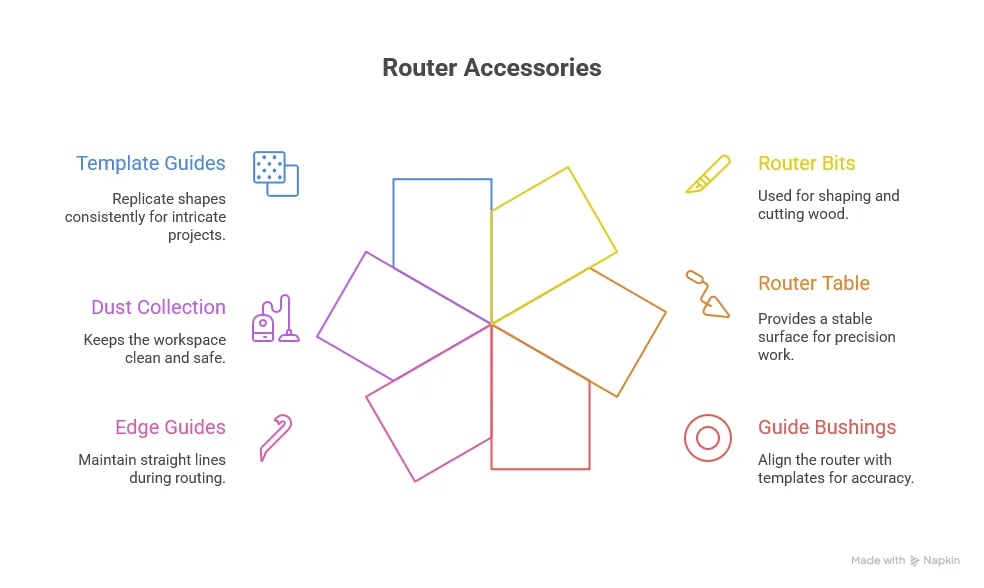
Learning How To Use a Wood Router can dramatically elevate your woodworking projects. However, to maximize its potential, it’s essential to understand the various accessories that can complement your router. Each accessory serves a unique purpose, making your work smoother and more precise.
Router Bits
Router bits are the cutting tools that shape and profile the wood. They come in various styles, including straight, flush trim, and round-over bits. Each type serves a different function:
- Straight Bits: Ideal for making grooves and dado cuts.
- Flush Trim Bits: Perfect for trimming edges flush to the surface.
- Round-Over Bits: Create smooth, rounded edges that enhance the appearance of your project.
Router Table
A router table allows you to use your router in a stationary position, granting you greater control and stability. The benefits include:
- Increased precision in shaping edges and profiles.
- Ability to perform larger cuts on bigger pieces.
- Better safety features, as your hands are away from the cutting area.
Guide Bushings
Guide bushings are used in conjunction with templates to ensure clean and accurate cuts. By using a guide bushing, you can:
- Improve accuracy when following template outlines.
- Make repetitive cuts that require consistent results.
- Cut complex shapes with ease and confidence.
Edge Guides
Edge guides attach to the router and help you maintain a straight line when cutting along the edge of a workpiece. Their benefits include enhanced control and prevention of mistakes.
Dust Collection Systems
Dust control is essential in woodworking, and a suitable dust collection system can help keep your workspace clean. Ensure that your router can be connected to a dust collection unit for maximum efficiency.
Template Guides
Template guides help you create consistent shapes and designs with your router. Take the time to explore various templates, as they can unlock a world of creative possibilities.
To learn more about optimizing your woodworking projects, check out resources from Wood Magazine and Woodworkers Source.
Integrating these essential accessories as you learn How To Use a Wood Router can take your woodworking to the next level. With the right combination of tools and safety, your projects can be both efficient and professional.
Advanced Wood Router Techniques for Professional Results

Effectively mastering How To Use a Wood Router can be the difference between a good project and a great one. Mastering advanced techniques allows you to achieve professional finishes, intricate designs, and smooth edges.
Understanding Your Router
Before diving into advanced techniques, it’s crucial to familiarize yourself with different types of routers. The two main types are:
- Fixed-Base Routers: Ideal for edge shaping and patterns.
- Plunge Routers: Perfect for more versatile tasks, such as hollowing out areas or carving designs into the wood.
Essential Router Bits
Your choice of router bits will significantly influence the outcome of your projects. Investing in high-quality bits will not only enhance your results but also increase the longevity of your tools. Check out suppliers like Woodcraft for a range of quality router bits.
Advanced Techniques for Professional Results
Now that you know your tools, let’s explore advanced techniques that can improve your skills.
1. Edge Profiling
Creating decorative edges can add a professional touch to your project. Use a router table for better stability. Run the edge of the wood along the bit to create a smooth, rounded profile.
2. Inlay Work
Inlays can make your projects stunning. Router out the shape of the inlay into the main wood piece, fit the inlay snugly into the cavity, and sand the surface for a smooth finish.
3. Mortising Joints
Mortising joints provide strength and stability to furniture. Set the plunge depth of your router based on joint requirements and make multiple passes to create a clean cut.
Safety Precautions
Safety should always be a top priority when using a wood router. Following safety measures will help you avoid accidents and work confidently.
Safety Precautions Every Woodworker Should Follow with a Router
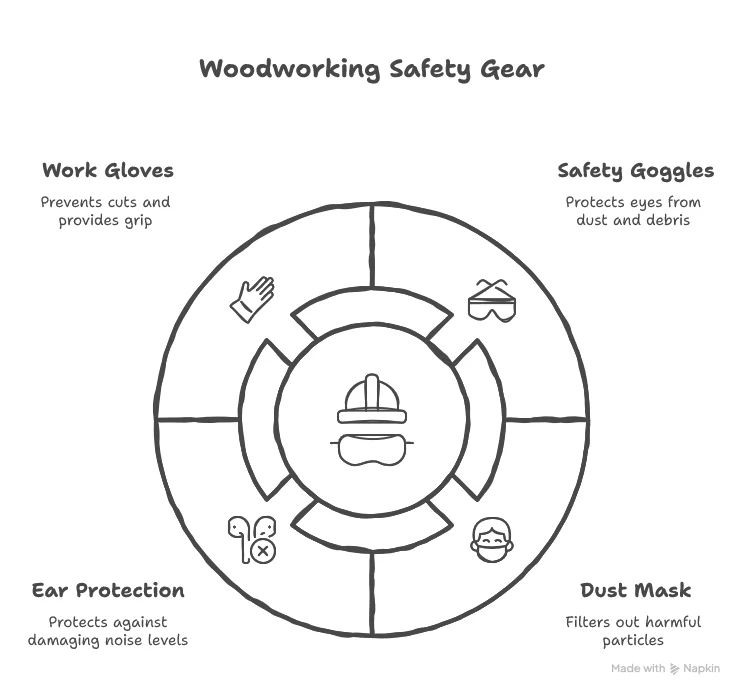
Understanding How To Use a Wood Router safely is an excellent way to enhance your woodworking projects while minimizing risks. To ensure your safety while operating this powerful tool, it’s essential to follow specific precautions.
Wear Protective Gear
Your safety begins with appropriate personal protective equipment (PPE). Equip yourself with safety goggles, dust masks, ear protection, and work gloves.
Setup Your Workspace
A well-organized workspace is crucial for safe routing. Clear the area of obstacles, ensure good lighting, and use a stable work surface.
Inspect Your Router
Before you start routing, check your equipment thoroughly. Examine the bit, check the power cord for damage, and test the on/off switch.
Understand the Router’s Operation
Familiarize yourself with how to use the router properly. Wood Magazine provides guides and tutorials for beginners.
Practice Safe Routing Techniques
While routing, always route against the bit’s rotation, use both hands for control, and secure your workpiece.
Store Equipment Properly
After your session, store your router and related equipment correctly. Unplug the router and keep it in a dry, organized space.
Remember, safety is paramount. For further reading and resources, check out the Woodworking Network and Popular Woodworking for additional tips on safe woodworking practices.
| Safety Gear | Description |
|---|---|
| Safety goggles | Protect eyes from dust and debris. |
| Dust mask | Filters out harmful particles. |
| Ear protection | Protects against damaging noise levels. |
| Work gloves | Prevents cuts and provides grip. |
By following these guidelines on How To Use a Wood Router safely, you’ll create a safer woodworking environment while confidently using your tool.
Conclusion
Mastering the art of How To Use a Wood Router can elevate your woodworking projects to a whole new level. With the practical tips outlined for beginners, you now have the foundation needed to start your journey confidently. Remember to be mindful of common mistakes, such as improper bit selection or inadequate feed rate.
As you become more comfortable with your router, don’t shy away from diving into advanced techniques. These skills can transform a simple project into a professional-grade masterpiece. Ultimately, your growth as a woodworker will stem from both practice and mindfulness about your processes. With this knowledge at your fingertips, you are well-equipped to make the most of your wood router. Happy routing!