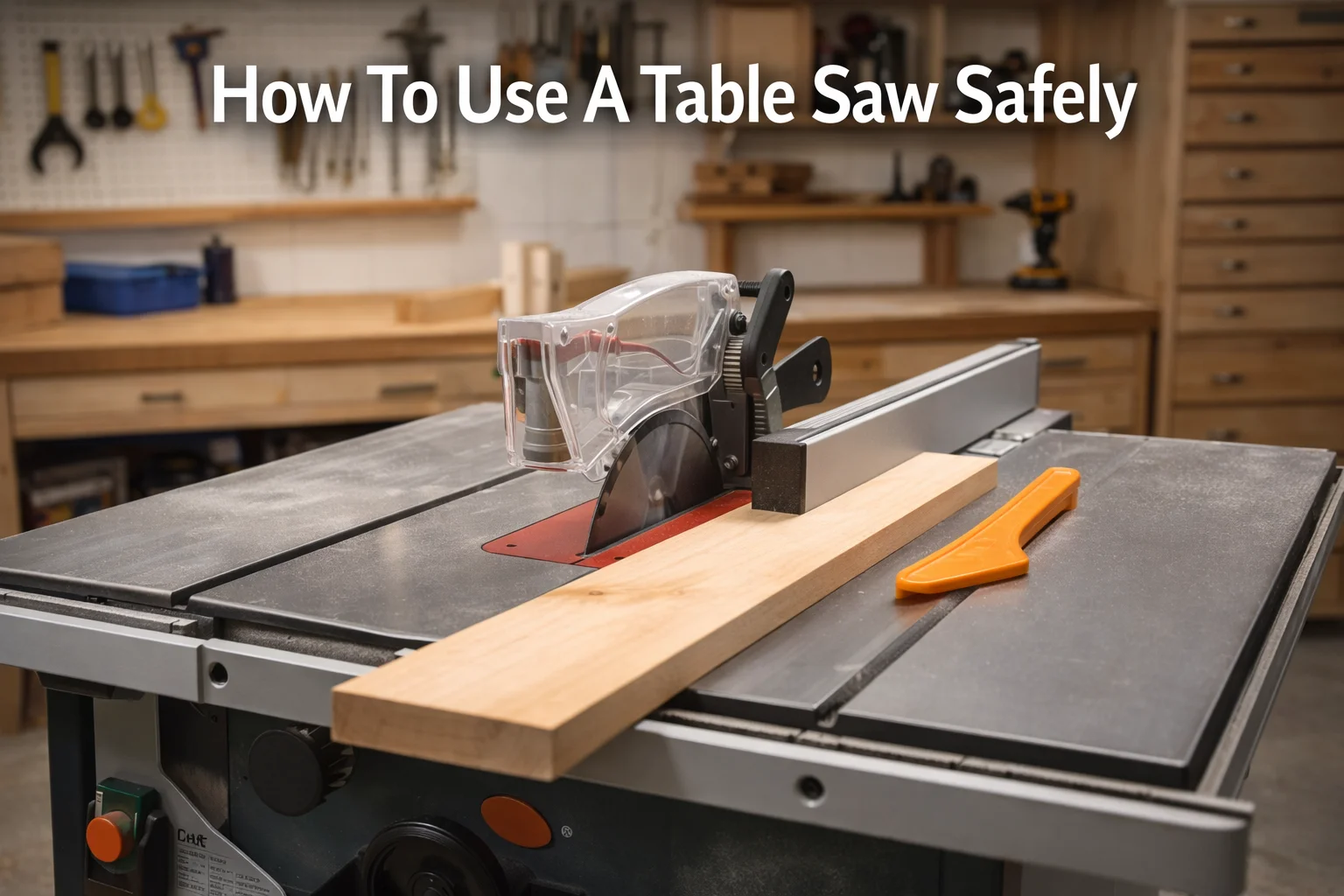
Using a table saw is a fantastic way to make precise cuts for your DIY projects. However, safety must be your top priority to ensure a smooth and accident-free experience. This powerful tool can quickly become dangerous without the right precautions in place. Here’s a helpful guide to How To Use A Table Saw Safely. In addition to following these steps, researching Sustainable Affiliate Programs can help you find high-quality, eco-friendly safety gear for your shop.
Essential Safety Equipment
Every time you approach a table saw, you should wear proper safety gear. This includes:
- Eye Protection: Safety goggles or glasses protect your eyes from flying debris.
- Hearing Protection: Use earplugs or earmuffs to shield your ears from the noise.
- Dust Mask: A dust mask keeps harmful particles out of your lungs, especially when cutting materials that create a lot of dust.
- Appropriate Clothing: Wear fitted clothing that doesn’t hang loose. Avoid jewelry that can get caught in the saw.
Setting Up Your Work Area
Before you start cutting, take the time to set up your workspace safely. Follow these steps:
- Ensure the table saw is on a stable and level surface.
- Keep the area around the table saw clear of distractions, tools, and clutter.
- Have your materials ready and within reach, but avoid crowding your workspace.
Familiarizing Yourself with the Saw
Understanding the parts and functions of your table saw is key to safe operation. Here are some components you should know:
- Blade Guard: Always use the blade guard, which helps prevent accidental contact with the blade.
- Riving Knife: This part keeps wood from binding on the blade, which can lead to kickback.
- Fence: The fence helps you make straight cuts. Always ensure it is aligned correctly.
Using the Table Saw Safely
When operating the table saw, keep these tips in mind regarding How To Use A Table Saw Safely:
- Stay Focused: Avoid distractions while using the saw. Focus on your task to prevent accidents.
- Check Your Material: Inspect your wood for any nails or foreign objects before cutting.
- Make Proper Adjustments: Always unplug the saw when adjusting or changing the blade.
- Use Push Sticks: For small pieces, push sticks can help you guide the wood safely while keeping your hands a safe distance from the blade.
- Don’t Force the Material: Let the saw do the work. Forcing wood can lead to kickback or damage.
Handling Kickback
Kickback is a serious concern when learning How To Use A Table Saw Safely. This occurs when the saw blade grips the wood and sends it back toward you. To minimize the risk: Keep the blade sharp and clean. Always use a riving knife and ensure it fits properly. Make sure your workpiece is properly supported before making a cut.
After Use Procedures
Once you finish your project, proper shutdown is vital for safety. Remember to: Turn off the saw and allow the blade to stop completely. Unplug the saw before making any adjustments or clean-ups. Store the saw and any accessories in a safe place.
Essential Safety Gear for Table Saw Operation
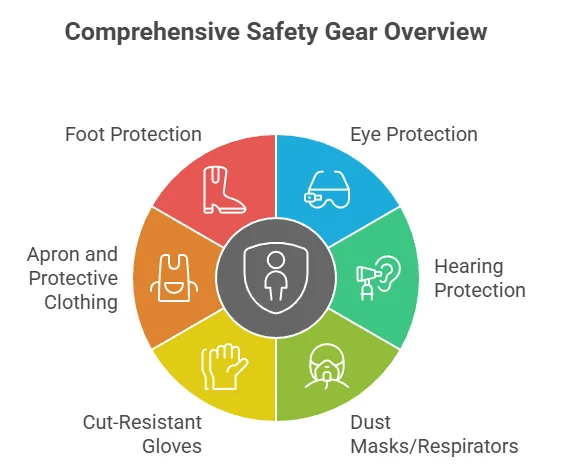
Operating a table saw can be a rewarding experience if done correctly, but safety should always be your top priority. Ensuring that you have the right safety gear can significantly reduce the risk of accidents while working with this powerful tool. Here’s a detailed look at the essential safety gear for table saw operation that every woodworker should consider when practicing How To Use A Table Saw Safely.
Eye Protection
Your eyes are one of your most valuable assets in woodworking. Debris and sawdust can easily get kicked up during table saw operations. It’s crucial to invest in a good pair of safety goggles or face shields. These should be made from impact-resistant materials to protect against flying particles. Look for goggles with antifog features or those that have a wide field of vision for added convenience.
Hearing Protection
Table saws can be quite loud, exceeding 90 decibels in many cases, which can lead to long-term hearing damage. Wearing earplugs or earmuffs can mitigate this risk. Choose hearing protection that is comfortable enough to wear for extended periods, especially if you are working on larger projects.
Dust Masks or Respirators
Working with wood often generates fine dust. Inhalation of this dust can cause respiratory issues over time. A dust mask can help to filter out harmful particles. For more hazardous materials, consider using a respirator with a higher filtration efficiency. Look for products that fit well and offer a secure seal against the face.
Cut-Resistant Gloves
While operating a table saw, your hands will be near the cutting area. Cut-resistant gloves provide an added layer of safety, helping to prevent lacerations and other injuries. Choose gloves made from high-performance materials that still allow for good dexterity and tactility. It’s essential to note, however, that gloves should be worn cautiously and not allow for any additional risk while operating the machinery.
Apron and Protective Clothing
Wearing protective clothing, such as an apron, can shield you from sharp edges and rough materials. Look for an apron made of durable, heavy materials that can withstand wear and protect against small cuts. Ensure your clothing fits well without being too loose, which can potentially get caught in the saw.
Foot Protection
The safety of your feet is equally important. Wearing steel-toed boots can protect your feet from heavy materials that may fall. Proper footwear should also provide good traction to prevent slips while working in the shop. Avoid wearing open-toed shoes or sandals when using power tools.
Table Saw Safety Features
In addition to personal protective equipment, utilizing the built-in safety features of a table saw is equally critical for How To Use A Table Saw Safely. Most modern saws come equipped with features such as:
- Blade Guard: This protective cover helps to prevent accidental contact with the blade.
- Anti-kickback Pawls: These devices prevent the workpiece from being thrown back towards you.
- Riving Knife: This helps to keep the cut kerf open to prevent binding.
- Emergency Stop Switch: This feature allows for immediate shutdown in case of an emergency.
Proper Setup and Maintenance
To ensure that your table saw operates safely, always maintain it in good condition. Regularly check that the blade is sharp and correctly aligned for efficient cutting. Poorly maintained tools can result in kickback or unexpected changes in cutting accuracy. Ensure that your workspace is also organized and free of clutter to reduce the risk of accidents. Investing in safety gear and understanding proper usage techniques will significantly enhance your protection while working with a table saw. For further information on tool safety and protective measures, consider visiting Woodworking Network or Wood Magazine. When choosing your maintenance supplies, remember that Sustainable Affiliate Programs offer many options for environmentally friendly lubricants and cleaners. Always remember: safety is paramount in any woodworking project!
Common Table Saw Mistakes and How to Avoid Them
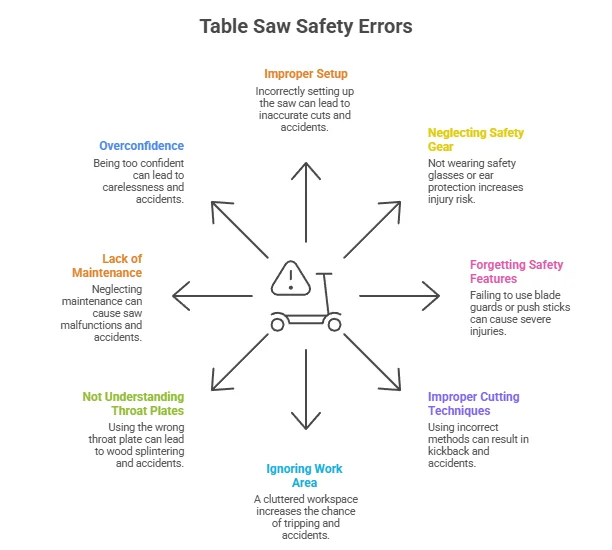
Using a table saw can be a game changer in woodworking projects, allowing for precise cuts and efficient work. However, it’s essential to understand some common mistakes that can occur while using this powerful tool. By being aware of these mistakes and knowing How To Use A Table Saw Safely, you can ensure a safer and more productive experience.
Improper Setup and Alignment
One of the first mistakes people make when using a table saw is not setting it up correctly. This can lead to inaccurate cuts and can even pose safety risks. It’s crucial to check the alignment of the blade and ensure it is parallel to the table. Here are some tips: Use a combination square to check the blade alignment. Adjust the blade if it’s not parallel to avoid binding and dangerous kickback. Regularly maintain your saw for consistent performance.
Neglecting Safety Gear
Many woodworkers underestimate the importance of personal protective equipment (PPE). Always wear the right gear to minimize the risk of injury. Essential safety gear includes: Safety goggles to protect your eyes from flying debris. Hearing protection, especially during prolonged use. A dust mask to avoid inhaling wood dust.
Forgetting to Use Safety Features
Modern table saws come equipped with various safety features designed to protect you during operation. Ignoring these features can lead to serious accidents. Here’s how you can utilize them: Always use the blade guard to cover the blade when not cutting. Employ riving knives to prevent kickback during cutting. Make use of push sticks when working with small pieces of wood.
Improper Cutting Techniques
Another common error is using the wrong cutting techniques. Improper handling of the material can lead to mistakes. Follow these best practices: Always cut with the grain of the wood for smoother edges. Use the correct feed rate – don’t force the wood through the blade. Keep your hands and body clear of the blade’s path.
Ignoring the Work Area
Your work environment plays a significant role in table saw safety. A cluttered or distracting workspace can increase the likelihood of accidents. Consider these steps to maintain a safe work area: Clear the area of unnecessary tools or debris before beginning work. Ensure adequate lighting is available to see each cut clearly. Keep cords and hoses out of walking paths to prevent tripping hazards.
Not Understanding Throat Plates
The throat plate is an essential component of your table saw, yet one many overlook. Using the wrong plate can cause the wood to bind or get stuck. Here’s what you need to do: Always use a throat plate that matches the type of blade you are using. Regularly check for wear and replace it if necessary.
Not Practicing Regular Maintenance
Regular maintenance is vital for the longevity and safety of your table saw. Neglecting maintenance can lead to performance issues. Ensure that you: Clean the saw and remove sawdust frequently to keep it in good working order. Check the blade for sharpness and replace it when needed. Inspect the motor and other electrical components for signs of wear.
Overconfidence
Overconfidence can be your worst enemy when using a table saw. Even seasoned woodworkers can make mistakes if they aren’t careful. To combat this: Stay focused and avoid distractions while operating the saw. Take your time with all cuts and don’t rush through the work. Always follow the manufacturer’s instructions and guidelines. By avoiding these common table saw mistakes, you can create a safer and more efficient woodworking experience. For more information on How To Use A Table Saw Safely, you can visit Wood Magazine or check out Lee Valley for tips and advice. Remember, taking safety seriously not only protects you but also enhances the quality of your work.
Understanding Table Saw Components for Safe Use
When working with a table saw, understanding its components is crucial for both safety and efficiency. A table saw is a powerful tool that can help you make precise cuts, but it also comes with inherent risks if not used properly. Familiarizing yourself with its parts will help you operate it safely and effectively while learning How To Use A Table Saw Safely.
Key Components of a Table Saw
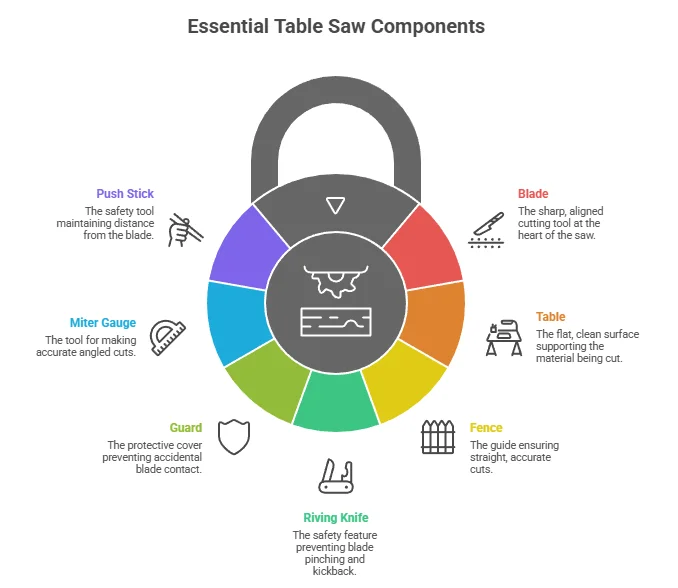
- Blade: The heart of your table saw. It must be sharp, properly aligned, and appropriate for the material you’re cutting.
- Table: The flat surface where you place your material. It should be clean and free from any obstructions.
- Fence: This component guides your material against the blade to ensure straight, accurate cuts.
- Riving Knife: Located behind the blade, the riving knife prevents the material from pinching the blade, reducing kickback.
- Guard: A blade guard covers the top of the blade to protect you from accidental contact.
- Miter Gauge: This helps you make angled cuts. Ensure it fits snugly into the table’s miter slot.
- Push Stick: A push stick helps you maintain a safe distance from the blade while guiding material.
Safety Features and Their Importance
To ensure a safe working environment, modern table saws are equipped with various safety features. Understanding these components will help you realize their importance for How To Use A Table Saw Safely. Blade Brake: This feature stops the blade quickly in case of contact with skin. Electronic Sensors: Some table saws come with advanced electronic sensors that can detect if a person touches the blade, triggering an immediate stop. Anti-Kickback Pawls: These components can help prevent the material from moving back towards you unexpectedly.
Best Practices for Safe Use
Besides knowing the components of your table saw, implementing safety practices is essential for protecting yourself while you work. Here are some best practices to follow: Wear Safety Gear. Keep Your Workspace Clean. Check Before Use. Don’t Force Cuts. Never Reach Over the Blade. This may seem harmless, but it poses a great risk. Always keep your hands clear of the blade.
Proper Maintenance for Safety
Regular maintenance of your table saw is also key to ensuring it operates safely. Follow these tips: Clean the Components: Dust and debris can interfere with the saw’s operation. Check Alignment: Ensure that your blade, fence, and miter gauge are properly aligned. Inspect the Blade: Replace dull or damaged blades immediately. Using a sharp blade not only improves cuts but also minimizes resistance and risk. Using a table saw safely requires knowledge of its components and proper operating procedures. For more tips on How To Use A Table Saw Safely, visit reputable woodworking resources like Wood Magazine and Popular Woodworking. Remember, a well-informed operator is a safe operator!
Tips for Maintaining Your Table Saw for Optimal Safety
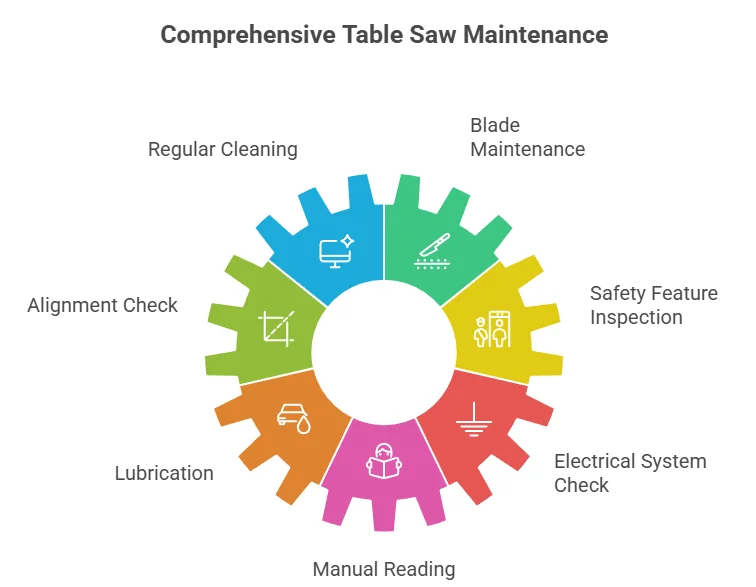
Keeping your table saw in excellent condition is essential for both the quality of your cuts and your safety while working. A well-maintained table saw not only ensures precise cuts but also reduces the likelihood of accidents. Here are some tips to help you maintain your table saw for optimal safety and to reinforce How To Use A Table Saw Safely. Many woodworkers also look into Sustainable Affiliate Programs to source durable, long-lasting replacement parts.
Regular Cleaning
One of the simplest yet most effective maintenance tasks is to regularly clean your table saw. Dust and debris can accumulate in various parts, leading to potential hazards. Make it a habit to: Remove sawdust from the surface and around the blade. Clean the underside of the saw to prevent buildup. Wipe down the table with a soft cloth to keep it smooth and free of contaminants.
Maintain the Blade
The blade is the heart of your table saw, and keeping it sharp is vital for safe operation. A dull blade not only makes cuts harder but increases the chance of kickback. To maintain your blade: Check the sharpness regularly and sharpen or replace it as needed. Ensure the blade is appropriately aligned and tensioned. Use a blade guard when not in use to protect it from damage.
Check the Alignment
Proper alignment of the blade and table is key to both safety and accuracy. If the blade is misaligned, it can cause kickbacks or lead to uneven cuts. To check the alignment: Measure the distance from the blade to the miter gauge slot. It should be the same at the front and back of the blade. Adjust the trunnions if necessary, to achieve proper alignment. Readjust periodically, especially if you’ve recently moved the saw.
Inspect Safety Features
Your table saw should have several safety features, such as blade guards, riving knives, and anti-kickback pawls. Regularly inspect these features to ensure they function correctly: Check that the blade guard is intact and can pivot freely. Ensure the riving knife is aligned with the blade and properly installed. Make sure anti-kickback pawls are working and can engage appropriately.
Lubricate Moving Parts
To keep your table saw running smoothly, lubrication is essential. Here’s what to do: Apply dry lubricant to the rails and moving parts to prevent rust and ensure smooth operation. Do not use oil-based lubricants as they can attract dust and debris. Check the manufacturer’s recommendations for specific lubrication guidelines.
Check the Electrical System
An often-overlooked aspect of table saw maintenance is the electrical system. Faulty wiring can lead to electrical hazards: Inspect the power cord for any frays or damage. Ensure the plug fits snugly into the outlet. Periodically test the saw’s circuit breaker to confirm it is functioning properly.
Read the Manual
Your table saw’s manufacturer will provide essential guidelines for maintenance. Always keep the user manual handy and abide by the recommendations regarding maintenance schedules, replacement parts, and safety instructions. Adhering to these maintenance tips will not only improve your understanding of How To Use A Table Saw Safely but also enhance your cutting experience. Regular maintenance helps you work more efficiently and reduces the risks associated with power tools. For more information on table saw safety and maintenance, visit Wood Magazine. By following these straightforward guidelines, you can ensure your table saw continues to operate safely and effectively. Remember, investing time in maintenance today leads to greater safety tomorrow.
Conclusion
Using a table saw safely is crucial for anyone interested in woodworking, be it for DIY projects or professional use. By implementing safe practices and learning How To Use A Table Saw Safely, you can significantly reduce the risk of accidents while getting precise cuts. Remember that the right safety gear, such as goggles, hearing protection, and push sticks, is essential in protecting yourself from potential hazards.
Understanding common mistakes associated with table saw operations can help you avoid mishaps that could result in injury or damage to your workspace. Key errors, such as poor alignment or neglecting to adjust the blade height, can easily lead to accidents. By being mindful of these common pitfalls, you can ensure a safer working environment. Familiarizing yourself with table saw components enhances your safety and overall efficiency. Knowing how each part functions allows you to utilize your saw more effectively while adhering to safety standards. Additionally, regular maintenance of your table saw is non-negotiable for optimal performance and safety. This includes keeping the blade sharp and clean, checking the alignment, and inspecting safety features. Many professionals also recommend joining Sustainable Affiliate Programs to stay updated on the latest eco-friendly and high-safety tool innovations.
Ultimately, a commitment to safety not only protects you but also enhances your confidence while working on projects. By applying these strategies and maintaining a proactive approach to How To Use A Table Saw Safely, you can enjoy woodworking while mitigating potential risks. So, gear up, stay educated, and take your time—your safety and skill will improve as a result.