
Starting a woodworking shop can be an exciting venture, opening the door to creativity and craftsmanship. However, having the right tools is essential for achieving great results. Below is a breakdown of essential tools that will help you get your How To Start A Woodworking Shop up and running smoothly.
Essential Tools for Your Workshop
Hand Tools
Hand tools are foundational in woodworking and are crucial for any beginner. Below are some must-have hand tools for getting started with your shop:
- Chisels: Sharp chisels are essential for precise cuts and joints. A set of various sizes will allow you to tackle different tasks.
- Saws: Whether you choose a coping saw for intricate cuts or a hand saw for larger breaks, having quality saws is crucial.
- Hand Planes: These tools help in smoothing and shaping wood surfaces. A smoothing plane is particularly useful.
- Measuring Tools: A tape measure, square, and marking gauge will ensure your cuts and joints are accurate.
Power Tools
Power tools speed up the process and allow for more complex projects. Here’s a list of essential power tools for running a functional shop:
- Table Saw: This is a must-have for making straight cuts and ripping wood to size. It’s a significant investment but pays off in versatility.
- Router: A router allows you to add decorative edges and is great for hollowing out areas in wood.
- Drill Press: For accurate drilling, a drill press is invaluable. It offers more control compared to a handheld drill.
- Orbital Sander: Smoothness matters. An orbital sander saves time and ensures your projects have a polished finish.
Safety Equipment
Woodworking can be risky without proper safety measures. Always put safety first when you consider How To Start A Woodworking Shop by including these items:
- Safety Glasses: Protect your eyes from wood dust and debris.
- Ear Protection: Power tools can be loud. Using earplugs or headphones helps preserve your hearing.
- Dust Mask: A dust mask keeps you safe from inhaling fine particulates while you work.
- First Aid Kit: Always have a first aid kit near your workspace for quick responses to injuries.
Workspace Essentials
Your workspace plays a critical role in your woodworking experience. Create an efficient layout when figuring out How To Start A Woodworking Shop with:
- Sturdy Workbench: A solid workbench serves as your main workspace, allowing you to work effectively.
- Tool Storage: Organizing your tools is vital. Utilize cabinets, pegboards, or toolboxes to keep everything in order.
- Good Lighting: Proper lighting helps you see your work clearly, reducing the likelihood of mistakes.
Supplies
Besides tools, you’ll need a stock of quality materials. Here are some basic supplies you’ll want to consider for your shop:
- Wood Variety: Start with a mix of softwoods and hardwoods to experiment with different projects.
- Adhesives: Wood glue is essential for joining pieces together. Consider also having wood screws on hand.
- Finishing Products: Stains, paints, and sealants will help protect your projects and enhance their beauty.
Keeping Your Shop Organized
As your woodworking shop grows, maintaining organization becomes critical. Here are tips to stay on top:
- Regularly clean your workspace to avoid clutter.
- Label storage bins and containers for easy access to your tools and materials.
- Create a system that makes it easy to store and retrieve tools based on frequency of use.
By investing in essential tools and creating a well-organized workspace, you will lay a solid foundation for your How To Start A Woodworking Shop. For more detailed information and tools, consider visiting Wood Magazine or Woodworker’s Journal. Both sites offer valuable insights for woodworkers at all skill levels.
Choosing the Right Space for Your Woodworking Needs

When embarking on your woodworking journey, one of the most crucial decisions you’ll face is choosing the right space. The workspace you select can have a significant impact on the quality of your projects and your overall experience as a woodworker. Finding the perfect location tailored to your woodworking needs starts with understanding a few key elements of How To Start A Woodworking Shop.
Consider Your Available Space
Start by assessing the amount of space you have at your disposal. Whether you’re looking at a garage, basement, or a designated workshop, ensure it meets specific criteria for a functional woodworking shop:
- Size: Make sure there’s enough room for your tools and materials, plus extra space to move around safely.
- Layout: A functional layout helps in organizing tools, materials, and work surfaces efficiently.
- Accessibility: Your shop should be easily accessible to facilitate the movement of lumber and completed projects.
Your Budget and Cost of Space
Different spaces come with varying costs. If you’re working on a budget, consider these factors for your future shop:
- Rental Costs: Renting a dedicated workshop space can add up; evaluate your budget and look for affordable options.
- Renovation Costs: You might need to renovate an existing space to make it more functional for woodworking, which can also incur costs.
- Utilities: Ensure you account for heating, cooling, electricity, and water needs if applicable.
Lighting Requirements
Good lighting is essential for precision work. A well-lit space can help you avoid mistakes and perform intricate tasks confidently in your woodworking shop:
- Natural Light: If possible, find a workspace with windows that allow for natural light.
- Task Lighting: Work lights, LED strips, and spotlights can illuminate specific areas, especially during detailed projects.
- Ambient Lighting: Overall lighting should help maintain a bright environment without causing glare.
Climate Control
Woodworking requires a stable environment. Temperature and humidity fluctuations can affect wood properties. Here are some aspects to consider when setting up a shop:
- Heating/Cooling: Ensure that your space has adequate heating in the winter and cooling in the summer to protect your materials.
- Humidity Control: Too much moisture can warp wood, so a dehumidifier or proper ventilation might be necessary.
Power Supply and Outlets
Woodworking tools require considerable power. An efficient power setup is crucial when considering How To Start A Woodworking Shop:
- Sufficient Outlets: Ensure your space has enough electrical outlets to support all your tools.
- Wiring Status: Check that the electrical system can handle the load of woodworking machinery.
- Safety Features: Consider installing circuit breakers for added safety against electrical overloads.
Safety Considerations
Your woodworking space should prioritize safety. Implement these strategies to maintain a secure environment:
- Fire Safety: Equip your workshop with fire extinguishers and a smoke detector.
- Tool Storage: Keep tools organized and stored safely to avoid accidents.
- Ventilation: Ensure proper air circulation to minimize dust and fumes exposure.
Storing Materials
A crucial aspect of any woodworking shop is material storage. Proper storage not only saves space but also keeps your materials in good condition:
- Vertical Storage: Store long pieces of wood vertically to save floor space.
- Shelving Units: Use shelving to keep smaller pieces organized and accessible.
To maximize your woodworking experience, visit Wood Magazine for comprehensive guides on shop organization, or check Popular Woodworking for layout ideas and tool recommendations. Remember, the right space will ensure you enjoy your woodworking hobby or profession while creating beautiful projects.
Safety Practices Every Woodworker Should Follow
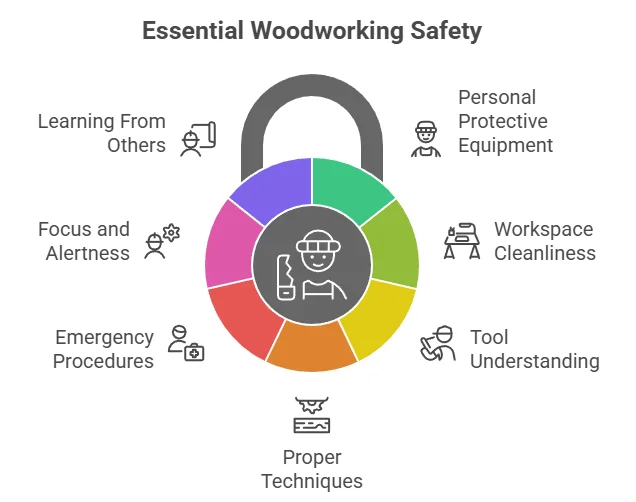
Working with wood can be extremely rewarding, but it also comes with its share of risks. Following safety practices is crucial to ensure a safe and enjoyable woodworking experience. By incorporating the right techniques, you reduce the potential for accidents and create a better environment for yourself and others in your How To Start A Woodworking Shop. Here are some essential safety practices every woodworker should follow.
Use Personal Protective Equipment (PPE)
Your safety starts with the right protective gear. Always equip yourself with appropriate PPE. Here’s a breakdown of the essential items:
- Safety Glasses: Protect your eyes from wood chips and dust.
- Ear Protection: Use earplugs or earmuffs when operating noisy machinery.
- Respirators: A mask can help filter out harmful dust particles.
- Gloves: Wear durable gloves for better grip, but avoid loose-fitting gloves that can get caught in machinery.
Maintain a Clean Workspace
Clutter can lead to accidents. Keeping your workspace organized helps you work safely and efficiently. Follow these tips:
- Regularly sweep up sawdust and debris.
- Store tools in their designated places after use.
- Ensure that walkways are clear of obstacles.
Understand Your Tools
Using tools correctly is key to avoiding injuries. Take time to learn about each tool you’ll be using in your shop:
- Read Manuals: Understand how to operate your tools safely.
- Check for Damage: Inspect tools regularly to ensure they are in good condition.
- Use the Right Tool: Always select the tool that is best suited for the task at hand.
Apply Proper Techniques
Adhering to proper techniques will significantly reduce your risk of injury. Here are several to keep in mind:
- Use Push Sticks: When cutting small pieces, use a push stick to keep your hands clear of the blade.
- Cut Away From Your Body: Always cut in a direction that doesn’t place your body in harm’s way.
- Clamp Workpieces: Securely hold workpieces in place to prevent movement during cuts.
Establish Emergency Procedures
No one wants to imagine an accident happening, but being prepared can make a major difference. Have an emergency plan in place:
- Know the location of the first aid kit.
- Have a phone nearby in case emergency services are needed.
- Keep a list of emergency contacts readily available.
Stay Focused and Alert
Concentration is critical when woodworking. Here’s how to maintain your focus:
- Avoid working when fatigued or distracted.
- Take regular breaks to prevent exhaustion.
- Limit conversations and multitasking while using machinery.
Learn From Others
Engaging with fellow woodworkers can enhance your safety practices. Consider:
- Joining woodworking clubs or online forums to share tips.
- Attending workshops or classes that emphasize safety.
- Watching instructional videos from reliable sources on platforms like Wood Magazine and Woodworker’s Source.
In essence, making safety a priority in your How To Start A Woodworking Shop can not only protect you but also contribute to achieving high-quality results in your projects. There’s always something new to learn, so keep your skills updated and your safety practices sharp.
Tips for Sourcing High-Quality Wood
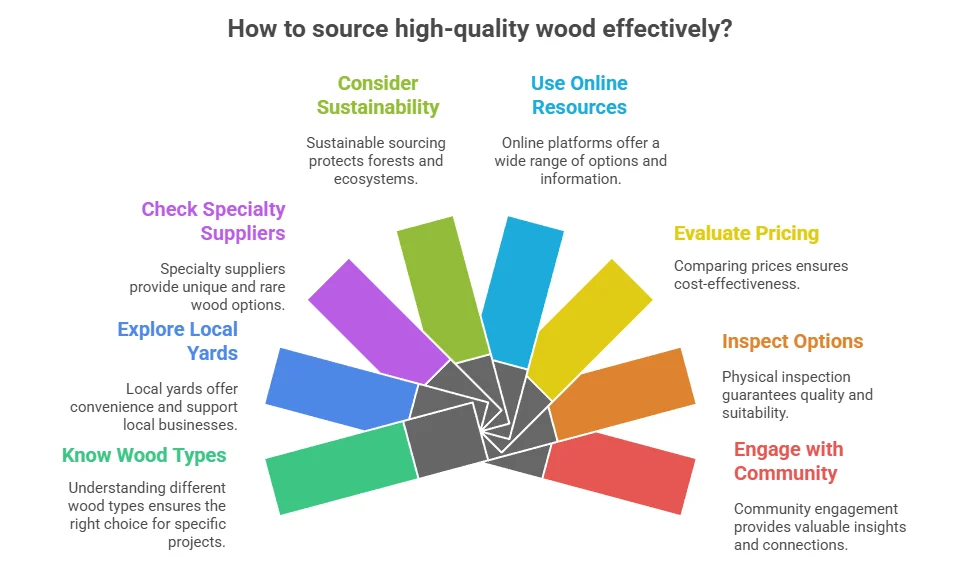
When embarking on woodworking projects, sourcing high-quality wood is crucial for achieving the best results. Good wood ensures durability, stability, and an attractive finish, making it a vital component of any successful woodworking venture and a necessity for How To Start A Woodworking Shop.
Here are some tips to help you source high-quality wood for your projects.
Know Your Wood Types
Different projects require different kinds of wood. Understanding the various types of wood and their properties can help you make better choices. Some common wood types include:
- Hardwoods: Such as oak, maple, and cherry, known for their durability and beauty.
- Softwoods: Such as pine, cedar, and fir, which are often less expensive and easier to work with.
- Plywood: Engineered wood made from layers of veneer, suitable for various applications.
Explore Local Lumber Yards
Local lumber yards can be a treasure trove of high-quality wood. They often carry a wider selection than big box stores, including specialty woods. Talk to the staff; they can provide invaluable advice on the best wood for your projects. Moreover, you’ll want to inspect wood personally to assess its quality. Look for:
- No cracks or splits
- Consistent grain patterns
- No signs of pests
- Uniform thickness
Check Out Specialty Suppliers
For unique or high-end projects, consider sourcing wood from specialty suppliers. These businesses often focus on rare species and can provide guidance on sourcing responsibly. Some reliable options include:
- Woodcraft – A well-known retailer of woodworking tools and high-quality wood.
- Rockler – Offers a variety of woods and woodworking supplies.
Consider Sustainability
More woodworkers are becoming conscious of the environmental impact of their choices. Look for sustainable sources of wood, such as:
- FSC-certified wood: This designation means the wood comes from responsibly managed forests.
- Reclaimed wood: Sourced from old buildings or furniture, it gives character to your projects and reduces waste.
Using sustainably-sourced wood not only benefits the environment but also adds value to your creations.
Use Online Resources
Many online platforms can help find reputable suppliers of high-quality wood. Websites such as LumberJocks and WoodBarter offer community-driven insights and trading opportunities. You can find unique pieces of wood while connecting with other woodworkers.
Evaluate Pricing
The price of wood can vary significantly based on the type and quality. To ensure you’re paying a fair price:
- Compare prices from multiple suppliers.
- Check current market trends for the types of wood you need.
- Be cautious of deals that seem too good to be true; they often indicate lower quality.
Inspect Your Options
Before making a purchase, take the time to inspect the wood. Here’s what to check:
| Criteria | What to Look For |
|---|---|
| Moisture Content | Opt for wood with 6% to 8% moisture for indoor projects. |
| Defects | Avoid wood with knots, warping, or discoloration. |
| Finish | Look for smooth surfaces without rough patches. |
Each of these aspects can significantly affect the quality of your woodworking projects.
Engage with the Community
Joining local woodworking clubs or online forums can provide insights into where to find the best wood. Engaging with experienced woodworkers can lead to recommendations for suppliers and materials that you might not find on your own.
By following these tips, you can successfully source high-quality wood that not only enhances your projects but also supports sustainable practices. Make informed choices, and you will enjoy better results in your woodworking endeavors.
Turning a Hobby into a Business: Woodworking Ventures

Turning a passion for woodworking into a profitable venture is a dream for many enthusiasts. If you enjoy working with wood, crafting furniture, or creating beautiful decor, taking the leap into business could not only be fulfilling but also financially rewarding. Here are some insights on How To Start A Woodworking Shop and successfully turn your woodworking hobby into a thriving business.
Understanding Your Niche
Before you dive into the business aspect, it’s important to identify your niche within the woodworking industry. Settling on what you love to create is essential for both passion and profitability. Consider the following areas:
- Furniture making—chairs, tables, or cabinets
- Home decor—shelves, frames, or unique gifts
- Outdoor items—decks, benches, or garden planters
- Custom orders—personalized projects tailored to customer needs
Creating a Business Plan
A solid business plan is your roadmap to success. A well-structured plan will not only help you stay focused but also attract potential investors or lenders. Here’s what to include:
- Executive summary: Briefly outline your business concept.
- Market analysis: Research your competition and target audience.
- Marketing strategy: How will you promote your woodworking projects?
- Financial projections: Estimate startup costs, pricing, and potential earnings.
Setting Up Your Workspace
To transform your hobby into a business, you’ll need a dedicated workspace. Your shop should be safe, well-organized, and equipped with the right tools. Evaluate the following:
- Space: Ensure you have enough room for your tools and projects.
- Tools: Invest in quality woodworking tools like saws, drills, and sanders.
- Safety: Include safety equipment such as goggles, gloves, and ear protection.
Marketing Your Products
Once your shop is ready, it’s time to attract customers. Effective marketing can significantly enhance your visibility. Here are some strategies to consider for your woodworking business:
- Build a website: An online presence is crucial. Display your work, allow for online purchases, and share your story.
- Social media: Platforms like Instagram and Pinterest can showcase your projects and connect you with potential buyers.
- Local craft fairs: Participate in local events to reach customers face-to-face.
Pricing Your Work
Determining the right price for your creations can be tricky. A good pricing strategy considers not just materials and labor but also market demand. Here’s how to approach pricing:
- Calculate your costs: Include materials, tools, and overhead.
- Consider your time: How much time did you spend making the item?
- Research competitors: See what similar products are selling for in your area.
Building Relationships
Relationships are key in any business. Keep in touch with your customers by offering excellent service. Think about the following:
- After-sales service: Check in on customers after their purchase.
- Feedback: Encourage reviews to help improve your craft and validate your quality.
- Networking: Join woodworking groups or forums to connect with other woodworkers.
Resources for Woodworkers
As you navigate this exciting journey, take advantage of online resources. Websites such as Wood Magazine offer tutorials and tips to enhance your skill set. For business advice, consider visiting SCORE, which provides mentorship and resources for small business owners.
Remember, transitioning from a hobbyist to a business owner takes dedication, creativity, and the right resources.
Conclusion
Starting a How To Start A Woodworking Shop can be a rewarding journey, whether you’re aiming to explore a fulfilling hobby or turn your passion into a business. Equipping yourself with essential tools is crucial, as these will lay the foundation for your craftsmanship. Invest in quality tools that meet your needs, considering items like saws, drills, and sanders.
Choosing the right space is equally important; ensure you have an area that allows for both creativity and safety. A well-organized shop can enhance your workflow and keep distractions at bay. Speaking of safety, always prioritize best practices when working with tools. This not only protects you but also helps cultivate a positive environment for anyone who might join you in your woodworking endeavors.
Sourcing high-quality wood can make all the difference in the final products you create. Understanding different wood types and where to find them will elevate your projects, ensuring you achieve lasting beauty and durability. If you aspire to turn your woodworking skills into a business, consider starting small. Create a portfolio and market your pieces through social media or local craft fairs to attract potential customers.
With determination, the right tools, a safe workspace, and quality materials, launching your woodworking shop can lead to a fulfilling and potentially profitable venture. Embrace the journey, keep learning, and enjoy the satisfaction of bringing your wooden creations to life. Each project not only hones your skills but also allows you to express your creativity. So, gather your tools, set up your space, and let the adventures in woodworking begin!