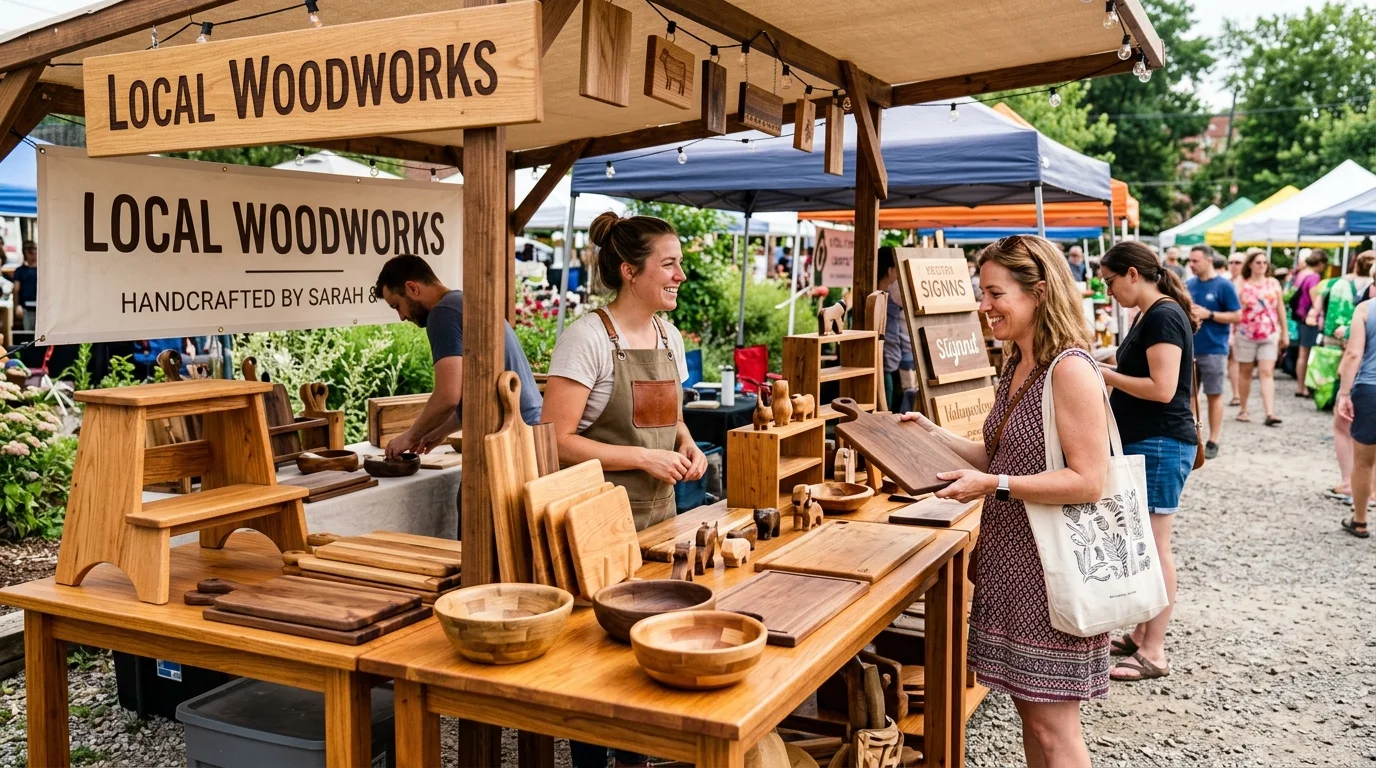
Do you have woodworking skills and the desire to turn your passion into profit? Selling your woodworking projects locally can be both fulfilling and lucrative. Here’s a step-by-step guide to help you navigate through the process and successfully sell your creations.
Identify Your Craft and Niche
First, determine which woodworking projects you enjoy making the most. Consider focusing on niche markets such as:
- Furniture (tables, chairs, shelves)
- Home décor (wooden signs, picture frames)
- Functional items (cutting boards, toys)
- Garden projects (raised beds, birdhouses)
Choosing a niche will make it easier for you to target your audience and market your items effectively.
Create Quality Products
Once you have identified your niche, ensure that the quality of your items stands out. Here are some tips for producing quality woodworking projects:
- Use high-quality materials that are durable and appealing.
- Pay attention to details—smooth edges, proper finishing, and durable construction matter.
- Test your products for functionality, especially if they serve a specific purpose.
Remember, a satisfied customer is likely to recommend you to others.
Set Competitive Prices
Research local prices for similar woodworking projects to set your rates. Consider the following factors:
| Factor | Considerations |
|---|---|
| Materials Cost | Price of wood, tools, and finishes used |
| Time Investment | How long it takes you to create each item |
| Market Demand | What similar products sell for locally |
Finding the right balance between value for your customers and profitability is essential.
Market Your Woodworking Projects
Now that you have high-quality products, it’s time to let people know about them. Utilize local marketing strategies such as:
- Social Media: Share images and updates on platforms like Facebook and Instagram. Join local community groups to reach potential customers.
- Craft Fairs and Farmers Markets: Renting a booth at local events can get your work in front of many people.
- Word of Mouth: Share your projects with friends and family. Encourage them to spread the word.
These channels can significantly boost your visibility in the community.
Build an Online Presence
In addition to local marketing, having an online presence can help you reach more customers. Create a simple website or use platforms such as Etsy to showcase your projects. Make sure to include:
- High-quality photos of your items
- Detailed descriptions and pricing
- Contact information and social media links
By maintaining an online portfolio, you broaden your reach, appealing to those who might not be familiar with your local market.
Engage with Your Community
Being active within your local community can help build a loyal customer base. Consider:
- Participating in local woodworking clubs or classes
- Collaborating with local businesses for cross-promotions
- Setting up workshops where you teach others your skills
These engagements enhance your visibility and develop valuable relationships.
Receive Feedback and Improve
Once you start selling, listen to your customers’ feedback. It’s a great way to improve your products and services. Customer reviews can guide you in creating better items and adjusting your pricing if necessary.
For effective feedback methods, consider:
- Requesting testimonials on social media or your website
- Conducting surveys to gather opinions on your work
Improvement leads to growth, and happy customers can become repeat customers.
By following these steps, you can successfully sell your woodworking projects locally. This journey combines your passion for woodworking with smart business strategies to turn your skills into a thriving venture.
Identifying Your Target Market for Woodworking Sales
Understanding who your potential buyers are is crucial when selling woodworking projects locally. Identifying your target market helps you tailor your products and marketing strategies effectively. This approach not only maximizes your sales potential but also fosters better relationships with your customers.
Start by considering the different types of woodworking projects you create. Are you crafting furniture, home décor, toys, or garden items? Each category attracts distinct audiences. For instance:
- Furniture: Likely to appeal to homeowners, real estate agents, and interior designers looking for unique pieces.
- Home Décor: This segment may attract younger audiences and renters looking for stylish and affordable options.
- Toys: Target parents, grandparents, or educational institutions seeking high-quality, safe toys.
- Garden Items: These items can appeal to gardening enthusiasts, landscapers, or local businesses.
After differentiating your product range, conduct thorough market research. Here are some effective ways to gather essential information:
- Surveys: Create surveys targeting local groups or through social media to ask potential customers about their interests and preferences.
- Market Analysis: Analyze competitors in your locale to see what they offer and their price points.
- Networking: Attend local craft fairs, farmer’s markets, or community events to connect with potential customers and understand their needs.
Once you gather data, create profiles for your ideal customers, also known as buyer personas. Think about their age, gender, income level, and interests. For example, a buyer persona for a custom furniture maker might look like this:
| Attribute | Details |
|---|---|
| Age | 30-50 years |
| Gender | Both men and women |
| Income Level | $50k-$150k |
| Interests | Home improvement, interior design, sustainability |
| Buying Motivation | Quality craftsmanship, uniqueness, local business support |
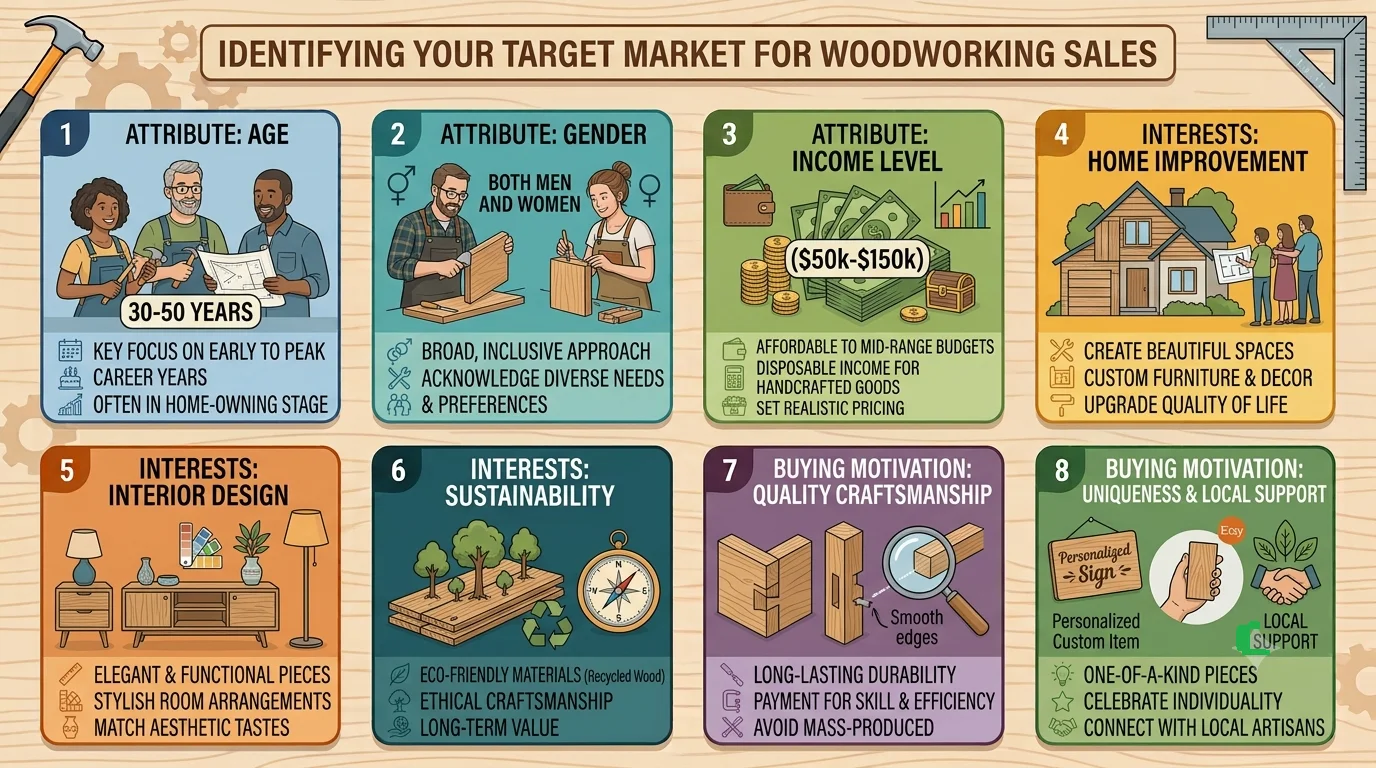
Understanding your buyer personas
Understanding your buyer personas allows you to communicate more effectively with your audience. Use language and imagery that resonate with them, making your advertising efforts more compelling. Remember to emphasize the unique qualities of your work, such as craftsmanship, sustainability, or durability.
Establishing an online presence
Another essential aspect is establishing an online presence. Most consumers start their search online. Create a simple website or a social media profile showcasing your woodworking projects. Include clear photos of your items, along with descriptions that tell their story. Actively engage with followers by posting regularly and responding to inquiries. You may visit Woodworkers Source for tips on improving your online sales strategy.
Networking
Networking plays a vital role in identifying and reaching your target market. Join local woodworking associations or clubs where you can meet potential clients and fellow craftsmen. You may also consider partnering with local businesses, such as home décor stores or landscaping companies, to showcase your work. Visit Wood Magazine for insights on building valuable partnerships.
Assess and adjust your strategies
Once you identify your market, continually assess and adjust your strategies. What worked six months ago might not resonate today. Stay tuned to trends in woodworking and the feedback you receive from customers. Embrace changes and seek innovative ways to enhance your offerings.
Consider setting up booths
Consider setting up booths at local craft fairs or farmers’ markets. These venues provide an excellent opportunity to showcase your work and interact directly with potential customers. Keep an eye on local event calendars to find opportunities and prepare your best-selling items.
By identifying your target market carefully, engaging them effectively, and adapting to changes, you’re more likely to succeed in selling your woodworking projects locally. Remember, the better you know your audience, the more you will enhance your sales strategy!
Crafting an Effective Sales Pitch for Your Woodworking Creations
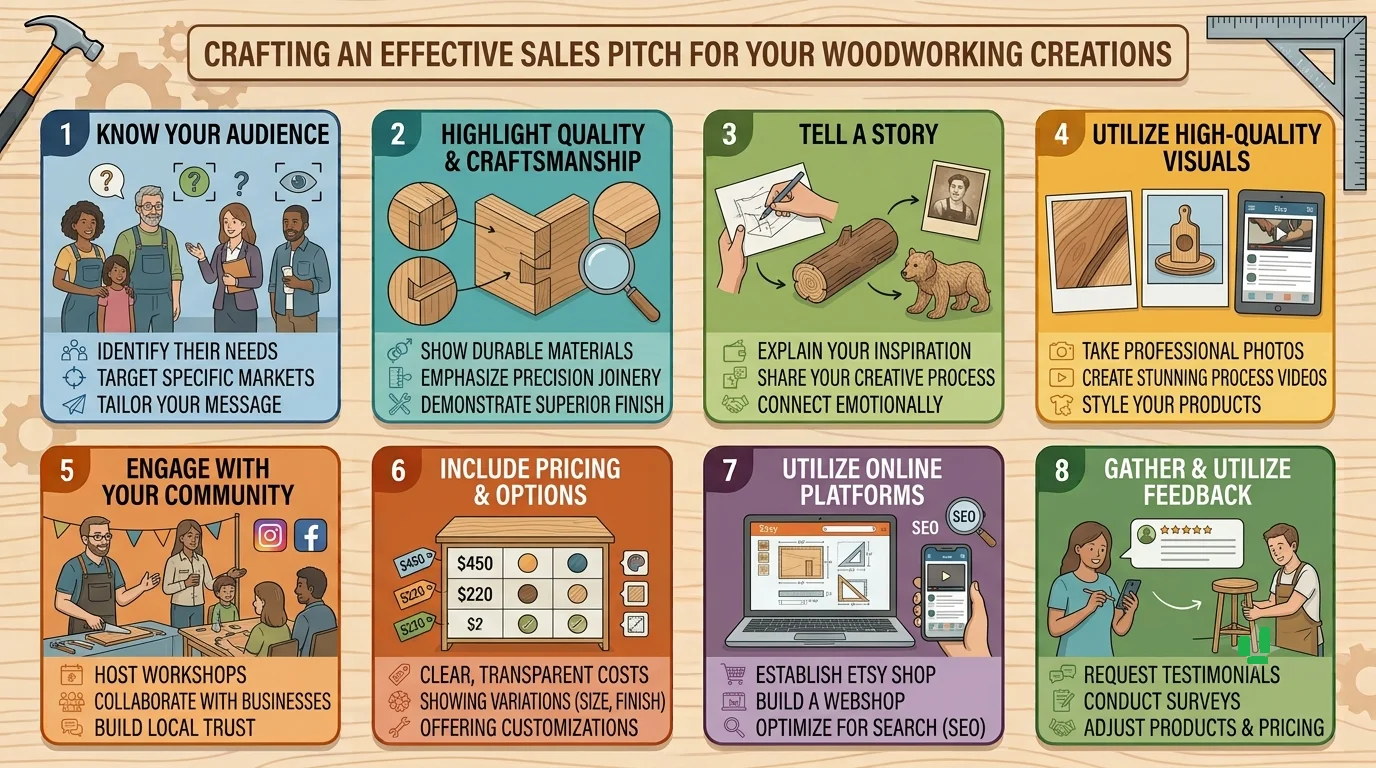
When you create beautiful woodworking projects, you want the world to see them. However, how do you effectively sell your creations? Crafting a compelling sales pitch is crucial. Here’s how to present your woodworking pieces in a way that hooks potential buyers.
Know Your Audience
Understanding your target audience is the first step. Different customers are looking for various qualities in woodworking projects, so identify your ideal buyer. Ask yourself:
- Are they looking for functional items?
- Do they prefer decorative pieces?
- What is their budget range?
By knowing your audience well, you can tailor your sales pitch to resonate with them. Research local market trends to find out what types of woodworking projects are popular in your area.
Highlight Quality and Craftsmanship
When selling woodworking projects, the quality of your materials and craftsmanship should be front and center. Consider the following:
- Use descriptive language to explain the materials used, such as “hand-selected hardwoods” or “eco-friendly finishes.”
- Share the techniques you use, highlighting any unique methods or tools that set you apart.
- Show off your skill level—mention any courses or certifications you possess that demonstrate your expertise.
Your audience wants to know that they’re investing in a durable and well-made product. Make quality a core part of your pitch!
Tell a Story
People love stories! A captivating story about your woodworking projects can create an emotional connection with potential buyers. Explain:
- What inspired you to create a specific piece?
- What challenges you overcame while making it?
- What kind of environment or lifestyle the piece fits into.
By weaving a narrative, you can turn your projects into more than just products. A meaningful story not only captivates interest but can also inspire customers to make a purchase.
Utilize High-Quality Visuals
In woodworking, visuals are half the battle. Offer potential buyers a clear view of what you’re selling using:
- Bright, high-resolution images of your projects from different angles.
- Videos showcasing your work process—this adds an authentic touch.
- Images of the items in use or styled in settings.
Consider platforms like Instagram for showcasing visuals. It’s an excellent platform to impress buyers with the artistic side of your woodworking.
Engage with Your Community
Building relationships within your community can significantly boost your sales. Here are some ways to do this:
- Participate in local craft fairs and artisan markets.
- Join woodworking-related Facebook groups or forums to showcase your work and receive feedback.
- Offer workshops to educate others about woodworking while also selling your projects.
Personal connections often lead to trust and local business. People are more likely to buy from someone they know and trust.
Include Pricing and Options
When preparing your pitch, don’t forget to include pricing information. Be transparent about the cost and any options available, such as customization. Consider populating a table like the one below:
| Item | Price | Customization Options |
|---|---|---|
| Handcrafted Dining Table | $800 | Size, Finish |
| Wooden Toy Set | $50 | Color Options |
Utilize Online Platforms
While local sales are essential, online platforms can widen your reach. Consider setting up a shop on platforms like Etsy. It’s specifically designed for handmade items and offers exposure to a larger audience. Customize your listings with keywords that resonate with your target audience to enhance search visibility.
Crafting an effective sales pitch for your woodworking creations involves knowing your audience, highlighting quality, telling engaging stories, using high-quality visuals, and maintaining strong community connections. By following these steps, you’ll not only sell your woodworking projects locally but also create lasting relationships with your customers. Good luck on your woodworking sales journey!
Utilizing Social Media to Boost Local Woodworking Sales
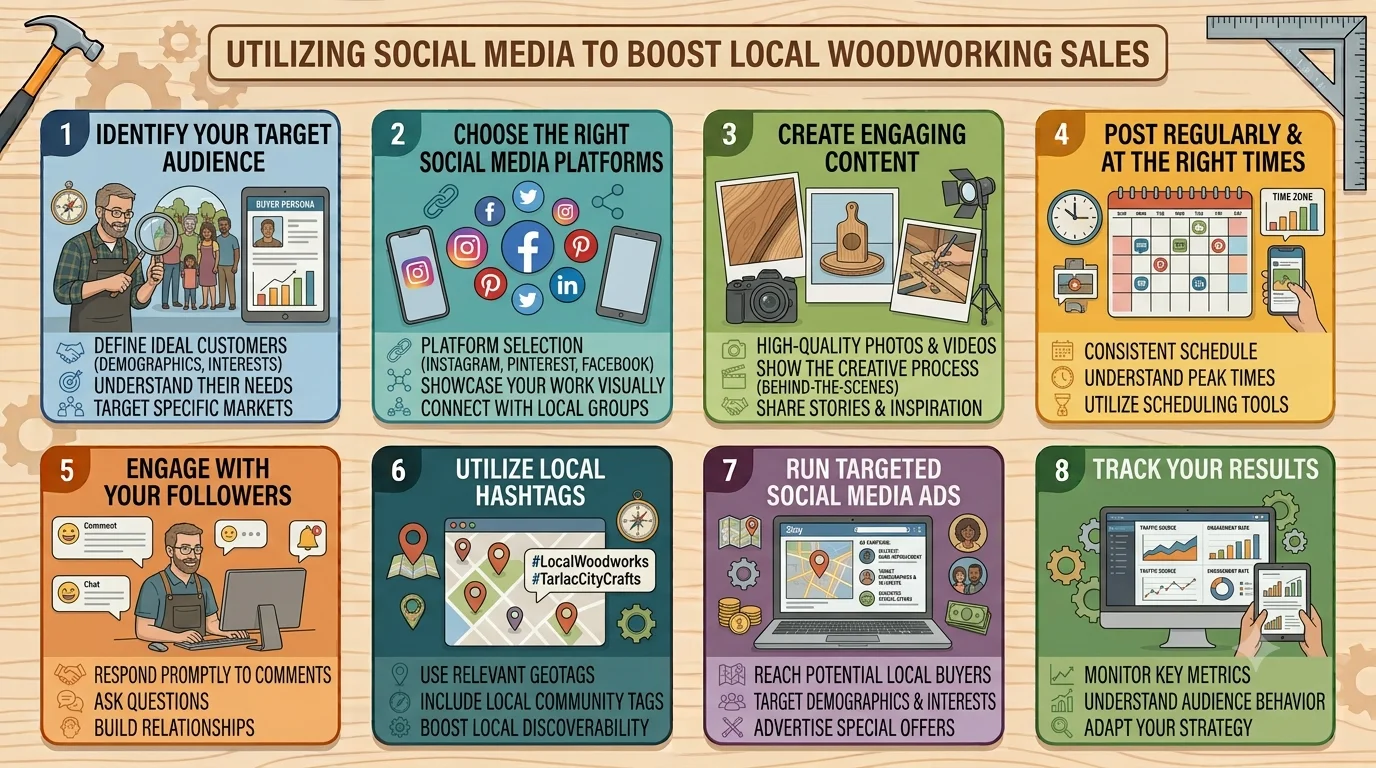
Boosting local woodworking sales requires more than great craftsmanship; it also entails effective marketing strategies. One of the most powerful tools you can leverage today is social media. Platforms such as Facebook, Instagram, and Pinterest can significantly enhance your visibility and connect you directly with potential customers in your area. Here’s how you can utilize social media strategically—step by step.
Identify Your Target Audience
Before you dive in, take a moment to think about who your ideal customers are. Consider factors such as:
- Age: Are they young adults looking for modern designs or older adults seeking traditional pieces?
- Interests: Do they prefer functional furniture or decorative items?
- Location: Concentrate on local customers to help support your sales.
Choose the Right Social Media Platforms
Select platforms that align best with your woodworking projects and target audience. Here’s a brief overview:
- Facebook: Great for local community engagement and sharing detailed posts.
- Instagram: Ideal for visual storytelling with stunning photos of your projects.
- Pinterest: Perfect for showcasing your work and driving traffic to your website or online store.
Create Engaging Content
Your social media success hinges on creating exciting and valuable content. Here’s what to focus on:
- High-Quality Images: Showcase your projects with clear, well-lit images.
- Tutorials: Share how-to videos or tips to engage with the community.
- Behind-the-Scenes: Offer glimpses into your workshop or the creative process.
Post Regularly and at the Right Times
Staying active on social media is crucial. Post regularly, but also consider timing. Studies show that the best times to post are:
| Day | Best Time |
|---|---|
| Monday | 9 AM – 11 AM |
| Wednesday | 2 PM |
| Friday | 10 AM – 12 PM |
Analyze your engagement metrics to find what works best for you and your audience.
Engage with Your Followers
Social media is all about building relationships. Respond to comments, messages, and feedback promptly. Consider asking questions in your posts to encourage interaction. This creates a community around your woodworking projects that can lead to more sales.
Utilize Local Hashtags
Using local hashtags can greatly enhance your discoverability in your area. Some examples include:
- #YourCityWoodworking
- #LocalWoodworker
- #HandmadeInYourCity
Incorporate these into your posts to reach more local customers. You can also check out platforms like Local.com to find more community-focused hashtags.
Run Targeted Social Media Ads
If you have a budget for advertising, consider running targeted ads. Both Facebook and Instagram offer powerful tools to reach potential customers in your locality. You can specify your target audience based on demographics, interests, and geographic location.
Track Your Results
Measure the success of your social media efforts regularly. Use insights and analytics tools provided by social media platforms to understand what’s working and what needs improvement. Adjust your strategy based on this data to optimize your approach continually.
Leveraging social media effectively can provide your woodworking business with significant local exposure and sales growth. Whether sharing your handcrafted pieces or engaging with your community, these steps can help build a strong, loyal customer base. For more detailed insights and tools for your woodworking business, check out Woodworker’s Source and Wood Magazine.
Setting Up a Local Woodworking Workshop: Tips for Success
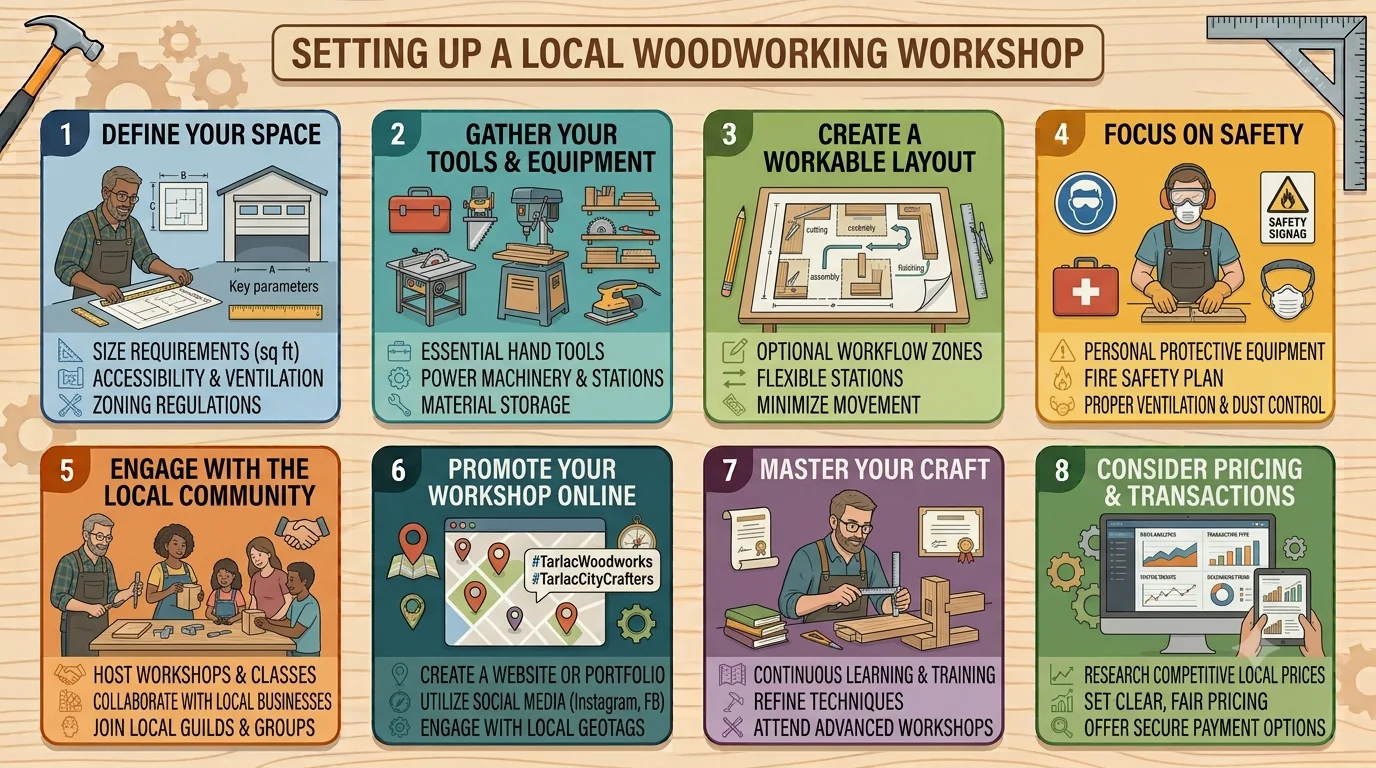
If you’re passionate about woodworking and want to share your creations with your local community, setting up a woodworking workshop is an excellent way to do so. Whether you’re crafting furniture, decorative items, or functional pieces, a well-organized workshop can help you bring your ideas to life. Here are some key tips to ensure your woodworking workshop thrives.
Define Your Space
First and foremost, determine where your workshop will be located. Consider the following:
- Space Size: Ensure you have enough room to work comfortably with various tools and materials.
- Accessibility: Choose a location that is easy for customers to find and visit.
- Safety: Make sure your workshop can accommodate safety measures, including ventilation and emergency exits.
Gather Your Tools and Equipment
Investing in quality tools is crucial. Here’s a list of essential woodworking tools you might need:
- Table saw
- Router
- Drill
- Clamps
- Sanding equipment
- Measuring tools
- Finishing supplies (stains, paints, varnishes)
Before purchasing, consider checking Wood Magazine for recommendations on tools and equipment that are best suited for your woodworking projects.
Create a Workable Layout
Your workshop layout is essential for efficiency and ease of use. Think about these key factors:
- Workflow: Arrange tools and materials to minimize movement. Keep frequently used items within easy reach.
- Storage: Use shelving, cabinets, and pegboards to organize your tools and materials.
- Work Surfaces: Utilize sturdy tables that can handle your projects and provide ample space for work.
Focus on Safety
Woodworking can be hazardous without proper safety measures in place:
- Protective Gear: Invest in safety glasses, ear protection, and dust masks.
- First Aid Kit: Keep a well-stocked first aid kit available for emergencies.
- Training: Make sure you and anyone else using the workshop understand how to safely operate all tools.
Engage with the Local Community
To make your workshop successful, build connections within the community:
- Host Workshops: Organize classes to teach others woodworking skills.
- Participate in Local Events: Set up booths at craft fairs and local markets to showcase your work.
- Social Media Presence: Create social media accounts to share your projects and connect with potential buyers.
Consider joining local woodworking clubs or forums such as Sawdust Zone to networking and share tips with fellow woodworkers.
Promote Your Workshop Online
Having a digital presence enhances your ability to reach more customers. Here are some marketing strategies:
- Create a Website: A professional-looking website to display your projects can attract interest.
- Use Local SEO: Optimize your website with keywords like “local woodworking workshop” and “custom woodworking projects” to enhance visibility.
- Online Marketplaces: Set up an account on websites such as Etsy to reach a broader audience.
Master Your Craft
Always strive to improve your woodworking skills. Attend workshops, read books, and stay updated on trends. Websites like Popular Woodworking offer valuable resources to expand your knowledge.
Consider Pricing and Transactions
Ensure that your pricing reflects the quality of your work. Research local competitors to find a reasonable price range. For transactions:
- Use secure payment methods.
- Consider offering credit card payment options for convenience.
Setting up a local woodworking workshop can be a rewarding venture. By following these tips, you can create a space that not only fosters creativity but also becomes a hub for woodworking enthusiasts in your community.
Conclusion
Selling woodworking projects locally can be an incredibly rewarding venture. By following the step-by-step guide outlined in this article, you can start turning your passion into profit. Understanding your target market is crucial; it helps you tailor your projects and marketing strategies to meet the needs of potential customers. By knowing who is likely to purchase your items, whether they are homeowners looking for one-of-a-kind decor or gift shoppers searching for unique presents, you can create pieces that resonate with them.
Crafting an effective sales pitch is another vital element in this process. Your pitch should highlight the unique features and craftsmanship behind your projects. It’s your opportunity to connect with customers and convey the value of your work. Coupled with a strong social media presence, you can significantly boost your visibility and attract more local buyers. Using platforms like Instagram and Facebook, you can showcase your latest creations, share behind-the-scenes content, and engage with your audience, thereby cultivating a loyal customer base.
Setting up a local woodworking workshop not only enhances your skills but also provides a platform to create and showcase your work. By fostering a space that encourages creativity and experimentation, you can expand your product range and improve your craft over time.
With determination and the right strategies in place, turning your woodworking hobby into a successful local business is entirely achievable. Keep focused on building relationships within your community, and remember that quality and authenticity will always attract loyal customers. Now, get out there and start sharing the beauty of your woodworking projects!