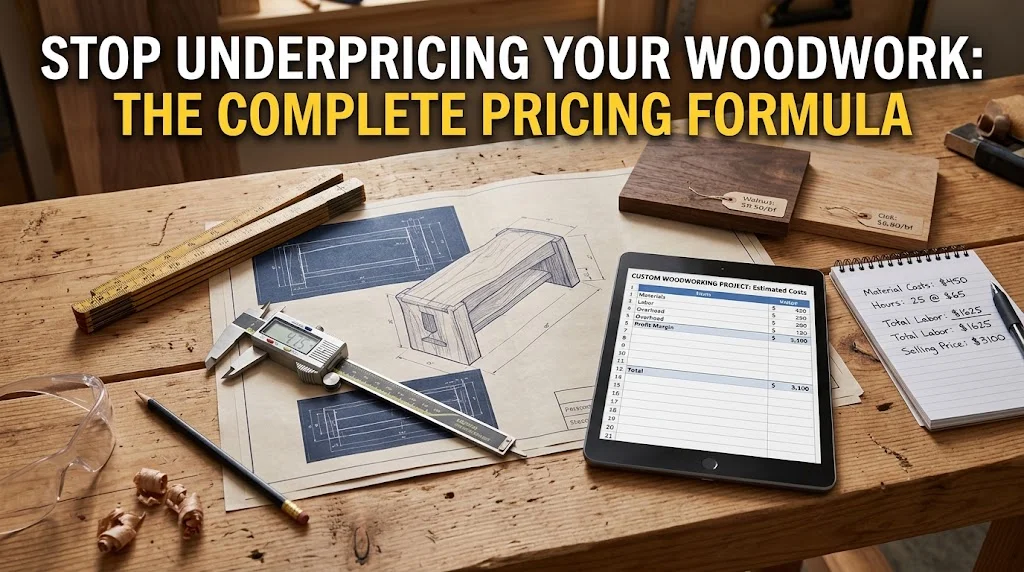
Pricing custom woodworking projects can be a complex task, but with a step-by-step approach, you can develop a pricing strategy that works for you. Understanding your costs, valuing your time, and accurately estimating project specifics are key components to pricing your work effectively. Follow the guide below to ensure your Custom Woodworking Projects Step by Step are priced fairly and competitively.
1. Determine Your Costs
The first step in pricing your Custom Woodworking Projects Step by Step is to understand your costs. This includes the costs of materials, labor, and overhead. Here’s how to break it down:
- Materials: List all the materials needed for the project. This often includes wood, hardware, and any finishing supplies. Be sure to calculate the total cost of each item.
- Labor: Estimate how long the project will take. Determine your hourly rate based on your experience and skill level.
- Overhead: Consider any indirect costs incurred while running your woodworking business. This could include rent for your workshop, utilities, and tools.
Summing these costs will give you a strong foundation for your pricing. For an in-depth look at common materials and their prices, you can check Wood Magazine.
2. Establish Your Hourly Rate
Next, establish what your time is worth. As a custom woodworker, consider the following:
- Experience Level: If you’re just starting, your rate might be lower than a seasoned professional.
- Skillset: If you offer specialized services, you can often charge a premium.
- Market Rates: Research what other woodworkers in your area charge for similar work.
Your hourly rate should reflect your skills and the quality of work you provide. Make sure to adjust it over time as you gain experience.
3. Estimate Project Time
Accurate time estimation is crucial for pricing. Consider breaking the project into phases:
- Design Phase: How long will it take you to create a design or blueprint?
- Construction Phase: Estimate the assembly and finishing time.
- Delivery/Installation Phase: Factor in the time for delivery or installation, if applicable.
Being realistic about how long each phase will take will help you avoid underpricing your work. Don’t forget to include time for consultation with the customer.
4. Apply a Profit Margin
Once you have calculated your costs and estimated your hours, it’s time to add a profit margin. Here’s how:
- Calculate your total costs (materials, labor, overhead).
- Decide on a profit percentage. Standard margins in woodworking often range from 10% to 30%.
- Add this percentage to your total costs to arrive at your selling price.
| Total Costs | Desired Profit Margin | Selling Price |
|---|---|---|
| $500 | 20% | $600 |
Understanding how to balance costs against desired profits is crucial for sustaining your woodworking business.
5. Research Market Prices
Before finalizing your price, it’s beneficial to research what competitors are charging for similar projects. Websites like Custom Made can provide insight into current market trends and pricing structures.
6. Adjust Based on Client Specifics
Be open to adjusting your prices based on specific project requirements or client requests. Consider factors such as:
- Complexity of Design: More intricate designs require more time and may justify higher pricing.
- Client’s Budget: Be flexible if the project aligns with your business goals.
- Repeat Customers: Offering a slight discount for returning clients can encourage loyalty.
Effective pricing of How to Price Custom Woodworking Projects Step by Step requires careful consideration of costs, time, and market conditions. Utilize these guidelines to ensure your projects are both affordable for clients and profitable for your business. For more resources on woodworking pricing and project management, consider visiting Woodworkers World.
Understanding Material Costs in Woodworking
When diving into the world of woodworking, understanding material costs is essential for pricing your projects accurately and ensuring profitability. Whether you are a hobbyist or a professional woodworker, grasping How to Price Custom Woodworking Projects evaluate the cost of raw materials will empower you to make informed decisions that affect your bottom line.
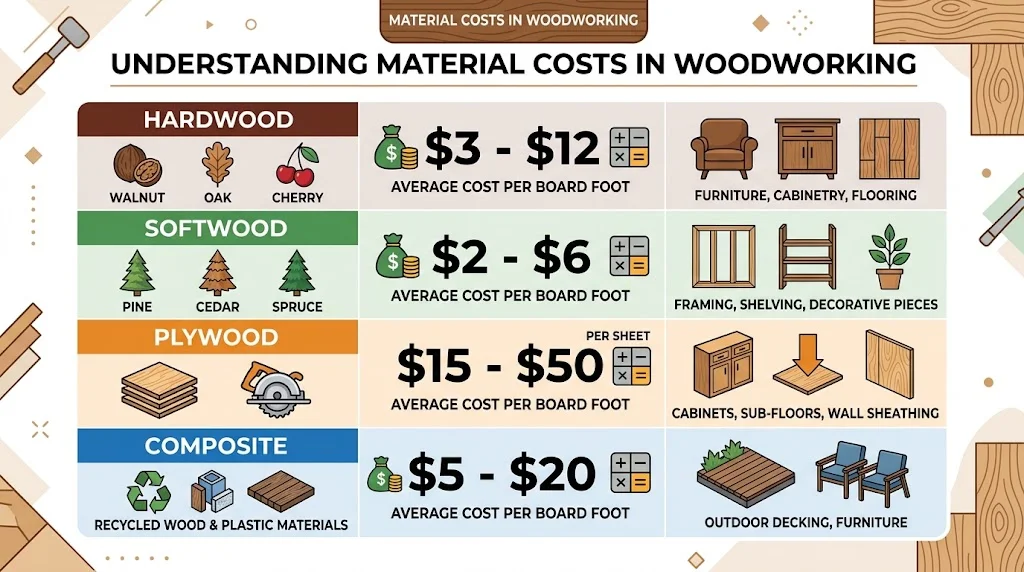
Among the various types of materials used in woodworking, the primary ones include hardwoods, softwoods, plywood, and composite materials. Each type of wood has its own price range and characteristics that will influence your selection based on the project requirements. Below is a breakdown of different wood material types and their average costs:
| Type of Wood | Average Cost per Board Foot | Common Uses |
|---|---|---|
| Hardwood | $3 – $12 | Furniture, cabinetry, flooring |
| Softwood | $2 – $6 | Framing, shelving, decorative pieces |
| Plywood | $15 – $50 | Cabinets, sub-floors, wall sheathing |
| Composite | $5 – $20 | Outdoor decking, furniture |
Prices for materials can fluctuate based on various factors including species, quality, and local availability. One crucial step before beginning any woodworking project is to shop around and compare prices at different suppliers. You can find reputable wood suppliers and their offerings at sites like Wood Magazine or The Wood Whisperer.
Once you’ve determined which materials you will be using, take careful measurements of your project to calculate how much wood you will need. This should be done accurately, as underestimating wood requirements can lead to increased costs and missed deadlines. Use a measuring tape and plan your cuts to minimize waste. A common method is the Ken Lay method, which involves organizing your cuts before you start on a project. It can help prevent costly mistakes.
In addition to the wood itself, keep in mind that there are often extra costs involved in woodworking projects. Let’s take a closer look at these additional expenses:
- Finishes: Stains, sealers, and varnishes can range from $10 to $40 depending on the quality and type.
- Hardware: Hinges, knobs, and other hardware may add anywhere from $5 to $100 to your overall costs.
- Tools and Equipment: Don’t forget the costs involved in tools that may need repairs or replacements, which should be factored into your budget.
Another critical aspect to consider is the cost of labor if you’re hiring help. Evaluate the hourly rates of skilled laborers, especially if the project requires intricate designs or advanced woodworking techniques. In general, skilled labor can range from $20 to $75 per hour based on experience.
Tracking your expenses meticulously is crucial in managing material costs. You can use spreadsheets or simple accounting software to input each item’s cost alongside its quantities. This way, you can calculate the total materials cost for your woodworking project effortlessly.
Labor Costs: Calculating Time and Effort in Custom Projects
When it comes to custom woodworking, understanding labor costs is essential. Accurately calculating the time and effort put into each project allows you to price your work appropriately. You want to ensure that you are compensated fairly while also offering a price point that attracts customers. Here’s a step-by-step guide to help you assess labor costs effectively.
Break Down the Project
The first step in calculating labor costs is to break down the project into smaller tasks. This allows you to see where your time will be spent and how each task contributes to the overall project. Here are common components to consider:
- Design and planning
- Material selection and procurement
- Cutting and shaping
- Assembly
- Finishing and detailing
Estimate Time for Each Task
Once you have broken down the project, estimate how much time each task will take. It’s important to be realistic and account for any potential interruptions or setbacks. You can keep a journal of similar past projects to refine your time estimates. Here’s a simple guide to help you:
- Design: 5-10 hours
- Material selection: 1-3 hours
- Cutting and shaping: 10-15 hours
- Assembly: 8-12 hours
- Finishing: 5-8 hours
Calculate Your Hourly Rate
Your hourly rate plays a significant role in How to Price Custom Woodworking Projects Step by Step. To determine your rate, consider the following:
- Your experience level: More experienced woodworkers can charge more.
- Market rates in your area: Research what others are charging.
- Business expenses: Include costs like tools, materials, and overhead.
A common range is $25 to $100 per hour, depending on the factors above. If you’re unsure, consult industry resources, or check out websites like Woodworkers Source for insights.
Total Labor Cost Calculation
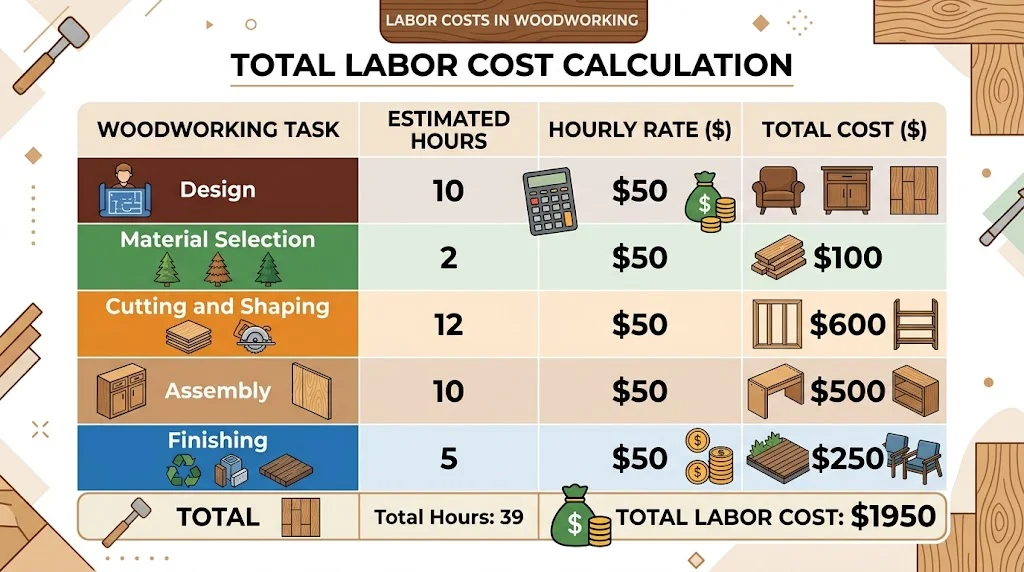
Now that you have your time estimates and hourly rate, you can calculate the total labor cost. Use this formula:
| Task | Estimated Hours | Hourly Rate ($) | Total Cost ($) |
|---|---|---|---|
| Design | 10 | 50 | 500 |
| Material Selection | 2 | 50 | 100 |
| Cutting and Shaping | 12 | 50 | 600 |
| Assembly | 10 | 50 | 500 |
| Finishing | 5 | 50 | 250 |
| Total | 39 | 1950 |
Consider Additional Costs
Don’t forget to factor in additional costs that may arise throughout the project. These can include:
- Tools and equipment depreciation
- Delivery charges for materials
- Waste and mistakes (always allow for extra material)
- Marketing expenses
By including these costs, you ensure that your pricing remains consistent and fair.
Final Pricing Strategy
When determining your final price, add your total labor cost and additional costs together. Compare this figure with market rates, and adjust as necessary. Consider also the complexity of the project and your unique selling proposition. If you offer higher quality or bespoke features, it’s reasonable to price higher than competitors.
Factors Influencing Custom Woodworking Pricing
When it comes to custom woodworking, pricing is not just about materials and labor. There are various factors that influence How to Price Custom Woodworking Projects Step by Step. Understanding these elements can help you set competitive rates while ensuring that your work is valued correctly. Here are key factors that you should consider when pricing custom woodworking jobs.
Materials Used
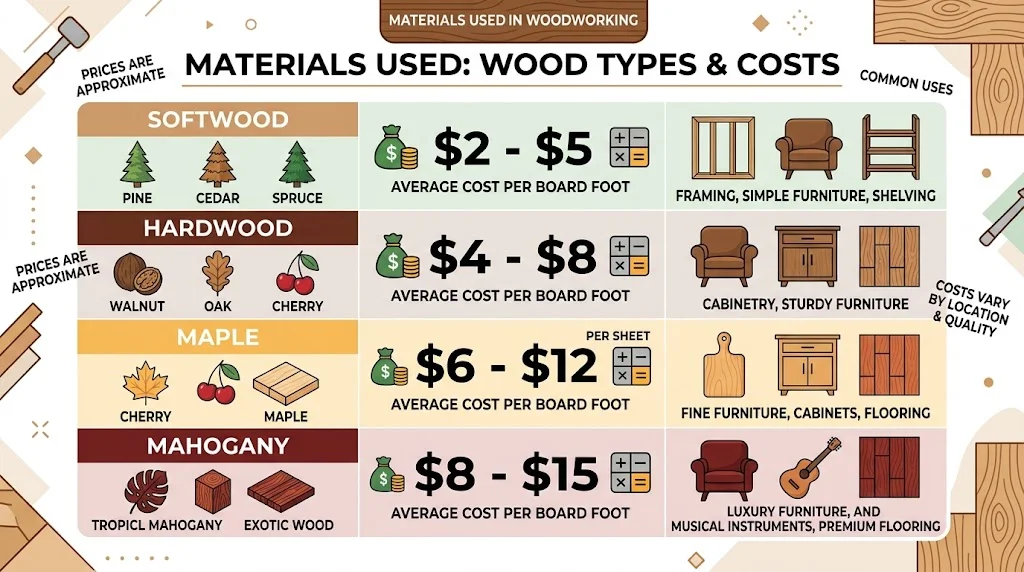
The type of wood and other materials significantly impact the overall cost. Different woods have different price points. For instance, exotic hardwoods like mahogany or teak may cost more than standard pine or plywood. Here’s a quick list of common woods and their approximate costs:
| Type of Wood | Approximate Cost per Board Foot |
|---|---|
| Pine | $2 – $5 |
| Oak | $4 – $8 |
| Maple | $5 – $10 |
| Cherry | $6 – $12 |
| Mahogany | $8 – $15 |
Keep in mind that you should also factor in any finishes, glues, or hardware that may be required for your project. If you need to source premium items like antique hinges or custom hardware, these costs will also increase your pricing.
Time and Labor
The time you spend creating a custom piece is another important factor. This includes not just the number of hours you work on a project, but also your skill level. If you’re a seasoned woodworker with years of experience, you may justify higher rates than a beginner. Consider these elements when calculating time:
- Initial Consultation: Time spent discussing ideas with the client.
- Design Phase: Time taken to prepare designs or sketches.
- Construction: The actual time spent cutting, assembling, and finishing the piece.
- Final Touches: Sanding and final adjustments before delivering the project.
You could charge an hourly rate or set a flat fee for specific projects. Research local competitors to find a fair rate without undervaluing your work.
Complexity of Design
The intricacy of the design plays a crucial role in determining the price. A simple bookshelf could cost significantly less than a custom dining table with intricate carvings and features. Be sure to consider:
- The number of joints and assembly processes required.
- The level of detail involved in the finishing work.
- Any custom features, such as built-in lighting or unique modifications.
The more complex the design, the more time, effort, and craftsmanship involved, which should be reflected in the pricing.
Market Demand
Understanding the market demand is vital when pricing your projects. If custom woodworking is booming in your area, you may be able to charge more. Conversely, if the market is flooded with similar offerings, you might need to adjust your prices competitively. Research local demand by looking at:
- Online marketplace trends
- Social media platforms showcasing woodworking projects
- Local craft fairs and woodworking shows
Experience and Reputation
Your experience and reputation as a woodworker can affect the prices you charge. Established woodworkers with positive reviews may command higher prices compared to newcomers. To build your reputation:
- Collect testimonials and showcase them on your website.
- Engage with potential clients on social media, sharing your work.
- Participate in woodworking communities both online and in person.
Location & Overhead Costs
Your geographical location can impact material costs as well as the lifestyle expectations of clients. For example, woodworking services in urban areas may demand higher prices compared to rural areas. Overhead costs such as shop rent, equipment maintenance, and utilities should also be factored into your pricing.
Tips for Communicating Prices to Clients Effectively
Communicating prices to clients can be a daunting task. However, clear communication is essential for building trust and ensuring a smooth project progression. Here are some effective tips to communicate prices to your clients.
Understand Your Pricing Structure
Before discussing prices with your clients, it’s crucial to have a clear understanding of your pricing structure. This includes knowing your costs, profit margins, and how various factors may affect the final price. Here’s a breakdown to consider:
- Labor Costs: Calculate how much time you’ll spend on the project and multiply it by your hourly rate.
- Materials: Ensure you know the current market prices for the materials you will use.
- Overheads: Don’t forget to factor in overhead expenses, such as rent and utilities.
Be Transparent
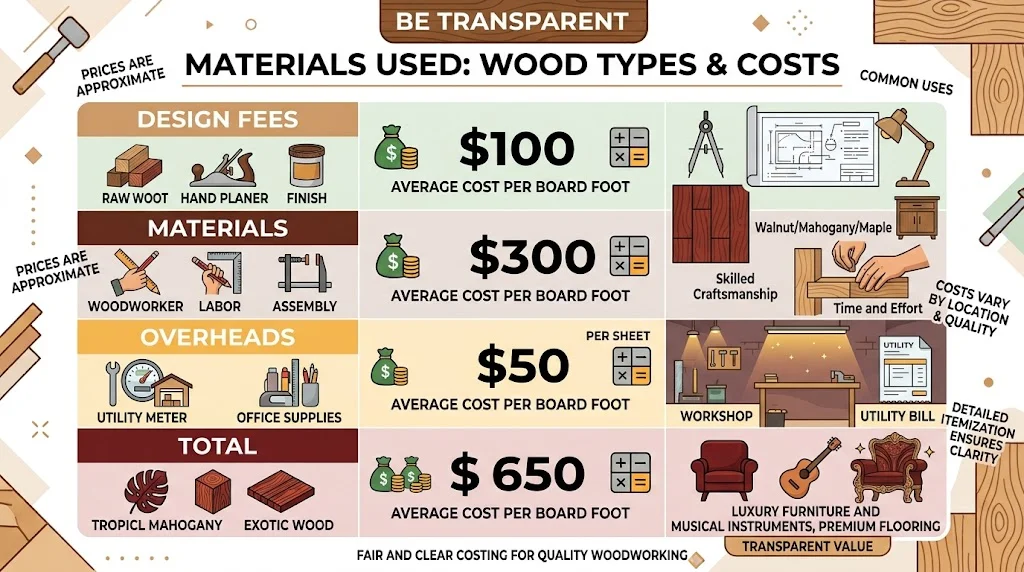
Transparency builds trust. When discussing prices, provide a detailed breakdown of what clients are paying for. Being upfront about costs helps clients understand the value they receive.
For instance, sharing a pricing sheet can visually communicate how much each component contributes to the total cost. Below is a simple example of How to Price Custom Woodworking Projects Step by Step present this:
| Item | Cost |
|---|---|
| Design Fees | $100 |
| Materials | $300 |
| Labor | $200 |
| Overheads | $50 |
| Total | $650 |
Utilize Clear Language
Always use clear and simple language when discussing prices. Avoid jargon that may confuse your clients. Use phrases like “total project cost” instead of “aggregate costs” to make your communication more accessible. When you present pricing, follow these steps:
- Start with the base price.
- Explain any additional charges or taxes.
- Finish with the total amount due.
Offer Multiple Options
Clients appreciate having choices. If possible, provide different pricing tiers or packages. For example:
- Basic Package: Includes essential features at a lower cost.
- Standard Package: Offers a balance of features and costs.
- Premium Package: Includes all features for those who want the best value.
This way, clients can choose what best fits their budget, making them feel empowered in the decision-making process.
Be Available for Questions
After presenting prices, encourage clients to ask questions. Let them know you are available to clarify any doubts. This openness fosters a better understanding and shows that you care about their needs. Schedule a follow-up call or meeting to ensure they feel supported.
Follow Up in Writing
Once you’ve discussed prices verbally, follow up with a written summary. This summary can include key points from your discussion, ensuring there are no misunderstandings. It can be as simple as an email outlining:
- The project scope
- The agreed-upon price
- Any other relevant details or timelines
Additionally, using tools like Proposify can help streamline this process by providing professional-looking proposals that articulate your pricing clearly.
Consider the Timing of Your Presentation
Presenting your prices at the right moment can significantly impact client decision-making. Aim to discuss price after you have explained the details of the project and built rapport. This approach allows clients to understand the value of your work before discussing costs.
Be Prepared for Negotiations
Clients may want to negotiate your prices. Be open to discussion while knowing your minimum acceptable price. Consider offering minor discounts or additional services instead of lowering your base price significantly. This strategy helps maintain your profitability while accommodating client requests.
When effectively communicating prices to clients, you’ll foster a positive relationship and increase the chances of a successful project. For further tips on pricing strategies, you can check out resources from The Balance or Wood Magazine.
Conclusion
Pricing custom woodworking projects can seem daunting, but by breaking it down into manageable steps, you can establish fair and profitable prices. Understanding material costs is the first crucial element; knowing the value of your wood and supplies ensures you don’t undervalue your work. Calculating labor costs accurately is equally important. By assessing the time and effort each project requires, you can set a price that reflects the skill and craftsmanship involved.
Additionally, various factors influence your pricing—such as complexity, design, and market demand. Being aware of these can help you adjust your prices appropriately. Remember that clear and effective communication with clients can foster trust and understanding. This means presenting your pricing in a straightforward manner, explaining the breakdown of costs, and addressing any concerns they may have.
Ultimately, the goal is to create a pricing strategy that values your work while being transparent to the customer. By considering all these elements, you can ensure your Custom Woodworking Projects Step by Step are priced correctly, allowing your business to thrive. With a strong pricing model in place, you not only secure profit but also build lasting relationships with your clients, ensuring they see the worth in every piece you create. Emphasize quality and craftsmanship in your communication, and you’ll find that clients are willing to invest in your custom woodworking projects.