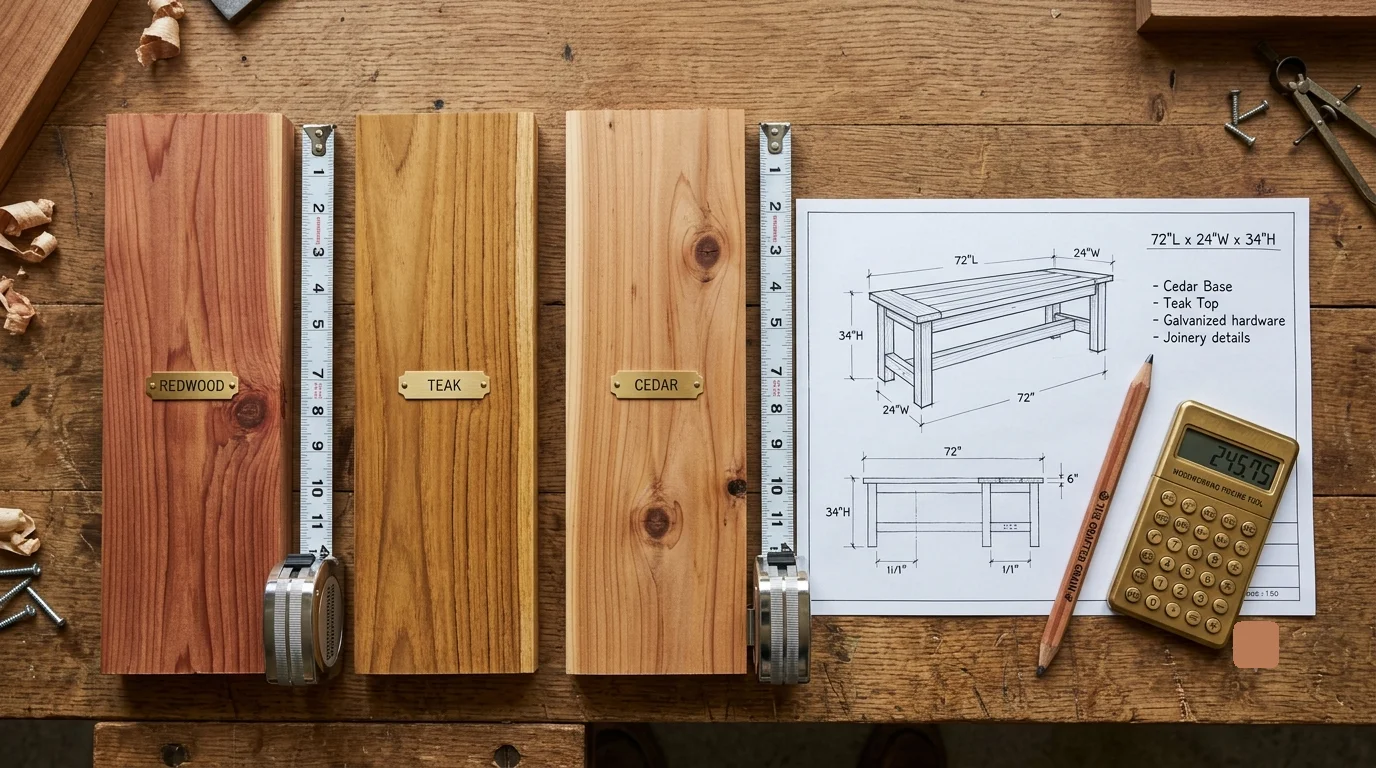
Pricing custom woodworking projects for outdoor use can be a challenging task, but understanding several key factors can help you set a fair and profitable price. Whether you’re creating a rustic picnic table, a custom bench, or an intricately designed outdoor shelter, knowing how to accurately price your work will benefit both you and your clients.
Materials
The first factor to consider when pricing custom woodworking projects is the type of materials you will use. Different types of wood have vastly different prices. Here are some materials you might use and their common price ranges:
| Type of Wood | Price per Board Foot |
|---|---|
| Pressure-Treated Pine | $2.50 – $5.00 |
| Cedar | $5.00 – $10.00 |
| Redwood | $8.00 – $15.00 |
| Mahogany | $12.00 – $25.00 |
When considering materials, look not only at costs but also at durability, aesthetic appeal, and how well they hold up outdoors. Using higher-quality wood may raise the price but can attract customers seeking longevity.
Project Complexity
The complexity of the woodworking project will also significantly influence the pricing. More complex designs that require extensive labor and skill will naturally cost more. Consider the following points:
- Design intricacy: Unique patterns and detailed carvings can take significantly longer than simple cuts.
- Joinery types: Custom joinery techniques require more skill and time, thus increasing costs.
- Assembly: Projects that require intricate assembly or multiple components may increase the price.
Labor Costs
Your labor costs are another major factor in determining project pricing. Calculate how much time you expect the project to take, then multiply that by your hourly rate. Consider these points:
- Average hourly rates for woodworking can vary widely but tend to fall between $20 to $80 per hour, depending on your experience level.
- Don’t forget to account for preparation time, such as designing or sourcing materials.
- Take into account additional costs for tools and equipment usage, maintenance, and repairs for your tools. The more specialized your tools, the higher the costs might be.
Market Rates
Understanding the prevailing market rates in your area is essential for setting your prices competitively. Research similar outdoor woodworking projects in your locality to gauge what other craftsmen are charging. Resources like Woodworker’s Source can provide insight into pricing.
Overhead and Profit Margin
Don’t forget to factor in your overhead costs when pricing your projects. Overhead may include:
- Workspace rent or mortgage costs
- Utilities and other operational expenses
- Insurance premiums
After calculating all your costs, add a profit margin. A common suggestion is a markup between 20% to 50%, but this can depend on your business strategy and goals.
Client Engagement
Effective communication with your clients can also influence pricing. Engaging your clients in the design process shows your expertise and builds trust. This can lead to a willingness to pay more for custom features and unique designs. Always be clear about what your service entails, and consider providing them with different pricing options based on materials and complexity.
Understanding Material Costs in Custom Outdoor Woodworking
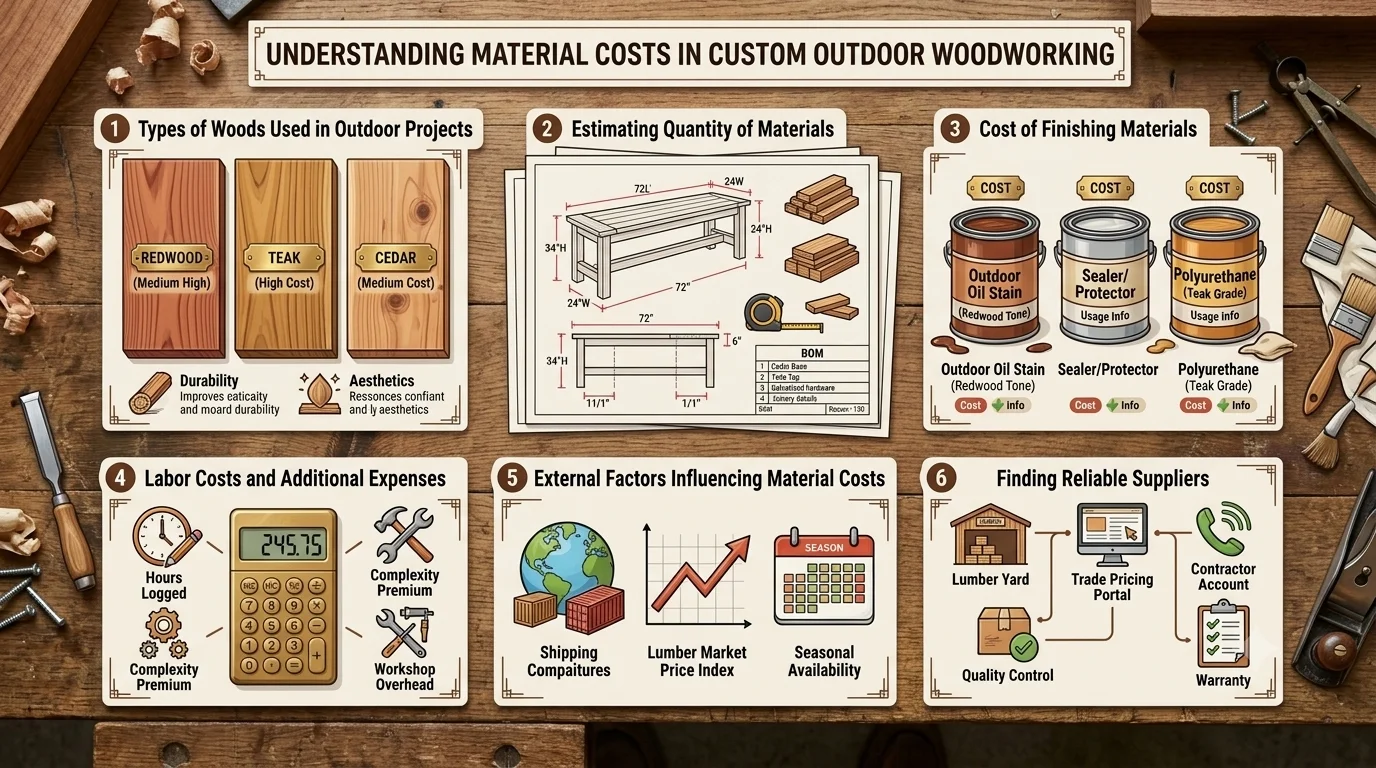
When embarking on a custom woodworking project for outdoor use, understanding material costs is essential. The materials you choose will not only impact the durability and aesthetic of your project but also significantly influence your overall pricing. Here’s a comprehensive look at the various elements that play a role in determining material costs in custom outdoor woodworking.
Types of Woods Used in Outdoor Projects
Choosing the right type of wood is the first step in controlling material costs. Different woods come with varying price tags and durability levels. Common choices for outdoor woodworking include:
- Cedar: Known for its natural resistance to rot and insects, cedar is a popular option but can be more costly.
- Redwood: Another rot-resistant wood, redwood offers a beautiful finish; however, it can be among the pricier choices.
- Pressure-treated Pine: More economical, pressure-treated pine is a versatile option, although it may not last as long as other woods.
- Teak: Extremely durable and resistant to water, teak is often used for high-end projects and comes at a higher cost.
Cost of Finishing Materials
Finishing materials are necessary for protecting your wood projects from the elements. They also contribute to the overall appearance. Common finishing materials include:
- Sealants: A good sealant prevents moisture from penetrating the wood. Prices can range from $10 to $50 depending on quality.
- Stains: Stains enhance the wood’s natural beauty and provide UV protection. High-quality stains can cost from $15 to $70.
- Finish Coats: Additional layers of finish can protect the wood even further. Expect to spend anywhere from $20 to $100 for high-quality finishes.
Estimating Quantity of Materials
Accurately estimating the amount of material needed for your project is crucial. This will help avoid both shortages and excess waste. Here’s a simple approach to estimate your needs:
- Measure the Area: Use a measuring tape to determine the dimensions of your project. Take care to measure each section carefully.
- Calculate Board Feet: For lumber, calculate the board footage by using the formula: (Width in inches x Length in feet x Thickness in inches) / 12. This helps you know exactly how much wood to purchase.
Labor Costs and Additional Expenses
When pricing your project, don’t forget to account for labor and other expenses. Whether you are a DIYer or hiring help, labor costs can add up quickly.
- DIY Projects: Consider your time as an investment. Determine a fair hourly rate for yourself and estimate the time it will take.
- Hiring Help: Understand the going rate for skilled carpenters in your area. This can vary widely based on location.
External Factors Influencing Material Costs
The market can fluctuate, affecting material prices. Some factors to consider include:
- Supply and Demand: If demand is high and supply is low, expect to pay more for materials.
- Seasonal Changes: Prices can change with seasons, with certain woods being cheaper in specific times of the year.
- Transportation Costs: Distance from suppliers can affect shipping costs, which impact your final material prices.
Finding Reliable Suppliers
Building relationships with reliable suppliers can help you get materials at a reasonable cost. Consider looking into local lumber yards and specialty suppliers. They often offer better rates than large home improvement stores. Check out resources like Woodworkers Source and Rockler for materials suited for outdoor woodworking.
Remember, the right materials and careful planning will lead to a successful outdoor custom woodworking project. Take your time researching and selecting the best options for your specific needs. With a solid understanding of material costs, you can create beautiful and durable outdoor projects that will stand the test of time.
The Value of Craftsmanship: How Skill Affects Pricing
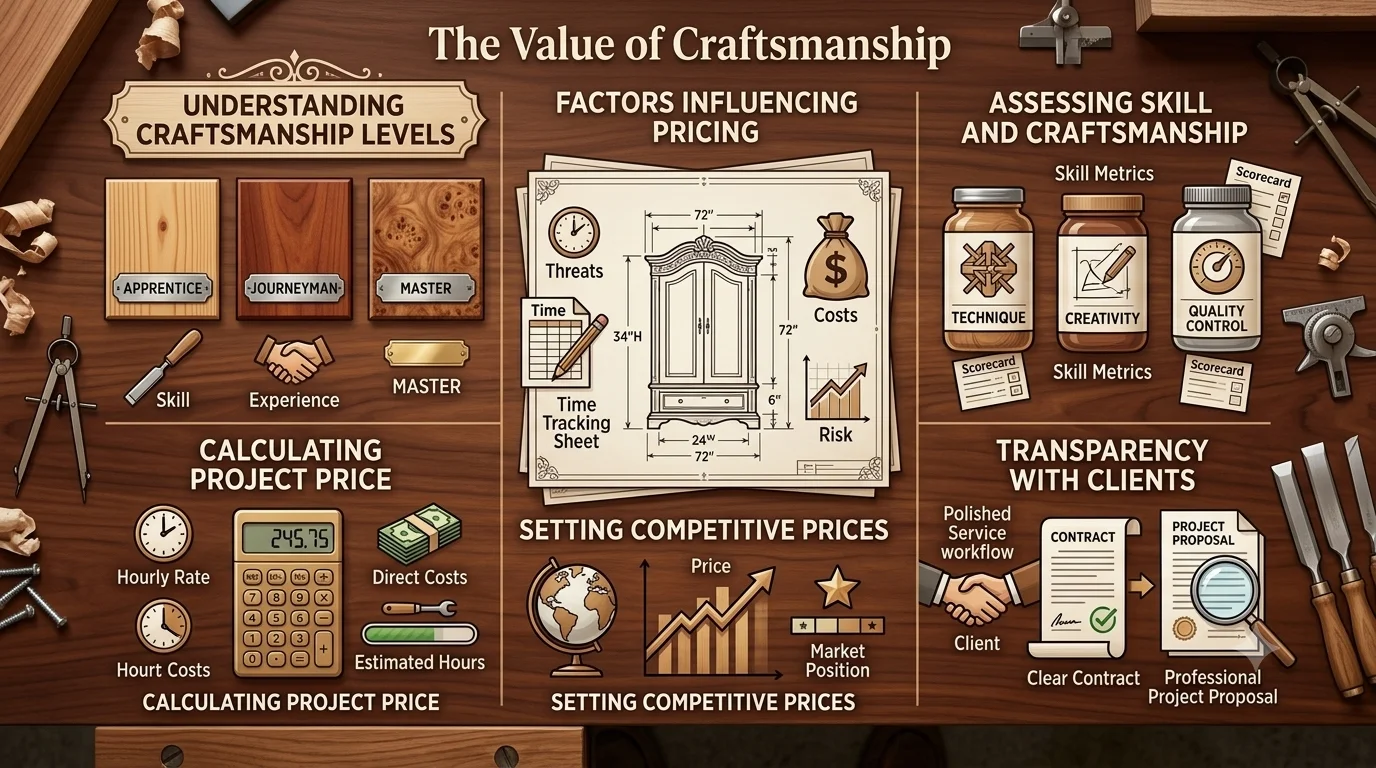
When it comes to custom woodworking, skill and craftsmanship play a significant role in determining price. Understanding how skill affects pricing can help both craftsmen and customers make informed decisions. Different levels of expertise yield different pricing strategies, reflecting the intricacies and time invested in each project.
Understanding Craftsmanship Levels
The first step in pricing custom woodworking projects is understanding the various levels of craftsmanship. Each level typically indicates the experience and quality of work delivered. Here’s a breakdown:
- Beginner: Limited experience, basic skills, often resulting in lower-quality pieces. Pricing is usually minimal.
- Intermediate: Some experience, capable of making more complex designs with moderate quality. Pricing reflects a balance between labor and quality.
- Expert: Highly skilled, often using sophisticated techniques and superior materials. Pricing is higher due to the craftsmanship and attention to detail.
Factors Influencing Pricing
Several factors influence how a skilled craftsman prices their projects, including:
- Material Costs: Quality materials significantly impact the overall cost. High-grade wood is more expensive, and seasoned craftsmen tend to prefer the best to ensure durability.
- Labor Time: The more skillful the craftsman, the more time-consuming the intricate designs can be. Time spent crafting can justify higher rates.
- Design Complexity: Unique and sophisticated designs typically require higher expertise, which in turn can elevate the price.
- Market Demand: In areas where custom outdoor woodworking is highly prized, craftsmen may raise prices based on demand.
Assessing Skill and Craftsmanship
When determining a fair price for custom woodworking projects, it’s essential to assess the skill involved. Consider the following:
- Portfolio Review: Examine the craftsman’s portfolio. A robust portfolio will showcase their skills in various styles and techniques.
- Client Reviews: Feedback from previous customers can provide insight into the craftsman’s reliability and quality of work.
- Artisan Techniques: Specific skills such as hand-carving, advanced joinery, and finishing techniques can significantly affect the final price.
Calculating Project Price
Once you understand the skill levels and factors affecting pricing, determining a fair project price becomes feasible. Here’s a simple formula:
| Component | Formula |
|---|---|
| Material Cost | Cost of wood + Hardware costs |
| Labor Rate | Hourly rate x Total hours worked |
| Complexity Factor | Base price + Design complexity add-ons |
| Total Price | Material Cost + Labor Rate + Complexity Factor |
Setting Competitive Prices
To stay competitive in the custom woodworking market, it’s crucial to research what similar craftsman charge. By comparing prices in your local area or online, you can ensure that you provide a fair but profitable pricing structure. Websites like Woodworker’s Source and Wood Magazine can help you gauge current market trends and prices.
Transparency with Clients
It’s important to maintain transparency with your clients when discussing pricing. Clearly explaining how skill and craftsmanship impact costs will foster trust and help clients appreciate the value of the work they are commissioning.
By understanding the intricate relationship between skill, craftsmanship, and pricing, you increase your chances of delivering satisfactory projects while ensuring proper compensation for your hard work. In an industry where quality stands out, charging appropriately for your expertise is essential.
Common Pricing Models for Custom Woodworking Services
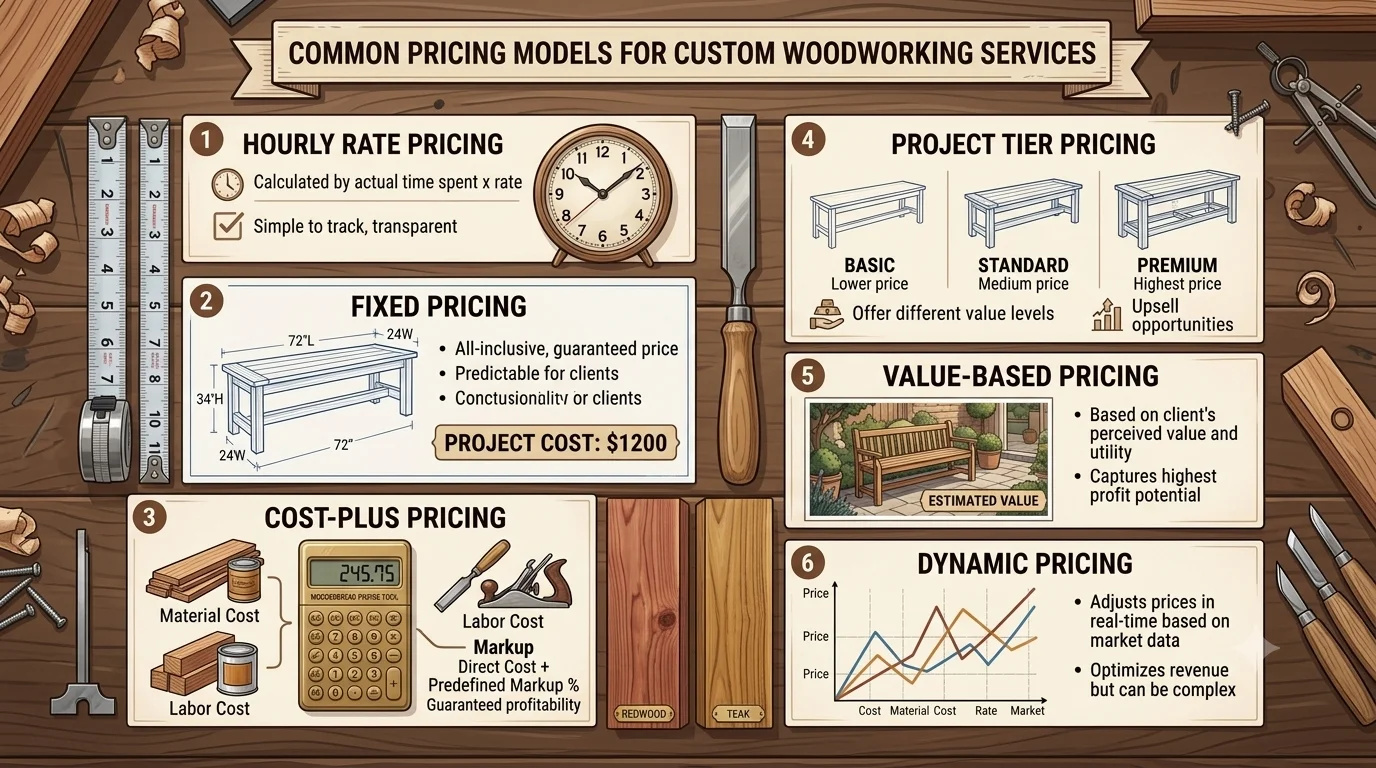
Pricing custom woodworking services can be confusing yet critical for success. Whether you’re a seasoned woodworker or just starting out, understanding common pricing models helps ensure you make a profit while providing value to your customers.
Here are several pricing models you might consider for your custom woodworking projects:
Hourly Rate Pricing
This is a straightforward method where you charge clients based on the time spent on their projects. To set your hourly rate, factor in your skills, overhead costs, and the typical market rates in your region. It’s essential to track your time meticulously to ensure your pricing is accurate and fair.
Pros and Cons of Hourly Rate Pricing
- Pros: Simple and transparent for clients; easily adjustable based on project complexity.
- Cons: Clients may prefer fixed pricing to avoid surprises; may undervalue your expertise over time.
Fixed Pricing
Fixed pricing involves quoting a single price for the entire project, regardless of the hours spent or materials used. This method is popular among clients who appreciate knowing the total cost upfront.
Developing Fixed Prices
To determine fixed prices:
- Estimate the total hours required for the entire project.
- Calculate the cost of materials.
- Add your profit margin.
For example, if a project takes 20 hours at $50 per hour ($1,000) and costs $500 in materials, you might charge $1,800 (including a $300 profit margin).
Cost Plus Pricing
This model combines the cost of materials and labor with an additional markup to ensure profit. It’s a practical option if you face fluctuating costs for raw materials or labor.
How to Implement Cost Plus Pricing
Here’s a simple way to implement cost plus pricing:
- Determine the direct costs (materials + labor).
- Add a percentage markup based on industry standards (typically between 10% to 30%).
- This can also include indirect costs like utilities and overhead.
Project Tier Pricing
Project tier pricing allows you to offer different levels of service at various price points. For example, you might have a basic package, a mid-tier option with additional features, and a premium service that includes top-of-the-line materials.
Advantages of Tier Pricing
- Appeals to a broader range of customers with varying budgets.
- Encourages upselling, as clients often choose a more expensive option if they perceive added value.
Value-Based Pricing
Value-based pricing hinges on the perceived value of your work rather than strictly on costs. This approach requires understanding how much customers are willing to pay based on the quality, uniqueness, and benefits of your custom woodworking projects.
How to Set Value-Based Prices
Consider the following:
- Engage with previous clients to understand what they valued most about your work.
- Research competing products and services to gauge what features and pricing structures resonate in the market.
- Present your craftsmanship and unique selling points clearly in your marketing materials.
Dynamic Pricing
Dynamic pricing means adjusting your prices based on demand, seasonality, or client budget. For example, you might raise prices during peak months or during high demand seasons.
Implementing Dynamic Pricing
To implement dynamic pricing:
- Analyze sales data to identify peak times and slow periods.
- Adjust your prices accordingly, ensuring transparency with your customers to maintain trust.
Whatever pricing model you choose, ensure it reflects the value of your skills and the quality of your work. Communicating your pricing strategy clearly with clients is essential to foster a good relationship and set expectations.
Navigating Customer Expectations and Custom Quotes in Woodworking Projects
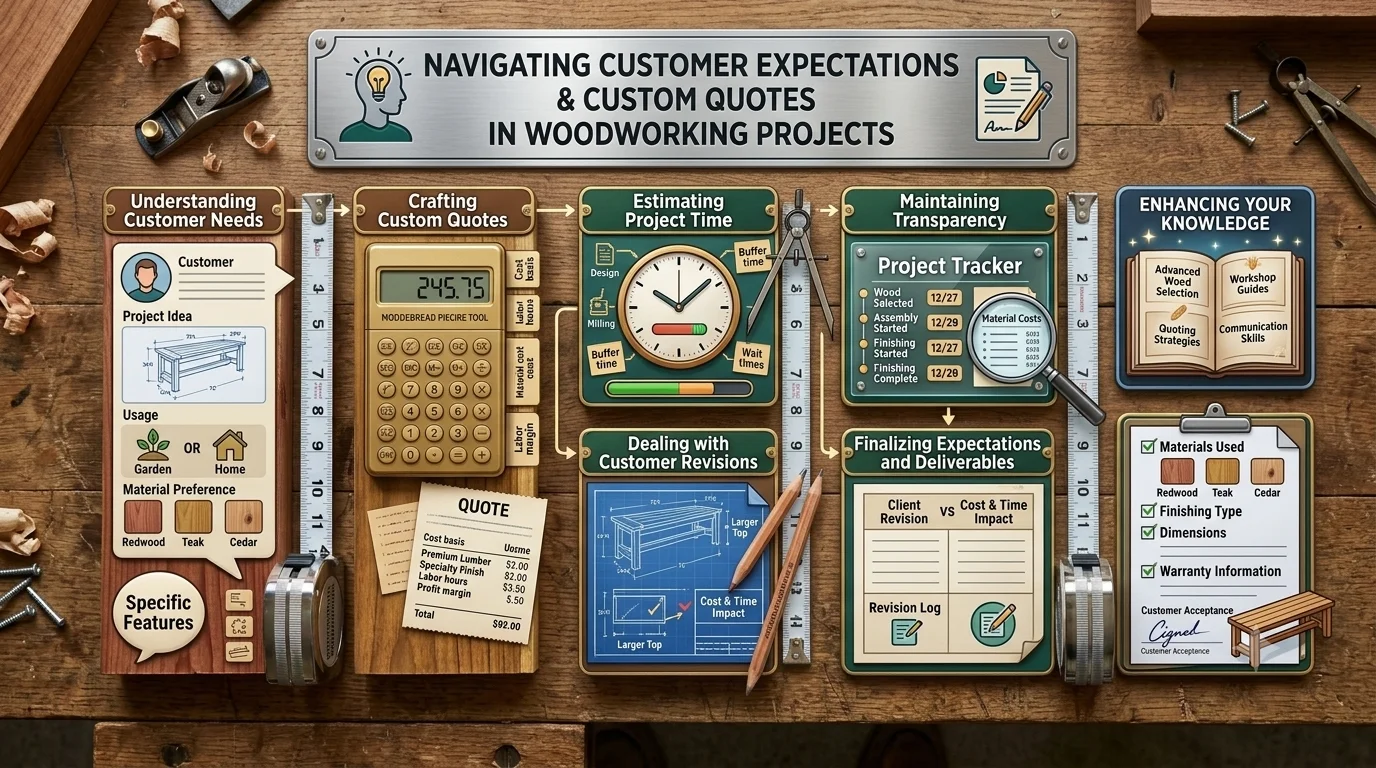
When you jump into the world of custom woodworking projects, you’ll quickly realize that aligning your skills with customer expectations is crucial. Each project, especially those tailored for outdoor use, comes with its unique demands and specifications. Therefore, effective communication from the start can eliminate surprises later on.
Understanding Customer Needs
The first step in the woodworking process is to understand what your customer truly wants. This goes beyond simple wood choices and dimensions. Here are some questions to ask your customers:
- What is the primary function of the piece?
- What style do they envision: rustic, modern, or a mix?
- Do they have preferences for wood types or finishes?
- What’s their budget for this project?
- What’s the intended outdoor use? Is it for a patio, garden, or beach?
This kind of dialogue sets clear expectations and provides a solid foundation on which to build your quote.
Crafting Custom Quotes
Once you have a clear picture of the customer’s needs, the next step is crafting a detailed custom quote. A well-structured quote should include multiple components, ensuring transparency about costs. Here’s what to consider including:
- Materials Cost: Break down the cost of the wood, stains, and any other materials.
- Labor Cost: Consider the amount of time you expect to spend on the project, factoring in your hourly rate.
- Design Fees: If the project requires custom designs or revisions, include this in the quote.
- Transportation Costs: If you need to deliver the finished piece, outline these costs.
- Finishing and Treatment: Including treatment costs for weather resistance is essential for outdoor projects.
Estimating Project Time
Another key aspect is estimating the time it will take to complete the project. Communicate this timeline clearly with your customer. Add a buffer for potential delays due to material availability or unexpected design changes. Here’s a simple table for reference:
| Project Component | Time Estimate (hours) |
|---|---|
| Design & Planning | 2-5 |
| Material Acquisition | 1-3 |
| Construction | 10-40 |
| Finishing | 3-8 |
| Delivery | 1-2 |
Maintaining Transparency
Once you provide a quote, it’s vital to maintain transparency throughout the project. Regularly update customers on progress, and don’t hesitate to discuss any challenges you encounter. This form of communication builds trust and alleviates concerns.
Dealing with Customer Revisions
In custom woodworking, revisions are common. Customers may change their minds based on what they see during the build process. Be upfront about how these changes will affect the cost and timeline. Consider implementing a policy for revisions that outlines the following:
- Free revisions within a certain timeframe.
- Charges for major changes after a specific stage.
- Documentation of all communications regarding revisions.
Finalizing Expectations and Deliverables
Before you start the build, it’s wise to draft a contract summarizing everything agreed upon. This should include your quote, timelines, and any specific design details. Having a written agreement protects both you and the customer in unexpected situations.
Enhancing Your Knowledge
Stay updated on woodworking trends, techniques, and customer expectations by following resources like Wood Magazine and Toolbox Buzz. These platforms offer valuable insights into the woodworking industry. The more knowledge you possess, the better you can meet your customers’ expectations.
Navigating customer expectations and custom quotes in woodworking projects is a process that requires clear communication, detailed planning, and transparency. By following these steps, you can build strong relationships with your customers and deliver high-quality outdoor woodworking projects that exceed their expectations.
Conclusion
Pricing custom woodworking projects for outdoor use requires a careful balance of various factors to ensure both profitability and customer satisfaction. Understanding the determining factors for pricing, such as material costs, labor, and market trends, is crucial. Prices must reflect the materials used; higher-quality woods, treated for weather resistance, will naturally increase your costs.
The skill and craftsmanship you bring to a project are paramount. Unique designs and a high level of workmanship can justify a higher price point, making your services more attractive to discerning customers. It’s essential to communicate the value of your expertise and the quality of your work to clients, as this can help them understand your pricing structure.
Several pricing models are available to help you determine how much to charge. Whether you opt for a flat fee, hourly rates, or a cost-plus pricing strategy, each has its advantages depending on the complexity of the project and clients’ expectations. Engaging with your customers is vital; providing detailed quotes and being transparent about your process can build trust and prevent misunderstandings.
Ultimately, the goal is to offer a fair price that reflects the quality of your work while also meeting the budget and expectations of your clients. By integrating these considerations, you will not only establish a fair pricing strategy but also foster long-term relationships with satisfied customers who appreciate your woodwork—adding value to their outdoor spaces and delighting in your craftsmanship for years to come.