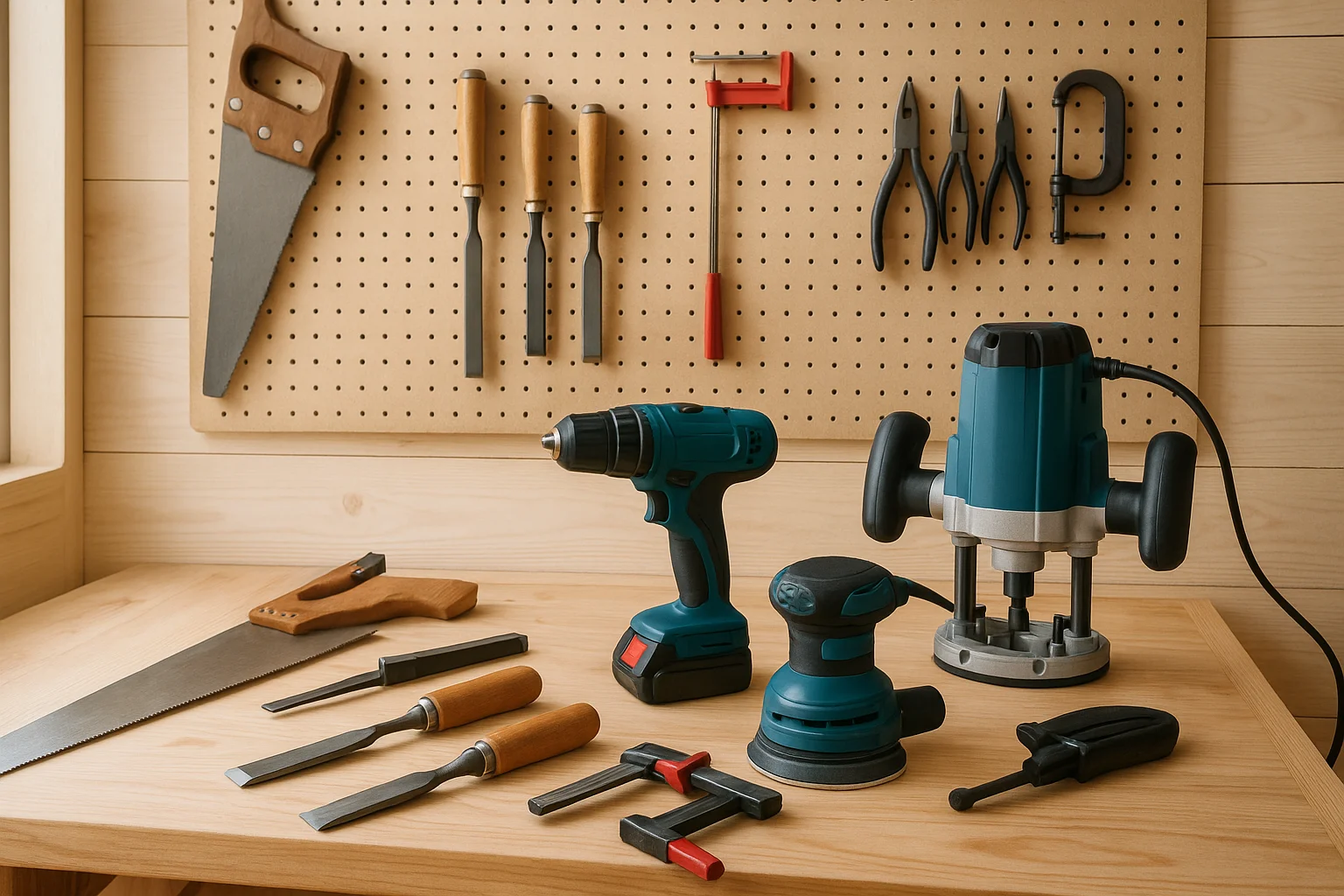
Choosing the right woodworking tools is crucial for success in your projects. With many options available on the market, knowing what to look for can save you time, money, and frustration. To help you navigate this journey, here are essential tips that ensure you select the best woodworking tools for your needs.
Understand Your Woodworking Projects
Before buying any tools, consider the types of projects you plan to undertake. Are you looking to build furniture, cabinets, or do small repairs? Understanding your focus will help you determine the specific tools you will need. For instance, furniture making may require a diverse range of tools, whereas simple repairs could only need a handful.
Prioritize Quality Over Price
Investing in high-quality tools is wise for both durability and performance. Although cheaper tools may seem tempting, they often lack the longevity and reliability you need. Look for reputable brands known for their excellence in manufacturing. This investment will pay off in the quality of your projects and reduce the need for replacements.
Evaluate Tool Features
When comparing different woodworking tools, pay close attention to their features. Here are key attributes to consider:
- Ergonomics: Tools should feel comfortable in your hand and allow ease of use.
- Adjustability: Look for tools that can be easily adjusted for different tasks.
- Safety Features: Especially important for power tools; built-in safety mechanisms help prevent accidents.
- Power and Speed: For power tools, ensure they have sufficient power and speed settings for your specific projects.
Make Use of Reviews and Recommendations
Before making a purchase, seek reviews and recommendations from experienced woodworkers. Websites such as Wood Magazine offer tool reviews that can guide your decisions. Online forums and community groups are also great for seeking advice.
Consider Your Workspace
Your workspace can influence the tools you need. Consider the following:
- Space: Ensure you have enough room for larger equipment, like table saws and workbenches.
- Power Supply: Keep in mind your power sources for electrical tools. Some need a dedicated circuit, while others may work with standard outlets.
- Storage: Efficient storage solutions will keep your tools organized and easy to access.
Start with Essential Tools
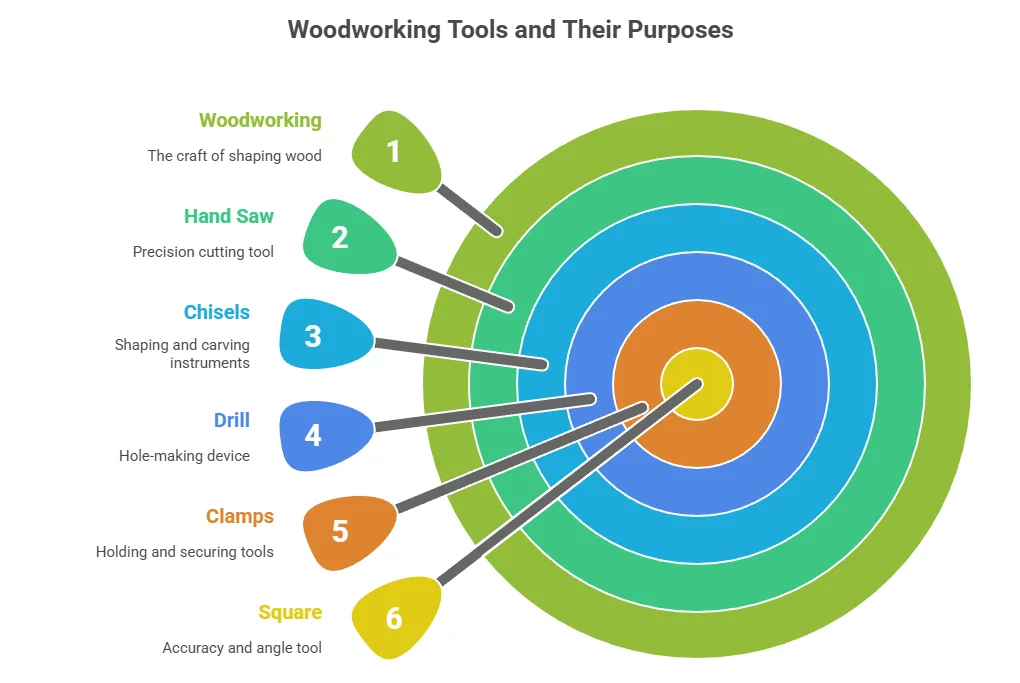
If you’re a beginner, it’s best to start with a basic set of essential tools. Here’s a list to get you started:
| Tool | Purpose |
|---|---|
| Hand Saw | Cutting wood with precision. |
| Chisels | Shaping and carving wood. |
| Drill | Making holes for screws and dowels. |
| Clamps | Holding pieces together while working. |
| Square | Ensuring right angles and accuracy. |
Do Not Overlook Maintenance
Once you’ve chosen your tools, remember that maintenance is key to their longevity. Regular cleaning, sharpening blades, and checking for wear can ensure your tools remain in great working condition. Websites like Popular Woodworking provide helpful maintenance tips.
Make Your Decision Thoughtfully
Take your time when deciding How To Choose Woodworking Tools. Avoid rushing into a purchase. Compare your options, read reviews, and ensure you are making the right decision for your woodworking journey. A careful selection process will lead to better outcomes in your projects and greater enjoyment in the crafting experience.
Understanding Different Types of Woodworking Tools and Their Uses
Woodworking is an enriching hobby and profession that involves creating beautiful items from wood. Understanding different types of woodworking tools and their uses is key to improving your skills. Whether you’re a novice or an experienced woodworker, knowing your tools can enhance both your projects and efficiency.
Hand Tools
Hand tools are essential in woodworking. They allow for precision and control over your craft. Some common hand tools include:
- Saws: Hand saws, coping saws, and dovetail saws help cut wood pieces to various shapes and sizes.
- Chisels: Wood chisels are used for carving and detailing work, enabling you to create intricate designs.
- Planes: A plane smooths and flattens wood surfaces, providing a refined finish.
- Files and Rasps: These tools are used for shaping and smoothing wood, especially in tight spots.
Power Tools
Power tools speed up the woodworking process. They can be beneficial for larger projects where manual work may be tiring. Here are some commonly used power tools:
- Routers: Used for hollowing out an area in a piece of wood, routers are perfect for decorative edges and joinery.
- Saws: Circular saws and jigsaws quickly make cuts, whether straight or curved.
- Drills: Essential for making holes, electric drills also accommodate various bits for different tasks.
- Sanders: Power sanders simplify the smoothing process, allowing you to achieve even and polished surfaces.
Measurement Tools
Measurement tools are vital in ensuring accuracy. Here’s a list of tools to consider:
- Tape Measure: The most common tool for measuring lengths.
- Square: A square helps check right angles and assists in drawing accurate lines.
- Calipers: Calipers measure the thickness and diameter of wood pieces.
- Protractors: Useful for measuring angles accurately.
Clamping Tools
To join pieces while glue dries, clamps are essential. Different types include:
- Bar Clamps: Great for holding large boards together.
- Pipe Clamps: These offer flexibility and can be adjusted according to size.
- C- Clamps: Ideal for small projects and tight spaces.
- Spring Clamps: Easy to handle and perfect for quick holds.
Finishing Tools
Finishing tools help you give your projects a polished look.
- Brushes: For applying stains and sealers evenly.
- Rags: Useful for wiping off excess finishes.
- Spray Guns: They provide a smooth coat, suitable for larger projects.
Choosing the Right Tools
When selecting woodworking tools, consider the following:
- Project Requirements: Match your tools to the specific needs of your project.
- Quality: Invest in reputable brands that offer better durability.
- Budget: Determine your budget, prioritizing essential tools before expanding your collection.
- Comfort: Choose tools that feel comfortable to use for long periods, as this can enhance your efficiency and enjoyment.
Feel free to explore more about woodworking tools on websites such as Wood Magazine, Woodworkers Source, and Woodcraft. Each provides valuable insights and resources to help you choose the best tools for your woodworking needs.
The Importance of Quality Over Quantity in Your Tool Selection
When it comes to woodworking, selecting the right tools is crucial for both your project success and your overall experience. Many beginners and even seasoned woodworkers can be tempted to acquire a plethora of tools, thinking that more is always better. However, this approach often leads to clutter and confusion rather than expertise and satisfaction. Prioritizing quality over quantity can significantly enhance your woodworking journey.
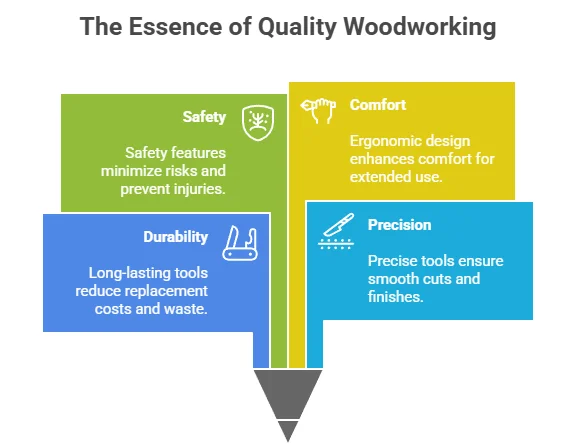
High-quality tools often provide superior performance compared to their cheaper counterparts. Here are some reasons why quality should take precedence:
- Durability: Quality tools are built to last, resisting wear and tear over time. Investing in durable tools means fewer replacements, which can save you money in the long run.
- Precision: Premium woodworking tools are engineered for precision. This translates to better cuts, smoother finishes, and overall a more enjoyable woodworking experience.
- Safety: High-quality tools often come equipped with better safety features, reducing the risk of accidents or injuries while you work.
- Comfort: Ergonomically designed tools can greatly enhance your comfort level, allowing you to work longer without unnecessary strain.
In contrast, purchasing many lower-quality tools might seem economical. However, this often results in more frustration and dissatisfaction. Instruments that are poorly made can lead to:
- Frequent breakdowns: You’ll find yourself spending time fixing or replacing tools that fail when you need them most.
- Poor results: An inferior tool might not perform as needed, leading to mistakes that can require extra time and effort to correct.
- Safety hazards: Many inexpensive tools lack necessary safety features, increasing the risk of injury.
When planning your woodworking toolkit, it’s vital to focus on essential tools first. Here’s a recommended list of high-quality woodworking tools to consider:
- Table Saw: A reliable table saw is a cornerstone of most woodworking workshops, useful for making precise cuts.
- Miter Saw: Ideal for making angled cuts, especially for framing or furniture projects.
- Router: Used for a variety of tasks, from hollowing a piece of wood to creating decorative edges.
- Hand Tools: Invest in high-quality chisels, saws, and hand planes that allow for greater control and precision.
- Drill and Bits: A good drill should meet your needs and work well with quality drill bits.
Shopping for high-quality tools requires some research and consideration. Here are a few tips to help guide your selection process on How To Choose Woodworking Tools:
- Research brands: Look for reputable brands known for their quality, warranties, and customer service.
- Read reviews: Online reviews can provide valuable insights from other users, helping you assess performance and durability.
- Test tools if possible: If you have the opportunity, testing tools in-store can help you determine their comfort and usability.
- Join woodworking forums: Connecting with fellow woodworkers can help you gain insights about the best tools and equipment available.
Quality tools might come with a higher price tag, but they can significantly enhance your woodworking projects. To assist you further, websites such as Wood Magazine offer product reviews and guides, while Popular Woodworking provides great tips and techniques. Additionally, Woodsmith presents an array of tool reviews and woodworking plans to help you make informed decisions.
Ultimately, focusing on quality tools will not only improve the quality of your work but will also enhance your enjoyment of the woodworking process. Investing in quality doesn’t mean you need to have every tool available; instead, focus on building a toolkit of essential, high-quality items that will serve you well for years to come.
By prioritizing quality over quantity, you empower yourself to take on projects with confidence, knowing your tools are reliable, effective, and safe. This approach not only enhances your skills but also elevates the joy of creating something truly unique from wood.
Budgeting for Woodworking Tools: What You Need to Know
Woodworking is a fulfilling and creative hobby that requires the right tools. However, starting your woodworking journey can be overwhelming, especially when it comes to budgeting for the necessary tools. Understanding how to allocate your funds wisely can set you on the path to success without breaking the bank.
Identify Your Woodworking Goals
First, think about the projects you want to tackle. Are you interested in basic furniture making, intricate carvings, or larger construction projects? Pinpointing your goals will help you determine which tools are essential versus those that are optional. Here are some common project types:
- Simple furniture (e.g., benches, tables)
- Cabinetry and storage solutions
- Decorative items (e.g., frames, toys)
- Outdoor projects (e.g., decks, birdhouses)
Research Essential Tools
Once you know your goals, create a list of essential tools. As a beginner, you don’t need an extensive collection. Focus on the following foundational tools, which are great investments:
- Saw: A circular saw and hand saw will cover most cutting tasks.
- Drill: A cordless drill can make both drilling and driving screws much easier.
- Measuring tools: A tape measure, square, and level are crucial for accuracy.
- Chisels: Essential for finer details and joinery.
- Sanding tools: Manual and power sanders help finish your projects smoothly.
Set Your Budget
With your list in hand, it’s time to set a realistic budget. Consider splitting your budget into categories:
| Category | Percentage of Budget |
|---|---|
| Essential Tools | 50% |
| Additional Tools | 30% |
| Materials & Supplies | 15% |
| Safety Gear | 5% |
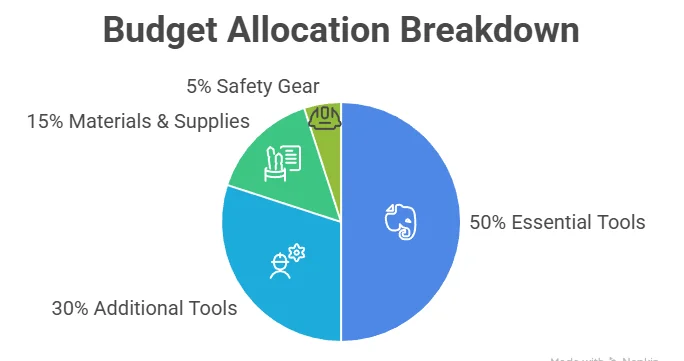
By allocating funds wisely, you can make informed decisions about your purchases.
Consider Quality vs. Quantity
It’s tempting to buy many tools at a low price, but investing in quality tools pays off in the long run. High-quality tools are usually more durable and effective, saving you money on replacements. Look for reputable brands and read reviews before buying.
Look for Sales and Discounts
Sales can significantly help you stay within your budget. Keep an eye on local hardware stores, online retailers, and woodworking expos for discounts. Black Friday and similar events often feature substantial savings on woodworking tools. Sign up for newsletters or follow your favorite tool brands on social media to stay updated on upcoming sales.
Join a Woodworking Community
Connecting with other woodworking enthusiasts can provide valuable insights. Local clubs or online forums offer support, advice, and even opportunities to borrow tools or share expenses on joint purchases. Websites like Woodworking Talk provide a platform to learn from experienced woodworkers.
Track Your Spending
As you start purchasing tools, track your spending to stay within your budget. Create a spreadsheet to monitor your expenses. This can help you identify which tools bring the best value for your money. Adjust your purchasing plans based on your spending trends.
Invest in Safety Gear
Don’t forget about safety gear. Investing in safety glasses, gloves, and ear protection should be factored into your budget. These tools not only protect you but also enhance your woodworking experience.
Maintenance Tips to Extend the Life of Your Woodworking Tools
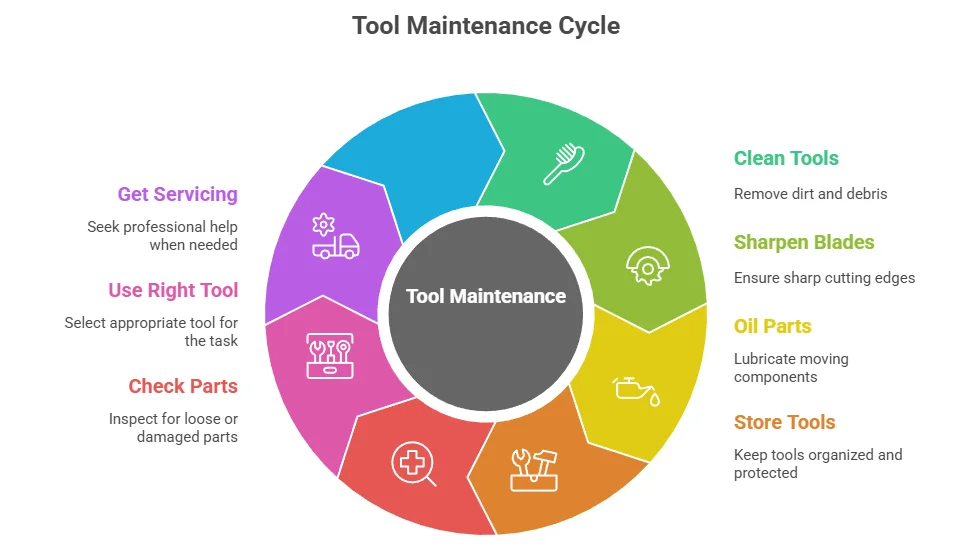
Woodworking tools are essential for anyone looking to craft beautiful projects, whether you’re a hobbyist or a professional. However, even the best tools can suffer from wear and tear over time. To ensure that your woodworking tools last as long as possible, it’s crucial to adopt a solid maintenance routine. Here are some effective tips to keep your tools in top condition.
Clean Your Tools Regularly
One of the simplest yet most effective ways to maintain your woodworking tools is to clean them regularly. Wood dust, sap, and grime can accumulate and lead to rust and reduced functionality. Here’s how to clean different types of tools:
- Hand Tools: Wipe down your hand tools with a dry cloth after each use. For stubborn residue, use a mixture of vinegar and water to remove any sticky spots.
- Power Tools: Use compressed air to blow out dust from hard-to-reach areas. This will help in preventing overheating and damage.
Sharpening Blades and Bits
Keeping your cutting tools sharp is vital for both performance and safety. Dull blades require more force and can result in accidents. Regularly check your blades and bits for sharpness and adhere to the following schedule:
- Hand Plane Blades: Sharpen after every few uses, depending on the type of wood.
- Chisels: Aim to sharpen these every couple of projects.
- Drill Bits: Sharpen when you notice a decrease in drilling efficiency.
Oil Moving Parts
Many woodworking tools have moving parts that can rust or seize up if not properly lubricated. Using a suitable lubricant is essential:
- Oil for Hand Tools: Apply linseed oil to metal parts to prevent rust.
- Power Tools: Use a lightweight oil for bearings and gears to keep them running smoothly.
Store Tools Properly
How you store your woodworking tools can significantly affect their lifespan. Here are some storage tips:
- Use magnetic strips or pegboards for hand tools to keep them off surfaces.
- Store power tools in a cool, dry place to reduce humidity and risk of rust.
- Keep blades and bits in protective cases to avoid accidental damage.
Check for Loose Parts
Inspect your tools regularly for any loose screws or bolts. A simple tightening can avert more extensive damage and potential accidents. Make this a part of your routine, perhaps every month or before starting a new project. Keeping tools in safe working condition saves time and enhances efficiency.
Use the Right Tool for the Job
Always use the correct woodworking tool for each task. Using an inappropriate tool can lead to damage and premature wear. Educating yourself about each tool’s intended use can save you money and headaches in the long run.
Get Professional Servicing When Needed
For complex tools or significant maintenance issues, it’s wise to seek professional repair services. Sometimes, a tool needs more than just basic upkeep. A professional can identify mechanical problems that you may overlook.
Table of Common Woodworking Tools and Their Maintenance
| Tool Type | Maintenance Frequency | Notes |
|---|---|---|
| Hand Saws | Every use | Clean blades and check for dullness |
| Router Bits | Before each project | Sharpen as necessary |
| Drill | Monthly | Oil moving parts and check for wear |
Practicing good maintenance for your woodworking tools ensures their longevity, performance, and safety. If you want to explore more detailed guides on tool upkeep, you can check out the Wood Magazine for expert advice and tutorials. Don’t forget to visit Lee Valley for quality tools and maintenance supplies relevant to your woodworking needs.
By adopting a proactive approach to tool care, you’ll find that your woodworking projects become smoother and more enjoyable. A little attention to your tools can go a long way in helping you create impressive works of art for years to come.
Conclusion
Choosing woodworking tools can feel overwhelming, but with the right knowledge and approach, you can build a solid collection that meets your needs. Start by familiarizing yourself with the essential types of tools available and their specific uses. This foundational understanding is crucial. Each tool serves a unique purpose, from hand tools like chisels and saws to power tools like drills and routers. Knowing how each tool works allows you to pick the best options for your projects.
Prioritize quality over quantity when selecting your tools. Investing in fewer, high-quality pieces will serve you better in the long run than filling your workshop with inexpensive tools that don’t perform well. Remember that good tools can make a significant difference in your craftsmanship and are often more durable.
Budgeting is another vital aspect of tool selection. Understand what tools you truly need for your projects and plan your spending wisely. There are high-quality tools available at various price points, so take the time to research and find the best value for your investment.
Maintaining your tools is key to extending their lifespan. Regular cleaning, sharpening, and proper storage will ensure your tools remain in optimal condition. By following these essential tips, you can confidently build a well-rounded toolkit that enhances your woodworking journey, making it more enjoyable and productive. With the right tools at your disposal, you are well on your way to creating beautiful, lasting projects.