
Carving wood with chisels can be a rewarding and artistic endeavor. Whether you are a beginner or looking to refine your skills, understanding effective techniques will significantly enhance your results. Starting with the right tools is crucial. Quality chisels, a sturdy workbench, and safety goggles are essential to ensure a successful carving experience. Let’s explore some valuable techniques that can help you How To Carve Wood With Chisels more effectively.
Choosing the Right Chisel
Understanding the various types of chisels available will aid you in selecting the most appropriate one for your project. Here’s a quick overview:
- Flat Chisels: Best for general carving and shaping wood.
- U-Gouge Chisels: Ideal for curved surfaces.
- V-Gouge Chisels: Great for creating fine details.
- Parting Tools: Useful for making clean cuts and separating shapes.
Grip and Posture
Your grip and posture play a significant role in effective wood carving. Follow these tips:
- Grip the chisel firmly, but not too tightly; this allows for better control.
- Position your hands close to the blade for precise movements.
- Keep your elbows tucked into your sides to maintain stability.
Proper posture will also help with comfort and fatigue during long carving sessions. Keep your back straight and your feet firmly planted on the floor for balance. This is fundamental when learning How To Carve Wood With Chisels.
Understanding Wood Grain
Before beginning your carving, take a moment to examine the wood grain. Carve with the grain instead of against it to ensure smoother cuts and minimize splintering. Here’s how you can identify the grain:
- Look for patterns: The grain flows in specific directions and can influence your cutting technique.
- Touch the surface: Feel the direction of the grain to determine how the chisel should move.
Cutting Techniques
Mastering basic cutting techniques is essential for any woodcarver. Here are some commonly used methods:
Push Cuts
This is a primary technique where you push the chisel away from your body. Start with light pressure to avoid the chisel slipping. It is a core part of How To Carve Wood With Chisels.
Pull Cuts
As the name implies, this technique involves pulling the chisel towards your body. It can give you better control for detailing work.
Paring Cuts
For this technique, place the chisel flat against the wood and apply pressure with your hand. It’s ideal for smoothing surfaces.
Safety First
Safety is a top priority when you How To Carve Wood With Chisels. Follow these guidelines to protect yourself:
- Always wear safety goggles to shield your eyes from flying wood chips.
- Keep your hands behind the blade to avoid accidents.
- Work in a well-lit area to see your progress clearly.
Practice and Patience
Like any craft, carving wood takes time to master. Regular practice will improve your skills and confidence. Start with small projects—such as simple shapes or patterns—before progressing to more complex designs.
The Essential Tools Needed for Wood Chiseling
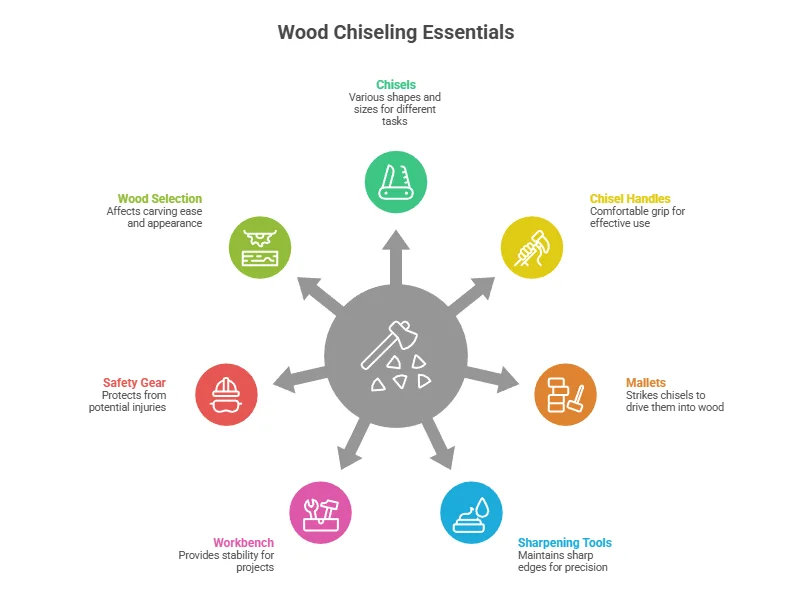
When you embark on your journey to learn How To Carve Wood With Chisels, having the right tools is essential. Chiseling is a rewarding skill, but it demands precision and the proper equipment. This guide outlines the essential tools needed for wood chiseling, ensuring your projects are successful and enjoyable.
Chisels
The chisel is the heart of any wood carving toolkit. There are several types of chisels, each designed for specific tasks. Here are the main types you should consider: Gouges have a curved cutting edge and are perfect for hollowing out areas. Straight Chisels are ideal for making straight cuts and cleaning up edges. V-tool Chisels are used for creating sharp lines and details.
Chisel Handle
A comfortable handle can significantly impact your chiseling experience. There are two main types of handles: Wooden Handles provide a traditional grip, while Plastic or Rubber Handles often have ergonomic designs for comfort and better control during How To Carve Wood With Chisels.
Mallet
A mallet is essential for driving your chisel into the wood. Options include:
- Wooden Mallet: Traditional and often preferred by woodworkers.
- Rubber Mallet: These give a softer blow, making them ideal for detailed work.
Sharpening Tools
Keeping your chisels sharp is critical for effective wood carving. Dull chisels are not just ineffective; they can also be dangerous. Here are tools to help keep your chisels in prime shape: Whetstone is a classic tool for sharpening blades. Diamond Stones are durable for maintaining sharp edges. A Leather Strop is used after sharpening to polish the edge.
Workbench
A stable workbench is crucial for control and safety while learning How To Carve Wood With Chisels. Look for one with a flat surface and clamps to secure your wood.
Safety Gear
Safety should always be your top priority. Proper safety gear includes Safety Glasses to protect your eyes, Cut-Resistant Gloves for hand protection, and an Apron to keep your clothes clean and protect your body from splinters.
Wood Selection
Choosing the right wood is also an essential consideration. Consider softer woods like pine or cedar for beginners, as they are easier to carve. As your skills improve, you can work with harder woods like oak or walnut.
Safety Tips to Keep in Mind When Carving Wood
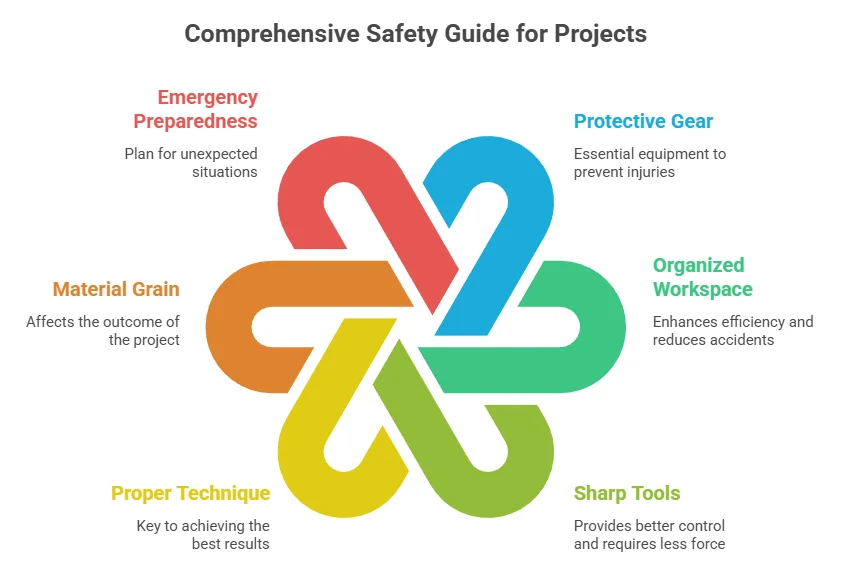
Working with wood and chisels can be incredibly rewarding, but safety should always come first. Ensuring you have the right techniques and gear will help you avoid accidents while carving wood. Here are crucial safety tips to keep in mind while enjoying this craft.
Wear Appropriate Protective Gear
- Safety glasses: Protect your eyes from flying wood chips.
- Dust mask: Avoid inhaling wood dust, which can irritate your lungs.
- Gloves: Use cut-resistant gloves, but ensure they don’t hinder your grip.
- Ear protection: If you’re using power tools, guard against hearing damage.
Keep Your Workspace Organized
A cluttered workspace can lead to accidents. Clear the area and ensure your workbench is free of unnecessary items. Good lighting helps you see what you are doing, and a stable surface prevents slipping while you How To Carve Wood With Chisels.
Use Sharp Tools
It may sound counterintuitive, but sharp tools are safer than dull ones because less force is required, reducing the risk of slipping. Sharp tools also provide cleaner cuts and better control.
Proper Technique is Key
Using the correct technique can significantly minimize the risk of injury. Always carve away from your body and use both hands—one to stabilize and one to guide. Take breaks to prevent fatigue and keep your technique sharp while learning How To Carve Wood With Chisels.
Mind the Grain
Understanding the direction of the wood grain is critical. Follow the grain to prevent tearing and splintering, and familiarize yourself with the hardness levels of different woods for improved handling.
Emergency Preparedness
Being prepared can make a significant difference. Always have a stocked first aid kit nearby, know how to treat cuts, and have a plan for professional medical help if something goes wrong.
Following these safety tips while you How To Carve Wood With Chisels can help you enjoy this creative outlet without unnecessary risks. For additional resources, visit Wood Magazine or Chip Chats.
Common Mistakes to Avoid in Wood Carving
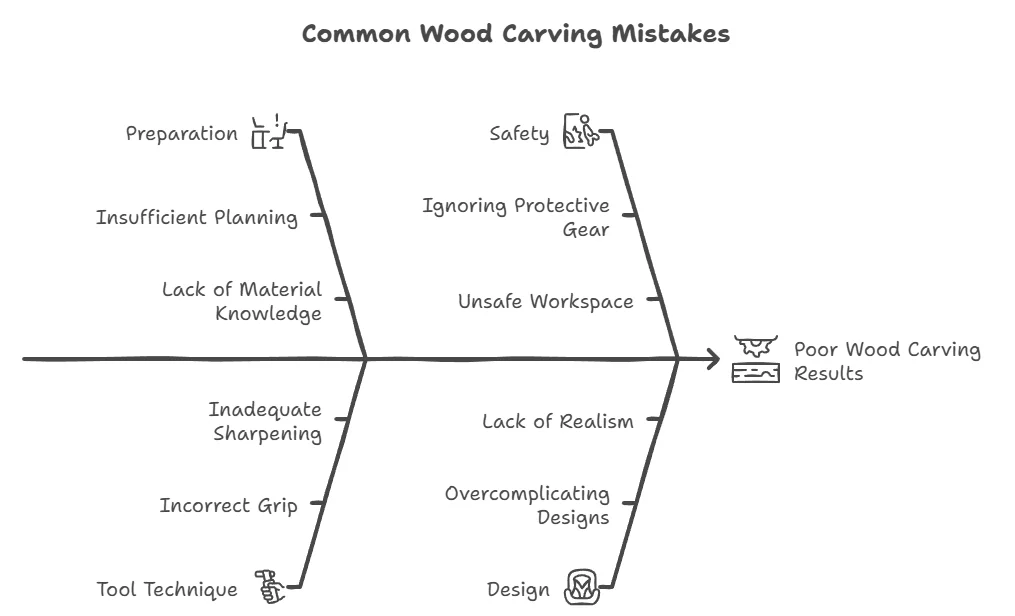
Wood carving is a rewarding craft that allows you to create beautiful and unique pieces. However, avoiding common mistakes can significantly enhance your wood carving experience and the quality of your finished projects.
Insufficient Preparation
One of the first mistakes many carvers make is diving straight into the project without proper preparation. This includes not selecting the right type of wood or failing to ensure tools are in prime condition. Dull chisels can lead to frustrating results. Investing time in preparation can save you hours of work when mastering How To Carve Wood With Chisels.
Poor Tool Technique
Using incorrect techniques can lead to damaged wood and even accidents. Focus on controlled movements, hold the chisel at the correct angle, apply consistent pressure, and use both hands.
Ignoring Safety Precautions
Safety should always be a priority. Always carve away from your body and ensure your workspace is clear. Use a sturdy workbench to provide stability during your How To Carve Wood With Chisels sessions.
Overcomplicating Designs
Beginners often try to tackle complex designs right away. Instead, start with simple shapes and gradually progress to intricate designs. This approach allows you to develop your skills and builds confidence.
Neglecting Finishing Touches
The finish can enhance the wood’s natural beauty. Be sure to smooth the surface with sandpaper, apply a suitable finish like oil or varnish, and consider embellishments like paints or stains to add character.
Forgetting to Practice Regularly
Like any skill, wood carving improves with practice. Set aside time each week for dedicated practice. Joining a wood carving club or group can also provide feedback and inspiration as you learn How To Carve Wood With Chisels.
By steering clear of these common mistakes, you’ll find wood carving can be a gratifying hobby. For more tips, check out Woodworkers Source and Timber Craft.
Inspiring Project Ideas for Chisel Wood Carving Beginners
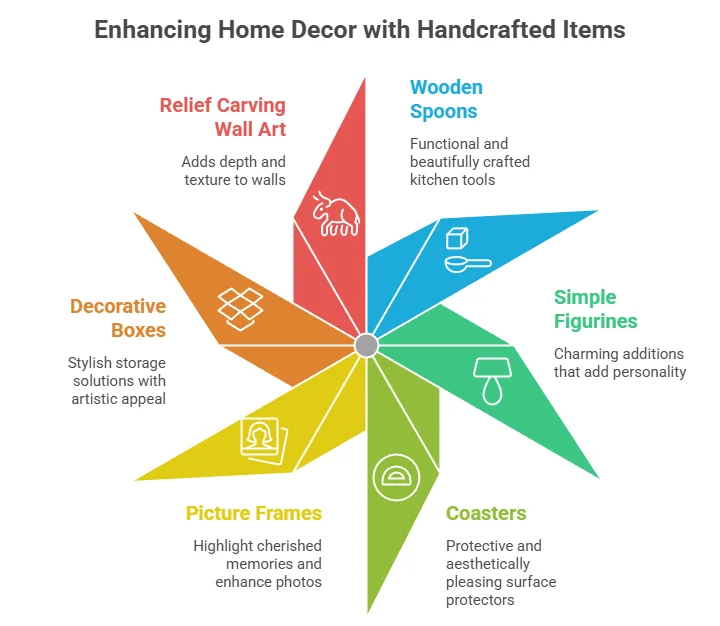
Starting your journey in wood carving can be both exciting and rewarding. Selecting the right project can make all the difference. Here are some inspiring ideas for projects where you can apply How To Carve Wood With Chisels.
Wooden Spoons
One of the simplest yet useful projects is carving a wooden spoon. It helps you understand basic carving techniques. Select a suitable piece of wood, sketch the design, and use your chisel to carve out the bowl first.
Simple Figurines
Carving simple figurines like animals or small people is a fun way to express creativity. Draw the outline on your wood piece and utilize different chisels for finer details as you learn How To Carve Wood With Chisels.
Coasters
Personalized coasters are practical and manageable. Carve simple patterns or geometric shapes using flat and V-chisels, then seal them with a food-safe finish.
Picture Frames
Creating a picture frame allows you to showcase your work. Measure the dimensions, sketch a decorative edge, and carve it to make the frame unique.
Decorative Boxes
Making a decorative box allows you to learn more complex carving techniques. Plan the dimensions and carve out the sides and top, adding decorative carvings to the lid.
Relief Carving Wall Art
Relief carving elevates the design from the background. Choose a theme, transfer the design to your wood, and use your chisels to carefully carve the relief. This is an excellent way to practice How To Carve Wood With Chisels.
Resources for Learning
Conclusion
Mastering the art of wood carving with chisels opens up a world of creativity and craftsmanship that can be both rewarding and enjoyable. By adopting the right techniques, you can draw on your skills to bring your vision to life. Utilizing essential tools, such as sharp chisels and sturdy benches, ensures that you are well-equipped for your projects, while understanding their distinct purposes helps you achieve better results.
Safety should always be your top priority. Familiarizing yourself with safety tips, like wearing protective gear and using correct hand positioning, ensures a secure environment to work in. Equally important is recognizing and avoiding common mistakes, such as applying excessive force or neglecting tool maintenance. These simple steps can enhance both your enjoyment and success when you learn How To Carve Wood With Chisels.
For those eager to dive into the world of chiseling, numerous project ideas await to ignite your passion. From crafting simple figurines to creating intricate relief carvings, these beginner-friendly endeavors are not only fun but also provide valuable practice. As you embark on your wood carving journey, remember to embrace patience and keep learning. Each piece you create will refine your technique and nurture your creative spirit. With practice, you’ll find your skills and confidence flourishing, allowing you to create beautiful and meaningful artworks. So pick up those chisels and let your creativity flow!