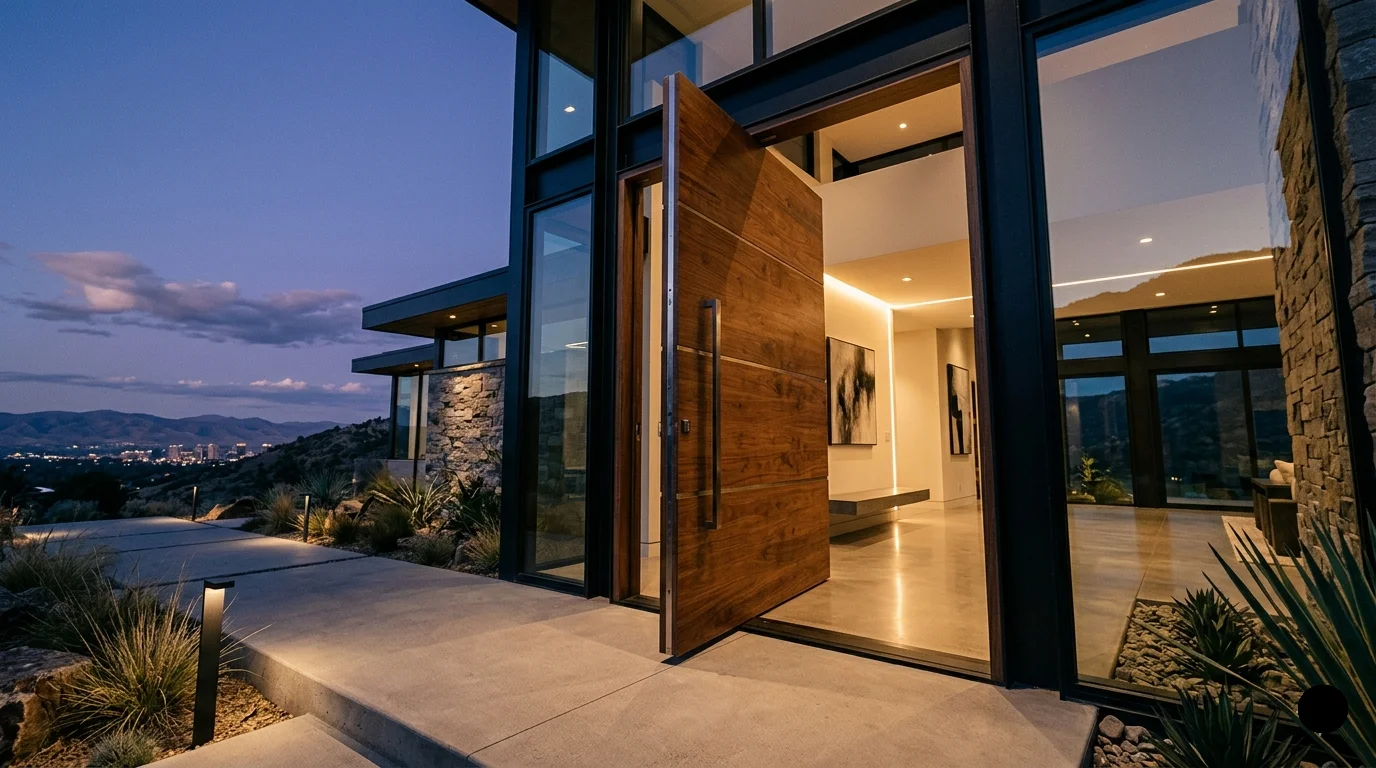
Building a Wooden Pivot Door System can enhance the aesthetic and functionality of your home. Not only does it add a modern touch, but it also provides a unique entry that can be both grand and practical. Here, we will discuss the essential steps to create your own wooden pivot door system.
Choosing the Right Materials
The first step in building a Wooden Pivot Door System is selecting quality materials. You will need:
- Wood: Choose a durable hardwood like oak, mahogany, or walnut for longevity.
- Pivot hinge: Make sure to select a strong pivot hinge that can support the weight of your door.
- Sealer and finish: Use a weather-resistant sealer and a finish that matches your style.
Gathering Tools Required
Before you start, ensure you have the following tools:
- Measuring tape
- Circular saw or table saw
- Drill and drill bits
- Screwdrivers
- Sandpaper (various grits)
- Level
- Clamps
Step-by-Step Guide to Build Your Wooden Pivot Door System
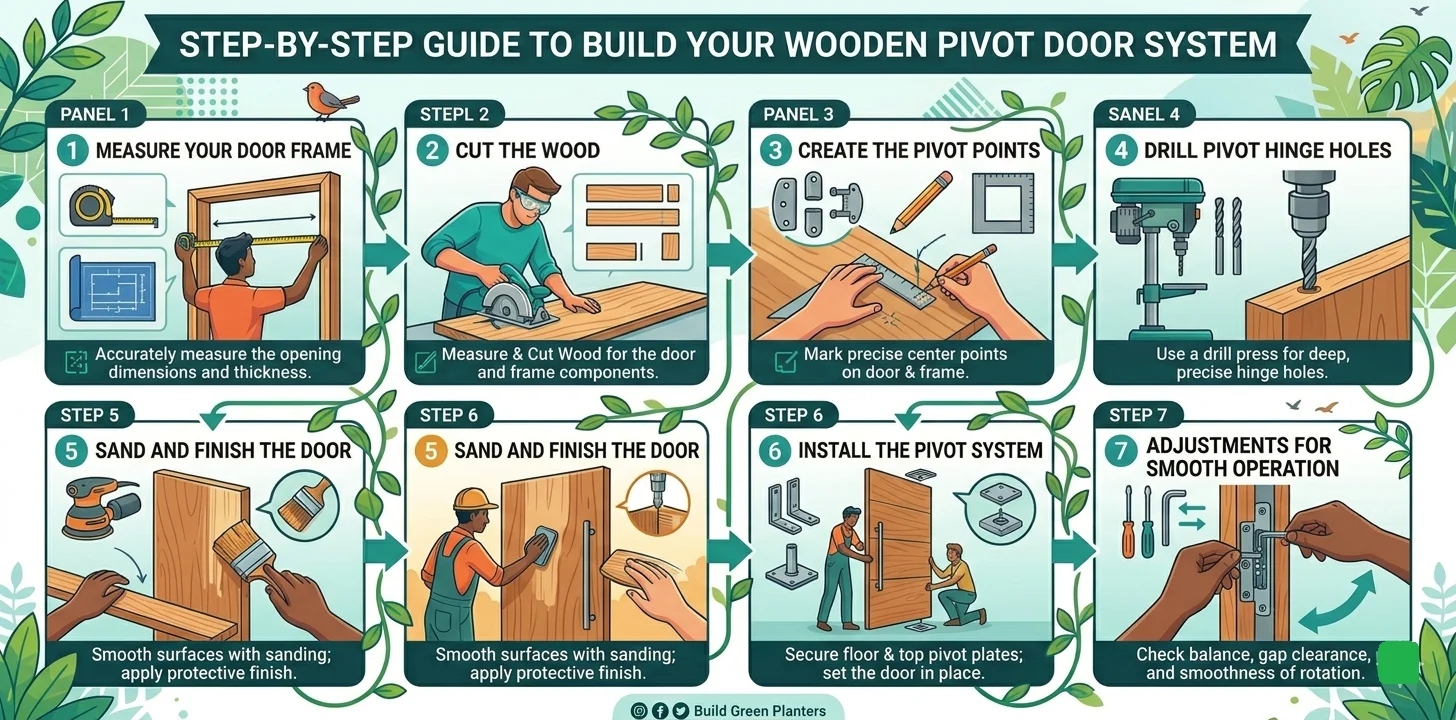
1. Measure Your Door Frame
Accurate measurements are crucial. Measure the height and width of the door frame where the pivot door will be installed. This measurement will guide you in cutting the wood to the correct size.
2. Cut the Wood
Using your saw, cut the wood according to the measurements taken. Account for the thickness of the pivot hinge when cutting the door. It’s better to cut slightly larger and sand down for a perfect fit.
3. Create the Pivot Points
Mark pivot points on the top and bottom of the door. These points will determine where the hinges will be installed. Ensure they are aligned properly to allow smooth rotation.
4. Drill Pivot Hinge Holes
Drill holes for your pivot hinges at the marked points. The size of the hole should match the specifications provided by the hinge manufacturer. Make sure the holes are deep enough to secure the hinge snugly.
5. Sand and Finish the Door
Smooth the edges and surfaces of your door with sandpaper. Once satisfied, apply the sealer followed by a protective finish. This will help protect the wood from moisture and enhance its visual appeal.
6. Install the Pivot System
Attach the pivot hinges to the door first. Then, install the top pivot sleeve into the frame. Lower the door carefully onto the bottom pivot and align the top hinge. You may need to adjust the door to ensure it swings freely.
7. Adjustments for Smooth Operation
Once installed, test the door’s operation. It should swing easily without sticking. If it doesn’t, check the alignment of the hinges and make necessary adjustments to ensure a smooth motion.
Safety Tips
While constructing your How to Build Wooden Pivot Door System, keep safety at the forefront:
- Always wear protective eyewear and gloves.
- Handle power tools according to the manufacturer’s instructions.
Consider Professional Help
If you feel uncertain at any stage, consider consulting with a professional. They can provide guidance and ensure that your pivot door is both functional and appealing.
Building a Wooden Pivot Door System can be a rewarding DIY project. By following the steps outlined above, you can create a stunning focal point in your home.
Essential Tools and Materials for Constructing Pivot Doors
Creating a wooden pivot door can be a rewarding project that enhances the charm and functionality of your home. To ensure your pivot door system operates smoothly and looks great, it’s crucial to have the right tools and materials on hand. Below, we’ll explore the essential items needed for this construction process.
Essential Tools for Building a Wooden Pivot Door System
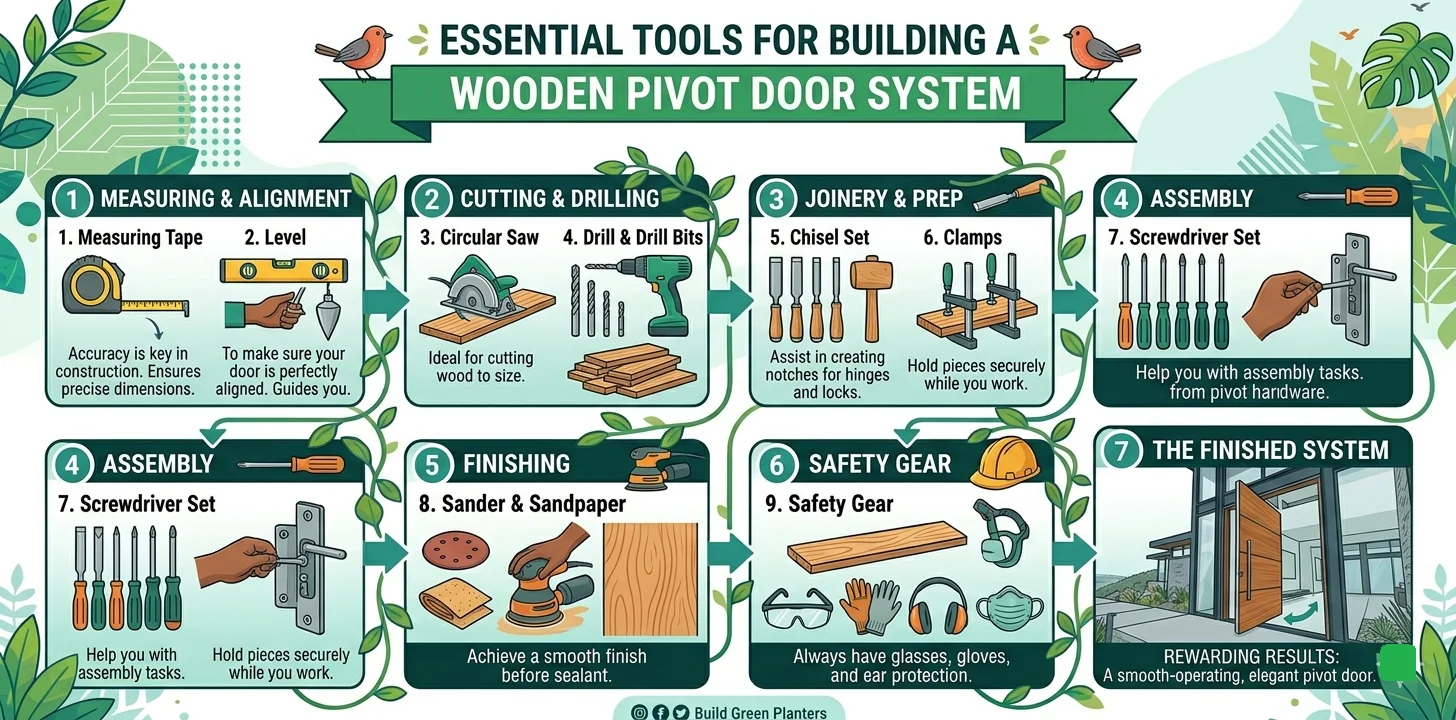
When constructing a pivot door system, having the right tools can significantly impact the quality of your work. Here’s a list of essential tools:
- Measuring Tape: Accuracy is key in construction. A reliable measuring tape ensures precise dimensions.
- Level: To make sure your door is perfectly aligned, a level tool helps guide you.
- Circular Saw: This is ideal for cutting the wood to the required size for your door.
- Drill and Drill Bits: A drill is necessary for making pilot holes and installing hardware.
- Chisel Set: Chisels assist in creating notches for hinges and locks.
- Screwdriver Set: A good set of screwdrivers will help you with assembly tasks.
- Sandpaper or Sander: To achieve a smooth finish, sanding is essential before applying any sealant or paint.
- Clamps: These help to hold pieces together securely while you work on them.
- Safety Gear: Always have safety glasses, gloves, and ear protection when working with power tools.
Materials for Constructing the Pivot Door
Choosing the right materials is equally important. Here are the primary materials needed for your How to Build Wooden Pivot Door System:
- Wood: Select hardwood for durability, such as oak, maple, or walnut. These woods offer strength and an attractive appearance.
- Pivot Hinge: This special hinge allows the door to rotate around a central point. Ensure you choose a high-quality pivot hinge capable of supporting the door’s weight.
- Door Frame Material: You can use the same wood as the door or opt for metal framing for added stability.
- Sealant or Finish: A good wood sealant protects the door from moisture and enhances its appearance. You can use varnish, oil, or lacquer depending on your preferred finish.
- Wood Glue: Consider using wood glue to bond joints securely before nailing or screwing them together.
- Weather Stripping: This will help seal any gaps around the door, improving insulation and energy efficiency.
Choosing Pivot Door Hardware
The hardware you choose plays a vital role in the functionality of the pivot door system. Here are some essential hardware components to consider:
- Pivot Brackets: These connect the pivot hinge to both the door and the floor.
- Locks: Choose a lock mechanism that matches your security needs, whether it’s a simple latch or a deadbolt.
- Handles or Pulls: These come in various styles and materials, so pick ones that match your design aesthetic.
Where to Buy Tools and Materials
You can find all these tools and materials at local hardware stores or online retailers. Here are some recommended websites:
- Home Depot for a wide range of tools and building materials.
- Lowe’s for purchasing quality woods and hardware.
- Menards for affordable options on tools and supplies.
Tips for Successful Construction
To ensure smooth construction of your How to Build Wooden Pivot Door System, keep the following tips in mind:
- Plan your design carefully before cutting to minimize waste and errors.
- Always double-check your measurements to avoid mistakes.
- Consider checking online tutorials, such as those on This Old House, for visual guidance.
- Take your time with sanding and finishing the wood, as this will greatly impact the final look.
By equipping yourself with these essential tools and materials, you are well on your way to successfully building a functional and beautiful wooden pivot door system. Happy building!
Design Ideas for Custom Wooden Pivot Doors
Custom wooden pivot doors can transform the entryway of your home with their unique designs and functionality. They serve as the focal point of any space, adding elegance and warmth. Below are some innovative design ideas to help inspire your custom wooden pivot door project.
Types of Wooden Pivot Doors
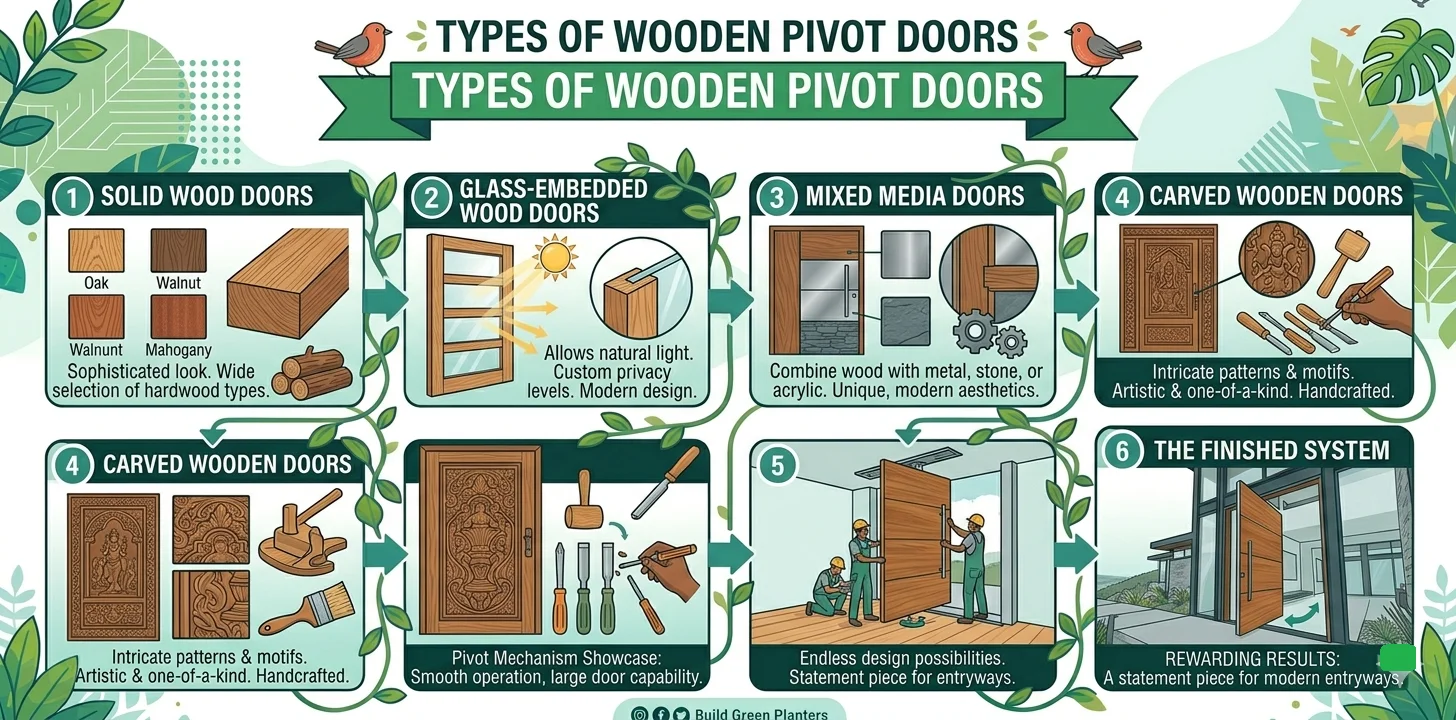
When designing a custom wooden pivot door, consider the following types:
- Solid Wood Doors: Choose from various hardwoods like oak, walnut, or mahogany for a sophisticated look.
- Glass-Embedded Wood Doors: Incorporate panels of glass to allow natural light to illuminate your entryway while maintaining privacy.
- Mixed Media Doors: Combine wood with metal, stone, or even acrylic for a modern touch.
- Carved Wooden Doors: Opt for intricate carvings or patterns for a one-of-a-kind artistic appearance.
Finishes and Textures
Selecting the right finish can enhance the beauty of your wooden pivot door. Here are some options to consider:
- Natural Finish: Maintain the raw beauty of wood with a clear coat that highlights the grain.
- Stained Finish: Add color while still showcasing the wood texture; dark stains can provide a dramatic effect.
- Painted Finish: Bright or neutral colors can create a striking look, allowing you to match your door to the home’s exterior or interior décor.
- Textured Finish: Consider a wire-brushed or distressed look for a rustic vibe that adds character.
Sizes and Dimensions
The dimensions of your pivot door can significantly influence its overall design and function. Keep these measurements in mind:
| Dimension | Standard Size | Custom Size Options |
|---|---|---|
| Height | 7 feet | Up to 10 feet |
| Width | 3 feet | Up to 5 feet |
| Thickness | 1.75 inches | Up to 3 inches |
Hardware Choices
The right hardware will complement your wooden pivot door’s design and functionality. Some popular options include:
- Pivot Hinges: These are crucial for allowing the door to swing smoothly. Opt for sturdy, high-quality materials.
- Handles and Knobs: Choose a style that matches your wood finish, whether sleek and modern or ornate and traditional.
- Locking Mechanisms: Consider smart locks or traditional locksets for added security.
- Decorative Hardware: Adding decorative elements can elevate your door’s aesthetics. Think about adding a kick plate or beautiful door knockers.
Style Inspirations
Explore these styles to give your wooden pivot door a standout design:
- Modern Minimalist: A flush door with a sleek handle fits well in contemporary spaces.
- Rustic Charm: Reclaimed wood with visible knots and imperfections can create a warm, welcoming feel.
- Classic Elegance: A traditional wood door with intricate carvings or paneling enhances a formal entrance.
- Artistic Flair: Consider unusual shapes or artistic designs that reflect your personality.
Natural Elements
Bring the outdoors into your home with designs that incorporate natural elements:
- Live Edge Wood: A live edge door showcases the natural contours of the wood, adding organic beauty.
- Inlaid Nature Designs: Consider inlays of leaves or branches for a natural touch.
- Natural Lighting: Include sidelights or a transom above the door to enhance illumination.
You can explore suppliers and manufacturers specializing in custom wooden pivot doors, such as Pivot Doors for inspiration and ideas. Remember to use quality materials and craftsmanship to ensure your pivot door stands out for years to come.
Maintenance Tips for Wooden Pivot Door Systems
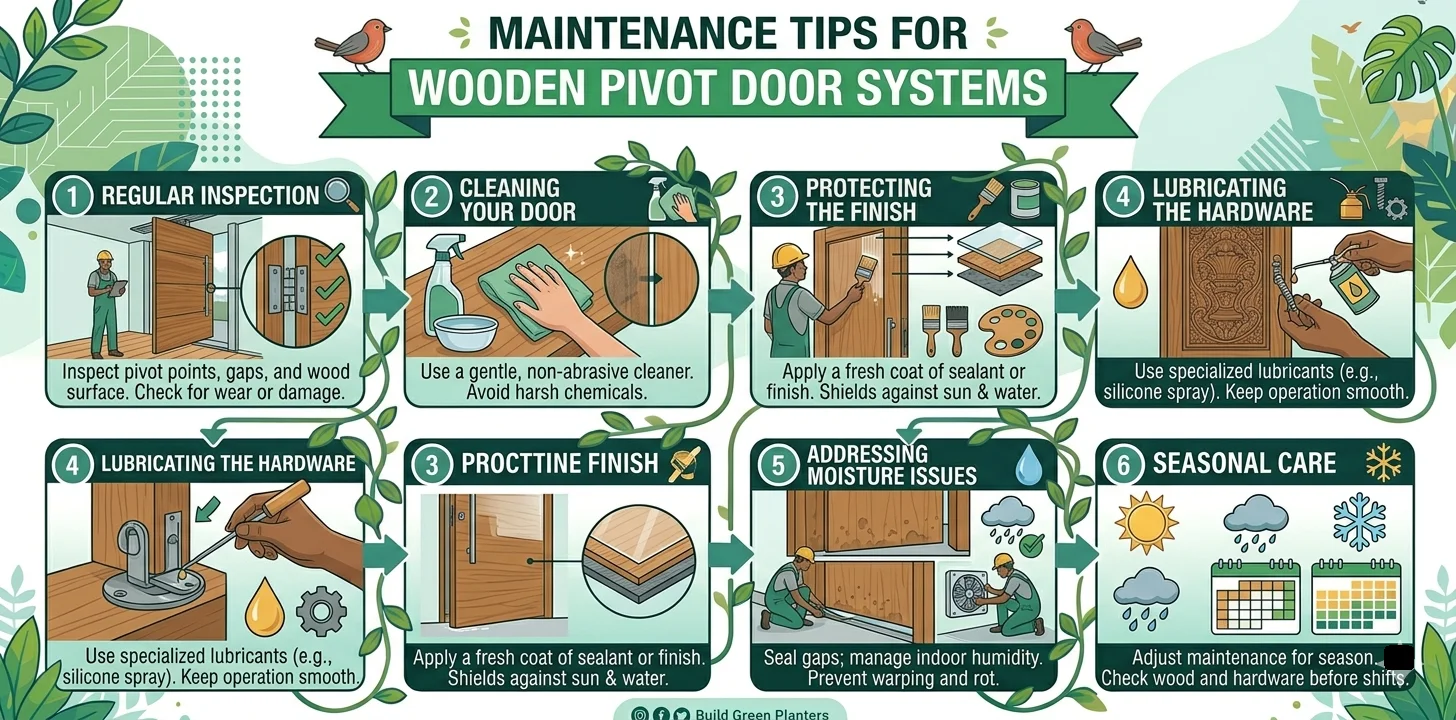
Maintaining a wooden pivot door system is crucial for ensuring its longevity and functionality. Regular care will not only preserve its beauty but also prevent common issues that can arise due to wear and tear. Here are some effective maintenance tips to keep your wooden pivot door system in top shape:
Regular Inspection
One of the best ways to maintain your How to Build Wooden Pivot Door System is through regular inspections. Look for signs of wear, damage, or misalignment. During your inspection, consider the following points:
- Check for cracks or splits in the wood.
- Inspect the pivot hinges for rust or damage.
- Ensure that the door swings smoothly without any rubbing or sticking.
Cleaning Your Door
Keeping your wooden pivot door clean is vital. Dust and dirt can accumulate and lead to aesthetic issues and potential damage. Here’s how to clean your door effectively:
- Use a soft cloth to remove dust and dirt from the surface.
- For deeper cleaning, mix a mild soap with warm water. Wipe the door gently with this solution, then dry it thoroughly.
- Avoid using harsh chemicals or abrasive materials that can harm the wood finish.
Protecting the Finish
The finish on your wooden pivot door protects it from moisture and damage. Regularly maintaining this finish is essential:
- Apply a high-quality wood polish or wax every few months to restore the sheen and protect the wood.
- If the finish starts to wear down, consider re-sanding and re-staining the door to bring it back to life.
- Ensure that the finish used is compatible with your door’s original finish.
Lubricating the Hardware
Proper lubrication of the pivot hinges and locking mechanisms is key to the door’s functionality:
- Use a silicone-based lubricant on the hinges to ensure smooth operation.
- Make sure not to over-lubricate as excess lubricant can attract dirt.
- Check and adjust the tension on the pivot mechanism as needed to maintain proper balance.
Addressing Moisture Issues
Wood is sensitive to moisture, and excessive dampness can cause warping or swelling. Here are steps to protect your door:
- Ensure proper weather stripping is installed to keep moisture away.
- During seasonal changes, monitor the humidity levels in your home and consider using a dehumidifier if necessary.
- Inspect the door threshold and surrounding areas for leaks; repair them promptly.
Seasonal Care
Each season brings unique challenges for wooden pivot doors. Adapting your maintenance routine with the seasons can be beneficial:
| Season | Maintenance Task |
|---|---|
| Spring | Inspect for winter damage, clean the surface, and reapply protective finish if needed. |
| Summer | Check hardware for rust and ensure smooth pivot action, especially in humid weather. |
| Fall | Clean leaves and debris from around the door; check for pests. |
| Winter | Inspect for ice damage; keep threshold clear of snow and ice. |
For professional advice and more in-depth information, consider visiting Wood Magazine or Houzz for step-by-step guides and tips from experts. Implementing these maintenance tips will not only enhance the appearance of your Wooden Pivot Door System but also increase its lifespan. By regularly inspecting, cleaning, and applying the necessary protective measures, you can enjoy your beautiful wooden pivot door for many years to come.
Comparing Pivot Doors to Traditional Hinged Doors
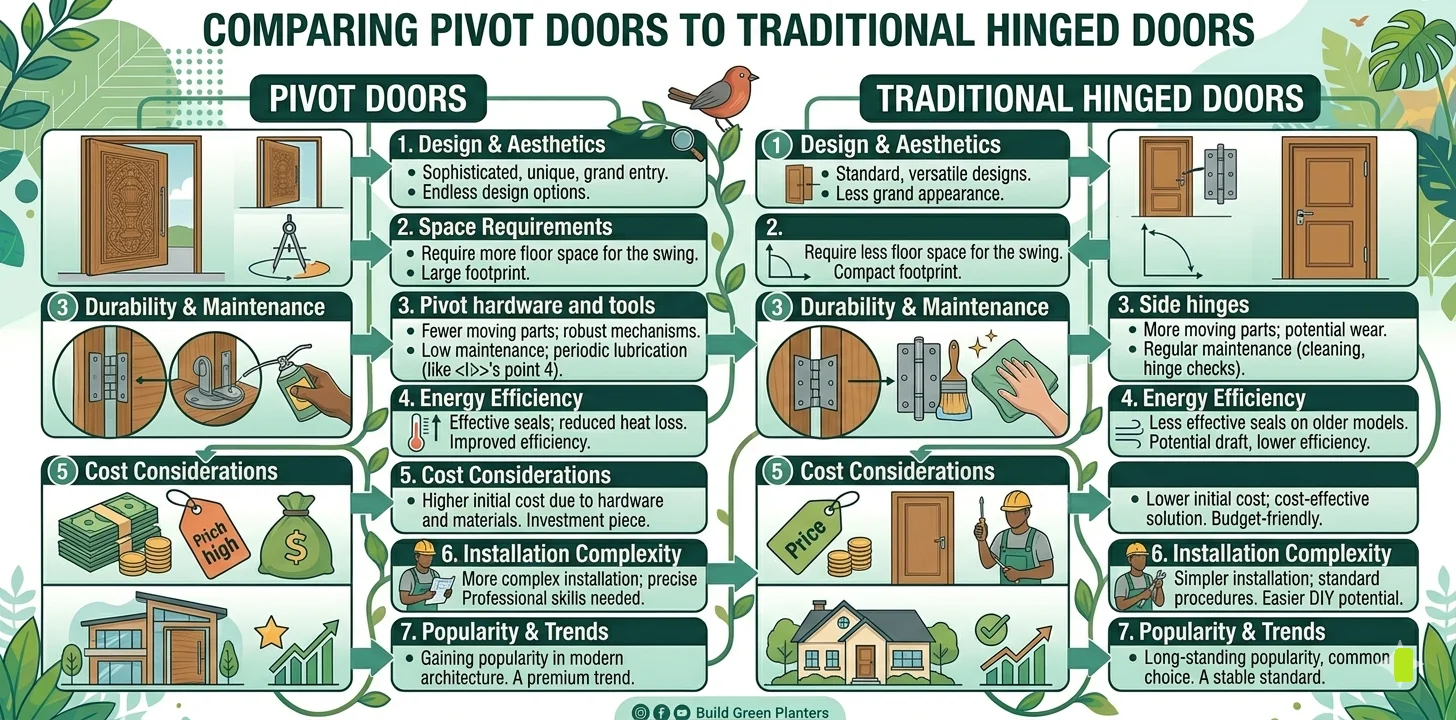
When evaluating entryways for homes or businesses, the choice often comes down to pivot doors and traditional hinged doors. Both types have distinct advantages and appeal, but understanding their differences can help you make the best decision for your space. Let’s explore the key differences between these two types of doors.
Design and Aesthetics
Pivot doors are a standout design feature that can elevate the aesthetic appeal of your property. Unlike traditional hinged doors that swing on a pair of hinges, pivot doors rotate on a pivot point located at the top and bottom of the door. This allows for larger doors that create a dramatic entrance without the constraints that come with hinges. Commonly made of materials like wood, glass, or metal, they can be customized to fit any style.
Space Requirements
One of the significant benefits of pivot doors is the space they require. Traditional hinged doors need ample clearance space to swing open, which sometimes limits furniture placement and traffic flow. In contrast, pivot doors can be installed in tighter spots because they don’t swing out into the room. This makes them ideal for compact areas where traditional doors could be cumbersome.
Durability and Maintenance
Both door types can be durable, but the choice of materials greatly affects their longevity. Here are some comparisons:
| Door Type | Material Options | Longevity | Maintenance |
|---|---|---|---|
| Pivot Door | Wood, Glass, Metal | High | Moderate, depending on the material |
| Hinged Door | Wood, Fiberglass, Steel | Moderate to High | Low to Moderate |
Generally, pivot doors made from strong materials like metal or solid wood can last many years with minimal wear and tear. On the other hand, traditional hinged doors may require more frequent checks on the hinges and can suffer from issues like sagging over time.
Energy Efficiency
Energy efficiency may also play a role in your choice. Properly fitted pivot doors can offer better insulation, making them more energy-efficient if designed to shield against drafts. Traditional hinged doors, if not correctly sealed, can lead to significant heat loss. Therefore, investing in good weather stripping and seals is crucial in both cases.
Cost Considerations
Cost can be a considerable factor in your decision-making. Generally, pivot doors tend to be more expensive due to their unique design and installation requirements. You might find yourself spending more on both the door and the hardware. Traditional hinged doors often come at lower price points and could save you money if your budget is tight. However, consider the long-term value in terms of aesthetics and functionality that a pivot door may provide.
Installation Complexity
When it comes to installation, pivot doors can be more complex. They require precise measurements and skilled craftsmanship to ensure they operate smoothly and align correctly. If you are handy, you might attempt to install a traditional hinged door yourself. In contrast, a pivot door typically necessitates professional installation, which adds to the total cost.
Popularity and Trends
In recent years, pivot doors have gained significant popularity, especially in modern homes that emphasize open spaces and minimalistic design. They are often featured in high-end residential and commercial designs. Traditional hinged doors, while still prevalent, may not provide the same level of modern flair but can appeal to classic or more ornate architectural styles. Ultimately, your choice between a pivot door and a traditional hinged door should consider design preferences, space requirements, budget, and functionality. Think about your lifestyle and what you want in an entrance.
Conclusion
Building a Wooden Pivot Door System can transform the entrance to your home, blending functionality with remarkable aesthetics. By following the structured steps for construction, you gain a clear pathway to achieving a stunning focal point in your space. Gathering the essential tools and materials is vital; investing in quality components ensures durability and smooth operation for years to come.
Exploring design ideas allows you to personalize your pivot door, creating a unique statement that complements your home’s style. Whether you prefer modern minimalist designs or rustic charm, the options are vast and exciting. Don’t overlook maintenance tips; regular checks and care will keep your wooden pivot doors functioning optimally, preventing issues and enhancing their lifespan.
When comparing pivot doors to traditional hinged doors, it’s clear that pivot doors offer distinct advantages. Not only do they create a wider opening, but they also add an elegant touch that traditional doors may lack. By understanding these differences, you can make an informed choice that truly reflects your needs and taste.
Embrace the challenge of building a wooden pivot door system. With some effort, creativity, and knowledge, you will create a beautiful entryway that enhances your home, impresses guests, and stands the test of time. Enjoy the process and take pride in designing and constructing a feature that is both practical and visually striking. Your wooden pivot door will undoubtedly become a cherished addition to your home’s unique character.