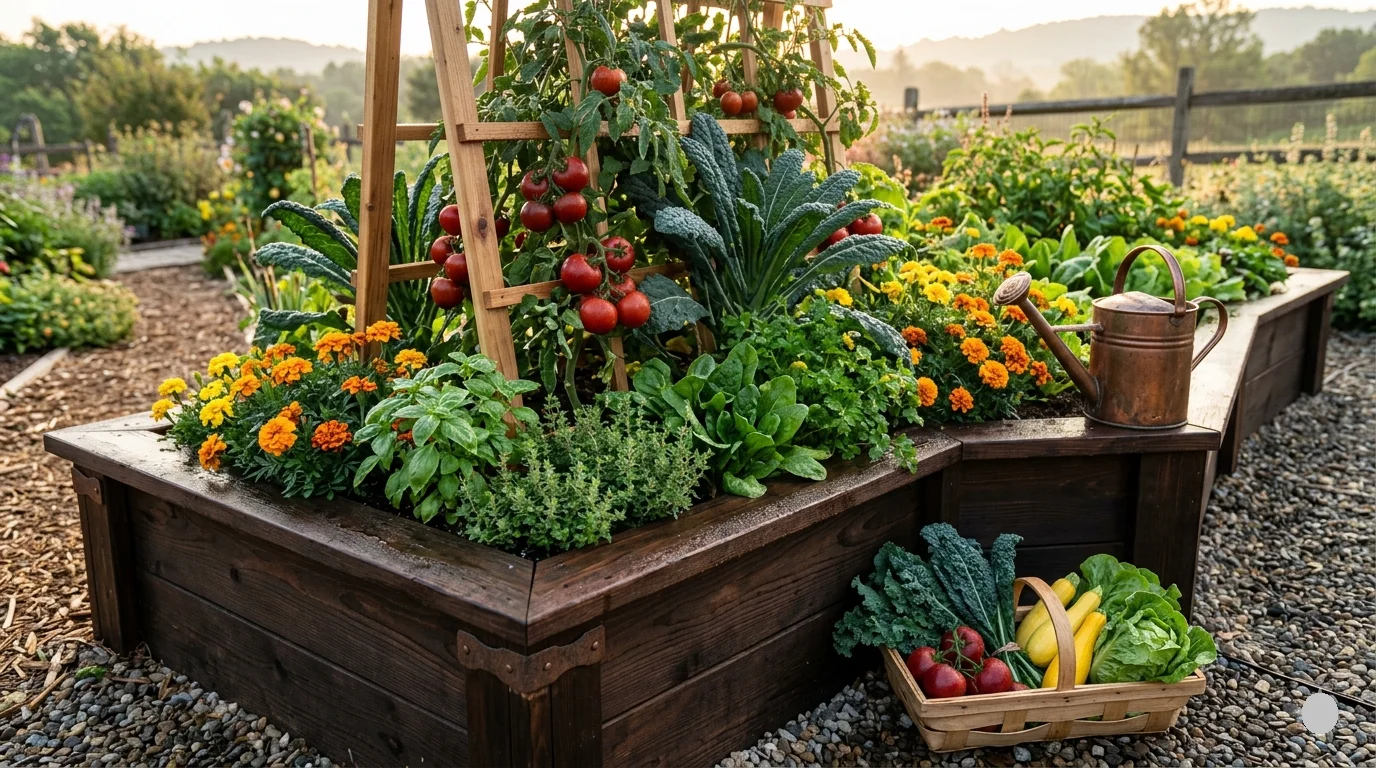
Building a wooden raised garden bed system is a fulfilling project that not only enhances your outdoor space but also provides an efficient way to grow your favorite plants. By designing your ideal garden bed system, you can create a space that meets your needs while taking advantage of the benefits that raised beds offer, such as improved drainage, better soil quality, and easier maintenance.
Choosing the Right Location
Before you start constructing your wooden raised garden bed, consider where to place it. Sunlight, accessibility, and drainage are crucial factors. Here are some tips to help you choose the best spot:
- Sunlight: Most vegetables and flowers need at least 6-8 hours of sunlight daily. Observe your yard throughout the day to find the sunniest spot.
- Accessibility: Ensure the location is easy to reach for planting, watering, and harvesting tasks. A little extra effort now saves you time later.
- Drainage: Avoid areas where water tends to pool. Good drainage keeps your plants healthy and thriving.
Selecting Your Wood Materials
The type of wood you choose is vital for the durability and safety of your raised garden bed system. Here are some popular options:
| Type of Wood | Durability | Cost |
|---|---|---|
| Cedar | Highly durable and resistant to decay | Moderate to High |
| Redwood | Very durable and attractive | High |
| Pine | Less durable, but often treated for longevity | Low to Moderate |
| Untreated Hardwood | Fairly durable but may require additional treatment | Moderate |
Designing the Layout
Once you have your location and materials, it’s time to design the layout of your garden bed system. The size and configuration depend on what you want to grow and the space available. Consider these design aspects:
- Shape: Raised beds can be rectangular, square, or even circular. Choose shapes that suit your garden’s aesthetics while maximizing planting area.
- Size: A common size is 4 feet by 8 feet, giving adequate space for planting without requiring you to step into the bed.
- Height: Standard heights range from 12 inches to 36 inches. Taller beds are great for those who may have trouble bending down.
Building Your Raised Beds
You’re ready to begin construction! Here’s a step-by-step guide:
- Gather Materials: Make sure you have all necessary materials, including wood, screws, wood sealer (if desired), and garden soil.
- Cut the Wood: Cut the wood to your desired dimensions using a saw. Alternatively, many lumber yards can cut the pieces for you.
- Assemble the Frame: Using screws, secure the corners of your frame. Pre-drilling holes can prevent wood from splitting.
- Add a Base: If needed, place a layer of landscape fabric at the bottom to prevent weeds while allowing drainage.
- Fill with Soil: Use a mixture of topsoil, compost, and other organic matter to fill your raised bed for optimal plant growth.
Next Steps for Planting
Now that your wooden raised garden bed system is complete, it’s time to plant! Choose appropriate plants for your climate and gardening zone. Consider companion planting to maximize space and deter pests. To maintain your garden, establish a watering schedule and stay vigilant against weeds and pests.
Choosing the Right Materials for Durability and Aesthetics
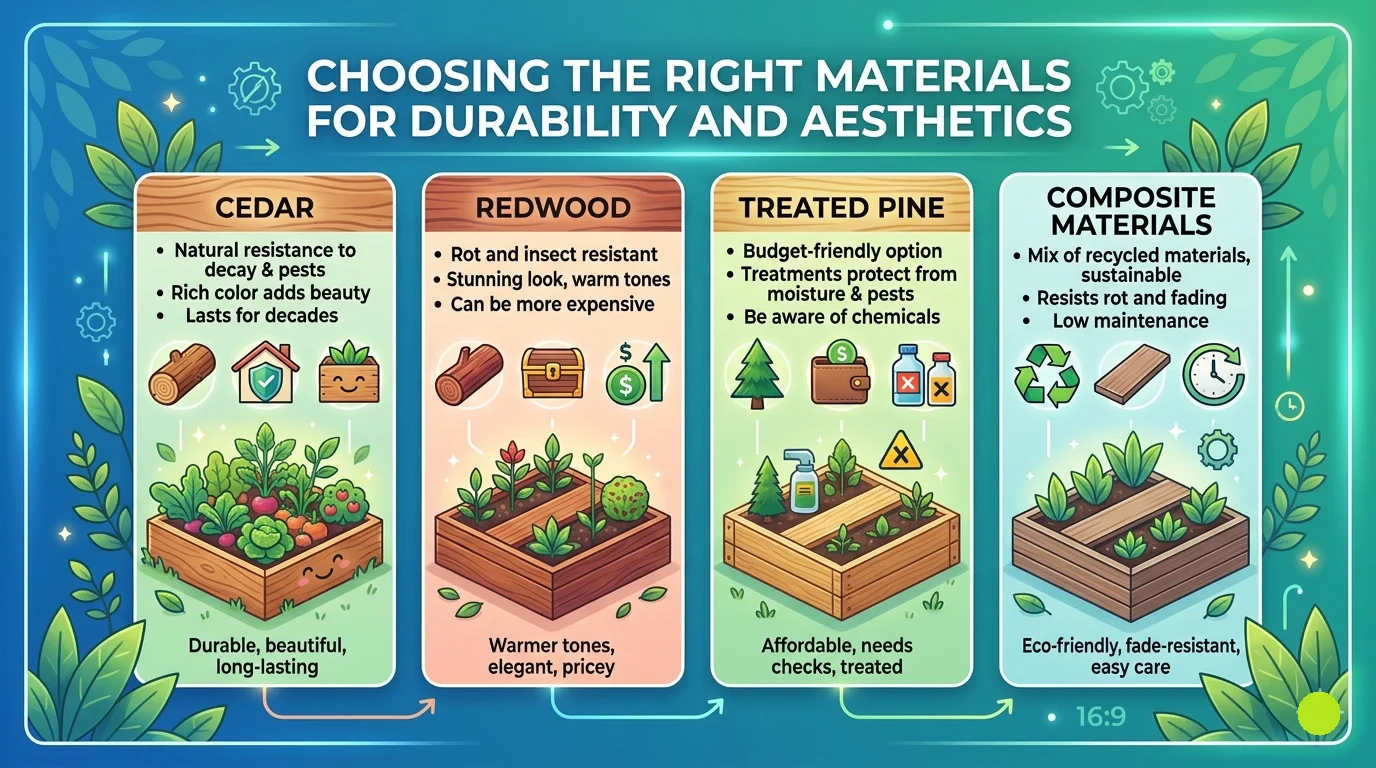
When embarking on the journey of building a wooden raised garden bed system, choosing the right materials plays a significant role in ensuring both durability and aesthetics. The right materials will not only enhance the appearance of your garden but also ensure that it stands the test of time against environmental elements.
First, let’s look at various types of wood commonly used in constructing raised garden beds:
- Cedar: This is a popular choice due to its natural resistance to decay and pests. Cedar beds can last for decades, and their rich color adds beauty to any garden.
- Redwood: Like cedar, redwood is resistant to rot and insects. It offers a stunning look with its warm tones. However, it can be more expensive than other options.
- Treated Pine: Pressure-treated pine is a budget-friendly option. Treatments help it stand up to moisture and pests, but be aware of the chemicals sometimes used in the treatment processes.
- Composite Materials: Made from a mix of recycled materials, these can be a great sustainable option. They resist rot and fading, and they require less maintenance over time.
Each of these wood types comes with its own pros and cons. It’s crucial to weigh the factors of cost, durability, treatment safety, and aesthetic preference when making your decision.
Use untreated wood
Now, let’s discuss the safety of the materials. Using untreated wood is often best if you plan on growing edibles. Chemicals present in treated wood can leach into the soil. Instead, consider natural options like cedar or redwood, which are both safe and effective.
Consider is the dimensions of your garden bed
Another critical aspect to consider is the dimensions of your garden bed. Standard heights range from 6 inches to 24 inches. The depth is vital for root growth, with 12 inches being a good standard for most vegetables. When planning your design, consider taller beds if you want to easily access the plants without bending over.
Lining the interior
To further enhance durability, consider lining the interior of your wooden raised garden bed. This could involve using a landscape fabric to prevent soil erosion into the wood and help with drainage. Additionally, using hardware cloth or mesh can deter burrowing pests while allowing water to drain freely.
Finish your raised beds
Once you’ve selected the wood, think about how you want to finish your raised beds. You can choose to leave the wood natural to weather gracefully or apply a non-toxic sealant. If aesthetics are a priority, painting or staining the exterior might enhance your garden’s visual appeal. Just ensure any products you use are safe for the environment.
Incorporating stones, bricks, or even concrete block
Furthermore, incorporating stones, bricks, or even concrete blocks for the base can add aesthetic elements while increasing stability. These materials can be arranged creatively around the wooden frame to create a more visually appealing garden bed.
Planning how your garden bed will look should not come at the expense of functionality. To ensure a well-structured garden bed that looks inviting and serves its purpose, consider the following checklist:
- Choose rot-resistant wood (like cedar or redwood) for longevity.
- Opt for untreated wood if growing edible plants.
- Size your bed based on accessibility and variety of plants.
- Consider a solid base with stones or bricks to improve drainage.
- Maintain aesthetics with finishes that are environmentally safe.
Choosing the right materials for your wooden raised garden bed system involves careful consideration of both durability and aesthetics. From the wood type to the overall design and finishing touches, each detail contributes to a thriving and beautiful garden. By investing in quality materials and thoughtful planning, you can create a space that is not only functional but also a true reflection of your personal style.
Step-by-Step Guide to Constructing a Wooden Raised Garden Bed
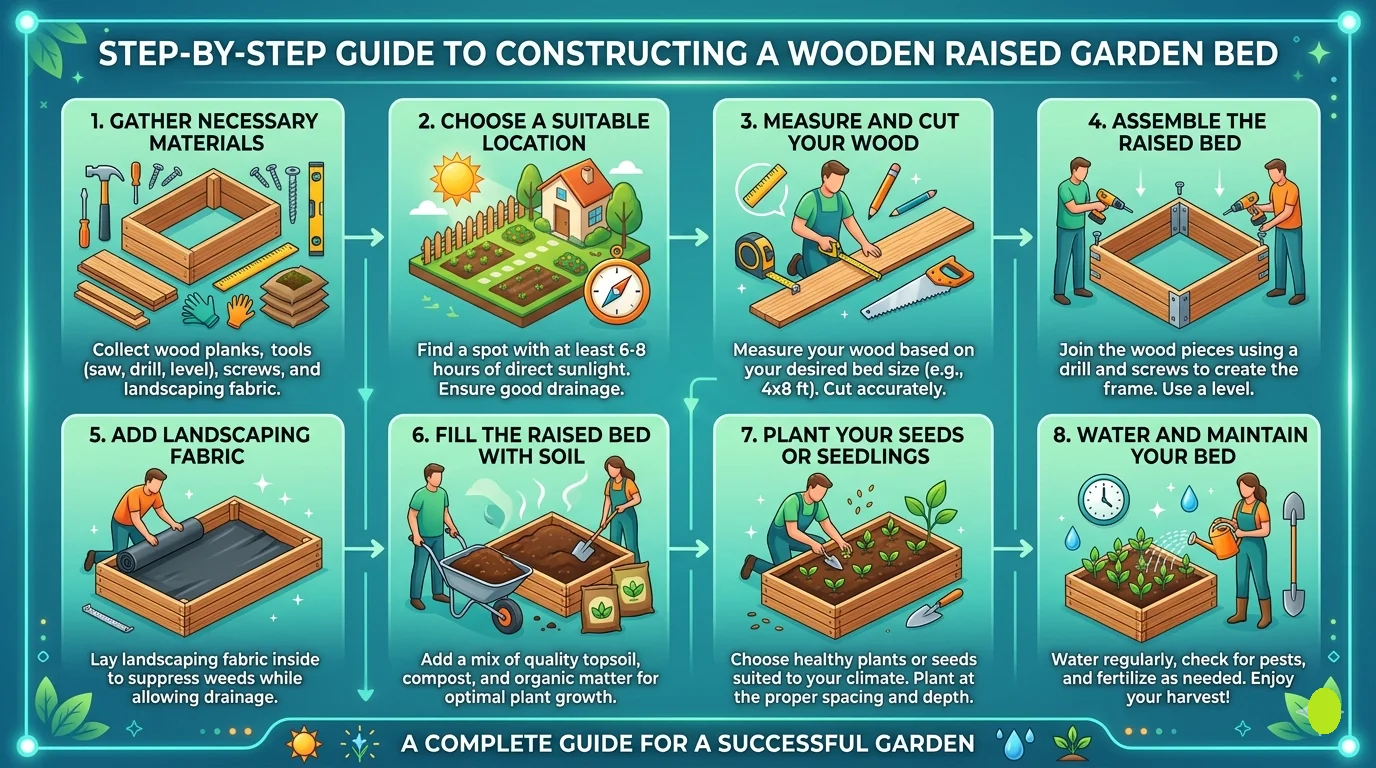
Creating a wooden raised garden bed is a fantastic way to enhance your gardening experience. Not only do these beds provide better soil drainage, but they also allow for easier access to your plants. By following a step-by-step guide, you can construct your own wooden raised garden bed system effectively and efficiently.
Gather Necessary Materials
Before you begin building your wooden raised garden bed, you’ll need to gather several materials:
- Untreated wood (cedar or redwood are excellent choices)
- Wood screws
- Wooden stakes (optional for support)
- Soil and compost
- Landscaping fabric (to prevent weeds)
- Tools: saw, drill, measuring tape, level, and shovel
Choose a Suitable Location
Selecting the right location is crucial. Look for a spot that gets at least 6-8 hours of sunlight daily and has good drainage. Avoid areas where water tends to pool after heavy rains. Ensure that your garden bed is easily accessible for watering and harvesting.
Measure and Cut Your Wood
Once you have your materials and location ready, it’s time to cut the wood to your desired dimensions. Common sizes for a raised garden bed are 4 feet by 4 feet, or 4 feet by 8 feet. Here’s a simple cutting guide:
| Dimension (feet) | Number of Pieces |
|---|---|
| 4′ L x 1′ H | 2 |
| 8′ L x 1′ H | 2 |
| 4′ W x 1′ H | 2 |
Assemble the Raised Bed
Use the wood screws to join the cut pieces together. Start by attaching the longer sides to the shorter sides. Ensure the corners are square using a level. For additional support, you can add wooden stakes at each corner by digging them into the ground and reinforcing the structure.
Add Landscaping Fabric
To prevent weeds from growing into your garden bed, lay landscaping fabric at the bottom of the structure. This will help maintain soil health and moisture while keeping pesky weeds at bay.
Fill the Raised Bed with Soil
Now that your raised bed is assembled, it’s time to fill it with soil. A mix of topsoil and compost works well. Aim for a ratio of about 50% soil to 50% compost to ensure healthy plant growth. Fill the bed to about an inch below the top edge to allow for watering.
Plant Your Seeds or Seedlings
With your raised garden bed filled, it’s time for planting. You can choose to grow a variety of vegetables, herbs, or flowers. Make sure to follow the recommended spacing guidelines for each type of plant. This will help improve air circulation and reduce competition for nutrients.
Water and Maintain Your Raised Garden Bed
After planting, water your raised garden bed thoroughly. Regular maintenance includes watering, weeding, and checking for pests. Mulching around your plants can help retain moisture and reduce weed growth.
Best Soil Mixes and Planting Strategies for Raised Beds
Building a productive raised bed garden starts with choosing the right soil mix and effective planting strategies. The combination of an enriched soil mix and thoughtful planting choices can lead to a thriving garden filled with delicious vegetables and vibrant flowers. Let’s explore the best soil mixes and planting strategies specifically tailored for raised beds.
Key Ingredients for Soil Mix in Raised Beds
The soil mix for your raised beds should be light, nutritious, and capable of retaining moisture. Here are the essential components you should consider:
- Topsoil: This is the primary component in your soil mix. Aim for quality topsoil that is free of pests and diseases.
- Compost: Rich in nutrients, compost improves soil structure and helps retain moisture. It also introduces beneficial microorganisms. Aim for a mix of 1 part compost to 3 parts topsoil.
- Peat Moss or Coconut Coir: Both materials help retain moisture and improve soil aeration. This reduces compaction and allows roots to grow freely.
- Perlite or Vermiculite: These are excellent for improving drainage. Mix in about 10-20% of your total soil volume to keep your soil from compacting.
Ideal Soil Mix Ratio
The right mix of these components will vary based on what you plan to grow. However, a commonly recommended ratio is:
| Component | Ratio |
|---|---|
| Topsoil | 50% |
| Compost | 30% |
| Peat Moss or Coconut Coir | 10% |
| Perlite or Vermiculite | 10% |
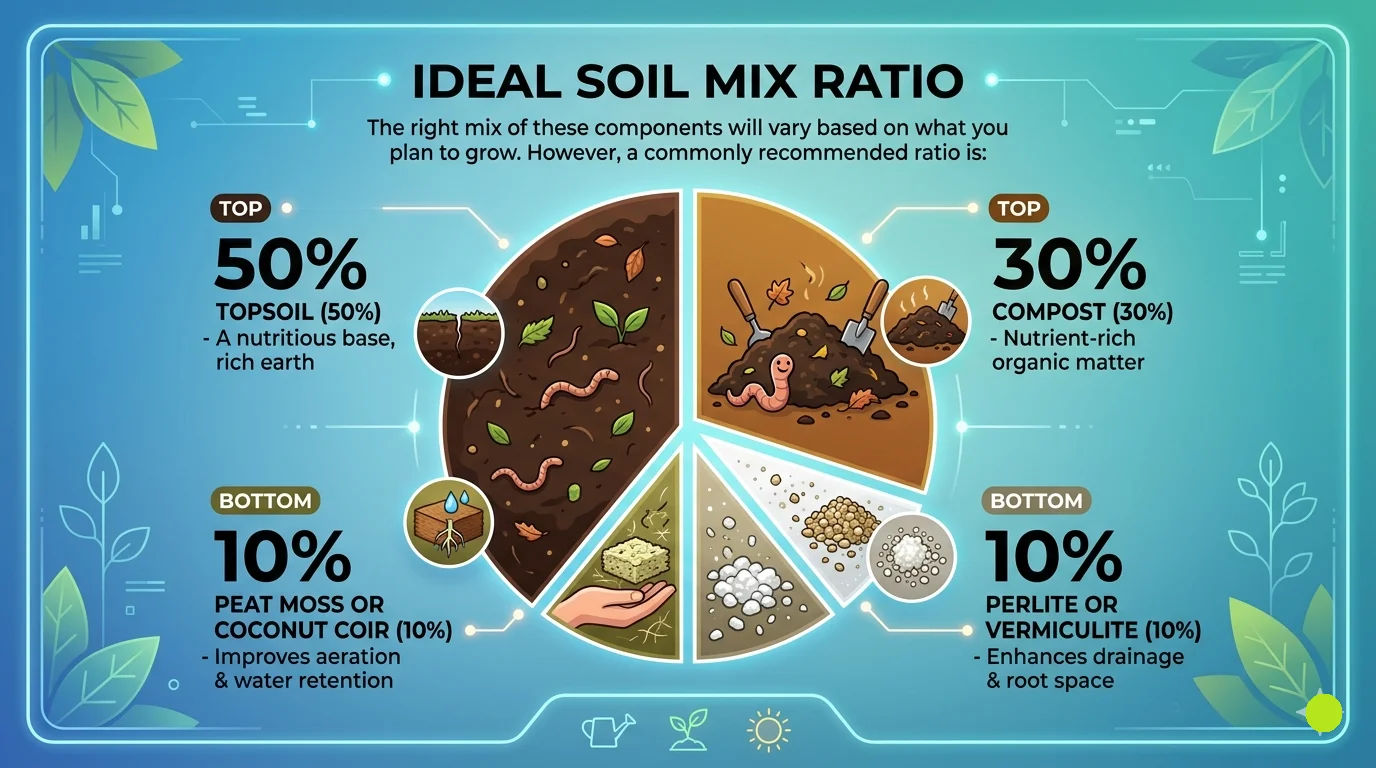
This blend provides optimal conditions for most garden plants, enhancing growth while ensuring proper drainage.
Selecting Plants for Your Raised Bed
When planning your raised garden beds, the choice of plants significantly influences the success of your gardening efforts. Here are some top strategies:
1. Companion Planting
Planting compatible plants together can improve growth and keep pests at bay. For example, basil planted near tomatoes can enhance their flavor while deterring certain insects.
2. Succession Planting
Take full advantage of the growing season by practicing succession planting. Once you harvest a crop (like lettuce), replace it with a fast-growing crop (like radishes) to maximize your yield.
3. Crop Rotation
To prevent soil depletion and disease buildup, rotate crops each growing season. This is especially important for heavy feeders like tomatoes and peppers, which consume a lot of nutrients.
Maximizing Space in Raised Bed Gardens
Space efficiency is crucial when gardening in raised beds. Here are some techniques:
- Vertical Gardening: Utilize trellises, cages, or stakes for climbing plants like cucumbers and peas. This not only saves space but also promotes better air circulation.
- Four-Season Gardening: In mild climates, consider planting cool-season crops in the fall and winter, followed by warm-season crops in spring and summer. This extends your growing season.
Maintaining Your Soil Mix Throughout the Season
To keep your soil healthy, consider the following maintenance tips:
- Mulch: Adding a layer of organic mulch can reduce weeds, retain moisture, and add nutrients as it breaks down.
- Periodic Amendments: Throughout the growing season, supplement with compost or organic fertilizers to replenish nutrients.
- Regular Testing: Conduct soil tests to monitor pH and nutrient levels, adjusting your soil mix as needed for optimal growth.
Establishing a successful raised bed garden requires thoughtful planning and care. By choosing the right soil mix and implementing effective planting strategies, you can create a thriving space filled with healthy plants and flourishing life.
Maintenance Tips for Keeping Your Raised Garden Bed Thriving
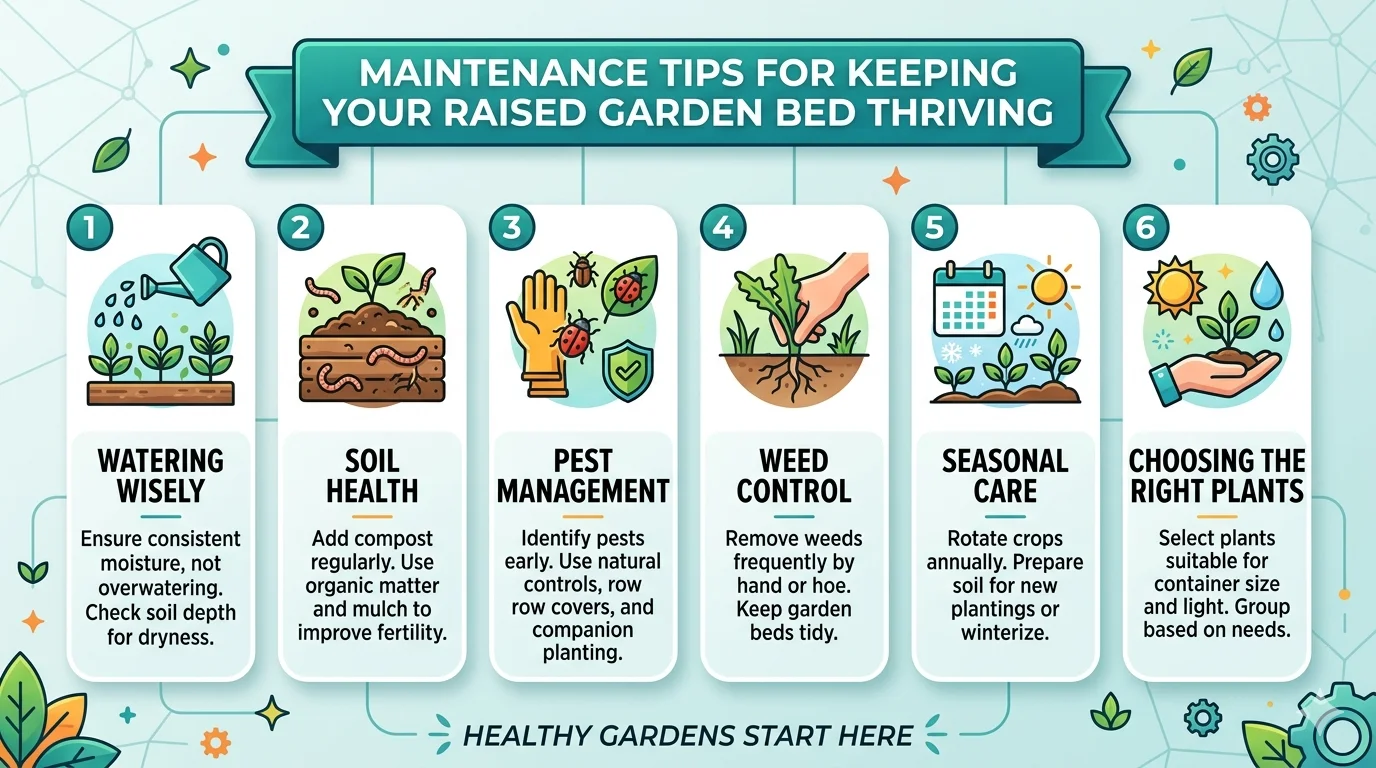
Once you build your wooden raised garden bed system, the next step is ensuring it thrives throughout the growing season. Proper maintenance is vital to keep your plants healthy and productive. Here are some essential tips to help you maintain your raised garden bed effectively.
Watering Wisely
One of the most crucial aspects of garden maintenance is watering. Raised beds tend to dry out faster than traditional gardens. Here’s how to water properly:
- Check Soil Moisture: Before watering, stick your finger into the soil about an inch deep. If it feels dry, it’s time to water.
- Water at the Base: Direct the water to the base of the plants rather than spraying over the foliage. This helps prevent fungal diseases.
- Mulch: Adding a layer of mulch on top of the soil can help retain moisture and reduce weeds.
Soil Health
The foundation of a thriving raised garden bed is healthy soil. Here are several methods to maintain and improve soil quality:
- Compost Regularly: Adding compost to your beds every season enriches the soil. It enhances nutrients and helps with drainage.
- Rotate Crops: Changing the plants you grow each year can prevent pests and diseases from taking hold.
- Test Soil: Conduct a soil test to check pH and nutrient levels. This can guide you in amending your soil appropriately.
Pest Management
Pests can wreak havoc on your garden. To keep them under control:
- Inspect Regularly: Check your plants for any signs of pests or damage. Early detection allows for quicker interventions.
- Natural Predators: Encourage beneficial insects like ladybugs and lacewings, which feed on harmful pests.
- Organic Solutions: Use organic pesticides or homemade solutions like neem oil if pests become a problem.
Weed Control
Weeds compete with your plants for nutrients and water. Here’s how to keep them at bay:
- Hand Pulling: Regularly remove weeds by hand, especially before they go to seed.
- Mulching: Besides retaining moisture, mulch also suppresses weed growth.
- Cover Crops: Consider planting cover crops in the off-season to prevent weeds from taking over your garden beds.
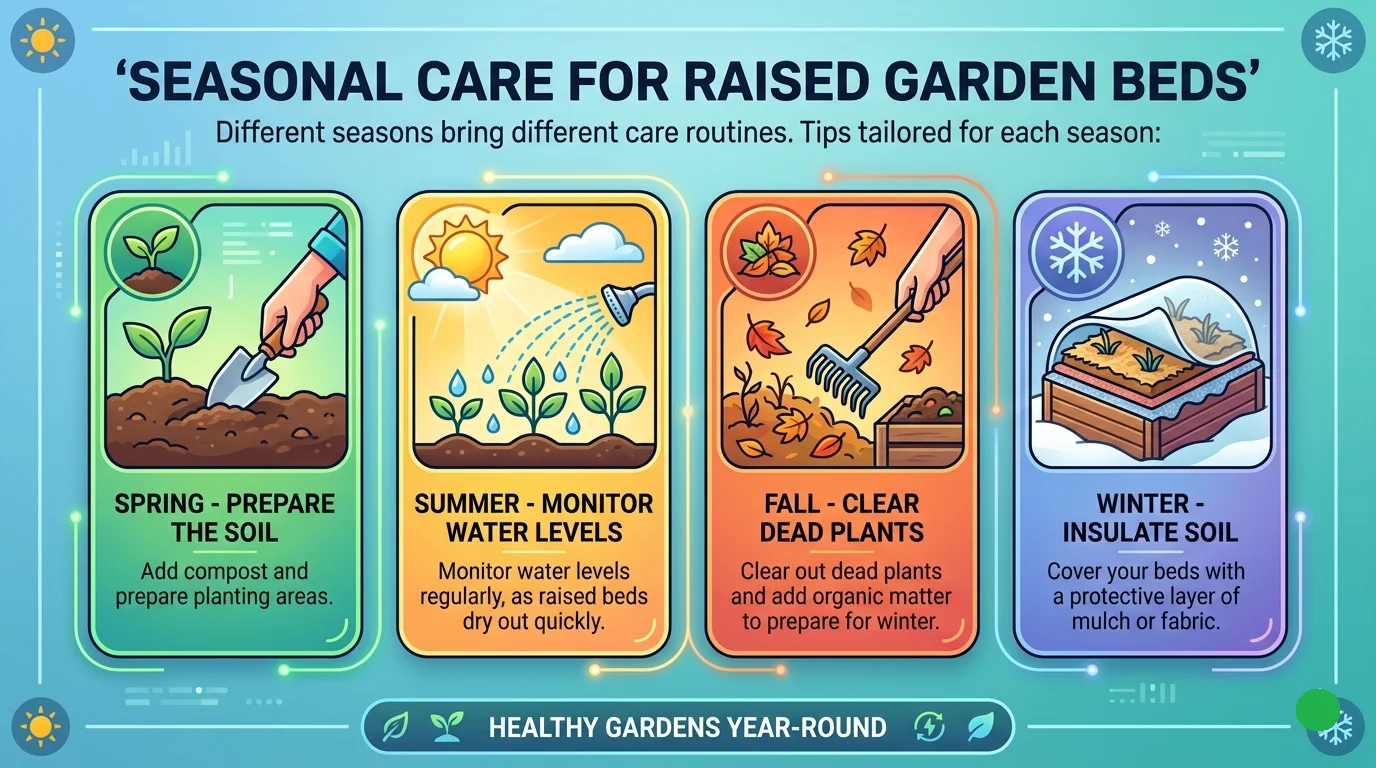
Seasonal Care
Different seasons bring different care routines. Here are some tips tailored for each season:
| Season | Maintenance Tip |
|---|---|
| Spring | Prepare the soil by adding compost and preparing planting areas. |
| Summer | Monitor water levels regularly, as raised beds dry out quickly. |
| Fall | Clear out dead plants and add organic matter to prepare for winter. |
| Winter | Cover your beds with a protective layer of mulch or fabric to insulate soil. |
Choosing the Right Plants
Selecting plants that thrive in your specific climate and soil conditions can make maintenance easier. Here are a few tips:
- Native Plants: Opt for native plants that naturally thrive in your area.
- Companion Planting: Some plants enhance each other’s growth, so researching companion planting can lead to a more productive garden.
- Seasonal Vegetables: Plant vegetables according to their grow time. Early spring crops won’t compete with late summer plantings.
Keeping your raised garden bed thriving requires attention, dedication, and some knowledge. For more detailed gardening information, visit Gardening Know How or Gardener’s Supply Company. These resources provide great advice tailored for your specific gardening needs, ensuring your raised garden beds flourish all season long.
Conclusion
Creating a wooden raised garden bed system is an exciting and rewarding project that enriches your gardening experience. By designing your ideal layout, you can turn your vision into reality, ensuring each bed suits the plants you wish to grow. Selecting quality materials not only enhances the look of your garden, but it also guarantees that your structure stands the test of time, making maintenance easier in the long run.
With the step-by-step guide, you now have a clear pathway to build your raised bed system. This hands-on approach taps into your creativity and gives you a personal connection to the garden. Remember, the soil mix plays a vital role in the success of your plants. By choosing the right blend, you create a nurturing environment where your plants can thrive.
Regular upkeep will keep your garden flourishing. Adopting good practices like crop rotation, adding organic matter, and pest management will ensure that your garden remains productive year after year. As you watch your plants grow, the satisfaction that comes from cultivating your own food will make the effort worthwhile.
Every moment spent planning, building, and maintaining your wooden raised garden bed system brings you closer to a vibrant and healthy garden. Embrace the journey and enjoy the fruits of your labor! Your garden is a reflection of your hard work and dedication, offering not just beauty, but also a bounty of fresh produce right at your fingertips. Happy gardening!