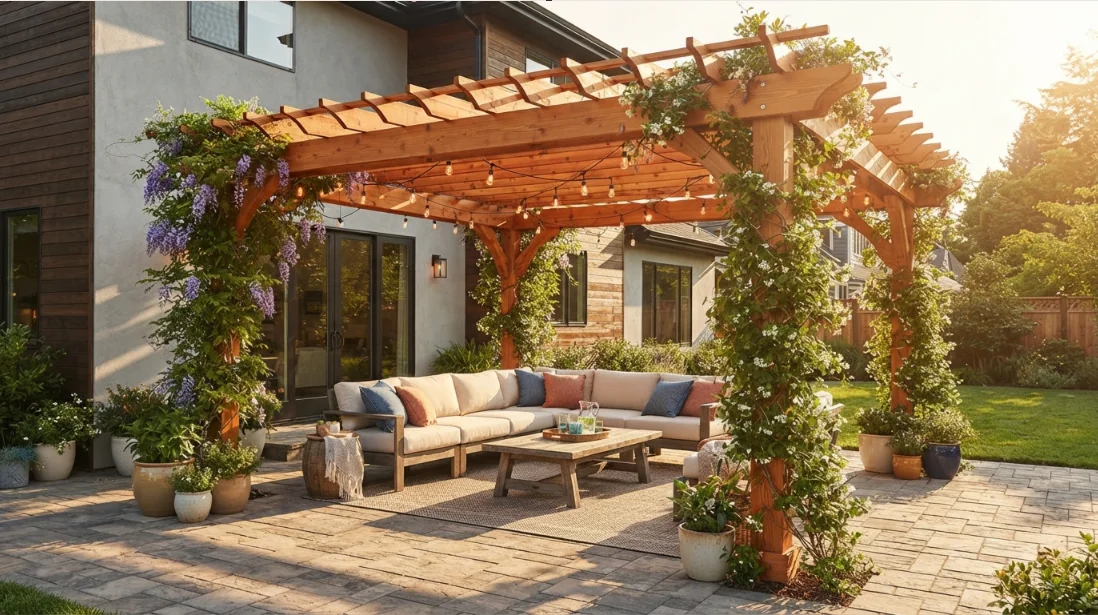
Building a Wooden Pergola Attached to House can transform your outdoor space into a beautiful and functional area. Not only do pergolas provide shade, but they also enhance the aesthetic appeal of your home. This guide will take you through the essential steps to build a sturdy and attractive wooden pergola.
Planning Your Pergola
Before you start building, planning is key. Here’s what you need to consider:
- Location: Decide where you want to attach the pergola. Choose an area that gets sunlight and complements your home’s design.
- Design: Sketch the design of your pergola. Think about the size, shape, and style to suit your home. You might want a classic rectangular shape or something more elaborate.
- Building Regulations: Check with your local building codes and HOA regulations. Some areas may require permits for building structures attached to your house.
- Materials: Choose high-quality wood like cedar or redwood for durability. It’s important for the materials to be resistant to weather conditions.
Gathering Your Tools and Materials
You will need the following tools and materials:
| Tools | Materials |
|---|---|
| Measuring Tape | 4×4 posts (for vertical supports) |
| Saw | 2×6 beams (for horizontal supports) |
| Drill | 2×2 slats (for crossbeams) |
| Level | Wood screws |
| Hammer | Wood stain or sealant |
Having these ready will allow you to work efficiently as you build your pergola.
Building Your Pergola
Now, let’s dive into the actual construction process:
- Mark the Area: Use stakes and string to outline the area where the pergola will be built. Ensure that it’s straight and square.
- Set the Posts: Dig holes for the 4×4 posts. Each hole should be about 2 feet deep. Place the posts in the holes and use concrete to secure them. Ensure they are level before the concrete sets.
- Add Horizontal Beams: Once the posts are set, attach 2×6 beams horizontally along the top of the posts. Use brackets and screws to secure the beams firmly.
- Install Crossbeams: Place the 2×2 slats perpendicular to the beams. Space them according to your design. This will provide additional support and create the shade effect.
- Finishing Touches: Sand any rough edges to prevent splinters. Once everything is complete, apply a wood stain or sealant to protect your pergola from the elements.
Maintaining Your Pergola
To keep your pergola looking great, maintenance is essential:
- Regular Inspections: Check for signs of wear and tear. Look for any loose connections or damaged wood.
- Cleaning: Gently wash your pergola with a mild soap solution to remove dirt and debris.
- Protecting the Wood: Reapply wood stain or sealant every few years to maintain its protective qualities.
Choosing the Right Location for Your Pergola
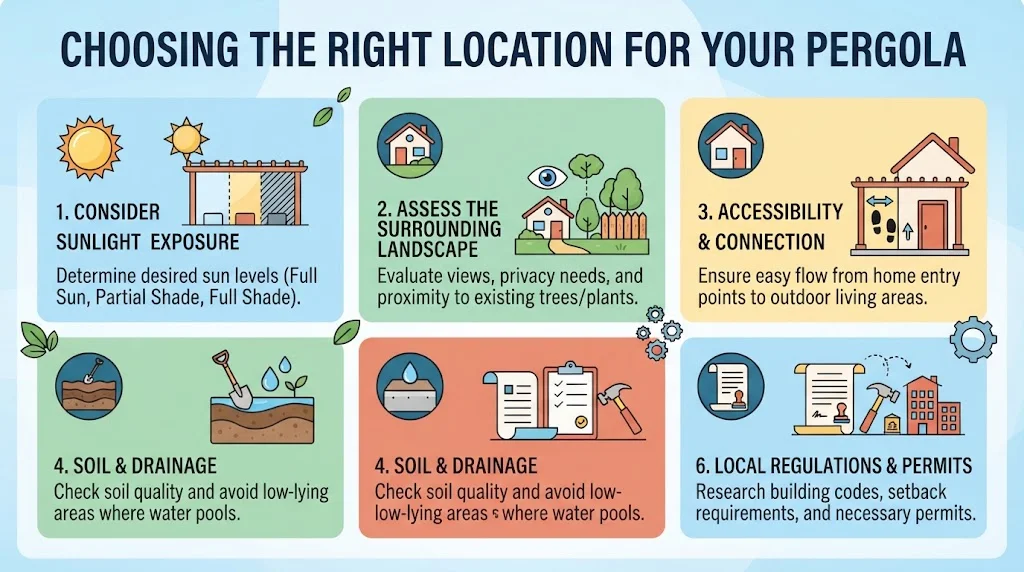
When you decide to build a wooden pergola attached to your house, one of the most crucial steps is selecting the ideal location. The right spot can enhance your outdoor space, creating a functional and beautiful area for relaxation or entertaining. Let’s explore key factors to consider when determining the best location for your pergola.
Consider Sunlight Exposure
The amount of sunlight a particular area receives throughout the day directly affects your pergola’s usage. Consider how much sunlight you want in your space:
- Full Sun: If you enjoy basking in direct sunlight, place your pergola in an area that gets maximum exposure.
- Partial Sun: If you prefer some shade, look for locations where afternoon sun is blocked by trees or other structures.
- Full Shade: If you want to escape the sun altogether, choose a spot that remains shaded throughout the day.
Each option provides different benefits depending on your needs, such as growing plants or providing shade.
Assess the Surrounding Landscape
The characteristics of your yard can significantly influence where to put your pergola. Think about how your pergola will blend with your existing landscape:
- View: Position your pergola to take advantage of attractive views, such as gardens, trees, or a pool area.
- Privacy: Ensure your pergola provides a sense of seclusion, especially if you’re close to neighbors. Align it accordingly to block unwanted sightlines.
- Vegetation: Consider nearby trees and plants. Ensure there’s enough space to prevent branches from interfering with your pergola or that leaves won’t create a mess.
Accessibility and Connection to Your Home
One of the primary benefits of attaching a pergola to your house is the seamless connection it creates between indoor and outdoor spaces. Here are some things to keep in mind:
- Proximity to Entering Points: Aim to place your pergola close to doors or pathways, making it easy to move between your home and the outdoor area.
- Usability: Think about how you plan to use the pergola. If it serves as a dining area, a nearby kitchen entry can enhance convenience.
- Flow and Space: Maintain good flow around your house. Ensure walkways remain clear and that you have adequate space for movement.
Soil and Drainage Considerations
Another important aspect to consider is the soil quality and drainage in your chosen location. Poor drainage can lead to rot and damage over time.
- Soil Quality: Assess whether your yard has sandy, loamy, or clayey soil. Each affects how your structure will anchor and last over time.
- Drainage: Avoid low-lying areas where water pools or tends to gather. Look for well-drained spots that remain dry even after a rain.
- Foundation Readiness: Make sure you can easily prepare the ground for the pergola foundation.
Local Regulations and Permits
Before installing your pergola, check local building codes and regulations that might affect where you can build:
- Setback Regulations: Understand the minimum distance between your structure and property lines.
- Height Restrictions: Learn about any height limitations that may affect your pergola design.
- Obtain Permits: Some municipalities may require building permits for pergola installation. It’s wise to consult with local authorities for guidance.
Consider Seasonal Changes
Think about how seasonal changes affect your selected location. A spot that is perfect in summer may be undesirable in winter. Take into account:
- Sun Path Changes: The sun’s angle changes throughout the year. Choose a spot that offers adequate shade in summer while allowing sunlight in the winter.
- Wind Protection: You may need a location that reduces wind exposure during colder months.
Essential Materials for Constructing a Durable Pergola
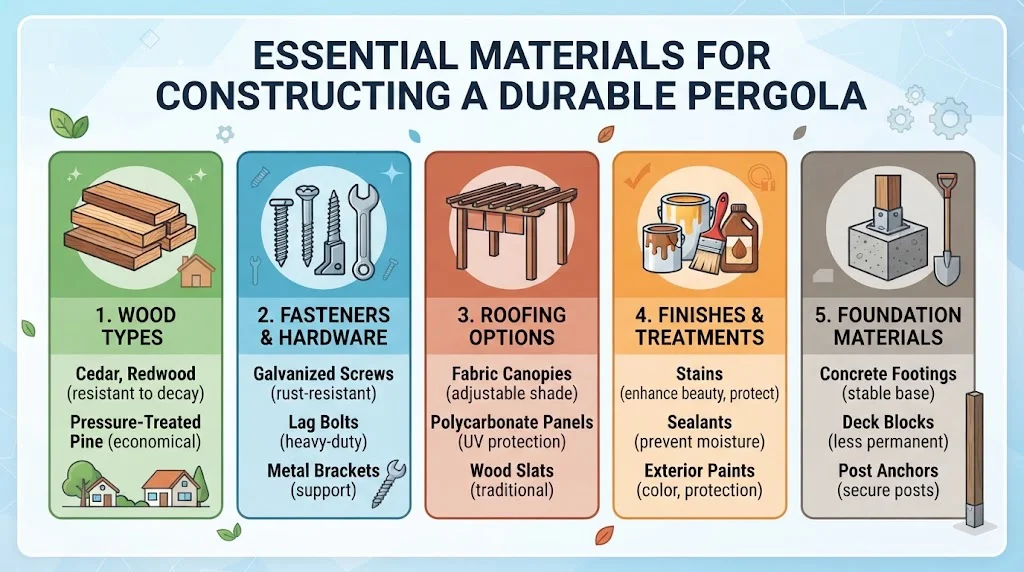
Building a pergola can dramatically enhance your outdoor space, providing shade and aesthetic appeal. When embarking on this project, choosing the right materials is crucial for ensuring durability and longevity. Here are some essential materials to consider when constructing a pergola.
Wood Types
The first decision you need to make is the type of wood. Different species come with their unique properties:
- Cedar: Naturally resistant to decay, cedar is lightweight and withstands the elements well. Its rich aroma is an added bonus.
- Redwood: Similar to cedar, redwood is resistant to moisture and insects. Its striking appearance makes it a favorite among homeowners.
- Pressure-Treated Pine: This is the most economical option. Although it requires maintenance, it can last for years if properly treated.
Fasteners and Hardware
Using the right fasteners is key to ensuring your pergola stands strong and stable. Here are essential types:
- Galvanized Screws: These resist rust and corrosion, making them perfect for outdoor projects.
- Lag Bolts: Use these heavy-duty bolts for securing the main components, ensuring the structure remains sturdy.
- Brackets: Metal brackets provide additional support to the joints, enhancing the overall strength of the structure.
Roofing Options
The roof of your pergola can dictate how much sun or rain protection you receive. Common roofing materials include:
- Fabric Canopies: These provide adjustable shade and come in many styles and colors.
- Polycarbonate Panels: They offer UV protection while still allowing light to filter through.
- Wood Slats: This is the traditional pergola look, providing partial shade while creating a gorgeous playing of light and shadow.
Finishes and Treatments
To prolong the life of the wood and maintain its appearance, applying the right finishes is essential. Options include:
- Stains: These enhance the wood’s natural beauty and protect from UV rays.
- Sealants: A sealant prevents moisture from penetrating the wood, reducing the risk of warping and rotting.
- Paints: If you prefer a pop of color, using exterior-grade paint can provide both aesthetics and the necessary protection.
Foundation Materials
Your pergola should have a solid foundation to ensure its stability. Common choices for foundations include:
- Concrete Footings: These provide a stable base that will prevent shifting.
- Deck Blocks: If you’re looking for a less permanent solution, deck blocks are a quick alternative.
- Post Anchors: These help secure the posts directly into the ground or footings for added support.
Tools You’ll Need
Having the right tools makes a significant difference in the construction process. Some tools to gather include:
- Drill
- Saw (circular or miter)
- Level
- Tape measure
- Screwdriver
Understanding the essential materials involved in building a pergola ensures that your project will not only be successful but also stand the test of time. For more tips and information on constructing a pergola, visit Wood Magazine for detailed resources.
Design Ideas to Enhance Your Home with a Pergola
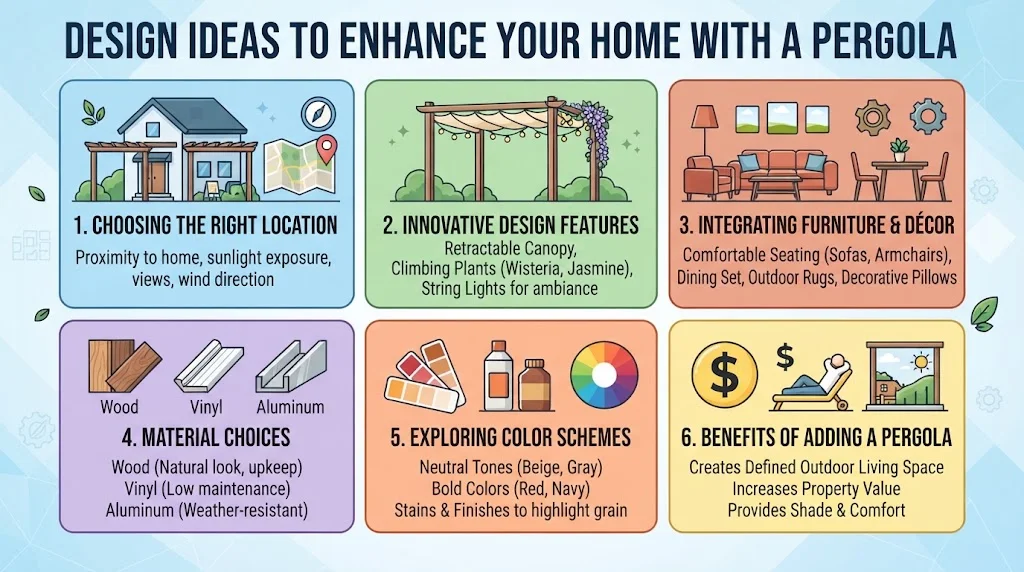
Enhancing your home with a wooden pergola can unlock a world of design possibilities while adding functional and aesthetic appeal to your outdoor space. A pergola can serve as a charming entryway, a cozy lounge spot, or a beautiful dining area. Here are several design ideas to consider when incorporating a pergola into your home environment.
Choosing the Right Location
Deciding where to place your pergola is crucial. Consider these factors:
- Proximity to your home: Attach it directly to your house for a seamless transition from indoors to outdoors.
- Sunlight exposure: Think about where the sun hits your yard to create a shaded retreat.
- Views: Position your pergola to highlight pleasant garden views or pool areas.
- Wind direction: Ensure it creates a shield from prevailing winds for maximum comfort.
Innovative Design Features
Incorporate unique elements that elevate your pergola:
- Retractable Canopy: For adjustable shading, a retractable canopy can keep the area cool and comfortable on sunny days.
- Climbing Plants: Encourage growth by adding trellises or allowing vines to creep up the sides. Popular options include wisteria and jasmine, which add fragrance and beauty.
- String Lights: Enhance nighttime ambiance with soft lighting. String lights hanging across the beams can create a magical atmosphere.
Integrating Furniture and Decor
Your pergola should also reflect your personal style. Consider these furniture options:
- Seating: Add comfortable lounge furniture, such as sofas or armchairs, for a perfect resting space.
- Dining Set: A dining table underneath your pergola transforms it into an outdoor dining room, making meals enjoyable amidst nature.
- Outdoor Rugs: Use outdoor rugs to define the area and add color and texture.
- Decorative Pillows: Bright cushions can enhance comfort and style.
Material Choices for Your Pergola
Selecting the right materials contributes to the longevity and appearance of your pergola. Here are common options:
| Material | Pros | Cons |
|---|---|---|
| Wood | Natural look, adaptable for various styles | Requires upkeep, susceptible to rot |
| Vinyl | Low maintenance, durable | Less traditional appearance |
| Aluminum | Weather-resistant, versatile | Can be less visually appealing |
Exploring Color Schemes
The color of your pergola can dramatically influence its appearance. Here are tips for choosing the right color:
- Neutral Tones: Colors like beige or gray can blend well with any landscape.
- Bold Colors: Red or navy can make a striking statement and enhance the personality of your space.
- Stains and Finishes: Consider wood stains to highlight natural grain while maintaining protection.
Benefits of Adding a Pergola
Beyond aesthetics, a pergola offers numerous benefits:
- Creates a defined outdoor living space.
- Increases property value.
- Provides space for outdoor activities at any time of the day.
Maintenance Tips for Your Wooden Pergola After Construction
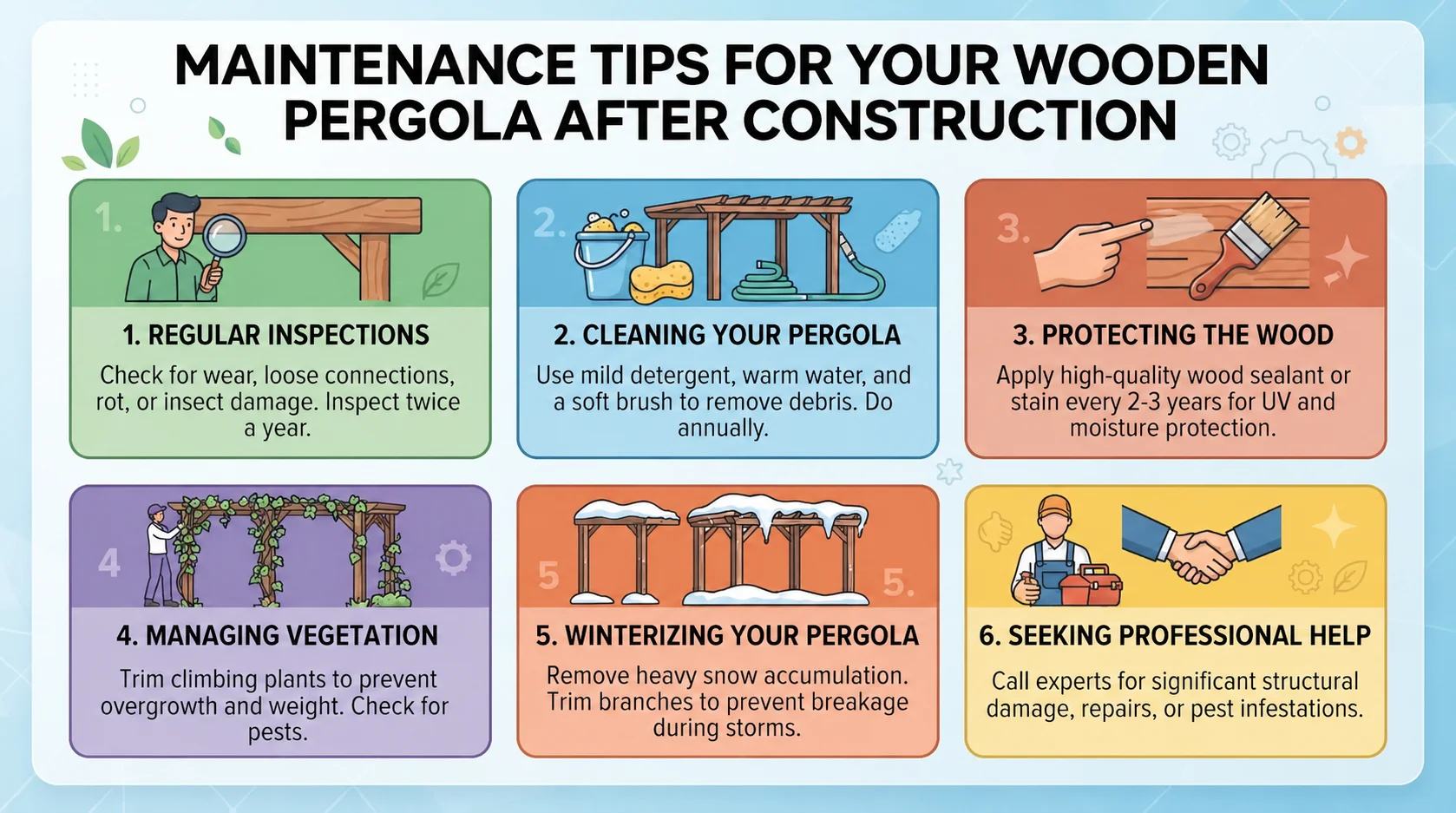
After the construction of your wooden pergola, maintaining it properly ensures its longevity and enhances your outdoor space. With regular care, your pergola can remain a beautiful part of your property for many years. Here are some essential maintenance tips to keep your wooden pergola in top condition.
Regular Inspections
The first step in maintenance is to inspect your pergola regularly. Look for signs of wear and tear such as:
- Cracks in the wood
- Loose boards or screws
- Signs of rot or mold
- Damage from insects
Carrying out these checks at least twice a year—after winter and during the summer—will help you identify issues early and make repairs as needed.
Cleaning Your Pergola
Cleaning your wooden pergola is crucial to maintain its appearance and prevent damage. Follow these steps:
- Gather Supplies: Use a soft brush, mild detergent, and warm water.
- Brush Off Debris: Start by removing leaves, dirt, and dust from the structure.
- Wash: Use the soapy water and soft brush to clean the wood gently.
- Rinse: Make sure to rinse off all soap to avoid residue.
Cleaning should be done once a year; however, you may need to do it more often in areas with heavy pollution or tree coverage.
Protecting the Wood
Wood can be susceptible to the elements, so it’s essential to protect it. Here are some strategies:
- Sealant: Applying a high-quality wood sealant can help protect against moisture and pests. Choose a product designed for outdoor use.
- Stain: Consider staining the wood every few years. This not only adds beauty but also protects against UV rays.
- Paint: If you prefer a pop of color, use exterior paint that can withstand varying weather conditions.
For optimal protection, reapply sealant or stain every 2-3 years, depending on your local climate and the exposure of your pergola.
Managing Vegetation
If you’re planning to grow climbers or vines on your pergola, it’s essential to manage their growth. Trim back any overgrowth that may harm the structure. Additionally, be sure to:
- Choose non-invasive plants to avoid excessive weight.
- Regularly check for pests hiding in the foliage.
Proper plant management helps maintain the ideal balance between decorative greenery and the structural integrity of your pergola.
Winterizing Your Pergola
As winter approaches, it’s vital to prepare your wooden pergola to handle snow and ice. Follow these tips:
- Remove Heavy Snow: Use a broom to gently sweep off snow after storms.
- Trim Back Branches: Keep tree branches trimmed to prevent them from snapping onto your pergola in winter storms.
Winterizing your structure will reduce the risk of damage during harsher weather conditions.
Seeking Professional Help
If you notice significant damage or if maintenance tasks feel overwhelming, don’t hesitate to call in professionals. Experts can help with:
- Repairing structural damage
- Reapplying protective coatings
- Inspecting and treating any pest issues
Regular professional evaluations can also provide peace of mind and prolong the life of your pergola.
Incorporate these tips into your regular maintenance routine to enjoy your wooden pergola for years to come. For more information on wooden structures and how to care for them, visit Houzz or check out Better Homes & Gardens.
Conclusion
Building a Wooden Pergola Attached to House is a rewarding project that can transform your outdoor space. By following the steps outlined, you’ve learned how to effectively plan and construct a pergola that fits seamlessly with your home. Choosing the right location is crucial, as it not only enhances the beauty of your yard but also provides functionality and comfort throughout the seasons.
We’ve explored essential materials that offer both durability and aesthetic appeal, ensuring your pergola stands the test of time. With creativity, you can select design ideas that complement your existing architecture, from rustic finishes to modern styles, making your outdoor space a true extension of your home.
It doesn’t stop at construction; maintaining your wooden pergola is key to preserving its charm and longevity. Regular upkeep, such as staining, sealing, and checking for structural integrity, will keep your pergola looking beautiful for years to come.
By investing time and effort into planning, designing, and maintaining your wooden pergola, you create an inviting area for relaxation, entertainment, and family gatherings. Whether you want a cozy spot for morning coffee or a stylish place for evening dinners, a well-built pergola enhances your home and enriches your lifestyle. Embrace the outdoor joy your new structure brings; it’s not just a construction project, but a long-term enhancement to your living space. Happy building!