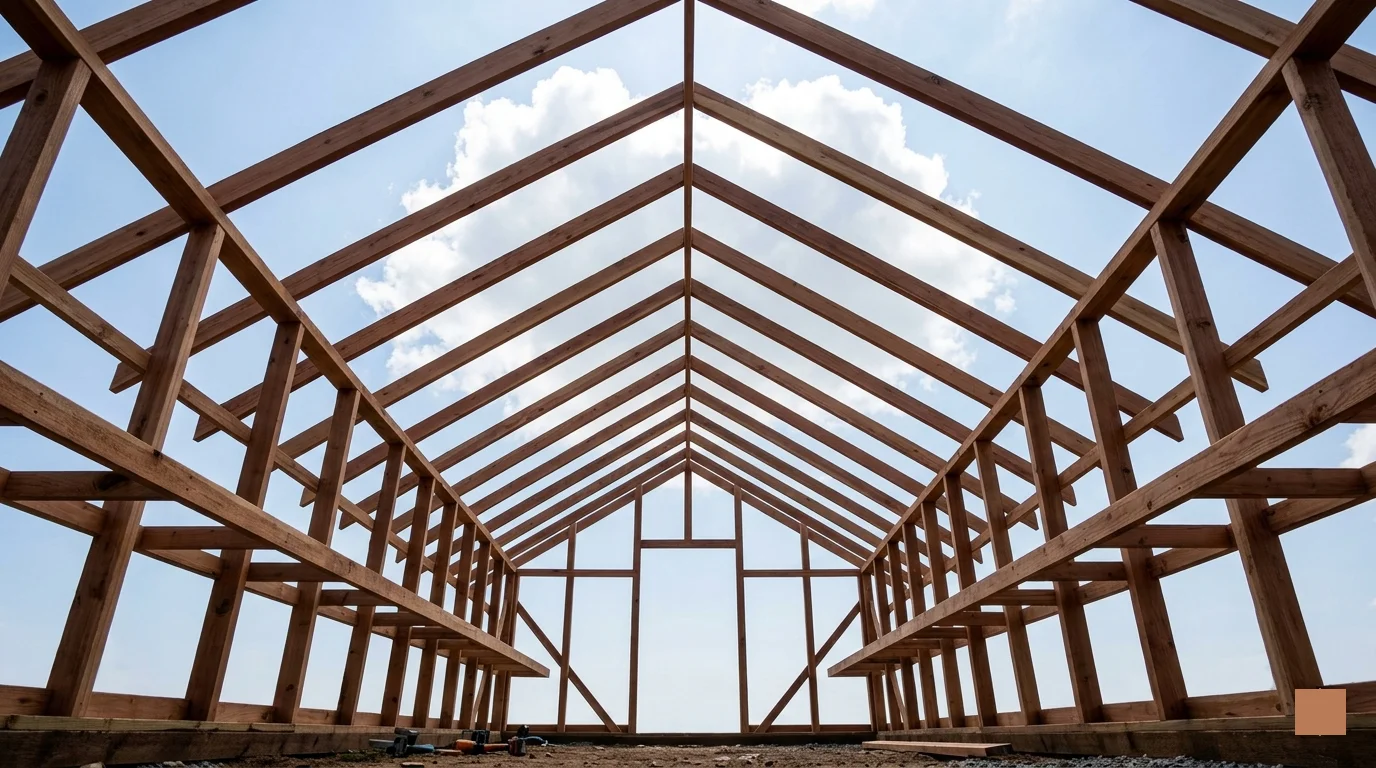
Building a wooden greenhouse frame can be a rewarding project for gardening enthusiasts. It allows you to create a controlled environment for your plants, extending your growing season and improving the quality of your harvest. Below are some effective techniques to consider when constructing your greenhouse frame. How to Build a Wooden Greenhouse Frame is a process that requires careful selection of materials and precise assembly.
Choosing the Right Materials
When building a wooden greenhouse frame, the materials you choose are crucial. High-quality, rot-resistant wood is ideal for longevity. Here are some common options:
- Cedar: Naturally resistant to decay and insects, cedar is an excellent choice for outer structures.
- Redwood: Another great option, redwood is durable and has a pleasant aroma.
- Pressure-treated pine: While it’s cheaper, ensure your treatment is safe for plants.
- Black locust: This lesser-known wood is exceptionally durable and weather-resistant.
Planning and Designing Your Greenhouse
Before you start, planning your greenhouse layout is essential. Here’s how to go about it:
- Choose a location: Pick a sunny spot with good drainage.
- Decide on the size: Typical sizes range from 6×8 feet to 10×12 feet. The size should cater to your gardening needs.
- Sketch your design: Create a blueprint that includes the frame structure, door placements, and ventilation options.
Creating a Solid Foundation
A solid foundation is the backbone of any sustainable greenhouse. You can opt for different types, depending on your ground conditions and budget:
- Concrete Slab: Provides a strong base and can be used for heating.
- Wooden Base: Raised wood frames can protect the structure from ground moisture.
- Footings: If you live in colder climates, concrete footings can help anchor the base against frost.
Building the Frame
Once your foundation is ready, it’s time to build the frame. Follow these steps for an effective construction of How to Build a Wooden Greenhouse Frame:
- Cut your lumber: Use a miter saw to cut the wood to the required lengths.
- Construct the base: Lay out the cut wood in a rectangular shape, securing the corners with wood screws. Reinforce with brackets.
- Build the walls: Assemble vertical posts at corners. Add horizontal beams between the posts for stability, making sure to use a level.
- Add rafters: Attach angled rafters to create a roof that allows for sufficient water runoff.
Adding Glazing
Choosing the right glazing material is pivotal for light penetration. Common glazing options include:
- Polycarbonate panels: Lightweight and come in double-walled options for better insulation.
- Glass: Provides great light but can be heavier and more fragile.
- Polyethylene film: Affordable and easy to install, though it may not last long compared to other options.
Ensuring Proper Ventilation
Good airflow is vital for plant health. Here are effective ways to ensure ventilation in your greenhouse:
- Windows: Include opening windows in the sidewalls.
- Roof Vents: Installing vents at the top allows hot air to escape.
- Fans: If the budget allows, consider installing fans for improved circulation.
Choosing the Right Wood for Your Greenhouse Construction
Building a greenhouse can be a rewarding project, especially when you select the right wood for your structure. The wood you choose plays a crucial role in the durability and efficiency of your greenhouse. Here are some essential factors to consider when making your choice for How to Build a Wooden Greenhouse Frame.
Understanding Types of Wood
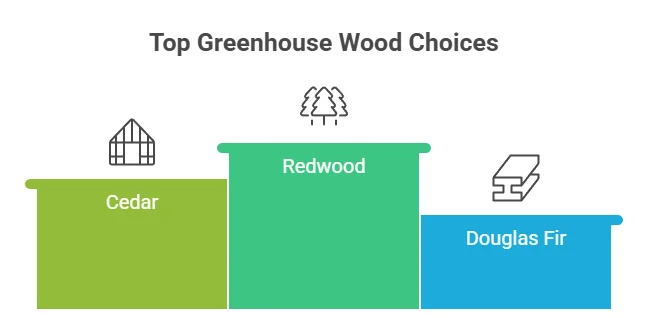
Different types of wood have unique properties that can affect the performance of your greenhouse. Here are some popular options to consider:
- Cedar: Known for its natural resistance to decay and insects, cedar is an excellent choice for greenhouse frames. Its lightweight nature makes it easy to work with, and it has a beautiful appearance that can enhance the look of your garden.
- Redwood: This wood is similar to cedar in terms of decay resistance. Redwood has a rich, warm color that can blend well with natural environments, making it visually appealing.
- Douglas Fir: An affordable and strong option, Douglas fir is commonly used in construction. While it may not resist decay as well as cedar or redwood, it can be treated with preservatives to extend its life.
- Pine: Often available at a lower cost, pine is a popular choice for budget-conscious builders. However, it’s important to use pressure-treated pine to protect against moisture and pests.
Weight and Strength
The weight and strength of the wood are vital for the stability of your greenhouse. You want a frame that can support the covering material, whether it’s plastic or glass, as well as any additional weight from shelves or plants. A few key points to remember include:
- Use sturdy wood like cedar or redwood for long-term projects.
- Ensure the wood dimensions meet local building codes for strength and stability.
Moisture Resistance
Greenhouses are often humid environments. Therefore, the wood you choose must be able to withstand moisture without warping or rotting. Select wood kinds that have natural resistance to moisture or invest in treatments to protect your wood. Consider the following:
- Cedar and redwood naturally repel moisture and pests.
- Pressure-treated wood helps prevent decay and ensures longevity.
Cost Considerations
When building a greenhouse, staying within budget is essential. Prices can vary widely among different types of wood. Here’s a rough guide to typical costs:
| Wood Type | Average Cost per Board Foot |
|---|---|
| Cedar | $4.00 – $6.00 |
| Redwood | $5.00 – $8.00 |
| Douglas Fir | $3.00 – $5.00 |
| Pine | $2.00 – $4.00 |
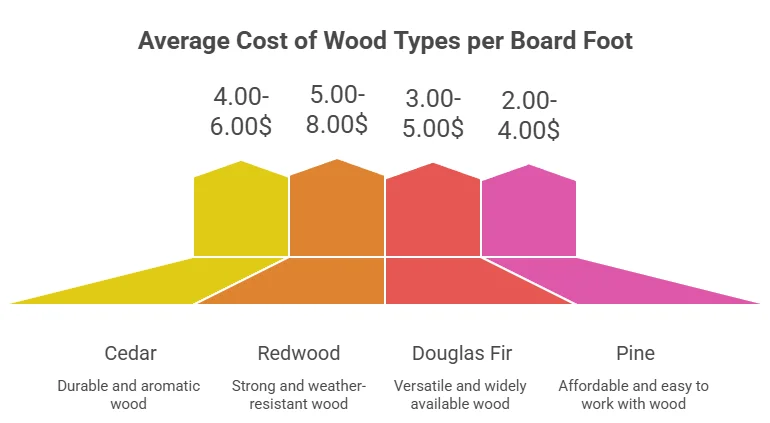
Choosing a more expensive wood can save you money in the long run due to its durability and lower maintenance requirements.
Environmental Impact
Consider the impact of your wood choices on the environment. Sustainable sources can reduce the overall carbon footprint of your greenhouse project. Look for woods certified by organizations like the Forest Stewardship Council (FSC) which ensures responsible forestry practices.
Essential Tools and Materials for Your Greenhouse Project
Building a greenhouse can be an exciting and rewarding project for any gardening enthusiast. However, having the right tools and materials is crucial for successfully constructing a durable and functional greenhouse. Let’s look at what you will need to take your greenhouse project from an idea to reality and master How to Build a Wooden Greenhouse Frame.
Essential Tools for Your Greenhouse Project
When embarking on your greenhouse project, having the right tools ensures a smoother build and enhances safety. Below is a list of the must-have tools:
- Measuring Tape: Accurate measurements are crucial, so a reliable measuring tape is a top priority.
- Level: A level ensures that your structure is perfectly balanced. This tool prevents water pooling and structural issues later on.
- Hammer: A sturdy hammer is necessary for driving in nails and assembling your frame.
- Drill: An electric drill helps in making pilot holes and securing screws quickly and efficiently.
- Screwdriver Set: A good set of screwdrivers will be useful for assembling various components of your greenhouse.
- Cutting Tools: A saw (hand saw or circular saw) will be needed to cut wood to the desired lengths.
- Pliers: Pliers are great for gripping and twisting wires or holding smaller items securely.
- Safety Gear: Don’t forget earmuffs, safety glasses, and gloves to protect yourself while working.
Materials Needed to Build Your Greenhouse Frame
| Material | Description |
|---|---|
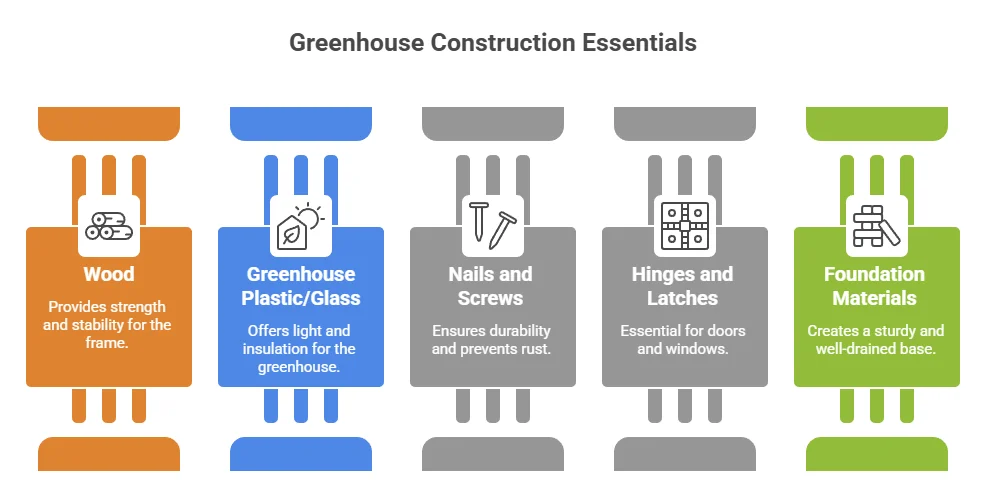
| Wood (2x4s or 2x6s) | Best for the frame, offering strength and stability. Choose rot-resistant woods like cedar or treated lumber. |
| Greenhouse Plastic or Glass | Use UV-resistant plastic or tempered glass to cover the frame, providing light and insulation. |
| Nails and Screws | Opt for galvanized nails and screws to prevent rust and ensure durability. |
| Hinges and Latches | Essential for doors and windows; choose durable metal to withstand outdoor conditions. |
| Foundation Materials | Consider concrete blocks or gravel for a sturdy base that offers excellent drainage. |
Where to Source Your Tools and Materials
Finding quality tools and materials is essential for your greenhouse project’s success. Here are a few reputable sources:
- Home Depot – A great place for tools, wood, and other building needs.
- Lowe’s – Offers a variety of construction materials and gardening supplies.
- Ace Hardware – A reliable source for small tools and hardware essentials.
- Greenhouse Megastore – Specializes in materials specifically for greenhouse projects.
Tips for Successful Assembly
Now that you have your tools and materials sorted, it’s time to consider how to effectively put everything together. Here are a few tips:
- Plan Thoroughly: Create a detailed plan before starting to ensure all aspects are covered.
- Work with a Partner: Having someone to help makes the construction process easier and more efficient.
- Follow Safety Guidelines: Always adhere to safety precautions when using tools and handling materials.
- Check Local Regulations: Ensure that you are complying with any building codes or regulations in your area regarding greenhouse construction.
Building a wooden greenhouse frame is an exciting venture for any gardener. With the right tools and materials, you will create a productive space to grow your plants beautifully. Happy building!
Step-by-Step Guide to Assembling Your Wooden Frame
Building a wooden greenhouse frame is a rewarding project that allows you to create a controlled environment for your plants. It provides the ideal conditions for growing vegetables, herbs, and flowers year-round. Follow this step-by-step guide on How to Build a Wooden Greenhouse Frame to assemble your structure successfully.
Gather Your Materials
Before you start, make sure you have all the necessary materials and tools. Here’s a list:
- Pressure-treated wood for the base and frame (2x4s or 2x6s)
- Wood screws (at least 3 inches long)
- Wood glue for extra stability
- Measuring tape
- Level
- Power drill
- Saw (circular saw or miter saw)
- Square for right angles
- Safety goggles and gloves
Design Your Greenhouse
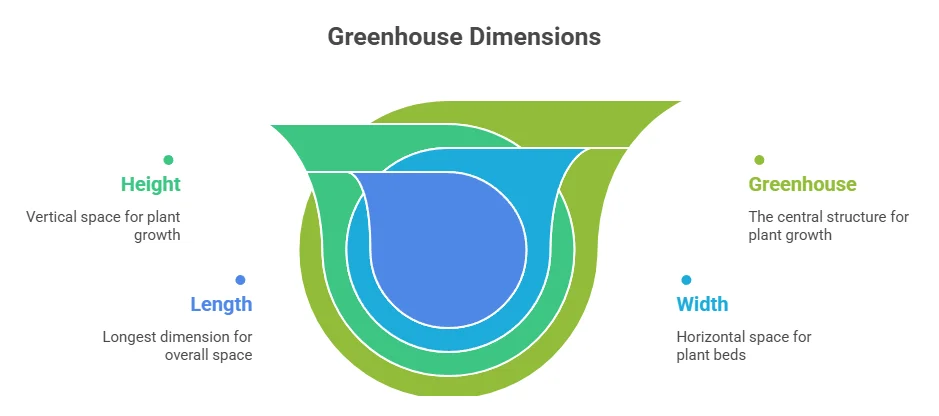
Designing your greenhouse frame begins with deciding on its size and shape. Common dimensions are:
| Dimension | Size |
|---|---|
| Length | 8-12 feet |
| Width | 6-8 feet |
| Height | 6-8 feet |
Think about where you want it placed; ensure it receives ample sunlight and has good drainage. You can use design software or paper sketches to visualize your project.
Construct the Base
Begin by building a sturdy base. Follow these steps:
- Measure and cut the wood according to your desired dimensions.
- Assemble the base by connecting the pieces at the corners using wood screws. Ensure it forms a perfect rectangle.
- Use the level to confirm that the base is even.
- Consider attaching diagonal braces to strengthen the base.
Building the Frame
Once the base is done, it’s time to build the frame. Here’s how:
- Cut vertical posts from the wood (length depending on the height of the greenhouse).
- Attach each vertical post to the corners of your base frame using screws.
- For extra support, add horizontal beams at the top between the vertical posts.
- Don’t forget to use a square to check for right angles as you go. This will ensure that your greenhouse is square and stable.
Adding the Roof
Your greenhouse needs a roof for protection. Here’s how to create it:
- Cut additional wood to create the rafters. A peak roof is a common design that allows for better water runoff.
- Attach the rafters to the top horizontal beams, ensuring they are symmetrical.
- Remember to reinforce the joints with screws and wood glue for stability.
Final Touches
After you’ve built the frame, here are final touches to consider:
- Sand down any sharp edges to avoid injuries.
- Apply a weatherproof sealant to protect the wood from moisture.
- Install greenhouse plastic or glass to cover the frame. This will provide the necessary light for your plants.
Resources for Further Assistance
To help you along the way, consider visiting these resources for more tips and ideas:
- Planet Natural – A great resource for eco-friendly gardening.
- HGTV – Offers inspiration and detailed guides for building a greenhouse.
Building a wooden greenhouse frame may seem challenging, but by following this step-by-step guide, you can create a perfect growing area for your plants. Enjoy the process and watch your garden flourish!
Maintenance Tips for Your Wooden Greenhouse Frame
Owning a wooden greenhouse frame can be a rewarding experience, allowing you to grow plants in a controlled environment. However, just like any structure, your greenhouse requires regular maintenance to ensure its longevity and efficiency. Here, we’ll explore effective maintenance tips for How to Build a Wooden Greenhouse Frame and keep it in top shape.
Regular Inspections
One of the best ways to maintain your wooden greenhouse frame is through regular inspections. Check the structure for any signs of wear, damage, or pests. Look for:
- Cracks or Splits: Examine the wood for any visible splits that may weaken the frame.
- Pest Infestation: Keep an eye out for wood-boring insects, especially termites.
- Mold or Mildew: Look for dark spots on the wood which may indicate fungal growth.
Addressing these issues early can prevent larger problems down the line.
Protecting the Wood
Wood is susceptible to damage from moisture and pests. To protect your wooden greenhouse frame:
- Seal the Wood: Apply a high-quality sealant or wood preservative to keep moisture out.
- Paint or Stain: Use exterior paint or stain specifically designed for outdoor wood to add a protective layer.
- Install a Vapor Barrier: Consider adding a vapor barrier around the base of the frame to reduce moisture exposure.
Cleaning and Maintenance
Cleaning your greenhouse frame regularly will help maintain its appearance and structural integrity. Here’s how to do it:
- Wash the Frame: Use mild soapy water to clean the wood. Avoid harsh chemicals that may damage the finish.
- Remove Debris: Clear away any leaves, dirt, or organic matter that may accumulate on the structure.
- Inspect the Foundation: Make sure the greenhouse is stable and that the foundation is intact. Settle for no sagging or shifting.
Adjusting the Structure
Over time, your wooden greenhouse frame may settle or shift. Here’s what to watch for:
- Realign Doors and Windows: Ensure that all doors and windows open and close properly. Adjust hinges as needed.
- Check the Roof: Make sure the roof panels are securely in place. Tighten any loose screws or bolts.
- Replace Damaged Panels: If you notice a damaged panel, replace it immediately to prevent further issues.
Seasonal Maintenance Checks
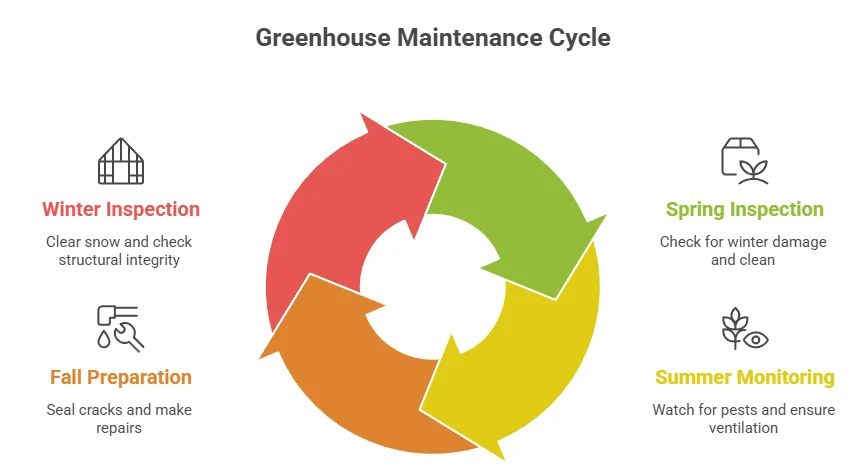
| Season | Maintenance Task |
|---|---|
| Spring | Inspect and repair any damage from winter. Clean the frame and windows. |
| Summer | Monitor the frame for pest issues. Ensure proper ventilation for your plants. |
| Fall | Prepare the greenhouse for winter. Seal cracks and check for any needed repairs. |
| Winter | Inspect for snow accumulation and its impact on the structure. Clear any heavy snow off the roof. |
Seeking Professional Help
If you find extensive damage or feel the maintenance is beyond your expertise, don’t hesitate to call in a professional. They can provide services like:
- Structural Repairs: Rectifying any major issues that could affect the safety of your greenhouse.
- Pest Control: Offering solutions for serious pest issues that DIY methods can’t handle.
- Custom Modifications: Setting up additional features like cooling systems or more robust siding.
By staying on top of these maintenance tasks, you can ensure that your wooden greenhouse frame remains functional and beautiful for years to come. For more tips and expert advice on greenhouse maintenance, visit Greenhouse Megastore or Gardener’s Supply Company.
Conclusion
Building a wooden greenhouse frame can be a rewarding project that enhances your gardening experience. By employing effective techniques and selecting the right wood, you establish a sturdy foundation for your greenhouse. Different wood types offer unique benefits, and understanding these can help you choose the perfect materials that suit your climate and aesthetic preferences. Equipping yourself with essential tools and materials ensures a smoother building process, allowing you to focus on the joy of construction rather than scrambling for supplies. Following the step-by-step guide to assembling your wooden frame simplifies the task and makes it accessible for everyone, from seasoned builders to novice gardeners. How to Build a Wooden Greenhouse Frame is a journey that culminates in a versatile and productive garden space.
Once your greenhouse frame is complete, remember that maintenance is key to its longevity. Regular checks for weathering, ensuring proper sealing, and making timely repairs will keep your greenhouse in excellent condition, ready to nurture plants year-round. Ultimately, your wooden greenhouse frame isn’t just a structure; it represents your commitment to gardening and sustainability. As you create this space, you foster an environment where plants can flourish, and your gardening dreams can come to life. Embrace the process, enjoy the journey, and take pride in building a wooden greenhouse frame that meets your needs and inspires your green thumb for years to come.