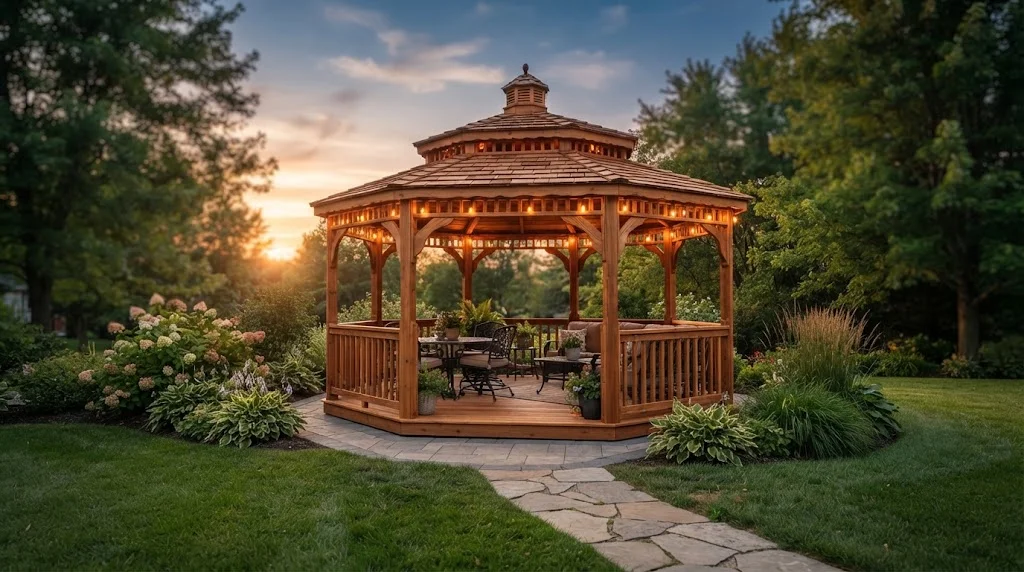
Building a Wooden Gazebo from Scratch can be a rewarding project that enhances your outdoor space. A gazebo provides a beautiful area for relaxation and entertaining. However, before you begin, it’s essential to understand the steps involved in the process.
Gather Necessary Materials
The first step in your gazebo-building journey is to gather all the materials you will need. Here’s a basic list:
- Pressure-treated lumber
- Rooftop materials (shingles or metal sheeting)
- Concrete for the post anchors
- Screws and nails
- Wood sealant or paint
- Tools: circular saw, drill, level, measuring tape
Design Your Gazebo
Once you have your materials, it’s time to design your gazebo. Consider these aspects:
- Size: How much space do you have? A standard size is around 10×10 feet.
- Style: Do you prefer a traditional or modern look?
- Function: Will it be used for dining, relaxing, or as a garden focal point?
Choose a Location
Picking the right location for your gazebo is crucial. Look for a level area with good drainage and some natural shade. Avoid spots near large trees that could drop leaves or branches.
Prepare the Foundation
A solid foundation will support your gazebo. You can choose between a concrete slab or using footings for the posts. If you choose footings, dig holes about 3 to 4 feet deep to ensure stability.
Construct the Frame
Start building the frame of your gazebo. Follow these steps:
- Install corner posts vertically to the ground.
- Attach horizontal framing at the top of the posts.
- Add further supports between the posts for extra strength.
Add the Roof
The roof adds charm and protects your gazebo. You can choose from many roofing materials, but wooden shingles or metal roofing are popular options.
Finish Your Gazebo
Once the structure is in place, it’s time for the finishing touches. Consider:
- Applying wood sealant or paint to protect against the elements.
- Adding built-in benches or decorative elements for more character.
- Installing lighting for evening gatherings.
Choosing the Right Wood: Best Materials for Your Gazebo

When building a wooden gazebo, the choice of materials is critical to its longevity, aesthetic appeal, and overall function. The right type of wood will not only enhance your outdoor space but also withstand the elements over time. Here are some top wood options you can consider for your gazebo project.
Pressure-Treated Lumber
Pressure-treated lumber is an excellent choice for the structural components of your gazebo. This type of wood undergoes treatment with preservatives to protect it from moisture, insects, and rot. It’s affordable and widely available at home improvement stores. However, here are some points to consider:
- Longevity: Pressure-treated wood can last for 15-25 years when properly maintained.
- Cost: Generally more affordable compared to other premium woods.
- Maintenance: Requires regular sealing and staining to maintain its appearance.
Cedar
Cedar is a popular choice for building outdoor structures due to its natural resistance to decay and insects. The wood has a wonderful aroma and an appealing natural color that can add charm to your gazebo. Consider the following characteristics:
- Durability: Cedar can last for decades when cared for properly.
- Weight: It is lightweight, making it easier to work with.
- Aesthetic Appeal: Cedar’s rich color and grain enhance the beauty of any outdoor project.
Redwood
Redwood is another excellent option for gazebo construction. Known for its stunning colors and wonderful grain patterns, redwood has some ideal qualities:
- Resistance to Weather: Naturally resistant to decay and insects.
- Long Lifespan: Under proper care, redwood can last 25-30 years.
- Low Maintenance: Requires less upkeep compared to some other woods.
Tropical Hardwoods
If you’re looking for something more exotic, tropical hardwoods like teak and mahogany offer both beauty and durability. They are often used in high-end outdoor furniture and structures due to their unique features:
- Strength: Very strong and durable, capable of withstanding harsh weather.
- Color Variation: Offers beautiful colors that can enhance any project.
- Investment: More expensive than other woods but lasts a lifetime.
Composite Wood
Composite wood is a blend of wood fibers and recycled plastic. Although not traditionally “wood,” it is worth considering for your gazebo. Here’s why:
- Low Maintenance: Requires minimal upkeep compared to real wood, as it does not need painting or staining.
- Durability: Resistant to rot, insects, and UV rays.
- Eco-Friendly: Made from recycled materials, making it a sustainable choice.
Factors to Consider When Choosing Wood
While selecting the right wood for your gazebo, consider the following factors:
- Climate: Think about your local weather conditions and choose wood that can withstand it.
- Budget: Some woods can be quite pricey. Maintain a balance between quality and cost.
- Style: Ensure the wood you choose complements the overall aesthetic of your home or garden.
As you explore your options, remember that the wood used in your gazebo can impact both its durability and visual appeal. For more information on materials and building techniques, you can check out resources like Family Handyman or Wood Magazine.
Ultimately, the best wood for your gazebo will depend on your specific needs, style preferences, and budget. By making an informed choice, you can create a beautiful outdoor space that you can enjoy for years to come.
Design Inspirations for Your Custom Wooden Gazebo
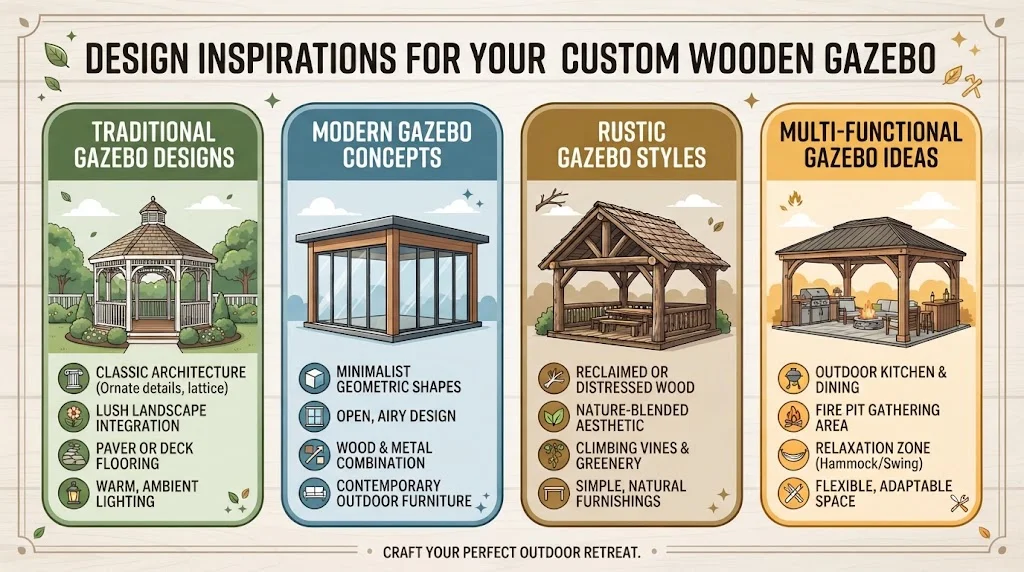
Designing a custom wooden gazebo can transform your backyard into a serene retreat. With countless styles, materials, and layouts to choose from, the possibilities are endless. Let’s explore some design inspirations that can guide you in bringing your dream gazebo to life.
Traditional Gazebo Designs
If you love classic aesthetics, a traditional gazebo may be your ideal choice. These structures often feature a rounded or octagonal shape, elegant railings, and a peaked roof. Here are some key elements you may consider:
- Wood Types: Cedar and redwood are excellent for longevity and natural resistance to decay.
- Roof Design: Gable roofs provide a striking silhouette, while hip roofs offer a more symmetrical appearance.
- Flooring Options: Wooden decking or brick paving can enhance the visual appeal.
Modern Gazebo Concepts
For a sleek and contemporary look, embrace modern gazebo designs that incorporate clean lines and minimalistic elements. Here’s what you could explore:
- Geometric Shapes: Rectangular or square structures draw attention and fit well in contemporary landscapes.
- Open Designs: Large glass panels can be used instead of solid walls to create an airy feel.
- Mixed Materials: Combine wooden beams with metal frames for a chic look.
Rustic Gazebo Styles
If you are fond of a more natural look, rustic designs can bring charm to your outdoor space. Consider these features:
- Reclaimed Wood: Using reclaimed or distressed wood adds character and old-world charm.
- Nature Integration: Incorporate vines, climbing plants, and wooden accents for a harmonious blend with the environment.
- Simple Roofs: A thatched or corrugated roof can enhance the rustic beauty.
Multi-Functional Gazebo Ideas
Looking for more than just a place to sit and relax? A multi-functional gazebo can serve various purposes. Here’s how you can make the most of your space:
- Outdoor Kitchen: Adding a grill or cooking area can transform your gazebo into an outdoor dining venue.
- Fire Pit Area: Install a fire pit in the center for cozy gatherings on cool nights.
- Relaxation Zone: Incorporate a hammock or comfortable seating to create a serene escape.
Lighting for Your Gazebo
Proper lighting can enhance the ambiance of your gazebo. Here are some lighting options to consider:
- String Lights: Hang fairy lights for a magical touch.
- Solar Lanterns: Eco-friendly options add charm while saving energy.
- Chandeliers: A statement chandelier can serve as a focal point.
Adding Personal Touches
Customizing your gazebo with personal touches can make it truly unique. Think about these elements:
- Color Palette: Choose colors that harmonize with your home and landscape.
- Furniture Selection: Opt for durable outdoor furniture that matches your style.
- Decorative Accents: Consider outdoor rugs, cushions, and artwork to enhance comfort and style.
When planning your gazebo, consider your personal preferences and how you envision using the space. Inspiration can strike from many sources, such as looking at designs showcased on websites like Houzz or Better Homes & Gardens. Each feature you choose can reflect your personality and provide joy for years to come.
By weaving various styles together, you can create your ideal gazebo. Whether you choose a traditional, modern, or rustic design, remember that the goal is to create a functional yet beautiful space to gather with family and friends.
Tools and Equipment Needed for Gazebo Construction
Building a wooden gazebo can be a rewarding project that enhances your outdoor space. To ensure your construction goes smoothly, having the right tools and equipment is essential. Whether you’re an experienced builder or a novice DIY-er, here is a comprehensive list to help you get started on your gazebo project.
Basic Tools
Start with these essential tools. They will help you with measuring, cutting, and assembling the wooden structure.
- Measuring Tape: A 25-foot measuring tape is ideal for taking accurate measurements of your gazebo.
- Level: A level is crucial for ensuring that your structure is even and stable, especially when laying the foundation and positioning the posts.
- Square: A framing square helps you achieve perfect right angles when constructing your gazebo frame.
- Hammer: A standard hammer is useful for driving nails into the wood.
- Screwdriver: A power screwdriver will save you time and effort when assembling various components of the gazebo.
Power Tools
In addition to basic hand tools, power tools can greatly enhance your efficiency and accuracy.
- Circular Saw: This tool is key for making straight cuts on larger pieces of wood with ease and precision.
- Drill: A cordless drill is necessary for drilling holes and securing screws effortlessly.
- Jigsaw: Essential for cutting curves or designs into the wood, providing you with versatility in your gazebo’s aesthetics.
- Miter Saw: This saw will give you accurate crosscuts and miters which are essential for the gazebo’s frame.
- Table Saw: If you’re dealing with larger panels of wood, a table saw will help you rip them down to needed dimensions.
Materials
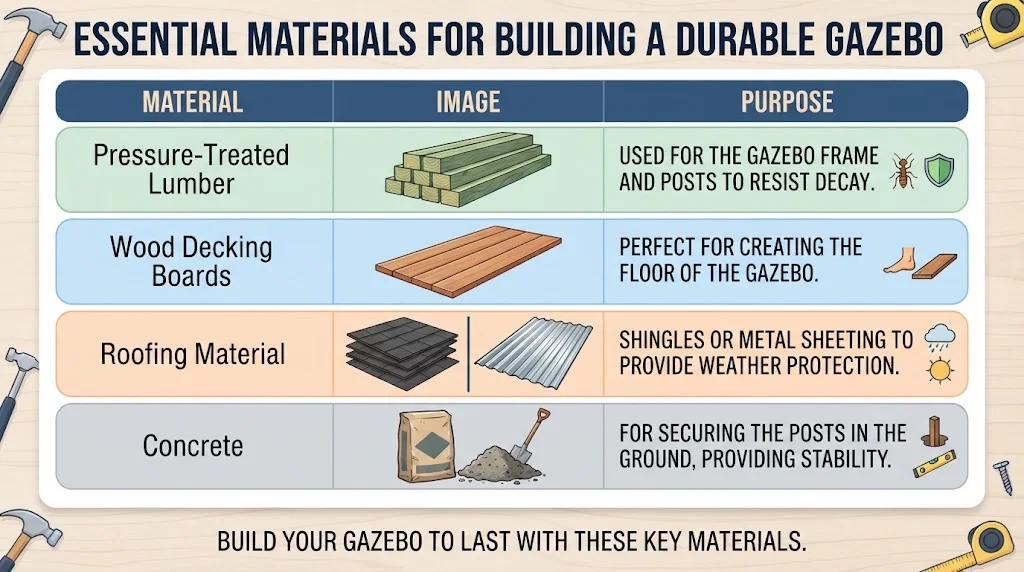
Choosing the right materials is key to building a durable gazebo. Here’s a list of materials you will need:
| Material | Purpose |
|---|---|
| Pressure-Treated Lumber | Used for the gazebo frame and posts to resist decay. |
| Wood Decking Boards | Perfect for creating the floor of the gazebo. |
| Roofing Material | Shingles or metal sheeting to provide weather protection. |
| Concrete | For securing the posts in the ground, providing stability. |
Safety Equipment
Safety should always be a priority when doing construction work. Don’t forget to equip yourself with protective gear:
- Safety Glasses: Protect your eyes from wood chips and dust.
- Hearing Protection: Wear earplugs or earmuffs to reduce noise exposure when using power tools.
- Gloves: A good pair of work gloves will protect your hands from splinters and cuts.
- Dust Mask: Reduces inhalation of dust, especially when cutting wood.
Additional Optional Tools
Consider these optional tools to further ease your construction process:
- Post Hole Digger: If your gazebo includes posts, a post hole digger will help you make clean holes in the ground.
- Ladder: For reaching higher areas, especially if your design has a pitched roof.
- Clamps: Useful for holding pieces in place while you are fastening them together.
Maintenance Tips to Keep Your Wooden Gazebo Looking Great
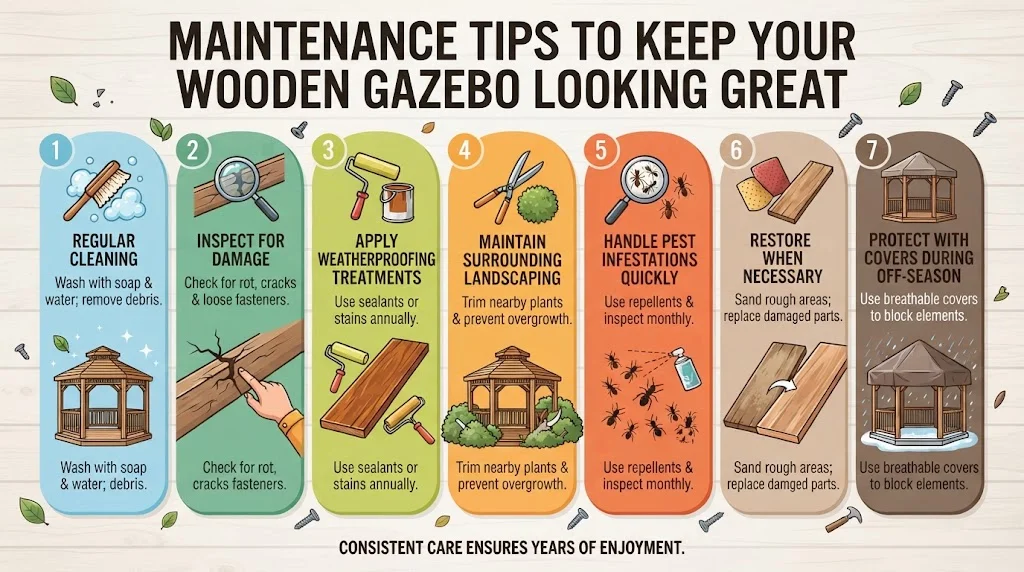
Having a wooden gazebo in your backyard is a wonderful addition, offering a perfect spot for relaxation and outdoor entertaining. But just like any wooden structure, it requires proper maintenance to keep it looking great throughout the years. Here are essential tips to ensure your gazebo remains in top condition.
Regular Cleaning
One of the first steps to maintaining your wooden gazebo is regular cleaning. Over time, dirt, pollen, and other debris can accumulate, leading to a dull appearance.
- Wash with Soap and Water: Use a mixture of mild soap and warm water. A soft-bristle brush is perfect for scrubbing surfaces without causing damage.
- Rinse Thoroughly: After scrubbing, ensure to rinse the gazebo thoroughly with a hose to remove all soap residue.
Inspect for Damage
Regular inspections are crucial to catch any problems early. Look for signs of wear and tear such as:
- Rot: Check the wooden posts and beams for any soft spots that may indicate rot.
- Cracks: Look for any visible cracks that may compromise the structure’s stability.
- Loose Fasteners: Make sure bolts and screws are tight, as they can become loose over time due to expansion and contraction.
Apply Weatherproofing Treatments
Weather can greatly affect the look and longevity of your gazebo. It’s vital to apply weatherproofing treatments at least once a year. Here are some options:
- Sealants: Use a high-quality sealant to protect the wood from water damage. Look for options that contain UV blockers to prevent sun damage as well.
- Stains: Choose a stain that adds color while also offering protection against moisture and UV rays. Transparent stains can enhance the natural beauty of the wood.
Be sure to follow the manufacturer’s instructions for best results.
Maintain Surrounding Landscaping
The landscape surrounding your gazebo can impact its maintenance. Follow these guidelines:
- Avoid Plant Overgrowth: Make sure bushes or trees do not grow too close to the gazebo, as they can retain moisture against the wood.
- Trim Nearby Plants: Regularly trim nearby plants to keep the space looking tidy and prevent damage to the gazebo.
Handle Pest Infestations Quickly
Pests, such as termites and ants, can wreak havoc on your wooden gazebo. To prevent infestations:
- Use Insect Repellents: Apply natural insect repellents regularly to deter pests.
- Inspect Monthly: Make a habit of inspecting your gazebo for any signs of pest activity.
Restore When Necessary
Even with diligent maintenance, you may need to restore parts of your gazebo after years of wear. Follow these steps:
- Sanding: Lightly sand any rough areas to smooth the surface before applying new stain or sealant.
- Replace Damaged Parts: Replace any severely damaged boards or structural components to ensure the integrity of your gazebo.
Protect with Covers During Off-Season
If you don’t use your gazebo during certain times of the year, consider protecting it with covers. Signs of wear can increase without any protection from the elements.
- Choose Breathable Covers: Use covers that allow moisture to escape while protecting against wind, snow, and rain.
- Remove Snow Build-Up: If you live in a snowy area, gently remove snow from the roof after storms to prevent sagging.
By following these tips, you can keep your wooden gazebo looking great and enjoying it for years to come. For more information, you may visit Wood Magazine and Better Homes & Gardens for additional design suggestions and maintenance advice.
Conclusion
Building a Wooden Gazebo from Scratch is a rewarding project that enhances your outdoor living space. By following the essential steps, you can create a structure that reflects your personal style and meets your family’s needs. Choosing the right wood is crucial; using durable materials like cedar or redwood ensures longevity and beauty. Don’t forget to get inspired – whether you prefer a rustic look or a modern design, there are countless ideas to explore.
Equipping yourself with the right tools and equipment will make the construction process smoother and more efficient. Make sure you have everything you need from saws to drills, as having the proper gear will save you time and frustration.
Once your gazebo is complete, think about maintenance to keep it looking its best. Regular cleaning, sealing, and stain application will help protect the wood from the elements and extend its life.
As you embark on this project, remember that each step brings you closer to a charming space where you can relax, entertain, or enjoy nature. Your DIY gazebo will not only provide a practical retreat but also serve as a focal point in your yard, adding value and beauty to your property. Embrace the journey of creation, and soon you’ll be able to sit back and enjoy the lovely atmosphere of your handcrafted gazebo.