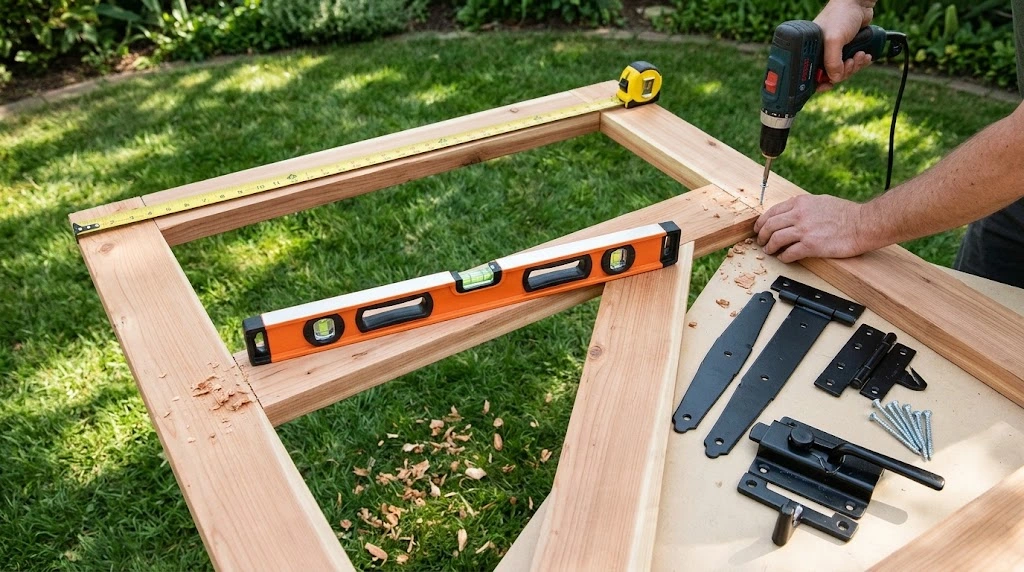
Building a Wooden Gate for Fence for your fence can be a rewarding project that enhances both functionality and aesthetics. With the right tools and materials, the process can be straightforward and fulfilling. Follow this step-by-step guide to create a sturdy wooden gate that complements your fence and secures your yard.
Gather Your Materials
Before you start, ensure you have all the necessary materials:
- Pressure-treated lumber (2x4s or 1x6s for the frame)
- Wood for the gate panels (choose your preferred style, e.g., tongue and groove)
- Wood screws or nails
- Hinges and latch
- Wood stain or paint (optional)
- Tools: saw, drill, level, measuring tape, and screwdriver
Measure Your Gate Opening
Accurately measuring your gate opening is crucial for ensuring a proper fit.
- Measure the width of the gate opening at the top and bottom.
- Decide on the height of the gate. A standard height is around 4 to 6 feet.
- Record these dimensions, as they will guide your cuts.
Cut the Frame and Panels
Use your measurements to cut the wood. Here’s how:
- For the frame, cut two vertical sides equal to the height of your gate.
- Cut two horizontal pieces for the top and bottom.
- If you’re using panels, cut them to the width between the verticals and the height you desire.
Assemble the Frame
Once you have the pieces cut, it’s time to assemble the frame:
- Lay the two vertical pieces parallel to each other.
- Attach the horizontal pieces at the top and bottom using wood screws or nails.
- Use a square to ensure the corners are 90 degrees.
- Check that the frame is level.
Add the Gate Panels
Now, it’s time to add the panels to your frame:
- Space the panels evenly across the frame.
- Secure them in place with screws or nails.
- Leave a small gap between the bottom of the panels and the ground for expansion.
Install the Hinges and Latch
After the panels are attached, you can install the hinges and latch:
- Choose which side you want the gate to swing. Mark your hinge placement on the vertical frame.
- Attach the hinges to the frame and the fence post. Make sure the gate swings freely.
- Install the latch on the opposite side of the hinges, ensuring it aligns with the post for secure closure.
Finishing Touches
To protect the wood and enhance appearance:
- Sand any rough edges to prevent splinters.
- Apply wood stain or paint, if desired, to match your fence.
Maintenance Tips
For lasting durability, consider the following maintenance practices:
- Check the hinges for rust regularly and lubricate as needed.
- Inspect for any loose screws or nails and tighten them.
- Reapply stain or paint every few years to protect against weather damage.
Essential Tools and Materials Needed for Gate Construction
Building a Wooden Gate for Fence for your fence can enhance your outdoor space. To achieve this, you’ll need specific tools and materials that make the construction process easier and more efficient. Here’s a breakdown of what you’ll need to successfully create a wooden gate.
Essential Tools
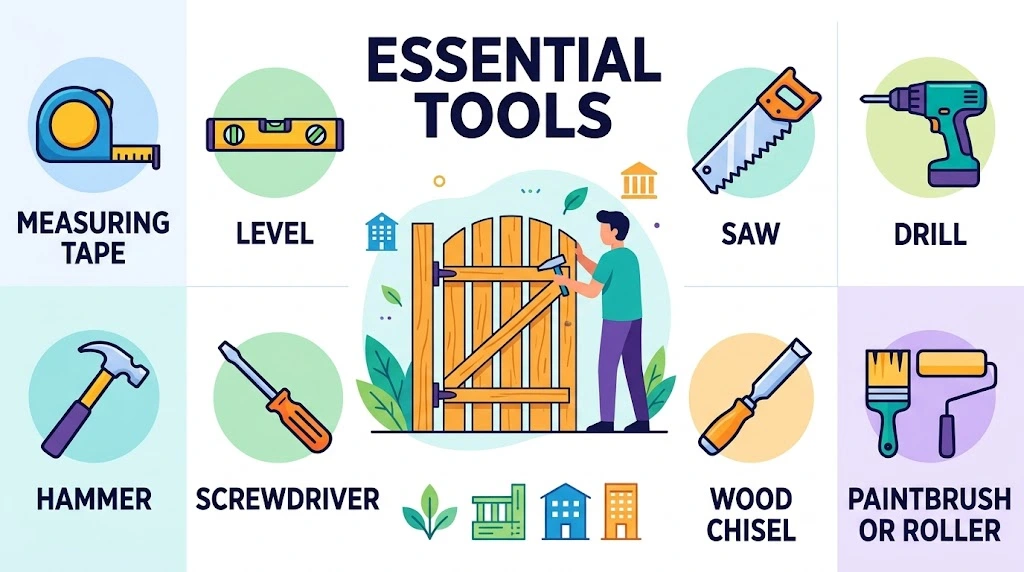
When constructing your wooden gate, having the right tools at your disposal is crucial. Below is a list of essential tools that you will need:
- Measuring Tape: This is used for measuring the dimensions of your gate accurately. A minimum of 25 feet length is advisable to accommodate larger gate sizes.
- Level: To ensure that your gate is perfectly horizontal or vertical, a level is indispensable. This tool helps in achieving proper alignment.
- Saw: Depending on your preference, a circular saw or miter saw is ideal for cutting the wood pieces to the desired size. Make sure to use a fine-tooth blade for a clean cut.
- Drill: An electric drill is perfect for making pilot holes for screws and for driving screws into the wood.
- Hammer: A hammer is useful for driving in nails and for general adjustments during the construction process.
- Screwdriver: A power screwdriver can speed up the assembly process, especially if you are using numerous screws.
- Wood Chisel: This tool can help refine cuts and create notches if you’re using advanced lap or mortise joints.
- Paintbrush or Roller: If you choose to apply a stain or sealant, a good quality brush or roller is a must.
Materials Required
The materials you choose for your gate can significantly affect its durability and appearance. Here’s what you’ll need:
- Wood: Select high-quality, treated, or rot-resistant wood such as cedar or redwood for longevity. Depending on your gate design, the quantity will vary.
- Gate Hinges: Heavy-duty hinges are essential for the proper functioning of the gate. Consider using self-closing hinges for added convenience.
- Gate Latch: Choose a latch that fits the aesthetic of your gate while ensuring security. Options include slide bolts, spring latches, or magnetic latches.
- Screws and Nails: Galvanized or stainless-steel screws and nails will resist rust and improve the durability of your gate.
- Wood Stain or Paint: If you want to add color or protection to your gate, select appropriate outdoor wood stain or paint that complements your home.
Optional Items
Depending on your specific design and needs, you might also consider the following optional materials:
- Cross Bracing: Adding diagonal bracing can help strengthen the gate, especially for larger designs.
- Decorative Elements: Consider adding finials, decorative hinges, or lattice work for aesthetic appeal.
- Stain Sealant: To further protect your gate from the elements, consider applying a sealing product after your stain has dried.
Understanding Costs
Estimating the costs for your Wooden Gate for Fence project can keep you within budget. Here’s a rough breakdown of potential expenses:
| Item | Estimated Cost (USD) |
|---|---|
| Wood (per linear foot) | $2 – $6 |
| Hinges (per pair) | $10 – $30 |
| Gate Latch | $5 – $25 |
| Screws/Nails (per box) | $5 – $15 |
| Stain/Paint | $15 – $30 |
| Miscellaneous (tools, etc.) | $50 – $150 |
Once you gather these tools and materials, you’re ready to begin building your wooden gate. Investing time in planning and preparation is crucial for a successful project. To find inspiration or guidelines, you can visit resources such as Family Handyman or Home Depot. These sites provide detailed instructions and tips that can help steer your project in the right direction.
Common Mistakes to Avoid When Building Wooden Gates
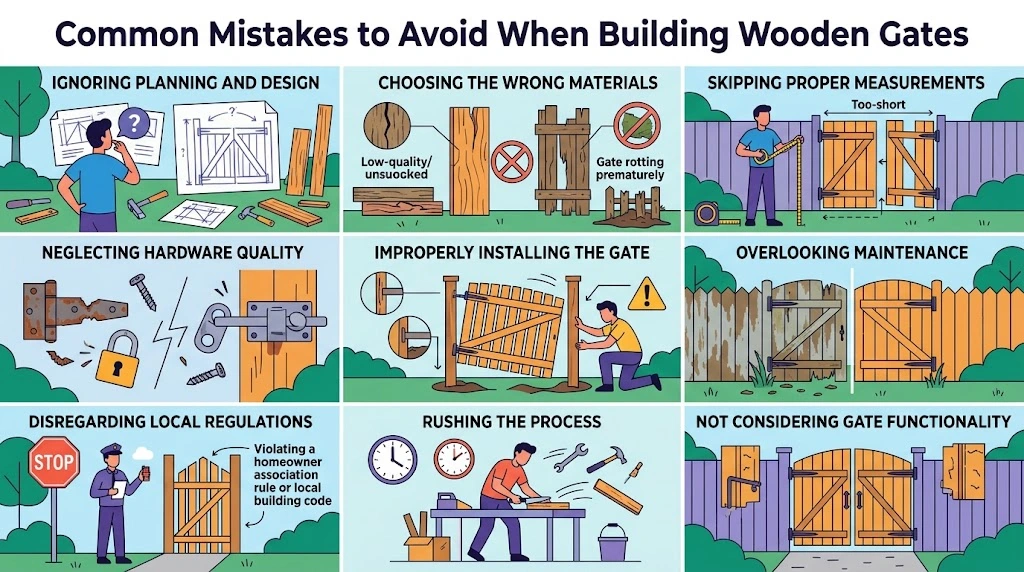
Building a Wooden Gate for Fence for your fence can enhance your property’s functionality and aesthetic appeal, but there are common mistakes that can lead to issues down the line. Here are some pitfalls to avoid when embarking on your gate-building journey.
Ignoring Planning and Design
Before you start building, it’s critical to have a solid plan. Many people jump into construction without sketching out a design. This can lead to oversights, such as incorrect measurements, improper materials, or a mismatch in style. Take the time to measure your space accurately and consider the overall design of your fence to complement your home.
Choosing the Wrong Materials
Not all wood is equal. When selecting materials for your wooden gate, make sure to choose durable wood that can withstand the elements. Pressure-treated lumber or cedar are good choices as they resist warping and decay. Avoid using untreated wood, as it may rot easily and frequent replacements. Always check the source of your wood from reliable suppliers, such as Wood Magazine.
Skipping Proper Measurements
One of the most common mistakes when building a wooden gate is failing to take accurate measurements. Here are some key points to measure:
- Height of the fence
- Width of the opening
- Height from the ground to the top of the gate
Ensure you measure twice to avoid costly errors. If your gate does not fit properly, you might need to redo your work, wasting time and materials.
Neglecting Hardware Quality
The hardware you use for your gate is just as important as the wood. Using cheap hinges or latches can result in a gate that doesn’t function well over time. Invest in high-quality hardware that will bear the weight of the gate and withstand daily use. Look into brands such as Bernzomatic for reliable options.
Improperly Installing the Gate
When it comes to installing the gate, alignment is key. A common error is failing to ensure that the gate hangs straight. This not only affects the function but also the overall appearance. Use a level to ensure that the gate is level during installation and consider using temporary supports (like a prop) to hold the gate in place while securing it.
Overlooking Maintenance
Once your gate is built, maintenance shouldn’t be an afterthought. Many neglect to treat their wooden gates with protective coatings or stains. These protect your wood from weather damage and prolong the life of your gate. Plan for regular inspections and maintenance every few months to look for signs of wear or damage.
Disregarding Local Regulations
Before building, check for local building codes or homeowner association rules regarding fence and gate construction. Some areas have specific regulations on height, style, or materials. Ignoring these can lead to disputes or the need to redo work later. Consult your local government or HOA for guidance.
Rushing the Process
Building a gate might seem straightforward, but rushing can lead to mistakes. Take your time to ensure each step is completed correctly. Rushed decisions can lead to poor craftsmanship and safety issues. Use a checklist throughout the process to maintain your focus and quality.
Not Considering Gate Functionality
What purpose will your gate serve? Is it primarily for security, or does it need to allow easy access to your garden? Failing to consider functionality could result in a gate that’s not practical for your needs. For example, if you need frequent access, consider a gate that swings open rather than one that slides.
Maintenance Tips for Ensuring Your Wooden Gate Lasts
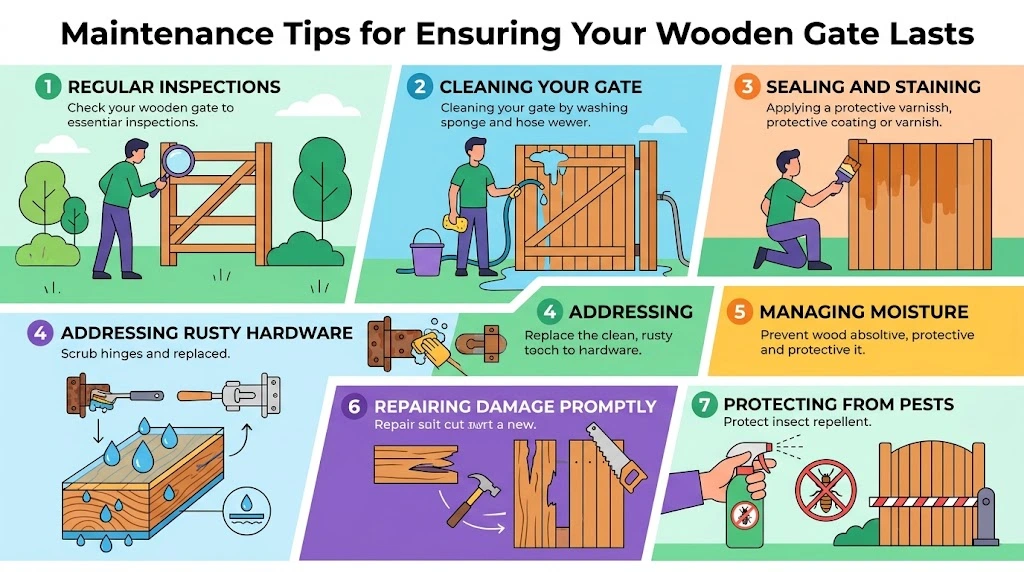
Wooden gates are a wonderful addition to your property, offering both aesthetics and functionality. However, without proper maintenance, their lifespan can be shortened. This guide will equip you with essential maintenance tips, ensuring that your wooden gate remains sturdy and beautiful for years to come.
Regular Inspections
Conducting regular inspections is crucial in identifying signs of damage or wear before they escalate. Look for:
- Cracks in the wood
- Rusty or damaged hinges
- Loose screws or fittings
- Signs of rot or decay
Check these areas at least once a month, paying extra attention after severe weather changes.
Cleaning Your Gate
Keeping your wooden gate clean is essential to maintain its condition. Dirt, moisture, and debris can lead to rot and mildew. Follow these cleaning tips:
- Use a soft brush to remove dirt and dust.
- For tougher stains, mix a solution of mild soap and water.
- Rinse thoroughly with a garden hose to remove soap residue.
- Avoid using a pressure washer; it can damage the wood fibers.
Make cleaning your wooden gate part of your seasonal maintenance routine for the best results.
Sealing and Staining
Applying a sealant or stain can protect your gate from weather exposure and extend its life. Here’s how to do it:
- Choose a high-quality wood sealer or stain suitable for outdoor use.
- Before application, ensure the gate is dry and free from dirt.
- Apply the sealer with a brush or sprayer, following the manufacturer’s instructions.
- Reapply every 1-3 years depending on your local weather conditions.
Sealing not only protects against moisture but also enhances the gate’s natural look.
Addressing Rusty Hardware
Rust can compromise the function and aesthetics of your wooden gate. To maintain the hardware:
- Inspect hinges, latches, and screws for rust regularly.
- Clean rusted areas using a wire brush and apply rust-resistant paint to protect against future corrosion.
- Consider replacing severely rusted components with stainless steel or galvanized hardware for better durability.
Investing in good quality hardware can save you from frequent replacements.
Managing Moisture
Excess moisture can lead to wood rot and fungus. To manage moisture effectively:
- Ensure proper drainage around the gate to avoid standing water.
- Consider using a moisture barrier in the ground where the gate post is installed.
- Prune any nearby vegetation that may trap moisture against the gate.
These simple actions can significantly reduce the risk of moisture-related damage.
Repairing Damage Promptly
Don’t ignore minor repairs; address them immediately to prevent bigger issues.
- For small cracks, use wood filler and sand it smooth.
- Replace any boards or panels showing significant damage.
- Use weather-resistant wood glue for minor repairs on joints.
Taking prompt action ensures your gate remains safe and functional.
Protecting From Pests
Pests like termites can pose a severe threat to wooden gates. Here are some preventive measures:
- Use a pest-resistant wood treatment.
- Inspect for signs of pests regularly, especially in summer.
- Keep mulch or soil away from the base of the gate to discourage nesting.
Implementing these steps will help keep your gate free from invasive pests that could cause costly damage.
With proper maintenance, your wooden gate can last a long time and look great while doing so. For more information on wooden gate care and maintenance, check Wood Magazine or Home Depot for helpful resources and products.
Design Ideas for Customized Wooden Gates to Enhance Your Fence
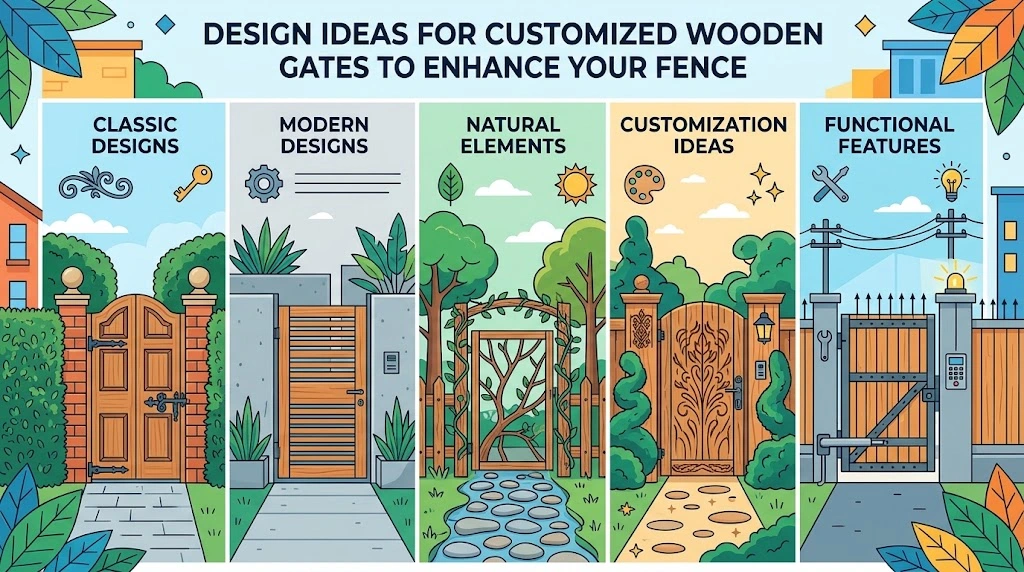
Creating a customized Wooden Gate for Fence can significantly enhance the appearance of your fence and improve the overall aesthetics of your yard. There are numerous design ideas to consider, each suited to different tastes and styles. Whether you’re looking for rustic charm or modern elegance, a custom wooden gate can elevate your outdoor space.
Classic Designs
Classic designs often feature straight lines and symmetrical shapes. These gates can be easily adapted to suit various styles of fencing.
- Post-and-Rail Gate: This traditional gate style consists of vertical posts with rails running across. It’s perfect for farmhouses or country homes.
- Arched Top Gate: An arched design provides a soft, inviting look. It works beautifully with gardens and backyard settings.
- Picket Gate: A picket gate with pointed tops adds a quaint touch, making it ideal for white picket fences.
Modern Designs
If you prefer contemporary styles, consider a sleek and minimalist approach. Modern wooden gates often utilize bold shapes and clean lines.
- Sliding Gate: Ideal for limited space, a sliding gate brings sophistication and ease of access. It’s perfect for driveways and wider entries.
- Vertical Slat Gate: With vertical slats spaced evenly apart, this design gives a modern flair while still maintaining security.
- Panel Gate: A solid panel gate can offer full privacy while keeping the look edgy and sleek.
Natural Elements
Add unique features to your wooden gate by incorporating elements from nature. This can enhance the organic look of your home and yard.
- Wooden Accents: Consider integrating branches or carved wooden flowers to your gate design. These can serve as decorative touches.
- Stonework: Pairing wood with stone columns creates a stunning entrance, melding natural textures and emphasizing craftsmanship.
- Vines and Climbing Plants: Allow climbing plants to grow along the gate. It can transform a simple design into a living feature.
Customization Ideas
Personalizing your wooden gate to reflect your style is key. Here are some ways to customize:
- Color Choices: Paint or stain your gate to complement your home’s exterior. Dark stains give a rich look, while light colors can keep it fresh.
- Add Hardware: Unique hinges, doorknobs, or latches can add flair. Consider ornamental metalwork for added visual interest.
- Engravings: Consider adding personalized engravings or carvings. These can be your family name or meaningful symbols.
Functional Features
An attractive gate is not just about looks; functionality is essential too. Think about these features:
- Automatic Opening System: With remote controls and sensors, you can easily access your yard without getting out of your vehicle.
- Security Locks: Ensure safety with a heavy-duty lock. You may want to consider smart locks for convenience.
- Self-Closing Hinges: This feature is especially useful for keeping pets contained. It ensures the gate always closes behind you.
| Design Style | Characteristics | Best For |
|---|---|---|
| Classic | Symmetrical shapes, traditional materials | Country homes, gardens |
| Modern | Sleek lines, minimalistic approach | Urban homes, contemporary settings |
| Natural | Incorporates natural elements | Eco-friendly designs, rustic areas |
Creating a customized wooden gate allows for excellent expression of personal style while enhancing your fence’s appearance. The options are nearly limitless, ranging from design style to functional features. When executing these ideas, keep in mind your home’s architecture and landscape to maintain harmony.
For more inspiration, visit Houzz to explore various designs and find local professionals who can help bring your vision to life. You can also check out Better Homes & Gardens for more ideas on stunning gate designs.
Conclusion
Building a Wooden Gate for Fence for your fence is a rewarding project that not only enhances your property’s curb appeal but also adds functionality. By following the step-by-step guide, you can approach the construction process with confidence, knowing you have a clear roadmap to success. Remember, having the right tools and materials on hand sets the foundation for a durable gate. Investing in quality wood and proper hardware will pay off in the long run.
As you move forward with your project, keep in mind the common mistakes to avoid, such as miscalculating measurements or neglecting protective finishes. By steering clear of these pitfalls, you’ll save time and resources, resulting in a project that you can be proud of.
Once your gate is built, ongoing maintenance is key to ensuring its longevity. Regularly check for signs of wear and apply finishes as needed to protect against the elements. Embracing proper care will keep your gate looking great for years to come.
Don’t hesitate to explore design ideas that reflect your personal taste and enhance the aesthetic of your fence. Whether you prefer a rustic charm or a sleek, modern look, customizing your How To Build a Wooden Gate for Fence can elevate your entire outdoor space. With dedication and creativity, your wooden gate will not only serve as a practical entryway but will also be a beautiful statement piece of your home. Happy building!