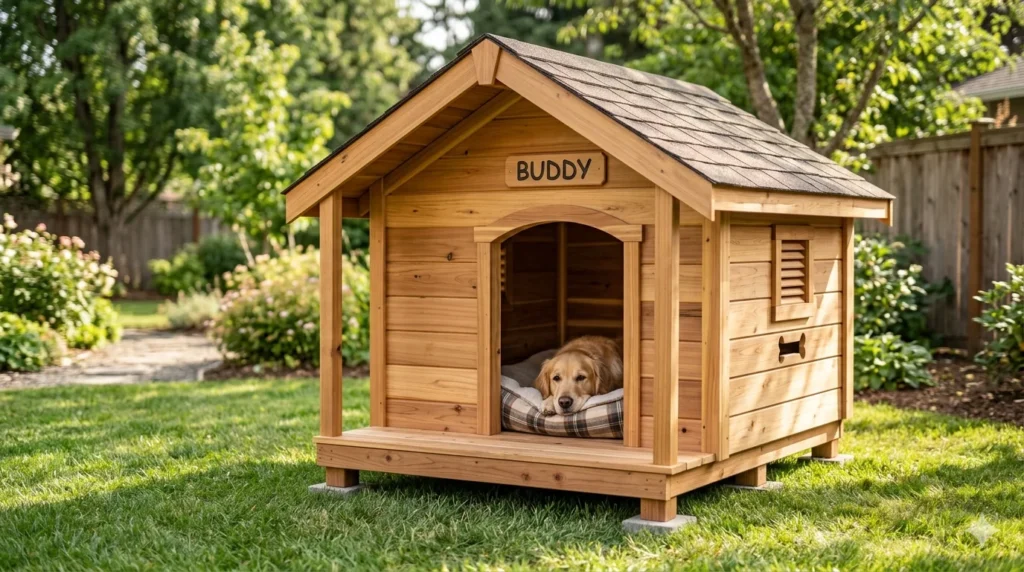
Building a wooden dog house is an excellent way to provide your furry friend with a cozy and secure space. Not only does it protect your dog from weather elements, but it also gives them a sense of belonging. Follow this step-by-step guide to create a comfortable home for your canine companion.
Choosing the Right Materials
Before you start building, gather the necessary materials. You will need:
- ¾ inch plywood or treated lumber for the walls
- 1×6 inch boards for the roof
- Wood screws or nails
- Wood glue
- Waterproof paint or wood sealant
- Insulation material (optional)
Using treated wood is essential for durability. Make sure the materials are safe for dogs, avoiding any toxic substances.
Measure and Cut the Wood
Start by measuring your dog. A comfortable dog house should allow your pet to stand up and turn around easily. A good rule of thumb is to measure your dog’s height and add about 3-4 inches for the height of the door. The width should be about 25% larger than your dog’s shoulder width.
Next, cut the wood based on these measurements:
- Two pieces for the side walls
- One piece for the back wall
- One piece for the front wall (cut the door opening as per your measurements)
- One piece for the floor
- Two pieces for the roof
Assemble the Walls
Begin assembling the four walls. Attach the floor to the back wall using screws or nails. Make sure it is square. Next, attach the side walls to the back wall and the floor, followed by the front wall.
For a sturdier dog house, consider adding wood glue between joints. This will enhance the stability of the structure.
Create the Roof
The roof is essential for protecting your dog from rain and snow. Cut two roof panels that create a sloped design to allow water to run off easily. Attach these to the walls securely; you can use hinges if you plan to create a lid for easy cleaning.
Treat the roof with waterproof paint or sealant to ensure it withstands harsh weather conditions.
Add Insulation (Optional)
If you live in an area with extreme temperatures, consider adding insulation. You can place insulation between the walls and cover it with an extra sheet of wood. This keeps your dog warm in the winter and cool in the summer.
Paint and Decorate
Once assembled, it’s time to decorate your dog house. Use non-toxic paint to add some color. You might want to include your dog’s name for a personal touch. This isn’t just for looks; it can also help your dog recognize their space.
Maintenance Tips
To keep the dog house in good shape, follow these maintenance tips:
- Regularly clean the interior with mild soap and water.
- Check for any signs of wear and repair as necessary.
- Reapply paint or sealant every few years to maintain protection.
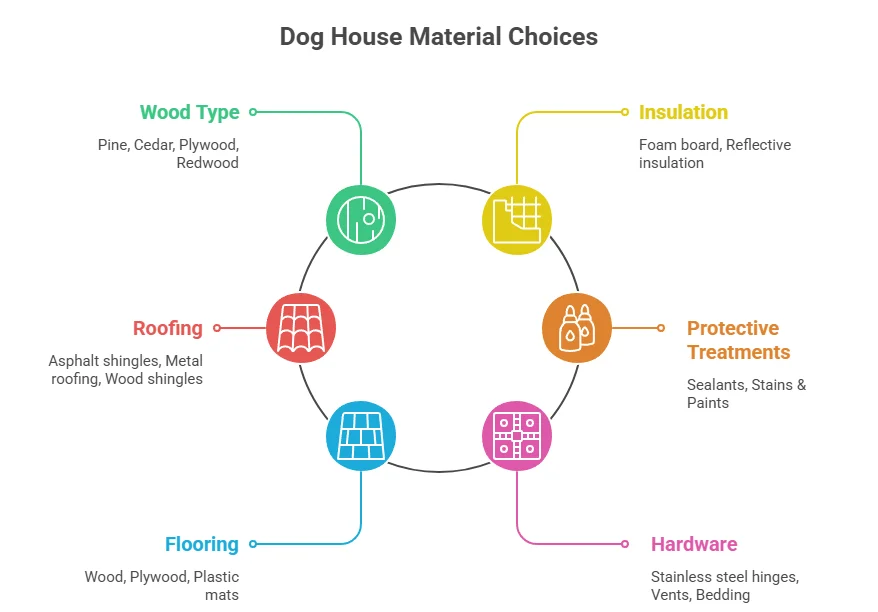
Choosing the Right Materials for Your Dog House Project
How to Build a Wooden Dog House starts with the right materials. The quality and type of materials you choose will affect the durability, comfort, and safety of your dog house. Here’s a detailed guide to help you select the perfect materials for your dog house project.
| Category | Options/Materials |
|---|---|
| Wood Type | Pine, Cedar, Plywood, Redwood |
| Insulation | Foam board, Reflective insulation |
| Roofing | Asphalt shingles, Metal roofing, Wood shingles |
| Protective Treatments | Sealants, Stains & Paints (Non-toxic) |
| Flooring | Wood, Plywood, Plastic mats |
| Hardware | Stainless steel hinges, Vents, Bedding |
Consider the Wood Type
Choosing the right kind of wood is crucial for longevity and safety. Here are some popular options:
- Pine: Affordable and easy to work with, pine is a common choice. However, it can be susceptible to rot if not treated properly.
- Cedar: Naturally resistant to decay and insects, cedar is excellent for outdoor construction. It also has a lovely smell and an appealing finish.
- PLYWOOD: A good option for walls and floors, plywood is lightweight yet sturdy. Make sure to choose exterior-grade plywood for added moisture resistance.
- Redwood: Similar to cedar, redwood is highly resistant to weather and pests. It’s a bit more expensive but worth the investment.
Insulation Matters
Proper insulation keeps your dog comfortable throughout the year. Consider investing in insulation materials such as:
- Foam board: Lightweight and effective, foam boards can be installed on the walls to regulate temperature.
- Reflective insulation: Helps in maintaining cooler temperatures during hot weather and warmer temperatures during cold seasons.
By using insulation, you ensure your pet remains cozy, regardless of the season.
Roofing Materials
Your dog house’s roof must withstand the elements. Here are a few materials to consider:
- Asphalt shingles: These are durable and come in various colors, providing both functionality and aesthetics.
- Metal roofing: Long-lasting and effective against heavy rains, metal roofing is an excellent choice for durability.
- Wood shingles: These offer a rustic look but require regular maintenance to prevent moss or rot.
Protective Treatments
Adding a protective coating or treatment to your wood helps it last longer by preventing rot, insects, and weather damage. Consider the following:
- Sealants: A quality sealant protects the wood from moisture. Look for non-toxic options that are safe for pets.
- Stains & Paints: Opt for eco-friendly, pet-safe stains or paints. These add a nice finish while providing an extra layer of protection.
Flooring Options
The floor of your dog house needs to be sturdy and easy to clean. Different flooring materials include:
- Wood: A solid wooden floor is economical but ensure it’s raised off the ground to avoid moisture issues.
- Plywood: Easy to install and sturdy, use treated plywood for better durability.
- Plastic mats: These are easy to clean and can keep the dog house dry, although they’re not as cozy as wood.
Hardware and Accessories
Don’t forget about essential hardware for construction and comfort:
- Hinges and locks: Use stainless steel or galvanized hardware to prevent rust. This ensures smooth doors and security.
- Ventilation: Install vents or windows to allow airflow and prevent overheating.
- Fleecy bedding: A soft bed or mat inside the dog house will keep your pet comfortable.
Designing Your Dog House for Comfort and Safety
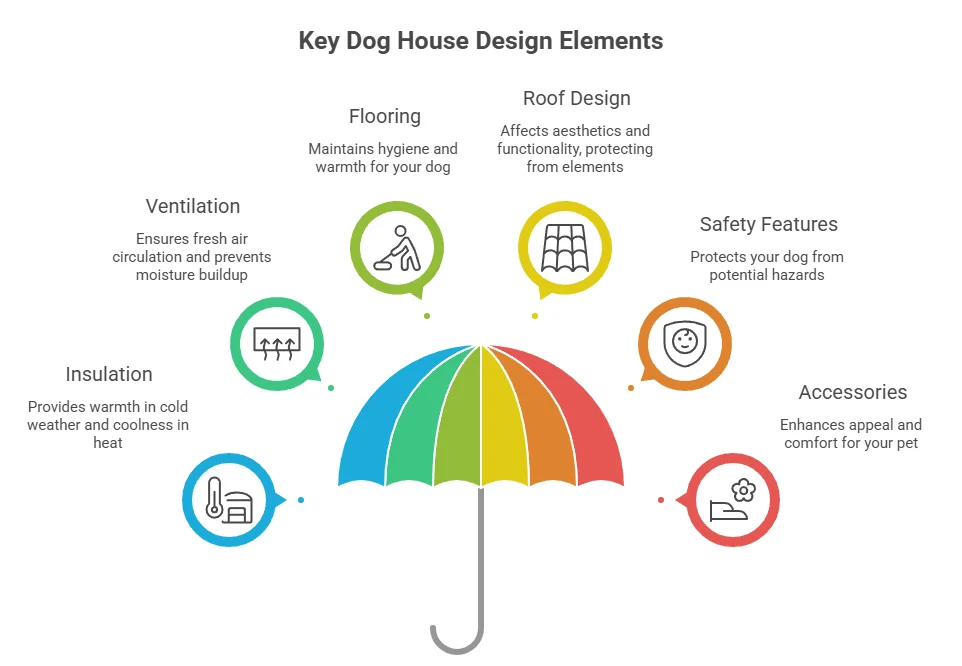
Designing a safe and comfortable dog house involves careful planning and consideration of your furry friend’s needs. The right design not only provides a cozy retreat but also protects your dog from harsh weather, pests, and other outdoor dangers. Here are key elements to consider when How to Build a Wooden Dog House that prioritizes comfort and safety:
Size Matters
Choosing the right size for your dog house is crucial. If it’s too small, your dog may feel cramped, while a house that’s too large can make it hard for your dog to stay warm. Follow these guidelines for sizing:
- Length: Measure your dog from the tip of the nose to the base of the tail. Add 12 inches for a comfortable fit.
- Width: Measure your dog from the shoulder to the tip of the other shoulder. Add 12 inches.
- Height: Measure your dog from the ground to the top of their head. Add a few inches to provide additional space.
Insulation and Ventilation
To create a comfortable atmosphere, ensuring proper insulation and ventilation in your dog house is vital.
Insulation
In colder climates, wooden dog houses should have insulation to keep your pet warm. Consider using:
- Foam panels or thermal insulation boards.
- Straw or hay as bedding material for additional warmth.
Ventilation
Good airflow is essential, especially in warmer months. Here’s how to ensure adequate ventilation:
- Install small vents near the top of the walls and on the roof.
- Keep the doorway free of obstructions.
Flooring Considerations
The type of flooring in your dog house can greatly impact your pet’s comfort and safety. Aim for:
- Raised Flooring: Elevate the floor to prevent water damage and keep your dog dry. About 4 inches off the ground works well.
- Non-Slip Surface: Use slip-resistant materials to prevent accidents.
- Insulated Floor: Add insulation underneath the flooring if you live in a cold area.
Roof Design
The roof of your dog house serves multiple purposes. A well-designed roof can enhance comfort and ensure durability. Consider these options:
- Sloped Roof: A sloped roof prevents water accumulation and improves air circulation.
- Weatherproofing: Use shingles or waterproof materials to protect against rain and snow.
Safety Features
Adding safety features to your wooden dog house is essential for protecting your pet from accidents and injuries. Keep these elements in mind:
- Non-Toxic Materials: Use non-toxic paints and finishes, ensuring your dog’s health is a priority.
- Secure Construction: Ensure that the structure is stable and free of sharp edges or protruding nails.
Accessorizing Your Dog House
Once you have the basics down, think about how to make the dog house even more comfortable. Here are some suggestions:
- Dog Bed: Place a soft, washable bed inside for added comfort.
- Toys: Provide chew toys or blankets to keep your dog entertained.
Common Mistakes to Avoid When Building a Dog House
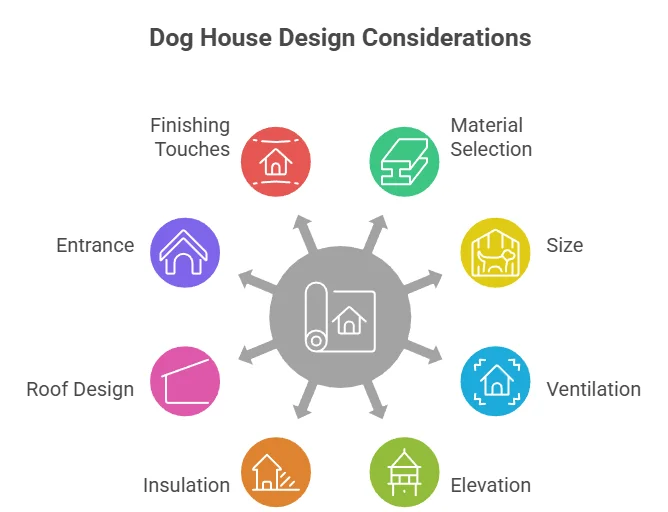
How to Build a Wooden Dog House can be a rewarding project, but it’s easy to make mistakes that can lead to an uncomfortable or unsafe home for your furry friend. To ensure your dog’s new shelter is cozy and reliable, here are some common pitfalls to avoid when constructing a dog house.
Choosing wrong materials
One of the biggest mistakes is the choice of materials. Many beginners opt for untreated wood, thinking it’s cost-effective. However, untreated wood can warp, rot, or splinter over time, especially when exposed to moisture. Instead, consider using pressure-treated wood or marine-grade plywood that can endure outdoor conditions better. For tips on appropriate materials, check this Dog Houses Guide.
Size of the dog house
Another common flaw is the size of the dog house. People often think a spacious interior is optimal for comfort, but in reality, a dog house should be snug enough to retain warmth during cold weather. A good rule of thumb is to make the house the right size for your dog; it should be tall enough for them to stand and turn around but not so large that they can feel lost. For comprehensive sizing guidelines tailored for different breeds, visit American Kennel Club.
Ignoring ventilation
Ignoring ventilation is also a frequent mistake. A lack of airflow can lead to overheating in the summer months or condensation during colder seasons. Proper ventilation can be achieved by installing vents on different sides of the dog house, allowing for a cross-breeze. Ensure that the flow does not chill your dog during winter. You can find more about ventilation solutions on Dog Training Nation.
Elevation
Another critical point is the importance of elevation. Building the dog house directly on the ground can expose your dog to cold, damp conditions and pests. Create a raised foundation by using sturdy blocks or wood beams to lift the dog house at least a few inches off the ground. This elevation protects against moisture and keeps the interior dry. Check out detailed instructions on The House of Woofs.
Neglecting insulation
Moreover, many people neglect insulation. Insulation is not only for extreme conditions but also helps in maintaining a stable temperature within the dog house. Insulating the walls and roof using foam panels or other insulation materials can create a pleasant environment, especially during winter nights. To learn about various insulation techniques, you can look up Dog Fancy.
Roof design
Many builders forget about the roof design. A flat roof may seem easy to build, but it can accumulate rainwater and snow, adding excess weight and potentially causing damage. A sloped roof allows for proper drainage, preventing build-up. Ensure that the slope is sufficient enough for runoff. Resources about proper roof designs can be found at Best Dog Houses.
Entrance to the dog house
Also, be mindful of the entrance to the dog house. An overly large opening can expose your dog to the elements, while a too-small entrance can make it difficult for them to access their shelter. Ideally, the threshold should be just wide enough for your dog to enter comfortably but not so large that it allows wind, rain, or snow to enter freely.
Finishing touches
Sometimes you may rush through the finishing touches, like paint and sealants. Although it might seem like a final decorative step, using the wrong types can be hazardous. Ensure that any paint or sealant is pet-safe and suitable for outdoor use. It’s crucial for protecting the wood while keeping your pet safe.
How to Build a Wooden Dog House involves more than just hammering wood together. Careful attention to detail can prevent mistakes that could compromise your dog’s comfort and safety. By avoiding these common pitfalls, you’ll create a reliable and inviting space for your furry friend.
Tips for Maintaining and Insulating Your Wooden Dog House
Owning a wooden dog house is a wonderful way to provide your furry friend with shelter and comfort. However, ensuring that the dog house remains in good condition and well-insulated is crucial, especially during extreme weather conditions. Here are some practical tips to maintain and insulate your wooden dog house effectively.
Regular Maintenance Tips
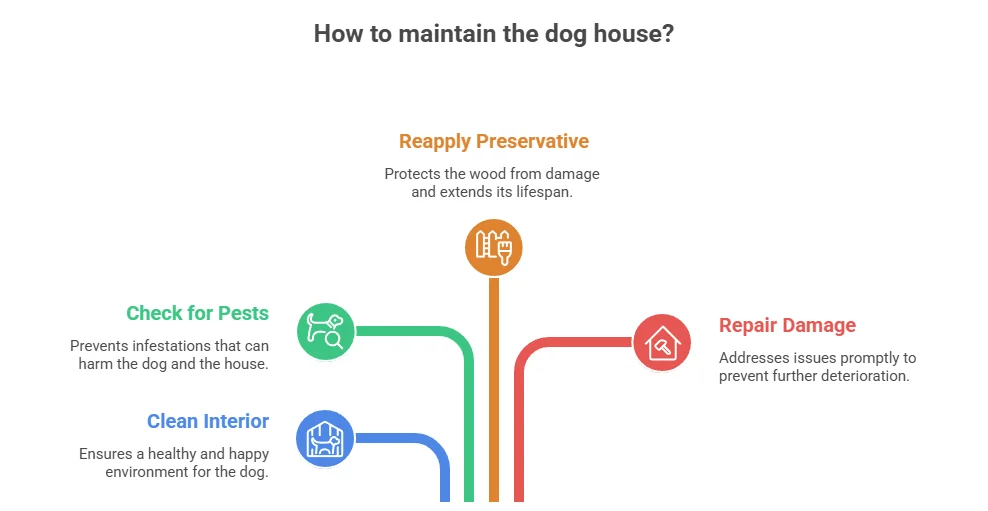
Your wooden dog house requires regular maintenance to keep it comfortable and safe. Follow these tips:
- Inspect for Damages: Regularly check for signs of wear and tear. Look for cracks in the wood, loose shingles, or flaking paint. Address these issues promptly to prevent further damage.
- Clean the Interior: Keep the inside of the dog house clean by removing dirt, debris, and any waste. A clean space keeps your dog healthy and happy.
- Check for Pests: Keep an eye out for insects or rodents. They may find the dog house appealing. Use pet-safe deterrents as needed.
- Reapply Wood Preservative: Every year, consider using a non-toxic wood preservative to protect the wood from moisture, insects, and decay. This can extend the life of your dog house significantly.
- Repair Damage: If you find any broken shingles or damaged wood, repair them immediately. Use wood glue or nails, depending on the severity of the issue.
Insulating Your Wooden Dog House
Insulation is crucial for keeping your dog’s living space comfortable throughout the year. Here are some effective insulation techniques:
- Use Styrofoam Panels: Attach Styrofoam panels on the walls and ceiling of the dog house for excellent thermal insulation. Make sure they fit snugly and are securely fastened.
- Add Straw or Hay: A classic method for insulation involves bedding your dog house with straw or hay. This material provides natural warmth and is easy to replace when it gets dirty.
- Install an Insulated Door: If your dog house allows for it, consider installing a flap-style insulated door. This can help keep out drafts while letting your dog in and out comfortably.
- Consider Heating Options: In colder climates, a pet-safe heating pad can be an excellent addition. Make sure it is designed for dogs and safe for extended use.
- Seal Gaps and Cracks: Use caulk to seal any gaps and cracks in the wooden structure. This simple step can significantly reduce drafts and improve insulation.
Location Matters
The location of your wooden dog house can play a significant role in maintaining its condition and insulation. Here are some pointers:
- Elevate the House: Raise the dog house off the ground by placing it on a platform or bricks. This helps avoid water accumulation and keeps it dry.
- Choose a Shady Spot: Position the dog house in a shaded area to prevent overheating during summer months. Direct sunlight can make the inside uncomfortably warm.
- Avoid Wind Exposure: Place the house in a location that minimizes wind exposure. Natural barriers like trees or fences can help shelter your dog’s home from cold breezes.
Additional Considerations
When maintaining and insulating your wooden dog house, consider the following:
- Monitor Weather Changes: Pay close attention to weather forecasts and make seasonal adjustments to your dog’s temperature needs.
- Choose Quality Materials: Invest in high-quality, weather-resistant materials when building or upgrading your wooden dog house. This can pay off in longevity and performance.
- Consult Professionals: If you’re uncertain about construction or insulation methods, consider consulting professionals or visiting resources like WikiHow for expert advice.
By following these tips for maintaining and insulating your wooden dog house, you ensure that your furry friend has a safe and comfortable place to relax. Regular upkeep, good insulation practices, and strategic placement can go a long way in making your dog’s living environment a pleasant one.
Conclusion
How to Build a Wooden Dog House involves several important steps that ensure both comfort for your furry friend and durability for the structure. By following a clear, step-by-step guide, you can create a cozy refuge tailored to your dog’s needs. Choosing the right materials not only impacts the aesthetics of your dog house but also its longevity and resilience against weather elements. Be sure to select wood that is sturdy yet safe for pets.
Design plays a crucial role in providing a comfortable and secure environment for your dog. Consider factors like proper ventilation, door placement, and enough space for your dog to move around freely. Avoid common pitfalls—such as neglecting to plan for drainage or underestimating size requirements—so that your project runs smoothly.
Maintaining your wooden dog house is just as essential as building it. Regular checks for wear and tear, along with proper insulation, will keep your dog warm in winter and cool in summer. Use weather-resistant sealants and paints to protect the exterior and prolong the lifespan of the structure.
By following these guidelines and being mindful of your dog’s unique preferences, you’ll not only bolster your DIY skills but also create a loving space that enhances your pet’s quality of life. Your rewarding effort will culminate in a safe haven that your dog can enjoy for years to come. Embrace the challenge of How to Build a Wooden Dog House; the love and comfort you provide will always be worth it.