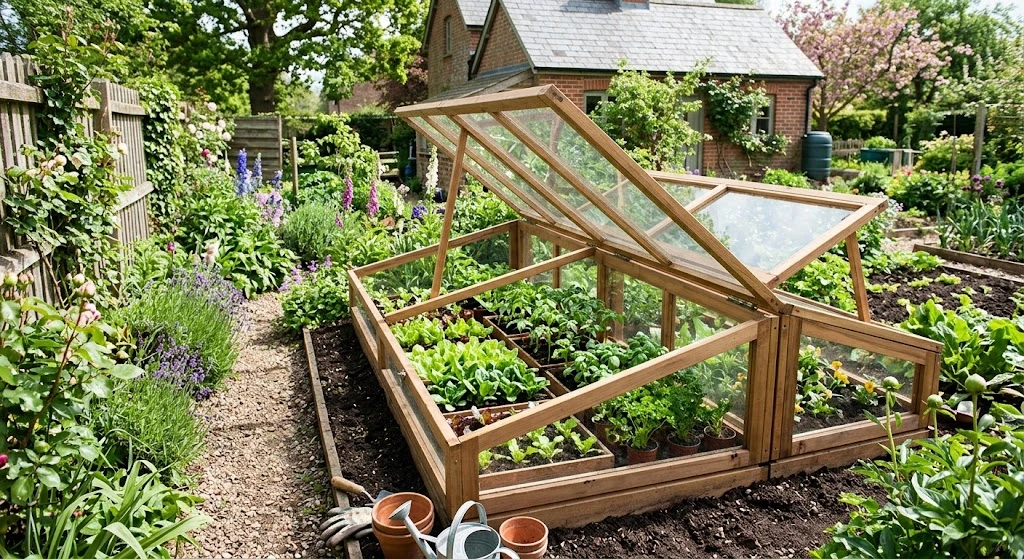
Building a wooden cold frame greenhouse can be an exciting project, particularly for gardening enthusiasts looking to extend their growing season. A cold frame is a simple structure that traps sunlight and retains heat, protecting plants from cold weather. This mini-greenhouse works wonders for seedlings, early crops, and transition plants during seasonal changes.
Materials and Tools You Will Need
Before you get started, gather all necessary materials and tools. Here’s a compact list to assist you:
- Wood (cedar or pine is ideal for durability)
- Hinged glass windows or clear plastic sheets
- Wood screws
- Wood glue (optional)
- Saw (hand saw or power saw)
- Drill
- Measuring tape
- Level
- Shovel (for ground preparation)
Step-by-Step Guide to Build Your Cold Frame
Step 1: Choose the Right Location
Select a sunny spot in your garden. Ensure the area gets at least six hours of sunlight daily. Avoid shaded places from trees or nearby structures to maximize sunlight exposure.
Step 2: Prepare the Ground
Clear the chosen area of debris and grass. Level the ground using a shovel. You want a flat base for your frame to sit securely.
Step 3: Cut Your Wood
Cut the wooden pieces according to the size you want your cold frame to be. Typical dimensions are roughly 4 feet by 6 feet, but you can adjust based on your needs. To create the sides, cut four lumber pieces at 24 inches high and two base pieces slightly longer than the frame’s width.
Step 4: Assemble the Frame
Start building the rectangular base. Use wood screws to join the base pieces with the sides, forming a box. Secure it well to ensure stability. After the base, attach the sides to make a sturdy frame.
Step 5: Attach the Lid
Your greenhouse needs a lid for sunlight entry. You can use hinged glass windows or clear plastic sheeting. If using glass, make sure it’s securely fixed and won’t shatter easily. For plastic sheeting, ensure it is tight and overlaps edges to prevent wind from lifting it.
Step 6: Optional Ventilation
Ventilation is crucial to keep plants healthy. Incorporate vents or windows within your lid. You can also prop the lid open slightly on warmer days for additional air circulation.
Enhancements for Your Cold Frame Greenhouse
Consider making additional enhancements to boost functionality:
- Install a thermometer to monitor the temperature.
- Add shelves inside to maximize growing space.
- Use shade cloth during hot summer months to protect delicate plants.
Maintenance Tips
Regular maintenance ensures your cold frame remains effective:
- Clean the glass or plastic to maximize sunlight.
- Inspect for any damages or rot in the wood structure.
- Monitor plants regularly for pests and diseases.
Essential Materials and Tools for Your Cold Frame Project
Building a How To Build a Wooden Cold Frame Greenhouse is a rewarding project that enhances your gardening experience by allowing you to extend the growing season. To create a functional and durable structure, it’s essential to gather the right materials and tools. Below is a detailed overview of what you’ll need to ensure your cold frame project goes smoothly.
Essential Materials
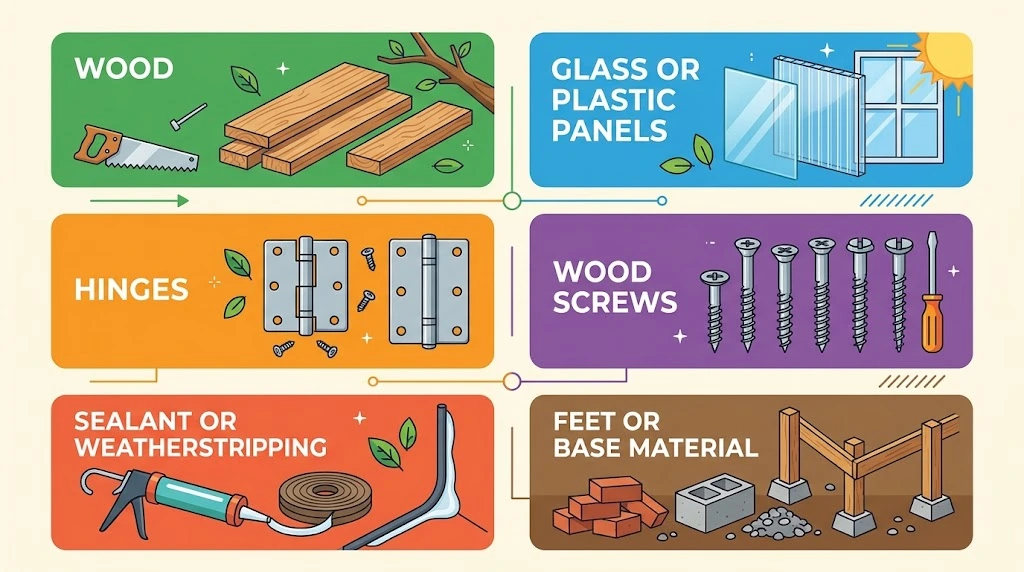
The success of your cold frame greenhouse greatly depends on selecting appropriate materials. Here is a list of the key components you’ll need:
- Wood: Choose rot-resistant wood like cedar or redwood for the frame. These woods withstand moisture and decay better than other types.
- Glass or Plastic Panels: Utilizing either glass or polycarbonate sheets will provide insulation and allow sunlight to penetrate. Glass offers excellent light transmission, while polycarbonate is lighter and more durable.
- Hinges: High-quality hinges are essential for the lid of the cold frame. Ensure they are rust-resistant to maintain longevity.
- Wood Screws: Make sure you have corrosion-resistant screws, which will secure your frame tightly and can withstand outdoor conditions.
- Sealant or Weatherstripping: This helps to insulate the frame and keeps moisture out. Weatherstripping between the glass structure is an excellent choice.
- Feet or Base Material: Consider using paving stones or treated lumber to create a sturdy base for the cold frame, keeping it off the ground to prevent moisture damage.
Optional Materials
While the above materials are essential, some optional items can enhance your cold frame’s efficiency:
- Ventilation Openings: Adding adjustable vents can help regulate temperature and humidity inside your cold frame.
- Thermometer: A thermometer can help monitor the temperature inside, allowing you to take action if it gets too warm.
- Interior Shelving: Installing shelves can help maximize your planting space, especially for seed trays and smaller pots.
Tools Required
Before you begin constructing your How To Build a Wooden Cold Frame Greenhouse, ensure you have the right tools on hand to make your project easier and more enjoyable:
- Saw: A miter saw or circular saw will help you cut your wood to the correct dimensions.
- Drill: An electric drill will be necessary to make holes for screws and install hinges.
- Screwdriver: Keep a Phillips head screwdriver handy to tighten screws and secure your frame.
- Measuring Tape: Accurate measurements are vital for ensuring each piece fits together correctly.
- Level: A level will help make sure your cold frame is built evenly, preventing any structural issues.
- Safety Gear: Don’t forget to wear safety glasses and gloves to protect yourself while working with tools.
Building Your Cold Frame
With all the materials and tools gathered, you’re ready to start building your cold frame. Here’s a simplified step-by-step process:
- Measure and cut your wooden pieces according to your desired size.
- Assemble the base frame using wood screws, ensuring everything is square.
- Attach the vertical boards for the sides of the frame.
- Build a slanted top to allow rainwater drainage and proper sunlight exposure.
- Secure your glass or plastic panels to the frame.
- Install the hinges for the top and ensure it opens easily for ventilation.
If you’re looking for more specific plans and designs for wooden cold frames, consider visiting Gardener’s Supply Company for detailed instructions and inspiration.
Benefits of Using a Cold Frame for Year-Round Gardening
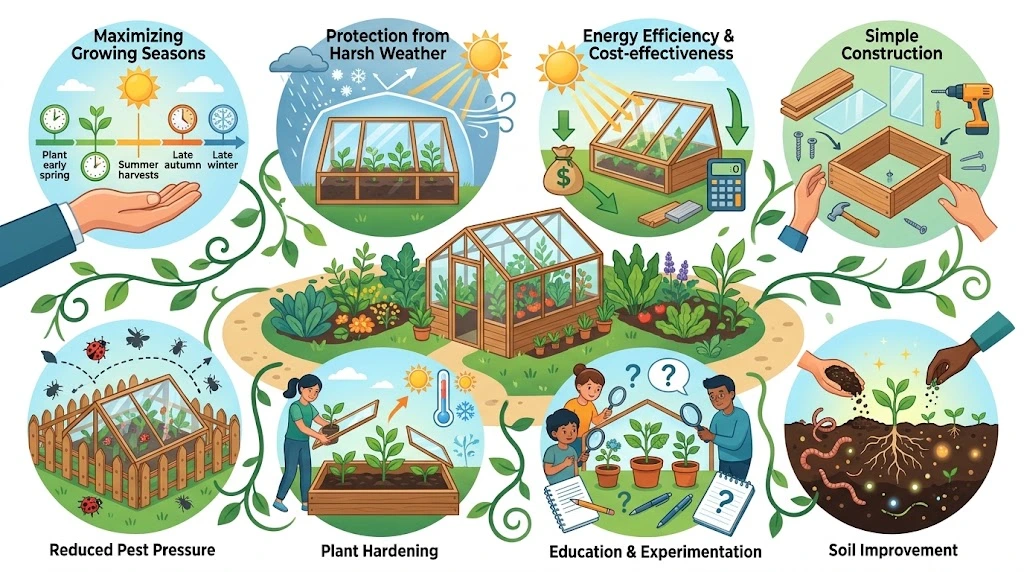
Are you dreaming of fresh vegetables and herbs, even in the cold months? A cold frame might just be the solution you need. This simple greenhouse structure can be a game-changer for your year-round gardening efforts.
Maximizing Growing Seasons
One of the most significant benefits of a cold frame is the extended growing season it provides. By trapping sunlight and warmth, a cold frame allows you to start planting earlier in spring and continue harvesting late into fall. You can cultivate your favorite leafy greens, radishes, and even some root vegetables during months when traditional gardening isn’t possible.
Protection from Harsh Weather
Cold frames shield plants from harsh conditions like frost, wind, and heavy rain. This protective environment helps to reduce plant stress and encourages better growth. Additionally, you can experiment with fragile plants that might not typically survive in your local climate.
Energy Efficiency and Cost-Effectiveness
Building a cold frame can be a cost-effective project. You can use recycled materials such as old windows or wooden pallets, keeping expenses low while benefiting the environment. Moreover, this energy-efficient solution negates the need for electric heating systems that may increase your utility bills.
Simple Construction
Creating a cold frame doesn’t require advanced carpentry skills. Here are the essential steps to build your cold frame:
- Choose a location with plenty of sun.
- Gather materials: consider using wood for the frame and clear plastic or glass for the lid.
- Construct the frame, making sure it has a sloped lid to maximize sunlight exposure.
- Add ventilation by ensuring the lid can be propped open on warmer days.
This straightforward construction process means that even beginner gardeners can create a functional cold frame in little time.
Soil Improvement
With a cold frame, you can utilize the organic matter from plant debris, turning it into nutrient-rich compost. The enclosed space allows for efficient composting, which enriches the soil you use for planting. Healthy soil means healthier plants, leading to higher yields and fresher produce for your table.
Education and Experimentation
A cold frame serves as an excellent tool for those wanting to learn about gardening. It provides a safe environment for testing new plant varieties and growing techniques. You can try different planting times, as well as witness firsthand the benefits of season-extension gardening practices. Learning through experimentation in a controlled space prepares you for larger gardening projects.
Plant Hardening
Another advantage of using a cold frame is the hardening process it provides for your plants. When you grow seedlings indoors, they need to acclimatize to the outdoor environment. A cold frame acts as a transitional space by slowly exposing plants to outdoor conditions. This method leads to stronger plants that thrive once planted in your garden.
Reduced Pest Pressure
Cold frames also minimize pest exposure. By enclosing your plants, you can keep harmful insects at bay without the need for harmful pesticides. This way, you can grow healthier produce safely, which is especially crucial for those who prioritize organic gardening practices.
If you’re keen to learn more about improving your gardening experience with cold frames, consider visiting Gardener’s Supply Company or check out Trees Are Good for their expert gardening tips. These resources will help you tweak your cold frame techniques to maximize its benefits.
A cold frame into your gardening routine not only extends your planting and harvesting seasons but also offers a wide array of benefits. From protecting your plants to enhancing soil quality, the cold frame is a versatile tool that can turn your gardening dreams into reality, regardless of the weather outside!
Tips for Maximizing Plant Growth in Your Cold Frame
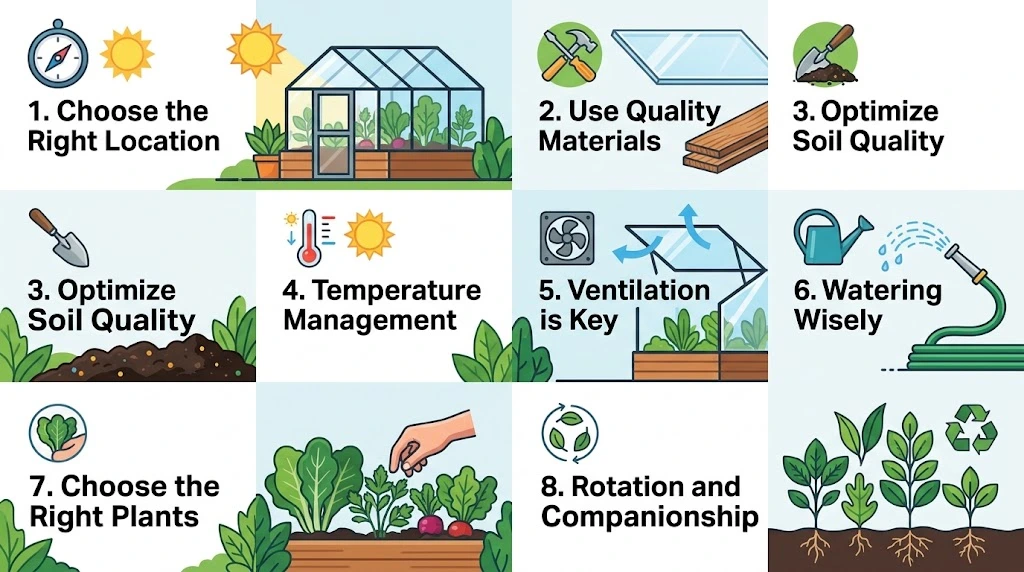
Creating a cold frame is a fantastic way to extend your growing season, but maximizing plant growth inside it requires attention to several factors. Here are some practical tips to help your plants thrive in a cold frame environment.
Choose the Right Location
To make the most of your cold frame, placing it in an optimal location is crucial. Aim for a spot that gets full sun for at least six hours a day. This exposure ensures consistent warmth and promotes photosynthesis. Additionally, consider the wind direction; shielding the cold frame from harsh winds will help maintain temperature stability.
Use Quality Materials
The materials of your cold frame play an essential role in your plants’ health. Wooden frames are a popular choice for their durability and insulation. Ensure that you use untreated wood to avoid harmful chemicals leaching into the soil. For the top, clear polycarbonate is highly effective; it allows light in while providing excellent insulation.
Optimize Soil Quality
The foundation of successful plant growth lies in quality soil. Start by mixing good compost with garden soil to improve drainage and nutrient content. A suggested mixture could be:
| Soil Component | Percentage |
|---|---|
| Compost | 50% |
| Garden Soil | 30% |
| Sand | 20% |
This mixture provides essential nutrients while allowing for proper drainage, which prevents stagnation and root rot.
Temperature Management
Temperature control is vital for plant health. During sunny days, temperatures inside a cold frame can rise quickly. To avoid overheating, open the lid of the frame during the hottest parts of the day. On chilly nights, close the lid to retain warmth. Using thermometers to monitor the internal temperature can help you make informed decisions about when to vent.
Ventilation is Key
Good airflow is essential in a cold frame. Proper ventilation helps reduce humidity levels, preventing fungal diseases. Regularly check for condensation on the inside of the glass; if it’s excessive, it’s time to open your cold frame.
Watering Wisely
Plants in a cold frame can dry out more quickly than those in a garden bed. Regular watering is necessary, especially during hot weather. Here are some watering tips:
- Water early in the day to prevent evaporation.
- Test the soil moisture with your finger; if it feels dry an inch below the surface, it’s time to water.
- Consider a drip irrigation system for a more efficient solution.
Choose the Right Plants
Not all plants thrive in a cold frame, so it’s essential to choose those that can benefit from this environment. Cool-season crops like lettuce, spinach, and kale tend to flourish in cold frames. If you’re interested in starting seeds, use the warm conditions to kickstart early growth before transplanting outdoors.
Rotation and Companionship
Practicing crop rotation prevents nutrient depletion and helps manage pests and diseases. After harvesting, rotate your crop choices to maintain soil health. Additionally, consider companion planting; pair plants that can support each other’s growth and deter pests.
These strategies will help you create an effective and productive cold frame garden. For further information and resources, consider visiting Gardeners.com or Harvard Extension to explore more about maximizing your gardening potential.
Common Mistakes to Avoid When Creating a Cold Frame Greenhouse
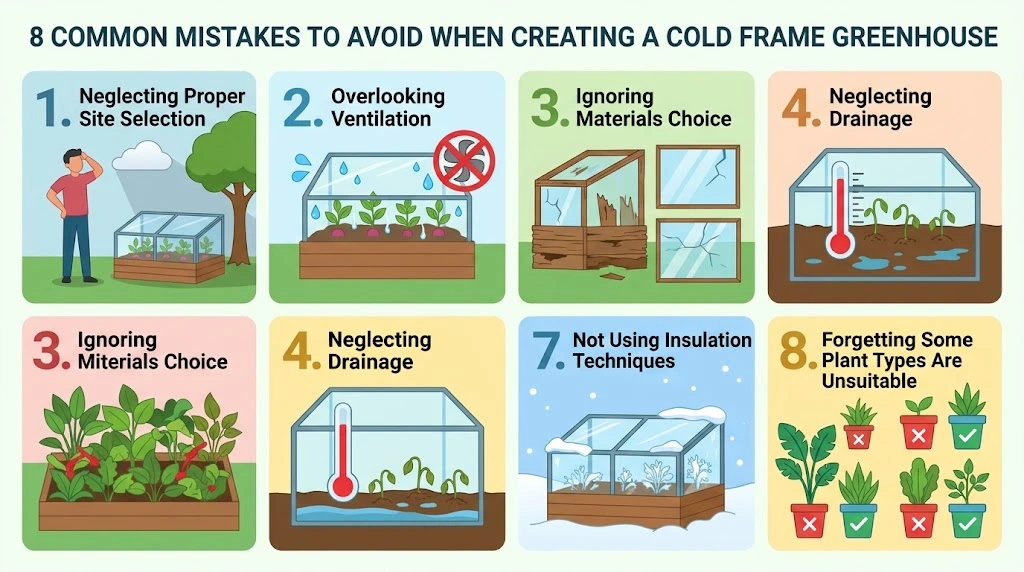
Building a Wooden Cold Frame Greenhouse is a fantastic way to extend your gardening season and protect your plants from harsh weather. However, there are several common mistakes you should avoid to ensure that your cold frame operates effectively and efficiently. Let’s discuss these pitfalls and how to navigate them.
Neglecting Proper Site Selection
Choosing the right location for your cold frame is crucial. You might be tempted to place it in a shady spot, but this could reduce the sunlight your plants receive. Ideally, choose a site that gets full sun exposure for at least six hours a day. Avoid shaded areas caused by trees, buildings, or fences. If possible, orient your cold frame so that it runs north to south, maximizing sun exposure.
Overlooking Ventilation
Good ventilation is vital in maintaining a stable environment within your cold frame greenhouse. Many new builders forget to include proper ventilation systems. If the cold frame gets too hot, it can damage your plants. As a remedy, consider adding hinged lids or vents that can be opened on warm days. Another option could be to install a small exhaust fan for better air circulation.
Ignoring Materials Choice
The right materials will determine the longevity and durability of your cold frame. Avoid using untreated wood as it can rot over time. Instead, choose pressure-treated wood or cedar, which is naturally resistant to decay. For the glazing, clear polycarbonate or greenhouse film are excellent options, as they allow for maximum light penetration while providing insulation.
Neglecting Drainage
Proper drainage is essential to prevent excess moisture buildup, which could lead to root rot. When constructing your cold frame, ensure the ground is sloped slightly, allowing water to run off. You can also incorporate gravel or a drainage pipe at the base of your cold frame for enhanced water management.
Overcrowding the Space
When planning your planting layout, avoid overcrowding the space within your cold frame. It’s tempting to maximize your growing area, but packed plants are more susceptible to disease and pests. Follow proper spacing guidelines for each type of plant to promote healthy growth and airflow. Remember, healthy plants yield better results!
Failing to Monitor Temperature
Temperature control is vital for the success of your cold frame. Many gardeners forget to monitor the internal temperature, leading to overheating. You can easily avoid this by installing a thermometer inside your cold frame. Pay attention to swings in temperature and adjust ventilation accordingly. On particularly sunny days, be ready to open it up to cool off the environment.
Not Using Insulation Techniques
Insulating your cold frame can significantly improve its efficiency. Many overlook this step, thinking of a cold frame as purely a box. Consider using materials like bubble wrap or old blankets for extra insulation on particularly cold nights. You might also want to add a layer of mulch around the plants to retain heat.
Forgetting Some Plant Types Are Unsuitable
Not all plants thrive in a cold frame greenhouse. Forgetting to research suitable varieties can lead to disappointing results. Some plants prefer warmer conditions and may not thrive even with additional protection. It’s crucial to choose cool-weather vegetables such as lettuce, spinach, and radishes, which fare well in cold frames. For a comprehensive list of suitable plants, visit Gardeners’ World.
By steering clear of these common mistakes, you can successfully build a functional, efficient cold frame greenhouse that serves your gardening needs. Remember, the aim is to create a nurturing environment for your plants year-round.
To further assist you on your gardening journey, you can also check out more tips on managing your cold frame at RHS Advice.
Conclusion
Building a Wooden Cold Frame Greenhouse can transform your gardening experience, allowing you to grow a variety of plants throughout the year. By following the step-by-step guide, you’ve equipped yourself with the knowledge necessary to construct a sturdy and effective structure. The essential materials and tools discussed are crucial for ensuring your cold frame is both functional and durable, ensuring it can withstand different weather conditions while providing a nurturing environment for your plants.
The benefits of utilizing a cold frame are numerous; it extends the growing season, protects delicate seedlings, and can even boost your plant growth when properly managed. Remember to implement the tips for maximizing plant growth, whether it’s optimizing sunlight exposure or ensuring proper ventilation. Additionally, being aware of common mistakes will help you avoid pitfalls that can hinder your gardening success.
As you embark on your cold frame project, keep your goals in mind and tailor your approach to fit your specific gardening needs. With the right setup and ongoing care, you can enjoy fresh produce and beautiful plants year-round. Your wooden cold frame greenhouse is more than just a structure; it’s a gateway to fruitful gardening and a deeper connection with nature. Take the lessons learned here and get started on your journey to create a thriving green oasis right in your backyard. Happy gardening!