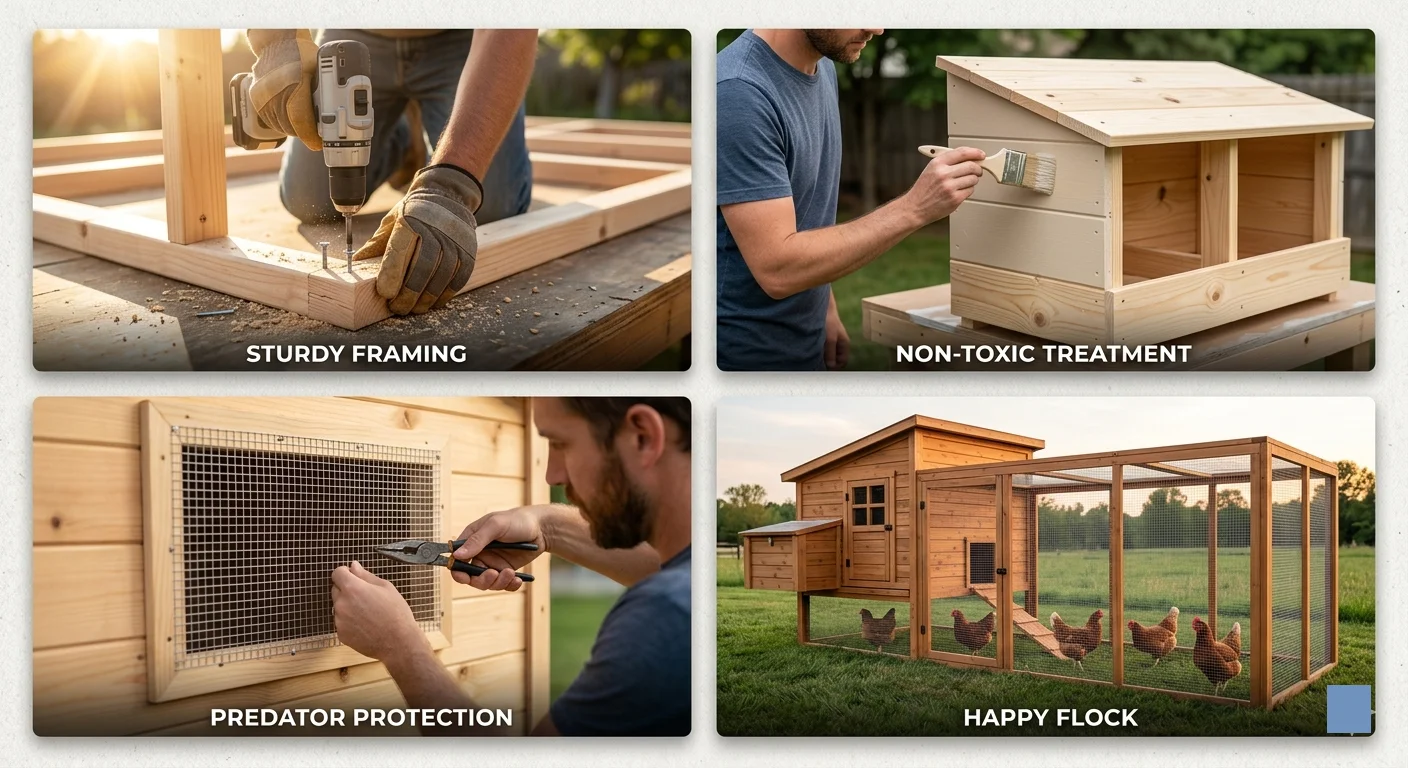
Building a wooden chicken coop can be a rewarding project, providing a safe and comfortable home for your hens. With the right materials and plans, you can create a coop that ensures your chickens are healthy and productive. Let’s walk through the essential steps on How to Build A Wooden Chicken Coop. Follow these instructions, and you’ll have a thriving chicken house in no time.
Step 1: Planning Your Coop
Before you begin construction, it’s crucial to plan your wooden chicken coop carefully. Consider the following:
- Number of Chickens: Determine how many chickens you plan to raise. Generally, each chicken needs about 4 square feet of space inside the coop.
- Location: Choose a well-drained area that gets plenty of sunlight but is also sheltered from harsh weather.
- Design: Sketch out your coop design. Traditional coops usually have a nesting area, roosting bars, and a run where your chickens can roam freely.
Step 2: Gather Materials
Once you have your plan in place, it’s time to gather your materials. Here’s a simple list of what you’ll need:
- Wood (2x4s for the frame, plywood for walls and roof)
- Hardware cloth (for ventilation and predator protection)
- Nails and screws
- Hinges (for doors)
- Paint or wood sealant (for weatherproofing)
Step 3: Building the Coop Frame
Start by constructing the frame of your coop. Use 2x4s to create a rectangular base, securing the corners with screws. The frame’s dimensions should match your chicken population. Here are key points to consider:
- Ensure the frame is square by measuring diagonally from corner to corner.
- Add vertical supports and cross braces to maintain stability.
Step 4: Adding Walls and Roof
Next, you will attach plywood walls to the frame. Make sure the walls are solid and properly fitted to prevent drafts and predators from entering. Follow these steps:
- Cut the plywood to size and attach it to the frame using nails or screws.
- Install a sloped roof to allow for rain runoff, ensuring that it’s secure.
Step 5: Ventilation and Insulation
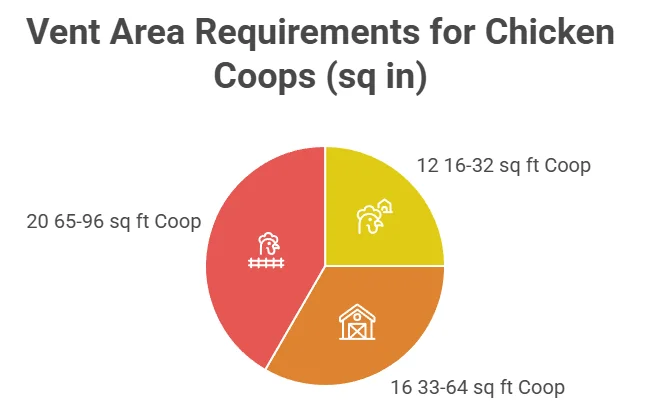
Proper ventilation is vital to keeping your chickens healthy. Plan for vents that provide fresh air without exposing your chickens to harsh conditions. To help you visualize the necessary airflow, here’s a small table:
| Coop Size (sq ft) | Vent Area (sq in) |
|---|---|
| 16 – 32 | 12 |
| 33 – 64 | 16 |
| 65 – 96 | 20 |
Step 6: Installing the Door and Nesting Boxes
After securing the walls and roof, install a door for you to access the coop easily. Also, incorporate nesting boxes that are about 12×12 inches. Ensure they are located near the ground and easy for the chickens to access.
Step 7: Finishing Touches
Finish your coop by sealing any gaps and applying a weatherproof finish to protect the wood. Consider adding a chickens’ run with a fence, so your hens have time outside safely. Other improvements include adding a water trough and a feeder that keep food dry.
Step 8: Regular Maintenance
Once your wooden chicken coop is complete, commit to regular maintenance to keep it in good condition. Check for signs of wear and tear, clean it frequently, and ensure ventilation is working as intended. This routine will provide a healthy environment for your chickens.
Choosing the Right Materials for Your Coop
Building a sturdy and comfortable chicken coop starts with choosing the right materials. Each material affects the overall functionality, safety, and longevity of the coop. Below are some essential considerations to help you select the best materials for your wooden chicken coop.
Wood Selection
Wood is the primary material for constructing a chicken coop, and selecting the right type is crucial. Here are a few popular wood options:
- Pine: Lightweight and easy to work with, pine is affordable but may require treatments to resist rot and pests.
- Cedar: Naturally resistant to decay and insects, cedar is a more expensive choice but offers longevity and pleasant aroma.
- Redwood: Similar to cedar, it is durable and resistant to moisture. However, redwood can be pricier and might be harder to find.
Coating and Treatments
Regardless of the wood type you choose, applying a protective coating is essential. Are you wondering how to keep the wood safe? Here are some options:
- Wood Sealant: This provides a waterproof barrier, keeping the wood dry and preventing rot.
- Non-toxic Paint: If you prefer a colored finish, make sure to choose a non-toxic paint to ensure the safety of your chickens.
- Wood Preservative: This helps in deterring insects and decay, prolonging the life of the wood.
Flooring Options
The floor of your chicken coop should be comfortable for your chickens and suitable for easy cleaning. Here are some popular flooring materials:
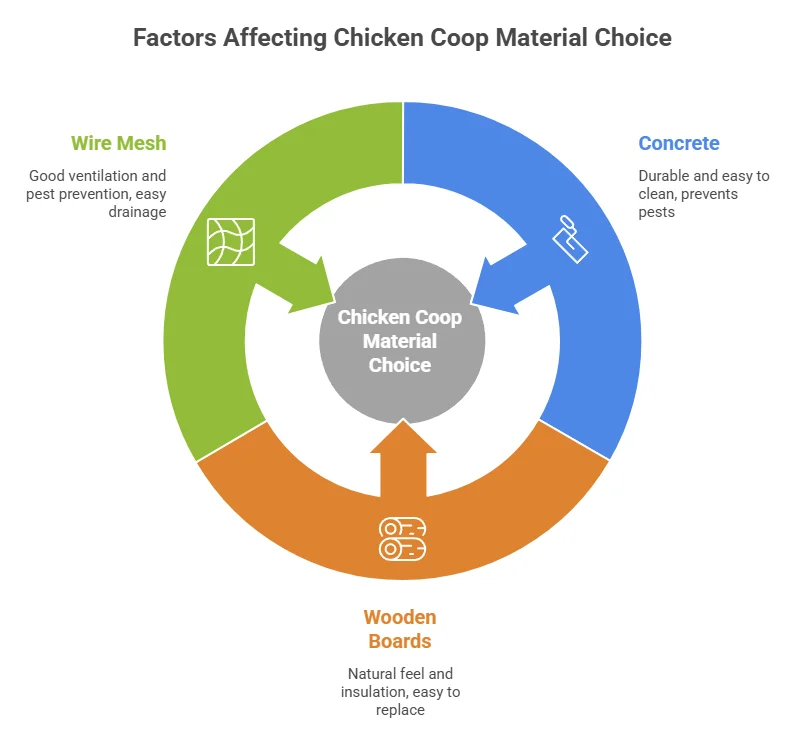
| Material | Benefits | Drawbacks |
|---|---|---|
| Concrete | • Durable and easy to clean
• Prevents burrowing pests |
• Can be hard on chickens’ feet
• May require insulation in colder climates |
| Wooden Boards | • Provides a natural feel and insulation
• Can be easily replaced when worn |
• May rot or wear over time
• Requires regular maintenance |
| Wire Mesh | • Good for ventilation and preventing pests
• Allows for easy drainage |
• Not comfortable for chickens
• May need bedding to soften the surface |
Roofing Materials
The roof is another critical component of your chicken coop’s structure. It needs to withstand various weather conditions. Here’s a look at suitable roofing options:
- Metal Roofing: Durable and resistant to weather elements, metal roofs can last for decades. Ensure that it is insulated to keep the coop cool in summer.
- Asphalt Shingles: Affordable and easy to install, asphalt shingles provide good protection, but they might not last as long as metal roofing.
- Wood Shingles: If aesthetics are important, wood shingles offer a rustic look but require maintenance and can be susceptible to rot.
Finishing Touches
Don’t forget the smaller but important materials that contribute to your coop’s overall comfort and functionality:
- Nest Boxes: Use wood or waterproof materials, ensuring they are easy to clean.
- Perches: Round dowels or wooden planks work well and should be easy for chickens to grip.
- Ventilation: Hardware cloth or vents should be used to maintain airflow while keeping pests out.
Design Ideas to Enhance Your Chicken Coop
When it comes to creating a comfortable and efficient chicken coop for your feathered friends, design plays a crucial role. The right design can enhance functionality, improve aesthetics, and ensure the well-being of your chickens. Here are several captivating ideas to take your chicken coop to the next level.
Optimized Group Housing Layouts
Consider different layouts that maximize space while ensuring your chickens are comfortable. Here are a few effective arrangements:
- Single Floor with Open Space: A spacious layout on a single floor allows for easy access and maintenance.
- Multi-Tiered Design: Using vertical space can help accommodate more chickens while providing them with a natural environment to explore.
- Partitioned Sections: Segregating areas for nesting, feeding, and roosting helps maintain order and reduces stress among the flock.
Ventilation and Natural Light
Good ventilation is key to maintaining a healthy coop environment. Here are a couple of design ideas to enhance airflow and light:
- Windows and Vents: windows and vents allows airflow without compromising security. Use mesh wire to prevent predators.
- Skylights: Adding skylights not only brightens the interior but also helps in regulating temperature.
Interactive Features for Chickens
Chickens are social and curious creatures. Here are ways to keep them engaged:
- Perches and Roosts: Create elevated perches so that chickens can roost. This mimics their natural behavior and provides them comfort.
- Dust Baths: A designated area filled with sand or fine dirt will allow chickens to take dust baths, which is essential for their feather maintenance.
- Foraging Areas: Scatter treats in a designated area to encourage natural foraging behavior and mental stimulation.
Eco-Friendly Solutions
Consider sustainable materials and methods to enhance your chicken coop. Not only do these benefit the environment, but they also create a healthy space for your flock:
- Recycled Materials: Use reclaimed wood or recycled materials for construction to reduce waste.
- Solar Panels: Installing solar panels can provide energy to the coop and lower electricity costs.
Functional Nesting Boxes
Providing nesting boxes is vital for hen health. Here’s how to enhance these spaces:
- Comfortable Bedding: Use soft straw or hay in nesting boxes to keep hens comfortable. Consider removable boxes for easy cleaning.
- Private Nests: Place nesting boxes in a quiet and secluded area of the coop to encourage laying.
Safety and Security Features
The safety of your chickens is paramount. Design elements that enhance security include:
- Strong Doors: Use sturdy materials to build doors that can withstand predators.
- Fencing: Ensure fencing is tall enough and buried underground to prevent digging.
- Automatic Coop Door: Consider installing an automatic door that opens and closes at sunrise and sunset for added security.
Beautiful Outdoor Run Design
An outdoor run gives chickens the freedom to roam while staying safe. Here are a few design tips:
- Natural Shade: Include trees or shade cloth to protect from the sun.
- Enrichment Structures: Adding climbing structures or planting chicken-friendly plants can provide both shelter and entertainment.
Final Touches: Personalization
Make the chicken coop a reflection of your style. Here’s how:
- Paint and Decor: Use non-toxic paint to add a splash of color and personality to your coop.
- Personal Touches: Consider adding unique features such as a decorative sign with your flock’s name.
Building a chicken coop isn’t just about functionality; it’s also about creating a safe and enjoyable environment for your chickens.
By implementing these design ideas, you can ensure that your chicken coop is not only practical but also a charming addition to your backyard.
Maintenance Tips for a Long-Lasting Chicken Coop
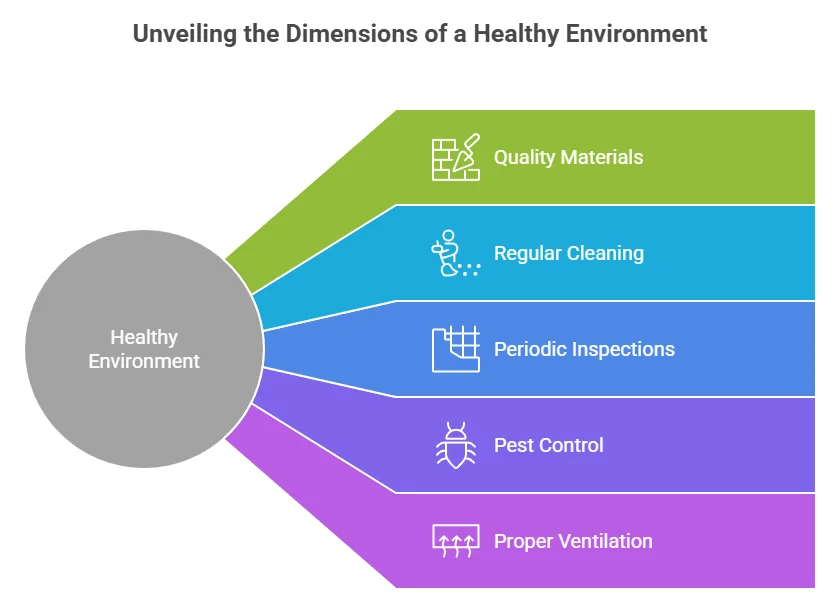
Maintaining a chicken coop is essential for ensuring a healthy environment for your feathered friends. A well-kept coop means happy chickens and quality eggs. To make sure your chicken coop lasts long, follow these helpful tips. By focusing on proper materials, regular cleaning, and consistent upkeep, you can avoid costly repairs and maintain the well-being of your flock.
Choose Quality Materials
The longevity of your chicken coop starts with the materials you select. Here are some tips to ensure you get the best materials:
- Wood Selection: Use rot-resistant woods like cedar or redwood for frames and walls. They can withstand moisture and pests.
- Roofing: Opt for metal roofing or shingles made from durable materials to protect against harsh weather.
- Hardware: Invest in stainless steel or galvanized metal hardware to prevent rust and corrosion.
Regular Cleaning Schedule
Cleaning your chicken coop regularly is vital for both the health of your chickens and the longevity of the structure. Here’s how to establish an effective cleaning routine:
- Daily: Remove leftover food and droppings. This helps reduce smells and prevents pests.
- Weekly: Sweep and scrub the coop floor. Use a mild sanitizer to eliminate germs.
- Monthly: Completely remove bedding and replace it. Check for any signs of wear or damage.
Inspect for Damage
Regular inspections can help you spot problems early. Pay close attention to the following areas:
- Roof: Look for leaks or missing shingles.
- Walls: Check for cracks or rot, which can indicate moisture problems.
- Doors and Windows: Ensure they close tightly to keep out unwanted pests.
Pest Control
Keeping your chickens safe from pests will ensure their health and the longevity of your coop. Here are some pest control measures you can take:
- Sealing Openings: Make sure all gaps and cracks are tightly sealed.
- Cleaning: Regularly clean up crumbs and leftover feed that attract pests.
- Natural Deterrents: Use diatomaceous earth around the coop to deter insects without harmful chemicals.
Ensure Proper Ventilation
Proper ventilation is crucial for maintaining a healthy environment in your chicken coop. It helps to:
- Reduce moisture buildup.
- Control ammonia levels from manure.
- Provide fresh air for the chickens.
Make sure your coop has openings or windows that can be opened and closed as needed. Vent shaft placements should be high enough to allow hot air to escape while keeping your flock warm in winter.
What to Avoid
While it’s important to maintain your coop, there are some things to avoid that can harm its structure:
- Neglecting Repairs: Don’t wait too long to repair damage; small issues can become big problems if not addressed.
- Overcrowding: Make sure the space is adequate for your chickens to prevent stress and sanitation issues.
- Using Harmful Chemicals: Avoid strong cleaners that could harm your chickens.
Remember, keeping your chicken coop in good condition is an ongoing process. Regular maintenance will not only keep your chickens happy and healthy but also extend the life of your coop. By investing time in upkeep and being proactive with inspections and repairs, you’ll ensure a safe, comfortable environment for your flock.
For more detailed guides on coop maintenance, you can visit Backyard Chickens, where you can find a wealth of information and advice on keeping chickens effectively.
By following these tips diligently, you will create an optimal living space for your chickens, ensuring they thrive and provide you with delicious, fresh eggs for years to come.
Benefits of Raising Chickens and the Role of a Coop
Raising chickens offers numerous benefits that appeal to both novice and experienced farmers. One major advantage is the steady supply of fresh eggs. Homegrown eggs, often richer in flavor and nutritional value, elevate the culinary experience. Additionally, raising chickens can reduce your grocery bill over time, as purchasing organic eggs can be quite expensive.
Another benefit is pest control. Chickens naturally forage for insects, helping keep your garden and yard free from pests. They enjoy munching on bugs, grubs, and weeds, contributing to a healthier ecosystem in your backyard. Furthermore, chickens produce high-quality compost through their droppings, which enrich your soil and promote plant growth.
Chickens can also enhance your social environment. They have distinct personalities and make for delightful pets. Educating kids about responsibility and animal care can foster valuable life skills. Interacting with chickens can be a calming experience, bringing joy to your daily routine.
To fully enjoy the benefits of raising chickens, having a well-structured coop is essential. A chicken coop serves multiple critical roles:
- Safety: A secure coop protects chickens from predators such as raccoons, foxes, and hawks. A well-built coop ensures your flock remains safe and sound, allowing them to roam freely during the day and stay secure at night.
- Comfort: Chickens require a comfortable and spacious environment to thrive. A good coop should provide enough room for each chicken to perch, nest, and move comfortably without overcrowding.
- Health: Proper ventilation in a coop maintains air quality and reduces the build-up of harmful gases and humidity. This helps prevent common chicken diseases, ensuring your flock remains healthy.
- Egg-laying Area: Having designated nesting boxes enables chickens to lay eggs in a clean, safe environment. This makes it simpler for you to collect fresh eggs daily.
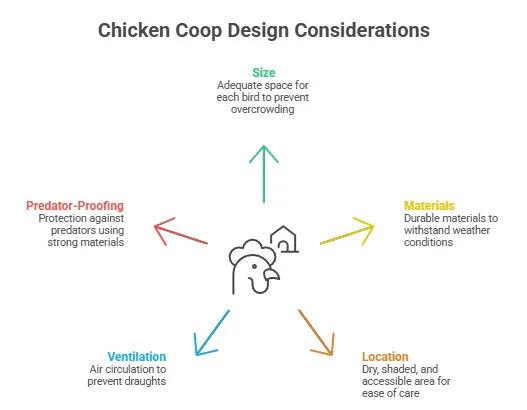
Building a chicken coop requires careful planning and consideration. Here are some key factors to keep in mind:
| Factor | Description |
|---|---|
| Size | Ensure enough space for each bird, typically 4 square feet per chicken inside the coop and 10 square feet in an outdoor run. |
| Materials | Opt for durable materials like wood, metal, or even recycled materials to withstand various weather conditions. |
| Location | Select a dry, shaded area to protect your chickens from the elements. Ensure it is also easily accessible for feeding and cleaning. |
| Ventilation | Install windows or vents to promote air circulation while preventing draughts. |
| Predator-Proofing | Use hardware cloth instead of chicken wire to keep out predators. Inspect the coop regularly for weak spots. |
By building an effective chicken coop, you not only ensure the safety and comfort of your birds, but you also enhance the overall egg production and health of your flock. Various online resources provide valuable designs and tips for constructing a coop tailored specifically to your needs. Check out Backyard Chickens for guides and community discussions. You can also find essential tools and materials at Home Depot.
The benefits of raising chickens are numerous, including access to fresh eggs, natural pest control, and composting advantages. By investing time and resources into building a quality coop, you are setting the stage for a happy and productive flock, all while enjoying the company of these delightful birds.
Conclusion
Building a wooden chicken coop not only provides a safe haven for your feathered friends but also enhances your overall backyard experience. By following essential steps, like choosing the right materials, you ensure a sturdy and functional structure that stands up to the elements. Thoughtful design ideas can make your coop not just practical but also visually appealing, blending seamlessly into your garden or yard.
Maintaining your coop is just as important as the building process itself. Regular upkeep allows you to enjoy a clean and healthy environment for your chickens while ensuring a long-lasting investment. Consider the many benefits that come from raising chickens—fresh eggs, natural pest control, and a rewarding hobby. A well-built chicken coop plays a crucial role in fostering a happy, productive flock.
As you embark on your chicken-keeping journey, remember that each step contributes to the harmony of your backyard ecosystem. The effort you put into constructing a quality coop will pay off in the form of happiness for both you and your chickens. With the right knowledge and dedication, your wooden chicken coop will not only thrive but also serve as a charming feature of your outdoor space, bringing joy and sustenance for years to come. Embrace the process, enjoy watching your chickens flourish, and revel in the rewards of your hard work.