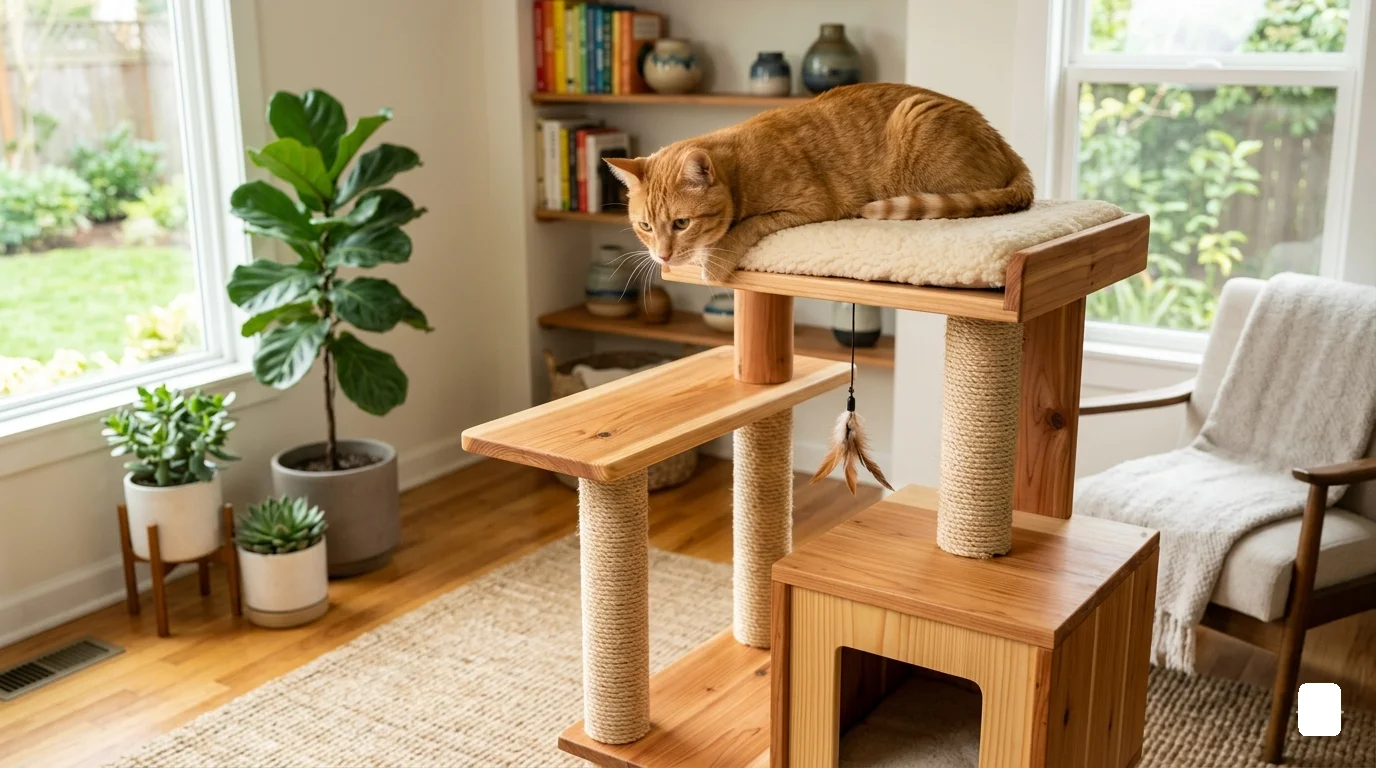
Creating a wooden cat tree tailored to your feline’s specific needs can be a rewarding project. Not only does it provide your pet with a space to play and relax, but it also enhances your home’s décor. This guide will help you make informed decisions while designing your perfect Wooden Cat Tree.
Understand Your Cat’s Preferences
Before you begin building, it’s essential to understand your cat’s behavior and preferences. Observe your cat’s habits to tailor the tree to fit their needs:
- Climbing: Does your cat enjoy climbing? multiple levels can satisfy their natural instincts.
- Scratching: Identify your cat’s preferred scratching surfaces. Adding sisal-wrapped posts can keep your tree durable and protect your furniture.
- Hiding Spaces: Cats love cozy hideouts. Create enclosed areas using wooden boxes or shelves for your cat to feel secure.
- Perches: Elevated spaces allow your cat to survey their surroundings. Ensure these areas are wide enough for comfort.
Selecting the Right Materials
Choosing high-quality materials is crucial for the longevity and safety of your cat tree. Here are some recommendations:
- Plywood: This sturdy option can be used for shelves and platforms.
- Pine or Cedar: Softwoods are easier to work with and are perfect for frames and legs.
- Non-toxic Paint: If you’re painting, always opt for pet-safe options to keep your furry friend safe.
Consider durability, as your cat will undoubtedly enjoy rough play. If you can, avoid cheap materials that may splinter or break easily.
Designing the Structure
Your cat tree should have a design that promotes both fun and safety. Consider the following aspects:
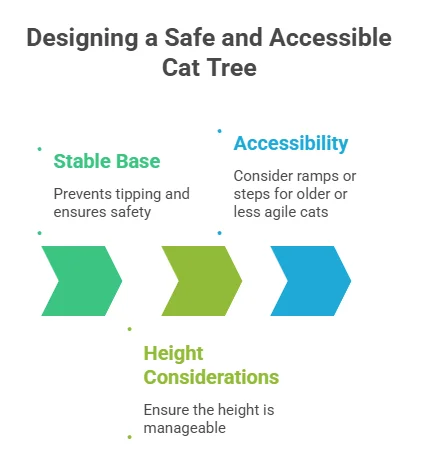
| Feature | Importance |
|---|---|
| Stable Base | Prevents tipping and ensures safety while your cat jumps or climbs. |
| Height Considerations | Ensure the height is manageable; overly tall trees may scare younger cats. |
| Accessibility | Consider ramps or steps for older or less agile cats. |
Functional Design Ideas
Think beyond the basics with some creative ideas:
- Multi-Level Platforms: Create various heights for climbing and perching.
- Cat Condos: These cozy boxes can be incorporated at multiple levels for resting.
- Interactive Features: Adding hanging toys or feather wands can lure your cat to explore.
- Personalized Touch: Consider customizing the tree with your cat’s name or favorite colors.
Finishing Touches
Once your wooden cat tree is constructed, it’s time for the final enhancements:
- Carpet or Fabric Coverings: Adding soft surfaces can provide comfort and prevent slipping.
- Non-Toxic Glues: Use non-toxic adhesives when attaching elements, ensuring your pet’s safety.
- Inspection: Before introducing your cat, carefully check for sharp edges and splinters.
Essential Tools and Materials for Building a Cat Tree
Building a wooden cat tree can be a rewarding project that not only provides your feline friend with a perfect playground but also enhances your home decor. To embark on this DIY journey, you’ll need a variety of tools and materials. Below is a detailed breakdown of what you’ll require.
Essential Tools for Building a Cat Tree
- Measuring Tape: Accurate measurements are crucial for ensuring all parts fit properly. Use a measuring tape to measure the height, width, and depth of your wooden pieces.
- Saw: A power saw (like a circular saw or jigsaw) will be essential for cutting wood to the desired dimensions.
- Drill: A cordless drill is vital for creating holes for screws and for fitting different pieces together securely.
- Screwdriver: You will need both a flathead and a Phillips screwdriver to secure screws.
- Sander: Sandpaper or a power sander will help smooth out rough edges on your wood, making it safe for your cat and more visually appealing.
- Staple Gun: This tool is perfect for attaching fabric or carpet to different areas of the cat tree. A heavy-duty staple gun is recommended.
Basic Materials Required
In addition to tools, you’ll also need some essential materials to create a sturdy cat tree. Here’s a list of commonly used materials:
- Plywood or MDF: These materials are typically used for the base and platforms. Choose a thickness that can support your cat’s weight.
- Wooden Posts: Use wooden dowels or posts (around 4×4 inches) for the vertical structures. They should be sturdy enough to withstand climbing.
- Carpet or Fabric: Covering surfaces with carpet or fabric provides a comfortable area for your cat to lounge on. Choose materials that are durable and easy to clean.
- Wood Glue: This is important for adding extra support in addition to screws. It helps bind pieces together securely.
- Rope: Sisal rope is great for wrapping around posts for scratching and climbing enjoyment.
- Screws: A variety of screws (wood screws, machine screws) will be needed to join different parts of the cat tree together.
Safety Equipment
When building a wooden cat tree, safety is a priority. Here are a few items to keep handy:
- Safety Glasses: Protect your eyes from dust and debris while cutting or drilling.
- Dust Mask: A dust mask will help you avoid inhaling particles when sanding or cutting wood.
- Work Gloves: Use gloves to protect your hands from cuts and splinters while handling raw materials.
Preparation and Planning
Before you begin construction, take the time to plan out each aspect of your cat tree. A well-thought-out design will dictate the dimensions of your materials and the tools you need. It’s helpful to draw sketches or use design software to visualize How to Build A Wooden Cat Tree that fits your space and meets your cat’s needs.
Consider the size and activity level of your cat. A larger cat will need a sturdier structure, while kittens might enjoy taller, more intricate designs. You can even use existing cat trees as inspiration. A good resource for design ideas can be found at Catastrophic Creations.
Step-by-Step Guide to Constructing a Wooden Cat Tree
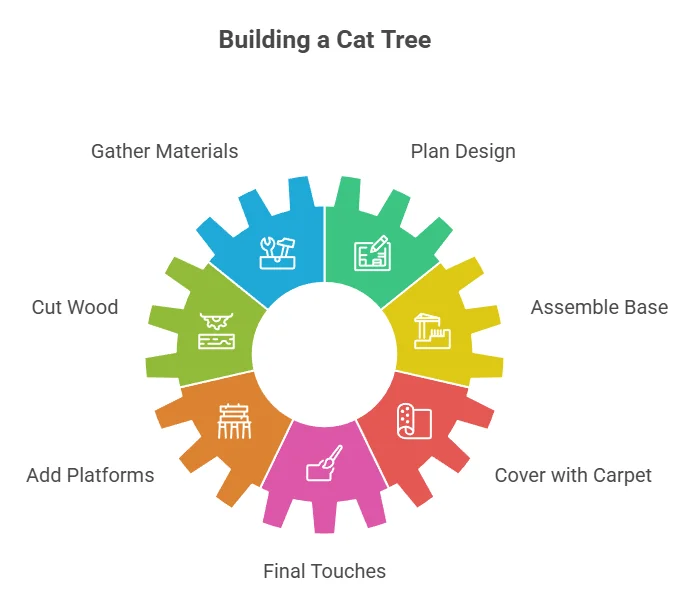
Building a wooden cat tree is a rewarding project that provides your feline friend with a space to play, climb, and relax. It’s a great way to save money and customize the design according to your home’s decor and your cat’s preferences. Follow this step-by-step guide to create a sturdy and engaging cat tree that your pet will love.
Gather Your Materials
Before you start, it’s essential to gather all the necessary materials. Here’s a list to help you:
- Wood boards (plywood and pine are popular choices)
- Wood screws
- Carpet or fabric for covering
- Wood glue
- Sandpaper
- Power drill
- Saw (circular or jigsaw)
- Measuring tape
- Ruler or square
- Staple gun (if using fabric)
Planning Your Design
Before cutting any wood, sketch out your design. Consider including multiple levels, ramps, and scratching posts. Common features to think about are:
- Base: A sturdy base that ensures stability
- Platforms: Various levels where your cat can jump and lounge
- Scratching Areas: Include sisal rope or wood for scratching
- Enclosed Spaces: Small hideouts for your cat to feel secure
Measure the space you have available and adjust your design accordingly.
Cutting the Wood
With your design in hand, it’s time to cut the wood. Use the saw to cut out the pieces for your base, platforms, and supports. Here are some tips:
- Mark your cuts carefully to ensure straight lines.
- Always wear safety gear while cutting.
- Be mindful of the size of your cat when determining platform dimensions.
Once you have all pieces cut, sand them down to remove any rough edges that could harm your cat.
Assembling the Base
The base is the most crucial part of the cat tree as it holds everything together. Here’s how to assemble it:
- Start by placing the largest piece of wood down as your base.
- Attach the vertical supports using wood screws or wood glue. Ensure they are firmly in place.
- Check for stability by gently shaking the structure.
Add Platforms and Scratching Areas
After securing the base, it’s time to add platforms:
- Attach the platforms at varying heights using wood screws. Ensure they are level and securely fastened.
- Wrap scratching posts with sisal rope, securing it tightly so your cat can scratch without unraveling the rope.
- If you have hideout spaces, cut openings and attach them securely.
Covering with Carpet or Fabric
To make your cat tree more inviting, cover the surfaces with carpet or fabric. This step enhances comfort for your cat and protects the wood.
- Cut the fabric to size, leaving extra for wrapping around the edges.
- Use the staple gun to attach the fabric to the wood, ensuring it’s tight and secure.
- Consider using a fun pattern that matches your home décor.
Final Touches and Safety Checks
Before letting your cat explore the new tree, do a final check:
- Ensure all screws are tight and there are no sharp edges.
- Inspect all areas for stability.
- Make any minor adjustments as needed.
Once you’re satisfied with your creation, let your cat explore its new playground!
Maintenance Tips
After building your wooden cat tree, it’s essential to maintain it for longevity:
- Regularly check for any loose screws and tighten them.
- Clean surfaces to remove hair and debris.
- Replace worn-out scratching areas as needed.
Enhancing Your Cat Tree with Fun Accessories and Features
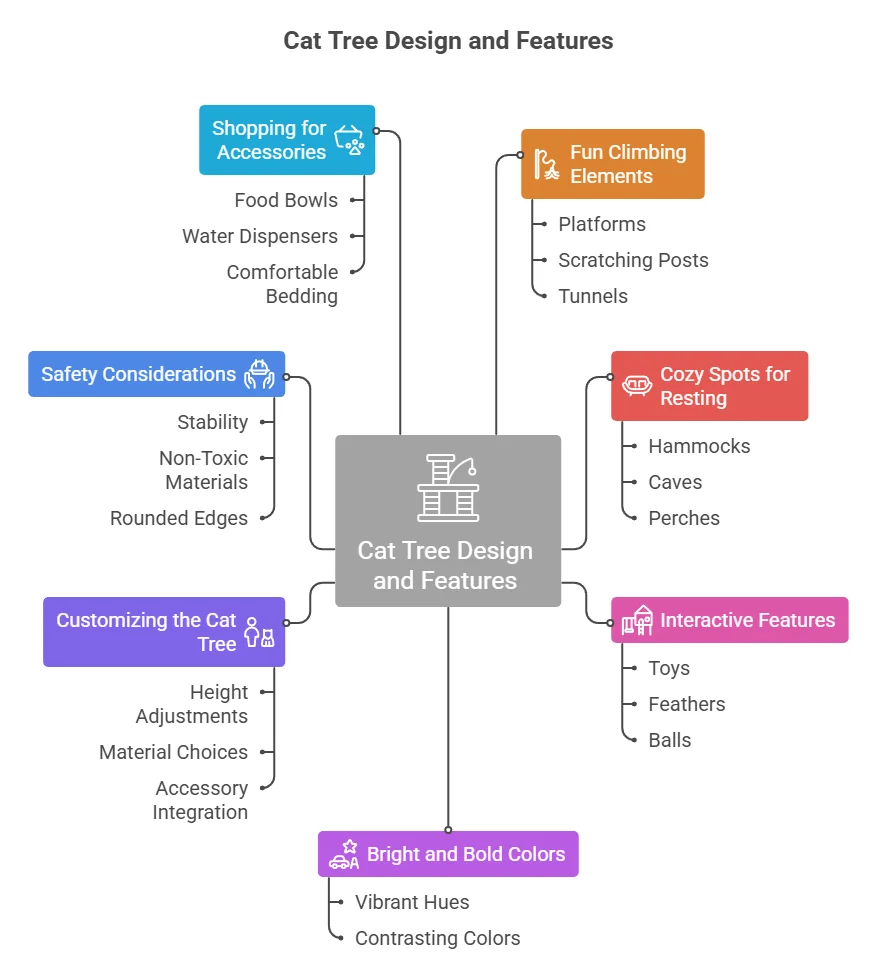
Your cat deserves a special space of their own, and enhancing their cat tree with fun accessories and features can make it even more appealing. Not only does this create a stimulating environment for your feline friend, but it also enriches their playtime, making them happier and healthier. Whether you’re looking to add some climbing challenges or cozy resting spots, there are countless options to explore. Let’s dive into some fantastic ideas to upgrade your cat tree!
Fun Climbing Elements
One way to keep your cat engaged is by adding various climbing elements. Cats are natural climbers and they enjoy being high up. Consider incorporating the following:
- Ramps: Add ramps to create a gentle incline that allows your cat to reach the higher levels of the tree more easily.
- Poles: Sisal-covered poles provide a strong and durable surface for scratching and climbing.
- Platforms: Install multiple platforms at varying heights, giving your cat lots of choices for perching and observing their territory.
Cozy Spots for Resting
After playtime, your cat will appreciate a cozy spot to snuggle up. Make sure to incorporate comfortable resting areas in your cat tree:
- Enclosed Shelters: These little hideaways provide safety and comfort. Cats love to tuck themselves away from the hustle and bustle.
- Cushioned Beds: Soft, plush cushions on each platform make it inviting for your kitty to lounge.
- Hammocks: A hanging hammock can offer a unique and comfy place for your cat to snooze.
Interactive Features
Interactive features enhance your cat’s play experience. These can range from toys to sensory activities:
- Dangling Toys: Attach toys on strings or feathers to encourage your cat to jump and play.
- Feline Puzzle Toys: These toys can stimulate your cat’s mind and keep them guessing. Hide some treats inside for added excitement.
- Scratchers: Integrate scratch pads or boards into the design to help keep your cat’s claws healthy while satisfying their natural scratching instincts.
Bright and Bold Colors
Don’t forget about aesthetics! Using bright colors and patterns can make the cat tree more enticing:
- Colorful Fabrics: Use fabrics in fun colors or textures to capture your cat’s interest.
- Themed Accessories: Choose themes your cat would enjoy – like jungle foliage or beach vibes – to match your home décor.
Customizing the Cat Tree
Personalization is key. You can customize your cat tree based on your kitty’s personality and preferences:
- DIY Projects: Think about adding personal touches with DIY projects. Create toys from household items or paint the tree in your cat’s favorite color.
- Adjustable Levels: Use wood blocks or pads to make sections adjustable based on your cat’s age or agility level.
Safety Considerations
While installing these fun features, it’s essential to keep safety in mind:
- Sturdy Base: Make sure the base is stable enough to support your cat’s activities.
- Soft Edges: Avoid sharp corners or edges that can cause injury.
- Non-toxic Materials: Use materials that are safe and non-toxic in case of chewing or scratching.
Shopping for Accessories
If you’re not the DIY type, numerous stores offer a variety of cat tree accessories. You can find unique additions at websites like Chewy or Petco. These outlets provide a selection of interactive toys, hammocks, and scratching posts to spruce up your cat’s space.
Creating an enhanced cat tree is about providing a mix of play, comfort, and safety. Your cat will surely appreciate the thought you put into their environment, leading to happier, healthier, and more enriched lives.
Maintaining and Cleaning Your Wooden Cat Tree for Longevity
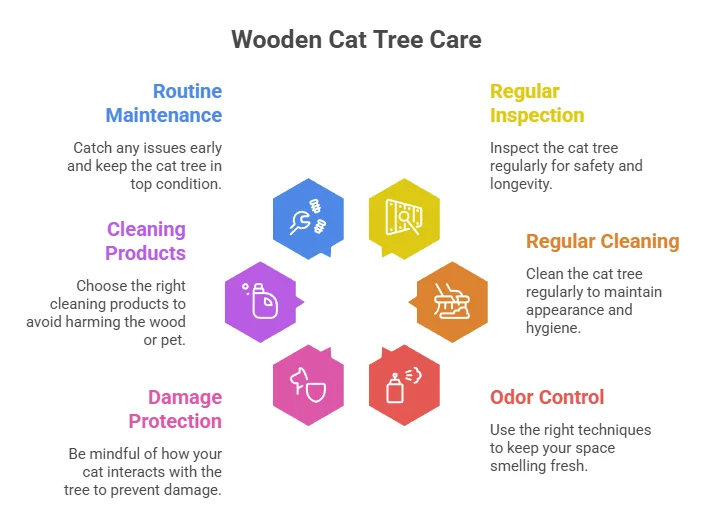
Wooden cat trees are a beloved addition to many cat-friendly homes, offering your feline friends a unique space to play, scratch, and relax. However, to ensure these structures remain in great condition for years to come, proper maintenance and cleaning are essential. Here’s how to keep your wooden cat tree looking fresh and functioning well.
Regular Inspection
Performing regular inspections is the foundational step in maintaining your wooden cat tree. Look for signs of wear and tear, such as loose screws, frayed ropes, or damaged platforms. Here are key areas to check:
- Base: Ensure it remains stable and free from wobbling.
- Ropes: Check for fraying; they may need replacement from time to time.
- Platforms: Inspect for splinters or cracks, which can be dangerous for your kitty.
By identifying issues early on, you can save yourself from costlier repairs later.
Cleaning Your Wooden Cat Tree
To keep your cat tree clean, develop a regular cleaning schedule. Aim for a full clean at least once a month, with spot cleaning as needed. Here’s how to approach the task:
- Vacuum: Start by using a vacuum cleaner with an upholstery attachment. Remove any loose hair, dirt, and debris.
- Wipe Down: Use a damp cloth with a mild soap solution to wipe the wooden surfaces. Avoid soaking the wood to prevent warping.
- Sanitize: Spritz a safe pet-friendly disinfectant on high-use areas to eliminate germs and odors.
- Dry: Always dry the surfaces thoroughly after cleaning, using a dry cloth to avoid water damage.
Dealing with Cat Odors
Cats are adorable but can leave behind odors. To combat this issue, here are some practical tips:
- Baking Soda: Sprinkle baking soda on the surfaces and let it sit for a few hours before vacuuming to absorb odors.
- Essential Oils: Consider using cat-safe essential oils on your wooden cat tree. Just a drop mixed in water can freshen the space.
- Regular Washing: Wash removable parts, such as cushions or blankets, according to the manufacturer’s instructions.
Protection from Damage
To ensure the longevity of your wooden cat tree, consider applying protective measures that can help prevent damage:
- Placement: Position the cat tree away from direct sunlight to avoid fading and warping.
- Area Rugs: Place a soft rug underneath for added stability and to catch any litter or debris that may fall.
- Scratch Posts: Regularly check and reinforce any scratching posts to ensure they are not too worn.
Choosing the Right Cleaning Products
It’s crucial to select cleaning products that won’t harm your cat. Look for:
| Product Type | Recommended Brands |
|---|---|
| Wood Cleaners | Eco-Wood, Method |
| Pet-safe Disinfectants | Febreze, PetSafe |
Remember to always patch-test any cleaning product on a hidden wood surface before applying it broadly. Your goal is to keep your cat’s space safe while ensuring it stays clean and fresh.
Routine Maintenance
Establishing a routine is key to preserving your cat tree. Make it a habit to check for damage while you clean, creating an easy way to stay ahead of potential pitfalls. Engage your family members in this upkeep, so everyone feels responsible and involved in maintaining a happy environment for your pets.
In a nutshell, with regular cleaning, inspections, and protection from damage, your wooden cat tree can thrive and continue to serve as a delightful space for your cats. For more insights on keeping your pet accessories in shape, check out Catster or The Catnip Times.
Conclusion
Building a wooden cat tree is a rewarding project that brings both functionality and fun to your home. By carefully designing your ideal cat tree with key considerations in mind, you can create a space that not only suits your aesthetic but also meets your cat’s needs for play and rest. With the right tools and materials, the building process becomes manageable and enjoyable. Following the step-by-step guide ensures that you construct a sturdy and safe structure for your feline friend.
Adding fun accessories and features, like dangling toys or cozy hideouts, can enhance your cat tree, making it a beloved oasis for your kitty. Just imagine watching them climb, scratch, and nap in their custom-built sanctuary. Regular maintenance and cleaning are crucial for keeping your cat tree in top shape, ensuring it lasts for many years to come. Simple upkeep routines can prevent wear and tear while keeping your feline’s play area fresh and inviting.
Ultimately, taking on the task of building a wooden cat tree not only fulfills your cat’s natural instincts but also strengthens the bond between you and your furry companion. With a little planning and creativity, you can create a unique piece that enriches your home and provides endless joy for your cat. So gather your tools, unleash your creativity, and enjoy the process of crafting a space where your cat can thrive. Your furry friend will thank you for it!