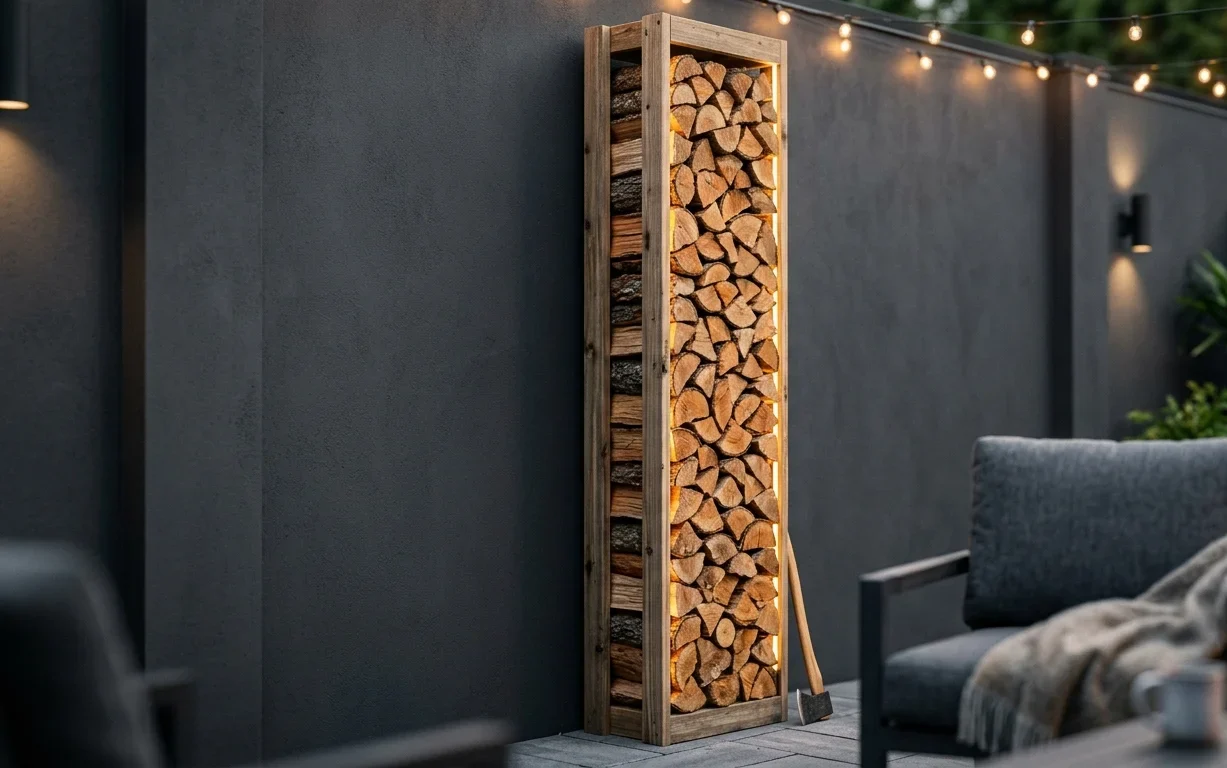
Designing a firewood shed for small spaces can be an exciting project that maximizes your outdoor area while providing practical storage for your firewood. When space is limited, careful planning and thoughtful design become essential. This guide will help you navigate the key considerations to build an efficient firewood shed that fits your needs.
Assess Your Available Space
Before you begin planning your firewood shed, take the time to assess your available space. Look for areas in your yard or garden where the shed can blend in without taking up too much room. Consider the following:
- Measurement: Measure the area where you plan to build. This helps ensure that your shed fits perfectly.
- Accessibility: Your shed should be easy to access for loading and unloading wood. Ensure the path to the shed remains clear.
- Sunlight and Drainage: Choose a spot that gets adequate sunlight to dry the wood and has good drainage to prevent water pooling.
Selecting the Right Design
Your firewood shed’s design should match your style preferences and fit within your available space. Here are some design options that work well in compact areas:
- Lean-To Shed: This style attaches to an existing structure, like your house or garage. It’s a space saver and can provide shelter from the elements.
- Vertical Storage: If you have limited ground space, consider a vertical design. Stack wood up rather than out, minimizing the footprint.
- Modular Kits: Many kits allow for flexible designs. They can fit into tight spaces and can be expanded as your storage needs grow.
Materials Matter
Selecting the right materials is critical in building a functional and durable firewood shed. Here are some materials you should consider:
| Material | Pros | Cons |
|---|---|---|
| Wood | Natural look, good insulation, readily available | Can rot if not treated |
| Metal | Durable, weather-resistant, low maintenance | Can be more expensive |
| Vinyl | Lightweight, easy to clean, no rust | May not be as durable as wood |
The right choice for materials will depend on your budget, aesthetic preferences, and the climate in your area. Be sure to protect the wood you use with a sealant or paint designed for outdoor use to ensure longevity.
Ventilation is Key
Proper ventilation is essential to ensure your firewood stays dry and ready to use. Without sufficient airflow, moisture can build up, leading to mold and rot. Here are tips for ensuring good ventilation:
- Leave gaps in your wall panels or use slatted wood to allow airflow.
- Consider roof ventilation options, such as vents or overhangs.
- Position your shed to take advantage of prevailing winds for natural ventilation.
Building Code Considerations
Before you start building, check with your local building department about codes and regulations. Some areas have specific rules regarding the size and placement of outdoor structures. Here are some things to consider:
- Permits: Determine if you need a building permit for your firewood shed.
- Setbacks: Understand the distance your shed must be from property lines or other structures.
- Height Restrictions: Know the maximum height your shed can be.
Following these guidelines will help ensure a smooth building process and avoid any surprises later on.
Essential Materials and Tools for Your Shed Project
Building a firewood shed is a practical solution for storing your firewood while keeping it organized and dry. When considering How to Build A Firewood Shed for Small Spaces, you’ll need to gather the right materials and tools. This article will guide you through the essential elements that will help you get started on your project.
Essential Materials
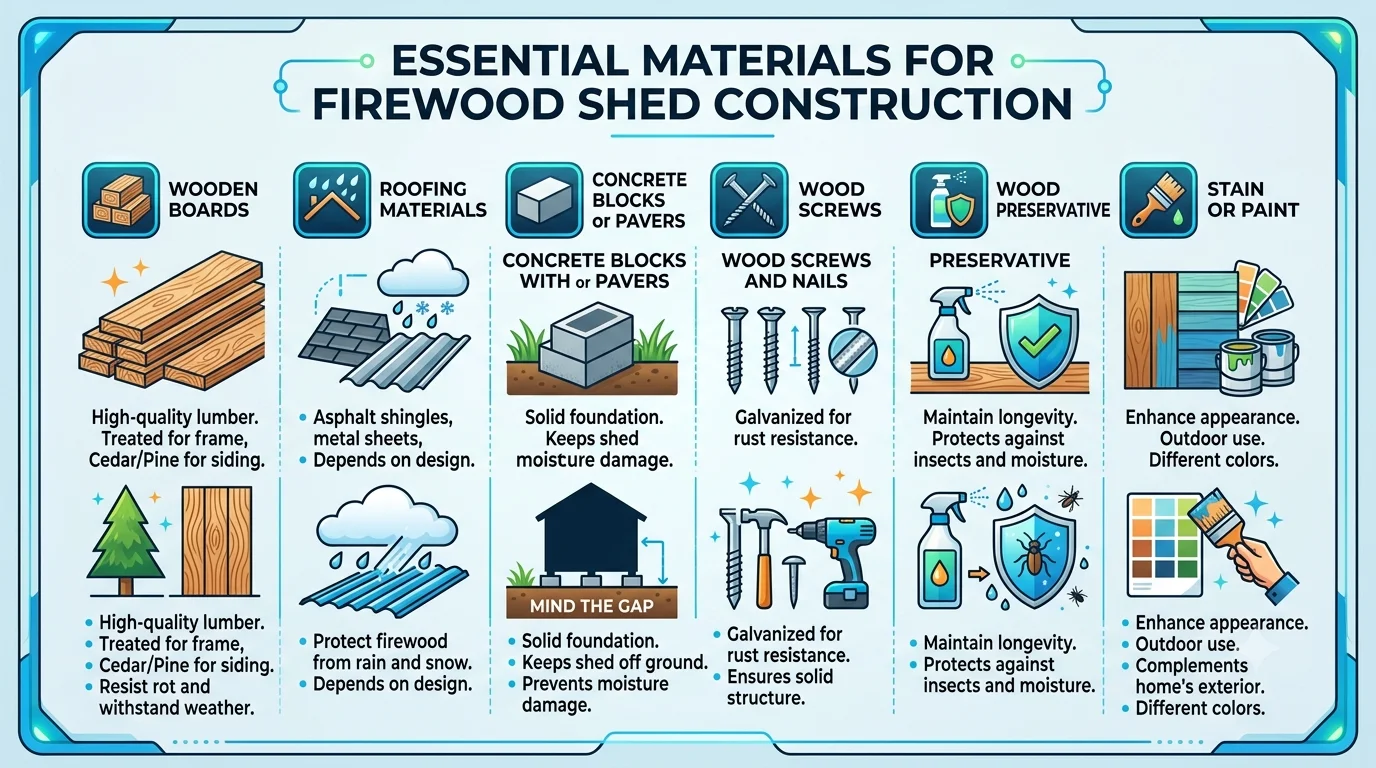
Choosing the right materials is crucial for durability and functionality. Here are some key materials you will need:
- Wooden Boards: High-quality lumber is essential. Choose treated wood for the frame and cedar or pine for siding. These materials resist rot and withstand different weather conditions.
- Roofing Materials: Depending on your design, you may need asphalt shingles, metal sheets, or even a corrugated plastic roof. These materials protect your firewood from rain and snow.
- Concrete Blocks or Pavers: These will serve as a solid foundation that keeps the shed off the ground. This helps prevent moisture damage.
- Wood Screws and Nails: Use galvanized screws and nails that resist rust. They will ensure that your structure remains solid over time.
- Wood Preservative: To maintain the longevity of your wood, applying a preservative can be beneficial. This helps protect against insects and moisture.
- Stain or Paint: To enhance the appearance of your shed, you can choose an outdoor stain or paint that complements your home’s exterior.
Essential Tools
With the right materials in hand, you also need to gather tools that will make your shed-building experience smooth and efficient. Here’s a list of tools you should consider:
- Measuring Tape: Accurate measurements ensure that your shed fits perfectly in the designated space.
- Level: A level will help you keep everything straight and aligned, which is vital for structural integrity.
- Chop Saw or Circular Saw: These tools are necessary for cutting your wood to the correct dimensions.
- Drill: A power drill will make it easier to secure screws and nails, speeding up your construction process.
- Hammer: A good hammer is indispensable for driving nails into wood.
- Screwdriver Set: Having the right screwdrivers on hand helps when fine-tuning your assembly.
- Safety Gear: Always wear safety goggles, gloves, and a dust mask to protect yourself while working on your shed.
Design Considerations
When building a firewood shed, particularly in small spaces, you need to think about design to maximize utility. Here are some tips to consider:
- Vertical Storage: Consider a vertical design to save ground space. This means stacking firewood upright in a way that allows for maximum air circulation.
- Open Design: A design that allows airflow will help keep the wood dry. A slatted or open wall design is a good option.
- Access Points: Ensure you have easily accessible doors or openings. This makes loading and unloading wood more manageable.
Creating Functional and Attractive Firewood Storage
By selecting the right materials and tools, you can effectively build a firewood shed that suits your needs. Remember to incorporate design elements that make the most of your available space. For more visual guidance, consider visiting Family Handyman for an in-depth guide. Strengthening your firewood storage not only makes it functional but can also add aesthetic appeal to your outdoor area.
Building your firewood shed thoughtfully ensures it lasts for years, keeping all your firewood organized and ready for use. Happy building!
Step-by-Step Guide to Constructing a Compact Firewood Shed
Building a firewood shed can be a practical and satisfying project, especially when you have limited space. This step-by-step guide will help you construct a compact firewood shed, enabling you to store your wood efficiently while keeping your yard organized.
Planning Your Firewood Shed
Before you start building, plan the size and location of your firewood shed. Consider the following factors:
- Space Available: Measure the area where you plan to place the shed. It should be large enough to store the amount of firewood you need.
- Access: Ensure you have easy access to the shed for both loading and unloading wood.
- Airflow: Good ventilation is essential to keep your firewood dry. Position your shed in an area that allows for air to circulate.
Materials Needed
Here’s a list of common materials you will require:
- Pressure-treated lumber for the frame
- Plywood for the walls
- Wooden pallets or slats for the floor
- Metal roofing sheets or shingles for the roof
- Screws and nails
- Wood sealant or stain (optional)
- Concrete or gravel for the base (if needed)
Step-by-Step Construction Process
Follow these steps to construct your firewood shed:
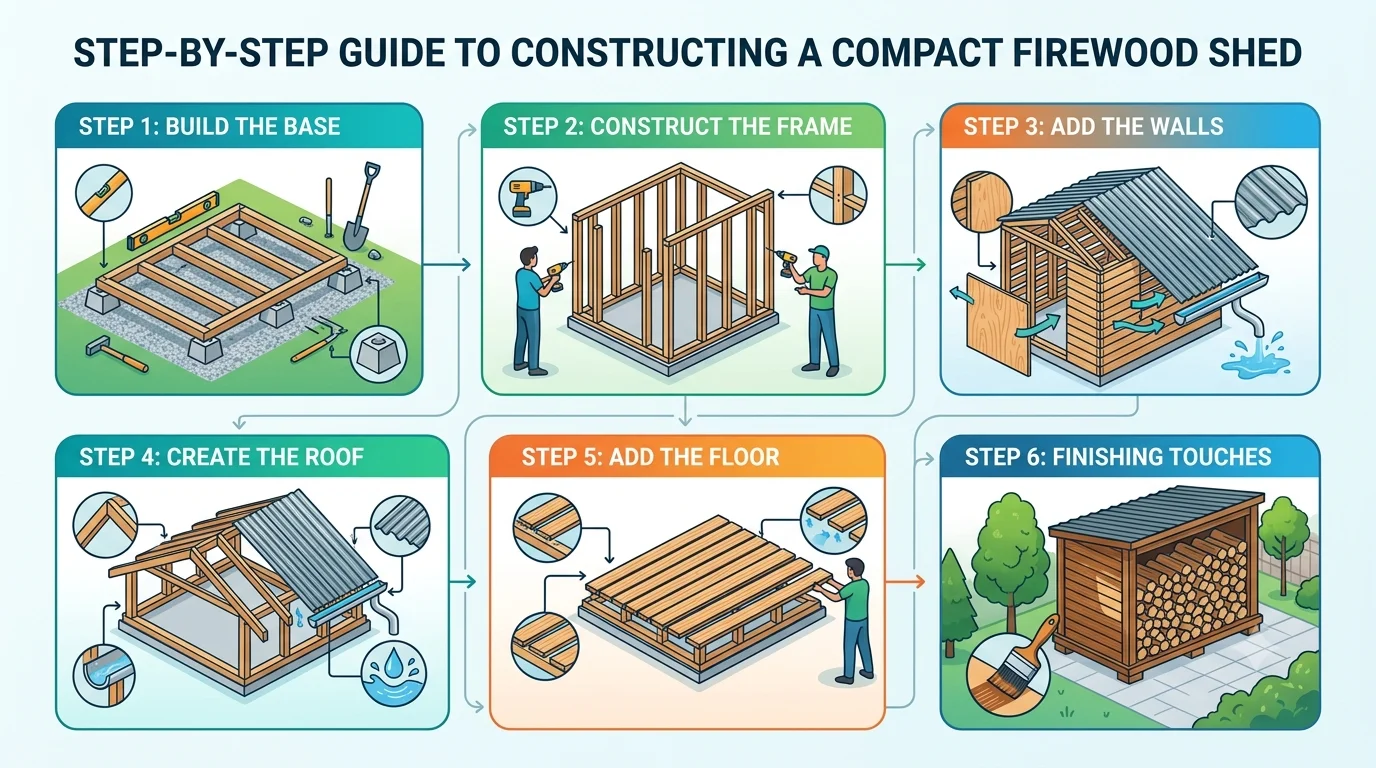
Step 1: Build the Base
Start by building a solid base. If your ground is uneven, you may need to level it. Use concrete blocks, gravel, or plywood to create a sturdy foundation that will keep your firewood off the ground. This helps in preventing moisture absorption from the soil.
Step 2: Construct the Frame
Using pressure-treated lumber, build a rectangular frame. Use screws to secure the corners. Make sure to replicate the base dimensions in the frame, keeping it compact for smaller spaces.
Step 3: Add the Walls
Attach plywood panels to the frame to form walls. You can choose to leave openings or add slats for ventilation. Make sure the height of the walls is proportional to your firewood storage needs, usually around 4-5 feet tall.
Step 4: Create the Roof
Using metal roofing sheets or shingles, cover the top of your shed. A sloped roof is preferable to ensure rainwater drains off adequately. This design prolongs the life of your firewood by keeping it dry.
Step 5: Add the Floor
Place wooden pallets or slats on the floor of the shed. This ensures that airflow reaches the bottom of the firewood, further aiding in drying. The pallets also help in keeping the wood elevated.
Step 6: Finishing Touches
To enhance the longevity of your firewood shed, consider applying wood sealant or stain. This will protect it from weather elements. You can also paint the shed to match your home or landscaping.
Maintaining Your Firewood Shed
Regular maintenance is key to ensuring your firewood shed lasts. Check the structure for any signs of wear, especially after heavy rain or snow. Clean out any debris, and ensure the wood remains dry by keeping an eye on the ventilation and air circulation.
Creative Storage Solutions for Limited Outdoor Areas
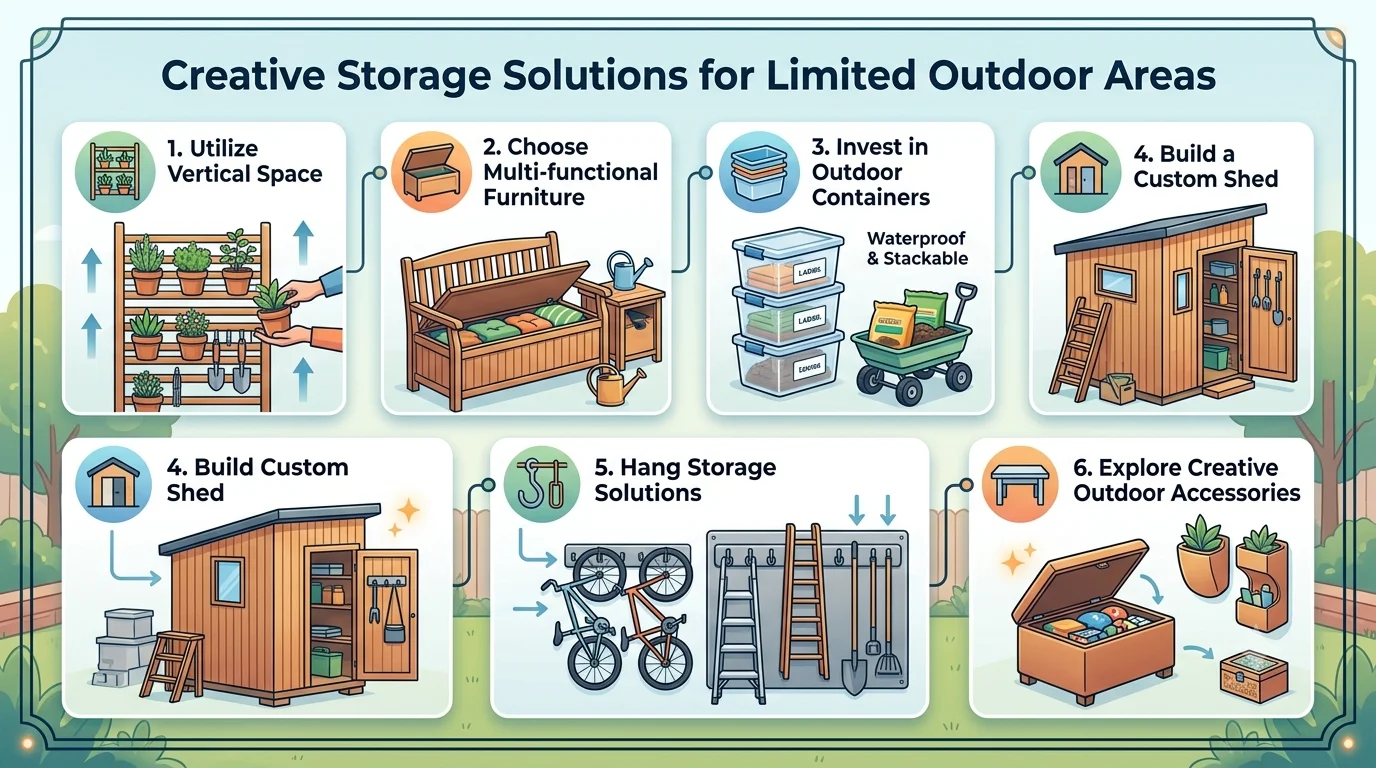
When you have limited outdoor space, finding creative storage solutions can significantly enhance your home’s functionality. You might feel constrained, but with a little ingenuity, you can turn your modest outdoor area into a well-organized haven. Here are some practical and imaginative strategies to optimize your storage.
Utilize Vertical Space
One of the most effective ways to maximize storage in small areas is by thinking vertically. Here are some ideas:
- Wall-mounted Shelves: Install wall shelves to store garden tools, pots, or decorative items. This keeps the ground clear and utilizes walls efficiently.
- Hanging Racks: Convenient for items like bikes or ladders. A sturdy hook system can keep them off the ground and free up much-needed space.
- Vertical Planters: Use stacked planters to grow herbs or flowers. This not only saves space but also adds greenery to your area.
Choose Multi-functional Furniture
Furniture that serves more than one purpose is a lifesaver in smaller areas. Consider these options:
- Storage Benches: A bench that opens up to reveal storage underneath can serve both as seating and a place for storing garden supplies or cushions.
- Folding Tables: A folding outdoor table can be put away when not in use, leaving more room for activities.
- Ottoman Storage: An outdoor ottoman that doubles as storage for blankets or games is ideal for relaxing outside while keeping the area tidy.
Invest in Outdoor Containers
Using containers can help you manage your items efficiently. Here are some effective container types:
- Plastic Storage Bins: Waterproof and stackable, these bins can store everything from gardening supplies to outdoor games. Choose clear bins for easy visibility.
- Garden Cart: A cart on wheels can transport tools or supplies around easily while also providing storage when parked.
- Wooden Crates: These can be stacked or grouped to create a rustic storage solution for various items.
Build a Custom Shed
If you have a bit of DIY spirit, constructing a small shed can be a fulfilling way to manage your tools and outdoor equipment. Here are a few tips:
- Choose the Right Location: Make sure the shed fits seamlessly into your garden design.
- Size Matters: Opt for a size that won’t overwhelm your outdoor space, but still provides enough room for your storage needs.
- Organizational Systems: Use shelves and hooks inside the shed to keep everything in order.
Hang Storage Solutions
Consider innovative hanging solutions to free up floor space:
- Pegboards: Great for storing tools in an organized fashion by allowing you to customize your arrangement easily.
- Hanging Baskets: Perfect for garden supplies or even decorative items. Hang them from a sturdy overhead structure.
- Vertical Shed Hanging Systems: These can store larger items like hoses or buckets and keep them organized.
Explore Creative Outdoor Accessories
Accessories can take your outdoor storage to the next level:
- Seasonal Storage Bins: Store seasonal items in labeled bins to easily access what you need throughout the year.
- Wall Art with Hidden Storage: Consider pieces that look like art but can also store small items.
- Under-deck Storage: If you have a raised deck, utilize that space for storage by installing a barrier and adding vents.
By using these creative storage solutions, you can maximize your limited outdoor space, ensuring functionality without compromising on style. Don’t forget to check out resources like Wood Magazine for advice on materials for outdoor structures and explore Home Depot’s ideas for shed storage solutions. Make the most out of your space and enjoy a tidy, organized outdoor area!
Maintenance Tips for Your Firewood Shed to Ensure Longevity
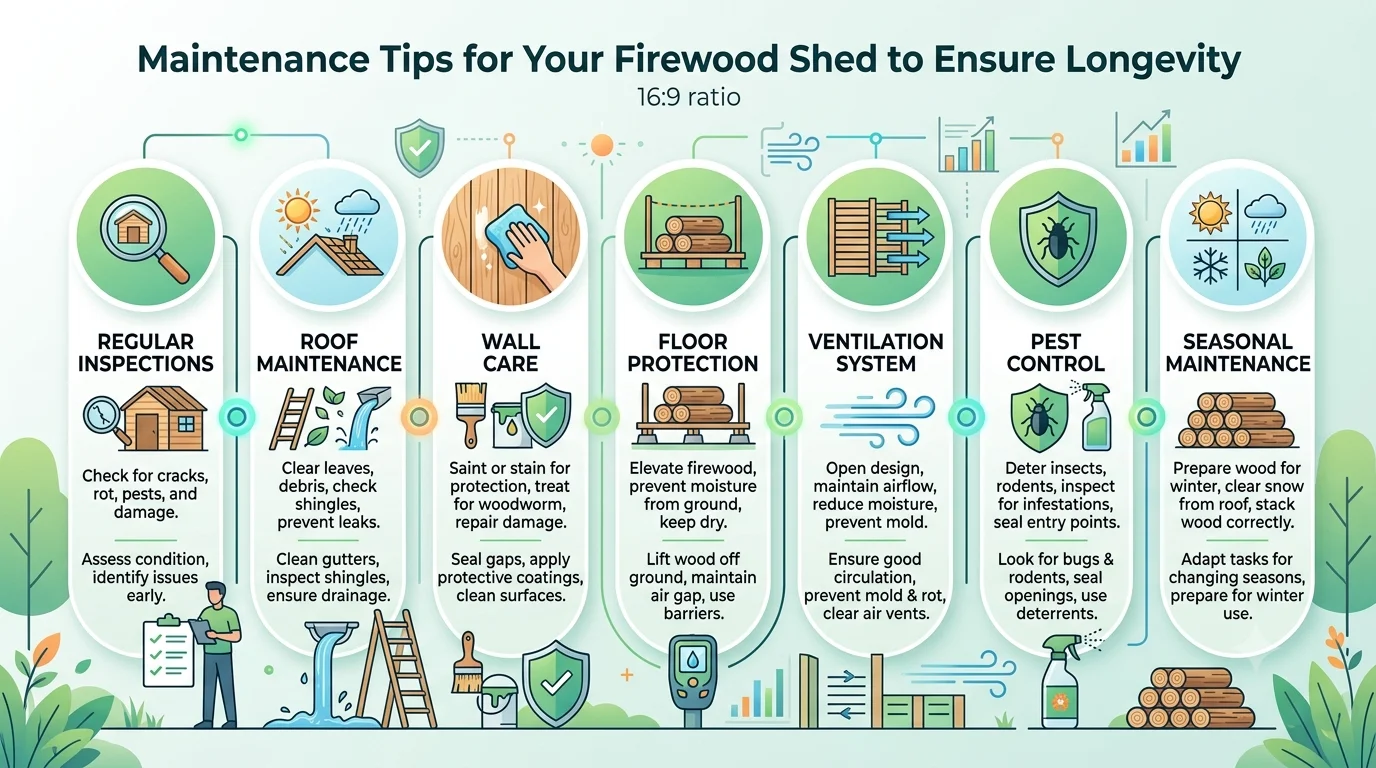
Keeping your firewood shed in top shape is essential for ensuring its longevity and durability. A well-maintained shed not only protects your firewood from the elements but also contributes to your outdoor space’s overall appearance. Here are some key maintenance tips to help you extend the life of your firewood shed.
Regular Inspections
Conducting regular inspections is your first line of defense against damage. Check for:
- Structural Damage: Look for any cracks, loose boards, or signs of rot in the wood.
- Pests: Check for signs of insect infestations or rodent entry points.
- Water Damage: Ensure that your shed’s roofing and siding are in good condition to prevent leaks.
Roof Maintenance
The roof is one of the most critical components of your firewood shed. Proper roof maintenance will prevent issues like water leaks which can lead to mold and mildew. Here’s what you should do:
- Clean Gutters: Ensure your gutters are free from leaves and debris so that rainwater can flow freely.
- Inspect Shingles: Look for missing or damaged shingles, replacing them as necessary.
- Seal Leaks: Apply a waterproof sealant to any existing cracks to prevent water from entering.
Wall Care
The walls of your firewood shed bear the brunt of the weather. Maintaining them ensures they remain sturdy and intact. Here are some tips:
- Repaint or Stain: Applying an outdoor paint or stain can provide an additional layer of protection against the elements.
- Check for Rot: Inspect your walls for soft spots that indicate wood rot, and replace any affected boards immediately.
- Pressure Wash: Clean the walls with a pressure washer to remove dirt and mildew, allowing the wood to breathe.
Floor Protection
Your shed’s floor can experience significant wear and tear, especially due to moisture from the ground. To protect it, consider the following:
- Elevate Your Firewood: Use pallets or racks to keep firewood off the ground. This helps prevent rot from moisture and allows airflow.
- Seal the Floor: Applying a protective sealant on your shed’s floor can minimize damage from spills or moisture.
- Use Mats: Consider using outdoor mats or rubber flooring for additional protection from heavy firewood loads.
Ventilation System
Proper ventilation is essential in a firewood shed to prevent mold and ensure that your firewood dries out properly. Here’s how to improve ventilation:
- Install Vents: Ensure your shed has adequate vents to allow airflow. You can install louvered vents high and low on opposite walls for effective circulation.
- Leave Gaps: When stacking firewood, leave gaps between the logs to promote better airflow.
- Use a Fan: In humid conditions, consider using a small fan inside the shed to help circulate air.
Pest Control
Keeping pests away is vital for the health of both your shed and the firewood stored inside. Some helpful tips include:
- Use Traps: Set up traps both inside and outside the shed to capture pests before they can cause damage.
- Seal Entry Points: Fill any gaps and seal holes where pests could enter. Be vigilant about keeping doors and windows closed when not in use.
- Natural Deterrents: Consider using natural pest deterrents such as cedar chips, which help repel insects.
Seasonal Maintenance
Adapting your maintenance routines with the seasons will ensure your firewood shed remains in prime condition year-round:
| Season | Maintenance Tip |
|---|---|
| Spring | Inspect for winter damage and clean the roof and gutters. |
| Summer | Check for insect infestations and ensure good ventilation. |
| Fall | Prepare and stack wood for winter use; ensure good airflow. |
| Winter | Check for ice accumulation and snow weight on the roof. |
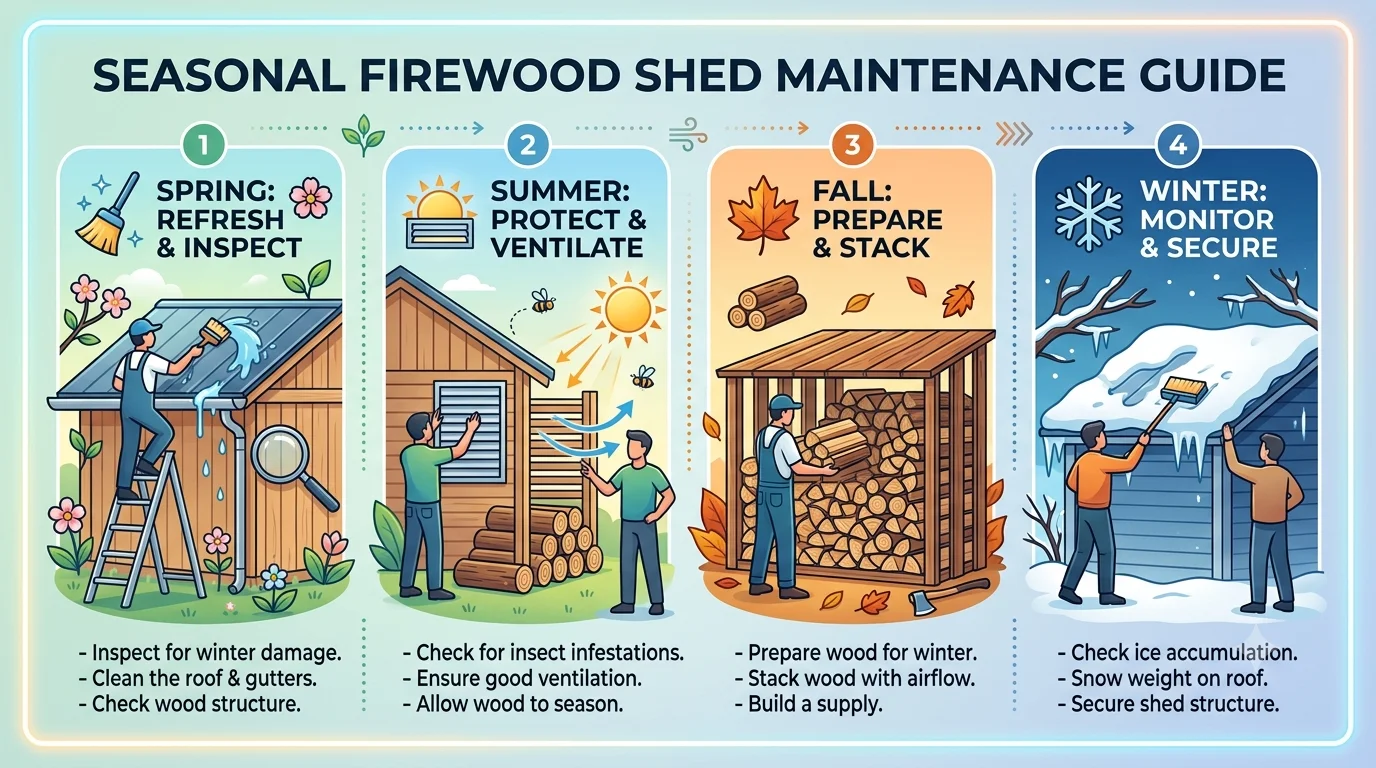
By following these maintenance tips for your firewood shed, you can prolong its lifespan and ensure a steady supply of dry firewood when you need it the most. For more information on wood shed maintenance, you can visit Fine Homebuilding or Wood Magazine.
Conclusion
Building a firewood shed in a small space may seem challenging, but with thoughtful design and planning, it can be a rewarding project. By taking into account key considerations such as size, layout, and accessibility, you can create a compact structure that fits seamlessly into your outdoor area. With the right materials and tools, you’ll be well-equipped to embark on this DIY adventure.
The step-by-step guide provided can simplify the construction process, ensuring that even novice builders can achieve a solid and functional shed. Don’t forget to explore creative storage solutions, like vertical stacking or utilizing wall space, to maximize your limited area. The clever use of your space can make a big difference and keep your firewood organized and dry. Maintenance is crucial for the longevity of your firewood shed. Regular checks for wear and tear, along with applying weatherproof treatments, will help it withstand the elements.
Keeping the shed clean not only improves its appearance but also promotes the longevity of the structure. Your firewood shed will be not just a functional storage space but also an attractive feature in your yard. With these strategies and tips, you can build a practical shed that enhances your outdoor space while providing easy access to firewood whenever you need it. Embrace the project, and enjoy the warmth and comfort that a well-prepared firewood supply can bring to your home.