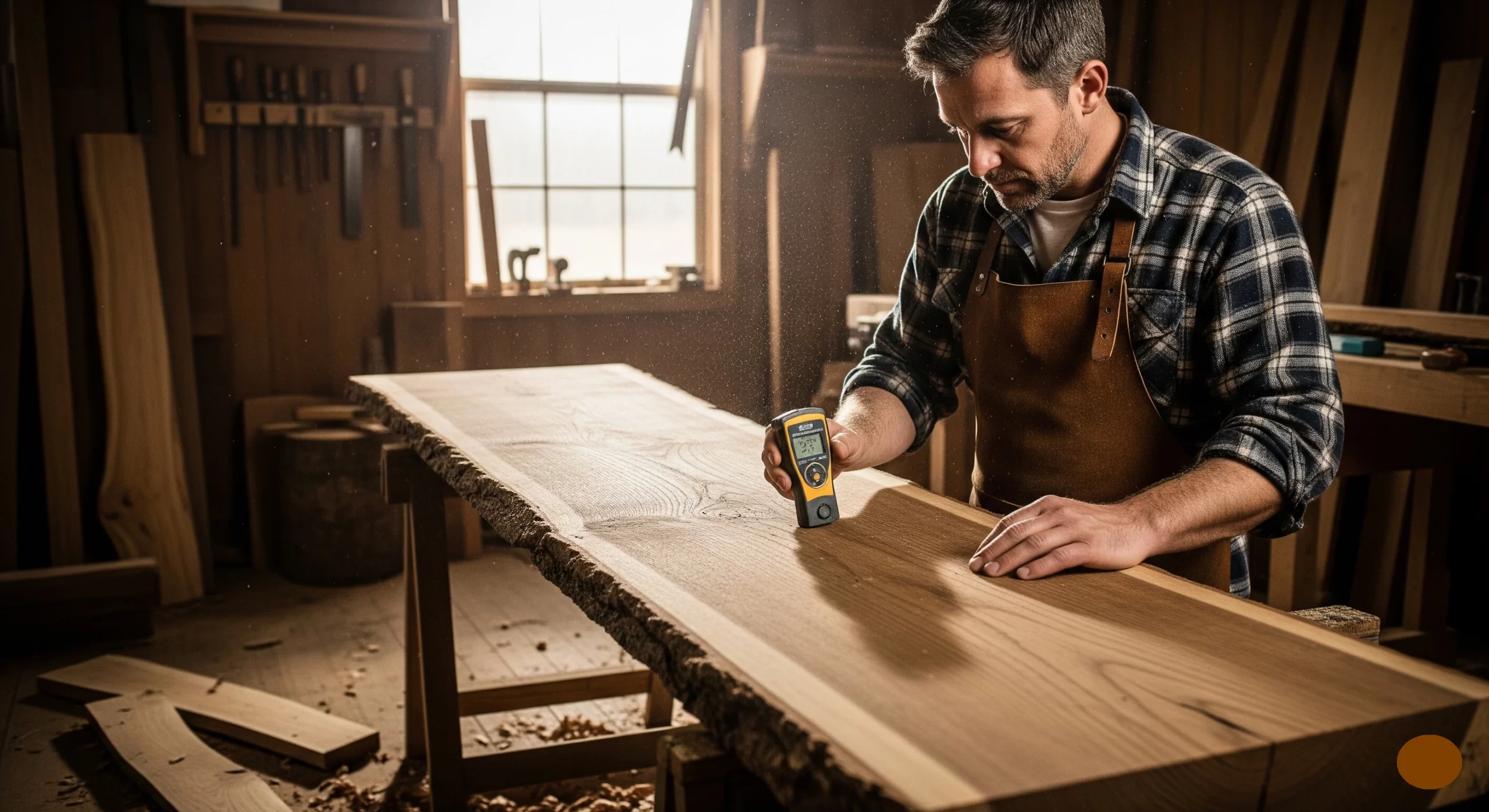
When you’re diving into woodworking, one of the most critical factors to consider is the moisture content of the wood you’re using. If the wood is too wet, it can warp, crack, or even develop mold, ruining your project. So, How Do You Know If Wood Is Dry Enough for Woodworking? Here are some helpful methods and tips to ensure you’re working with dry, stable wood.
Understanding Moisture Content
Moisture content in wood refers to the amount of water present in the wood cells, expressed as a percentage of the wood’s weight. For most woodworking projects, the ideal moisture content is between 6% to 10%. The acceptable range can vary with different types of wood and environmental conditions. To avoid issues in your project, take the time to assess the dryness of your wood properly.
How to Measure Moisture Content
To determine if your wood is dry enough, you can use one or more of these methods:
- Moisture Meter: Investing in a moisture meter is one of the most efficient ways to check the moisture content of your wood. Simply insert the probes into the wood, and the device will give you an instant reading. Make sure to get one that’s calibrated for the type of wood you’re using.
- Weight Method: Weigh a piece of wood freshly cut and record its weight. Allow it to dry under controlled conditions, and periodically re-weigh it. Once the weight stabilizes, you can be confident that it has reached a stable moisture content.
- Pinch Test: A quick and less precise method is the pinch test. Take a small piece of wood and pinch it between your fingers. If it feels damp or sticky, it likely has a higher moisture content.
- Look for Warping or Cracking: Visually inspect the wood. If you notice signs of warping, twisting, or cracking, it may be indicative of high moisture content. Healthy, dry wood will be more stable.
Signs of Properly Dried Wood
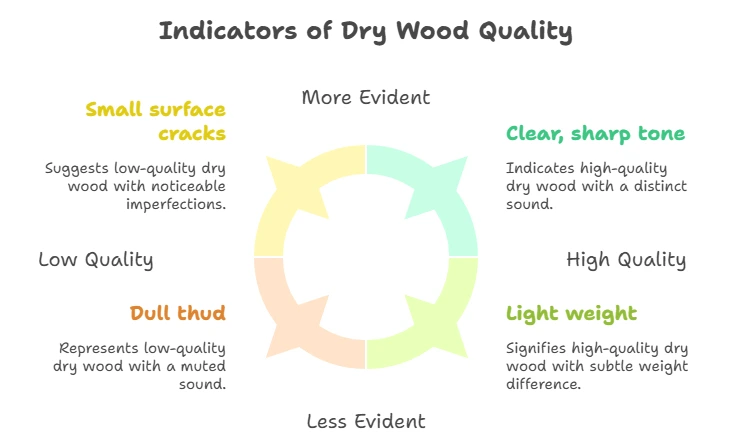
To ensure your wood is ready to be used for projects, look for these indicators:
| Signs of Dry Wood | Description |
|---|---|
| Weight | The wood feels light compared to a piece of similar dimension that you know is wet. |
| Smooth Surface | The surface appears smooth and is free of mold or other growths. |
| Tone | When tapped, dry wood will produce a clear, sharp sound rather than a dull thud. |
| Cracks or Checks | Small surface cracks (checks) may be acceptable, especially in hardwoods that naturally exhibit this feature as they dry. |
Drying Wood Safely
If you’ve determined your wood has too high a moisture content, you can dry it out with a few methods:
- Air Drying: Place the wood in a well-ventilated area away from direct sunlight. Stack the wood with spacers between the layers to allow air to circulate.
- Kiln Drying: For a faster option, you can use a kiln. This is a controlled environment that removes moisture quickly and evenly. Many wood suppliers offer kiln-dried wood.
- Dehumidifier: If you have access to a dehumidifier, placing your wood in a closed room with the dehumidifier running can also help to remove moisture efficiently.
Using Digital Resources for Guidance
If you’re still unsure about moisture content or how to handle your wood, consider visiting websites like Wood Magazine or Woodworkers Source. They offer valuable insights and techniques for working with wood effectively.
Knowing if wood is dry enough for woodworking is essential for the success of your projects. By understanding moisture content, using the right tools, and applying the techniques mentioned above, you can ensure that your wood is in peak condition. Happy woodworking!
The Importance of Moisture Content in Woodworking
Understanding moisture content is crucial in woodworking because it directly affects the quality and durability of your projects. When working with wood, knowing if it is dry enough can make or break your creation. Wood that isn’t dried properly may warp, crack, or even decay over time. This is why assessing moisture content is a fundamental skill every woodworker should master.
The moisture content in wood refers to the amount of water present in the wood fibers, expressed as a percentage of the wood’s total weight. Ideally, for indoor projects, wood should have a moisture content of around 6-8%. For outdoor projects, it can be slightly higher, but knowing the correct moisture percentage is essential for ensuring structural integrity.
To determine if How Do You Know If Wood Is Dry Enough for Woodworking?, you can employ various methods and tools. Here are some effective techniques:
- Moisture Meter: This tool is one of the most reliable ways to check moisture content. It inserts probes into the wood and provides a digital reading. For best results, take multiple readings from different areas of the wood piece.
- Weight Method: Weigh the wood when you think it is dry, and then keep it in a controlled environment for a week. Weigh it again. If there’s no significant change in weight, it’s dry.
- Visual Inspection: Check for signs of moisture like a wet feel, stains, or mildew. However, this method is not very reliable on its own.
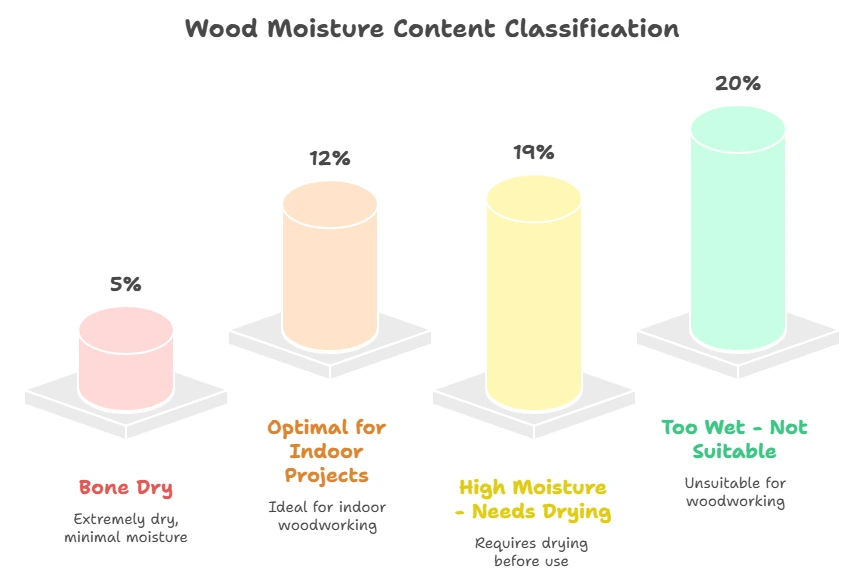
Wood can be classified based on its moisture content:
| Moisture Content (%) | Classification |
|---|---|
| 0-5 | Bone Dry |
| 6-12 | Optimal for Indoor Projects |
| 13-19 | High Moisture – Needs Drying |
| 20 and above | Too Wet – Not Suitable |
Another effective way to gauge if your wood is adequately dry is through the ‘ping test.’ Lightly hit the wood with a mallet or a solid object and listen for the sound it produces. Dry wood typically gives off a sharp, ringing noise, while moist wood sounds dull and thumpy.
It’s important to note that the conditions in which wood is stored also influence moisture content. Keeping wood indoors, well-ventilated, and away from direct sunlight can help maintain stable moisture levels. Understanding how environmental factors affect wood can improve your projects.
Here are some tips on how to maintain and monitor optimal moisture levels:
- Store wood in a climate-controlled environment if possible.
- Use a dehumidifier in humid climates to reduce moisture levels.
- Seal your wood with appropriate finishes to prevent moisture absorption.
- Regularly check moisture levels before starting your woodworking projects.
Moisture content plays a significant role in the woodworking process. If you want to achieve high-quality results, it’s essential to ensure that your wood is dry enough. Not only will dry wood help avoid future complications, but it will also enhance the overall performance of your projects.
For further reading on this topic, you can visit Wood Magazine or Woodworker’s Source for expert tips on moisture measurement and woodworking practices.
Techniques for Testing Wood Dryness Before Use
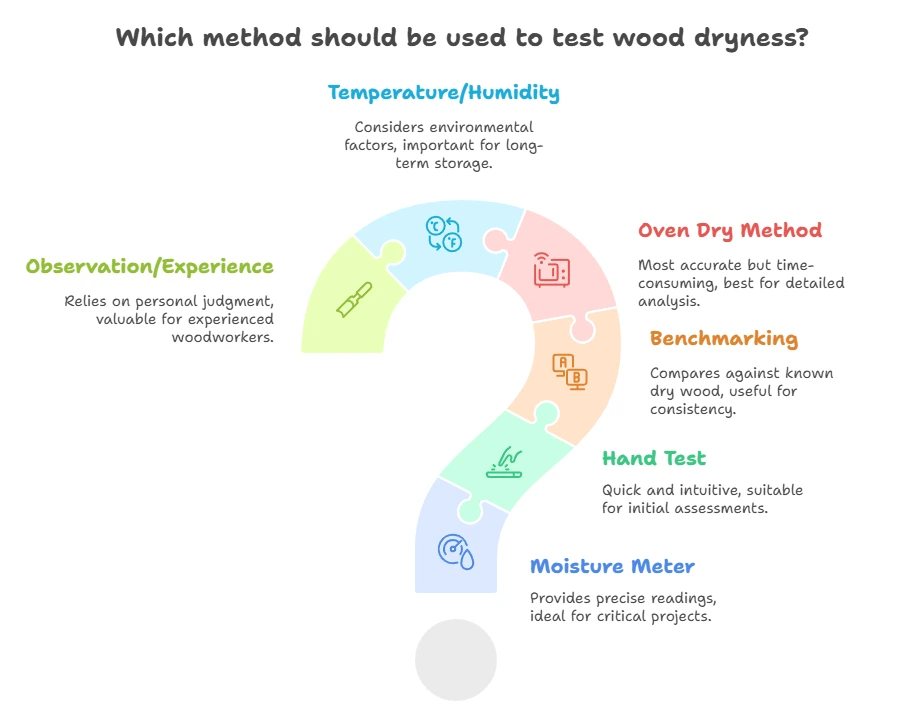
When you’re preparing for woodworking, understanding the moisture content of your wood is crucial. Working with wood that isn’t dry enough can lead to warping, cracking, and other issues. Here are some effective techniques you can use to test wood dryness before you start your project.
Use a Moisture Meter
A moisture meter is among the most reliable tools for checking wood dryness. This device can quickly provide a reading of the moisture content in wood. Here’s how to use it:
- Choose a quality moisture meter designed for wood.
- Insert the pins into the wood’s surface (if using a pin-type meter) or place the sensor against the surface (for non-invasive types).
- Wait a few seconds for the reading to stabilize.
- Check the moisture content: ideally, it should be below 12% for woodworking projects.
Hand Test Method
If you don’t have a moisture meter handy, you can try the hand test. This method uses physical signs to determine wood’s dryness:
- Look closely at the wood’s surface for any signs of moisture or dampness.
- Feel the wood; it should feel cool and dry to your touch.
- Knock on the wood. A dry piece will produce a sharp sound, while damp wood will sound dull.
Benchmarking Against Known Dry Wood
This technique allows you to compare the wood you’re testing with pieces that you know are dry. Here’s how to do this effectively:
- Find a piece of wood that is well-dried (ideally below 12% moisture content).
- Hold the known dry wood alongside the piece you’re testing.
- Assess visual cues like color and texture. Often, dry wood will appear less vibrant than wet wood.
- Consider weight: a dry piece will be significantly lighter than one that is not.
Take Advantage of the Oven Dry Method
This is a more precise technique, but it requires an oven and a little bit of patience:
- Weigh your piece of wood and record the weight.
- Place the wood in the oven at a low temperature (about 200°F or 93°C) for a few hours.
- Remove the wood, let it cool, and weigh it again.
- The weight difference indicates moisture loss. Calculate the percentage of moisture content using the formula: Moisture Content (%) = (Weight of Water Loss / Original Weight) x 100
Temperature and Humidity Considerations
Keep in mind that temperature and humidity can affect wood’s dryness. You can use a hygrometer to measure ambient humidity in your workspace. Ideally, humidity should be around 30-50% for optimal woodworking conditions. Follow these steps:
- Monitor seasonal changes and indoor humidity levels.
- Store your wood in a climate-controlled environment when possible.
Observation and Experience
Over time, you’ll develop an intuitive sense of whether How Do You Know If Wood Is Dry Enough for Woodworking?. Pay attention to:
- Color changes: A darker hue may indicate moisture.
- Cracks: If you are noticing cracks opening up in previously solid wood, moisture might be to blame.
Experience can guide you in identifying suitable drying levels without complicated tools. Whatever methods you choose, understanding wood dryness is the first step towards a successful woodworking project. Ensure you build your skills over time and trust your findings. For further insights and techniques, you might find helpful information on sites such as Wood Magazine and Popular Woodworking. Remember, testing wood’s dryness could save you a lot of frustration and wasted materials in the long run!
Common Mistakes When Assessing Wood Dryness
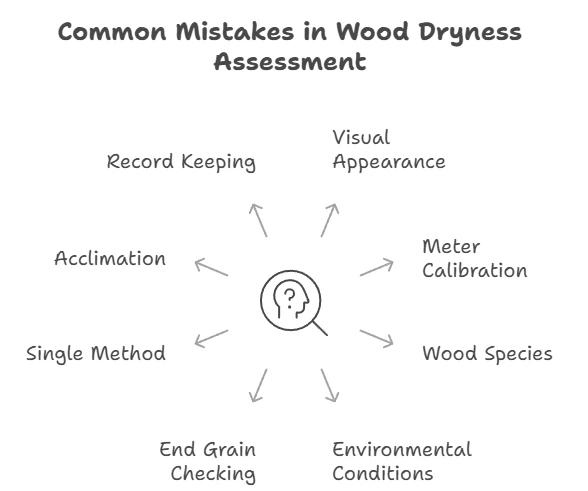
When it comes to woodworking, knowing if the wood is dry enough is crucial. However, many woodworkers make common mistakes that can lead to poor results. This understanding can save you time, money, and frustration. Here are some of the most prevalent missteps when assessing wood dryness.
Relying on Visual Appearance
One mistake people often make is judging the dryness of wood by its visual appearance alone. Freshly cut wood can look dry on the outside while still containing excess moisture on the inside. This misleading outer appearance can lead to problems like warp or cracks in your finished project. Always use a moisture meter to get an accurate moisture content reading.
Ignoring Moisture Meter Calibration
Moisture meters are valuable tools for assessing wood dryness, but they must be calibrated correctly. Failing to calibrate your meter for the specific type of wood you are assessing can produce inaccurate readings. Always check the manufacturer’s recommendations on calibration or consult resources that provide accurate calibration techniques.
Overlooking the Wood Species
Different wood species have varying moisture content capabilities. For example, softwoods like pine may dry out faster than hardwoods like oak. Understanding the specific drying characteristics of the wood you’re using will help you assess its dryness more effectively. Always refer to a reliable resource that discusses different wood species and their moisture levels, such as WoodWeb.
Not Considering Environmental Conditions
Your working environment significantly influences wood moisture levels. Humidity, temperature, and airflow can affect the drying process. For instance, wood stored in a damp area may not dry out as quickly as wood placed in a well-ventilated space. Make sure to assess the location where you store your wood, and always consider these environmental variables when determining dryness.
Neglecting End Grain Checking
Another common mistake is failing to check the end grain of the wood. The end grain often dries more quickly than the rest of the piece. If you only assess the surface, you may believe the wood is dryer than it actually is. Take the time to examine the end grain for signs of moisture; this will provide a more comprehensive view of the wood’s condition.
Using Only One Method of Assessment
Many woodworkers rely solely on one assessment method, which can lead to inaccuracies. Using various methods, including moisture meters, weight comparisons, and the visual inspection of grain, will yield a better understanding of the wood’s moisture content. Combining these methods can help verify your results and prevent potential future issues.
| Method | Advantages | Disadvantages |
|---|---|---|
| Moisture Meter | Quick and accurate readings | Requires calibration and may vary with wood species |
| Weight Comparison | Easy and inexpensive | Can be time-consuming |
| Visual Inspection | No equipment needed | Subjective and unreliable |
Failing to Allow for Acclimation
Wood also needs time to acclimate to its environment after being transported. Rushing the acclimation process can lead to issues like cracking or warping. Make sure to allow your wood to sit in your workshop for several days to adjust to the surrounding humidity and temperature before beginning your woodworking project.
Not Keeping Records
Documenting the moisture content over time can help you understand how different woods behave in various conditions. Keeping a simple log of your findings, along with the wood species and drying conditions, will help you improve your future assessments. This practice will lead to quicker decisions and more successful woodworking results over time.
By being aware of these common mistakes, you can enhance your woodworking skills and improve the outcome of your projects. To learn more about wood drying and related resources, visit Wood Magazine for helpful insights and articles.
Best Practices for Drying Wood Properly for Woodworking
Drying wood properly is essential for woodworking projects. If you use wood that isn’t dried adequately, you might face a variety of problems, from warping to cracking. So, how Do You Know If Wood Is Dry Enough for Woodworking? Let’s explore the best practices for drying wood effectively.
Understanding Moisture Content
Moisture content (MC) refers to the amount of water contained in the wood. The ideal moisture content for most woodworking projects is between 6% and 8%. If the wood holds more moisture than this, it will likely lead to dimensional changes, which can compromise your finish or structural integrity. The following methods can help you learn about MC.
Using a Moisture Meter
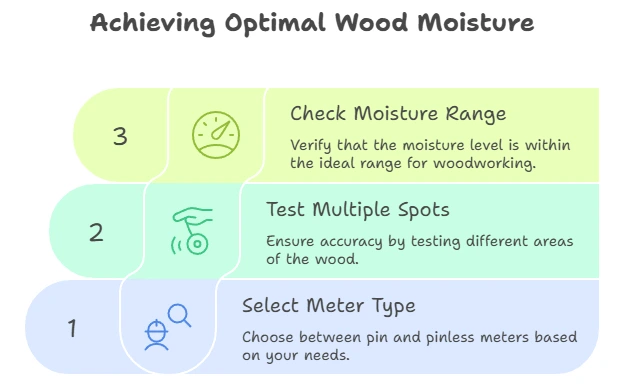
A moisture meter is a reliable tool for measuring the moisture content of wood. Here’s how you can use it:
- Select the right type: There are two main types of moisture meters—pin and pinless. Pin meters penetrate the wood, while pinless meters measure moisture without leaving marks.
- Check multiple spots: Test various areas on your wood piece for accuracy, as moisture levels can vary.
- Look for the right range: If your reading is within 6%-8%, you’re ready to start working. Higher levels may indicate that your wood needs more drying.
Visual and Physical Inspection
Besides using a moisture meter, inspecting the wood visually can offer clues about its dryness:
- Check for cracks: Excessive moisture can lead to cracking. If you see these, you may need to dry the wood more.
- Feel the weight: Freshly cut wood is heavy due to moisture content. When it feels significantly lighter, it’s likely drier.
- Examine the color: Wood that’s dried typically has a more muted color. If it appears vibrant, it may still have excess moisture.
Best Methods for Drying Wood
There are several methods to dry wood effectively, each with its advantages and disadvantages.
Air Drying
Air drying is one of the most traditional methods, relying on natural conditions. Here’s how to do it:
- Stack wood in a covered, ventilated area to protect it from rain.
- Space each piece with stickers (small boards) to allow airflow.
- Monitor the moisture levels regularly, aiming for a gradual decrease over time.
While air drying takes longer, it’s cost-effective and requires no special equipment.
Kiln Drying
Kiln drying is another popular method, especially for woodworking professionals. Here’s what you should know:
- Controlled environment: Kilns use controlled heat and humidity to improve drying speed while minimizing defects.
- Quick results: The process can take days rather than months, making it perfect for commercial production.
However, be cautious: if done incorrectly, kiln drying can lead to overly dry wood or checking (cracking along the grain).
Storing Dried Wood
Once your wood is dried to the correct moisture content, proper storage is vital to keep it in the best condition:
- Store wood off the ground on pallets or shelves.
- Keep it in a controlled environment with stable temperature and humidity.
- Avoid stacking wood directly under windows or in damp areas.
By following these methods and tips, you’ll ensure that your wood is at the best condition for your projects.
For more information on woodworking and drying techniques, you can explore resources from Wood Magazine or Woodworking Network.
By being mindful about the moisture levels in your wood, you can enhance the quality of your woodworking projects, ensuring they stand the test of time. Happy woodworking!
Conclusion
Ensuring that wood is dry enough for your woodworking projects is crucial for achieving optimal results. Understanding the importance of moisture content cannot be overstated, as it can significantly impact your project’s durability and overall quality. By employing various techniques for testing wood dryness, you can confidently determine if the material is suitable for your needs. It’s essential to be aware of common mistakes when assessing wood dryness, such as relying solely on appearance or underestimating environmental factors.
These pitfalls can lead to frustration and subpar outcomes in your projects. To avoid these issues, adhere to best practices for drying wood properly. This includes using a moisture meter, allowing for adequate air circulation while drying, and storing wood in a controlled environment. Remember, the effort you put into ensuring your wood is dry enough will pay off in the long run with better craftsmanship and finished products that stand the test of time.
By prioritizing these methods, you not only elevate your woodworking skills but also enhance your overall experience as a woodworker. Keep these insights in mind, and you’ll be well on your way to mastering the art of working with wood, leading to successful and fulfilling projects.