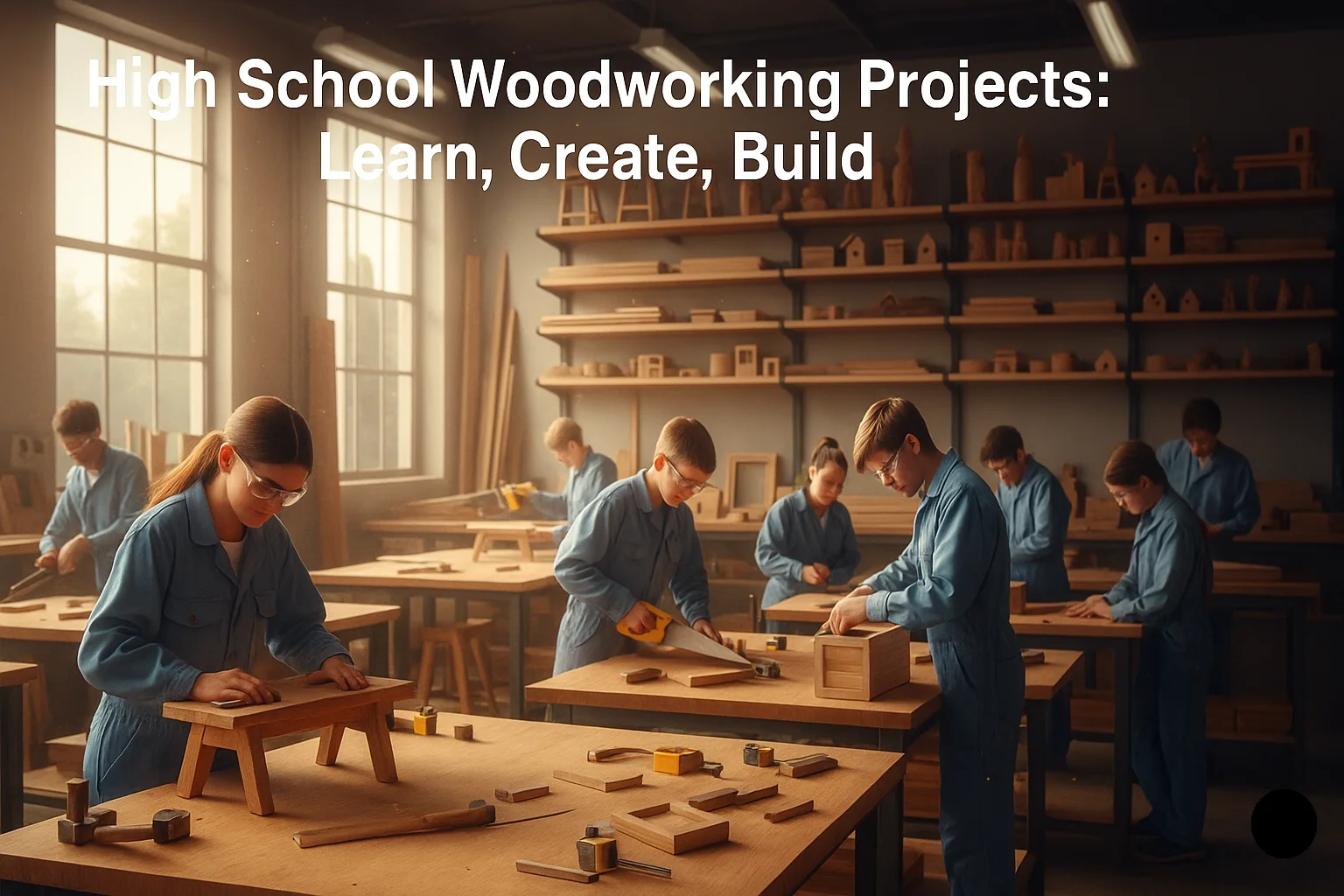
Woodworking is not just a craft; it’s a fantastic way for high school students to express their creativity while learning valuable skills. If you’re just starting out or looking for fresh ideas, there are plenty of woodworking projects that suit beginners perfectly. Let’s explore some exciting High School Woodworking Project ideas that are engaging and educational.
Beginner-Friendly Woodworking Ideas
Simple Furniture Projects
Creating furniture pieces can be a rewarding experience. Here are a few beginner-friendly High School Woodworking Project ideas:
- Wooden Benches: A simple bench can be made using basic woodworking tools. It’s a great piece that can be used indoors or outdoors.
- Coffee Tables: Crafting a small coffee table allows you to practice cutting and joining pieces while creating something practical.
- Bookshelves: A basic bookshelf is not only useful but can also be customized to fit any space. This project helps you understand load distribution and stability.
Functional Accessories
Making items that are functional can boost your confidence in woodworking. Consider these High School Woodworking Project ideas:
- Wooden Phone Stand: A simple project that anyone can use. It teaches basic cutting skills and can be personalized with paint or wood stain.
- Picture Frames: Building your own picture frame helps you practice precision and attention to detail. You can also create different styles, such as rustic or modern.
- Jewelry Box: Crafting a small jewelry box is a great way to learn how to make joints and incorporate various components like a lid or dividers.
Fun Artistic Creations
Getting creative can lead to some fantastic High School Woodworking Project ideas that also serve as decoration:
- Wall Art: Create unique pieces by combining wood shapes and stains. These can be personalized for a room’s theme or color scheme.
- Wooden Toys: Build simple toys like cars or blocks. It’s fun to see your creations used for play while also honing your skills.
- Planter Boxes: Create stylish wooden planters for indoor plants or gardens. This project helps you understand water resistance and treating wood.
Group Projects for Collaboration
Working on a project as a group can be a great bonding experience. Think about these collaborative High School Woodworking Project ideas:
- Outdoor Furniture: Team up with classmates to build picnic tables or benches for school yards or local parks.
- Community Projects: Engage with local organizations to create items such as birdhouses or benches for public spaces.
Learning Tools and Tips
As you embark on these projects, keep a few things in mind to ensure a successful woodworking experience:
- Always measure twice and cut once to avoid waste.
- Practice safety first. Wear goggles and keep your workspace tidy.
- Start with softwoods like pine, which are easier to work with than harder woods.
Resources for Woodworking Enthusiasts
To enhance your woodworking skills, check out these valuable resources:
- Wood Magazine – Contains a wealth of tips, tricks, and project ideas.
- Woodworker’s Source Blog – Offers tutorials and advice tailored for all levels.
- Lee Valley Tools – A supplier that also provides excellent woodworking guides.
Embarking on a High School Woodworking Project can be a fun and educational experience. The satisfaction of creating something with your own hands is unmatched. Remember, the goal is not just to finish a project, but to enjoy the journey of learning and creating.
The Benefits of Woodworking Skills in High School
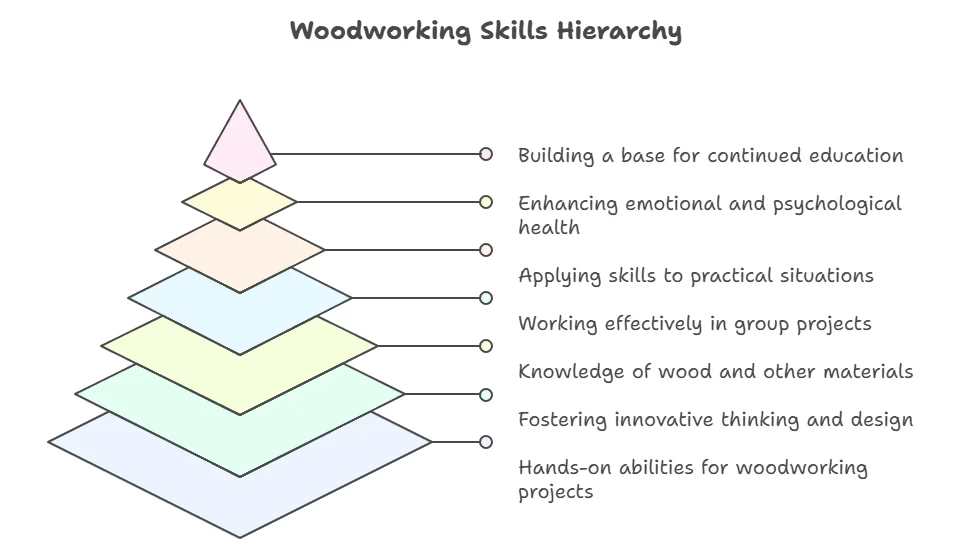
In high school, students have the opportunity to explore various skills that can benefit them greatly in the future. One of the most practical and rewarding skills to learn is woodworking. Woodworking projects not only enhance creativity but also develop crucial life skills. Let’s delve into the numerous benefits of woodworking skills and how they can positively impact high school students.
Building Practical Skills
One of the key benefits of learning woodworking is that it teaches practical skills. Students learn how to measure, cut, and assemble materials accurately, which are essential abilities in daily life. By engaging in High School Woodworking Project work, students improve their:
- Problem-Solving Skills: Woodworking often involves overcoming challenges, whether it’s choosing the right tools, fixing mistakes, or figuring out how to finish a project.
- Hand-Eye Coordination: Working with tools and materials helps enhance motor skills and coordination.
- Attention to Detail: Precise measurements and careful planning lead to successful results, teaching students to focus on details.
Encouraging Creativity
Woodworking allows students to express their creativity. They can design furniture, build decorations, or create functional items tailored to their needs or tastes. This creative outlet not only helps in individual expression but also boosts self-confidence. When students see their completed projects, the sense of accomplishment can be incredibly motivating.
Understanding Material Properties
By working with wood, students gain a deeper understanding of material properties. They learn about different types of wood, their strengths, weaknesses, and best uses. Understanding these qualities can be beneficial in various fields, from architecture to engineering. Knowledge of materials can also influence decisions on sustainability and environmental impact.
Enhancing Collaboration Skills
Many High School Woodworking Project tasks are completed in teams, allowing students to collaborate and communicate effectively. Teamwork fosters a sense of community, encourages sharing of ideas, and develops interpersonal skills. Learning to work together toward a common goal is valuable not only in school but also in future workplaces.
Real-World Applications
Woodworking isn’t just limited to the classroom. The skills learned can translate into many areas of life, including:
- DIY Home Projects: Students can apply their woodworking knowledge to make improvements at home.
- Career Opportunities: Basic woodworking skills can open doors to careers in construction, carpentry, and design.
- Entrepreneurship: Creating and selling handcrafted items can be a source of income for students after graduation.
Promoting Mental Well-Being
Engaging in woodworking can have positive effects on mental health. The process of working on a project offers a therapeutic outlet. It allows students to concentrate and immerse themselves in the task at hand, which can help reduce stress and anxiety. The satisfaction of creating something with their own hands fosters a sense of pride and achievement.
Setting the Foundation for Future Learning
Woodworking serves as a foundation for learning other disciplines. Skills developed through High School Woodworking Project involvement can benefit students in subjects such as mathematics and physics. Understanding angles, measurements, and forces in woodworking projects can enhance their overall academic performance. The hands-on experience reinforces concepts learned in the classroom.
Woodworking in high school presents numerous benefits that extend beyond the workshop. It nurtures creativity, develops practical skills, and boosts mental well-being. As students navigate their educational and personal journeys, woodworking can be a valuable asset that enhances their future success.
If you are interested in exploring woodworking further, consider visiting the following resources:
- Woodworkers Source – A great resource for beginners and seasoned woodworkers.
- Wood Magazine – Offers projects, tips, and advice for all levels of woodworking enthusiasts.
Essential Tools for High School Woodworking Projects
High School Woodworking Project can be an exciting way for students to express their creativity while learning valuable skills. To make the most of these projects, it’s crucial to have the right tools. Whether you’re a beginner or have some experience, understanding which tools are essential will help you get started on the right foot. Here’s a list of essential woodworking tools that you’ll need for your high school project.
Basic Hand Tools
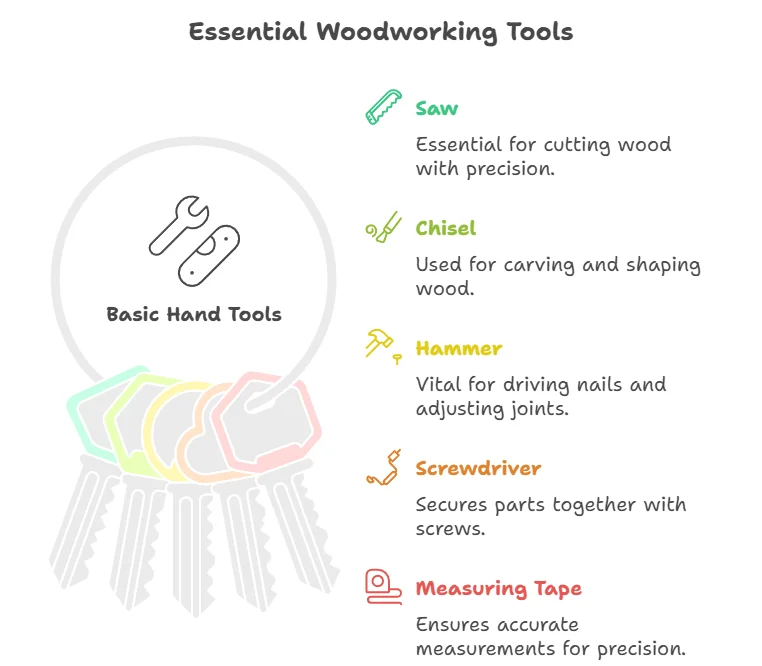
Hand tools are the backbone of woodworking. They allow for precision and a hands-on approach to crafting. Some basic hand tools include:
- Saw: A handsaw or coping saw is essential for making cuts in wood. Choose one based on the type of cuts you need to perform.
- Chisel: A set of chisels allows you to carve and shape wood. They come in various sizes for detailed work.
- Hammer: A good hammer is vital for driving nails and making adjustments to joints.
- Screwdriver: A basic screwdriver set with Phillips and flathead options will help you secure parts together.
- Measuring Tape: Accurate measurements are key in woodworking. A sturdy measuring tape is necessary to ensure precision.
Power Tools for Efficiency
While hand tools are essential, power tools can speed up processes and allow for complex designs. Consider including:
- Power Saw: A jigsaw or circular saw can cut larger pieces of wood with ease. Always prioritize safety when using power tools.
- Drill: An electric drill is useful for making holes and driving screws. A set of drill bits will prepare you for various tasks.
- Sander: A power sander smoothens wooden surfaces quickly, saving time and effort compared to hand sanding.
Safety Gear
Safety should never be overlooked while working on High School Woodworking Project activities. Always wear proper safety gear:
- Safety Glasses: Protect your eyes from flying debris or dust.
- Ear Protection: Power tools can be loud; using earplugs can prevent long-term hearing damage.
- Dust Mask: A dust mask will keep you safe from inhaling wood dust, improving your overall health during projects.
Workshop Essentials
Creating a functional workspace is just as important as having the right tools. Here are a few workshop essentials:
- Workbench: A sturdy workbench provides a stable surface for assembling and creating projects.
- Clamps: Clamps hold pieces in place while you work, ensuring everything fits together perfectly.
- Wood Glue: High-quality wood glue helps bond pieces together securely, often more reliably than screws alone.
Wood Selection
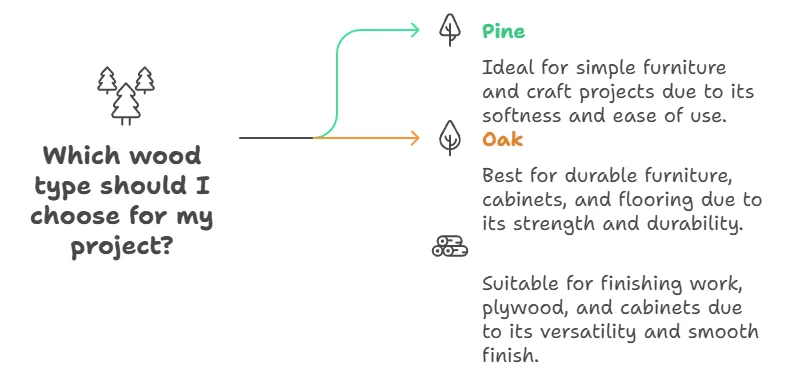
Choosing the right type of wood is key to the outcome of your High School Woodworking Project Here’s a quick comparison of some popular wood types:
| Wood Type | Characteristics | Best Used For |
|---|---|---|
| Pine | Softwood, lightweight, easy to work with | Simple furniture, craft projects |
| Oak | Hardwood, durable, strong | Furniture, cabinets, flooring |
| Birch | Hardwood, versatile, smooth finish | Finishing work, plywood, cabinets |
Do some research on different woods to find the right kind for your specific High School Woodworking Project. Websites like Wood Magazine and Popular Woodworking provide excellent information on the characteristics of various wood types.
High School Woodworking Project not only promote creativity but also instill a sense of accomplishment. By equipping yourself with the essential tools mentioned above, you’ll be well-prepared to tackle any woodworking project.
How to Plan and Execute a Successful Woodworking Project
Embarking on a crafting journey through woodworking can be both rewarding and educational. Whether you’re in high school or just starting out, executing a successful woodworking project requires careful planning and a keen eye for detail. Here are some essential steps to help you plan and execute a woodworking project effectively.
Identifying Your Project
The first step is to decide what you want to create. Consider your skills, the tools you have access to, and the materials available. A good starting point for High School Woodworking Project might include:
- Simple furniture, like a stool or bookshelf
- Decorative items, such as picture frames or birdhouses
- Functional projects, like a cutting board or a planter box
Make sure to choose a project that excites you and fits within your skill level.
Gathering Tools and Materials
Once you have your project in mind, it’s time to gather the necessary tools and materials. Here’s a checklist to help:
- Tools: Saw, drill, sander, measuring tape, square, clamps, and safety gear.
- Materials: Wood (cut to size), screws, wood glue, sandpaper, and stain or paint.
Before starting, ensure that you have all the tools ready and check for their working conditions. It might be helpful to visit local hardware stores or woodworking supply sites for materials.
Creating a Plan
A solid plan is essential for a successful High School Woodworking Project. Start by sketching out your project design. You can use simple software or paper to create a detailed drawing. As you plan:
- Include measurements for all components.
- Outline the steps you’ll take to bring your project to life.
- Decide on the finish you want, as this influences the type of wood and additional materials you will need.
Breaking Down the Steps
Now that you have a design and a plan, break down the project into manageable steps. Here’s a suggested sequence:
- Cut the wood to the required dimensions.
- Assemble the parts using wood glue and screws.
- Sand all surfaces smoothly.
- Finish your project with paint, stain, or varnish.
Working in stages prevents feeling overwhelmed and helps to maintain focus on each part of the project. Don’t rush; take your time to ensure all measurements are accurate and all items are cut and fitted correctly.
Safety First!
Always prioritize safety when working with tools. Here are some safety tips you should always follow:
- Wear safety goggles and hearing protection.
- Keep your workspace clean and organized.
- Know how to use each tool properly before starting.
- Ask for help if you’re unfamiliar with any equipment.
Creating a safe environment supports not only your High School Woodworking Project but also your well-being.
Assembling Your Project
Once all components are cut and sanded, it’s time to assemble your project. Follow your plan closely and use clamps to hold pieces in place as the glue dries. Be patient and ensure everything fits together snugly. Here’s how to ensure a tight fit:
- Double-check all dimensions again before assembly.
- Use pilot holes for screws to prevent wood from splitting.
- Allow sufficient drying time for glue joints.
Finishing Touches
After assembling your project, it’s time for finishing. This step can enhance the beauty of your woodworking. Choose a finish that suits your project’s purpose. Here are some finishing suggestions:
- Stains: Bring out the natural grain of wood.
- Paint: Add color to your project.
- Varnish: Provide a protective coat against wear and tear.
Apply multiple coats, following the manufacturer’s recommendations, and sand lightly between coats for an even finish.
Completing a woodworking project can inspire future creativity and skill development. From selecting a project to crafting and finishing, each step presents learning opportunities.
Showcasing Your Woodworking Projects: Tips for Presentation and Feedback
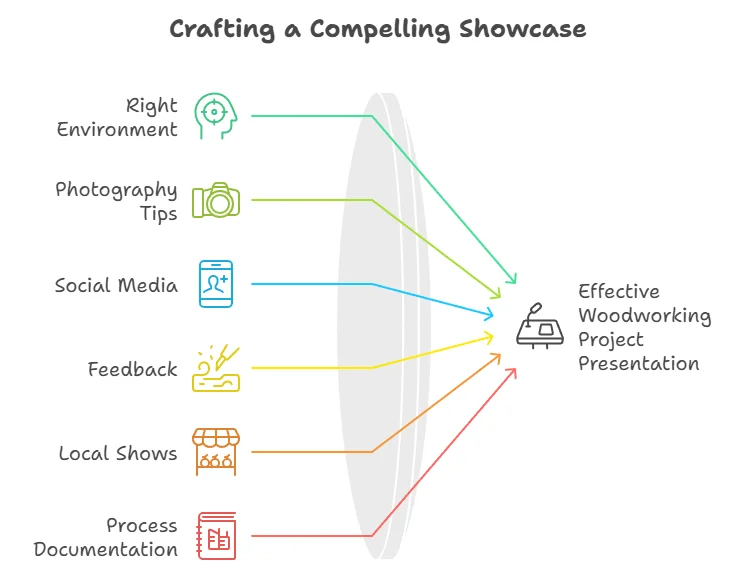
Woodworking is not just about creating; it’s also about sharing the joy of your creations with others. Showcasing your High School Woodworking Projects effectively can open doors to feedback, collaboration, and inspiration. Here are some tips to help you present your projects beautifully and gather valuable feedback.
Choose the Right Environment
The setting where you showcase your projects affects how they’re perceived. Consider these factors:
- Lighting: Natural light is ideal. Avoid harsh fluorescent lights that can cast unflattering shadows.
- Background: Use a simple backdrop, such as a plain wall or a clean table. This keeps the focus on your project.
- Space: Ensure you have enough space around your project so viewers can appreciate it from all angles.
Photography Tips to Enhance Your Presentation
By taking great photos, you can showcase the details of your High School Woodworking Projects. Here are some photography tips to consider:
- Use a good camera: A DSLR or a smartphone with a high-resolution camera can capture fine details.
- Angles: Take pictures from multiple angles to show the project’s depth and craftsmanship.
- Close-ups: Highlight intricate details, such as joinery, grain patterns, and finishes.
- Editing: Use editing software to enhance brightness and contrast without distorting the imagery.
Utilizing Social Media for Showcasing
Social media platforms can significantly boost your visibility as a woodworker. Here’s how to utilize them:
- Instagram: Perfect for sharing photos; use relevant hashtags like #Woodworking or #WoodworkProjects.
- Facebook Groups: Join woodworking communities to share your projects and get constructive feedback.
- Pinterest: Create boards dedicated to your projects for visual inspiration and engagement.
Gathering Feedback
Feedback is essential for your growth as a woodworker. Here are some tips to effectively gather and utilize feedback:
- Ask specific questions: Instead of a generic “What do you think?”, ask about details such as design choice or finish quality.
- Engage in discussions: Be open to conversations. Engaging with your audience can provide deeper insights.
- Seek out professionals: Don’t hesitate to reach out to experienced woodworkers for their opinions on your High School Woodworking Projects.
Presenting in Local Shows and Markets
Participating in local art shows or crafts markets can be a great way to showcase your woodworking projects in person. Here are some steps to consider:
- Booth setup: Create an inviting booth. Use banners, business cards, and a clean layout to attract visitors.
- Live demonstrations: Performing live demonstrations can draw attention and allow visitors to see your skills firsthand.
- Networking: Use these opportunities to connect with other artisans and potential customers.
Document the Process
Sharing the journey of how you created your woodworking project can captivate your audience. Consider documenting:
- Sketches and designs: Share initial sketches to show the evolution of your project.
- Time-lapse videos: Create short videos to document the entire process from start to finish.
- Challenges faced: Be honest about difficulties. It adds a real and relatable touch to your project story.
These tips can dramatically enhance how you showcase your High School Woodworking Projects. Whether you’re posting on social media or presenting at a local fair, the goal is to connect with your audience and spark interest. For resources and inspiration on perfecting woodworking techniques, check out Wood Magazine and Woodworker’s Journal.
Conclusion
As you embark on your journey into High School Woodworking Projects, remember that each project is an opportunity to unleash your creativity while developing essential skills. The ideas we explored, from simple birdhouses to intricate picture frames, can serve as a solid foundation for your craftsmanship. These beginner-friendly projects not only help you learn the basics but also allow you to take pride in creating something unique.
Building woodworking skills in high school goes beyond just learning to work with wood; these abilities translate into improved focus, problem-solving, and hand-eye coordination. You’ll find that these skills are not just valuable in the workshop but are also beneficial in various aspects of life.
Equipping yourself with essential tools is key to a smooth woodworking experience. Whether it’s a reliable saw or a high-quality sander, having the right instruments can significantly enhance your work. Always prioritize safety and maintenance, ensuring you know how to use each tool effectively.
Planning and executing your High School Woodworking Project can be a rewarding process. By setting clear goals and breaking them into manageable steps, you’ll be able to see your vision come to life. Don’t be afraid to adjust your plans if needed; flexibility can lead to even better outcomes.
Showcasing your completed projects can be a thrilling experience. Sharing your work with classmates, friends, and family not only boosts your confidence but also opens the door to valuable feedback. This constructive criticism can help refine your skills and inspire new ideas for future projects. Embrace the adventure that woodworking offers—you never know where your creativity might lead!