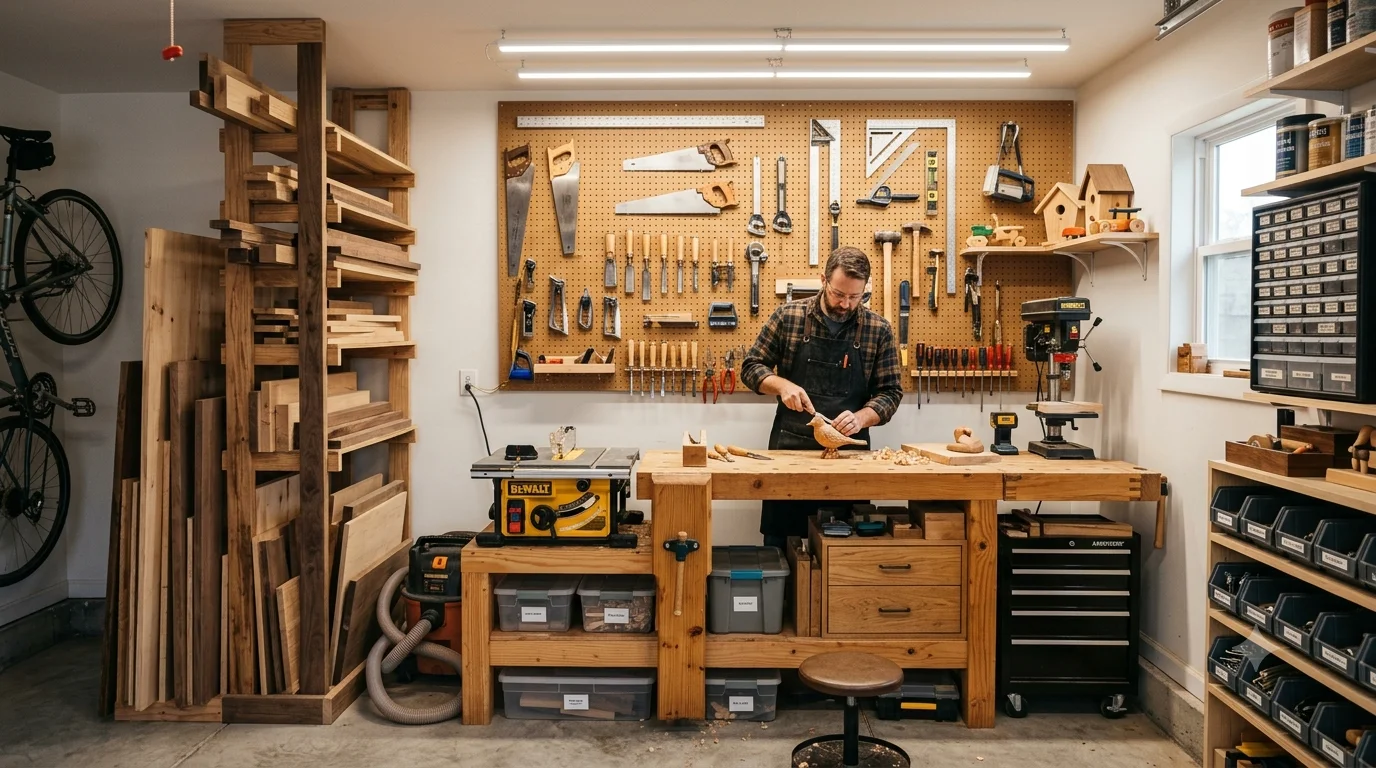
Creating a woodworking shop on Etsy from a small space can be challenging but incredibly rewarding. Here are some practical tips to help you maximize your limited area while making the most of your woodworking talents.
Designate Your Workspace
When working in a small space, designating a specific area for your woodworking projects is crucial. This helps keep you organized and focused. Choose a corner of your garage, basement, or even a dedicated room, if available. Ensure this space has ample ventilation and lighting, as safety is essential in woodworking.
Optimize Tool Storage
Storage solutions play a vital role in managing a cramped workspace. Consider the following storage tips:
- Wall-mounted solutions: Use pegboards or wall shelves to store tools neatly. It keeps them within reach and frees up floor space.
- Multi-functional furniture: Invest in workbenches with built-in storage or cabinets that can hold supplies and materials.
- Vertical storage: Use tall, narrow shelving units to store wood and supplies. This keeps everything organized without taking up much floor space.
Choose the Right Tools
In a small woodworking shop, it’s essential to invest in compact and versatile tools. Look for multi-use tools that can perform several tasks, reducing the number of gadgets you need. Here are some must-have tools for small spaces:
- Compact table saw
- Mini drill press
- Portable router
- Hand tools like chisels and hand saws
Utilize Small Items for Big Impact
In small woodworking shops, every little element matters. Use small items to maximize your space and enhance your efficiency. Consider:
- Magnetic strips: Install magnetic strips to hold small metallic tools and supplies.
- Drawer organizers: Use dividers in drawers to keep small items sorted and accessible.
- Cycle storage: Incorporate storage strategies for your smaller pieces of wood, either by stacking or organizing them vertically.
Smart Project Planning
Planning your projects efficiently can help streamline your workflow. Before starting, measure your space and the materials you’ll need. Create a project timeline and gather all necessary supplies beforehand, reducing clutter as you work. This approach also prevents unnecessary trips to the hardware store, which can interrupt your momentum.
Lighting Solutions
Good lighting is essential for woodworking, especially in a small space. Here are a few tips to enhance your workspace lighting:
- Use LED strip lights under shelves to brighten work surfaces without taking up space.
- Install adjustable lamps that can illuminate your workspace effectively.
- Natural lighting is best, so make sure to work near windows if possible.
Tidy Up Regularly
A cluttered workshop can lead to accidents and decreased productivity. Create a cleaning schedule to maintain your space’s organization. Regularly clearing away sawdust and unused materials ensures a safer, more efficient workspace.
Consider Your Products Carefully
When running an Etsy woodworking shop, it’s vital to choose products that are easy to create and ship. Smaller items often perform well in a small shop, such as:
- Birdhouses
- Wooden toys
- Utensil holders
- Small furniture
Build a Strong Online Presence
Focus on building your Etsy store. High-quality photos and detailed product descriptions can attract more customers. Use social media platforms to share your work, showcasing your products and the craftsmanship behind them. Engaging with your audience online will create a loyal customer base.
By following these tips, you can optimize your small woodworking shop on Etsy. With creativity and resourcefulness, you can turn a tiny space into a productive environment that showcases your skills and talent, ensuring your woodworking journey is both enjoyable and successful.
Essential Tools for Woodworking in Compact Workspaces
Creating a woodworking shop in a small space can be challenging, but with the right tools and organization, it can also be very rewarding. Let’s explore the essential tools that should top your list, as well as useful tips that will help you maximize your compact workspace.
Must-Have Tools for Small Space Woodworkers
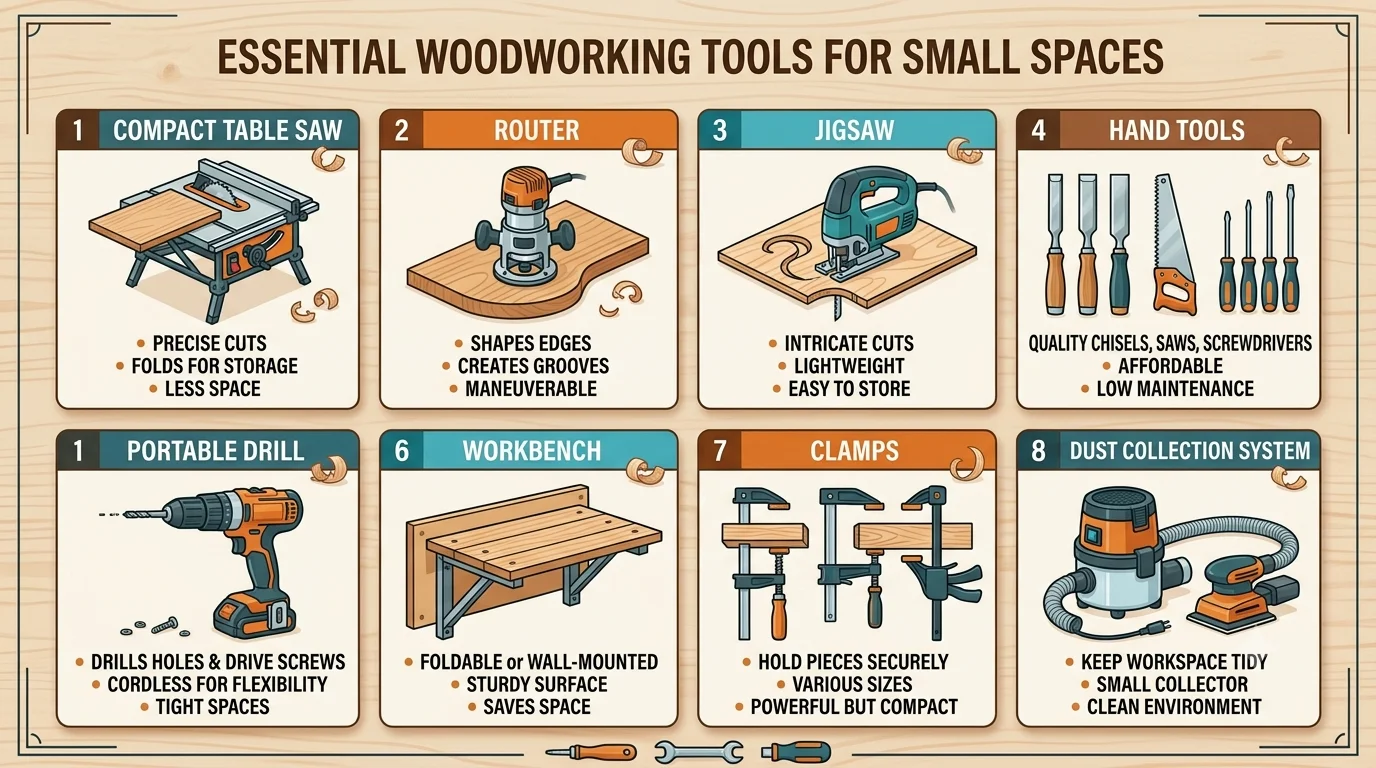
When working in a small area, choosing the right tools is crucial. Here’s a list of essential tools that offer versatility and efficiency:
- Compact Table Saw: A mini table saw takes up less space and provides precise cuts for various projects. Look for models that have foldable legs for easy storage.
- Router: A router can shape edges, create grooves, and more. Choose a compact version that you can easily maneuver in confined spaces.
- Jigsaw: This tool is great for making intricate cuts. It’s lightweight and can be stored in a small space when not in use.
- Hand Tools: Invest in quality hand tools such as chisels, hand saws, and screwdrivers. These are often more affordable and require less maintenance than their electric counterparts.
- Portable Drill: A lightweight drill is essential for drilling holes and driving screws in tight spaces. Opt for a cordless model for ultimate flexibility.
- Workbench: A foldable or wall-mounted workbench can save space while still providing a sturdy surface for your projects.
- Clamps: Various clamps are necessary for holding pieces in place. Look for clamps that are compact yet powerful.
- Dust Collection System: Cleanliness is crucial in woodworking. A small dust collector will help keep your workspace tidy without taking up too much room.
Organizing Your Workspace
Effective organization is key to maximizing your small woodworking shop. Here are some strategies:
- Vertical Storage: Use wall space for tool racks and shelves. This clears off your work surface and makes tools easy to grab when you need them.
- Multi-Functional Tools: Invest in tools that serve more than one purpose. For example, a combination square can measure and check angles, saving space and money.
- Mobile Storage Units: On wheels, these can be moved around as needed. They also provide additional surface area for painting or assembly.
- Tool Containers: Use bins, drawers, or pegboards to keep your tools organized. Clearly label everything to find tools quickly.
Workspace Layout Considerations
Planning your workspace layout can help you work more efficiently:
- Workflow: Design your layout around the flow of your projects. For instance, arrange your tools in a way that follows the steps of your work process.
- Lighting: Make sure your workspace is well-lit. Use under-cabinet lighting or portable lamps to brighten up dark areas.
- Safety Features: Keep safety items like goggles and ear protection close at hand. Consider adding a first-aid kit for emergencies.
Budgeting for Your Tools
Setting a budget for your tools and workspace is essential. Here’s a simple breakdown to help you plan your expenses:
| Tool | Estimated Cost | Notes |
|---|---|---|
| Compact Table Saw | $150 – $300 | Look for sales or used options. |
| Router | $100 – $200 | Consider a router kit with accessories. |
| Jigsaw | $50 – $150 | Battery-operated models are convenient. |
| Hand Tools | $50 – $200 | Start with essential tools, then expand. |
| Portable Drill | $80 – $200 | Battery life matters; choose wisely. |
In small woodworking shops, having the right tools and organization can make all the difference. By focusing on essential items and maintaining a tidy workspace, you can enjoy woodworking, even in compact areas. Make your space work for you, and let your creativity flourish!
Creative Organization Solutions for Limited Woodworking Spaces
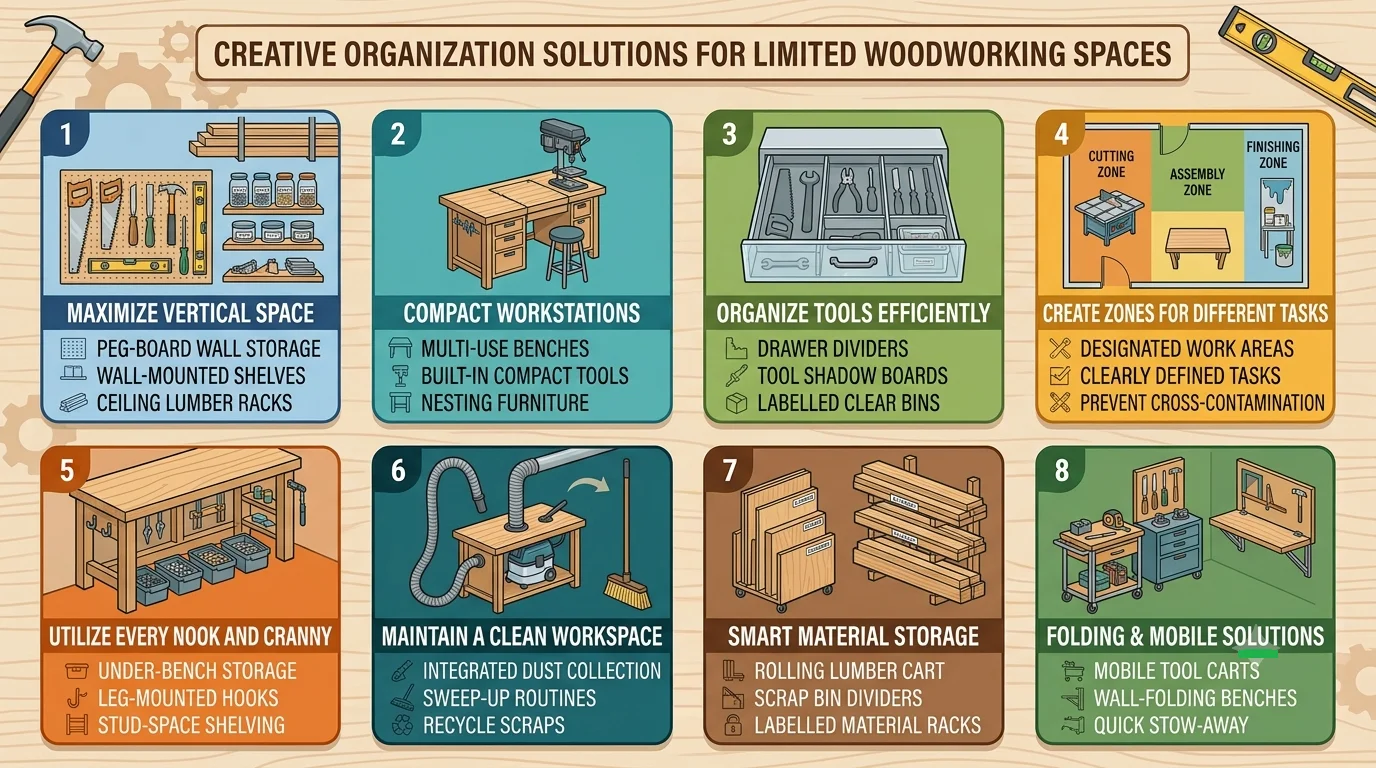
Are you passionate about woodworking but limited by a small space? You’re not alone! Many artisans find joy in creating beautiful pieces, even when their workshop is snug. Creativity is key, and with the right organization solutions, your limited woodworking space can be both functional and inspiring. Here are some creative organization tips that can transform your woodworking experience.
Maximize Vertical Space
When working in a limited area, it’s crucial to think vertically. Here are practical ways to utilize your vertical space:
- Wall-mounted shelves: Install shelves above your workbench to store tools and supplies. This keeps everything within reach while freeing up floor space.
- Pegboards: Use pegboards on your walls to hang tools. They are versatile and allow you to see all your tools at a glance.
- Tall cabinets: Opt for tall, narrow cabinets that utilize vertical space to store wood, finish, and other supplies without taking up too much floor area.
Compact Workstations
A dedicated workspace can help you stay organized even in limited areas. Here’s how to create a compact yet efficient workstation:
- Foldable workbenches: A foldable workbench can be a game changer. You can set it up when you need it and fold it away when not in use.
- Multi-functional tables: Consider a table that can be used for multiple purposes, such as cutting, assembly, and finishing. This saves space and time.
- Mobile carts: Use rolling carts to hold tools and materials. You can move them near your workstation when needed and tuck them away when they’re not.
Organize Tools Efficiently
Keeping your tools organized is essential for a smooth woodworking process. Here are some effective organization strategies:
- Drawer organizers: Utilize drawer organizers to separate small hand tools and accessories. This keeps everything easily accessible.
- Toolboxes: Invest in compact toolboxes that are easy to carry and can keep your essential tools organized.
- Clear storage bins: Use clear plastic bins for storing supplies like screws and nails. Being able to see what’s inside can save you time searching.
Create Zones for Different Tasks
Establishing zones in your workspace can greatly enhance efficiency. Here are a few zones to consider:
- Cutting zone: Designate an area for cutting wood, ensuring you have ample support for larger pieces.
- Assembly zone: Set up a space with enough room to assemble your projects comfortably.
- Finishing zone: Create a dedicated area for staining and varnishing to keep dust and particles from affecting your finish.
Utilize Every Nook and Cranny
Even the smallest corners can provide valuable storage. Use these tips to ensure nothing goes to waste:
- Under-shelf storage: Add hooks or small containers below existing shelves to hold miscellaneous items.
- Overhead storage: If ceiling height allows, consider overhead storage racks for storing wood or larger items.
- Behind doors: Use the back of your workshop door for additional storage, like a small pegboard or hanging organizer.
Maintain a Clean Workspace
A clean and clutter-free workspace enhances productivity. Regularly reorganizing can help keep your small space tidy. Here are some strategies for maintaining cleanliness:
- Set cleaning routines: Make it a habit to clean your workspace after each project to prevent clutter from building up.
- Use waste containers: Keep bins for sawdust and scraps nearby for quick disposal as you work.
- Label everything: Label bins and storage areas so you always know where things belong, making it quicker to clean up after yourself.
Creating a woodworking shop in limited spaces takes some clever planning and organization. By maximizing your space, staying organized, and maintaining cleanliness, you can enjoy a productive and inspiring woodworking journey. Remember, a well-organized shop not only saves time but also enhances creativity, allowing you to focus on what you love most – woodworking!
Choosing the Right Projects for Small Woodworking Shops
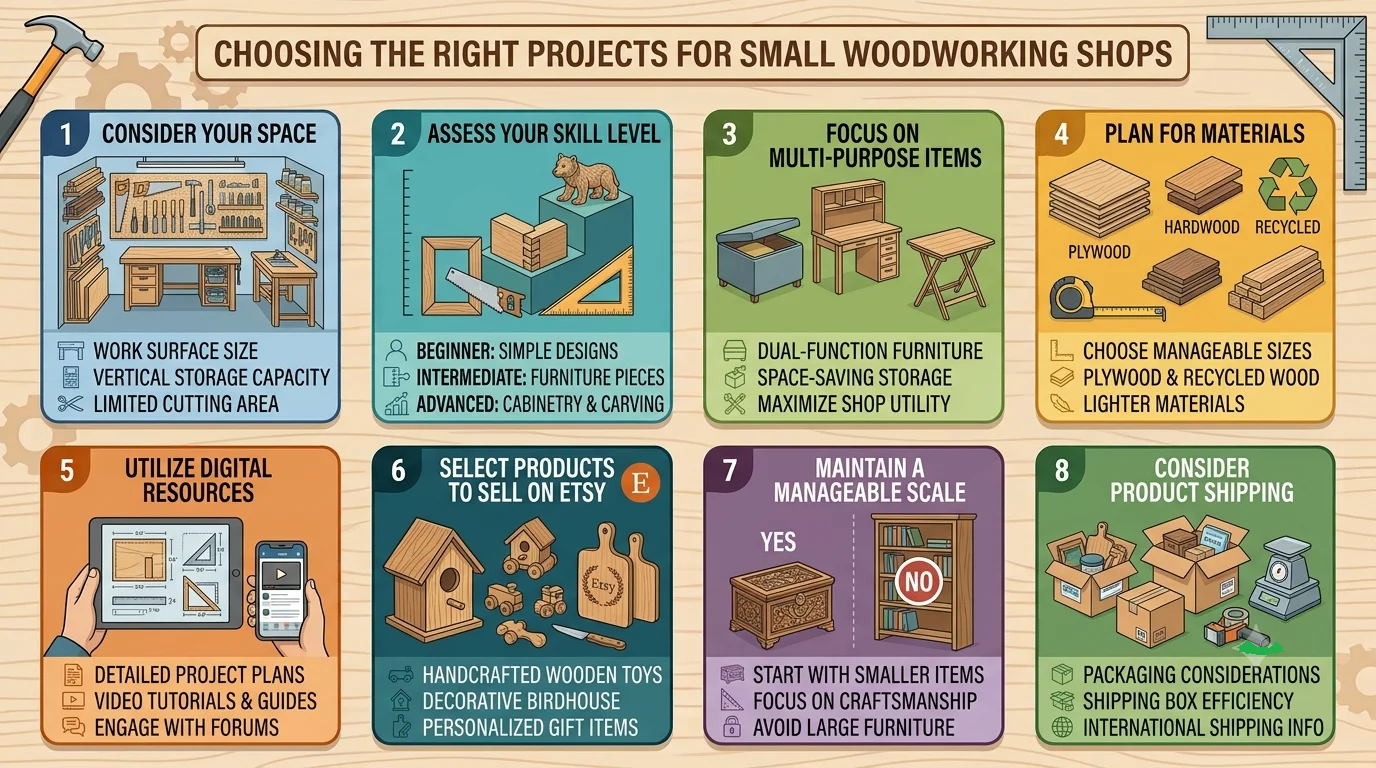
When you’re working in a small woodworking shop, choosing the right projects is essential. Limited space means you need to be smarter about what you take on. Here are some tips to help you select projects that fit both your skills and your workspace.
Consider Your Space
Before diving into any project, take a moment to assess your available space. Whether it’s a garage, basement, or a small shed, understanding your limits is key. Make sure to leave room for safety and for moving around comfortably. Here are important factors:
- Work Surface: Ensure you have a stable and large enough workbench.
- Storage: Use vertical space for shelves to keep materials organized.
- Tools: Limit the number of tools you use based on your projects and ensure they all have a designated spot.
Assess Your Skill Level
Knowing your woodworking skills can greatly affect the types of projects you should pursue. If you’re a beginner, start with simple designs that require minimal materials. On the contrary, if you are an experienced woodworker, you can tackle intricate projects, but still should consider the space they will occupy.
Here’s a quick overview of project ideas based on skill level:
| Skill Level | Project Ideas |
|---|---|
| Beginner | Simple picture frames, birdhouses, and small shelving units. |
| Intermediate | Furniture pieces like stools or small tables, cutting boards, and storage boxes. |
| Advanced | Intricate cabinetry, wooden toys, and detailed carving projects. |
Focus on Multi-Purpose Items
When space is at a premium, multi-purpose projects make smart choices. These items serve more than one function and help you maximize your small woodworking shop’s utility. Consider building furniture that can double as storage, like:
- Ottomans: They can be used as a seat and also have space inside for storage.
- Bookshelves with integrated desk: Save floor space while creating a working area.
- Foldable tables: Perfect for social gatherings but can be tucked away easily when not in use.
Plan for Materials
Selecting the right materials for your project is just as important as choosing the project itself. In a small space, consider these factors:
- Weight: Lighter materials are easier to move around and fit into tight spaces.
- Size: Choose boards that are manageable in your shop without needing extensive cutting.
- Type: For small projects, consider using plywood or recycled wood, which can often be sourced for free or at a low cost.
Utilize Digital Resources
With a wealth of information available online, digital resources can help you choose projects that suit your small shop. Websites, blogs, and woodworking forums can provide valuable insights and inspiration. Look for:
- Project Plans: These often include precise measurements and material lists.
- Videos: You can find tutorials that demonstrate techniques for small projects.
- Forums: Engage with other woodworkers to share tips and project suggestions that work well in compact spaces.
Effective Marketing Strategies for Your Small Etsy Woodworking Shop
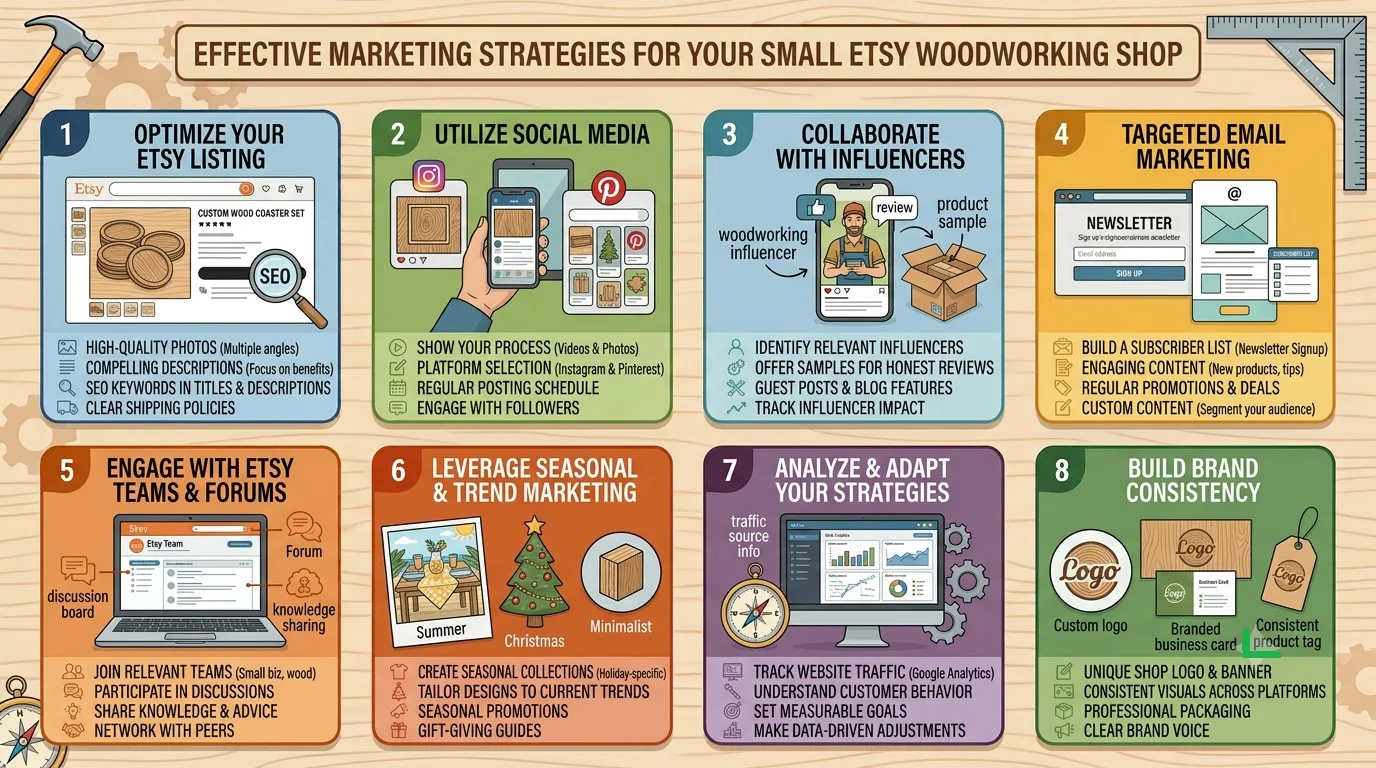
If you run a small woodworking shop on Etsy, effective marketing is essential for success. With the right strategies, you can stand out from the competition and reach a wider audience. Here are some tips tailored specifically for your Etsy woodworking shop.
Optimize Your Etsy Listing
Your Etsy listing is often the first impression you make on potential customers. Here are some ways to enhance your listings:
- High-Quality Images: Use multiple high-resolution images that showcase your products from different angles. Natural lighting can be very effective in highlighting the quality of your craftsmanship.
- Compelling Descriptions: Write clear, engaging descriptions. Focus on the benefits of your woodwork and use keywords that your customers might search for.
- SEO Keywords: Research relevant keywords and integrate them naturally into your titles and descriptions. Use tools like Google Keyword Planner and EtsyRank to find ideal keywords.
Utilize Social Media
Social media can be a powerful tool for connecting with your audience. Here’s how to make the most of it:
- Show Your Process: Share behind-the-scenes videos or photos of your woodworking process. This not only builds trust but also engages potential customers.
- Engagement: Respond to comments and messages promptly. Creating a community around your woodworking shop can encourage customer loyalty.
- Platform Selection: Choose platforms like Instagram and Pinterest that are visually driven. Etsy products typically perform well on these sites.
Collaborate with Influencers
Partnering with influencers can help boost your visibility. Consider the following steps:
- Identify Influencers: Look for influencers in the woodworking and home decor niches who resonate with your brand values.
- Honest Reviews: Offer samples of your products for them to review. Authentic reviews can reach a significant audience.
- Guest Posts: If the influencer has a blog, propose a guest post or a feature about your shop. Tap into their audience to expand your reach.
Targeted Email Marketing
Email marketing is an effective way to reach out to customers directly. Here’s how to implement a successful email strategy:
- Build a Subscriber List: Encourage website visitors to sign up for your newsletter by offering discounts or exclusive previews.
- Engaging Content: Send newsletters with engaging content, including new product launches, behind-the-scenes stories, or woodworking tips.
- Regular Promotions: Offer regular promotions to entice subscribers to make a purchase. Provide special discounts or bundle deals for loyal customers.
Engage with Etsy Teams and Forums
Getting involved in Etsy teams can increase your visibility and networking opportunities. Consider these approaches:
- Join Relevant Teams: Find and join Etsy teams that focus on woodworking or small businesses. Engaging here can lead to valuable advice and mutual support.
- Participate in Forums: Regularly check forums for trends, techniques, and marketing strategies that you can implement.
- Share Knowledge: Don’t hesitate to share your own tips and techniques. Engaging positively can enhance your reputation in the community.
Leverage Seasonal and Trend Marketing
Being aware of seasonal trends can help you tailor your marketing efforts. Here are some ideas:
- Seasonal Collections: Create products that cater to holidays or seasons, like Christmas decorations or summer outdoor furniture.
- Trendy Designs: Stay informed on popular styles or items that are trending in woodworking. This could include minimalist designs or eco-friendly pieces.
- Themed Promotions: Run themed promotions during holidays that incorporate discounts or special offers that can catch buyers’ attention.
Analyze and Adapt Your Strategies
Regularly analyze your marketing strategies to understand what works best. Use tools like Google Analytics to track your website traffic and understand customer behavior. Adapt your strategies based on performance data to ensure continuous growth.
By implementing these effective marketing strategies, your small Etsy woodworking shop can gain visibility and attract the right audience. Remember, consistency is key, and the effort you put into your marketing will pay off in the long run!
Conclusion
Creating a successful Etsy woodworking shop in a small space can feel like a daunting task, but with the right strategies, it can also be an exciting opportunity for creativity and innovation. By maximizing your available area, you can transform tight corners into productive zones that foster your artistic spirit. Choosing essential tools that cater to your specific needs while being mindful of size will streamline your workflow and enhance your productivity.
Organization is key when you are working in limited spaces. Creative solutions like vertical storage and modular furniture ensure you keep clutter at bay, allowing you to find inspiration in an organized environment. The projects you choose to undertake also matter; selecting the right pieces that fit your workspace can lead to more enjoyable crafting experiences and ensure successful outcomes.
Effective marketing strategies tailored for your unique offerings can help you stand out on Etsy. Promoting your work through engaging storytelling and attractive photography will connect with your audience, drawing them into your passion for woodworking.
By embracing these tips, you can not only optimize your small woodworking shop but also cultivate a thriving business on Etsy. Every inch of space, every tool, and every project becomes an essential part of your journey. With dedication and creativity, your small-scale operation can grow into a successful venture that resonates with customers and showcases your craftsmanship beautifully. Remember, it’s not just about the size of your workspace—it’s about how you make the most of it.