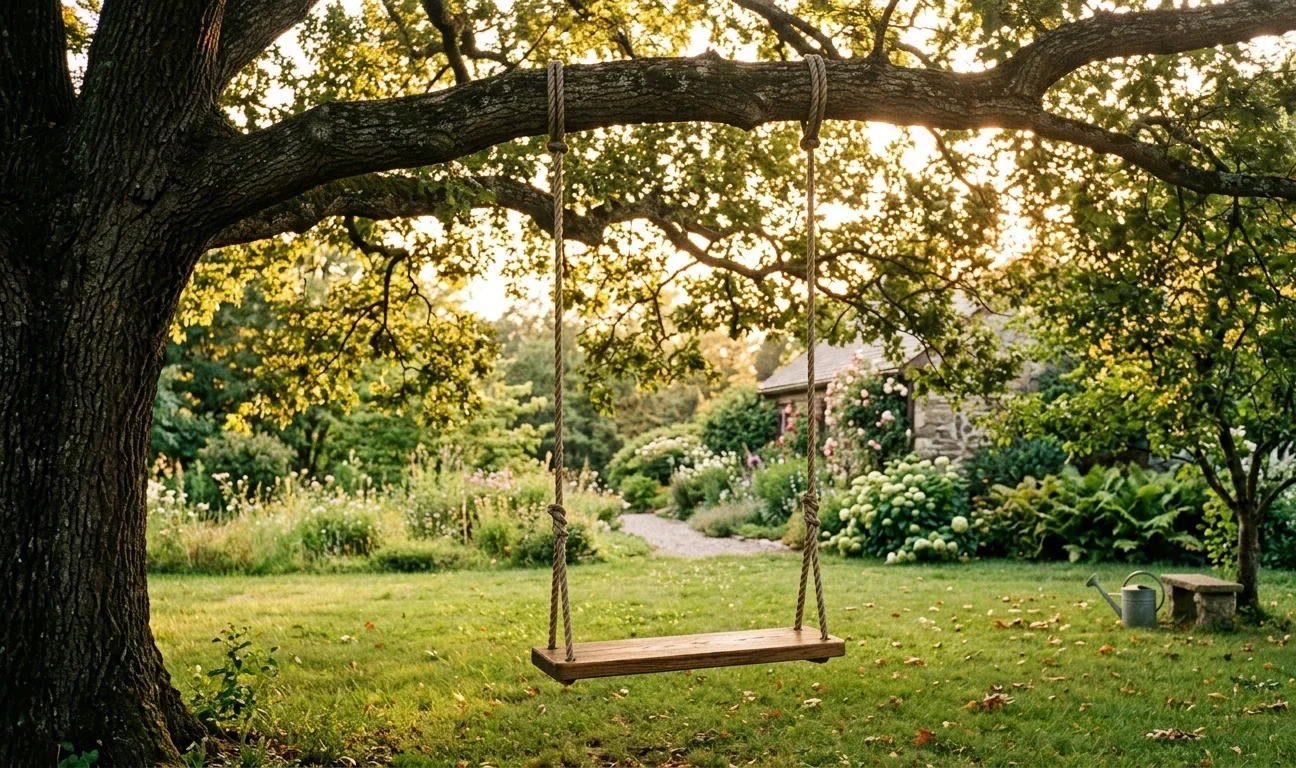
If you’re dreaming of a place where kids can take flight with laughter, a DIY Wooden Tree Swing Plans can be the perfect weekend project. However, before you start your crafting journey, you need to gather the right tools and materials to ensure your swing is safe and sturdy. Below is a comprehensive guide to all the essentials you’ll need for your DIY Wooden Tree Swing Plans.
Essential Tools for Your Tree Swing Project
Having the right tools is crucial not just for ease of building, but also for achieving a high-quality finish. Here’s a list of tools you’ll need:
- Drill: A power drill is essential for making holes and driving screws into your wood.
- Saw: A circular saw or jigsaw will help you cut the wood pieces to size. Make sure it’s sharp for clean edges.
- Screwdriver: A good set of screwdrivers (or a drill with a screwdriver bit) is necessary for assembling your swing.
- Measuring Tape: Accurate measurements are key to creating a safe and functional swing.
- Level: To keep your swing straight and balanced, a level will be crucial.
- Sandpaper: Sandpaper or a power sander is important to smooth any rough edges, preventing splinters.
- Safety Gear: Always wear safety goggles and gloves to protect yourself during the building process.
Key Materials Required
Choosing the right materials is equally as important as having the right tools. Safely sourcing quality materials guarantees your swing will last through seasons of fun. Below are the materials you’ll typically need:
- Wood: Look for durable hardwoods like oak, maple, or fir. These types provide great strength and durability.
- Rope: Sturdy rope is essential for hanging the swing securely. Make sure you choose weather-resistant materials such as nylon or polyester.
- Screws: Stainless steel or galvanized screws will withstand rust and degradation, extending the life of your swing.
- Wood Finish: A good sealant or paint will protect your swing from the elements and enhance its look.
- Chain: Depending on your swing design, using a chain can provide added security and allow for height adjustments.
Recommended Dimensions for Your Swing
While you may have specific ideas for your swing’s design, here’s a general guideline for its dimensions:
| Component | Recommended Size (inches) |
|---|---|
| Seat Width | 24-30 |
| Seat Depth | 8-12 |
| Rope Length | 10-15 (depending on the height of the branch) |
Safety Considerations
Safety is paramount when building a tree swing. Here are a few essential tips to keep in mind:
- Choose a Healthy Tree: Ensure the tree you select for hanging the swing has a thick enough branch that is also healthy and at least 8-10 feet off the ground.
- Inspect Materials: Never use rotting wood or frayed ropes. These can compromise the swing’s safety.
- Regular Check-Ups: Periodically inspect the swing for wear and tear, ensuring it remains safe for use.
Step-by-Step Guide to Building Your First Tree Swing
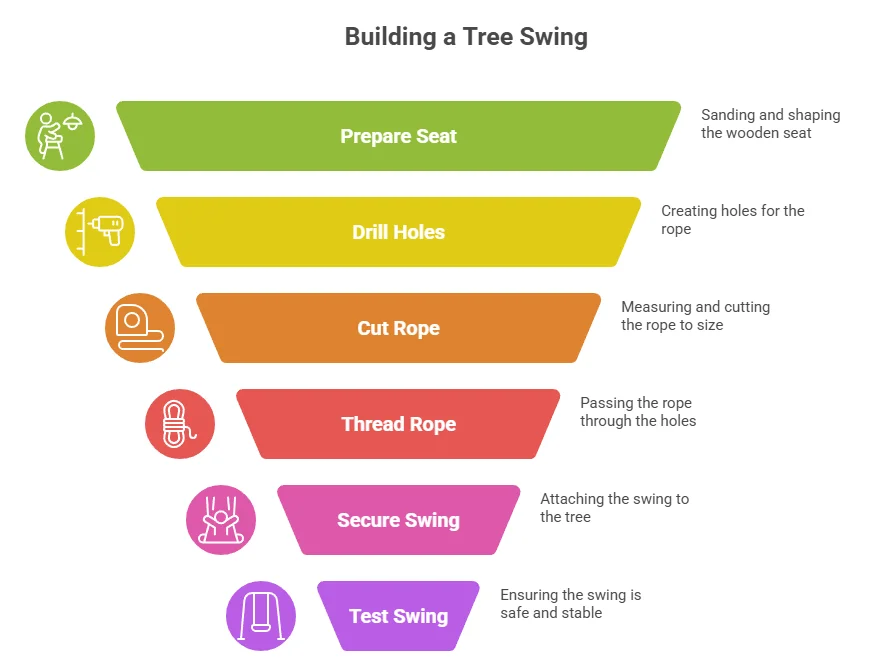
Creating a tree swing is an exciting project that can bring endless joy to your backyard. With just a few materials and a bit of effort, you can craft the perfect swing for your family. Here’s a step-by-step guide to help you build your first tree swing. Before beginning, gather the following materials:
- Wooden plank (2” x 6” x 48” is a good size) – this will be the seat.
- Rope (about 15-20 feet, strong enough to support weight)
- Sandpaper (medium and fine grit)
- Outdoor wood sealant or paint (optional for protection)
- Drill with bits (for the rope holes)
- Measuring tape
- Scissors (for cutting rope)
- Level (to ensure the swing is even)
- Strong tree (a healthy hardwood tree is best)
Now that you have everything you need, let’s start building!
Step 1: Choose the Right Tree
Select a sturdy tree with branches high enough to safely support a swing. The branch should be at least 8-10 feet off the ground and about 8-12 inches in diameter to ensure it can handle the weight.
Step 2: Prepare the Wooden Seat
Take the wooden plank and smooth out its edges with sandpaper to prevent splinters. You can choose to paint or seal the wood for added weather protection, which helps it last longer in outdoor conditions.
Step 3: Drill Holes in the Plank
Measure about 3 inches from each end of the plank and drill a hole big enough for your rope to pass through. Make sure to keep the holes straight and even.
Step 4: Cut the Rope
Cut your rope into two equal lengths. Each piece should be about 15 feet long, but you may need to adjust this based on the height of your branched tree. Secure your measurements before making the cut.
Step 5: Thread the Rope through the Holes
Take one piece of rope and thread it from below through one of the holes. Pull enough rope through so that there is a long tail hanging down. Repeat this process for the other piece of rope through the other hole. Adjust the length on each side of the plank so that it hangs evenly.
Step 6: Secure the Swing to the Tree
Tie a secure knot on each end of the rope to attach it to the chosen tree branch. A double knot or a bowline knot will provide a strong hold. Make sure the swing hangs at a comfortable height for users, usually about 18 inches off the ground.
Step 7: Test the Swing
Before letting anyone use the swing, give it a thorough test. Ensure that the knots are secure and the swing is evenly balanced. You can do this by gently pulling on the ropes and sitting on the swing yourself.
Step 8: Enjoy Your Swing!
Now that your swing is safely installed, it’s time for some fun! Invite friends and family to enjoy your handcrafted wooden tree swing. It’s perfect for relaxing afternoons or friendly competitions to see who can swing higher.
Safety Considerations When Installing a Wooden Tree Swing
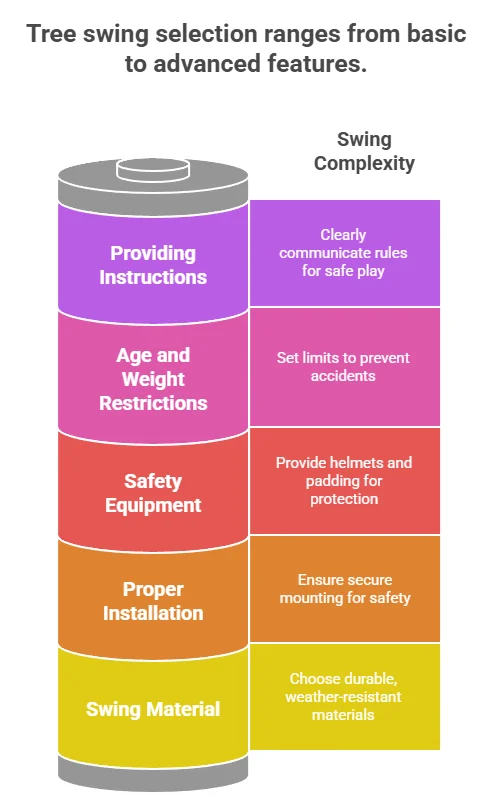
Installing a wooden tree swing can provide endless joy and excitement for children and adults alike. However, ensuring safety during installation and use is paramount. Here, we outline essential safety considerations that you should keep in mind when installing your wooden tree swing.
Choosing the Right Tree
The tree you select for your swing is crucial. Here are some factors to consider:
- Health: Ensure the tree is healthy and strong. Look for cracks, rot, or dead branches that may compromise its strength.
- Size: The tree trunk should be at least 8-10 inches in diameter. This thickness provides enough support for a swing and its passengers.
- Height: A taller tree will allow for a higher swing, but ensure that the height won’t pose a risk of injury in case of falls.
Swing Material Selection
The materials used to create the swing play a vital role in safety. Here are some recommendations:
- Wood Type: Choose sturdy woods like cedar, oak, or pressure-treated lumber. These types offer durability and can withstand the elements.
- Finish: Treat the wood with weather-resistant sealants to enhance longevity and ensure a splinter-free finish.
- Rope: Use high-quality rope made from nylon or polyester. These materials provide strength and resistance to wear and tear.
Proper installation
Proper installation is essential for a safe swing experience. Here are steps to follow:
- Height: Install the swing at a height that allows for ample room when swinging back and forth. Around 24 inches above the ground is often sufficient.
- Secure Attachment: Use heavy-duty eye bolts or swing hangers to attach the swing to the tree. Ensure they are secured tightly to prevent any movement.
- Angle Placement: Swing should be level and stable. Ensure that the ropes are even on both sides and adjust as needed.
Safety Equipment
Consider adding safety equipment around the swing area:
- Ground Padding: Use soft materials like mulch, grass, or rubber mats beneath the swing. This can cushion falls and minimize injury.
- Protective Barriers: Depending on the swing’s height, consider adding barriers to prevent falls, especially for younger children.
- Safety Check: Regularly inspect the swing and its attachments for wear and damage. Check the tree’s health periodically to ensure continued safety.
Age and Weight Restrictions
It’s crucial to set clear age and weight limits for swing use:
- Age: Ensure that younger children are always supervised when using the swing.
- Weight: Know the maximum weight limit that your swing can safely hold. Generally, a wooden swing supports about 200-250 pounds, but it’s critical to verify the strength of your materials.
Providing Instructions and Rules
Educating children and users about safe play on the swing is vital. Create clear rules such as:
- Only one person swings at a time.
- Do not push or jump from the swing.
- Use the swing properly; sitting face forward and holding on to the ropes during use.
Creative Design Ideas for Custom Tree Swings
When it comes to outdoor fun, custom tree swings are a fantastic addition to any garden or backyard. Not only do they provide hours of enjoyment for both kids and adults, but they also add a unique touch to your landscape. Here are some creative design ideas to inspire your custom tree swing project.
Choosing the Right Style and Materials
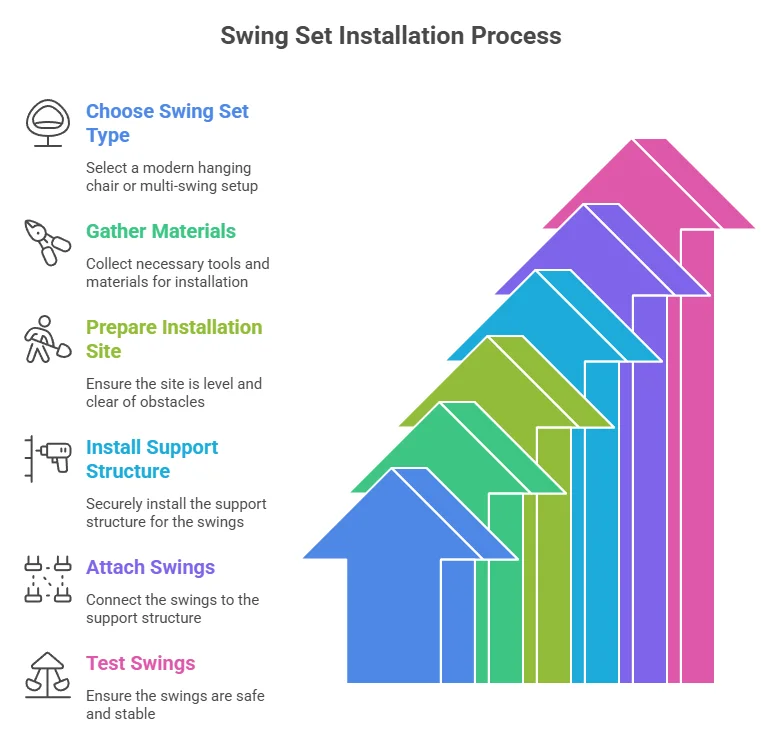
Before you begin, consider the various styles of tree swings you might want to create. Each style can have a different aesthetic and functional purpose. Here are some popular options:
- Classic Wooden Swings: Simple and timeless, they blend seamlessly with nature.
- Suspended Ropes: Swinging seats made with strong ropes can offer a more boho look.
- Modern Hanging Chairs: These can be a chic addition, using durable materials.
- Multi-Swing Setups: Perfect for larger families, these can accommodate several children at once.
Creative Designs
Your tree swing can go beyond a simple seat. Here are some imaginative designs to consider:
- Painted or Stained Wood: Use vibrant colors or natural stains that match your garden’s theme.
- Personalized Engravings: Add names, quotes, or designs carved into the wood for that personal touch.
- Soft Cushions: Enhance comfort by adding weather-resistant cushions to the seat.
- Braided Ropes: Use colorful, braided ropes to add flair and visual interest.
Safety Considerations
When designing your custom tree swing, safety should always be a priority. Follow these guidelines to ensure a secure swing experience:
- Choose a sturdy tree with thick branches, at least 8 to 10 feet off the ground.
- Use heavy-duty hardware for mounting and support, ensuring they are weather-resistant.
- Regularly inspect the swing and its components for wear and tear.
- Consider adding a safety harness for younger children.
DIY Customization Ideas
For those who enjoy a hands-on approach, here are some DIY ideas that can make your tree swing project truly unique:
- Palette Swings: Recycle old wooden pallets by turning them into charming swings.
- Repurposed Items: Old doors can be transformed into creative swing seats.
- Hammock Swings: Use a durable hammock for a cozy lounging swing.
- Seasonal Decor: Switch up decorations with each season for a fresh look.
Maintenance Tips for Longevity
To ensure your tree swing remains in top shape, consider these maintenance tips:
- Regularly clean the swing with mild soap to remove dirt and grime.
- Apply weatherproof sealant or wood finish to protect against the elements.
- Store cushions indoors during inclement weather to prolong their life.
- Inspect ropes and hardware monthly, replacing anything that shows signs of wear.
Where to Find Inspiration
To spark your creativity, look for ideas from various sources. Check out these websites for more designs and plans: Hometalk and Pinterest. They offer countless images and tutorials that can guide you through the customization process.
Maintenance Tips to Keep Your Wooden Tree Swing in Top Condition
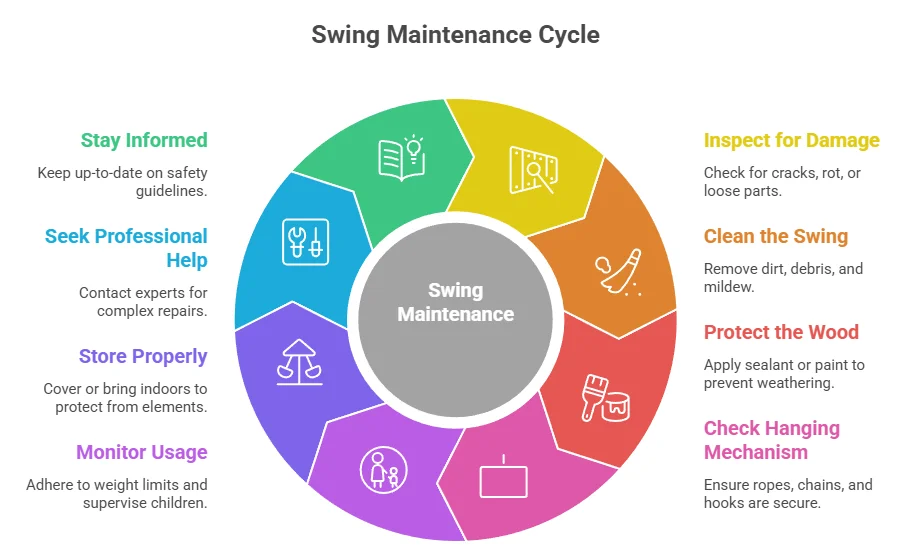
Your wooden tree swing is a delightful addition to your outdoor space, providing hours of fun and relaxation. However, to ensure it remains in top condition, regular maintenance is essential. Whether it’s checking for wear, ensuring safety, or preserving the beauty of the wood, follow these simple tips to extend the life of your swing and keep it looking great.
Inspect for Damage Regularly
The first step in maintaining your wooden tree swing is to conduct regular inspections. Check for any signs of damage, such as cracks, splintering, or rot. Look at the swing’s ropes or chains as well. Any fraying or weakening could compromise safety.
Cleaning Your Swing
A clean swing not only looks good but also prevents the buildup of mildew and dirt. Here’s how to keep your swing clean:
- Frequency: Aim to clean your swing every month.
- Tools: Use a soft brush, mild soap, and water.
- Process: Gently scrub the wood and rinse it well with clean water.
Protect the Wood
Wood can be susceptible to the elements. To protect your swing from rain, sun, and insects, consider these options:
- Sealing: Apply a good quality wood sealant every couple of years. This will keep moisture out and prevent deterioration.
- Staining: Use outdoor-friendly wood stain to enhance both color and protection. This can be done annually.
- Covering: When not in use, cover your swing with a tarp or swing cover to protect it from harsh weather.
Check the Hanging Mechanism
Your swing’s safety is directly linked to how it’s hung. Here are a few maintenance checks to perform:
- Inspect the attachment to the tree or frame. Ensure ropes or chains are secure.
- Look for signs of rust on metal parts. If rust appears, replace them promptly.
- Verify that the swing hangs level. Adjust if it tilts to one side.
Monitor Usage and Weight Limits
Be aware of the maximum weight limit for your swing. Exceeding this limit can lead to structural failure:
- Check Specifications: Review the manufacturer’s guidelines for weight limits.
- Educate Users: Inform children and friends about the swing’s limitations.
Store It Properly
In winter or inclement weather, it may be best to store your wooden swing:
- Takedown the swing and store it in a dry place.
- If storing outdoors, ensure it is covered and raised off the ground.
Consider Professional Help When Needed
If you notice significant damage or are unsure about repairs, consider hiring a professional. An expert can provide insights on maintenance and ensure safety standards are met. You can find helpful resources at Wood Magazine.
Stay Informed
Keeping your wooden tree swing in peak condition is both easy and rewarding. Subscribe to websites that provide DIY tips on swing maintenance, like DIY.org, for the latest insights and advice.
Conclusion
Building a wooden tree swing can be a fulfilling project that combines craftsmanship with creativity. By understanding the essential tools and materials needed, you set the stage for a successful build. Following a step-by-step guide allows you to construct a swing that is not only enjoyable but also safe and durable. Remember, safety is paramount—taking precautions during installation ensures that your swing will be a secure place for friends and family to enjoy.
Exploring creative design ideas can make your tree swing unique and tailored to your outdoor space. Whether you prefer a classic single plank swing or a whimsical tire swing, personalizing your project adds to the fun. Once your swing is up and ready, keeping it in top condition is vital. Regular maintenance checks will help prevent wear and tear, ensuring that your swing remains a cherished part of your backyard for years to come.
As you embark on this DIY journey, remember the joy it brings—not just in the building process but also in the memories created while swinging in the fresh air. Gather your tools, get inspired by your surroundings, and let your creativity flow. With care, attention to detail, and the right techniques, your wooden tree swing will become a beloved gathering spot for relaxation and laughter. Enjoy every moment spent on your new creation!