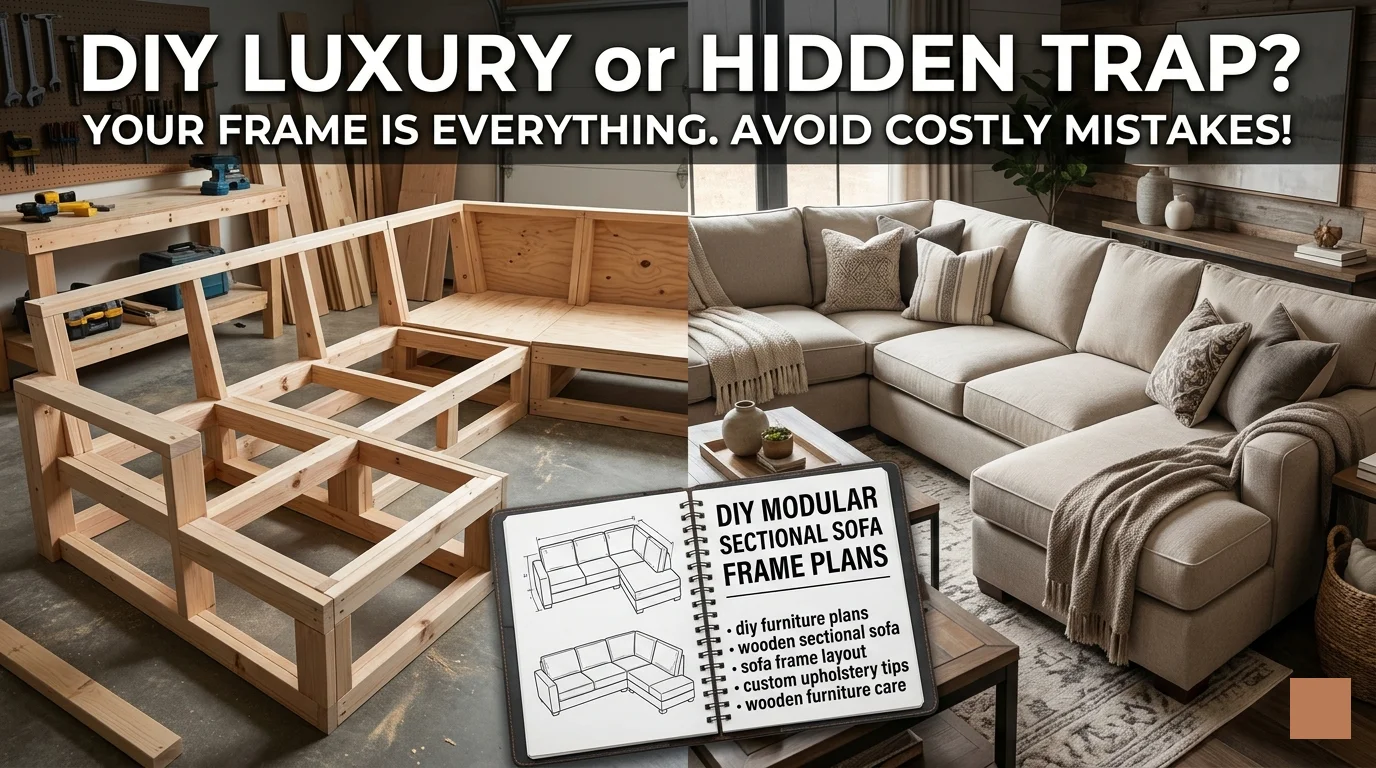
Building a DIY Wooden Sectional Sofa Frame Plans can be a rewarding project that adds a personal touch to your living space. However, several critical considerations need to be addressed to ensure that your sofa not only looks good but also provides lasting durability and comfort. By keeping these factors in mind, you can create a sectional sofa that perfectly fits your needs.
Understanding Your Space
Before you start designing, assess the space where your sectional will live. Consider the following:
- Room Dimensions: Measure the length, width, and height of your room to ensure your sofa fits well.
- Furniture Arrangement: Think about how the sofa will interact with other pieces in the room. Will it block pathways or windows?
- Style and Aesthetics: Determine the overall style of your home. Do you prefer modern, rustic, or traditional design?
Choosing the Right Materials
Your selection of wood is crucial to the success of your sofa project. Top choices include:
- Pine: Affordable and lightweight, making it easy to work with, but not the most durable.
- Oak: Highly durable and resistant to wear, oak is an excellent long-term investment.
- Maple: Offers strength and a beautiful finish, making it similar to oak in quality.
Additionally, consider the type of fasteners you will use. Wooden joinery provides a classic touch, while screws and brackets offer easier assembly.
Comfort and Cushioning
While the frame sets the foundation, comfort largely comes from the cushions. Here are some tips to enhance comfort:
- Thickness: Opt for thick foam pads. A 4-inch thickness or more is often ideal for seat cushions.
- Density: Choose high-density foam for better support and durability.
- Fabric Selection: Use fabric that is both durable and appealing. Look into options like canvas or upholstery-grade fabric.
Designing the Layout
Your sectional can be customized in many ways. Consider layouts such as:
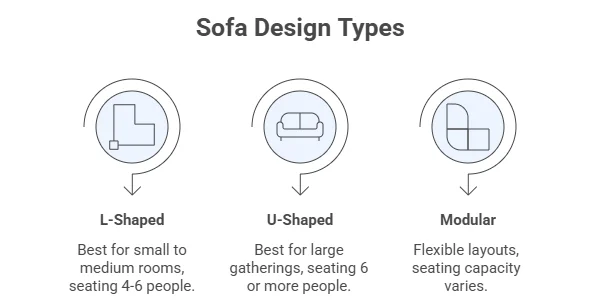
- L-Shaped: Perfect for corner spaces, providing ample seating.
- U-Shaped: Great for larger rooms and gatherings!
- Modular: Allowing flexibility to rearrange as needed, adding versatility to your space.
| Design Type | Best For | Seating Capacity |
|---|---|---|
| L-Shaped | Small to medium rooms | 4-6 people |
| U-Shaped | Large gatherings | 6 or more |
| Modular | Flexible layouts | Varies |
Building Techniques
When constructing your frame, clarity in your technique is vital. Follow these pointers:
- Measure Twice, Cut Once: Ensure all measurements are accurate before cutting.
- Secure Joints: Use wood glue alongside screws for strong and durable connections.
- Sand Smooth: Always sand the surfaces before applying any finish to avoid splinters.
Assembly and Finishing Touches
Once the sofa frame is constructed, assemble it in your chosen location. After assembly, don’t skip the finishing touches:
- Stain or Paint: Enhance the color and protect the wood under a suitable finish.
- Add Feet: Consider adding furniture feet for stability and protection of the floor underneath.
For more comprehensive guides and specific plans, you can visit Wood Magazine or check out Houzz for design inspiration.
Creating your own wooden sectional sofa frame can bring satisfaction and functionality to your living area. Embrace the challenge and enjoy the process as you craft your unique piece of furniture!
Essential Tools and Materials for Building a Sectional Sofa Frame
Building your own sectional sofa frame is both an exciting and rewarding project. To ensure a successful build, you’ll need the right tools and materials at your disposal. Each item plays a vital role in crafting a sturdy and aesthetically pleasing sofa frame. Below, we’ll discuss the essential tools and materials you’ll require to bring your DIY vision to life.
Essential Tools
Before diving into the construction of your sectional sofa frame, it’s critical to gather the necessary tools. Here’s a handy list:
- Measuring Tape: Accurate measurements are crucial for a well-fitting sofa frame. A standard 25-foot measuring tape works well for most projects.
- Square: A framing square will help you ensure your angles are precise, which is vital for both stability and aesthetics.
- Saw: Depending on the materials you use, you may need a circular saw or a miter saw for clean and accurate cuts.
- Drill: A power drill is essential for driving screws and making pilot holes. Consider getting a cordless model for convenience.
- Screwdriver: A set of screwdrivers (both Phillips and flathead) is necessary for inserting and removing screws.
- Sanders: A power sander or hand sandpaper will help you smooth out edges for a polished finish.
- Clamps: You will need a few clamps to hold your pieces in place while assembling the frame.
- Level: A level helps ensure your frame is even, preventing wobbles for a comfortable seating experience.
- Safety Gear: Don’t forget to equip yourself with safety glasses and gloves to protect against dust and sharp tools.
Necessary Materials
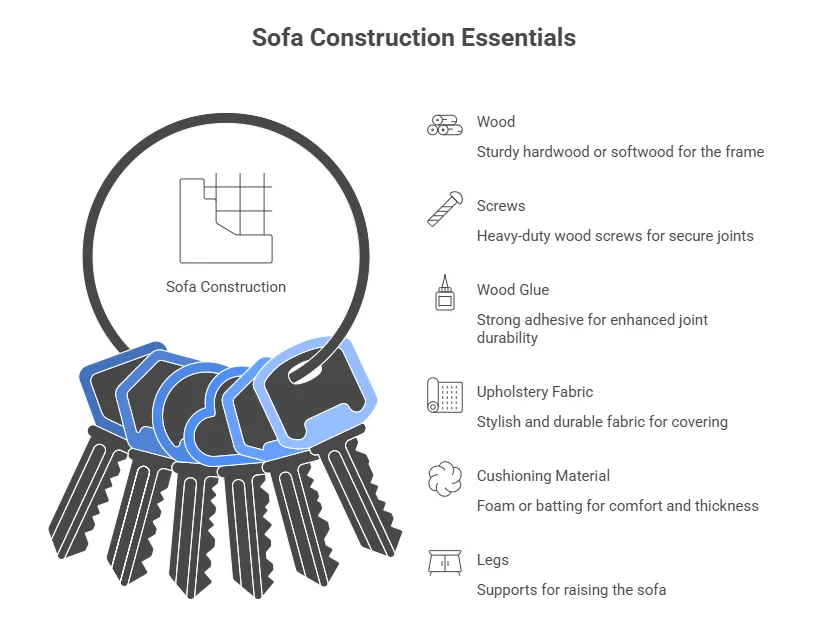
The following materials are essential for constructing a sectional sofa frame that is both durable and visually appealing:
- Wood: Select sturdy hardwood or softwood for the frame. Popular choices include oak, pine, or plywood for a balance of strength and weight.
- Screws: Heavy-duty wood screws are ideal for assembling the frame. Choose screws that are long enough to penetrate through each joint firmly.
- Wood Glue: A strong wood glue will add extra durability to joints, ensuring your frame holds together over time.
- Upholstery Fabric: If you plan to cover your sofa, select upholstery fabric that fits your style and is durable for everyday use.
- Cushioning Material: Consider options like foam or batting for comfort. The thickness will depend on your personal preferences.
- Legs: If you want a raised sofa, plan to purchase or build legs that fit the design you have in mind.
Planning Your Build
Before you begin your project, it’s wise to sketch your sofa design on paper. Consider dimensions and how each section will fit together. Reviewing online resources, such as the detailed guides available on Wood Magazine, can provide extensive tips and design ideas. With a clear plan, gathering materials will be easier and allow for a smoother building process.
Safety Tips
While building your sectional sofa frame, always prioritize safety:
- Wear protective eyewear when cutting wood or using power tools.
- Keep your work area tidy to prevent accidents.
- Ensure tools are in good working condition before use.
- Follow manufacturer instructions for each tool to prevent injuries.
Once you’ve gathered all your tools and materials, you’re ready to start crafting your sectional sofa frame. Stay organized, follow your plan closely, and enjoy the satisfaction of building a piece of furniture that reflects your personal style.
Step-by-Step Guide to Assemble Your Wooden Sectional Sofa Frame
Creating a DIY Wooden Sectional Sofa Frame can be a rewarding project that enhances your living space. With the right materials and a clear plan, you can produce a beautiful and functional piece of furniture. Follow this step-by-step guide to assemble your wooden sectional sofa frame and enjoy crafting your own design.
Gather Your Materials
Before you dive in, ensure you have everything you need. Here’s a list of materials that are essential for your project:
- 2×4 lumber for the frame
- 3-inch screws
- L-brackets for support
- Wood glue
- Sandpaper
- Wood stain or paint (optional)
- Measuring tape
- Saw (circular or miter)
- Drill
- Level
Design Your Sofa Frame
Consider the layout and dimensions of your sectional sofa. Measure your living space to determine how large your sofa can be. You can sketch a simple diagram to visualize different segments of your sectional. Don’t hesitate to pull inspiration from online sources like Ana White or Wood Magazine.
Cutting the Lumber
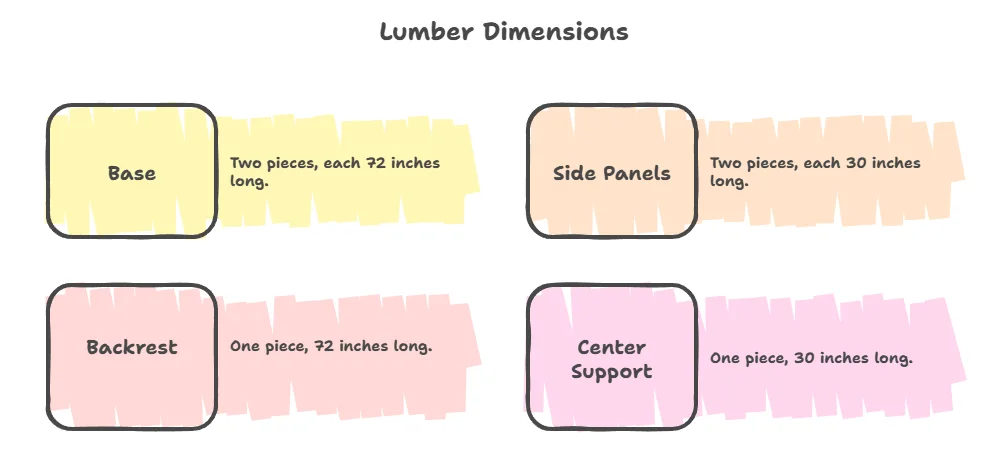
With your design ready, it’s time to cut the lumber to size. Use your saw to cut the 2x4s based on the dimensions you’ve settled on for each section of the sofa. For example:
| Part | Length |
|---|---|
| Base | 72 inches (2 pieces) |
| Side Panels | 30 inches (2 pieces) |
| Backrest | 72 inches (1 piece) |
| Center Support | 30 inches (1 piece) |
After cutting, use sandpaper to smooth any rough edges. This step is crucial to ensure safety and a polished look.
Assembling the Frame
Now that you have your pieces ready, it’s time to assemble them. Begin with the base:
- Attach the two base pieces with screws, ensuring they are parallel. This creates the foundation of your sectional sofa.
- Next, secure the side panels to the ends of the base. Use L-brackets for added stability.
- Install the backrest by connecting it securely to the side panels.
- Add the center support for extra durability. Make sure each joint is tight and well-aligned.
Adding Cushion Supports
To ensure comfort, you’ll need to create supports for the cushions. Here’s how:
- Add cross-supports on the base, spaced evenly apart. This way, your cushions won’t sag.
- Secure them with screws and wood glue for additional hold.
- Consider a layer of plywood or slats over the supports for uniform cushioning.
Finishing Touches
To complete your sectional sofa frame, it’s time to add your personal touch. If you’re applying paint or stain:
- Choose a color or stain that complements your décor.
- Apply using a brush or cloth, ensuring even coverage.
- Allow it to dry completely before placing cushions on the frame.
Choosing Your Cushions
For comfort, select cushions that fit your frame perfectly. Look for foam or pre-made cushion covers that match your sectional’s dimensions. Check websites like Wayfair or Bed Bath & Beyond for various options.
Final Assembly
Once your cushions are ready, place them on the frame and make any necessary adjustments. Celebrate your accomplishment by enjoying your new sectional sofa! Not only is this piece custom to your tastes, but you also made it with your hands.
Taking the time to create a DIY Wooden Sectional Sofa Frame Plans not only adds to your living space but also provides a sense of pride and accomplishment.
Customizing Your Sectional Sofa: Fabric and Cushion Choices

When it comes to customizing your sectional sofa, the choice of fabric and cushions can make a world of difference. A sectional sofa is not just a piece of furniture; it’s a central feature of your living space. This guide will help you navigate through the various options available, ensuring your couch looks great while providing the comfort and durability you need.
Choosing the Right Fabric
Selecting the right fabric is crucial for both aesthetics and practicality. Consider these popular fabric types:
- Polyester: Durable and easy to clean, making it a popular choice for families with kids or pets.
- Leather: Offers a luxurious look and feels right, providing durability but requiring some maintenance to keep it looking pristine.
- Microfiber: Soft and stain-resistant, perfect for those who seek comfort without sacrificing functionality.
- Cotton Blend: Soft texture with added durability; it’s breathable and offers a relaxed look.
When selecting fabric, also think about the color and pattern. Dark colors can hide stains better, while lighter colors can brighten a room. Patterns can add visual interest, but they might be harder to match with existing decor.
Cushion Choices
Cushions play a pivotal role in the comfort and aesthetic of your sectional sofa. Here are some key elements to consider when choosing cushions:
- Foam: Provides firm support, ideal for people who prefer a sturdy feel. High-density foam is particularly durable.
- Down: Offers a softer, more luxurious feel, but may require more fluffing over time.
- Polyester Fill: Budget-friendly and maintains shape well; it’s a good middle ground between foam and down.
- Latex: Hypoallergenic and resistant to dust mites; it’s known for its longevity and support.
Do you want a soft sink-in feel or firm support? Your answer will guide your cushion choice.
Balancing Style and Functionality
Finding a balance between style and functionality is key to customizing your sectional sofa. Here are some strategies you can use:
- Consider Your Lifestyle: If you have young children or pets, you might opt for durable, easy-to-clean fabrics over delicate ones.
- Think About Your Space: A large, bold pattern may overwhelm a small room, while a neutral shade can open up your space.
- Test Before You Buy: Visit a showroom to sit on different cushion types to see what feels best for you.
- Consider Removable Covers: This feature makes cleaning easier and allows you to change your look without buying a new sofa.
Accessorizing Your Custom Sectional
Once you’ve selected your sofa fabric and cushions, think about how to accessorize your sectional to complete the look:
- Throw Pillows: Add color and comfort with a mix of sizes and patterns.
- Blankets: A cozy throw can add warmth and texture to your sectional.
- Ottomans: These can serve as footrests or extra seating, adding to the versatility of your space.
- Decorative Trays: Use a tray on the side for a stylish way to organize remote controls and other items.
Where to Find Inspiration
Finding the perfect balance between style and comfort can be challenging. Seek inspiration from professional designers and fellow DIY enthusiasts. Websites like Love and Renovations and Chris Loves Julia offer many ideas for customizing your furniture while blending it beautifully with your decor.
Customizing your sectional sofa with the right fabric and cushions can transform your living space. By considering your lifestyle, testing various options, and accessorizing to your taste, you can create a comfortable and stylish hub for relaxation. Invest time in making these selections, as they will significantly impact your home’s look and feel.
Maintenance Tips for Extending the Life of Your Wooden Sofa Frame
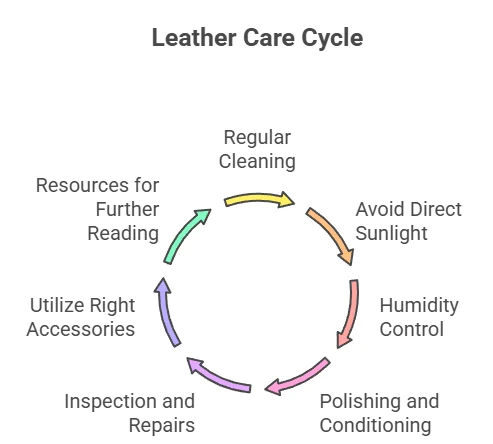
Your wooden sofa frame is not just a piece of furniture; it’s an investment in your home’s comfort and style. To ensure that it lasts for many years to come, proper maintenance is essential. By following a few simple strategies, you can keep your wooden sofa frame looking great while also extending its lifespan.
Regular Cleaning
One of the most effective ways to maintain your wooden sofa frame is through regular cleaning. Dust and dirt can build up over time, dulling the finish and causing damage. Use a soft, lint-free cloth or a microfiber dusting cloth to clean the surface. Avoid using abrasive materials which can scratch the wood.
Cleaning Tips:
- Dust weekly to prevent dirt build-up.
- Use a slightly damp cloth for deeper cleaning.
- For sticky spots, a solution of water and mild soap can be used.
- Avoid harsh chemical cleaners that can strip the finish.
Avoid Direct Sunlight
Sunlight can cause the wood to fade and the finish to wear off more quickly. Position your sofa in a way that minimizes direct sunlight exposure. If that’s not possible, consider using curtains or UV-filtering film on your windows.
Protective Measures:
- Use furniture covers when the sofa isn’t in use.
- Apply window treatments to block sunlight.
- Rotate cushions regularly to ensure even sun exposure.
Humidity Control
Wood is sensitive to humidity levels. Too much moisture can lead to warping, while too little can cause cracking. Keep the humidity in your home between 30% and 50% for optimal wood health. Using a dehumidifier in the summer or a humidifier in the winter can be beneficial.
Awareness of Environmental Factors:
- Monitor moisture levels using a hygrometer.
- Avoid placing the sofa near heat sources like radiators.
- Be cautious of placing it in damp areas such as basements.
Polishing and Conditioning
Regular polishing maintains the surface finish and can keep it looking new. Use a wood polish specifically designed for your type of finish. In addition, conditioning the wood helps to nourish it and prevent drying out.
Polishing Steps:
- Dust the frame before applying any product.
- Apply polish evenly using a soft cloth.
- Buff with a clean cloth after the polish has dried.
Inspection and Repairs
Regularly inspect your wooden sofa frame for any signs of damage, such as loose joints or scratches. Early detection can prevent further damage and costly repairs. Be proactive in fixing any issues you find.
Repair Tips:
- Use wood glue for minor repairs on joints.
- Sand down scratched areas before refinishing.
- Consult a professional for significant structural issues.
Utilizing the Right Accessories
Consider using coasters or trays on your wooden sofa to avoid moisture from drinks. Additionally, using soft pads under decorative items can prevent scratching. When arranging pillows and throws, ensure that heavy items are distributed evenly to avoid pressing against the wood.
Resources for Further Reading
For more detailed guidance on maintaining wooden furniture, consider checking out articles from Wood Magazine and Woodworkers Source. They offer a wealth of tips and tricks tailored for wooden furniture that can enhance the durability and aesthetic of your wooden sofa frame.
By routinely applying these maintenance tips and being mindful of your environment, you can significantly extend the life of your wooden sofa frame. This preserves your investment and ensures that you continue enjoying the comfort and style it brings to your living space.
Conclusion
Building your DIY Wooden Sectional Sofa Frame can be an incredibly rewarding project, combining both functionality and creativity. By carefully designing your frame with key considerations in mind, you ensure that your sofa fits your space perfectly and aligns with your style preferences. With the right tools and materials, you can simplify the building process, making it enjoyable rather than daunting.
Following the step-by-step guide to assemble your sofa frame allows you to take control over your craftsmanship, ensuring that each joint is secure and the final product is sturdy. Once your frame is complete, the fun of customization begins! Selecting the right fabric and cushion choices can truly transform your sectional into a cozy centerpiece that reflects your personal taste.
To ensure you get the most out of your creation, don’t overlook the importance of maintenance. Regular care will prolong the life of your wooden sofa frame, allowing it to be a cherished piece in your home for years to come. Whether you’re enjoying a movie night with family or entertaining friends, your DIY Wooden Sectional Sofa Frame will undoubtedly become a space where memories are made. Engaging in this project enriches your living area and gives you a sense of pride in having created something unique. So gather your tools, unleash your creativity, and enjoy the journey of crafting your custom sectional sofa.