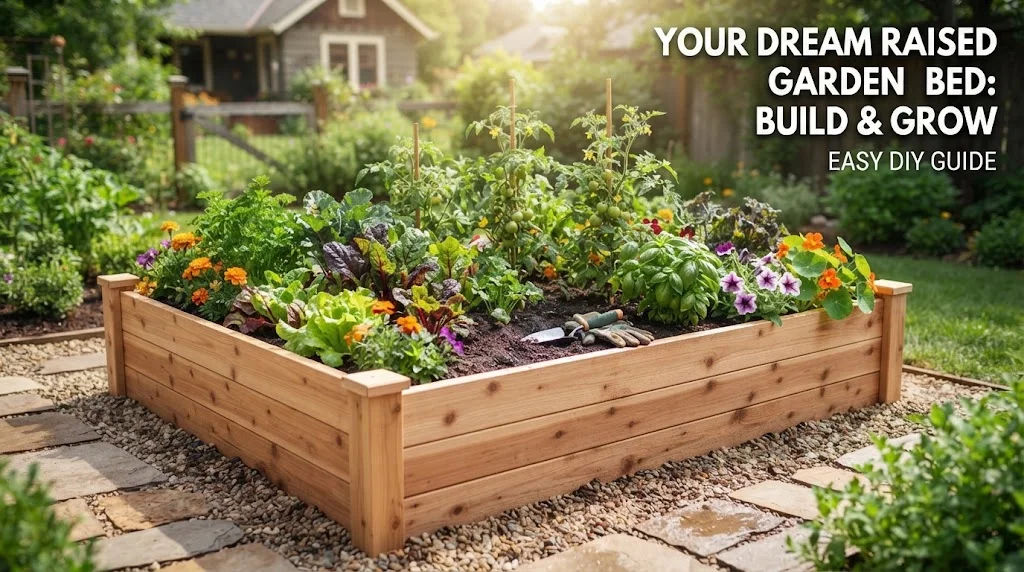
Building a raised garden bed is a rewarding project that can transform your gardening experience. Not only does a raised garden bed improve drainage and soil quality, it also offers a defined space for your plants. This guide will take you through simple DIY Wooden Raised Garden Bed step-by-step, ensuring you have all the information you need to create a beautiful and functional garden.
Materials You’ll Need
Before you start building, gather these materials:
- Untreated wood (cedar or redwood are great choices)
- Wood screws or nails
- Drill or hammer
- Saw (circular or hand saw)
- Measuring tape
- Level
- Soil and compost
- Optional: landscaping fabric
Choosing the Right Size
The size of the raised garden bed depends on your available space and your planting needs. A common size is 4 feet by 8 feet and about 12 to 24 inches deep. This size allows easy access to the center without stepping into the bed. If you have limited space, consider a smaller size such as 2 feet by 3 feet.
Step-by-Step Guide
Step 1: Cutting the Wood
Start by cutting your wood to size. Here’s a basic cut list for a 4×8 raised bed:
| Piece | Quantity | Dimensions |
|---|---|---|
| Long Sides | 2 | 4 feet |
| Short Sides | 2 | 8 feet |
| Corner Posts | 4 | 12-24 inches |
Step 2: Assemble the Frame
Lay your long pieces down flat. Attach the short pieces at each end using screws or nails. Position a corner post inside each corner for additional support. Make sure everything is square by checking the corners with a measuring tape.
Step 3: Secure the Bed
Once the frame is assembled, secure it to the ground, especially if you live in a windy area. You can use stakes if necessary by driving them into the corners.
Step 4: Prepare the Ground
Clear the area where your garden bed will go. Remove any grass or weeds and level the ground. Lay down landscaping fabric at the bottom of the bed to prevent weeds from growing through.
Step 5: Fill with Soil
Now, it’s time to fill your raised bed with a mix of soil and compost. A good ratio is 60% topsoil to 40% compost. This mix will provide your plants with the nutrients they need.
Step 6: Plant Your Garden
Choose plants suited for your climate. Some easy options include tomatoes, peppers, lettuce, and herbs. Arrange your plants according to their spacing needs, ensuring each has enough room to grow.
Maintenance Tips
Keep your raised bed healthy by:
- Regularly watering plants
- Applying mulch to retain moisture
- Replacing the soil mix every couple of years
- Keeping an eye out for pests and diseases
Choosing the Right Wood for Your Raised Garden Bed

When you decide to create a raised garden bed, one of the most crucial choices you’ll make is the type of wood you use. The right wood can significantly influence the longevity of your garden bed and the health of your plants. Understanding the pros and cons of different wood types will help you choose the best option for your DIY Wooden Raised Garden Bed Plans.
Cedar
Cedar is a favorite among gardeners for many reasons. It is naturally resistant to rot and insect damage, which means your garden bed can last for years without needing replacement. Additionally, cedar has a pleasant aroma, making gardening more enjoyable.
- Longevity: A cedar garden bed can last over 10 years.
- Resistance: Natural oils in cedar protect against decay.
- Appearance: Cedar has a beautiful finish that looks great in gardens.
However, one downside of cedar is the cost; it can be more expensive than other woods. If your budget allows, cedar is an excellent choice for a raised garden bed.
Redwood
Another popular choice is redwood. Like cedar, it is highly resistant to decay and insects. Redwood contains tannins that contribute to its durability and give it an attractive color.
- Durability: Redwood can last as long as cedar.
- Visual Appeal: It has a rich, warm color that can enhance your garden’s aesthetics.
- Eco-Friendly: If sourced sustainably, redwood is a great choice for eco-conscious gardeners.
The main drawback is again the cost. High-quality redwood can be pricey, but its longevity makes it a worthwhile investment.
Pine
Pine is often the most budget-friendly option. It is widely available and relatively inexpensive, making it an appealing choice for first-time gardeners or those on a tight budget. However, it’s important to select untreated pine to avoid harmful chemicals leaching into your soil.
- Cost-Effective: The lowest initial investment.
- Lightweight: Easy to work with during construction.
- Versatile: Can be stained or painted for added protection.
Keep in mind that untreated pine may only last a few years, so be prepared for potential replacement down the line.
Composite Wood
If you’re looking for a modern alternative to traditional wood, composite wood may suit your needs. Made from a blend of wood fibers and plastic, it offers a durable solution that doesn’t rot or warp. This material resembles real wood but requires less maintenance.
- Longevity: Composite wood can last up to 25 years.
- Maintenance: Requires minimal upkeep.
- Ecological Impact: Often made from recycled materials.
While composite wood is durable, it tends to be more expensive upfront than traditional options like cedar and pine.
Choosing Your Wood Wisely
When selecting the right wood for your raised garden bed, consider the following factors:
- Budget: How much are you willing to spend?
- Longevity: Are you looking for a long-term investment or a short-term project?
- Maintenance: How much time can you dedicate to upkeep?
- Environmental Concerns: Do you want to use sustainable sources?
Take time to research and plan your raised garden bed project carefully to ensure the best materials are chosen. Many local hardware stores and garden centers provide expert advice, helpful tips, and resources to assist with your DIY Wooden Raised Garden Bed Plans.
Benefits of Using Raised Garden Beds in Your Backyard
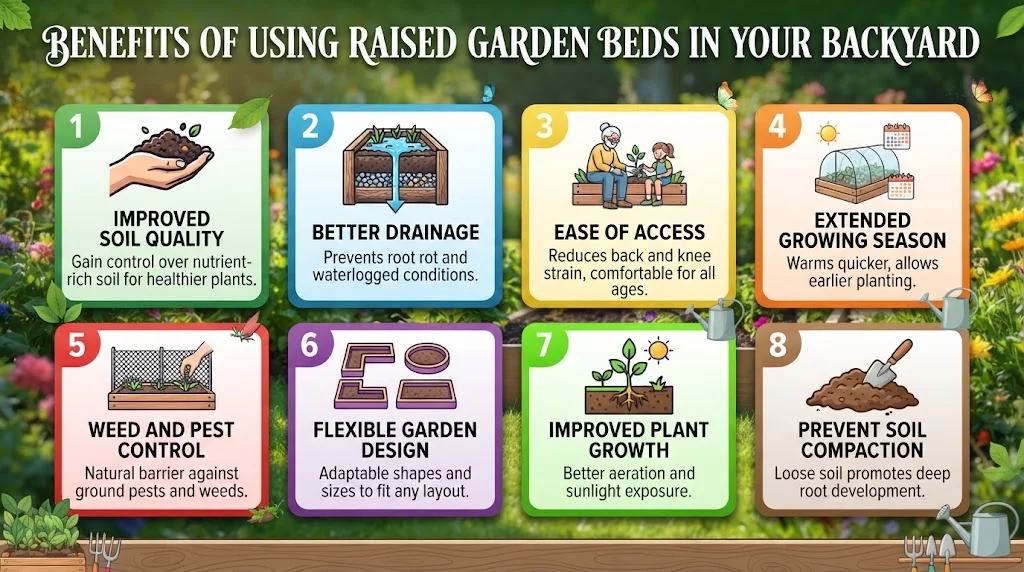
Raised garden beds are becoming increasingly popular among gardening enthusiasts everywhere. This gardening method offers many advantages that can transform your backyard into a lush, vibrant space for growing plants, vegetables, and flowers. Let’s explore the wonderful benefits of using raised garden beds in your backyard.
Improved Soil Quality
One of the top benefits of raised garden beds is that they allow you to control the quality of your soil. Since you fill the beds with your choice of soil, you can create a perfect mix that’s rich in nutrients. This is especially beneficial if your backyard has poor soil quality. Good soil can lead to healthier plants and increased yields. You can learn more about creating the ideal garden soil mix on Gardener’s Supply Company.
Better Drainage
Raised beds help improve drainage, which is crucial for plant health. Water can quickly evaporate from the soil, helping prevent root rot and disease caused by overly saturated soil. This is particularly beneficial in areas with heavy rainfall. Good drainage ensures that plants receive just the right amount of moisture.
Ease of Access
Using raised garden beds makes gardening much more accessible, especially for those with mobility issues. You can adjust the height of the bed to suit your needs, reducing the strain on your back and knees while you garden. This makes it easier for everyone, including children and the elderly, to engage in gardening activities.
Extended Growing Season
Raised garden beds warm up faster in the spring compared to traditional gardens. This allows for earlier planting and a longer growing season. You can enjoy fresh vegetables and beautiful blooms much sooner than you would in ground-level gardening. For the best results, consider using black plastic or mulch to retain heat during cooler months.
Weed and Pest Control
Raised beds can act as a natural barrier against weeds. Since they are elevated, weeds have a harder time establishing roots in these beds compared to ground-level planting. You can also use strategies like installing a protective mesh to keep pests away from your plants. Fewer weeds and pests can result in a healthier garden.
Flexible Garden Design
Raised garden beds offer versatility in design. You can create beds in various shapes and sizes to suit your available space and aesthetic preferences. They can be arranged in a pattern to create visually appealing landscapes, fitting perfectly into any yard layout. Whether you prefer straight lines or curves, raised beds can adapt to your vision.
Improved Plant Growth
Plants often thrive in raised beds due to better soil aeration and drainage. The roots can grow more freely, which encourages healthier plant growth. Additionally, the elevated position allows for better sunlight exposure, leading to robust plants and rich harvests.
Prevent Soil Compaction
Soil compaction can be a real issue for traditional gardens, making it harder for roots to grow. In raised beds, you can maintain loose soil that promotes root development and enhances water infiltration. This leads to healthier, more productive plants.
Table of Raised Garden Bed Benefits
| Benefit | Description |
|---|---|
| Improved Soil Quality | Gain control over nutrient-rich soil for healthier plants. |
| Better Drainage | Phosphorous abundance reduces risks of root rot. |
| Ease of Access | Designed for comfortable gardening, reducing physical strain. |
| Extended Growing Season | Warms quicker in spring, allowing for earlier planting. |
| Weed and Pest Control | Natural barriers and easier management of pests. |
| Flexible Garden Design | Adaptable shapes and sizes to fit any backyard layout. |
| Improved Plant Growth | Healthier plants due to aeration and sun exposure. |
| Prevent Soil Compaction | Loose soil leads to strong root development. |

Raised garden beds offer numerous benefits that can significantly enhance your gardening experience. From improved soil quality and drainage to easier accessibility and better pest control, these beds create an optimal environment for your plants. Explore more tips and design ideas on DIY Network to make the most of your raised garden beds!
How to Customize Your Wooden Raised Garden Bed Design
Creating a wooden raised garden bed is a fun and rewarding way to grow your own fruits, vegetables, and flowers. One of the best parts about these garden beds is that they can be customized to suit your style and gardening needs. Let’s explore a few ways to personalize your wooden raised garden bed design.
Choose Your Wood Wisely
The type of wood you select will greatly impact the look and durability of your garden bed. Common choices include:
- Cedar: Naturally resistant to decay and insects, this wood boasts a beautiful reddish hue.
- Redwood: Known for its rich color and longevity, it’s another excellent option, though it can be more expensive.
- Untreated Pine: While budget-friendly, it requires regular maintenance and might not last as long.
The wood’s choice affects not just aesthetics but also how well your garden bed performs over time. Consider your climate and budget before making a decision.
Determine the Size and Shape
When planning your wooden raised garden bed, the size and shape can be tailored to your available space. Here are some designs to consider:
- Rectangular Beds: The most common style, these beds can be fit into any area.
- Square Beds: Ideal for smaller spaces, they allow you to maximize planting area.
- Corner Beds: Perfect for utilizing neglected corner spaces in your garden.
- Tiered Beds: Adding height not only adds visual interest but allows for a variety of plants that thrive at different levels.
Before starting your project, sketch out different options to find the best fit for your garden.
Choose Heights and Widths for Accessibility
The height of your garden bed impacts how easy it is to maintain. Taller beds (about 30 inches) can help if you have trouble bending down. For width, aim for a size that you can easily reach from both sides (generally about 4 feet wide).
Some gardeners prefer beds that are elevated on legs, allowing for easier access while sitting. Customize your design to make gardening enjoyable.
Add Personal Touches with Paint or Stains
Another way to customize your wooden raised garden bed is to add a splash of color. Here’s how:
- Natural Stain: Enhance the wood’s natural beauty while also protecting it.
- Paint: Use weather-resistant outdoor paint to express your creativity.
- Patterns and Designs: Using stencils, you can add flowers, vegetables, or geometric shapes to personalize your bed further.
Be cautious about the products you choose, ensuring they are non-toxic and safe for growing food.
Integrate Trellises and Supports
If you plan to grow climbing plants like peas or tomatoes, integrating trellises is a fantastic idea. Here’s how you can do it:
- Attached Trellises: Made from wood or metal, these can be secured to the bed’s back to maximize space.
- Arched Supports: Provide a beautiful entry point to your garden, supporting vines over the top.
These additions not only help your plants grow better but also beautify your space.
Add Drainage for Healthier Plants
To keep your plants thriving, it’s crucial to ensure adequate drainage. Consider these tips:
- Add Rocks or Gravel: Layering the bottom of your bed with stones can help water drain away from the roots.
- Drill Holes: If your bed is completely enclosed, make sure to drill holes in the bottom for excess water to escape.
Essential Tips for Planting and Maintaining Your Raised Garden Bed
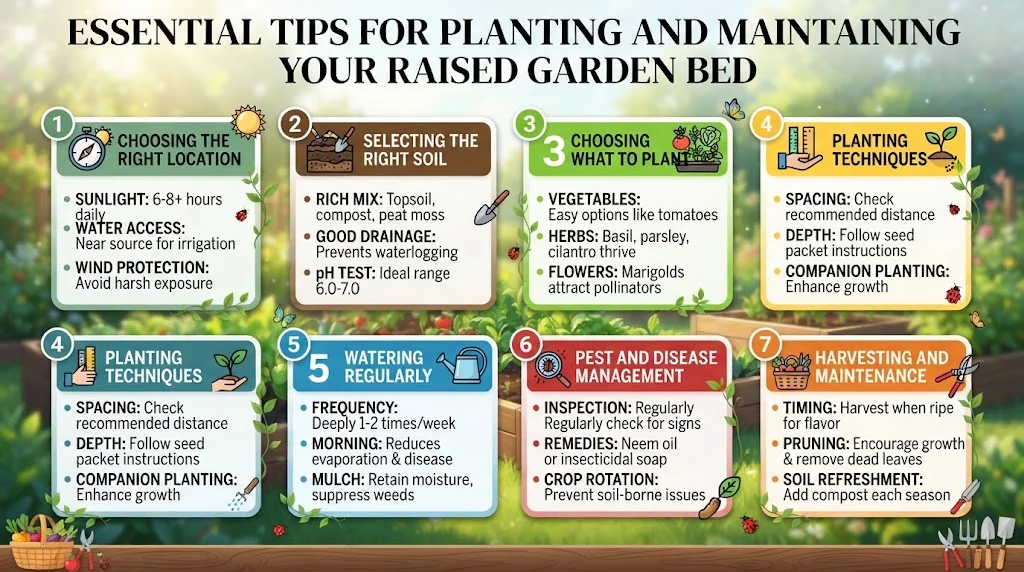
Creating a raised garden bed can be a rewarding and enjoyable experience. Once your wooden raised garden bed is built, it’s essential to understand how to effectively plant and maintain it. Here are some essential tips to help you get started with your raised garden bed.
Choosing the Right Location
When setting up your raised garden, location is everything. Here are key factors to consider:
- Sunlight: Most vegetables need at least 6-8 hours of direct sunlight daily.
- Water Access: Ensure that your garden is near a water source for easy irrigation.
- Wind Protection: Choose a spot that offers some protection from harsh winds.
Selecting the Right Soil
The success of your plants depends largely on the quality of your soil. Here are some tips:
- Soil Mix: Combine one part topsoil, one part compost, and one part peat moss or coconut coir for a nutrient-rich mix.
- Drainage: Ensure that your mix has good drainage properties to prevent waterlogging.
- Testing pH: The soil pH should ideally be between 6.0 and 7.0 for most vegetables.
Choosing What to Plant
Selecting the right plants for your raised garden bed is crucial. Consider these options:
- Vegetables: Lettuce, carrots, radishes, and tomatoes are great choices for new gardeners.
- Herbs: Basil, parsley, and cilantro thrive in raised beds.
- Flowers: Adding flowers like marigolds can help attract pollinators.
Planting Techniques
Once you’ve selected your plants, it’s time to get planting. Follow these techniques:
- Spacing: Always check the recommended spacing for each plant to ensure proper growth.
- Depth: Plant seeds at the recommended depth, usually indicated on the seed packet.
- Companion Planting: Some plants grow better together. Pairing plants like basil and tomatoes can enhance growth and flavor.
Watering Regularly
Water is vital to the health of your plants. Here’s how to do it effectively:
- Frequency: Water your plants deeply once or twice a week rather than lightly every day.
- Morning Watering: Watering in the morning reduces evaporation rates and helps prevent fungal diseases.
- Mulch: Add a layer of organic mulch to retain moisture and suppress weeds.
Pest and Disease Management
It’s essential to keep an eye on potential pests and diseases. Here are strategies to manage them:
- Inspection: Regularly inspect plants for signs of bugs or disease.
- Natural Remedies: Use neem oil or insecticidal soap as treatments for pests.
- Crop Rotation: Rotate crops each season to prevent soil-borne diseases.
Harvesting and Maintenance
Once your plants have matured, proper harvesting and maintenance are important:
- Timing: Harvest vegetables when they are ripe for the best flavor.
- Pruning: Regularly prune plants to encourage growth and remove dead or diseased leaves.
- Soil Refreshment: At the end of the season, refresh your soil mix with compost to maintain nutrient levels.
By following these essential tips for planting and maintaining your raised garden bed, you can enjoy a bountiful harvest. Make sure to frequently visit resources like Gardener’s Supply Company for further insights on gardening techniques, or check out Urban Farms for more urban gardening strategies. With dedication, patience, and the right techniques, your raised garden bed can thrive for years to come.
Conclusion
Creating a DIY Wooden Raised Garden Bed is not just a rewarding project; it’s a fantastic way to enhance your gardening experience. With the step-by-step guide, you can easily construct a beautiful and functional garden bed tailored to your space. Selecting the right wood is crucial, as it impacts the durability and safety of your plants. Opting for untreated cedar or redwood ensures a longer lifespan and keeps harmful chemicals away from your soil.
Raised garden beds offer numerous benefits, including improved drainage, easier access, and better pest control. They create an inviting way to grow vegetables, herbs, or flowers, allowing you to enjoy the fruits of your labor right in your backyard. The versatility in design means you can customize your garden bed to fit your personal style and available space, whether you prefer a classic rectangular shape or a more intricate design.
Once your garden bed is built and planted, maintaining it requires attention and care. Regular watering, mindful crop rotation, and mixing organic matter into the soil can significantly boost your garden’s health. As you nurture your plants, you will witness the satisfaction that comes from growing your own food in a raised bed, making your gardening journey even more fulfilling.
Remember, the key to a thriving garden is not just in the construction but in the love and effort you put into it. So gather your materials, design your bed, and embark on a rewarding adventure in gardening that will benefit you and your backyard for years to come.