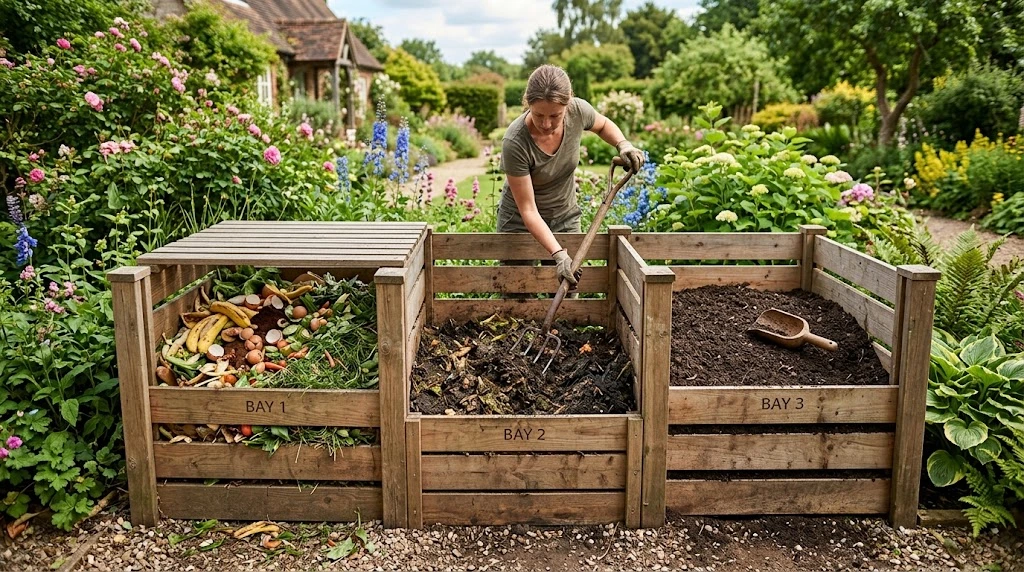
Creating a DIY Wooden Compost Bin Three Bay system is an excellent way to manage organic waste while producing rich compost for your garden. This setup not only maximizes composting efficiency but also allows for the organization of different composting stages. This guide walks you through the steps necessary to build your three-bay compost bin, ensuring you have a sustainable solution to your composting needs.
Understanding the Three-Bay System
The three-bay composting system is a practical approach to manage decomposed materials systematically. Each bay serves a different purpose:
- Bay 1: This bay is for collecting fresh organic waste.
- Bay 2: This bay allows for the decomposition process, where materials break down over time.
- Bay 3: This is where finished compost is stored, ready for use in your garden.
Materials Needed
To build your three-bay compost bin, gather the following materials:
- Four wooden pallets or boards (select untreated wood to avoid harmful chemicals)
- Wood screws or nails
- Hinges (if you want to create doors for easier access)
- A saw
- A drill
- Measuring tape
- Sandpaper (for smoothing edges)
- A level (to ensure stability)
Step-by-Step Guide to Building Your Compost Bin
Follow these steps to construct your DIY Wooden Compost Bin Three Bay:
- Choose a Location: The first step is to select a suitable location that receives partial sunlight. This will help with the composting process while avoiding excess moisture from rainfall.
- Measure and Cut the Wood: Measure and cut your pallets or boards to size. For a three-bay system, each bay should ideally be about 3 feet wide, 3 feet deep, and 3 feet high.
- Assemble the Bays: Assemble your three-bay structure by placing the pallets or boards side by side. Use wood screws or nails to securely fasten them together.
- Create Access Doors: You can add hinges to one side of each bay to create doors. This makes it easier to turn compost and retrieve finished compost.
- Secure the Bottom: Ensure the bottom of each bay is open to the ground, allowing worms and beneficial microorganisms to access the compost materials naturally.
- Sand and Finish: Use sandpaper to smooth out any rough edges. This will prevent splinters and ensure the safety of handling.
- Fill the Bin: Start adding your organic waste into Bay 1. It’s important to balance green materials (like vegetable scraps) with brown materials (like dried leaves).
Maintenance Tips for Your Three-Bay Compost Bin
To ensure optimal composting, keep these tips in mind:
- Turn the Compost: Every few weeks, turn the contents of Bay 2 to aerate and speed up decomposition.
- Add Moisture: The compost should be moist but not soaking wet. If it appears dry, sprinkle some water.
- Monitor Temperature: A healthy composting temperature is around 130-160°F (54-71°C). This helps in breaking down materials faster.
The Benefits of Using a Three Bay Compost Bin for Your Garden
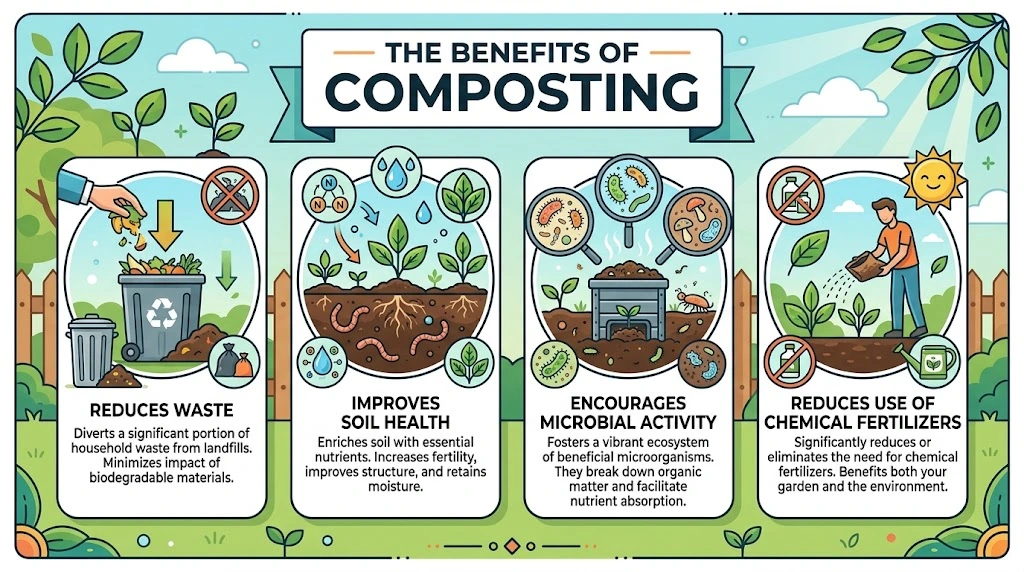
Building a compost bin can be one of the most rewarding projects for your garden. Among various options, the three bay compost bin shines for its efficiency and versatility. This structure allows for organized composting, helping you recycle organic waste effectively while enriching your garden soil. Let’s explore the numerous benefits of incorporating a DIY Wooden Compost Bin Three Bay into your gardening routine.
Efficient Composting Process
A three bay compost bin enables a systematic approach to composting. With three separate sections, you can manage the composting process in a tidy and organized manner:
- Active Bay: This is where you actively add new organic waste. It’s your ‘working bay’ filled with kitchen scraps, yard debris, and other compost materials.
- Turning Bay: After a period of active composting, you move material to the second bay where you can regularly turn and aerate it. This helps decompose the waste faster.
- Mature Bay: Here, the compost fully matures. This section contains well-decomposed material ready for use in your garden.
Improved Aeration
A well-designed three bay compost bin allows air to circulate freely, promoting aerobic decomposition. This is crucial as it significantly reduces odors, accelerates compost breakdown, and minimizes the risk of attracting pests. Proper aeration ensures your compost stays moist and active, breaking down efficiently into rich organic matter.
Enhanced Organization
Utilizing a three bay system enables you to organize your composting efforts conveniently. You can easily track the stages of compost, ensuring that every batch is processed thoroughly before being used in your garden. This structured approach helps avoid common composting mistakes and ensures that you achieve high-quality compost each time.
Less Frequent Turning Required
In a single bay compost system, constant turning is necessary to aerate the pile and facilitate decomposition. However, with a DIY Wooden Compost Bin Three Bay, you can allow compost in the mature bay to sit undisturbed while you focus on the active and turning bays. This means less physical effort for you while still allowing the compost to break down naturally.
Space Saver
If you have a limited garden space, a three bay compost system can fit neatly into your yard without occupying too much room. By stacking the bays vertically or locating them in a corner of your garden, you can ensure efficient use of space while maintaining a productive composting setup.
Accessibility and Ease of Maintenance
The design of a three bay compost bin often includes features that make it easier to access and manage your compost materials. With designated areas for active, turning, and mature compost, you can easily monitor progress and make adjustments as necessary. The structure encourages regular maintenance and ensures that your compost remains in excellent condition without overwhelming your workload.
Cost-effective Solution
Setting up a DIY Wooden Compost Bin Three Bay can be a cost-effective gardening solution. Not only can you build it from reclaimed wood or other inexpensive materials, but the compost produced will enrich your garden soil without the need for pricey commercial fertilizers. Moreover, you will reduce waste and contribute to a sustainable environment.
Earth-Friendly Practices
By embracing a three bay compost bin, you’re engaging in earth-friendly practices. Composting diverts organic waste from landfills, reducing methane emissions. Additionally, the compost you create nourishes your garden, promoting healthy plant growth without synthetic chemicals.
Essential Materials and Tools Needed for a DIY Wooden Compost Bin
Building a DIY Wooden Compost Bin Three Bay is a fantastic way to recycle your kitchen scraps and yard waste while enriching your garden soil. But before you get started, it’s important to gather all the essential materials and tools you’ll need. This guide will help you ensure you have everything necessary to create a functional and durable compost bin.
Essential Materials
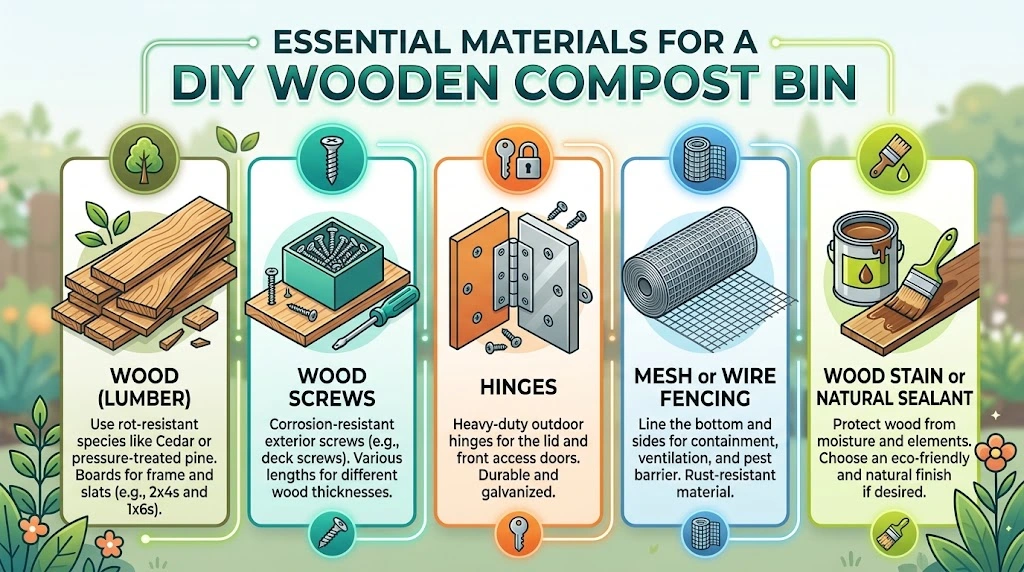
When constructing a DIY wooden compost bin, several materials are crucial for its effectiveness and longevity. Here’s a breakdown of what you’ll need:
- Wood: Choose rot-resistant wood like cedar or redwood for the structure. You’ll need four main panels for the sides, a base, and possibly a divider for a three-bay design.
- Wood Screws: Opt for outdoor-rated screws to hold everything together securely.
- Hinges: If you want a door for easy access, select durable hinges.
- Mesh or Wire Fencing: This material can be used on the sides or bottom to allow airflow and keep pests out.
- Wood Stain or Natural Sealant: Applying a protective finish will help prolong the life of your compost bin.
Tools Required
While gathering materials is essential, having the right tools will make your DIY project much easier. Here’s a list of tools you should have on hand:
- Measuring Tape: Accurate measurements are crucial for ensuring your compost bin fits your space.
- Power Drill: This will speed up the process of pre-drilling holes for screws and attaching pieces.
- Saw: A circular saw or handsaw will help you cut your wood to the desired dimensions.
- Screwdriver: A power or manual screwdriver will be needed to secure screws in place.
- Level: Ensuring that your bin is level will help with drainage and access.
Additional Items to Consider
While the above materials and tools are fundamental, considering a few additional items can enhance your compost bin’s functionality:
- Thermometer: A compost thermometer helps you monitor the internal temperature of the compost to ensure effective decomposition.
- Compost Aerator: This tool makes it easier to turn your compost, allowing for better aeration and faster breakdown.
- Plastic Sheeting or Tarp: Use this to cover your compost bin and keep moisture levels balanced.
Tips for Success
Building your DIY Wooden Compost Bin Three Bay can be an enjoyable project. Here are some tips to make it a success:
- Select the Right Location: Choose a shaded area close to your kitchen for easy access.
- Size Matters: Depending on your space and waste production, adjust the dimensions to fit your need, especially for a three-bay bin.
- Ventilation is Key: Ensure there are enough gaps in the design to promote airflow.
Building a DIY Wooden Compost Bin Three Bay is a rewarding way to contribute to a sustainable environment. Now that you know the essential materials and tools necessary for your project, you can confidently start creating your compost bin.
Maintenance Tips for Your Three Bay Compost System
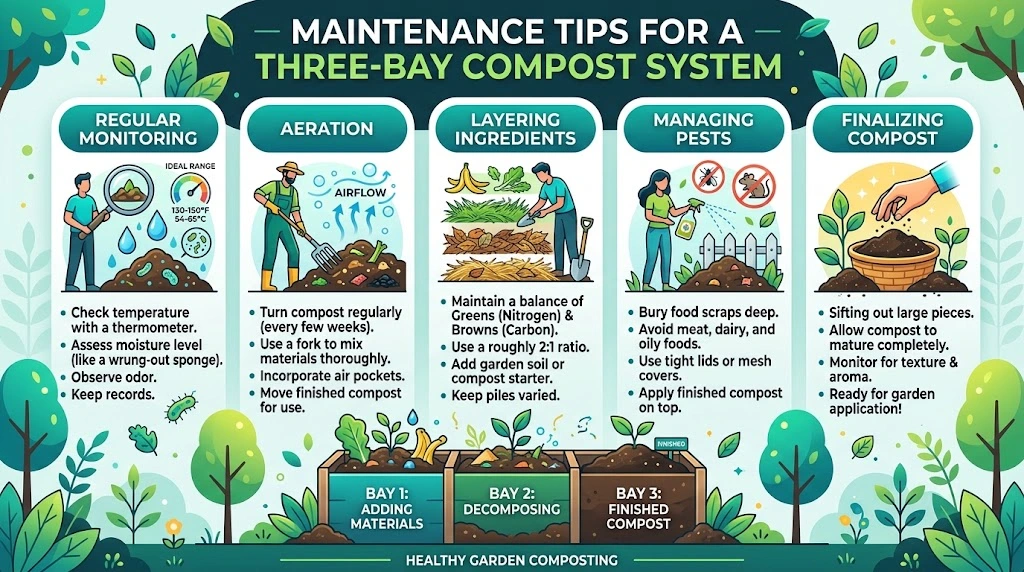
Maintaining your three bay compost system is crucial for efficient composting and rich soil production. This composting method allows you to manage different stages of compost simultaneously, making it a great choice for both novice and experienced gardeners. To ensure your compost bins operate smoothly, here are some essential maintenance tips to follow.
Regular Monitoring
One of the key aspects of maintaining your DIY Wooden Compost Bin Three Bay system is regular monitoring. Check the bins at least once a week to observe the temperature and moisture levels. This helps you ensure the compost is decomposing effectively.
- Temperature: Use a compost thermometer to gauge the internal temperature. Ideally, the temperature should be between 130°F and 160°F for optimal microbial activity.
- Moisture: The compost should feel like a damp sponge. If it’s too dry, add water; if too wet, mix in dry materials like straw or shredded newspapers.
Aeration is Key
Good airflow is essential to ensure that the composting process stays aerobic, which prevents foul odors and accelerates decomposition. Here are some aeration tips:
- Turning the Pile: Use a pitchfork to turn the compost every 2-4 weeks. This helps introduce oxygen and allows you to mix ingredients, speeding up the breakdown process.
- Adding Bulky Materials: Include materials like straw or wood chips to improve airflow between particles.
Layering the Ingredients
Proper layering of materials is crucial in your three bay compost system. Use a balanced mix of greens (nitrogen-rich materials) and browns (carbon-rich materials). Here’s a simple layering strategy:
| Type of Material | Example | Amount |
|---|---|---|
| Greens | Vegetable scraps, grass clippings | 2 parts |
| Browns | Dry leaves, cardboard | 1 part |
This balance helps achieve the right carbon-to-nitrogen ratio, resulting in faster decomposition and higher quality compost.
Managing Pests
Pests can become an issue in compost systems if not managed properly. Here are some strategies to keep pests at bay:
- Cover Your Compost: Use a tarp or lid to cover your compost bin to deter rodents and other creatures looking for food.
- Avoid Meats and Dairy: Do not add meat, dairy, or oily foods as they attract unwanted animals.
Finalizing Your Compost
Once your compost has broken down completely, it’s time to prepare it for use. Check for the following signs:
- Color: The compost should be a rich, dark brown.
- Texture: It should feel crumbly and moist, resembling a thick chocolate cake.
When ready, remove the finished compost from the bottom bay and use it in your garden to enrich soil quality.
How a DIY Wooden Compost Bin Can Enhance Soil Health and Reduce Waste
Creating a DIY Wooden Compost Bin Three Bay is a sustainable and rewarding project that not only cuts down on waste but also significantly enhances your soil health. Composting is the process of breaking down organic materials into nutrient-rich soil that can be used in gardens, flower beds, or landscaping projects. By constructing a compost bin with three bays, you can efficiently manage your composting process, allowing for a continuous supply of compost while addressing various stages of decomposition.
Why Choose a Three-Bay System?
A three-bay compost bin design offers unique advantages that make it an excellent choice for effective composting:
- Efficient Management: Each bay can represent a different stage of the composting process—active composting, curing, and finished compost. You can easily rotate materials and ensure optimum processing time.
- Better Aeration: A three-bay system allows for better airflow, which is crucial for the aerobic composting process. Enhanced airflow speeds up decomposition and reduces odors.
- Space Optimization: Rather than having separate bins for different stages, a three-bay setup consolidates everything into one unit, making efficient use of space in your yard or garden.
Essential Materials for Your DIY Wooden Compost Bin
Constructing your DIY Wooden Compost Bin Three Bay requires a few basic materials. Here’s a simple list of what you’ll need:
- Untreated wood (e.g., cedar or pine) for the structure
- Wood screws or nails for assembly
- Hinges for the bin doors (optional)
- Wire mesh or hardware cloth for pest prevention (optional)
- Tools such as a saw, drill, and measuring tape
Steps to Build Your Compost Bin
This project can be accomplished in a weekend with basic carpentry skills. Follow these steps to build your three-bay compost bin:
- Measure and Cut the Wood: Plan the dimensions of your compost bins. Each bay should be at least 3 feet wide, 3 feet deep, and 3 feet tall for optimal decomposition.
- Assemble the Bays: Create three sections using the cut wood. Each segment should have removable slats for access to the compost.
- Add Ventilation: Drill holes or insert wire mesh in strategic locations to allow airflow, which is crucial for the composting process.
- Set Up the Bin: Position the compost bin in a well-drained area with good sun exposure to speed up decomposition.
- Start Composting: Begin layering your compost materials—organic waste, greens, browns, and ensure to turn the compost regularly.
Building a DIY Wooden Compost Bin Three Bay not only helps you manage waste efficiently but also leads to the production of rich compost that significantly enhances soil health. For tips on maintenance and other composting strategies, visit Compost Guide and explore more resources.
With a little effort and commitment, you can create a thriving composting system in your backyard, promote eco-friendliness, and contribute to a healthier planet.
Conclusion
Creating a DIY Wooden Compost Bin Three Bay system is a rewarding project that not only benefits your garden but also contributes positively to the environment. By following the step-by-step guide, you’ve unlocked the potential to manage organic waste efficiently, turning scraps into rich compost.
The advantages of a three bay compost system are numerous. It allows for better aeration, faster decomposition, and convenient organization, which are crucial for maintaining a healthy compost pile. With the right materials and tools, your project can come together smoothly, providing you with a durable and functional compost bin that meets your needs.
As you maintain your compost bin, remember that regular turning and balancing of green and brown materials will lead to optimal compost production. These maintenance tips are essential for creating the best environment for microorganisms to thrive and break down your organic waste efficiently.
By enhancing soil health through improved nutrient profiles, a DIY Wooden Compost Bin Three Bay plays a vital role in sustainable gardening practices. It not only helps reduce waste but also fosters a healthier ecosystem in your own backyard. Embracing this project can lead to a greener lifestyle while providing rich, homemade compost that will nurture your plants.
Taking the initiative to build a three bay compost system is a step toward responsible waste management and soil enhancement. You’re not just creating a bin; you’re investing in your garden’s future and the health of our planet. Enjoy the process, and watch your compost transform into a valuable resource for your garden.