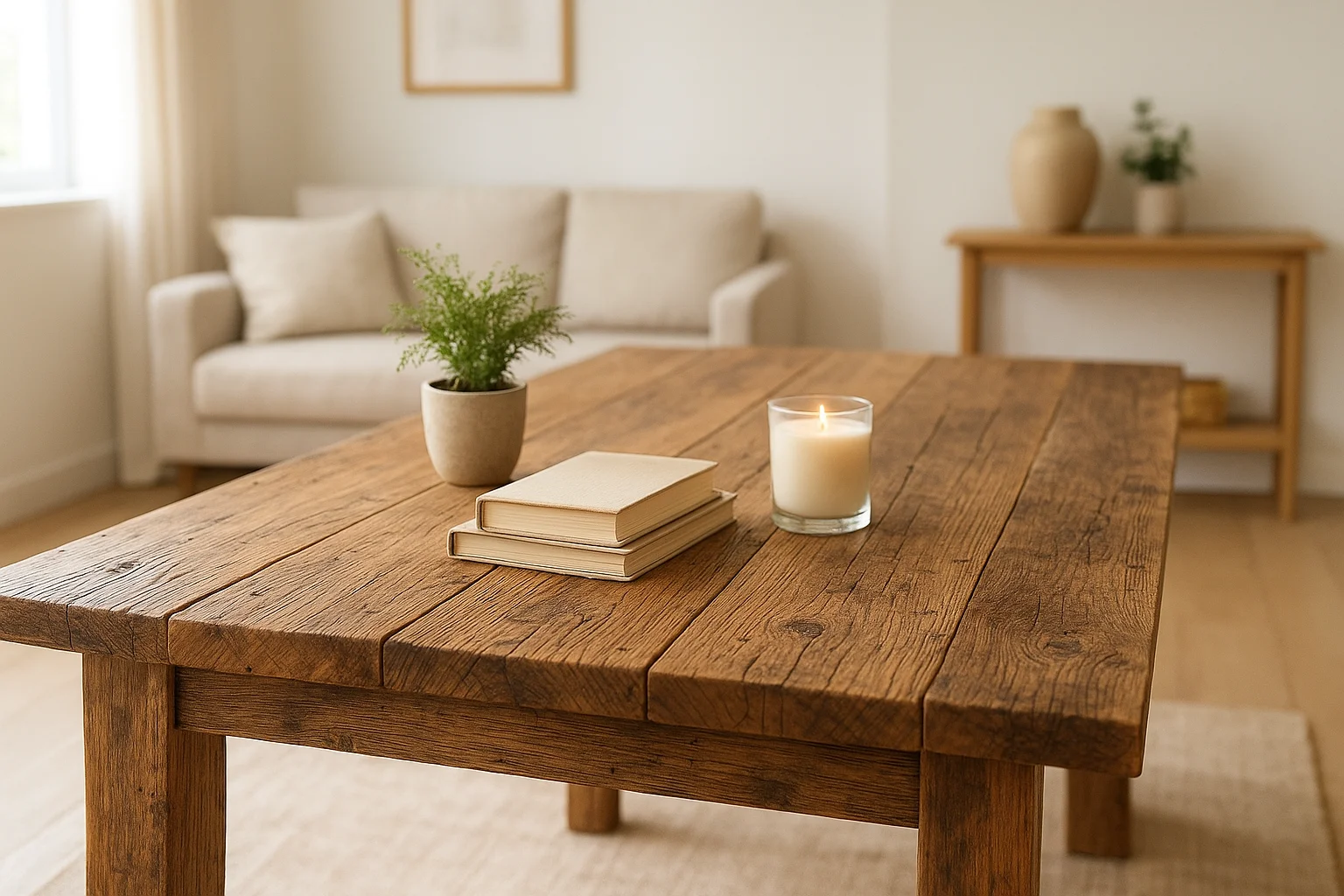
Are you looking for creative ways to use reclaimed wood? DIY reclaimed wood projects are a fantastic way to enhance your home while being environmentally friendly. Not only do these projects add warmth and character, but they also allow you to repurpose materials that might otherwise go to waste. Let’s dive into some inspiring ideas that you can try at home!
Repurposed Furniture
One of the most popular ways to utilize this material involves creating or transforming furniture. Here are a few ideas:
- Rustic Coffee Table: Use large reclaimed planks to build a sturdy coffee table. You can keep the natural finish or paint it to match your décor.
- Library Ladder: Turn old wood into a charming library ladder that can reach high shelves. A few simple cuts and some wood glue will do the trick.
- Dining Table: A dining table made from reclaimed wood is both unique and durable. Combine different sizes of wood for a beautiful, patchwork effect.
Home Décor Enhancements
Enhancing your home’s décor can be exciting with some reclaimed wood creativity!
- Wall Art: Create a unique piece of wall art by arranging various pieces of reclaimed wood in a pattern or design that resonates with you.
- Floating Shelves: Custom floating shelves can add elegance to any room. Use brackets or simply attach them to the wall with sturdy screws.
- Pallet Signage: Craft personalized signs for your home, whether it’s your family name or a favorite quote. Paint it for extra flair!
Garden Projects
Your garden can also benefit from DIY reclaimed wood projects. Consider these ideas:
- Planter Boxes: Build rustic planter boxes for your flowers and herbs. Sturdy wooden sides help keep your plants safe and sound.
- Compost Bin: A compost bin made from reclaimed wood is practical and eco-friendly. Just remember to leave spaces for ventilation to help decomposition.
- Garden Trellis: Create a charming trellis for climbing plants. It’s simple to make and allows your garden to flourish beautifully.
Tips for Working with Reclaimed Wood
When embarking on your journey, keep these tips in mind:
- Check for Nails: Always inspect the wood for nails or screws that may still be embedded. Remove them carefully before working.
- Sand Smooth: Sanding the wood ensures a smooth surface, making it safe to handle and visually appealing.
- Choose a Finish: Depending on the style, choose a finish that complements your project, whether it’s a clear coat or a colored stain.
Resources for Reclaimed Wood
If you’re unsure where to find reclaimed wood for your projects, consider checking out these resources:
- Reclaimed Wood Exchange – A marketplace dedicated to reclaimed wood.
- Houzz – Find design inspiration and sourcing for reclaimed materials.
- Wood Reclaimers – Specializes in salvaged wood and repurposed materials.
Embarking on DIY reclaimed wood projects can be both fulfilling and sustainable. You will not only get the satisfaction of creating something with your own hands, but also play a role in reducing waste. So gather your tools, find some reclaimed wood, and let your creativity shine!
Benefits of Using Reclaimed Wood in DIY Projects

Using reclaimed wood in DIY projects can bring numerous benefits that not only elevate your crafting experience but also contribute positively to the environment. If you are passionate about creating unique items for your home or garden, working with reclaimed wood is a fantastic choice. Below are some compelling reasons to consider this eco-friendly material.
Environmental Impact
One of the most significant advantages of using reclaimed wood is its positive effect on the planet. By repurposing old wood, you help reduce the demand for new lumber, which in turn decreases deforestation and habitat destruction. Additionally, using reclaimed wood minimizes the environmental footprint associated with processing new materials. When you choose reclaimed wood, you’re supporting sustainable practices that benefit the earth.
Unique Aesthetic Appeal
Reclaimed wood comes with a character that is hard to replicate. Each piece tells a story, showcasing its history through unique knots, grain patterns, and weathered finishes. This distinctiveness allows you to create one-of-a-kind pieces that stand out in any setting. Whether you’re building furniture, crafting decor items, or even embarking on a renovation project, reclaimed wood offers a rustic charm appealing to many styles.
Durability and Strength
Wood reclaimed from older buildings and barns is often more durable than many types of new wood. Many reclaimed woods come from slow-growing trees that have already endured years of exposure to various elements, making them stronger and harder. Projects made with reclaimed wood can stand the test of time and everyday wear and tear.
Cost-Effectiveness
While you might think that reclaimed wood is more expensive, it can often be more affordable than high-quality new wood. Many suppliers offer reclaimed wood at competitive prices, and shopping locally can lead to even better deals. Additionally, because the wood is often of high quality, your finished projects can last longer, offering greater long-term savings.
Versatile Uses
Reclaimed wood can be used in a variety of projects, making it a versatile choice for DIY enthusiasts. Here are some popular ideas:
- Furniture (tables, chairs, benches)
- Home decor (shelves, picture frames, wall art)
- Garden features (raised beds, trellises, planters)
- Flooring and wall paneling
- Children’s toys and play structures
Preservation of History
Using reclaimed wood allows you to keep a piece of history alive in your home. Each slab and beam carries a story, and by incorporating it into your projects, you honor the craftsmanship and legacy of its original use. Your DIY efforts can contribute to preserving the past, making your work not just functional, but also meaningful.
Health Benefits
Unlike some new wood products, reclaimed wood doesn’t undergo heavy chemical treatment. This provides a healthier option for your home, especially for indoor projects. Many new wood treatments include harmful chemicals that can affect indoor air quality. When you choose reclaimed wood, you’re making a safer choice for you and your family.
Finding Reclaimed Wood
Several resources exist to help you find quality reclaimed wood. Consider checking out local businesses and online marketplaces dedicated to sustainable materials. Websites like Reclaimed Wood Shop and Reclaimed Wood Exchange are excellent places to start. They offer a range of options and can help you with guidance on your projects.
To recap, incorporating DIY reclaimed wood projects into your routine is beneficial for the environment, provides unique aesthetics, promises durability, offers cost savings, and enhances the historical value of your creations. As you embark on your next crafting adventure, consider the wide-ranging advantages of using reclaimed wood. Not only will you create beautiful, functional items, but you’ll also contribute positively to the environment and preservation of history.
Tips for Sourcing Quality Reclaimed Wood
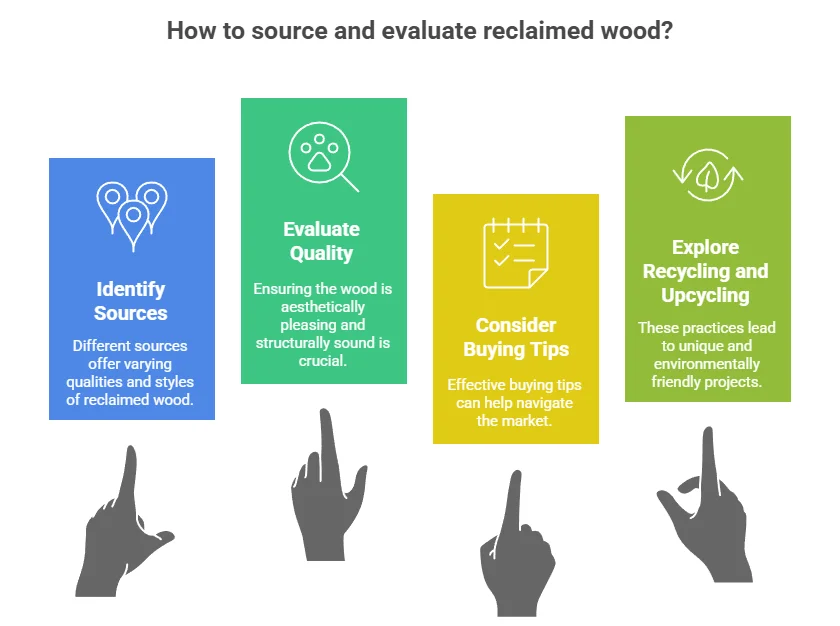
Finding quality reclaimed wood for your projects can feel overwhelming at first. However, with the right tips and tricks, you can make the process easier and more enjoyable. Here are some strategies to help you source the best reclaimed wood for your DIY reclaimed wood projects.
Understanding Reclaimed Wood Types
Before you start your search, it’s essential to know the different types of reclaimed wood available. This wood can come from various sources, including:
- Old Barns: Often, barns are dismantled, providing sturdy wood with a unique patina.
- Industrial Buildings: Wood salvaged from warehouses or factories can be rich in character.
- Fences: Old fence boards can be transformed into beautiful furniture or décor pieces.
- Rescued Pallets: Pallet wood is a common choice for DIY enthusiasts, though you should check for chemical treatments.
Where to Look for Reclaimed Wood
Once you understand the types of reclaimed wood, it’s time to dig into where you can find quality materials. Here are some excellent places to consider:
- Local Salvage Yards: These yards specialize in salvaging and selling reclaimed building materials, offering a wide selection of wood.
- Demolition Sites: Reach out to demolition companies to see if they allow you to salvage wood from their sites. Make sure to ask for permission and follow safety protocols.
- Online Marketplaces: Websites like Reclaimed Wood Exchange have listings of reclaimed wood available for sale.
- Community Forums: Check out local DIY communities or social media groups. Fellow crafters often share tips on where to find reclaimed wood.
Evaluating Quality
When sourcing reclaimed wood, quality is crucial. Here are some points you should consider:
- Check for Stability: Look for wood that isn’t warped or cracked. Stability ensures your finished project will last longer.
- Inspect for Pests: Always check for signs of pests or mildew. These can compromise the integrity of the wood.
- Evaluate Age and Finish: Older wood may have unique character, but it’s vital to assess if it’s been treated or refinished in a way that suits your project.
Buying Tips
When you find a potential source, keep these tips in mind to ensure you get the best deal and quality:
- Ask Questions: Don’t hesitate to ask sellers about the wood’s origin and history. The more information you have, the better.
- Request Samples: If possible, ask for samples before purchasing larger quantities. This will let you see how the wood behaves and looks in your project.
- Compare Prices: Shop around to compare costs. Prices can vary significantly between suppliers.
- Negotiate: Don’t be afraid to negotiate prices, especially if you’re buying in bulk.
Recycling and Upcycling
Using reclaimed wood is not only eco-friendly but also allows for creativity. Consider these ideas for recycling or upcycling your reclaimed finds:
- Furniture: Turn an old barn door into a table or use fence boards to create rustic shelving.
- Home Décor: Make unique picture frames, coat racks, or wall art from smaller pieces.
- Garden Projects: Use reclaimed wood to build raised garden beds or decorative outdoor pieces.
Integrating DIY reclaimed wood projects into your life can give your space a unique look while being kind to the environment. By knowing where to source quality materials and how to evaluate them, you can create stunning pieces that tell a story.
For more inspiration and guidance on using reclaimed wood, check out resources like Houzz and Wood Magazine.
Step-by-Step Guide to Building a Rustic Reclaimed Wood Table
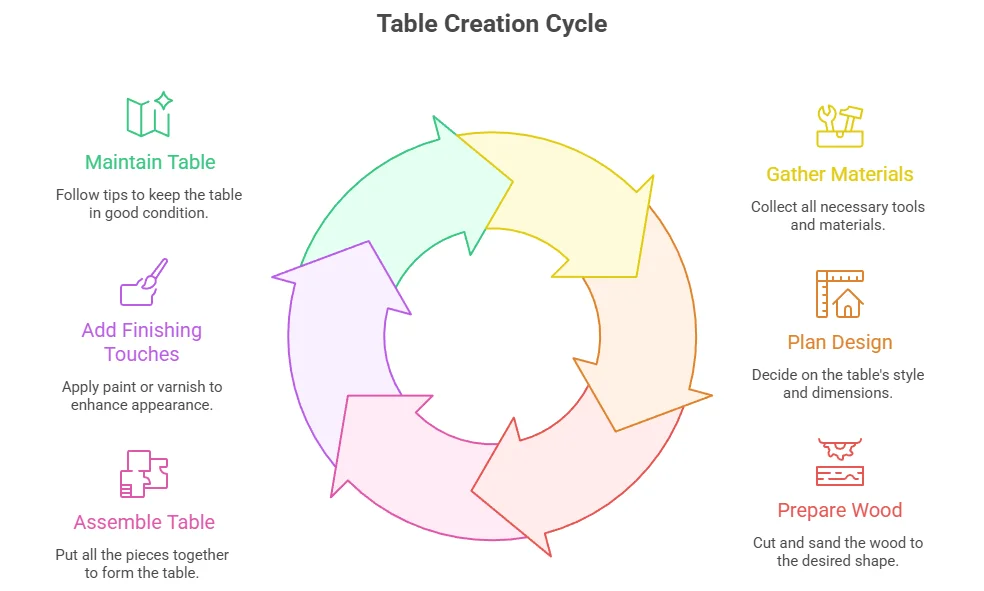
Creating a rustic reclaimed wood table is an exciting project that allows you to blend functionality with aesthetic charm. This guide will walk you through the steps needed to build a sturdy, beautiful table that embodies the warmth and character of reclaimed wood.
[Image of rustic reclaimed wood table construction plans]
Gathering Your Materials
Before you begin, it’s essential to gather all necessary materials. Here’s what you’ll need:
- Reclaimed wood planks (for the tabletop)
- Reclaimed wood (for the table legs and support beams)
- Wood screws
- Wood glue
- Sandpaper (various grits)
- Wood stain or finish of your choice
- Measuring tape
- Wood saw
- Drill
- Clamps
Be sure to select your reclaimed wood carefully. You can find reclaimed wood at local lumberyards, building material reuse centers, or even online marketplaces like Reclaimed Wood Exchange.
Planning Your Table Design
Next, plan your table design. Consider the size and shape you want. A rectangular table is straightforward for beginners, while a round table might suit smaller spaces better. You can draw a quick sketch to visualize dimensions and proportions.
Decide how many people you want to seat and adjust your measurements accordingly. A standard dining table is typically 30 inches high, with about 60-72 inches in length for seating four to six people.
Preparing the Wood
Once you have your wood, it’s time to prepare it for assembly. Follow these steps:
- Inspect each plank: Look for blemishes, cracks, or warping that might affect stability.
- Sand the wood: Use medium grit sandpaper for rough spots, then finish with fine grit to smooth edges. This will help the wood take stain better and provide a polished look.
- Cut the wood: Measure and cut the tabletop and legs to your specified dimensions using a wood saw.
- Arrange planks: Lay them out to create a desired pattern for the tabletop. This can include interesting grain variations or color differences.
Assembling the Table
With the wood prepped, it’s time for assembly:
- Create the tabletop: Gather the planks and lay them side by side. Use clamps to hold them tightly together. Apply wood glue between the edges of the planks for added stability.
- Attach the support beams: Flip the tabletop over and attach two support beams underneath using wood screws. These beams will add structural integrity.
- Install the legs: Cut your reclaimed wood into four legs and attach them to each corner of the table with screws. Ensure they are securely fastened.
Finishing Touches
Once assembled, it’s time to give your table a beautiful finish:
- Stain or paint: Apply wood stain with a brush or cloth to enhance the natural beauty of the wood or to match your desired color scheme.
- Seal the surface: After the stain dries, apply a clear coat or sealant to protect the wood from spills and scratches.
- Final inspection: Check all joints and connections, ensuring the table is sturdy and stable.
Maintenance Tips
To keep your reclaimed wood table looking great:
- Clean spills immediately to prevent staining.
- Avoid harsh chemicals in the cleaning process; mild soap and water work best.
- Reapply sealant every few years to maintain protection and luster.
Building a rustic reclaimed wood table can be a rewarding experience. Not only will you have a unique piece of furniture, but you will also enjoy the satisfaction of crafting something with your own hands. For more detailed plans and ideas, consider visiting Wood Magazine or Popular Woodworking.
Now that you have the tools and knowledge, it’s time to get started on your DIY reclaimed wood projects, specifically this table! Enjoy the journey and the charming piece you’ll create.
How to Maintain and Care for Reclaimed Wood Furniture
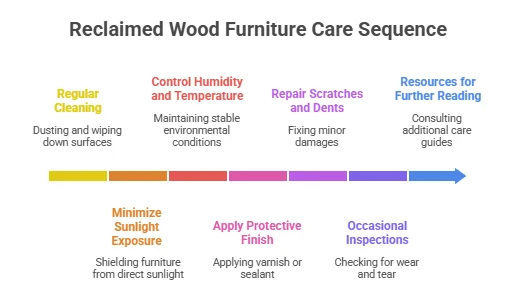
Reclaimed wood furniture adds character and warmth to any living space, connecting the past with the present. However, caring for this unique material requires specific attention to ensure its beauty and longevity. If you want to maintain and care for your reclaimed wood furniture, here are some essential tips to guide you.
Regular Cleaning
Cleaning reclaimed wood furniture does not have to be complicated. Use a soft, damp cloth to wipe down surfaces regularly. Avoid using harsh chemicals or abrasive cleaners, as these can damage the wood’s finish. Instead, try the following methods:
- Use a mild soap solution, water, and a microfiber cloth for a deep clean.
- For stubborn stains, gently scrub with a soft-bristled brush to avoid scratching the surface.
- Dry the furniture thoroughly with a clean cloth to prevent moisture absorption.
Minimize Exposure to Direct Sunlight
Prolonged exposure to direct sunlight can fade and dry out reclaimed wood. To preserve its natural hue and reduce wear, follow these guidelines:
- Position your furniture away from window glare and direct sunlight.
- Use UV-filtering window film or sheer curtains to diffuse natural light.
- Rotate furniture occasionally to ensure even exposure and prevent warping.
Humidity and Temperature Control
Wood is susceptible to changes in temperature and humidity. Reclaimed wood can expand or contract depending on moisture levels, which may cause cracks and warping. Keep your home’s humidity level between 40-60% to maintain the integrity of your furniture. Here’s how:
- Consider using a humidifier during dry months.
- In humid conditions, use a dehumidifier to keep levels stable.
- Avoid placing furniture near heat sources, such as radiators or fireplaces.
Apply Protective Finish
Applying a protective finish can significantly extend the life of reclaimed wood furniture. Options include natural oils, waxes, or varnishes. Here’s how to choose the right one:
- Natural Oils: Oils like linseed or tung oil enhance the wood’s grain while providing a layer of protection.
- Waxes: Beeswax or carnauba wax creates a moisture barrier while allowing the surface to breathe.
- Varnishes: Polyurethane varnish offers strong protection but may alter the wood’s appearance slightly.
Be sure to follow the manufacturer’s instructions when applying any finish. Apply a new coat annually to maintain the protective layer.
Repairing Scratches and Dents
Despite your best efforts, scratches and dents may occur. Here are some easy remedies to repair them:
- For minor scratches, use a soft cloth and mineral oil to buff the area gently.
- For deeper scratches, consider filling them with wood filler that matches the color of your furniture.
- For dents, cover it with a damp cloth and use a steam iron to swell the wood back into shape, then buff the area.
Occasional Inspections
Taking time for regular inspections helps identify potential issues before they worsen. Look for:
- Signs of insects or pests.
- Cracks or warping in the wood.
- Loose joints or hardware.
If you notice any issues, address them promptly to keep your reclaimed wood furniture in excellent condition.
Resources for Further Reading
For more tips on maintaining reclaimed wood furniture, you can visit these resources:
By following these maintenance tips, you can keep your reclaimed wood furniture looking stunning for years to come. Regular care not only enhances its beauty but also preserves the integrity of the natural materials, bringing you long-term satisfaction in your home decor.
Conclusion
Embracing DIY reclaimed wood projects adds character and uniqueness to your home while promoting sustainability. From stylish furniture to charming décor, the creative possibilities are endless. Each piece not only enhances your living space but also tells a story of its past, connecting your environment to a more eco-conscious lifestyle.
Utilizing reclaimed wood has numerous benefits. It offers beautiful, rustic aesthetics while being a more environmentally friendly option than purchasing new materials. By sourcing wood that might otherwise be discarded, you contribute to a healthier planet and create stunning pieces that you can be proud of.
Finding quality reclaimed wood is key to any successful project. Explore local lumberyards, industrial warehouses, and even community salvage events to discover hidden treasures. Always check the wood’s condition and history to ensure you use safe and durable materials.
Building a rustic reclaimed wood table is a fantastic entry point for DIY enthusiasts. With a simple step-by-step guide, you can create a focal point for your home that’s both functional and beautiful. And remember, caring for your reclaimed wood furniture is essential for longevity. Regularly clean and treat it with suitable products to preserve its charm and integrity.
By choosing to engage in these activities, you not only enhance your surroundings but also foster a sense of creativity and resourcefulness. Dive into the world of DIY reclaimed wood projects, and make something one-of-a-kind that reflects your personal style and commitment to sustainability. Enjoy the journey of crafting and the satisfaction that comes along with it.