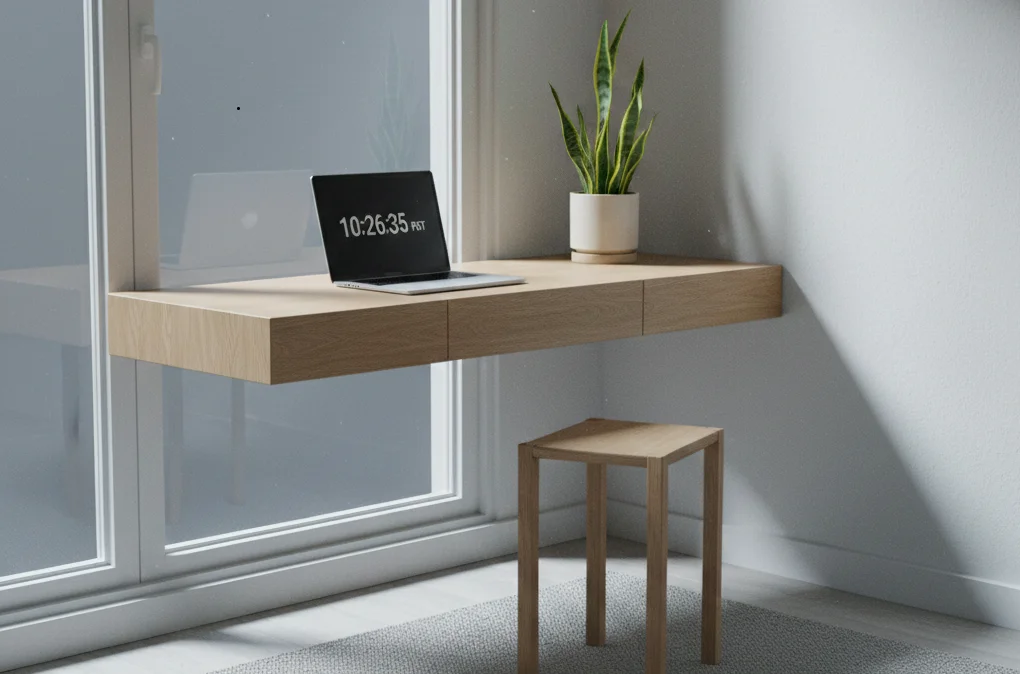
Creating your own DIY Minimalist Wooden Furniture is both rewarding and fulfilling. This approach not only helps you save money but also allows you to express your creativity. Minimalist designs focus on simplicity and functionality, making wooden furniture an excellent choice. Here’s how to craft your unique pieces.
Choosing the Right Wood
Wood selection is crucial in crafting minimalist furniture. Consider the following types of wood:
- Pine: Affordable and easy to work with, making it a favorite for beginners.
- Plywood: Offers strength and versatility; great for modern designs.
- Oak: Known for its durability; perfect for long-lasting furniture.
- Bamboo: Eco-friendly and stylish, suitable for light-weight designs.
Your choice should reflect your desired style, usage, and sustainability preferences. Visit Wood Magazine for more insights on wood types and their applications.
Essential Tools for DIY Projects
To start creating, you will need some basic tools. Here’s a list to guide you:
- Table saw: For precise cuts
- Drill: Essential for making holes and joining pieces
- Sander: Smoothens surfaces for a clean finish
- Measuring tape: Ensures accurate dimensions
- Clamps: Holds pieces together while the glue dries
Investing in quality tools can make your building experience enjoyable and efficient. You can find useful tool recommendations at Ana White.
Designing Your Furniture
When crafting minimalist furniture, less is often more. Keep the design simple but functional. Here are some tips for your design:
- Focus on clean lines: Avoid excessive ornamentation.
- Prioritize function: Think about how you will use each piece.
- Choose neutral colors: Light woods often work well in minimalist designs.
Sketch out your ideas on paper or use design software to visualize your project. Websites like Furniture Layouts can help you plan your space.
Building Process
Once you’ve designed your piece, it’s time to start building. Here’s a step-by-step guide:
- Gather Materials: Ensure you have enough wood and supplies.
- Cut the Wood: Measure and cut according to your design.
- Assemble the Pieces: Use wood glue and screws to hold everything together.
- Sand and Finish: Smooth all surfaces and apply a finish like natural oil or polyurethane.
Following these steps can yield beautiful results. For detailed videos on building techniques, check out 99 Woodworking.
Maintenance Tips
Maintaining your DIY Minimalist Wooden Furniture is essential for longevity. Here’s how:
- Regular Dusting: Prevents buildup that can damage wood.
- Use Coasters: Protects surfaces from moisture and heat.
- Reapply Finish: Periodically apply oil or polish to maintain shine.
Taking care of your furniture not only enhances its appearance but also extends its life. For more maintenance tips, visit This Old House.
Crafting DIY Minimalist Wooden Furniture allows you to create functional and stylish pieces tailored to your taste. With the right materials, tools, and techniques, you can transform your space while enjoying the satisfaction of making it yourself. Embrace your creativity and start building today!
Advantages of Minimalism in Home Decor
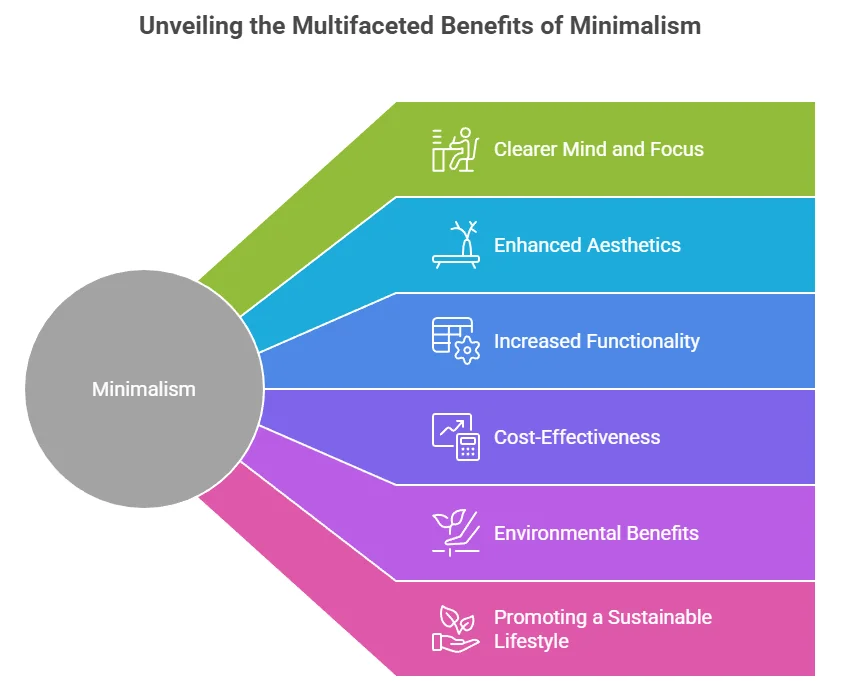
Adopting a minimalist approach in home decor offers numerous benefits that go beyond just aesthetics. A minimalist environment can transform the way you feel, think, and live in your space. As you consider minimalism in your home, it’s crucial to understand the various advantages it brings.
Clearer Mind and Focus
One of the primary advantages of minimalism in home decor is the positive impact on your mental clarity. When clutter is minimized, it reduces distractions and allows for enhanced focus.
- Declutter for Clarity: A tidy space can lead to a tidy mind. You may find it easier to think critically and creatively in an organized environment.
- Simplified Choices: When you have fewer items to choose from, decision-making becomes simpler. This can lead to a less stressful daily routine.
Enhanced Aesthetics
A minimalist design usually embraces clean lines, neutral colors, and uncluttered spaces. This aesthetic can create a calming atmosphere that is pleasing to the eye.
- Timeless Style: Minimalist decor tends to be timeless. Instead of following trends that may fade, you’ll have a classic and sophisticated look that lasts.
- Space Perception: Minimalism can expand the perception of space. With fewer items in each room, areas look larger and more inviting, providing a sense of freedom.
Increased Functionality
Minimalism allows for a more functional home. Each piece of furniture or decor item has a purpose, thus avoiding unnecessary clutter.
- Multi-Functional Furniture: Emphasizing minimalist furniture often means choosing items that serve multiple purposes, such as a coffee table that transforms into storage.
- Effortless Maintenance: With fewer items, cleaning becomes much simpler and quicker, allowing you to maintain a fresh home environment without much effort.
Cost-Effectiveness
Minimalism can lead to significant financial savings over time. By focusing on fewer, high-quality items, you make better purchasing decisions.
- Quality over Quantity: When you invest in durable, timeless pieces, you reduce the need for replacements, ultimately saving you money in the long run.
- Reduced Spending: A minimalist lifestyle encourages conscious consumption and can curtail impulse buys that usually contribute to clutter.
Environmental Benefits
Embracing minimalism can also have a positive impact on the environment. Producing and purchasing fewer items reduces waste and consumption of resources.
- Less Waste: By minimizing your belongings, you inevitably create less waste, supporting a sustainable lifestyle.
- Eco-Friendly Choices: Minimalism encourages individuals to select eco-friendly materials and furniture, which can lead to a healthier planet.
Promoting a Sustainable Lifestyle
Minimalism naturally leads to more sustainable living practices. The focus is on reused, repurposed, or ethically sourced items. This approach can help make a significant impact over time.
- Support Local Artisans: Choose to buy from local makers rather than mass-produced furniture, which fosters community and supports more responsible production methods.
- Durability in Design: Select pieces that are not only stylish but are built to last, ensuring you contribute less to landfill waste.
As you reflect on making changes to your home, consider the considerable benefits of minimalism in your decor. By reducing unnecessary clutter, enhancing aesthetics, increasing functionality, saving money, and embracing sustainability, you can create a living space that reflects simplicity and elegance.
For more insights on creating a minimalist home, check out The Minimalists and Apartment Therapy. These resources can guide your journey towards transforming your living space.
Sustainable Materials for DIY Furniture Projects
When embarking on a DIY furniture project, choosing sustainable materials can lead to beautiful creations while helping the environment. Utilizing eco-friendly materials can minimize your carbon footprint and create pieces that last for years. Here’s a look at some excellent choices for sustainable materials, along with their benefits and uses.
One of the best options for environmentally conscious DIYers is reclaimed wood. This wood comes from old buildings, barns, and other structures that are no longer in use. By repurposing this material, you not only reduce waste but also add character to your furniture. Each piece of reclaimed wood has unique markings and colors, giving your creation a distinctive look. Moreover, reclaimed wood is often sturdier than new wood, making it a durable choice for furniture.
Bamboo is another fantastic sustainable material. It’s one of the fastest-growing plants globally, maturing in just three to five years. Besides being renewable, bamboo is lightweight, strong, and flexible, making it ideal for various furniture styles. Whether you’re crafting chairs or tables, bamboo provides a modern and chic aesthetic. Plus, its natural resistance to pests means you won’t have to worry about harmful chemicals being used to maintain it.
For those seeking a unique material, consider using cork. Harvested from the bark of cork oak trees, cork is a renewable resource that can be collected without harming the tree. It’s also waterproof, lightweight, and has excellent insulation properties, making it perfect for furniture like storage containers and tabletops. Plus, its natural texture adds a touch of warmth and sophistication to any project.
Recycled plastic lumber is gaining popularity as a sustainable material for DIY furniture, especially for outdoor projects. This material is made from post-consumer plastic, preventing it from ending up in landfills. It’s resistant to fading, warping, and cracking, ensuring that your furniture will withstand the elements. Items such as patio furniture and benches made from recycled plastic can last for decades with minimal maintenance.
Additionally, sustainable fabrics like organic cotton, hemp, and linen can contribute to a complete DIY project. These materials are grown without synthetic pesticides and fertilizers, reducing their environmental impact. Use them to create cushions, upholstery, or curtains that complement your wooden masterpieces. Organic fabrics not only feel good but also support healthier farming practices.
| Material | Benefits | Common Uses |
|---|---|---|
| Reclaimed Wood | Unique character, durable | Tables, shelves, chairs |
| Bamboo | Fast-growing, lightweight | Chairs, tables, storage |
| Cork | Waterproof, warm texture | Tabletops, storage, cushions |
| Recycled Plastic Lumber | Weather-resistant, low maintenance | Outdoor furniture, benches |
| Organic Fabrics | Eco-friendly, soft material | Cushions, upholstery, curtains |
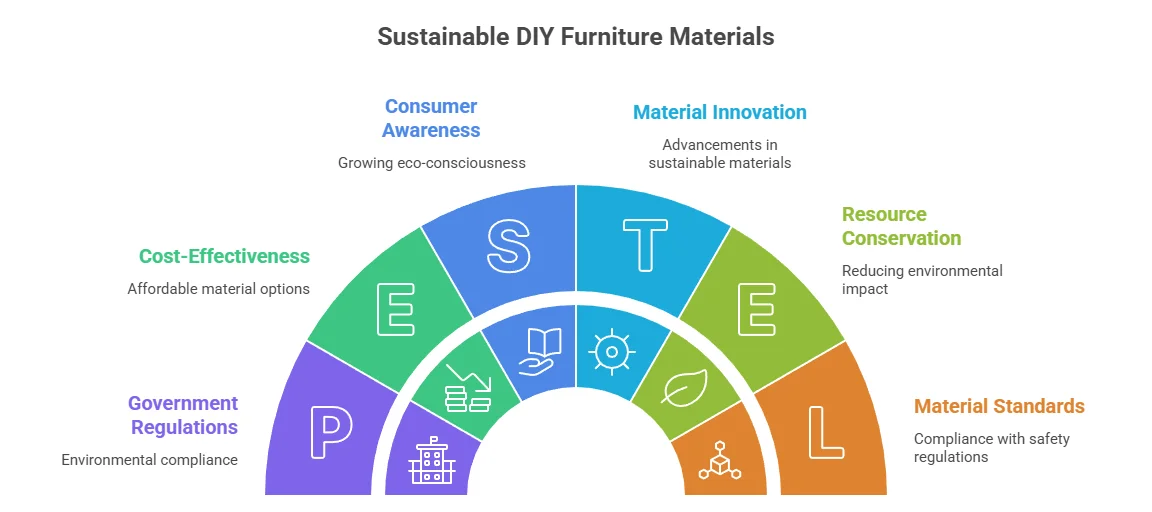
Beyond the materials themselves, the methods you use can also impact sustainability. For instance, using non-toxic adhesives and finishes is crucial when making your furniture. There are numerous environmentally safe options available, ensuring that your pieces are not only beautiful but also healthy for your home.
Remember that embracing sustainability in your DIY furniture projects can be a rewarding experience. Not only do you create unique items for your space, but you also make a positive impact on the environment. Explore local resources and stores that focus on sustainable materials, like Woodworkers Source and Green Building Advisor, to find the best supplies for your next DIY adventure.
By opting for sustainable materials, you embody the principles of minimalism and environmental responsibility in your DIY endeavors. Dive into the world of sustainable DIY furniture projects, where creativity meets eco-friendliness and results in stunning, long-lasting pieces.
Transforming Small Spaces with Minimalist Design
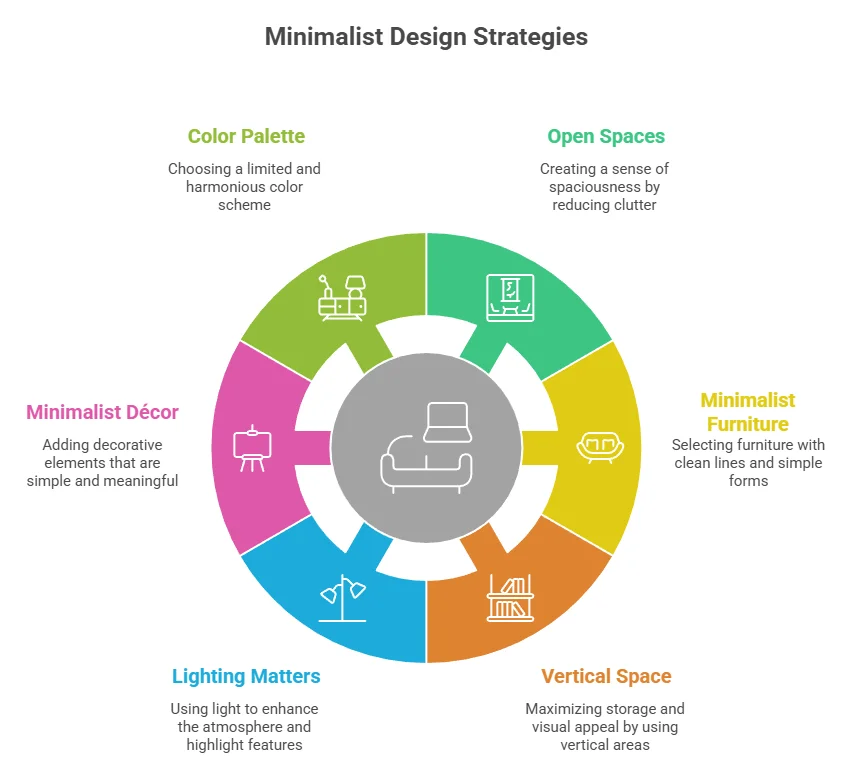
Small spaces can be a delightful canvas for minimalist design. By embracing simplicity, you can create a serene and functional environment that optimizes every inch of your area. Many people assume that minimalism means sacrificing comfort or style, but it’s quite the opposite. Let’s explore how you can transform your small space through clever and thoughtful minimalist design.
Embrace Open Spaces
One of the core principles of minimalist design is the open space concept. Start by decluttering your area. Keep essentials and sentimental items while letting go of things that no longer serve a purpose. Here are a few tips:
- Use multi-functional furniture such as a sofa bed or an ottoman with storage.
- Choose light colors for walls and furniture to create a spacious illusion.
- Opt for furniture with legs that elevate them off the ground, allowing light to flow underneath.
Choose Minimalist Furniture
Furniture plays a significant role in the aesthetics of your small space. Selecting DIY Minimalist Wooden Furniture is an excellent option that combines functionality with beauty. Look for pieces that have clean lines and a straightforward design. Consider items like:
- A narrow dining table that can double as a workspace.
- Compact side tables that can be easily moved around.
- Floating shelves that provide storage without taking up floor space.
Utilize Vertical Space
When floor space is limited, think vertically! Vertical design options not only save space but can also draw the eye upward, adding to the illusion of height in your room. Here are some ideas:
- Install wall-mounted racks or shelves to keep items off the floor.
- Use tall bookshelves to create visual interest.
- Hang decorative items like plants or artwork at varying heights.
Lighting Matters
Good lighting can make a small space feel warm and inviting. Natural light is ideal, so make the most of any windows you have. Use light, airy curtains that let sunlight stream in. When it comes to artificial lighting:
- Consider using recessed lighting to save space.
- Wall sconces can provide additional light without taking up valuable surface area.
- Layer various light sources to create depth and comfort.
Incorporate Minimalist Decor
Decor is crucial in minimalist design. Keep artwork and decorations to a minimum to maintain a clean look. Choose a few key pieces that resonate with you rather than overfilling your walls and shelves. You might consider:
- Framing a single large piece of artwork as a focal point.
- Using a substantial mirror to reflect light and create a sense of openness.
- Indoor plants to add a touch of nature and warmth.
Color Palette and Textiles
Minimalist design favors a cohesive color palette. Stick to neutral colors like whites, grays, and beiges, which can make a small space feel more unified and expansive. Textiles should be selected with care—rich textures can enhance the comfort of a room while maintaining simplicity. Consider:
- Using geometric patterns to give interest without overpowering.
- Limiting the number of colors to three to maintain a streamlined look.
Resources for Minimalist Design
To help enrich your journey into minimalist design, check out some resources that delve deeper into the principles and provide inspiration:
- Minimalissimo – A platform focused on showcasing minimal designs in various forms.
- Apartment Therapy – Offers insights into small living and minimalist tips.
Your small space can become a peaceful haven filled with beauty and practicality through thoughtful minimalist design choices. By prioritizing functionality and simplifying your decor, you’ll create an inviting atmosphere that resonates with calmness and purpose.
Creative Ways to Customize Your Wooden Furniture
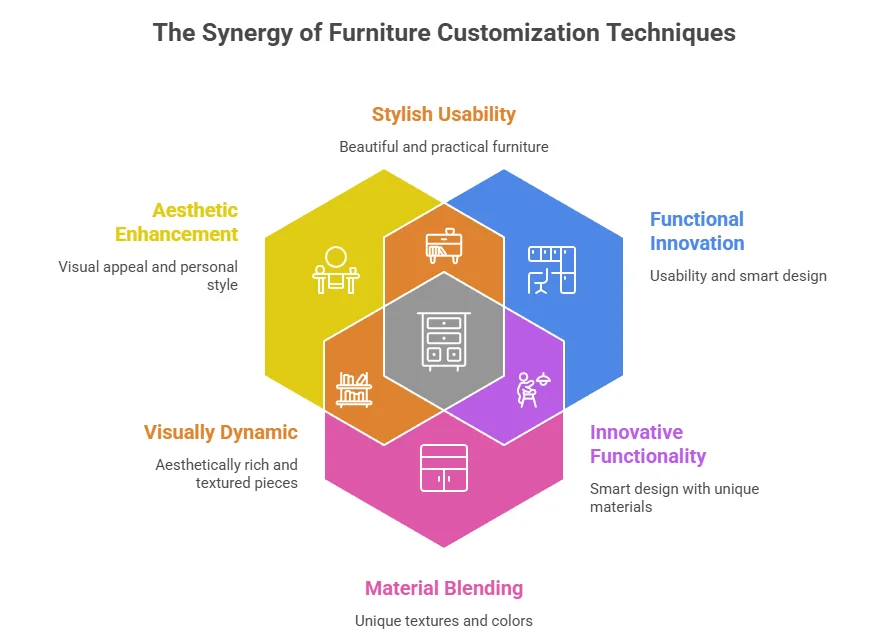
When you think about wooden furniture, you might picture something simple and plain. However, there are many creative ways to customize your pieces, turning ordinary items into extraordinary works of art that match your personal style. Here are several inventive approaches to help you personalize your wooden furniture and make it uniquely yours.
Painting and Staining
Changing the color of your wooden furniture is one of the easiest and most impactful ways to customize it. Here are some ideas:
- Bold Colors: Use bright hues to make a statement. A vibrant blue or a sunny yellow can breathe life into old furniture.
- Staining: Instead of painting, consider staining the wood to enhance its natural beauty while adding depth. You can choose lighter stains like natural or honey, or go for darker shades such as walnut or espresso.
- Ombre Effects: For a more artistic touch, try an ombre painting technique that gradually blends two or more colors for a unique appearance.
Adding Patterns and Designs
Injecting patterns into your wooden furniture can give it an artistic flair. Here are a few ways to do so:
- Decoupage: Cut out images, designs, or patterns from paper and adhere them to the surfaces using mod podge or similar adhesives.
- Stencils: Use stencils to add geometric shapes or floral designs to your furniture. This method allows for precision and creativity.
- Wood Burning: If you’re feeling crafty, try wood burning. This technique involves using a heated tool to etch designs into the wood.
Functional Features
Customization doesn’t have to be just about aesthetics; it can also mean enhancing functionality.
- Add Drawers: If you have a table or bench that’s purely decorative, consider adding drawers for storage.
- Built-in Lighting: For bookcases or display units, consider integrating LED lights. This will highlight your favorite items.
- Removable Cushioning: If you’re working with chairs or benches, you can add cushions in unique fabrics. Use removable covers for easy cleaning.
Mixing Materials
Combining wood with different materials can elevate your furniture design.
- Metal Accents: Adding metal legs or handles can provide a modern contrast to wooden pieces.
- Glass Tops: For tables, consider a glass surface over wooden legs. This gives a contemporary finish.
- Fabric Overlays: Drape fabric through design elements on your furniture, such as chair backs or table skirts.
Repurposing Old Furniture
Sometimes, the best way to personalize your wooden furniture is by giving old pieces a new life.
- Turning a Crib into a Bench: If you have an old crib, it can easily be transformed into a charming outdoor bench.
- Side Tables from Old Nightstands: You can paint or restyle these pieces into functional side tables for your living room.
- Cabinets into Desks: Old cabinets can serve as unique desks by adding a desktop surface and a chair.
Customizing your wooden furniture not only enhances your living space but also reflects your personality and creativity. Whether you’re painting, mixing materials, or repurposing pieces, the transformation can be rewarding and enjoyable. For more inspiration on creative woodworking, you might want to visit Woodworking Network or check out Wood Magazine.
Remember to keep your project within your skill level. Start simple, and as you gain confidence, explore more complex customizations. Before you know it, you will have a beautiful, personalized wooden furniture collection, filled with style and character.
Conclusion
Creating your own DIY Minimalist Wooden Furniture not only enhances your home but also brings a sense of satisfaction and pride in your craftsmanship. As you explore the essential tips and techniques, remember that minimalism goes beyond just aesthetics; it’s about embracing simplicity and functionality in your living space. The advantages of minimalism in home decor, such as reducing clutter and promoting tranquility, play a crucial role in modern living.
Choosing sustainable materials for your projects not only benefits the environment but also ensures that your furniture is durable and timeless. By selecting responsibly sourced wood, you contribute positively to nature while crafting pieces that add warmth to your home. Moreover, minimalist design shines in small spaces, effectively making them feel larger and more welcoming. Through strategic furniture placement and the use of light colors, even the coziest of apartments can feel spacious and airy.
Customization is the key to making your furniture truly yours. Simple modifications like staining, painting, or reupholstering allow you to express your personality while staying true to the minimalist ethos. This creative freedom also opens doors to incorporate personal touches that make your furniture functional and stylish.
Ultimately, embarking on a DIY Minimalist Wooden Furniture journey transforms how you view your living space. It empowers you to reconsider your needs, prioritize quality over quantity, and create an environment that reflects a balanced and mindful lifestyle. Embrace the process, enjoy the results, and let your home become a sanctuary of minimalist beauty.