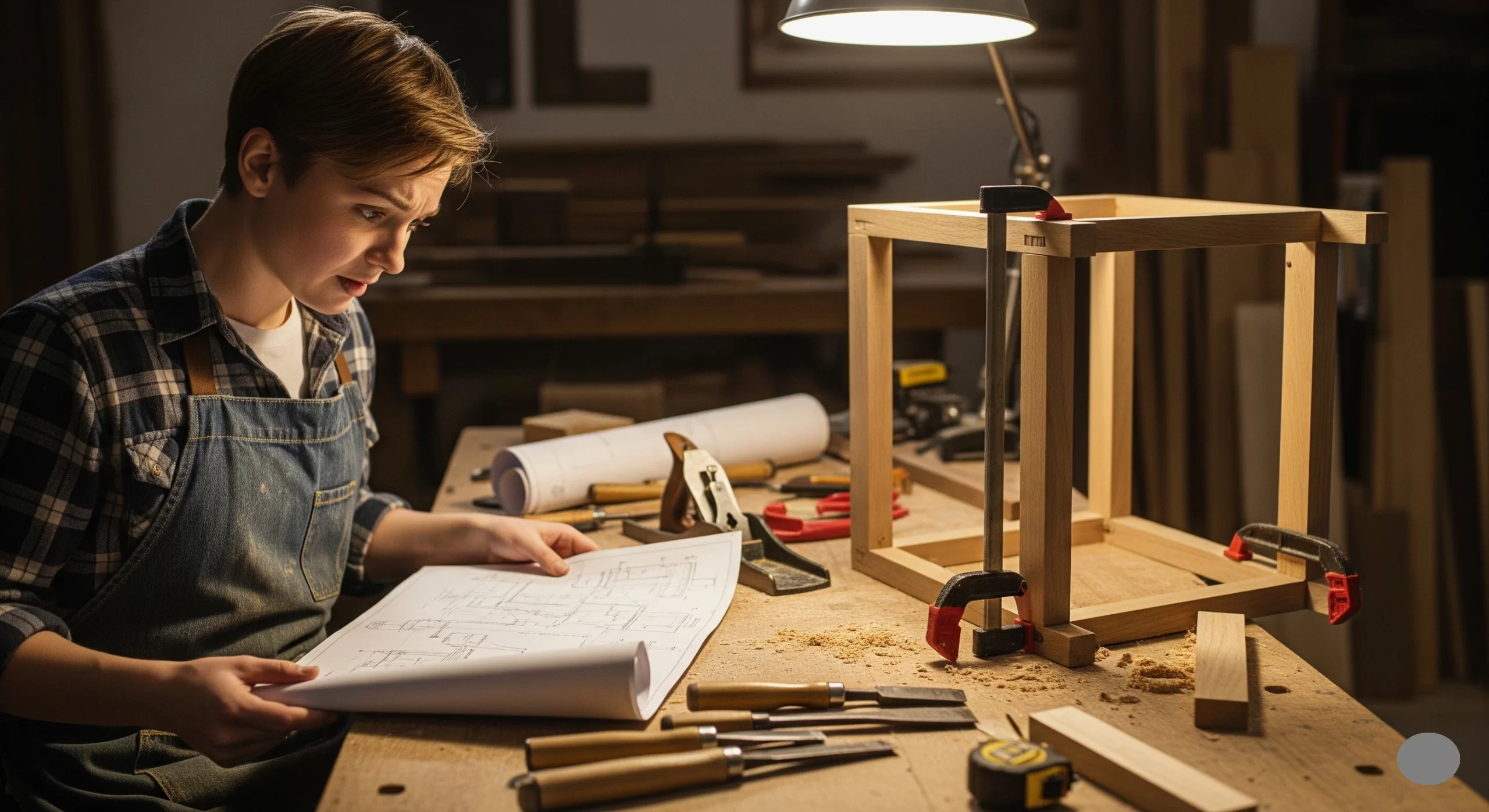
Many people wonder if they can teach themselves woodworking. The answer is a resounding yes! With interest, dedication, and the right resources, anyone can learn the basics of woodworking and create beautiful projects. This art form combines creativity with craftsmanship, making it both fulfilling and enjoyable. Here’s how you can embark on this woodworking journey.
Starting with the Basics
To begin your woodworking adventure, it’s essential to understand the fundamental concepts:
- Tools: Familiarize yourself with basic tools like saws, drills, hammers, and measuring tapes. Each tool has its specific use, and knowing how to handle them is crucial.
- Materials: Wood comes in different types, such as hardwood, softwood, and plywood. Each kind has its characteristics that affect your projects.
- Techniques: Learn essential woodworking techniques like measuring, cutting, joining, and finishing. Mastering these will give you a solid foundation.
Gathering Your Resources
Knowledge is key in woodworking. Here are some valuable resources you can utilize:
- Wood Magazine – Offers tips, techniques, and project ideas for woodworkers at any level.
- Popular Woodworking – Provides advice and inspiration with a wide range of articles and videos.
- Woodworker’s Journal – Contains helpful guides, tutorials, and project plans.
Finding Your Space
A dedicated workspace is vital. If you have a garage or basement, it can be an ideal place for your woodworking. Ensure it has good lighting, ventilation, and enough room to maneuver your tools and materials. If your space is limited, smaller projects can still be completed on a table or even outdoors.
Basic Projects for Beginners
Begin with simple projects that build your confidence:
- Birdhouse: A classic starting project that teaches you measuring and cutting.
- Bookshelf: Great for understanding structure and stability while enhancing your home.
- Picture Frame: Perfect for practicing miter cuts and finishing techniques.
Online Tutorials and Courses
Thanks to the internet, there’s a wealth of information available at your fingertips. Consider enrolling in online courses. Websites like Udemy and Craftsy offer woodworking classes that cater to different skill levels. YouTube is also a treasure trove of woodworking videos that demonstrate techniques and projects step by step.
Building a Network
Consider joining local woodworking clubs or online forums. Engaging with fellow enthusiasts can enhance your learning experience. You can ask questions, share your projects, and receive helpful feedback. Websites like Woodworking Talk and Reddit’s Woodworking Subreddit are great places to start connecting with others in the woodworking community.
Safety First
As you dive into woodworking, safety should always be your top priority. Here are key safety tips to remember:
- Always wear safety goggles and hearing protection when working with power tools.
- Keep your workspace clean and organized to avoid accidents.
- Read the manuals of your tools to understand proper operation and safety features.
- Be aware of your surroundings and avoid distractions while working.
The Joy of Woodworking
Can I Teach Myself Woodworking? Teaching yourself woodworking can be incredibly rewarding. The sense of achievement that comes from creating something with your own hands is unmatched. With patience and practice, you’ll find your skills improving over time, and soon you’ll be crafting unique projects that you can truly call your own.
So yes, you can teach yourself woodworking! Gather your tools, follow the tips and resources provided, and get started today. Embrace the challenges and enjoy the journey of creating beautiful wooden pieces. Happy woodworking!
Essential Tools for Self-Taught Woodworkers
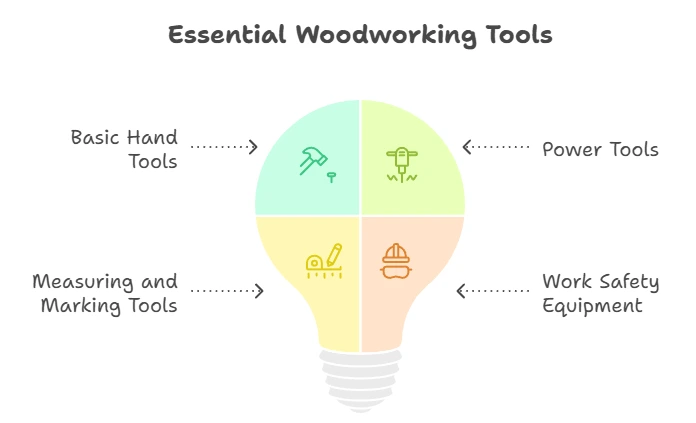
Are you eager to dive into the world of woodworking but unsure about where to start? If you’re considering teaching yourself woodworking, equipping yourself with the right tools is essential. A good set of tools can make your crafting experience smoother and more enjoyable. Here’s a detailed look at the must-have tools for self-taught woodworkers.
Basic Hand Tools
When starting your woodworking journey, hand tools are indispensable. They provide a hands-on approach that helps you understand wood better. Here’s a list of basic hand tools you should have:
- Square: A square helps you ensure your cuts are perfectly straight.
- Chisels: A set of chisels is crucial for carving and detailing.
- Saw: A handsaw or coping saw is vital for making clean cuts in wood.
- Hammer: A good hammer is necessary for assembling projects and driving nails.
- Screwdriver: Both flathead and Phillips screwdrivers are needed for fastening components.
Power Tools
As you gain more experience, incorporating power tools into your setup can save time and increase precision. Here are some power tools every self-taught woodworker should consider:
- Drill: An electric drill is essential for drilling holes and driving screws effortlessly.
- Sander: A power sander can smooth surfaces much faster than hand sanding.
- Table Saw: While a bit more of an investment, a table saw is excellent for making accurate and repetitive cuts.
- Router: A router is useful for hollowing out areas in wood and adding decorative edges.
Measuring and Marking Tools
Accurate measurements are crucial in woodworking. Here are some measurement and marking tools that will assist you:
- Measuring Tape: A long measuring tape allows for precise, long-distance measurements.
- Marking Gauge: A marking gauge helps you create consistent lines for cuts.
- Pencil: Always keep a sharp pencil handy for marking wood.
Work Safety Equipment
Safety should always come first in any woodworking project. Here are essential safety items to invest in:
- Safety Glasses: Protect your eyes from flying debris while cutting and sanding.
- Ear Protection: Wear earplugs or earmuffs to protect against noise from power tools.
- Dust Mask: A dust mask helps filter out harmful particles that arise while woodworking.
Additional Tools for Advanced Woodworkers
Once you’re comfortable with the basics, these additional tools can elevate your woodworking skills:
| Tool | Purpose |
|---|---|
| Band Saw | Ideal for making curved cuts and resawing wood. |
| Joiner | Helps to create flat edges on wood pieces for joining. |
| Thickness Planer | Used for achieving uniform thickness on boards. |
Understanding how to use these tools effectively is key to becoming proficient. You can find many resources online, including instructional videos and forums where experienced woodworkers share their tips and tricks. Websites like The Balance and Wood Magazine offer excellent articles that can guide you on your journey. Additionally, you can join woodworking communities or take online courses to build your skills further. Whether you’re building furniture or crafting art, having the right tools makes all the difference. Invest wisely, and with practice, you’ll see your woodworking skills flourish. Happy crafting!
Common Mistakes Beginners Make in Woodworking
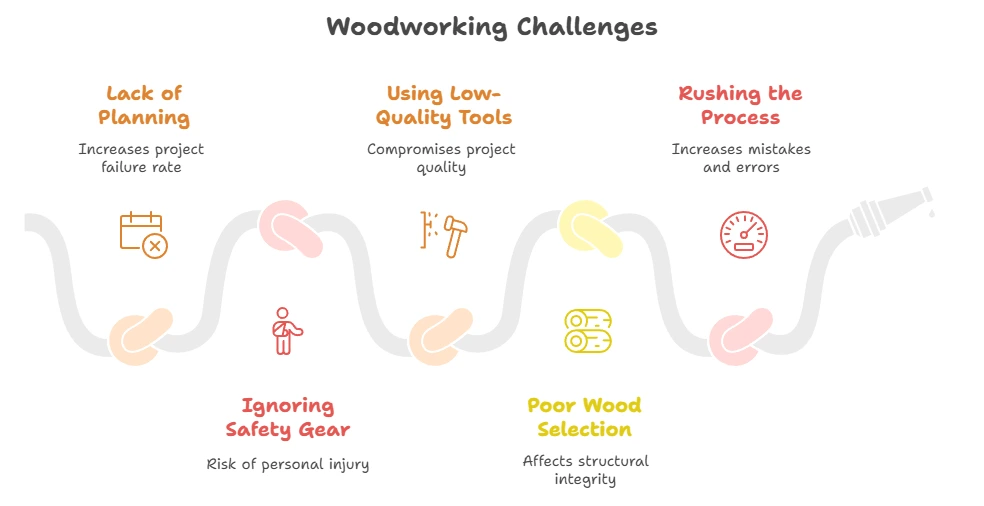
Woodworking is a rewarding and creative hobby. However, beginners often make some common mistakes that can lead to frustration or accidents. By recognizing these pitfalls early, you can save time, money, and even prevent injuries. Here are some key mistakes beginner woodworkers usually encounter.
Lack of Planning
One of the biggest mistakes is not having a clear plan before starting a project. Without a well-thought-out design, you may find yourself stuck mid-project, running into safety issues, or wasting materials. Always take the time to sketch out your design, measure materials accurately, and gather your supplies beforehand. This leads to a smoother and more enjoyable woodworking experience.
Ignoring Safety Gear
Another frequent error is underestimating the importance of safety gear. Many new woodworkers feel that they won’t need items like goggles, masks, or gloves. However, protecting yourself from sawdust, debris, and sharp tools is crucial. Always wear safety goggles to shield your eyes, a dust mask to prevent inhalation of harmful particles, and sturdy gloves to protect your hands. These simple precautions can make a significant difference.
Using Low-Quality Tools
Beginners also tend to overlook the necessity of using quality tools. It’s tempting to purchase cheaper tools to save money, but this can lead to complications. Low-quality tools can break easily, make less accurate cuts, and result in poor craftsmanship. Investing in a few high-quality tools will pay off in the long run, providing better results and enhancing your skill level.
Poor Wood Selection
Learning about wood selection is essential as well. Newcomers might not realize that different woods have unique properties that can affect their projects. For instance, softwoods are easier to cut and shape but may not be as durable as hardwoods. Make sure to research the types of wood suitable for your project and their characteristics. Understanding this will help you choose the right material for your needs and lead to more successful outcomes.
Rushing the Process
It’s also common for beginners to rush their projects. Woodworking is an art that takes time and patience. Hurrying through cuts, glue-ups, or finishes can lead to mistakes and mishaps. Give yourself ample time to complete each step methodically. Taking your time will result in higher quality work and help you enjoy the process even more.
Neglecting Your Workspace
Keeping your workspace organized is crucial for efficiency and safety. Clutter can lead to accidents, lost tools, and wasted time. Set up a clean, organized area that allows you to focus on your project. Store tools in designated places and keep your workstation tidy after use. This not only makes it safer but can also boost your productivity as you work.
Skipping Practice
Moreover, not testing techniques before applying them to the main project is another common misstep. New techniques can feel intimidating. However, it’s essential to practice on scrap pieces of wood first before committing to your main project. This will help you build confidence and avoid mistakes that could ruin your work.
Lack of Resources
If you want to improve your woodworking skills, consider taking classes or watching online tutorials. Resources like Woodworkers Source and Wood Magazine can provide invaluable tips and tricks from experienced professionals. Engaging with a community can also provide support and motivation, helping you stay inspired as you progress.
Poor Finishing Techniques
Another common error is neglecting to finish your project correctly. Finishing techniques can drastically affect the appearance and durability of your final product. Invest time in researching various finishing options, such as stains, paints, or sealers, and test them out on scrap wood. This effort will dramatically elevate your craftsmanship and satisfaction with the final piece.
No Woodworking Journal
Many beginners fail to keep a woodworking journal. Documenting your projects, measurements, and experiences will help you learn from your mistakes and make improvements over time. Not only will you have a reference for future projects, but it’s also a nice way to track your progress as you grow in the hobby.
By avoiding these common mistakes and focusing on safety, planning, and learning, you can make the most of your woodworking journey. Remember, practice makes progress, and with each project, you’ll see your skills flourish. Enjoy the process and happy woodworking!
Online Resources and Communities for Learning Woodworking
Learning woodworking can feel daunting, but with the right online resources and communities, you can navigate this craft with ease and confidence. Whether you’re just starting or looking to refine your skills, the digital age provides you with a wealth of information. Here’s how you can take advantage of these resources.
Online Learning Platforms
Online learning platforms offer structured courses that cater to different skill levels. They often feature video lessons, diagrams, and quizzes to help you grasp woodworking concepts effectively. Some excellent sites to explore include:
- Coursera – Provides courses on woodworking fundamentals from top universities.
- Udemy – Offers a wide range of woodworking classes, from basic to advanced techniques.
- Skillshare – Focuses on hands-on projects that you can follow along with expert instructors.
Video Tutorials
YouTube is an invaluable resource for woodworking tutorials. Many talented woodworkers share their craft through detailed videos. Here are a few YouTube channels worth subscribing to:
- Woodworking for Beginners – Offers practical projects and tips suitable for beginners.
- April Wilkerson – Features DIY builds and creative ideas focusing on woodworking.
Forums and Online Communities
Connecting with others in the woodworking community can enhance your learning experience. Engaging in discussion forums helps you gain practical advice and support. Popular forums include:
- Woodworking Talk – A vibrant community where you can ask questions and share your projects.
- Reddit’s Woodworking Subreddit – A place to post your work, seek feedback, and discover new techniques.
- Fine Woodworking Forum – Offers expert guidance and articles for woodworking enthusiasts.
Project Plan Websites
Using project plans can help you get started on your first woodworking projects. Websites that provide free or paid plans include:
- Wood Magazine – Features detailed woodworking plans and articles to help you succeed.
- Ana White – Offers free building plans suitable for all skill levels, focusing on home projects.
- Instructables – A DIY community with various woodworking projects submitted by users.
Social Media Platforms
Social media is a fantastic way to follow influential woodworkers and get inspired by their work. Platforms like Instagram and Pinterest are full of ideas. Some recommended accounts to follow include:
- Woodworkers of Instagram – A hashtag that showcases beautiful work from all over the world.
- Pinterest – Provides an endless supply of woodworking inspiration and how-to guides.
Online Workshops and Live Classes
For a more interactive experience, consider joining online workshops or live classes. They allow for real-time feedback and personalized learning. Check out the following resources:
- Woodworkers Guild of America – Offers a variety of workshops led by experienced woodworkers.
- LumberJocks – A community that often hosts live presentations and Q&A sessions.
As you embark on your woodworking journey, leverage these online tools and communities to grow your skills. With the right foundations in place and a supportive network around you, teaching yourself woodworking is not just possible; it’s an exciting adventure.
Creative Woodworking Projects for Self-Learning Enthusiasts
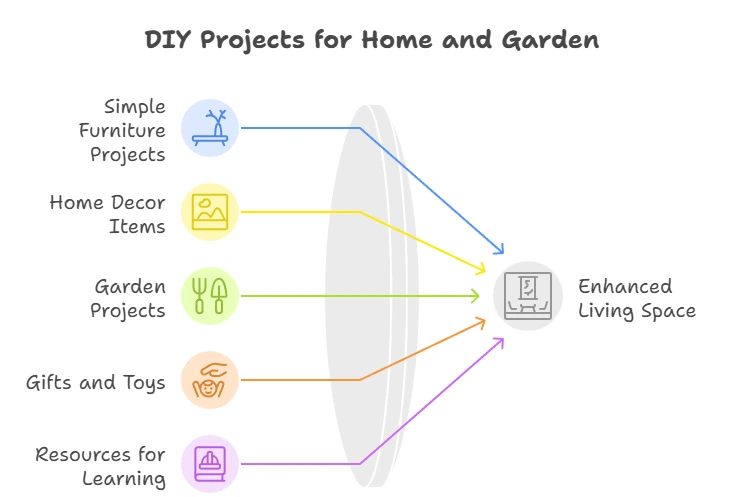
Woodworking is a rewarding hobby that combines creativity with practicality. If you’re keen to embark on a journey of self-learning in woodworking, there is a wealth of creative projects to choose from. These projects not only help you practice your skills but also allow you to create cherished items for your home or gifts for loved ones. Here’s a selection of engaging woodworking projects that are perfect for beginners.
Simple Furniture Projects
Starting with straightforward furniture can build a solid foundation for your skills. Here are some ideas:
- Step Stool: This functional piece can be made with basic cuts and joins. It’s ideal for helping you reach higher places at home.
- Side Table: A small side table can serve multiple purposes. Experiment with different finishes to make it your own.
- Bookshelf: Building a simple bookshelf is a great project that helps with understanding measurements and balance.
Home Decor Items
Woodworking provides an opportunity to create beautiful decor for your living space. Consider these projects:
- Wall Art: Use scrap wood to create a piece of art. You could cut shapes, paint, or stain them for a personal touch.
- Picture Frames: Custom frames can make your photos stand out. Plus, it’s a great way to try out different wood joinery techniques.
- Coasters: Simple to make and practical. You can personalize them with stains or engravings.
Garden Projects
If you enjoy spending time outdoors, there are several woodworking projects to enhance your garden:
- Planter Boxes: Create a rustic planter box for your herbs and flowers. This project can help improve your skills in cutting and shaping wood.
- Birdhouse: Building a birdhouse is a fun project, especially for beginners. It also attracts wildlife to your garden.
- Garden Bench: A sturdy bench can be built with basic woodworking tools and allows plenty of room for creative design.
Gifts and Toys
Woodworking is a delightful way to create personalized gifts.
- Wooden Toys: Consider making simple toys like blocks, puzzles, or vehicles. They are enjoyable to create and loved by children.
- Serving Tray: A custom serving tray can make a lovely gift. You can even personalize it with initials or special dates.
- Key Holder: Craft a unique wooden key holder for friends or family. This practical item makes a thoughtful gift.
Resources for Learning
To aid your woodworking journey, explore these resources that provide tutorials, plans, and inspiration:
| Website | Description |
|---|---|
| Wood Magazine | A comprehensive resource with tips, plans, and project ideas for woodworkers at all levels. |
| Instructables – Woodworking | A platform with a plethora of user-generated woodworking projects, including step-by-step guides. |
| Pinterest – Woodworking Projects | Find endless inspiration for woodworking projects and techniques through vibrant images and links to tutorials. |
By choosing engaging projects like these, you can dive into the wonderful world of woodworking. Each project presents unique challenges that enhance your skills while also allowing you to express your creativity. Remember to take your time, follow safety precautions, and most importantly, enjoy the process of learning and creating. Whether you’re making something for home decor or crafting unique gifts, woodworking is a fulfilling avenue of creativity that anyone can explore. The projects mentioned above are just the beginning; as your skills grow, you can tackle more complex designs and even create custom pieces tailored to your style.
Conclusion
Embarking on a journey into woodworking can be an immensely rewarding experience. As you explore the basics of this craft, you’ll discover that Can I Teach Myself Woodworking? teaching yourself woodworking is not only possible but also enjoyable. Familiarizing yourself with essential tools like saws, drills, and measuring tapes is the first step. Remember, it’s normal to encounter challenges along the way, and understanding common mistakes can help you avoid frustration while honing your skills.
The wealth of online resources and communities available at your fingertips creates an unparalleled opportunity for learning. From video tutorials to forums where seasoned woodworkers share their wisdom, these platforms can empower you to tackle projects both large and small. Engaging with fellow woodworking enthusiasts can also encourage you and spark new ideas, enhancing both your skills and creativity.
As you progress, embarking on creative woodworking projects can solidify your learning and ignite your passion. Whether it’s crafting a simple birdhouse or constructing a more intricate bookshelf, each project presents a chance to apply newfound knowledge and boost your confidence.
Ultimately, the process of teaching yourself woodworking is about exploration and patience. With dedication and the right resources, you can transform wood into beautiful and functional pieces. Embrace the journey, allow yourself to learn from mistakes, and most importantly, have fun as you bring your creative visions to life. Happy woodworking!