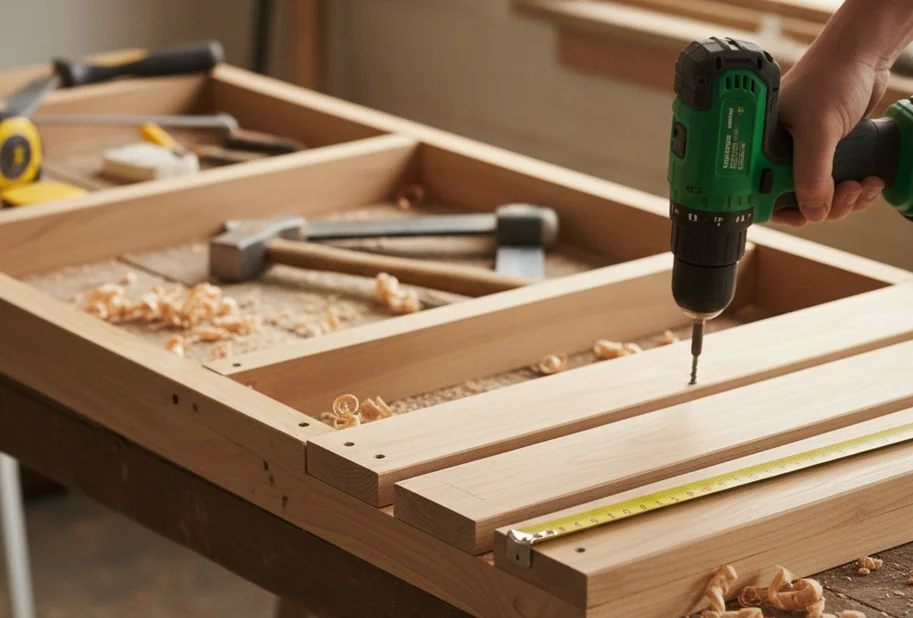
Creating your own Building Wooden Garden Furniture can be a rewarding and practical project. Not only does it allow you to customize pieces to fit your space, but it also provides an opportunity to enhance your gardening experience. Here are essential tips that will help beginners successfully build their Building Wooden Garden Furniture.
Choosing the Right Wood
When Building Wooden Garden Furniture, selecting the right type of wood is crucial. Here are a few popular options:
- Cedar: Resistant to moisture and insects, cedar is an excellent choice for outdoor use.
- Redwood: Known for its durability and natural beauty, redwood makes stunning furniture.
- Teak: Expensive but highly durable, teak is perfect for long-lasting outdoor furniture.
- Pine: Cost-effective and easy to work with, pine can be treated for outdoor use.
Essential Tools and Supplies
Before you start Building Wooden Garden Furniture, ensure you have the necessary tools and supplies. Here’s what you’ll need:
- Measuring Tape: For accurate measurements.
- Circular Saw: Ideal for cutting wood to size.
- Drill: Needed for making holes and driving screws.
- Wood Glue: Helps strengthen joints.
- Screws and Nails: Essential for assembly.
- Sandpaper: To smooth sharp edges.
- Paint or Sealant: Protect your furniture from the elements.
Designing Your Furniture
Think about what kind of furniture will suit your garden. Here are some popular designs for Building Wooden Garden Furniture:
Benches
A simple bench can serve as a beautiful seating area. Consider adding storage beneath the seating for cushions or gardening tools.
Tables
A sturdy table is perfect for dining or potting plants. Include features like an umbrella hole for sun protection.
Adirondack Chairs
These classic chairs are comfortable and stylish, making them a fantastic addition to any garden.
Measuring and Cutting Wood
Taking precise measurements ensures your furniture fits perfectly in your space. Use these steps:
- Measure the area where the furniture will go.
- Sketch a plan that includes dimensions.
- Cut your wood according to these measurements.
Assembling the Pieces
Once you have all your pieces cut, it’s time to assemble them. Follow these guidelines for your Building Wooden Garden Furniture project:
- Start with the base or frame, ensuring everything is level.
- Secure joints using wood glue and screws for extra strength.
- Check for stability; make adjustments as needed.
Finishing Touches
Finish your furniture to protect it from the elements. Options include:
- Stain: Enhances wood grain while providing some protection.
- Paint: Offers more vibrant colors and can help to protect against weather damage.
- Outdoor Sealant: Provides a protective barrier against moisture and UV rays.
Maintenance Tips
To ensure longevity, regular maintenance is key. Here are some easy tips for your Building Wooden Garden Furniture:
- Clean furniture regularly with mild soap and water.
- Reapply sealants and stains every couple of years.
- Store furniture indoors during extreme weather conditions.
The Best Types of Wood for Outdoor Furniture
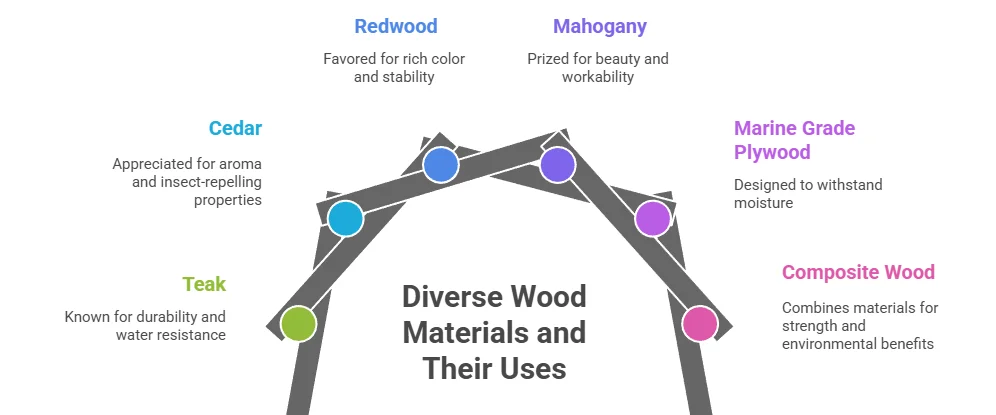
Choosing the right type of wood for outdoor furniture is crucial for ensuring durability, aesthetics, and comfort. There are various options available, each with unique characteristics that make them suitable for different preferences and climates. Here’s a closer look at some of the best types of wood you can consider for your Building Wooden Garden Furniture project.
Teak
Teak is often hailed as one of the best woods for outdoor furniture. Its natural oil content provides excellent resistance against moisture, pests, and decay. Teak can withstand harsh weather conditions, making it perfect for outdoor use.
- Durability: Lasts for many years thanks to its robust structure.
- Maintenance: Requires minimal upkeep; simply clean it periodically.
- Aesthetics: Beautiful golden-brown color, which deepens over time.
Cedar
Cedar is another excellent choice for outdoor furniture. Known for its aromatic properties, cedar contains natural oils that resist moisture and insects. This wood is lightweight and easy to work with, ideal for handcrafted pieces.
- Lightweight: Easy to move around and rearrange.
- Resistance: Naturally resistant to rot and decay.
- Appeal: Has a distinct, attractive appearance with a reddish hue.
Redwood
Redwood is a popular choice among outdoor furniture makers for its intricate patterns and natural beauty. Its aromatic quality adds a refreshing scent to your garden. Similar to cedar, redwood is resistant to both moisture and insects.
- Longevity: Excellent lifespan; can last for decades with proper care.
- If Finished: Can be stained or left natural for a rustic look.
- Density: Striking grains that enhance visual appeal.
Mahogany
Mahogany is known for its rich color and smooth finish. It offers great durability and strength, making it suitable for making high-quality, stylish outdoor furniture. Additionally, mahogany is resistant to rot, ensuring longevity.
- Stylish: Provides a sophisticated touch to any outdoor space.
- Durable: Strong wood that resists bending and warping.
- Finishing: Stains and finishes remarkably well, enhancing its natural beauty.
Marine Grade Plywood
If you’re looking for an affordable and versatile option, marine grade plywood might be your solution. This material is designed for high moisture environments and won’t swell or split easily.
- Cost-Effective: More budget-friendly than solid wood options.
- Easy to Customize: Can be styled in various ways to suit your design.
- Density: Solid structure is perfect for outdoor use.
Composite Wood
Composite wood is an artificially engineered material made from a blend of wood fibers and plastic. This wood alternative is becoming increasingly popular for outdoor furniture due to its durability and low maintenance requirements.
- Weather Resistant: Can resist fading and damage from harsh climates.
- Eco-Friendly: Often made from recycled materials.
- Varied Designs: Available in different colors and textures.
Essential Tools and Materials for Crafting Garden Furniture
When you decide to take on the rewarding task of Building Wooden Garden Furniture, having the right tools and materials is essential. Whether you are crafting a simple bench or an intricate picnic table, the proper equipment can make a significant difference in both the process and the final product. Here’s a breakdown of the critical tools and materials you’ll need to successfully get started.
Essential Tools for Building Wooden Garden Furniture
The right set of tools not only enhances efficiency but also ensures safety while you work on your garden furniture. Here are the key tools you will need for Building Wooden Garden Furniture:
- Measuring Tape: Accurate measurements are crucial. Look for a sturdy measuring tape that can extend to at least 25 feet.
- Square: A carpenter’s square helps you check for right angles and ensures your cuts are straight and even.
- Handsaw or Power Saw: A handsaw is great for small projects. For larger pieces, consider a circular or miter saw for faster cuts.
- Drill: An electric drill is invaluable for creating holes and driving screws. A variety of drill bits will serve different purposes.
- Screwdriver Set: Having a reliable set of screwdrivers allows you to easily assemble your furniture using screws.
- Sander: To achieve a smooth finish, a random orbit sander or even manual sandpaper will do the trick.
- Clamps: These keep your pieces held together while you glue or screw them, ensuring everything stays in place.
- Safety Gear: Always prioritize safety with goggles, dust masks, and ear protection while working with power tools.
Key Materials for Building Garden Furniture
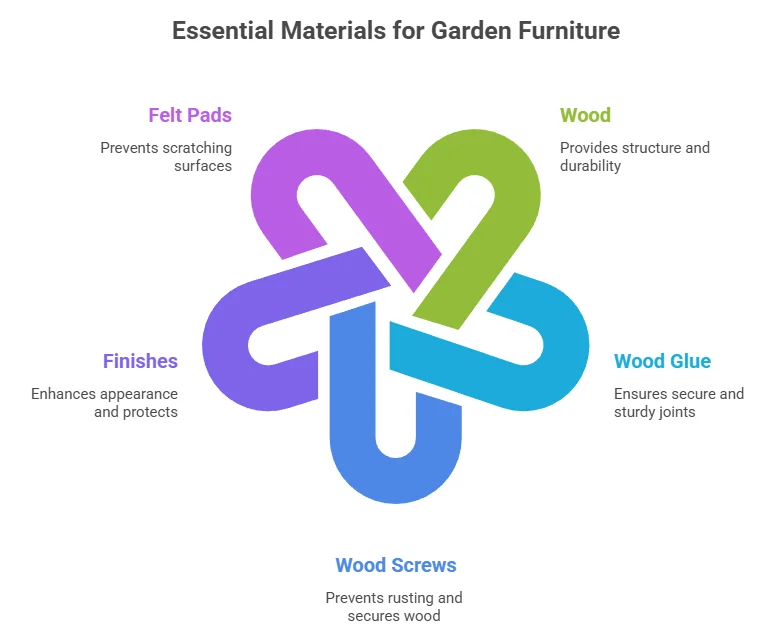
Choosing the right materials is just as important as having the right tools. Here are some materials that are suitable for Building Wooden Garden Furniture:
- Wood: The backbone of your project. Choose weather-resistant woods like cedar, redwood, or pressure-treated pine for outdoor durability. For a touch of luxury, hardwood options like teak or mahogany are great choices.
- Wood Glue: This strong adhesive ensures that joints are secure and sturdy. Make sure to use a waterproof variety if your furniture will be exposed to the elements.
- Wood Screws: Opt for galvanized or stainless steel screws to prevent rusting. The screw length will depend on the thickness of your wood.
- Finishes: Protective finishes, such as stains or sealants, enhance the appearance of your furniture and provide protection against moisture and UV rays.
- Felt Pads: To prevent scratching the surface beneath your furniture, consider adding felt pads to the bottom of chairs or tables.
Helpful Tips for Selecting Tools and Materials
When selecting tools and materials for your Building Wooden Garden Furniture, keep these tips in mind:
- Invest in quality tools that will last longer and perform better.
- Buy materials that suit your climate; for instance, durable, moisture-resistant wood is essential in humid areas.
- Look for local suppliers or lumberyards that provide guidance on the best choices for your specific project.
Consider visiting websites like Wood Magazine or Woodworking Network for more detailed information and tutorials on woodworking techniques and materials.
Maintenance Strategies for Prolonging the Life of Wooden Furniture
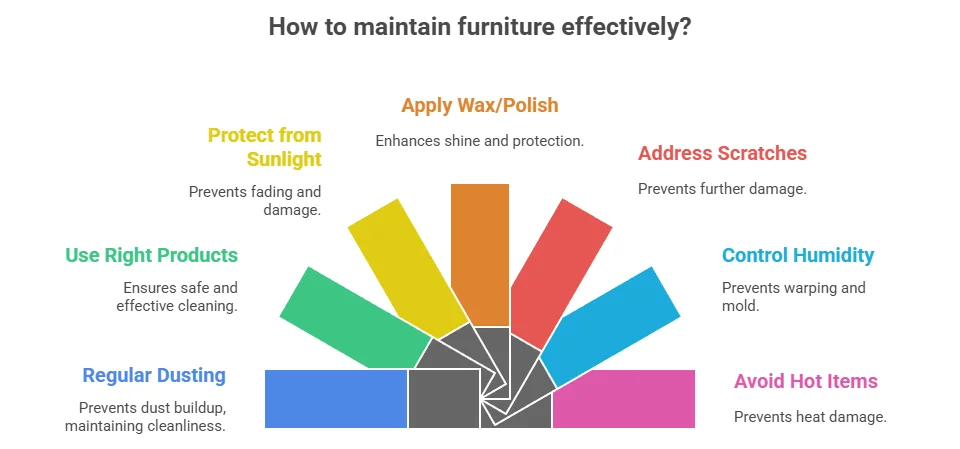
Wooden furniture adds warmth and character to any space, but to keep it looking its best, regular maintenance is crucial. Proper care not only enhances the wood’s beauty but also prolongs its lifespan. Here are some effective strategies to maintain your Building Wooden Garden Furniture and ensure it remains in top condition.
Regular Dusting
Dust can accumulate quickly on furniture surfaces. Use a soft, lint-free cloth or a microfiber duster to remove dust. Regular dusting prevents buildup that can scratch the surface of your wooden pieces. Aim to dust your furniture at least once a week.
Use the Right Cleaning Products
When it comes to cleaning, not all products are suitable for wood. Avoid harsh chemicals that can strip the wood’s natural oils. Instead, use gentle, pH-balanced cleaners specifically made for wooden surfaces. You can also create a natural cleaning solution:
- Mix one part vinegar with three parts water.
- Dip a cloth into the solution, wring it out, and gently clean the surface.
- Always follow up with a dry cloth to avoid moisture damage.
Protect from Sunlight and Heat
Direct sunlight and heat can cause your wooden furniture to fade and crack. To protect your pieces:
- Use curtains or blinds to limit direct sun exposure.
- Place furniture away from radiators or other heat sources.
- Consider using UV-blocking window films to reduce sun damage.
Apply Wax and Polish Regularly
Applying wax or polish creates a protective layer on your wooden furniture. This not only enhances its shine but also helps guard against stains and scratches.
- Use beeswax or a commercial wood polish.
- Apply it with a soft cloth, working in small sections.
- Buff the surface in circular motions for best results.
Address Scratches Promptly
Scratches can detract from the beauty of your wooden furniture. Address them quickly to prevent further damage:
- For shallow scratches, rub a walnut or almond over the area; the natural oils can help hide imperfections.
- For deeper scratches, consider using a wood filler that matches your furniture’s color.
- Always follow up with polish to blend the repair.
Control Humidity Levels
Wood can expand and contract based on humidity levels. Maintaining consistent humidity levels in your home will help prevent warping or cracking of your furniture. Ideally, keep indoor humidity between 30% and 50%:
- Use a dehumidifier in summer or an evaporative humidifier in winter.
- Monitor humidity with a hygrometer.
Refrain from Placing Hot Items Directly on Surfaces
Heat can damage the finish of your wooden furniture, leading to discoloration and warping. Always use coasters or trivets when placing hot items on wooden surfaces. This simple step can save your furniture from irreversible damage.
Professional Refinishing
Over the years, your wooden furniture may lose its luster. If cleaning and polishing no longer seem effective, consider professional refinishing:
- Stripping off the old finish and applying new lacquer or varnish can restore its original beauty.
- This can be done every few years, depending on the use and exposure of the furniture.
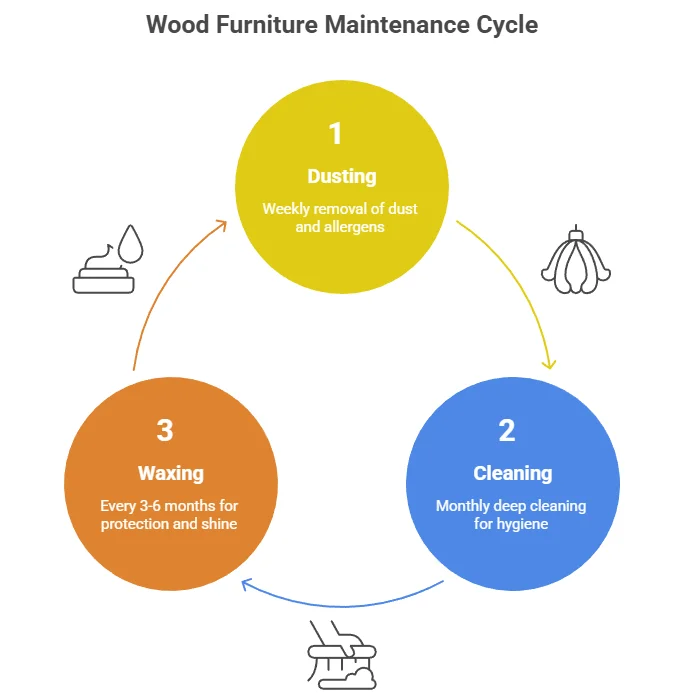
Maintenance Schedule for Wooden Furniture
| Maintenance Task | Frequency |
|---|---|
| Dusting | Weekly |
| Cleaning | Monthly |
| Waxing | Every 3-6 Months |
Creative Designs for Custom Garden Furniture Pieces
Creating unique Building Wooden Garden Furniture pieces can elevate your outdoor space. With tailored designs, you can showcase your personal style while enhancing the atmosphere of your garden. Whether you want a rustic bench or a modern dining set, custom furniture can meet your needs and fit perfectly into your landscape. Here are some inspiring ideas to spark your creativity.
Outdoor Sitting Areas
One popular trend is to design cozy seating areas. This can be achieved through:
- Loveseats: Perfect for two, these can be made with curved designs or classic straight lines.
- Benches: A sturdy bench can highlight a focal point or provide seating along paths.
- Swing Chairs: Adding a swinging element brings fun and relaxation.
Innovative Dining Solutions
Custom wooden dining sets can transform your garden into an entertaining hotspot. Consider these designs:
- Expandable Tables: These are practical for accommodating varying guest sizes.
- Bar Height Sets: Perfect for casual gatherings and can be paired with high stools.
- Picnic Style: Combining benches and tables in a communal style adds a relaxed vibe.
Unique Storage Options
Garden furniture can serve dual purposes. Here are some excellent storage ideas for your Building Wooden Garden Furniture:
- Storage Benches: These can store cushions and garden tools, keeping your space tidy.
- Ottoman Storage: Add comfort while concealing your garden essentials.
- Planter Seats: Incorporate planters into benches for a practical and attractive design.
Personal Touches for Customization
Incorpore personalized elements to give your furniture a unique flair:
- Engraving: Name your benches or tables with custom carvings to reflect your personality.
- Colorful Finishes: Use stains or paints to bring out the wood grains or match your garden’s theme.
- Cushions and Fabrics: Create a warm atmosphere with colorful, themed cushions that invite lounging.
Natural Elements
Many designs can integrate the surrounding nature. Here are some ideas:
- Natural Shapes: Furniture that mimics the curves and lines found in nature can enhance your garden’s aesthetics.
- Tree-Trunk Tables: Using actual tree trunks adds an organic charm and sustainability.
- Live Edge Designs: Allowing the natural edge of wood to show emphasizes handcrafted artistry.
Functional Accessories
Adding accessories can make your custom furniture more versatile:
- Built-In Fire Pits: Create warmth in your seating area, making it usable all year round.
- Umbrella Holders: Attachments for umbrellas can help provide shade during hot days.
- Modular Designs: Flexibly arrange furniture pieces to suit your gatherings and layout.
For inspiration on designs and materials, consider looking at websites such as Wood Magazine and The Spruce. These sites offer fantastic resources and creative ideas to give your future projects a unique edge.
When crafting Building Wooden Garden Furniture, remember that functionality and aesthetics should go hand in hand. Select durable materials suited to your climate while embracing your creative vision. Taking the time to design and build custom pieces can bring joy and utility for years to come.
Conclusion
Building Wooden Garden Furniture offers a rewarding experience that enhances your outdoor space while allowing you to express your creativity. By following the top tips for beginners, you can start your journey with confidence, ensuring you understand the essential techniques and principles involved. Selecting the best types of wood, such as cedar or teak, ensures durability and resilience against the elements, making your furniture not only beautiful but long-lasting.
Equipped with the right tools and materials, such as saws, sanders, and protective finishes, you can bring your vision to life. Remember that quality craftsmanship often depends on having the right equipment at your fingertips.
Maintenance is key to preserving the beauty and functionality of your creations. Regular cleaning and the appropriate use of sealants will protect your wooden pieces from wear and tear, ensuring they remain stunning additions to your garden for years to come.
Don’t be afraid to unleash your imagination. Creative designs can transform standard outdoor settings into unique, inviting spaces. Whether you choose to build a chic bench, a stylish table, or a cozy garden swing, each piece can reflect your personal style and needs. As you embark on this woodworking adventure, remember that Building Wooden Garden Furniture is not just a project; it’s an opportunity to create lasting memories in your outdoor haven. Happy building!